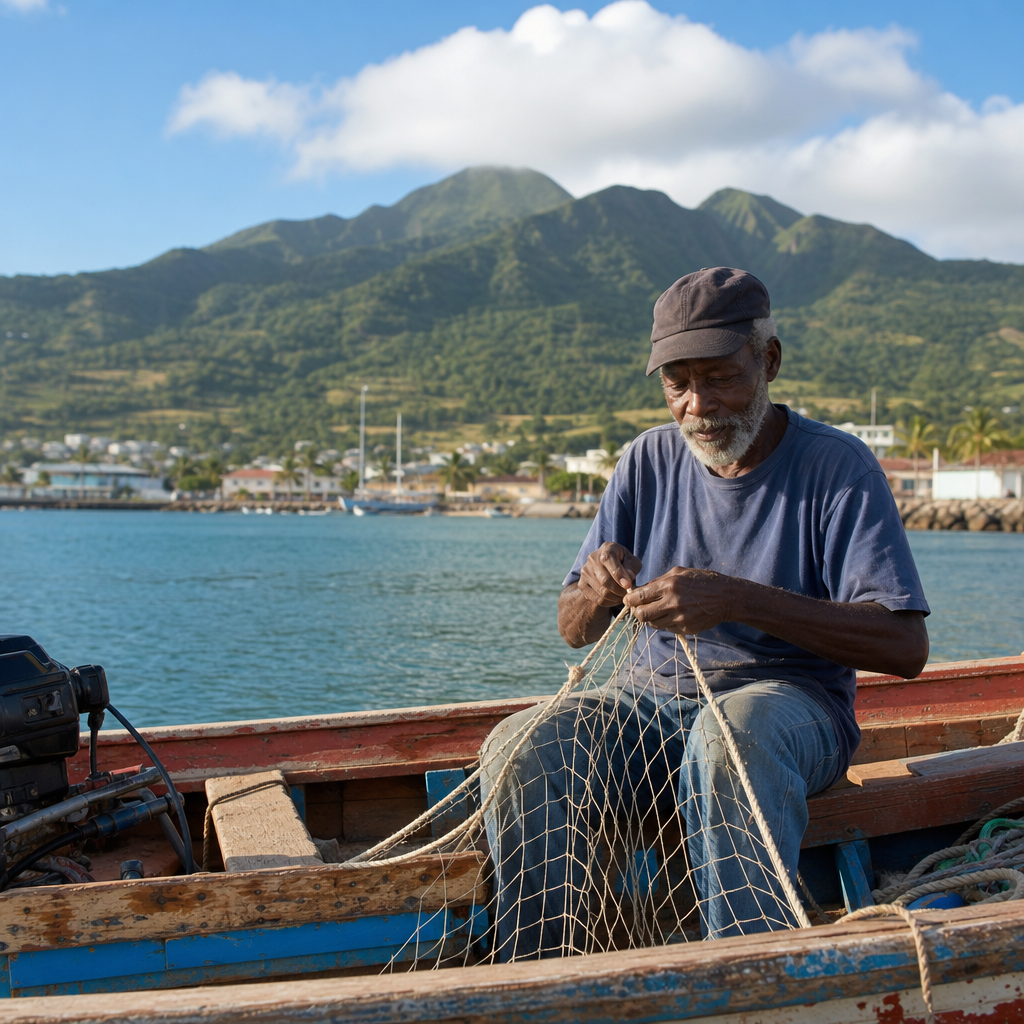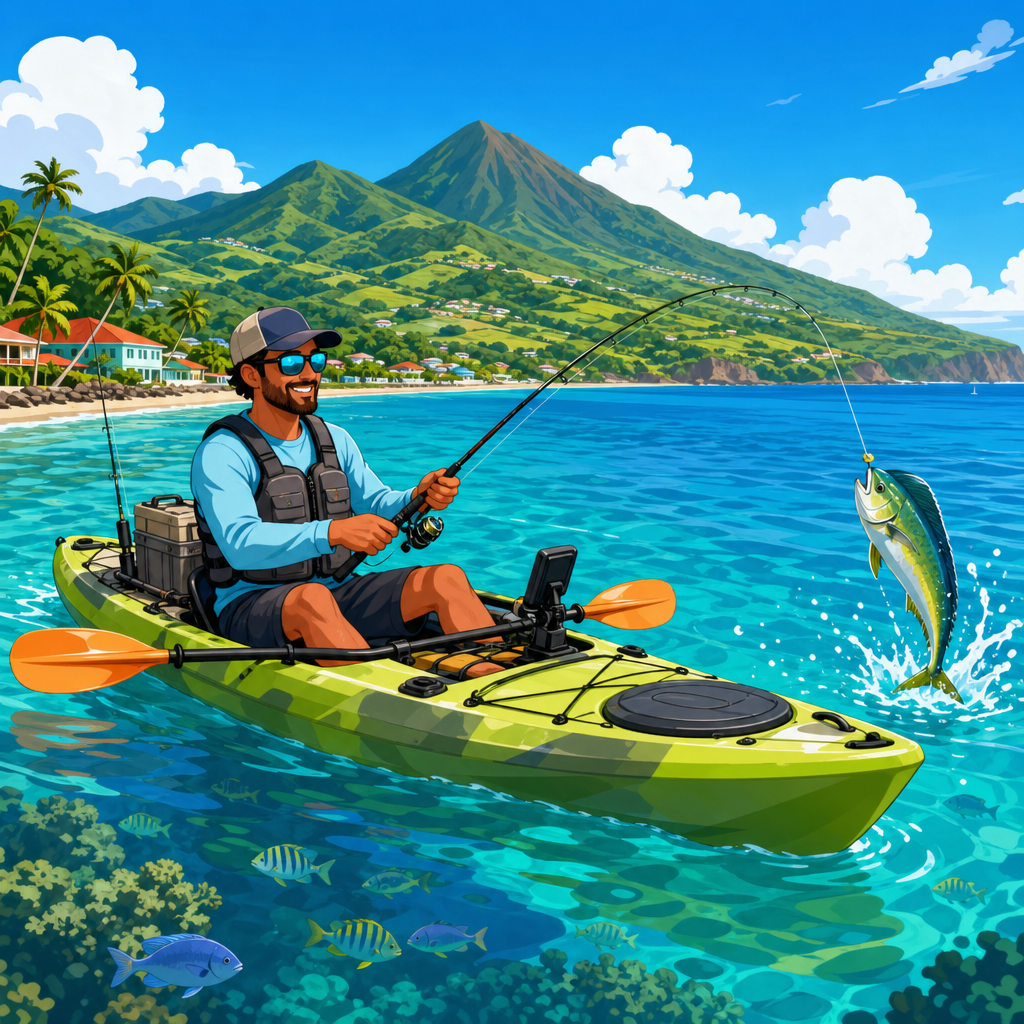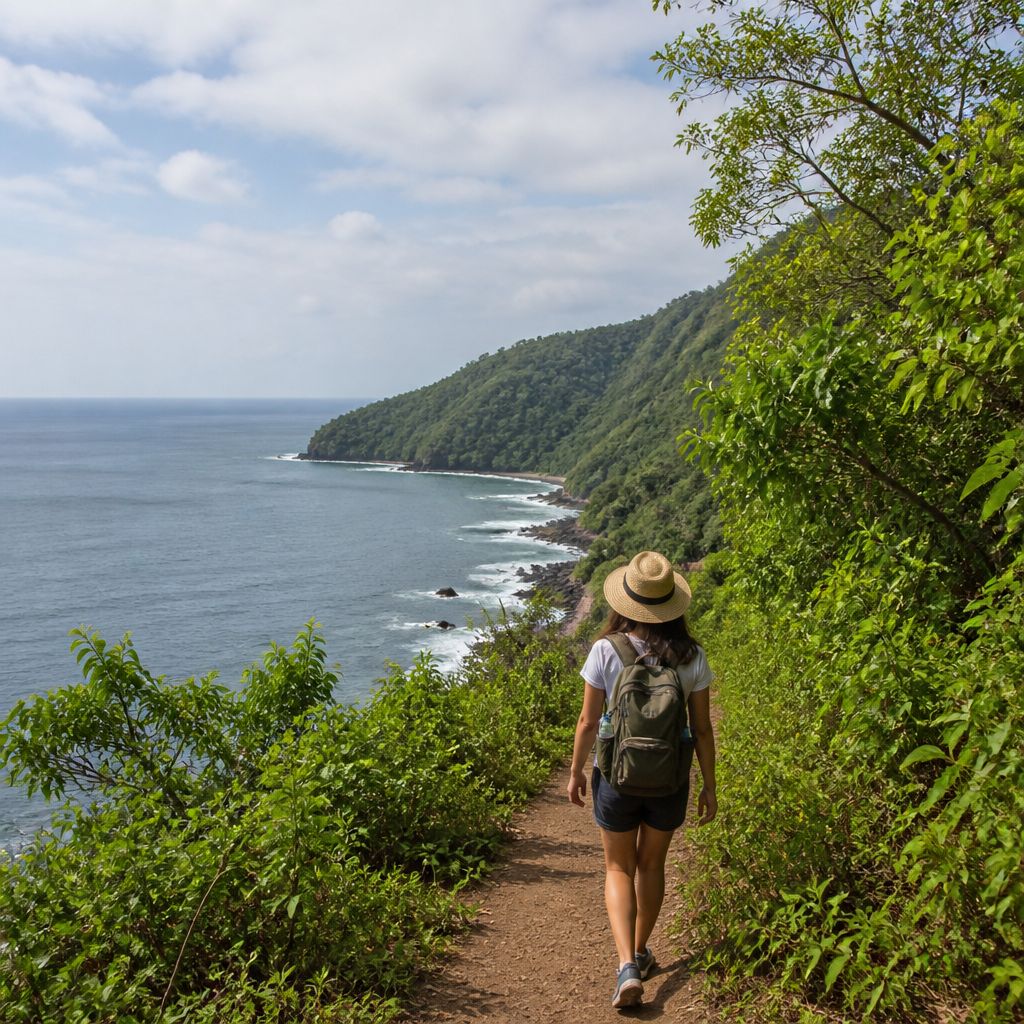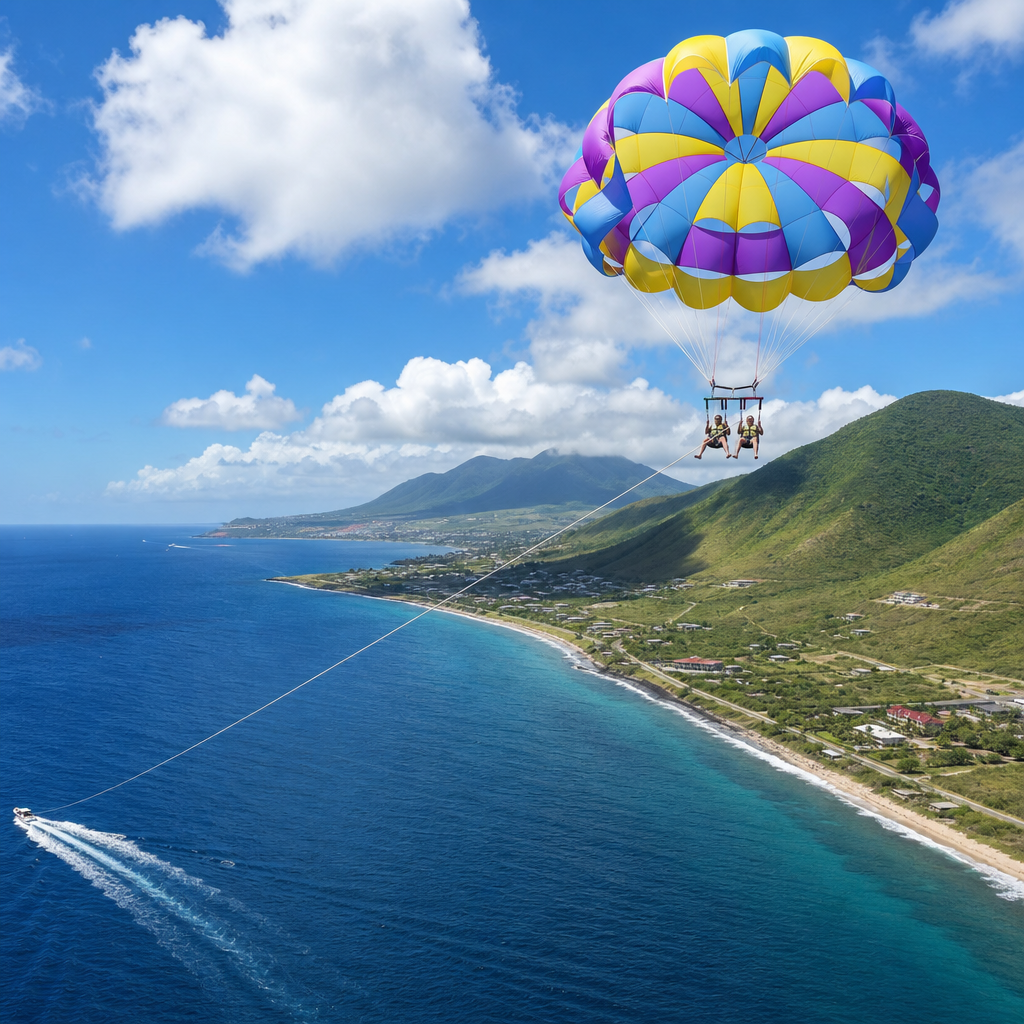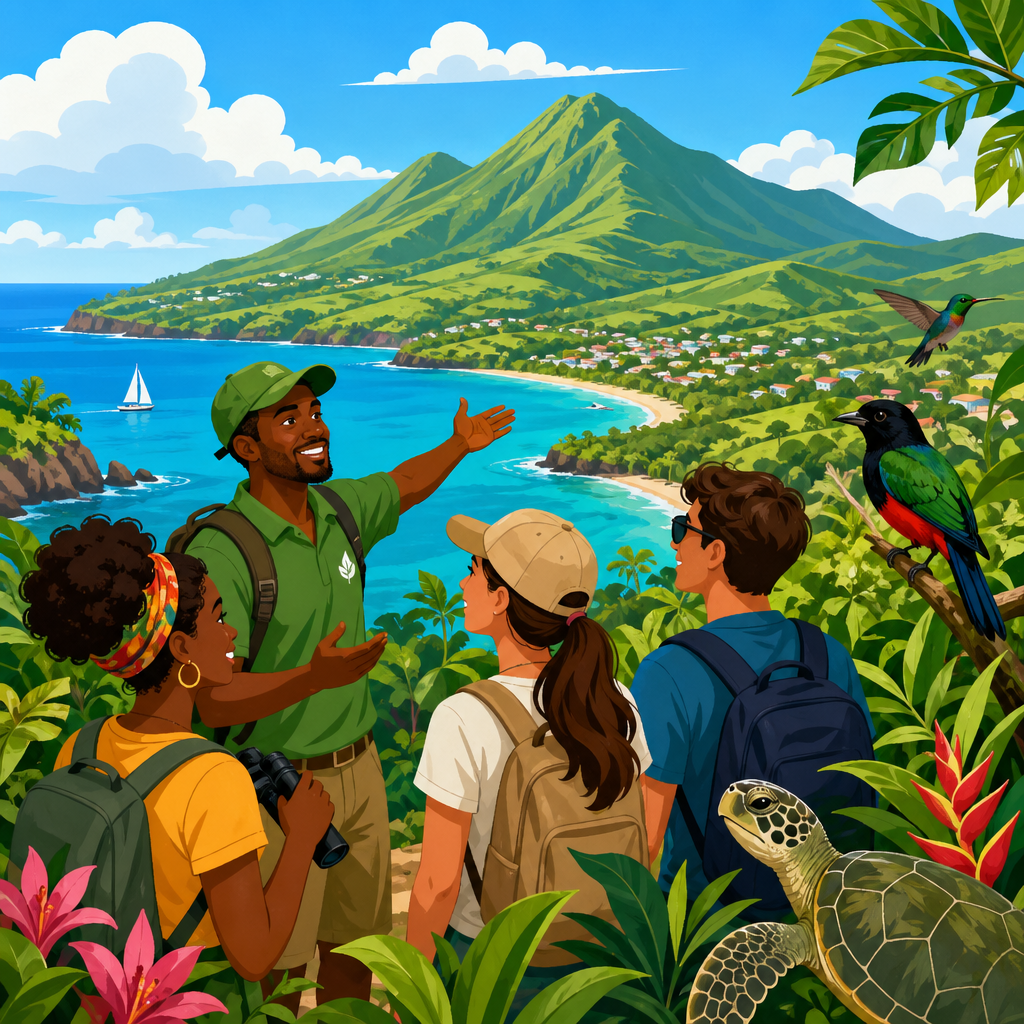
Saint Kitts’ eco tours turn a Caribbean vacation into something more meaningful: a chance to explore rainforest, reef, volcanic coastline, and working communities while helping protect the island that makes the adventure possible. Eco tours are guided experiences designed to reduce environmental impact, support local livelihoods, and teach visitors how natural systems and cultural traditions are connected. On Saint Kitts, that can mean hiking the slopes of Mount Liamuiga with a naturalist, kayaking in quiet coves without disturbing marine habitat, snorkeling over reefs with briefings on coral-safe behavior, or joining a farm visit that explains how local food production shapes the island’s future. I have planned and reviewed Caribbean excursion programs for years, and Saint Kitts stands out because the island’s scale makes sustainability practical. Distances are short, guides often know the land personally, and travelers can combine wildlife observation, history, and low-impact adventure in a single day. That matters now because Caribbean destinations face pressure from overtourism, coastal development, reef stress, and climate-related storms. Travelers increasingly ask the same questions before booking: Which tours truly benefit the island, what activities have the lightest footprint, and how can a visitor have a memorable experience without treating nature like a theme park?
Those questions make this hub essential for anyone researching adventure and activities in Saint Kitts. The island offers classic outdoor experiences, but the best eco tours go beyond scenery. They explain why black volcanic sand differs from pale coral sand, how dry forest transitions into wet tropical forest at higher elevation, why mangroves matter for juvenile fish, and how former sugar lands are being reimagined through conservation, heritage tourism, and agriculture. Saint Kitts also rewards visitors who choose operators carefully. A well-run excursion includes small groups, local guides, safety planning, reef-safe practices, and clear community benefits. A poorly designed one may create erosion on trails, harass wildlife, or funnel money away from residents. This guide serves as the sub-pillar hub for the miscellaneous side of Saint Kitts adventure planning, connecting the environmental, cultural, and practical details travelers need to make better decisions. If you want a sustainable adventure on Saint Kitts, start by understanding the island’s landscapes, the tours that fit them, and the standards that separate genuine eco travel from simple outdoor entertainment.
What makes an eco tour in Saint Kitts genuinely sustainable
A sustainable eco tour on Saint Kitts does three things at once: protects natural resources, strengthens the local economy, and gives visitors accurate interpretation instead of superficial sightseeing. In practice, that means operators limiting group size on sensitive hikes, using established trails to reduce erosion, training guides in first aid and habitat awareness, and avoiding wildlife disturbance for the sake of photographs. It also means hiring Kittitian guides, buying supplies locally, and building itineraries around places that can absorb visitation without damage. When I evaluate tours, I look for specific signals. Does the operator brief guests on Leave No Trace principles? Are sunscreen and insect repellent recommendations aligned with reef and watershed protection? Does the guide identify native species, invasive pressures, and seasonal conditions correctly? Can the company explain how fees support staff, land access, restoration, or local partners? If the answers are vague, the tour is usually marketing itself as eco-friendly without doing the work.
Saint Kitts is especially suited to this higher standard because the island compresses diverse ecosystems into a manageable area. You can move from coastal habitat to dense interior forest in a relatively short drive, and that makes interpretation richer. Guides can show how rainfall changes with elevation, how watersheds influence nearshore marine life, and how human land use has altered biodiversity over centuries. Sustainability also depends on timing and conduct. A rainforest hike after heavy rain may require route adjustments to protect trails and keep guests safe. A snorkeling trip may need to avoid stressed reef patches after rough weather. A responsible operator adapts. The best tours on Saint Kitts are not rigid scripts; they are informed experiences shaped by conditions on the ground.
Rainforest hikes, volcano treks, and inland wildlife experiences
For many visitors, the signature eco adventure is an inland hike, and Saint Kitts offers one of the most rewarding in the Lesser Antilles: the Mount Liamuiga trek. Mount Liamuiga, a stratovolcano rising roughly 3,793 feet above sea level, anchors the island’s central landscape and creates ecological gradients that hikers can actually feel. Lower elevations may begin with farmland edges and secondary growth, while higher sections shift into wetter forest with taller canopy cover, vines, mosses, and cooler air. A trained guide can turn this climb from exercise into environmental literacy, identifying tree ferns, explaining how volcanic soils support vegetation, and showing where cloud cover changes trail conditions. The crater itself, often lined with lush vegetation, demonstrates how geology and hydrology interact over time. Because the route can be muddy, steep, and root-filled, the sustainability piece includes safety: proper footwear, smaller groups, and pacing that keeps people on the trail rather than cutting switchbacks.
Not every traveler needs a summit day. Saint Kitts also has gentler forest walks and birding-friendly routes where the focus is on habitat rather than altitude. These are ideal for families, older travelers, and anyone who wants interpretation without a strenuous climb. Depending on season and location, guides may point out vervet monkeys, which are well known on the island, though they are introduced rather than native and should not be fed. Birdlife is another draw, especially for visitors interested in Caribbean species and migratory patterns. The value of these inland tours lies in context. A good guide explains where plantation history intersects with reforestation, why some slopes recover differently from disturbance, and how tourism can support conservation when groups are managed carefully. Real eco touring is not about reaching a viewpoint and leaving; it is about understanding the living system that produced the view.
Coastal, marine, and reef-based eco tours
Saint Kitts’ coastline broadens the eco-tour conversation because marine ecosystems are both highly attractive and highly vulnerable. Snorkeling, paddle excursions, and boat-based coastal tours can be sustainable when they are operated with discipline. The essentials are straightforward. Boats should use moorings where available instead of anchoring on coral. Guides should instruct guests not to stand on reefs, chase sea life, or collect shells and marine organisms. Operators should recommend mineral-based or reef-conscious sun protection and encourage rash guards to reduce sunscreen wash-off. In shallow areas, even inexperienced snorkelers can cause damage with fins, so pre-entry instruction matters. I have seen the difference that a three-minute briefing makes: calmer entries, better buoyancy awareness, and far fewer accidental contacts with coral structures.
Beyond snorkeling, kayaking and stand-up paddleboarding can be excellent low-impact ways to experience bays, mangrove margins, and sheltered stretches of coast. These tours work best in small groups with guides who understand currents, weather windows, and wildlife etiquette. The point is not speed; it is observation. Paddlers notice seabirds, changing water clarity, and shoreline geology in a way that fast motorized excursions usually erase. Marine eco tours can also connect directly to fisheries and food systems. On Saint Kitts, conversations about reef health are inseparable from local livelihoods because reefs support fish populations, coastal protection, and the visitor economy. That is why the best operators frame marine excursions around stewardship rather than spectacle. They do not promise guaranteed wildlife encounters, and they do not encourage behavior that prioritizes social media footage over habitat protection.
How to choose the right eco tour for your interests and impact goals
Choosing the right Saint Kitts eco tour starts with matching your interests, physical ability, and sustainability priorities to the operator’s actual practices. Travelers often default to price or convenience, but those factors alone can lead to crowded, low-context excursions that deliver little local value. A better approach is to compare tours across several practical criteria before booking.
| Tour type | Best for | Key sustainability markers | Questions to ask before booking |
|---|---|---|---|
| Mount Liamuiga hike | Active travelers seeking rainforest and volcano scenery | Small groups, trained guide, trail discipline, weather-based route decisions | What is the guide-to-guest ratio? How do you manage muddy trail conditions? |
| Forest nature walk | Families, birders, moderate walkers | Interpretive focus, local natural history knowledge, no wildlife feeding | Which habitats are visited? What species are commonly discussed? |
| Snorkeling eco trip | Marine life enthusiasts | Mooring use, reef briefing, small groups, coral-safe guidance | Do you anchor on reef? What instructions do beginners receive? |
| Kayak or paddle tour | Travelers wanting quiet coastal exploration | Non-motorized access, weather screening, wildlife-distance rules | How do you handle wind changes? What wildlife protocols are in place? |
| Farm or heritage eco visit | Culturally curious visitors | Direct local benefit, educational content, locally sourced food or products | Who owns the experience? How does visitor spending support the community? |
The most revealing booking questions are simple. How many people are on a typical departure? Who leads the trip, and what local expertise do they bring? What conservation or community benefit is built into the experience? What should guests bring to reduce waste and environmental impact? Serious operators answer confidently and specifically. If a company cannot explain where it goes, why those places matter, and how it avoids harm, move on. Saint Kitts has enough quality options that travelers do not need to settle for vague promises.
Community-based experiences, heritage links, and low-impact travel habits
One reason Saint Kitts’ eco tours feel substantial is that they often overlap with culture and history. The island’s landscapes were shaped by centuries of agriculture, colonial conflict, labor systems, and changing economic priorities. Visitors who only chase scenery miss half the story. Community-based experiences add that missing dimension by connecting natural places to the people who know them best. A farm visit can explain soil management, rainfall patterns, and food resilience. A village-based guide can describe how families use certain plants, how trails were historically traveled, or how tourism revenue circulates when excursions are locally owned. These are not side notes; they are central to sustainability because conservation lasts longer when residents benefit directly.
Travelers can reinforce those benefits with low-impact habits that cost little and matter a great deal. Carry a reusable water bottle and refill where safe rather than buying multiple single-use bottles. Wear lightweight long sleeves for sun protection to reduce sunscreen use in marine settings. Stay on marked trails, pack out all litter, and keep noise low in wildlife areas. Buy locally made food and crafts when possible, because imported goods often leak tourism spending off-island. If you rent a car to access eco tour meeting points, combine outings efficiently rather than making repeated long drives. Even accommodation choices matter. Properties that manage water carefully, reduce laundry frequency on request, and employ local staff strengthen the same sustainability chain that good tours depend on. Eco travel on Saint Kitts is not a single excursion purchase; it is a set of connected choices.
Planning tips, seasonal considerations, and common mistakes to avoid
Good planning improves both the visitor experience and the island’s resilience. Saint Kitts’ climate is warm year-round, but rainfall, heat, sea conditions, and trail safety vary enough that travelers should build flexibility into their itineraries. Interior hikes are often best started early to avoid midday heat and to give extra time for slower sections after rain. Marine excursions depend heavily on wind and swell, so a backup day is wise if snorkeling or paddling is a priority. The Atlantic hurricane season, typically June through November, does not prevent travel outright, but it does increase the importance of monitoring forecasts and booking with operators that communicate clearly about weather changes. Reputable companies will cancel or reroute trips when conditions are unsafe or environmentally unsuitable.
The most common mistakes are preventable. Visitors underestimate the difficulty of volcanic or rainforest trails, arrive without proper shoes, and then step off path to avoid mud, which accelerates erosion. Others treat monkeys as photo props, feeding them and encouraging unhealthy behavior around roads and picnic areas. In the water, beginners often assume they can “just float” over reef without guidance, then kick coral accidentally. Another frequent error is booking from a cruise pier or hotel desk without checking whether the excursion is locally run or merely resold. Convenience is useful, but due diligence matters. Read operator descriptions carefully, ask direct questions, and prioritize tours that balance safety, education, and community benefit. On Saint Kitts, sustainable adventure is easy to find, but it still rewards informed choices. Use this hub as your starting point, then explore the related rainforest, marine, heritage, and practical planning guides under Adventure and Activities to build an itinerary that leaves the island better respected than you found it.
Saint Kitts’ eco tours offer more than a pleasant day outdoors. At their best, they create a clear link between adventure, conservation, and community prosperity. The island’s compact geography makes that connection visible: rainforest feeds watersheds, watersheds influence reefs, reefs support fisheries and beaches, and all of it shapes how residents live and how visitors experience the destination. That is why choosing the right tour matters. A well-run hike on Mount Liamuiga, a carefully guided snorkel, a quiet paddle along the coast, or a community-rooted farm and heritage visit can deliver the same result: deeper understanding with a lighter footprint. The strongest operators use local knowledge, manage group behavior, respect weather and habitat limits, and explain the island in ways that stay with you long after the excursion ends.
For travelers building an Adventure and Activities itinerary, this miscellaneous hub is the practical place to begin because it frames the standards behind every booking decision. Look for small groups, trained local guides, clear environmental protocols, and direct community value. Prepare properly, ask good questions, and treat wildlife and landscapes as living systems rather than backdrops. Do that, and Saint Kitts becomes more than a stop in the Caribbean. It becomes a model for how sustainable adventure should work: memorable for visitors, useful for residents, and protective of the natural assets that make the island remarkable. Start with one responsible eco tour, then use that experience to shape the rest of your trip around the same principle: explore actively, spend locally, and leave gently.
Frequently Asked Questions
What makes an eco tour in Saint Kitts different from a standard sightseeing excursion?
An eco tour in Saint Kitts is designed to do more than simply show visitors beautiful scenery. The goal is to create a deeper connection between traveler, place, and community while minimizing negative environmental impact. Instead of rushing from one photo stop to the next, eco tours typically focus on education, conservation, and responsible travel practices. That means you may explore rainforest trails with a naturalist who explains native plants, watershed systems, and birdlife, or paddle along the coast with a guide who discusses mangroves, reef health, and marine protection.
Another major difference is that eco tours often directly support local livelihoods. Guides are commonly residents with firsthand knowledge of the island’s ecology, history, and traditions, and many operators work closely with farmers, fishers, craftspeople, and community organizations. In Saint Kitts, this can turn a simple outing into a meaningful experience where visitors learn how volcanic landscapes, coral ecosystems, agriculture, and village life are all connected. The result is a more thoughtful adventure: one that helps preserve the natural and cultural richness that makes Saint Kitts so memorable in the first place.
What kinds of eco tours can travelers expect to find in Saint Kitts?
Saint Kitts offers a wide variety of eco tour experiences, which is one reason the island appeals to travelers who want more than a typical beach holiday. Land-based options often include guided hikes in the rainforest, birdwatching walks, visits to the slopes of Mount Liamuiga, and interpretive tours through areas shaped by the island’s volcanic history. These excursions may highlight medicinal plants, native and migratory birds, geological features, and the role forests play in soil protection and freshwater systems.
Coastal and marine eco tours are just as compelling. Travelers may find guided kayaking trips through calm bays, snorkeling excursions focused on reef awareness, boat tours that emphasize marine ecology, or shoreline walks that explain how mangroves, seagrass beds, and coral reefs support fisheries and coastal resilience. Some experiences also connect visitors with working communities, such as farm visits, heritage-based village tours, and programs that explore traditional foodways or conservation-minded agriculture. The best eco tours combine adventure with interpretation, helping guests understand not just what they are seeing, but why it matters to the island’s environmental future.
Are eco tours in Saint Kitts suitable for families and first-time nature travelers?
Yes, many eco tours in Saint Kitts are well suited to families, casual adventurers, and travelers who may be new to nature-based activities. Not every eco tour involves a strenuous summit hike or advanced outdoor skills. Operators often offer a range of options, from gentle coastal paddles and short interpretive walks to more challenging rainforest treks. Families with children can often choose experiences that emphasize wildlife spotting, cultural learning, or easy outdoor exploration, while more active travelers may opt for longer hikes or multi-part excursions.
The key is selecting a tour that matches your group’s interests, mobility, and comfort level. Reputable operators will clearly explain the duration, terrain, fitness requirements, and what to bring. First-time participants often find eco tours especially rewarding because the educational element makes the experience more accessible. A knowledgeable guide can point out things most visitors would otherwise miss, from bird calls and volcanic rock formations to farming practices and medicinal plants. This guided context helps turn the island into a living classroom, making eco tourism in Saint Kitts engaging rather than intimidating for a wide range of travelers.
How do eco tours support sustainability and local communities in Saint Kitts?
Eco tours support sustainability in Saint Kitts by combining low-impact travel practices with education and community benefit. Responsible operators typically work to reduce waste, avoid damaging sensitive habitats, use small group sizes when possible, and follow guidelines that protect wildlife and coastal ecosystems. In marine settings, that may mean teaching guests not to touch coral, avoiding anchor damage, and promoting reef-safe sunscreen. On land, it can include staying on established trails, respecting forest habitats, and limiting disturbance in ecologically important areas.
Just as important, eco tours can strengthen local economies in more equitable ways. When tours are owned or led by local residents, more visitor spending stays on the island and supports guides, drivers, small businesses, farmers, food vendors, and artisans. Some tours also help preserve cultural knowledge by highlighting traditional land use, local history, and community practices that are deeply tied to the island’s environment. For travelers, this means the experience is not only more authentic, but also more beneficial. Sustainable tourism works best when visitors leave with a better understanding of the place and when the people who protect and shape that place share in the value created by tourism.
What should travelers bring and keep in mind when booking an eco tour in Saint Kitts?
Preparation matters because eco tours often take place in natural settings where comfort, safety, and environmental responsibility go hand in hand. In general, travelers should bring lightweight clothing, sturdy footwear for hiking or walking, sun protection, insect repellent, a reusable water bottle, and a small day bag. For coastal or marine tours, quick-dry clothing, a hat, and reef-safe sunscreen are especially useful. If you plan to hike in rainforest areas or on Mount Liamuiga, expect changing weather, muddy sections, and uneven terrain, so proper shoes and a willingness to get a little wet or dusty are important.
When booking, look for operators who clearly explain their sustainability practices, group size, guide qualifications, and what is included. It is also smart to ask how the tour engages with local communities and how it protects the environments you will visit. A strong eco tour operator should be able to explain why their experience is low impact and educational, not just scenic. Finally, travelers should approach these excursions with a respectful mindset. Listen to guides, avoid littering, do not remove natural objects, and be open to learning about the island beyond its postcard beauty. In Saint Kitts, the most rewarding eco tours are the ones that leave both the traveler and the destination better off.