Exploring Nevis’ natural beauty by bicycle reveals the island at the right speed: fast enough to cover coastal roads, village lanes, and rainforest foothills in a day, yet slow enough to smell flowering frangipani, hear tree frogs at dusk, and stop for sea views that drivers pass without noticing. Nevis is the smaller of the two islands in Saint Kitts and Nevis, a volcanic Caribbean destination known for Nevis Peak, historic estates, quiet beaches, and a roughly circular main road that makes route planning straightforward for visiting riders. In practical terms, bicycle touring on Nevis includes everything from easy recreational rides near Charlestown to demanding climbs toward the interior, plus mixed itineraries that combine beaches, heritage sites, local food stops, birdwatching, and photography. I have planned island cycling content for travelers who wanted more than a generic loop, and Nevis consistently stands out because terrain, culture, and scenery are packed into a compact landscape. That matters for visitors choosing activities with limited vacation time: a bike ride can function as sightseeing, fitness, transportation, and immersion all at once.
For travelers researching Nevis bicycle routes, the key appeal is variety within short distances. The island’s perimeter road is commonly described as around 20 to 25 miles depending on detours and start points, which means moderately fit riders can complete a full circuit without elite training, while casual cyclists can break the day into shorter scenic segments. Elevation is the variable that changes the experience. Coastal stretches around Pinney’s Beach, Newcastle, and Gingerland can feel manageable, but inland spurs become steeper and hotter, especially after midmorning. Weather also shapes planning. Nevis is warm year-round, with drier and wetter periods rather than four classic seasons, so riders need to think about sun exposure, hydration, and brief but intense showers more than cold. As a hub article for miscellaneous cycling experiences under adventure and activities, this guide covers the full picture: where to ride, what you will see, how to choose the right bike, what safety standards matter, and how this page connects naturally to more specific content on family rides, road cycling, e-bikes, beaches, heritage stops, and eco-friendly travel around the island.
Why Nevis works so well for bicycle exploration
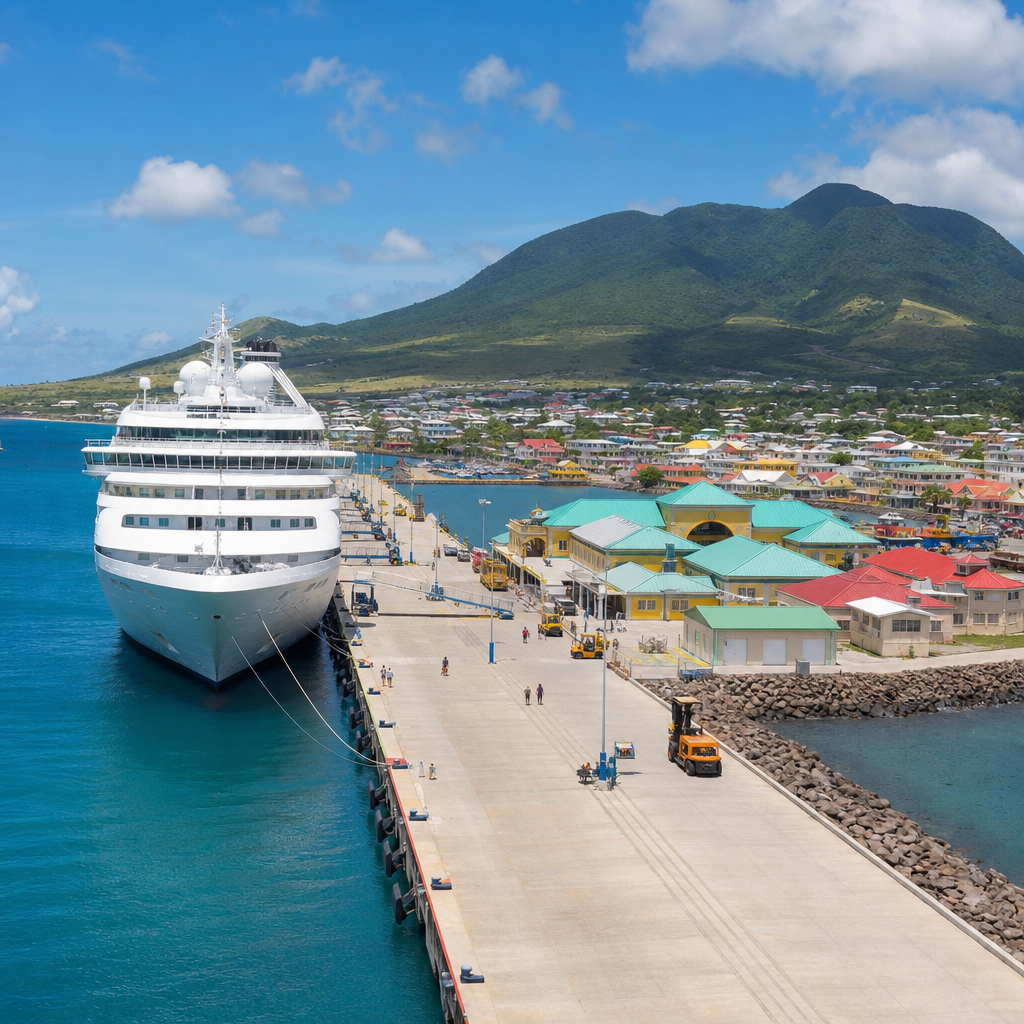
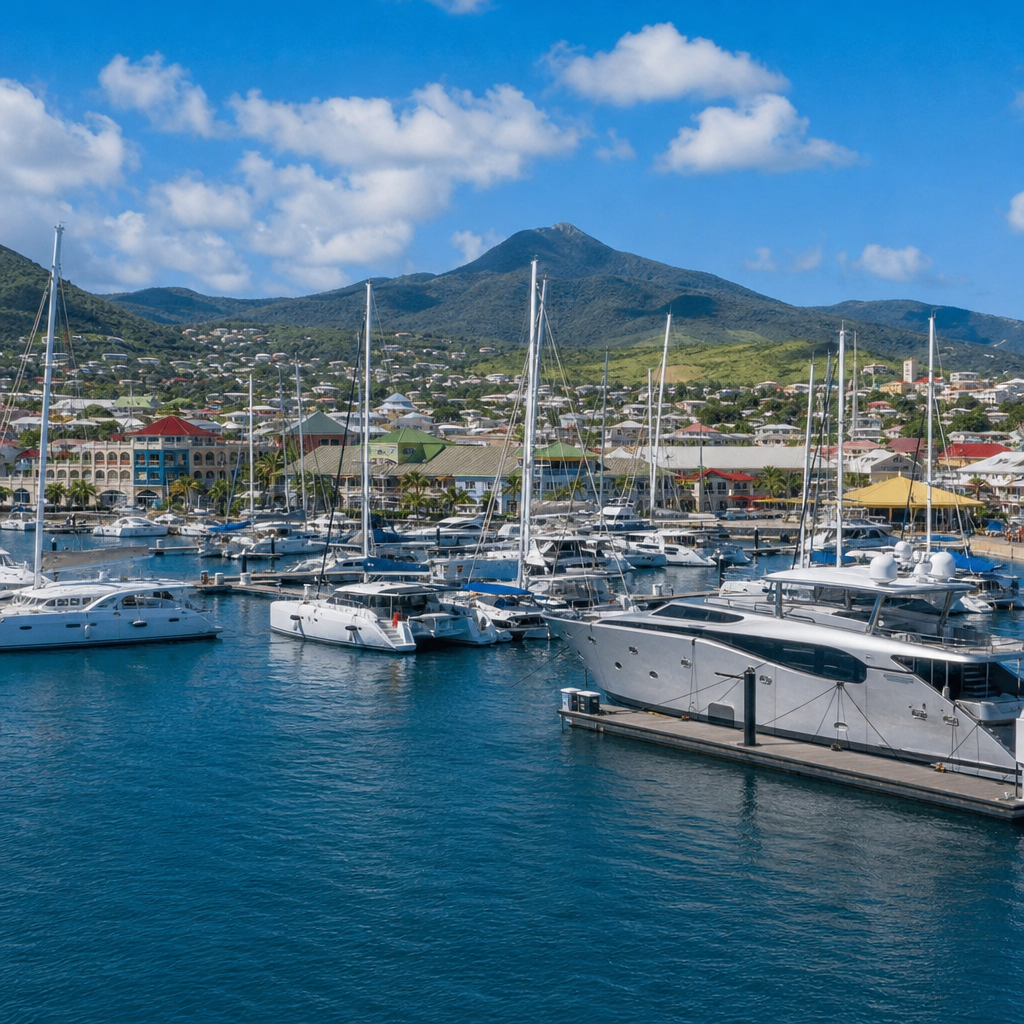
Nevis works for cycling because its geography creates natural route logic. The island is compact, the road network is readable, and major points of interest are spread closely enough that a single ride can include waterfront scenery, plantation history, village life, and tropical vegetation. Charlestown provides the most practical starting base, with access to accommodations, food, and ferry connections. From there, riders can head north toward Newcastle and the airport area, west toward Pinney’s Beach, or east and southeast toward Gingerland, where the terrain becomes greener and more undulating. Unlike larger destinations where a bike day can feel dominated by traffic transfers, Nevis keeps riders engaged with changing views almost continuously.
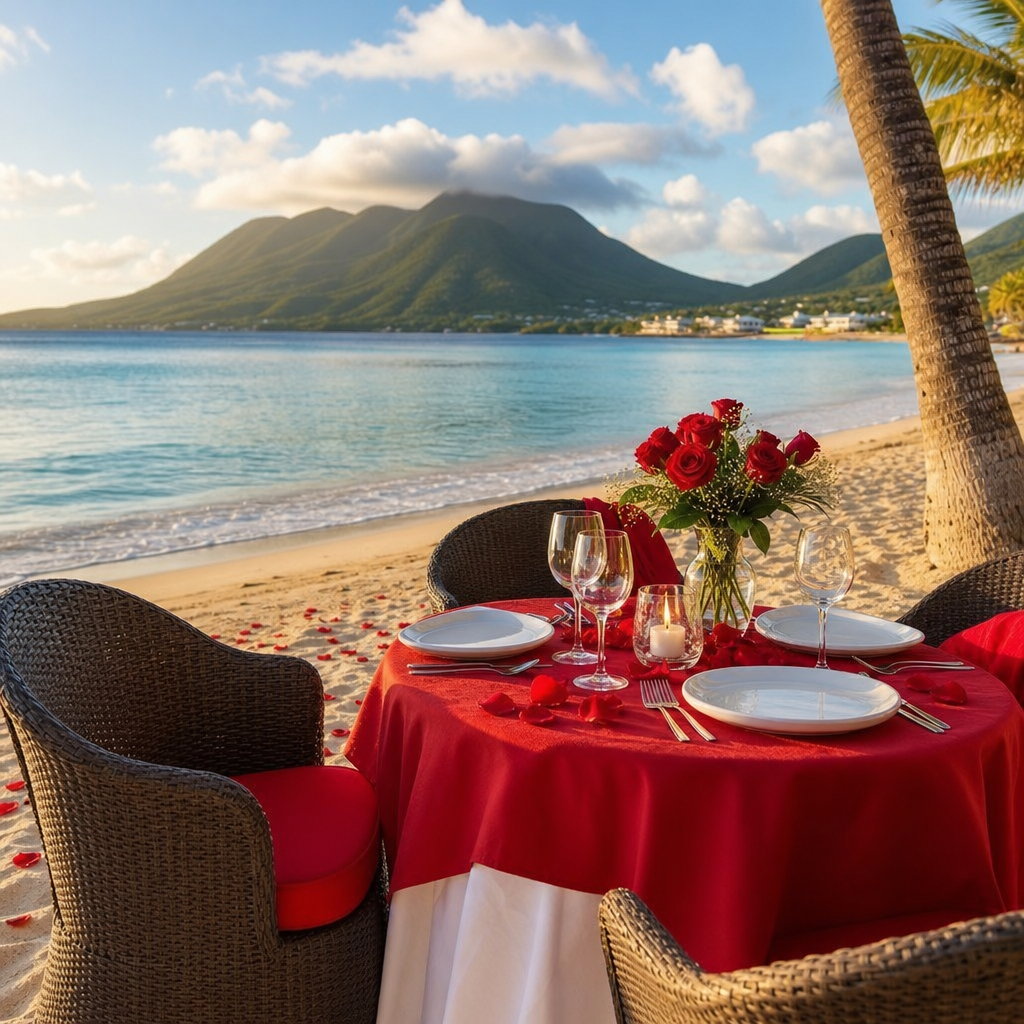
The island’s volcanic origin is central to its visual character. Nevis Peak rises dramatically from the center, often wrapped in cloud, and acts as a visual anchor for nearly every route. On clear mornings the mountain helps with orientation; on humid afternoons it creates moody photography and a sense of scale that enriches even simple road rides. The environmental transitions are part of the experience. Coastal strips offer salt air, open horizons, and views toward St. Kitts across The Narrows. Inland areas introduce thicker vegetation, old stone walls, fruit trees, and cooler pockets near higher ground. Because of this compressed diversity, cycling becomes one of the best ways to understand Nevis as a living landscape rather than just a beach destination.
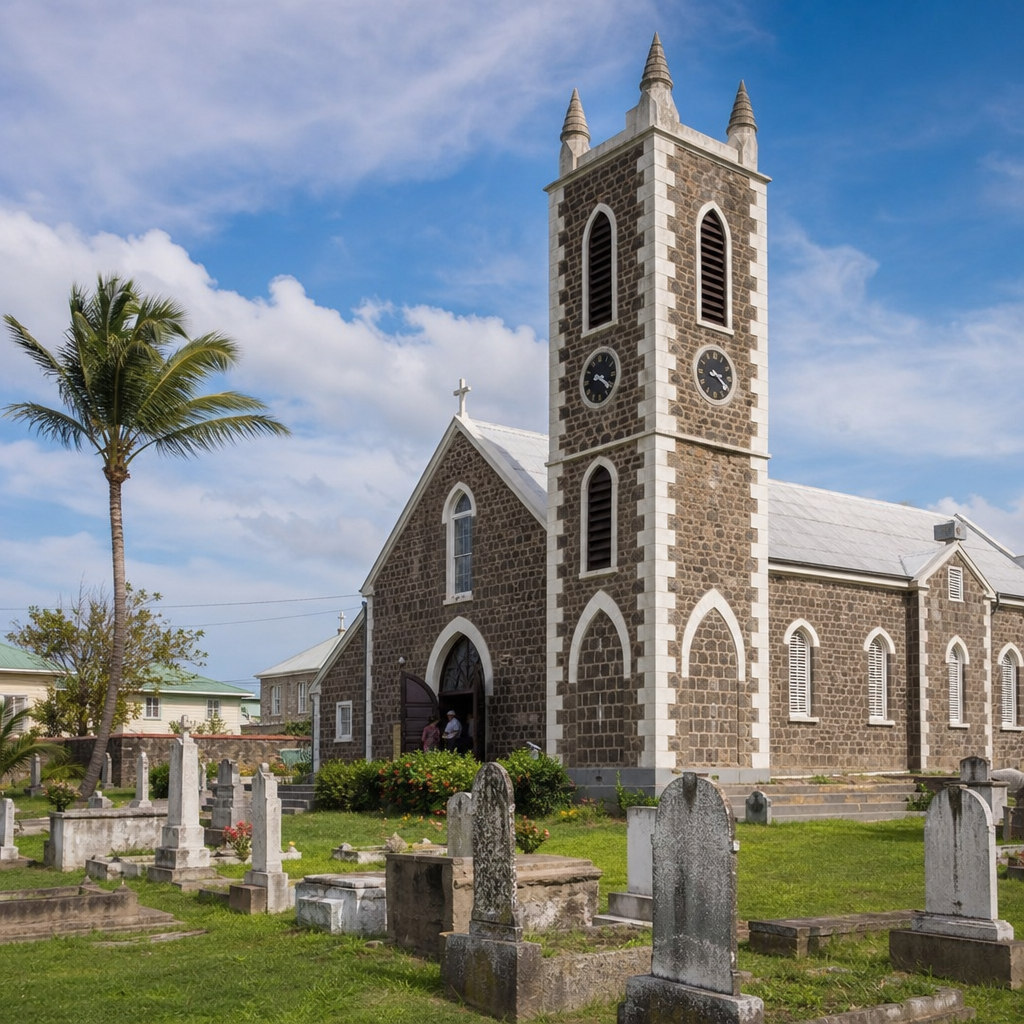
Another reason the island suits bicycle travel is the rhythm of local life. Roads pass churches, village shops, school grounds, roadside produce stands, and historical sites such as plantation inns and sugar-era ruins. Those details matter because memorable cycling is not only about mileage. It is about the number of meaningful stops within a manageable radius. On Nevis, riders can pause for coconut water, inspect colonial architecture in Charlestown, continue to a lookout, then end with a swim near Pinney’s Beach, all without a complex logistics plan.
Best routes, scenery, and stop-worthy experiences
The classic Nevis bike ride is the island loop, usually done clockwise or counterclockwise depending on wind, comfort with gradients, and desired stop sequence. A clockwise loop from Charlestown often leads riders first toward the western side, where Pinney’s Beach offers long sandy stretches, resort access points, and views that are particularly attractive in the early morning light. Continuing north, the road near Newcastle becomes flatter and more open, making it suitable for riders who prefer steady pedaling over repeated climbs. This section is often where visitors gain confidence, settle into cadence, and realize how quickly the scenery changes on the island.
The eastern and southeastern sections feel different. Around Gingerland, the road rises and falls more noticeably, and the landscape shifts toward gardens, old estates, and inland green vistas. These roads reward riders interested in Nevis beyond the shoreline. The area around the Montpelier estate zone, for example, gives a sense of the island’s plantation history while also providing elevated views and shaded stretches. Depending on the exact route and energy level, cyclists may add side trips toward heritage landmarks, village centers, or quieter roads lined with stone fences and flowering plants.
Travelers who do not want the full loop should think in themed rides. A beach-and-sunset ride can focus on Charlestown to Pinney’s and nearby western roads. A heritage ride can connect Charlestown with estate areas and churches inland. A nature-focused ride can emphasize early departures toward greener eastern districts, where birdlife and cooler air make the experience feel less urban and more ecological. Families or casual riders usually get the best result from shorter out-and-back routes rather than trying to “complete the island” for the sake of saying they did.
| Route type | Best for | Typical highlights | Main consideration |
|---|---|---|---|
| Full island loop | Moderately fit riders | Coastline, villages, beach stops, mountain views | Heat and rolling terrain |
| Charlestown to Pinney’s Beach | Beginners and leisure riders | Historic town, sea views, easy beach break | Shared road awareness |
| Gingerland inland ride | Scenic and cultural explorers | Plantation areas, lush vegetation, village life | Steeper grades |
| Sunrise north-coast ride | Road cyclists and photographers | Quieter roads, open views toward St. Kitts | Limited shade later in the day |
For many visitors, the best stops are not formal attractions but combinations of place and timing. A quiet roadside view of Nevis Peak after rain, a shaded lane near an old estate, or a beach access point with nearly empty sand can become the defining memory of the ride. That is why route planning on Nevis should stay flexible. Build in time for unplanned pauses, photos, snacks, and short walks. On this island, the best cycling itinerary is rarely the one with the most aggressive mileage goal.
Choosing the right bike, gear, and riding plan
The right bicycle for Nevis depends on route ambition, not fashion. For the perimeter road and most paved touring, a flat-bar hybrid or well-fitted road bike is ideal. Wider tires in the 30 to 38 mm range improve comfort on patched pavement and occasional rougher edges without creating notable drag for recreational riders. If your plan includes steeper inland roads, compact gearing or a wide-range cassette matters more than frame weight. I have seen visitors overestimate how much a lightweight bike will help and underestimate how much low gearing will improve the day. On a warm island with rolling gradients, sensible gearing preserves energy and keeps the ride enjoyable.
E-bikes are a strong option for mixed-ability groups, older travelers, and vacationers who want to see more without turning the outing into a workout. They are especially useful if one rider is stronger than the other, or if the route includes Gingerland and other hillier segments. The tradeoff is logistics. Riders need to verify range, charging arrangements, and support in case of a flat or mechanical issue. Battery management is simple when planned in advance, but on a small island that still matters because rental inventories may be limited compared with larger cycling destinations.
Essential gear is straightforward. A properly fitted helmet is non-negotiable. So are two water bottles or a hydration pack, sunscreen, sunglasses, a basic repair kit, and a phone loaded with offline maps. A rear light and front daytime running light improve visibility even in bright conditions. Padded shorts are helpful for longer loops, but comfort comes more from bike fit than from apparel alone. Visitors should also carry cash or a card for refreshments, because part of the joy of cycling Nevis is stopping at local businesses rather than treating the ride like a closed sporting event.
Timing may be the single best performance advantage available to leisure riders. Start early. Between roughly 6:30 and 9:30 a.m., temperatures are friendlier, traffic is often lighter, and light conditions are better for photography. Midday heat can turn a pleasant island loop into a grind, particularly for visitors arriving from cooler climates. If an early start is not possible, choose a shorter route with a planned swim or shaded lunch stop. Good planning on Nevis is less about maximum speed and more about matching effort to the island’s climate.
Safety, road conditions, and local etiquette
Is Nevis safe for cycling? In general, yes, when riders stay alert, use visible equipment, and choose routes that match their confidence. The island does not have an extensive dedicated cycling lane network, so most riding happens on shared roads. That means predictable line choice, clear hand signals, and defensive awareness are essential. Visitors should ride single file when vehicles approach, avoid sudden swerves around potholes, and assume drivers may not expect abrupt changes in cyclist position. These are standard road-cycling principles, but on a vacation ride people sometimes relax their habits too much.
Road surface quality varies. Many stretches are entirely rideable, but patches, broken edges, drainage transitions, and occasional debris appear often enough that riders should keep scanning. After rain, some areas can be slick with mud or leaf litter, especially nearer inland vegetation. Crosswinds on exposed coastal segments can also surprise newer riders. None of these issues make cycling inappropriate; they simply reinforce the value of moderate speed and attentive riding. If you are traveling with children or inexperienced cyclists, choose shorter sections and avoid busier periods.
Local etiquette improves the experience for everyone. Greet people. Respect driveways and private property. Slow down in villages and around pedestrians. If you stop at a church, estate, or beach access, leave the area exactly as you found it. Nevis rewards considerate travelers because the island still feels personal rather than anonymous. The simplest way to earn good interactions is to behave like a guest, not like an athlete using the island as a training backdrop.
For visitors who want structured support, guided bike tours are worth considering. A reputable guide adds route knowledge, historical context, mechanical backup, and pacing that suits the group. This can be especially helpful for first-time visitors, cruise passengers on a tight schedule, or travelers uneasy about navigation. Independent riding remains entirely viable, but guided tours reduce friction and often uncover roads and stories that casual visitors would miss.
How cycling connects beaches, history, wildlife, and sustainable travel
The strongest reason to explore Nevis by bicycle is that it naturally links experiences that are often treated separately. Beach time, cultural touring, food discovery, soft adventure, and low-impact travel can all happen in one outing. Ride from Charlestown past Georgian-style buildings and museums, continue toward Pinney’s for a swim, stop later for a local lunch, then pedal inland to see how quickly the environment shifts from shore to hillside. Few activities provide that range while keeping costs relatively controlled.
Cycling also supports a more sustainable visitor pattern. Short island trips by bike reduce vehicle dependence, lower noise, and create more opportunities to spend directly with local cafés, shops, and guides. That matters on small islands, where tourism value is strongest when it disperses across communities rather than concentrating only at large resorts. For environmentally minded travelers, the benefit is practical rather than symbolic: a bike allows access without adding much footprint, and it turns movement itself into part of the destination experience.
This miscellaneous hub should be the starting point for planning the rest of your Nevis activity research. From here, explore deeper guides on family-friendly cycling routes, road biking for stronger riders, e-bike rentals, beach-focused rides, historical landmarks reachable by bicycle, packing lists for tropical rides, and eco-conscious ways to combine biking with hiking or snorkeling. Start with one manageable route, leave room for stops, and let the island set the pace. On Nevis, the bicycle is not just transportation. It is the clearest way to see how natural beauty, history, and everyday Caribbean life fit together on one small, remarkable island.
Frequently Asked Questions
Is Nevis a good island to explore by bicycle?
Yes, Nevis is exceptionally well suited to exploring by bicycle, especially for travelers who want to experience the island at a more personal, unhurried pace. One of the biggest advantages is the island’s manageable size. Nevis has a roughly circular main road that allows riders to link together coastal stretches, village roads, historic sites, and scenic viewpoints without needing to cover extreme distances. That makes it possible to enjoy a rewarding day ride while still having time to stop at beaches, cafés, estate ruins, and lookout points along the way.
What makes cycling in Nevis especially appealing is the variety packed into a relatively compact landscape. In a single outing, you can pedal past palm-lined shorelines, ride through small communities with colorful houses and local shops, and then head toward greener foothill areas where the landscape becomes more lush beneath Nevis Peak. Traveling by bike also heightens the sensory experience. You notice the scent of tropical flowers, the sound of birds and tree frogs, and the changing feel of the air as you move between sunny coast and shaded inland roads. For many visitors, that immersive quality is exactly what makes biking one of the best ways to appreciate Nevis’ natural beauty.
What are the best cycling routes for seeing Nevis’ natural beauty?
The most popular and practical option is the main road that loops around much of the island, because it gives cyclists access to a wide range of landscapes without complicated navigation. This route lets you enjoy open sea views, pass through villages such as Charlestown and other local communities, and connect with roads leading toward beaches, plantation estates, and foothill scenery. Riders often choose to complete all or part of the island loop depending on fitness level, weather, and how many stops they want to make along the way.
For cyclists interested in scenery rather than speed, the best approach is usually to combine sections of the coastal road with quieter inland detours. Coastal stretches can offer dramatic views across the Caribbean, while interior lanes reveal a different side of Nevis: old stone walls, tropical vegetation, grazing animals, and a closer look at traditional island life. Roads approaching the lower slopes of Nevis Peak can be particularly memorable because they introduce cooler air, denser greenery, and striking changes in elevation and perspective. A thoughtful route might include an early start near Charlestown, a beach stop at Pinney’s or another shoreline area, a ride past historic estate grounds, and a gradual inland section to take in the island’s volcanic terrain. The best route ultimately depends on whether you want a relaxed sightseeing ride, a more athletic circuit, or a mix of both.
How difficult is cycling in Nevis, and what kind of bike is best?
Cycling in Nevis can range from easy to moderately challenging, depending on the route you choose and your comfort with tropical conditions. The island’s main roads and coastal sections are often accessible for recreational riders, especially those who are used to riding for several hours at a steady pace. However, Nevis is a volcanic island, so not every stretch is flat. Inland roads and foothill routes can include noticeable climbs, and even some coastal sections may have rolling terrain that feels more demanding in the heat. Humidity, midday sun, and occasional headwinds can also increase the effort required, so the ride may feel harder than the mileage suggests.
For most visitors, a hybrid bike or a well-maintained road bike with comfortable gearing is a practical choice for paved roads and mixed sightseeing routes. Riders planning to seek out rougher side roads or more rugged terrain may prefer a gravel bike or mountain bike for greater stability and versatility. If your main goal is enjoying the island rather than training, comfort matters more than speed. A bike with reliable brakes, multiple gears, and a fit that allows you to ride efficiently for several hours will make the experience far more enjoyable. It is also wise to choose a bike setup that accommodates water bottles, a small repair kit, and a lightweight bag for essentials, since the tropical climate makes hydration and preparedness especially important.
When is the best time of day to bike around Nevis?
The best time to ride in Nevis is usually early morning, when temperatures are cooler, the light is softer, and the roads tend to feel quieter and more comfortable. Starting early gives cyclists a better chance to enjoy long stretches of riding before the strongest sun arrives. Morning rides are ideal for appreciating the island’s natural beauty, because visibility is often excellent, the air can feel fresher, and the changing light over the sea and the slopes of Nevis Peak creates especially memorable views. If you are hoping to combine cycling with beach stops or sightseeing, an early start also gives you more flexibility to take breaks without feeling rushed.
Late afternoon can also be pleasant, particularly for shorter rides, as the heat begins to ease and the island takes on a calmer atmosphere. This can be a wonderful time to listen for evening sounds such as tree frogs and to enjoy the golden light that settles over villages and the coastline. That said, riders should be mindful of sunset timing and ensure they have enough daylight to finish safely. Midday is generally the least favorable time for cycling because the heat and humidity can be intense, and exposure to direct sun can quickly lead to fatigue or dehydration. Whenever you ride, it is smart to bring more water than you expect to need, use sun protection, and pace yourself according to the conditions.
What should I bring and know before taking a bicycle tour of Nevis?
Preparation makes a significant difference when cycling in Nevis, because the island’s beauty is best enjoyed when you are equipped to ride comfortably and safely. At a minimum, bring plenty of water, sunscreen, sunglasses, and lightweight, breathable clothing suited to tropical weather. A helmet is strongly recommended, and padded cycling shorts or gloves can improve comfort on longer rides. It is also useful to carry a phone, some cash, identification, and a small bag with basic repair items such as a spare tube, tire levers, and a pump if these are not already provided by a rental company or tour operator. Even on a relatively short island ride, having the essentials with you can prevent minor issues from disrupting the day.
It also helps to know what kind of experience you want before setting out. If you prefer a relaxed outing focused on scenery, beaches, and local stops, plan a route with time for breaks rather than trying to cover the island as quickly as possible. If you are interested in a guided bicycle tour, a local operator can add value by helping with route selection, bike fit, and insight into the island’s history, ecology, and landmarks. Visitors riding independently should check road conditions, weather, and distance in advance and remember that tropical showers can appear unexpectedly. Most importantly, give yourself permission to stop often. Nevis rewards curiosity. The island is full of moments that are easy to miss from a car but unforgettable from a bicycle, from sea views framed by palms to quiet roadside scenes beneath the looming green backdrop of Nevis Peak.