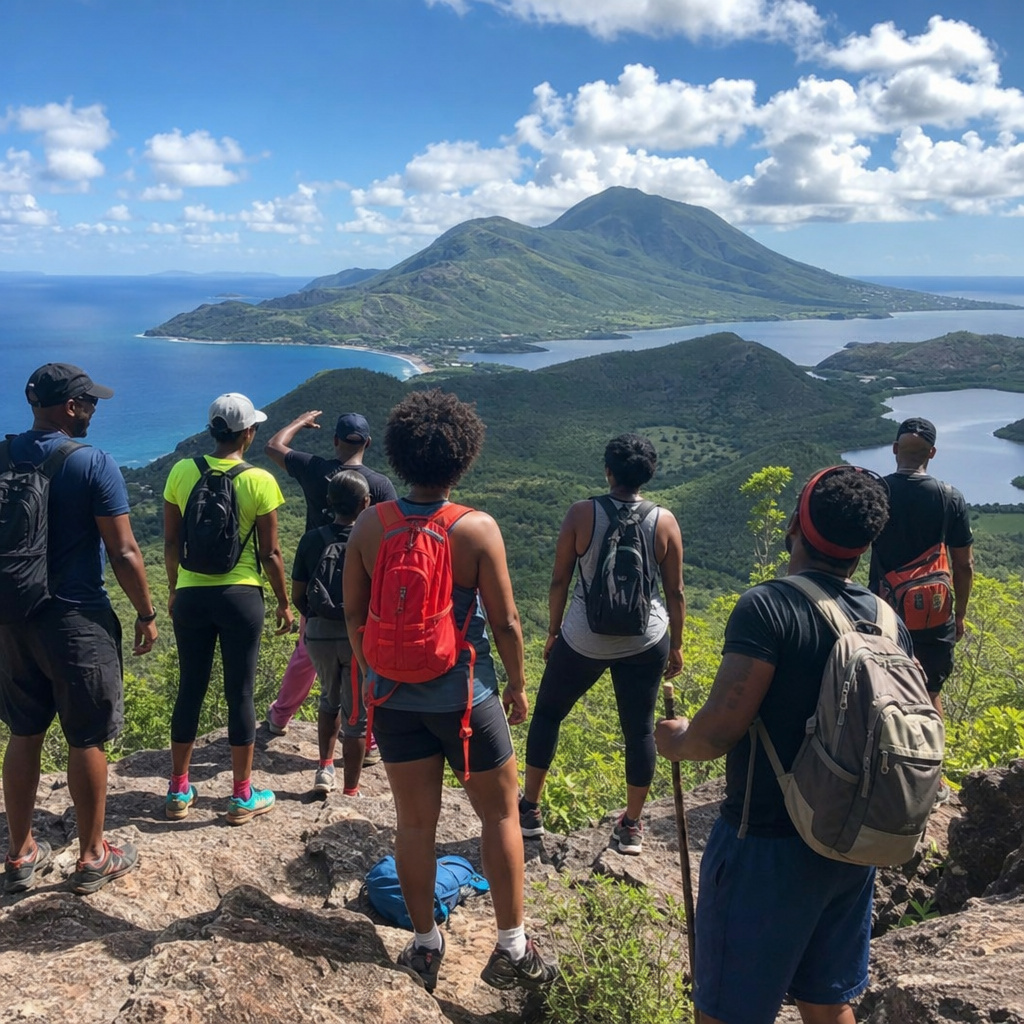
Nevis’ ziplining experience offers one of the island’s most memorable ways to see rainforest, valleys, and volcanic slopes from above, combining outdoor adventure with a close look at the landscape that defines this small Caribbean destination. Ziplining, in simple terms, is a gravity-powered ride along suspended steel cables, using a harness, pulley system, helmet, and braking procedures managed by trained guides. On Nevis, the appeal goes beyond speed. Riders move through a layered canopy of tropical trees, catch wide views toward Charlestown and the Caribbean Sea, and experience a part of the island that hiking trails and roadside viewpoints reveal only partially. I have worked with Caribbean activity operators and destination content for years, and Nevis stands out because its zipline tours feel intimate rather than industrial, shaped by terrain, ecology, and local hospitality.
This matters for travelers planning an adventure-focused itinerary because Nevis is often described first through its luxury inns, beaches, and historical sites, while its active experiences receive less attention than they deserve. A well-run zipline tour answers several practical travel questions at once: what to do beyond the beach, how to experience the rainforest safely, which activity suits families and couples, and how to add excitement without needing advanced skill. As a hub for miscellaneous adventures within the broader Adventure and Activities category, this page also helps place ziplining in context with the island’s broader menu of outdoor experiences, from hiking and horseback riding to off-road tours and water-based excursions. Understanding how ziplining works, who it suits, what safety standards matter, and how it fits into a Nevis itinerary helps visitors choose wisely and avoid treating it as a novelty rather than a high-value signature outing.
What Makes Ziplining on Nevis Different
Nevis is not a mass-market adventure destination, and that is precisely why its ziplining experience feels distinctive. The island is dominated by Nevis Peak, a dormant volcano rising to roughly 3,232 feet, and the slopes around it create dramatic elevation changes over short distances. That topography allows zipline operators to build routes that move riders across natural ravines and through dense green cover without the overly engineered feel found in some larger resort markets. In practical terms, you are not just moving from platform to platform; you are seeing how quickly Nevis shifts from village roads and cultivated land into thick tropical forest. The best tours use this contrast well, starting with a ground briefing and then progressively building confidence with shorter lines before reaching longer, faster crossings.
Another difference is scale. On islands where cruise traffic dominates, adventure tours are often designed for throughput. Nevis typically operates at a slower, more personal pace. Group sizes tend to be manageable, guides usually have time to coach nervous first-time riders, and the atmosphere is less transactional. That matters because ziplining is as much about confidence as equipment. When a guide clearly explains carabiner checks, trolley attachment, body position, hand placement, and landing procedure, participants relax and enjoy the ride. The setting also adds value. Riders may see mango trees, towering palms, bamboo stands, and broadleaf species that support birds and insects typical of the Lesser Antilles. On clear days, elevated vantage points can reveal neighboring St. Kitts across the Narrows, giving the tour an unmistakable sense of place.
For travelers searching miscellaneous adventure options, ziplining on Nevis belongs in the top tier because it blends scenery, accessibility, and novelty better than many alternatives. You do not need diving certification, long hiking endurance, or prior technical experience. At the same time, it delivers a genuine adrenaline response that a standard sightseeing drive cannot match. That combination makes it especially useful for mixed-interest groups where one traveler wants activity and another wants views.
How the Experience Works from Arrival to Final Run
A typical Nevis ziplining tour begins with transportation to the launch area, often in the island’s interior or lower mountain foothills, followed by equipment fitting and a formal safety orientation. Operators generally issue a climbing-style harness with leg loops and waist support, a helmet, gloves if required, and a pulley or trolley system designed for steel cable use. Before anyone leaves the ground, guides should explain the role of the primary attachment point, the backup safety line if used, and the commands that control movement on each platform. In well-managed operations, this briefing is not rushed. Guests are shown how to sit into the harness, keep ankles crossed when requested, and raise hands only when told it is safe. These small instructions prevent awkward landings and reduce avoidable anxiety.
Once on the course, the rhythm usually follows a predictable pattern: climb or walk to a platform, clip in under guide supervision, launch when cleared, ride across a canopy or gully, and arrive at the next station where another guide assists with deceleration and repositioning. Some lines are designed to be scenic and gentle, while others emphasize length or speed. The best operators structure the sequence intentionally. Early lines build trust in the system; later ones deliver the stronger thrill. This progression matters for beginners, especially children or adults who are excited in theory but hesitant at the edge. I have seen the difference that good sequencing makes. A guest who freezes on the first launch often becomes the one asking to go again by the final line, not because the activity changed, but because the operator managed the learning curve properly.
Weather and terrain also influence the experience. Rainforest humidity can make platforms slick, and wind can affect how quickly riders travel. Responsible guides adjust spacing between guests, monitor cable conditions, and pause operations when necessary. A tour that runs on time is convenient, but a tour that respects environmental variables is safer and ultimately better. Visitors should expect closed-toe shoes, comfortable clothing, hydration, and a willingness to follow instructions exactly. Jewelry, unsecured phones, and loose bags are usually discouraged because dropped items are difficult to recover in wooded areas. The result, when handled well, is a smooth half-day activity that feels adventurous without becoming physically exhausting.
Safety Standards, Weight Limits, and Who Should Ride
Safety is the first question most travelers ask, and it should be. Professional ziplining depends on layered risk control: engineered cables and anchors, inspected harnesses and helmets, trained guides, controlled launching and landing procedures, and participant screening. Reputable operators commonly set minimum and maximum weight ranges because the braking profile of a cable changes with rider mass. Height and age guidelines may also apply, particularly for children. While exact figures vary by operator, many Caribbean courses work within broad ranges such as approximately 60 to 275 pounds, though travelers must confirm current rules directly before booking. Pregnant guests, people with certain heart conditions, and anyone with serious mobility limitations are often advised not to participate.
From an operations standpoint, the most useful safety indicators are not marketing slogans but observable practices. Look for proper helmet fitting, documented waivers, guide-to-guest supervision on every platform, clear verbal commands, and visible attention to redundant attachment systems where applicable. Ask whether equipment inspections are logged and whether guides receive rescue training. The relevant benchmark in the industry is compliance with recognized challenge course and aerial adventure practices, often informed by standards associated with organizations such as the Association for Challenge Course Technology. No standard eliminates risk completely, but structured inspection and training reduce preventable incidents significantly. On Nevis, where conditions can be humid and coastal weather shifts quickly, maintenance discipline matters even more because metal components and wood structures require vigilant care.
| Question | What to Check Before Booking | Why It Matters |
|---|---|---|
| Weight and age limits | Confirm the exact participant range with the operator | Proper speed and braking depend on rider profile |
| Guide training | Ask about certification, rescue drills, and supervision ratio | Competent guides prevent most avoidable problems |
| Weather policy | Find out when tours pause or cancel for rain or wind | Environmental conditions directly affect platform and cable safety |
| Equipment care | Check whether harnesses, helmets, and cables are inspected regularly | Maintenance is central to reliable operation |
| Physical requirements | Ask about stairs, short hikes, and landing posture | Some guests can ride safely but need realistic expectations |
Who is ziplining best for? In my experience, it suits active travelers, families with older children, couples seeking a shared memory, and cruise or resort guests who want a half-day adventure with a clear start and finish. It is less ideal for anyone expecting a passive scenic tour. You participate actively by listening, stepping, balancing, and managing your own body position. That said, you do not need exceptional athletic ability. Average fitness is usually enough.
Why Ziplining Belongs in Nevis’ Miscellaneous Adventure Hub
Calling this page a miscellaneous hub is useful because many Nevis activities do not fit neatly into land, water, or heritage categories alone. Ziplining intersects all three in subtle ways. It is a land-based activity, but the elevated viewpoints provide the kind of broad visual payoff many travelers seek from boat excursions. It is an adventure product, yet it also functions as environmental sightseeing because the forest canopy, volcanic contours, and agricultural edges are central to the experience. It even complements heritage tourism. A visitor can spend the morning learning about plantation history or Alexander Hamilton-related sites, then spend the afternoon moving through the island’s living landscape above the trees. That contrast gives a fuller understanding of Nevis than either activity would alone.
Within the wider Adventure and Activities topic, ziplining also acts as a gateway experience. Travelers who are unsure about committing to a strenuous summit hike on Nevis Peak often choose the zipline first because it delivers rainforest immersion with less physical demand and lower time commitment. Others use it to diversify a trip built around snorkeling, sailing, or beach time. This makes the activity strategically important for itinerary planning and for internal content structure across a travel site. From this hub, related articles can branch naturally into rainforest hikes, family-friendly tours, horseback riding routes, ATV or jeep outings where available, birdwatching opportunities, and practical planning guides on weather, transportation, and what to pack for active days on Nevis.
The broader takeaway is that miscellaneous does not mean secondary. On a compact island, the experiences outside the obvious postcard staples often become the most memorable because they reveal texture. Ziplining does that exceptionally well. It gives movement, perspective, and a sense of immersion that static attractions cannot replicate.
Planning Tips, Booking Advice, and What to Pair with the Tour
The best way to plan a Nevis ziplining experience is to treat it as a half-day anchor rather than an afterthought. Book early in your stay if possible. Weather disruptions can occur, and scheduling the tour near the start of your trip leaves room to reschedule. Morning departures are often preferable because temperatures are lower, guides are operating before any afternoon rain buildup, and visibility can be better. When comparing operators, ask specific questions: how many lines are included, how long the full experience lasts, whether transportation is included, and whether photos are available for purchase or allowed with secured action cameras. Vagueness at the booking stage usually signals weaker operations. Clear answers signal professionalism.
Dress for friction, movement, and heat. Closed-toe athletic shoes are standard. Shorts are acceptable, but longer lightweight bottoms can be more comfortable against harness straps. Avoid loose scarves, dangling earrings, and anything that can catch on gear. Sunscreen is still relevant even in forested areas, and insect repellent may help depending on season and recent rainfall. If you are prone to motion-related anxiety, tell the guides before the first platform. Experienced staff can coach launch posture and breathing techniques that make a noticeable difference. Most first-time riders worry about the step off the platform, not the ride itself. Once clipped in correctly, the system does the work.
As for pairings, ziplining works especially well with a late lunch in Charlestown, a visit to the Bath Hotel and Spring House area, a beach afternoon at Pinney’s, or a light heritage circuit through plantation inns and museum spaces. Travelers staying at resort properties can use the activity to balance a relaxing itinerary with one concentrated burst of adventure. Families often pair it with a scenic drive and a casual meal, while couples may combine it with a spa booking or sunset dinner. If your trip goal is to understand the island rather than simply stay on it, this kind of combination is effective. Book your zipline tour with a reputable operator, ask smart questions, and let the ride above the trees become the moment that defines your Nevis adventure.
Frequently Asked Questions
What is Nevis’ ziplining experience like, and what makes it different from other island activities?
Nevis’ ziplining experience is a guided aerial adventure that lets visitors move above the island’s rainforest, valleys, and lower volcanic slopes while securely attached to a steel cable system. In practical terms, guests wear a harness and helmet, connect to a pulley, and travel from platform to platform under the supervision of trained guides who handle safety checks, instructions, and braking procedures. What makes the experience especially memorable on Nevis is that it combines the excitement of height and motion with a rare perspective on the island’s natural terrain. Instead of seeing the landscape only from roads or beaches, riders get an elevated view into the layered canopy, rolling green hills, and mountain-fed environment that shape Nevis’ identity.
Unlike many water-based excursions that focus mainly on the coastline, ziplining introduces visitors to the island’s interior. It highlights the contrast between tropical forest, open valley views, and the dramatic volcanic character of the land. For many travelers, that makes it more than a thrill ride. It becomes a scenic and educational outing, offering a closer sense of place. The experience often appeals to first-time adventurers as well as more active travelers because it delivers excitement without requiring advanced skill. With professional guidance throughout, guests can enjoy a controlled, confidence-building adventure while taking in one of the most distinctive viewpoints on Nevis.
Is ziplining in Nevis safe for beginners and families?
Yes, ziplining in Nevis is generally designed to be safe and approachable for beginners, and many families find it to be one of the most accessible adventure activities on the island. Reputable operators use established safety systems that include fitted harnesses, helmets, steel cables, secure platforms, and clearly defined braking and attachment procedures. Before anyone begins, guides typically provide a full orientation covering how the equipment works, how to position the body during the ride, what signals may be used between platforms, and what participants should expect at each stage of the course. This introduction is especially valuable for first-time riders because it replaces uncertainty with clear, step-by-step instruction.
Another major factor in safety is guide supervision. Trained staff usually inspect equipment, manage clip-ins and transfers, and monitor riders throughout the course. That level of oversight helps reduce risk and makes the activity feel manageable even for people who are nervous about heights or have never tried anything similar before. Families should still confirm age, height, and weight requirements in advance, since these vary by operator and are important for proper equipment fit and ride control. Parents should also consider a child’s comfort level with heights and outdoor activity. In most cases, if participants listen carefully, follow guide instructions, and choose a licensed, safety-focused operator, ziplining in Nevis can be a well-run and enjoyable experience for a wide range of ages and skill levels.
What will I see while ziplining above the trees in Nevis?
One of the biggest draws of ziplining in Nevis is the scenery. From the platforms and cables, riders can see a side of the island that feels immersive and elevated at the same time. Depending on the route and weather conditions, you may look out across dense tropical vegetation, layered treetops, open valleys, and the rising contours of the island’s volcanic landscape. Instead of viewing the rainforest from below, you travel through and above it, which creates a much stronger sense of the island’s structure, scale, and natural richness. The canopy itself can be striking, with different shades of green, textured foliage, and changing light filtering through the forest.
The experience also gives a better understanding of how Nevis’ interior differs from its coastal image. Visitors often arrive thinking first of beaches and sea views, but ziplining reveals the lush heart of the island. You may notice how the terrain shifts from thick vegetation to wider outlooks that frame hillsides and ravines. In some areas, the perspective can make the volcanic origins of the island more apparent, especially when slopes and elevations open up around you. Wildlife sightings are never guaranteed, but the surrounding environment can offer sounds and movement from birds and forest life that add to the atmosphere. Overall, the visual appeal is a major reason this activity stands out: it is not just about speed, but about seeing Nevis from an angle that most visitors would otherwise miss.
What should I wear and bring for a ziplining tour in Nevis?
For a comfortable ziplining experience in Nevis, it is best to dress for active outdoor movement in warm, humid conditions. Lightweight clothing that allows easy motion is ideal, such as a breathable T-shirt or athletic top with shorts or flexible pants. Closed-toe shoes are typically essential, since participants may need to walk on uneven ground, climb steps, or move between platforms. Sneakers or trail-style shoes with good grip are usually the safest choice. Avoid loose accessories or anything that can fall during the ride, including dangling jewelry, unsecured hats, and bags that are not specifically allowed by the operator. Long hair should generally be tied back, and pockets should be zipped or emptied of items that could drop from height.
As for what to bring, sunscreen and insect repellent are often smart choices because tours take place in tropical outdoor settings. A small amount of water may be useful before or after the course, though operators may have their own policies about what can be carried during the ride itself. If you want photos, ask in advance whether phones, action cameras, or chest-mounted devices are permitted, since safety rules vary. Some companies provide or require approved camera setups. It is also wise to bring a light rain layer if conditions look changeable, as weather in mountainous tropical areas can shift quickly. Most importantly, bring a willingness to listen carefully during the briefing. The right clothing and preparation make the experience more comfortable, but attention to instructions is what helps ensure everything runs smoothly from start to finish.
Who should consider ziplining in Nevis, and is it worth it if I am not an extreme thrill-seeker?
Ziplining in Nevis is a strong choice for travelers who want an active way to experience the island’s natural beauty without needing advanced athletic ability or a taste for high-intensity adventure sports. It is especially well suited to visitors who enjoy nature tours, scenic viewpoints, and memorable outdoor experiences with a little adrenaline mixed in. Because the activity is guided and structured, it often attracts people who would not describe themselves as extreme thrill-seekers. The sensation of gliding through the air can certainly feel exciting, but for many participants, the lasting impression is not fear or speed. It is the setting: the forest canopy below, the fresh air, the changing views, and the unusual perspective on Nevis’ interior landscape.
That balance is exactly why many people find it worthwhile. If you are curious about the island beyond its beaches, ziplining provides a vivid introduction to the terrain that defines Nevis. It can also be a good option for couples, families, solo travelers, and small groups who want a shared experience that feels adventurous yet manageable. Of course, anyone with medical concerns, mobility limitations, or a strong fear of heights should check directly with the operator before booking, since individual conditions and course requirements matter. But for many visitors, ziplining hits an ideal middle ground: exciting enough to feel memorable, safe enough to feel accessible, and scenic enough to deepen your appreciation for Nevis as more than just a Caribbean beach destination.