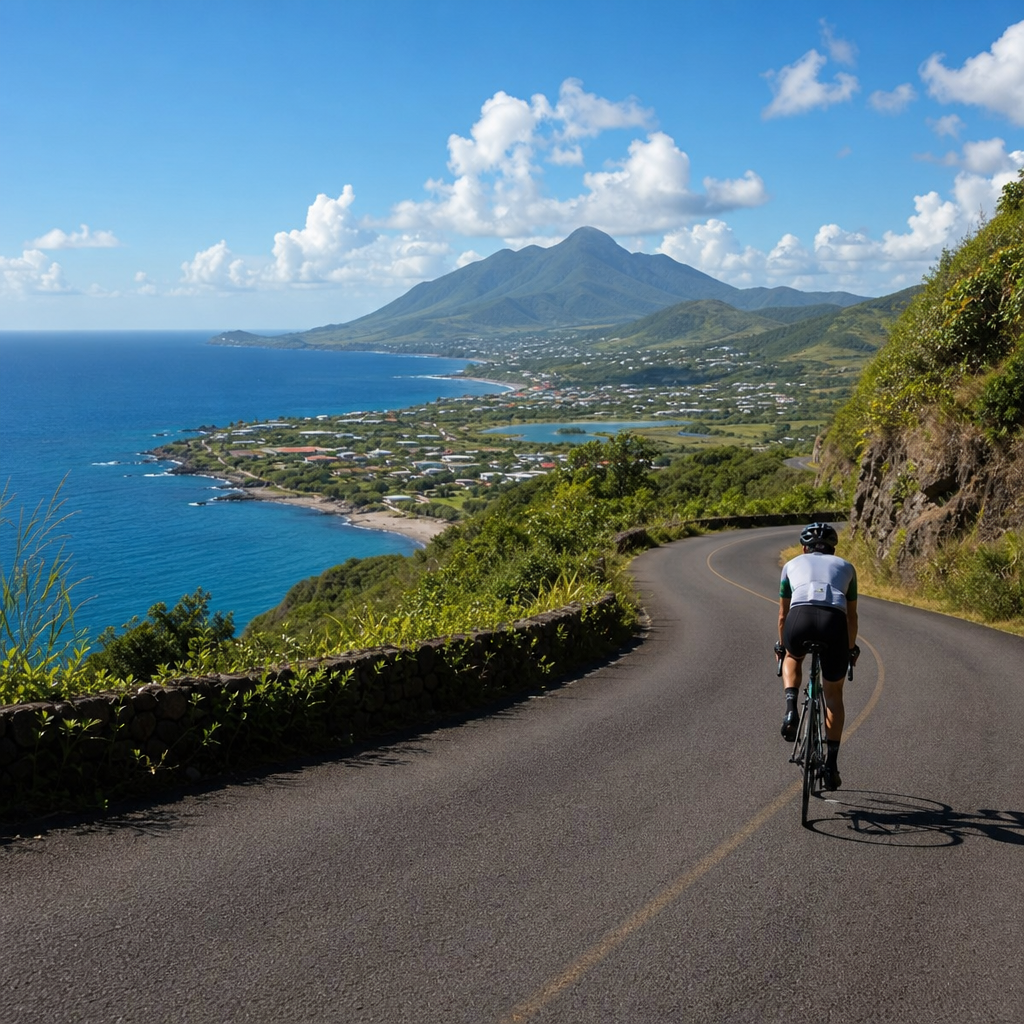
Cycling around Saint Kitts is one of the most rewarding ways to experience the island because the roads reveal rainforest, old sugar estates, fishing villages, black-sand bays, and sweeping Caribbean views at a human pace. Saint Kitts, officially Saint Christopher Island, is the larger of the two islands in the Federation of Saint Kitts and Nevis, and its compact size makes it especially attractive for riders who want a full day tour without the logistics of a multi-island expedition. When travelers ask whether Saint Kitts is good for cycling, the direct answer is yes: the island offers a largely circular main road, varied elevation, warm weather year-round, and enough landmarks to turn a ride into a full sightseeing itinerary. I have planned rides here for visitors with very different abilities, from cruise passengers wanting a gentle coastal spin to experienced road cyclists looking for a hard climbing day, and the island consistently delivers both scenery and challenge.
Understanding the terrain matters before setting out. Much of Saint Kitts can be explored via the island’s main road network, particularly the route that arcs around the coast and links Basseterre with communities such as Old Road Town, Sandy Point Town, Dieppe Bay Town, Cayon, and Frigate Bay. Interior roads and spur climbs lead toward higher slopes near Mount Liamuiga, the island’s dormant volcano, but most recreational riders stay on the coastal loop or selected segments of it. Distances are manageable: a near-complete circuit is commonly described at roughly 30 to 35 miles depending on start point and detours, yet the effort can feel much greater because heat, wind, and rolling gradients add resistance. That combination is exactly why cycling around Saint Kitts matters to active travelers. It lets you cover meaningful ground, see local life outside resort zones, and combine fitness with cultural discovery in a way that taxis and organized bus tours rarely match.
What Makes Saint Kitts a Strong Cycling Destination
Saint Kitts stands out because it offers route variety in a small geographic footprint. On one ride you can pass Georgian-era architecture in Basseterre, pedal by remnants of the sugar industry, skirt beaches on the Caribbean side, and then face more rugged Atlantic scenery on the island’s windward edge. The visual contrast is sharp. The southwest coast near Frigate Bay and South Friars Bay tends to feel more tourism-oriented, with beach bars and resort traffic, while the northern and northeastern segments feel quieter and more rural. For riders, that means the island is not a one-note beach spin; it is a compact cross-section of history, geology, and community.
Road conditions are generally serviceable but uneven enough to require attention. In my experience, the best approach is to treat Saint Kitts as a destination for confident leisure cyclists or trained riders, not for absolute beginners expecting fully separated bike infrastructure. There are few dedicated bike lanes, shoulders can narrow, and pavement quality changes from smooth sections to patched stretches with drains, gravel, or potholes. Traffic volumes are usually lower outside Basseterre and the resort corridor, but drivers may move briskly on open roads. Early morning starts reduce heat, avoid the busiest periods, and make the ride substantially more comfortable. If you have ridden in other Caribbean islands, the pattern will feel familiar: beautiful roads, manageable distances, limited cycling infrastructure, and a premium on alert riding.
The Classic Island Loop and Its Best Scenic Segments
The signature ride on Saint Kitts is the coastal loop, usually tackled clockwise or counterclockwise from Basseterre or Frigate Bay. A clockwise approach from Basseterre through Old Road Town and Sandy Point often works best for visitors because the western and northern coasts provide excellent scenery before midday heat intensifies. Old Road Town is historically significant as one of the earliest colonial settlements in the Eastern Caribbean, and passing through it adds context to what might otherwise seem like a simple coastal road. From there, the route toward Sandy Point opens broad views over the Caribbean Sea and occasionally to neighboring islands on clear days.
Sandy Point to Dieppe Bay is a favorite section for stronger riders because the road becomes quieter and more dramatic. Dieppe Bay sits near a striking black-sand beach formed by volcanic geology, and the coastline feels distinctly less developed than the southern resort belt. If you continue east and southeast, the ride transitions to the Atlantic-facing side, where trade winds can become a defining factor. This part of the island is not always the easiest, but it is often the most memorable. The ocean looks rougher, the vegetation denser, and the settlements more spread out. Cayon, on the northeastern side, makes a practical regrouping point before the return toward Basseterre.
Riders who want a shorter day can build a strong half-day route from Frigate Bay to Basseterre and onward to Old Road Town before turning back. Another excellent option is a south-coast focused ride that links Frigate Bay, Timothy Hill, and the Southeast Peninsula views. Timothy Hill is one of the easiest recommendation points because it delivers a classic Saint Kitts panorama: the Caribbean on one side, the Atlantic on the other, and the narrow peninsula stretching toward Nevis. It is not a long climb by mountain standards, but in tropical humidity it can feel far steeper than the profile suggests. For photography and maximum reward per mile, few spots beat it.
Choosing the Right Route by Skill Level and Travel Style
The best cycling route in Saint Kitts depends on fitness, bike type, and purpose. Families or casual vacation riders usually do better on selected coastal segments rather than the full island circuit. Road cyclists and triathletes often prefer the complete loop because it gives sustained time in the saddle and enough variation to stay interesting. E-bike users can stretch their ambitions further, especially on warmer afternoons or hillier connectors. The key is to match expectation to conditions. A 35-mile ride in dry, cool climates can feel routine; on Saint Kitts, the same mileage under strong sun and crosswinds is a real athletic effort.
| Route option | Typical distance | Best for | Main highlights | Primary caution |
|---|---|---|---|---|
| Frigate Bay to Timothy Hill out-and-back | 8-12 miles | Casual riders, cruise visitors, e-bike users | Peninsula views, beaches, easier logistics | Exposure to midday sun and resort traffic |
| Basseterre to Old Road Town return | 15-22 miles | Leisure riders wanting culture and coast | Historic towns, western sea views, rolling terrain | Narrow shoulders near busier sections |
| Partial west-to-north coast ride to Dieppe Bay | 25-35 miles | Intermediate cyclists | Quiet roads, volcanic shoreline, black-sand beach | Longer recovery needs and fewer services |
| Full island loop | 30-35+ miles | Experienced road cyclists | Complete coastal variety, village life, island overview | Heat, wind, uneven pavement, limited bailout options |
If this page is your starting point for planning, use it as the hub for deeper route-specific ideas. From here, a traveler can branch into articles focused on beach rides, cruise-port cycling, family-friendly activities, island sightseeing stops, and active day trips that combine riding with snorkeling, hiking, or local food. That hub function matters because Saint Kitts cycling is rarely just about the bike. Most visitors want to know where to stop, what to eat, whether a route is safe, and how to fit a ride into a broader adventure itinerary. Building from a broad guide into focused ride plans mirrors how real trip planning happens.
Bike Types, Rentals, and What to Bring
A lightweight road bike is ideal for riders aiming to complete the island loop efficiently, but a hybrid bike is often the most practical choice for visitors because it handles variable pavement and casual sightseeing stops better. Gravel bikes also perform well here, not because the route is off-road, but because wider tires smooth out rougher sections and reduce fatigue. If you are renting, confirm brake condition, tire quality, spare tube availability, and saddle height before leaving the shop or tour operator. On islands, rental fleets can vary widely in maintenance quality, and a ten-minute check prevents a long roadside delay.
Bring more water than you think you need. For a full loop, I usually advise at least two large bottles to start, plus electrolytes, because sweating rates in the Caribbean climb quickly even on moderate days. Sunscreen, sunglasses, and a lightweight cap or well-ventilated helmet are not optional. A mini pump, tube, tire levers, and a charged phone are basic kit. Riders accustomed to relying on frequent convenience stores should plan more carefully on the quieter north and east sides, where resupply points are less predictable. If you ride clipped in at home, consider whether touring-style pedals or flat pedals might be more convenient for sightseeing-heavy days.
Safety, Road Etiquette, and Weather Considerations
Is cycling in Saint Kitts safe? It can be, provided you ride defensively and respect local conditions. Vehicles drive on the left, which is essential for visitors from North America and much of Europe to remember at every junction and roundabout. Start early, use front and rear lights even in daylight, and assume road users may not expect a bicycle around blind curves. Dogs, parked vehicles, roadside debris, and sudden rain showers all appear often enough to matter. None of these are reasons to avoid cycling, but they are reasons to stay focused.
Weather shapes every ride. Temperatures in Saint Kitts are warm year-round, generally in the upper 70s to upper 80s Fahrenheit, and humidity increases perceived effort. The drier season, usually from roughly December to April, often gives the most comfortable riding conditions, while wetter months can bring short, intense showers and slick roads. Wind is the hidden variable many first-time riders underestimate. On the Atlantic side especially, headwinds can turn a pleasant tour into a grinding effort. Plan nutrition and pacing with that in mind. If you are on a cruise schedule or tight hotel timeline, always leave a buffer. Mechanical problems and heat-related slowdowns are more common than map estimates suggest.
Where Cycling Fits Within Saint Kitts Adventure Travel
Cycling works especially well as the centerpiece of a broader active itinerary. A morning ride can be paired with an afternoon catamaran sail, a beach stop at Cockleshell Bay, or a heritage visit to Brimstone Hill Fortress National Park, the UNESCO-listed stronghold on the western side of the island. Brimstone Hill deserves special mention because it is one of the Caribbean’s best-preserved military fortifications, and reaching the area by bike gives travelers a stronger sense of the island’s strategic geography than arriving by car alone. Riders interested in history can also connect their route with former plantation landscapes and railway heritage linked to the old sugar economy.
For travelers comparing Saint Kitts with other Caribbean cycling destinations, the island’s advantage is balance. It is not as flat and easy as some resort islands, and it is not as chaotic as larger, denser destinations. Instead, it offers enough climbing for satisfaction, enough scenery for constant reward, and enough cultural stops to justify a full-day exploration. That is why it belongs in the wider adventure-and-activities conversation. Whether you are building a trip around outdoor experiences or simply want one memorable active day, cycling around Saint Kitts turns the island itself into the attraction rather than just the backdrop.
Cycling around Saint Kitts gives travelers an efficient, immersive, and genuinely scenic way to understand the island beyond the usual postcard view. The core advantages are clear: a compact but varied road network, memorable coastal segments, access to historic towns and natural landmarks, and route options that work for everyone from casual vacation riders to seasoned endurance cyclists. The practical lessons are just as important. Choose the route that matches your fitness, start early, prepare for heat and wind, inspect your bike carefully, and ride with the awareness required on roads without dedicated cycling infrastructure. When those basics are handled, Saint Kitts becomes an outstanding place to explore on two wheels.
As a hub within the broader Adventure and Activities topic, this guide is designed to help you move from general inspiration to specific planning. Use it to identify the kind of ride you want, then continue into more detailed articles on beaches, sightseeing stops, cruise-friendly excursions, family activities, and mixed-adventure day plans built around cycling. The main benefit of choosing a bike here is simple: you see more, feel more, and remember more than you do from behind a windshield. If Saint Kitts is on your itinerary, reserve a bike, map your preferred route, and make one day of your trip a ride around the island.
Frequently Asked Questions
Is Saint Kitts a good island for cycling tours, and what makes it different from other Caribbean destinations?
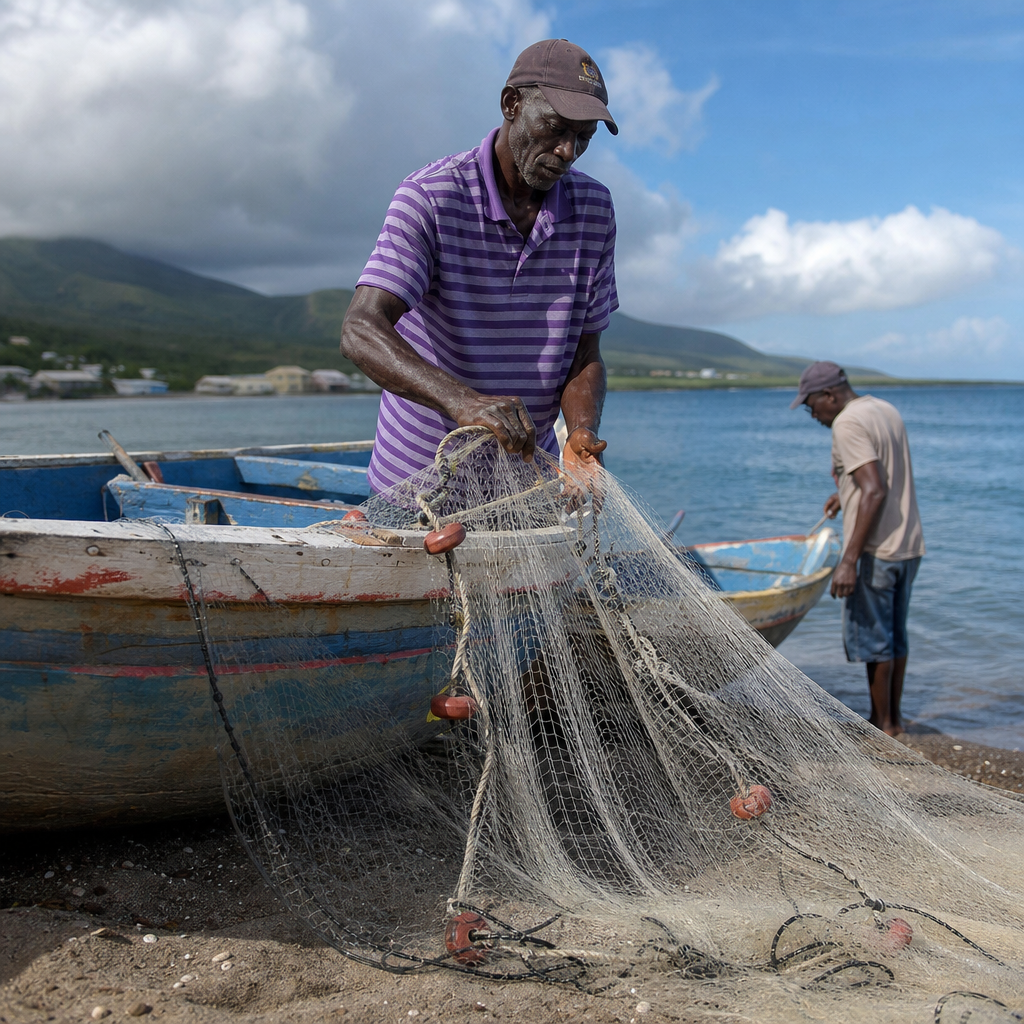
Yes, Saint Kitts is an excellent island for cycling tours, especially for travelers who want a ride that feels immersive, scenic, and achievable in a single day. One of the biggest advantages is the island’s compact size. Riders can cover a surprising variety of landscapes without dealing with long transfers, inter-island ferries, or complicated logistics. In the span of one tour, it is possible to pass through lush rainforest edges, historic sugar estate lands, quiet fishing communities, dramatic coastal stretches, and elevated roads with wide Caribbean views. That variety is what makes cycling here feel so rewarding.
Saint Kitts also stands out because the pace of travel matches the island itself. By bike, you notice details that are easy to miss from a car window, including stone ruins from the sugar era, changing shoreline colors, roadside fruit stands, village life, and the shift in temperature and vegetation as the road climbs inland. The terrain can be rolling and sometimes demanding, so the experience is not just about sightseeing; it also appeals to riders who enjoy a sense of physical accomplishment. For many visitors, that balance of manageable island scale, rich scenery, and historical character makes Saint Kitts one of the most satisfying places in the Caribbean to explore on two wheels.
What are the best scenic cycling routes around Saint Kitts?
The most popular scenic rides on Saint Kitts generally follow portions of the island’s main road network, especially the coastal loop and the routes that connect Basseterre with villages and viewpoints around the island. The southeastern peninsula is often a favorite because it offers some of the most open and dramatic sea views. This area is known for windswept hills, striking coastal light, and stretches where riders can see both the Caribbean Sea and the Atlantic at different points of the route. It feels expansive and cinematic, making it especially memorable for photographers and riders who enjoy long visual panoramas.
Another rewarding option includes rides that move north or west from Basseterre through historic districts and former sugar estate country. These roads reveal an important part of Saint Kitts’ past, with estate ruins, old stone features, and broad green landscapes that tell the story of the island’s plantation era. Coastal sections near fishing villages and black-sand bays add a distinctly local character to the journey, blending natural beauty with everyday island life. Riders looking for a fuller day often combine multiple segments into a clockwise or counterclockwise island circuit, though the exact route should be chosen based on fitness, weather, and traffic conditions. In general, the best route is the one that balances coastline, interior elevation, and cultural stops rather than simply chasing mileage.
How difficult is cycling around Saint Kitts, and do you need to be an experienced rider?
Cycling around Saint Kitts is very doable for many travelers, but the level of difficulty depends on the route, the weather, and your comfort with hills. The island is not flat, and even though it is relatively small, riders should not mistake short distances for easy riding. Many routes include rolling terrain, gradual climbs, occasional steeper sections, and exposure to heat, humidity, and coastal wind. Those factors can make a moderate ride feel more demanding than the map suggests. For that reason, Saint Kitts is often best enjoyed by riders with at least a basic level of cycling fitness and confidence on open roads.
That said, you do not need to be an elite cyclist to enjoy the island. Casual riders can choose shorter scenic segments, start early to avoid the midday heat, and use an e-bike if available. Experienced cyclists may prefer a full island loop or routes with more elevation for added challenge. The smartest approach is to match the ride to your ability rather than trying to prove something on vacation. Bring plenty of water, pace conservatively, and allow time for rest stops, photos, and shade breaks. With realistic expectations and proper preparation, cycling around Saint Kitts can be enjoyable for a wide range of riders, from enthusiastic beginners to seasoned touring cyclists.
When is the best time to go cycling in Saint Kitts, and what should you bring for the ride?
The best time to cycle in Saint Kitts is usually in the morning, when temperatures are cooler, the light is clearer, and roads may feel calmer. Early starts are especially helpful because tropical heat and humidity build quickly, and exposed coastal sections can become much more tiring later in the day. In terms of season, many visitors prefer the drier months, when road conditions are more predictable and the chance of prolonged rain is lower. Even so, Saint Kitts can be ridden year-round with flexible planning. Weather can change quickly, so riders should always be prepared for intense sun, passing showers, and wind on open stretches.
As for gear, the essentials are straightforward but important. A well-fitted helmet is non-negotiable. You should also bring water, electrolytes, sunscreen, sunglasses, and lightweight, breathable clothing suited to tropical conditions. A basic repair kit, spare tube, pump or inflator, phone, and some cash are also wise to carry, especially if your route passes through quieter areas. If you are using a rental bike, check the brakes, tires, gears, and saddle height before setting off. It is also smart to bring snacks or energy food, since services can be spaced out depending on where you ride. The goal is to be self-sufficient enough to enjoy the island comfortably, without overloading yourself on a warm day.
Should you cycle Saint Kitts independently or book a guided bike tour?
Both options can work well, and the right choice depends on your experience, travel style, and how much local context you want during the ride. Independent cycling gives you maximum flexibility. You can stop whenever a bay, village, or historic site catches your attention, ride at your own pace, and shape the day around photography, beach breaks, or longer mileage goals. For confident cyclists who are comfortable with navigation and basic roadside repairs, this can be a very satisfying way to experience Saint Kitts. The island’s manageable size is one reason self-guided riding is so appealing.
Guided tours, however, offer major advantages, especially for first-time visitors. A good local guide can help you choose roads that are scenic, appropriate for your fitness level, and safer in terms of traffic flow and timing. Guides also add depth by explaining the island’s history, pointing out former sugar estates, identifying lesser-known viewpoints, and sharing insights into local communities and landscapes that independent riders might pass without noticing. For many travelers, that added interpretation turns a beautiful ride into a richer travel experience. If you are short on time, unfamiliar with tropical riding conditions, or simply want logistics handled for you, a guided cycling tour is often the best option. If you value freedom and already have the confidence to plan effectively, riding independently can be equally rewarding.