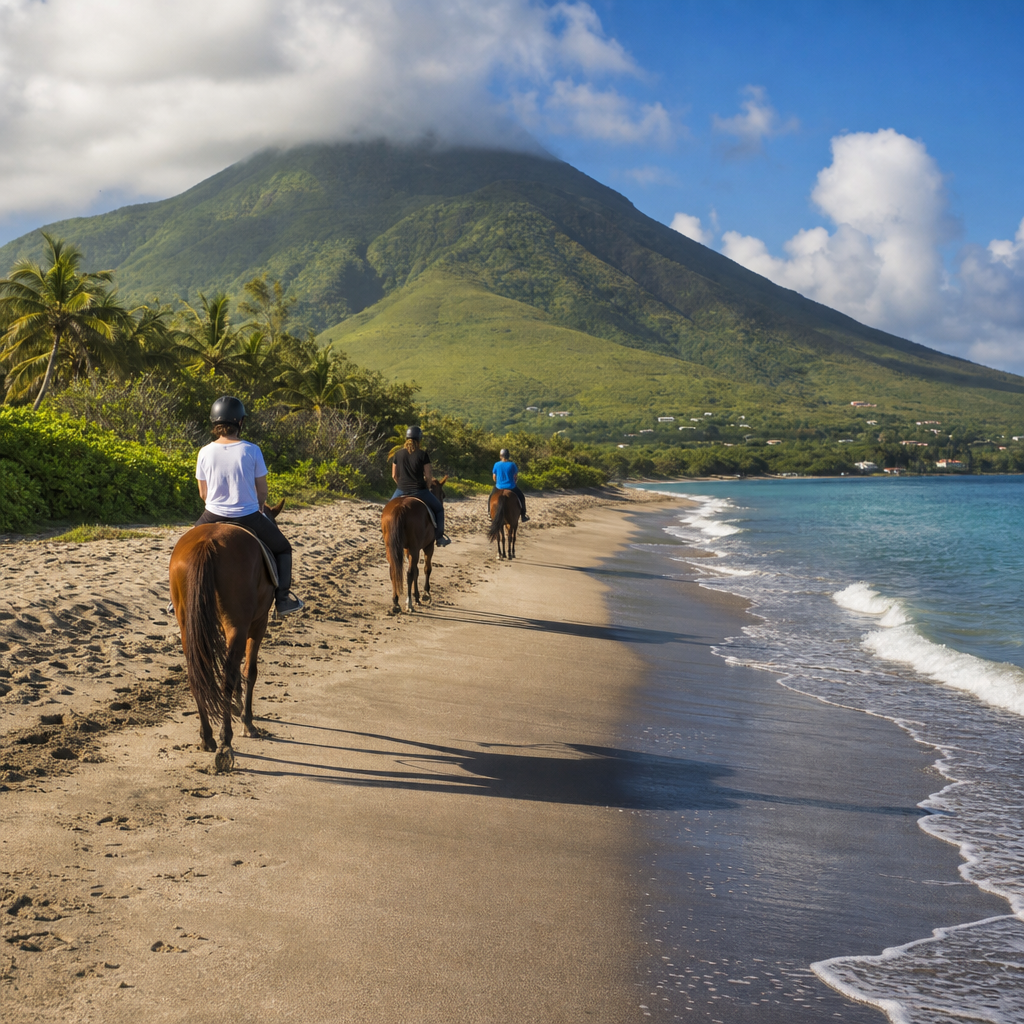
Horse riding on Nevis’ beaches and trails offers one of the island’s most memorable ways to experience its landscape, history, and slower Caribbean rhythm. Nevis is the smaller sister island of St. Kitts, known for volcanic slopes, old sugar estates, quiet villages, and broad stretches of sand that still feel uncrowded. In practical terms, riding here usually means guided excursions that combine beach riding, countryside tracks, estate roads, and forested foothill trails. For visitors exploring Adventure and Activities on Nevis, this topic also serves as a hub for the wider miscellaneous experiences that do not fit neatly into diving, hiking, or water sports but still define an active island stay.
The appeal is broader than the postcard image of a horse cantering beside turquoise water. A well-run ride on Nevis introduces geography, local culture, and the island’s agricultural past in a format that is accessible to many travelers, including beginners. I have found that guests often arrive expecting a simple beach photo opportunity and leave talking instead about the changing terrain, the view up toward Nevis Peak, the remains of plantation infrastructure, and the calm temperament of horses trained for mixed-skill groups. That combination matters because the best horse riding on Nevis is not just scenic; it is interpretive, practical, and rooted in place.
Understanding a few basics helps. “Beach riding” usually refers to walking or trotting along firm sand near the shoreline, not unrestricted galloping through swimming areas. “Trail riding” covers inland routes through pasture, old cart paths, estate lands, and occasionally shaded woodland. Ride quality depends on guide experience, horse condition, group size, weather, and tide. Nevis has a tropical climate with a drier season generally from December to April and wetter months later in the year, so footing and visibility can change. Choosing the right operator, asking the right questions, and matching the ride to your ability level will shape the experience far more than many travelers realize.
As a hub page, this article covers what to expect, how rides are structured, who they suit, how to prepare, and how horseback excursions connect with other miscellaneous Nevis activities such as heritage visits, photography outings, family-friendly adventures, and custom private tours. If you are deciding whether horse riding belongs on your itinerary, the short answer is yes for most active travelers. It is one of the rare activities on Nevis that blends sightseeing, nature, and cultural context without requiring advanced fitness or technical skill.
What Horse Riding on Nevis Is Really Like
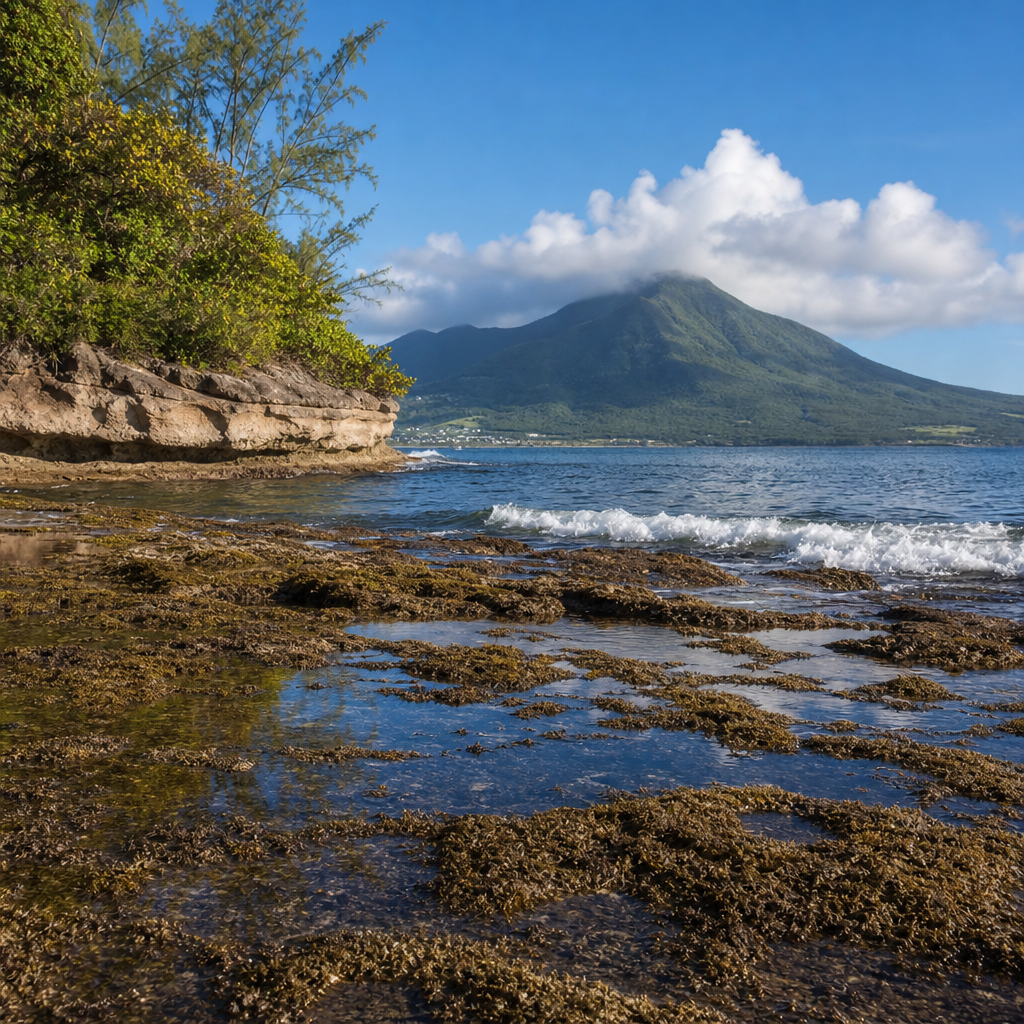
Most horseback tours on Nevis begin with a safety briefing, mounting assistance, and a quick assessment of each rider’s confidence level. Reputable operators do not simply assign horses at random. They match calm, responsive horses to nervous first-timers and reserve more forward-going animals for experienced riders. On a typical route, riders move in single file through pasture or estate tracks before reaching a beach section where the terrain opens and the views become dramatic. You may see Charlestown in the distance, fishing boats offshore, or the green mass of Nevis Peak rising inland.
The pace is usually conservative at first. Beginners often walk for most of the outing, while mixed groups may progress to short trots on straight, stable sections. Full-speed gallops are uncommon on standard group rides because guides must manage spacing, surface conditions, and rider ability. That is not a drawback. On Nevis, the reward is environmental variety: black-sand and golden-sand stretches, sea grape and palm-lined edges, grazing livestock, old stone walls, and traces of the sugar industry that shaped the island for centuries. Those details are what make the excursion feel specific to Nevis rather than interchangeable with any Caribbean horseback ride.
Guides often add commentary on local plants, coastal ecology, and history. Expect references to former plantations, the island’s British colonial period, and the role sugar once played in land use patterns. In my experience, travelers appreciate this context because it turns a scenic activity into a richer orientation to the island. It also explains why trails sometimes pass old estate lands rather than untouched wilderness. Nevis is a cultural landscape, and horse riding reveals that layered character better than many vehicle tours do.
Best Routes, Scenery, and Terrain
Nevis’ riding terrain is attractive because it changes quickly over short distances. Coastal routes often feature flatter ground and the iconic sea views that dominate travel photography. Inland sections can include grassy tracks, compact dirt paths, low branches, gentle inclines, and occasional rocky patches. After rain, some areas become slick, which is why experienced guides adapt routes based on recent weather and rider skill. The best operators treat route planning as a risk-management task, not just a sightseeing decision.
Beach segments are usually most enjoyable at lower traffic times, such as morning or late afternoon, when temperatures are milder and the light is softer. Sunrise rides can be exceptional for photographers because the island’s coast catches warm light without the harsh midday glare common in the Caribbean. Afternoon rides, meanwhile, often benefit from sea breezes and golden-hour color. If your main goal is scenery rather than riding challenge, ask specifically for the route with the most coastal exposure and the longest safe beach section.
Interior trails offer a different reward. They highlight breadfruit trees, acacia, open pasture, and old estate corridors that hint at Nevis’ plantation geography. On some rides, guides point out views across to St. Kitts, especially from slightly elevated ground. Riders interested in birds may spot herons, frigatebirds, or small land birds depending on habitat and season. Because Nevis is compact, you are never very far from either sea or slope, and that compressed landscape creates the distinctive rhythm of local horseback tours.
| Route Type | Typical Surface | Best For | Main Highlights |
|---|---|---|---|
| Beach ride | Firm sand, shoreline track | Beginners, photographers, couples | Sea views, open space, sunset light |
| Estate trail | Grass, dirt road, old cart path | History-minded travelers, families | Sugar estate landscapes, stone ruins, village views |
| Foothill route | Mixed dirt, light incline, shaded sections | Confident riders seeking variety | Nevis Peak perspectives, cooler air, denser vegetation |
| Private custom ride | Varies by route design | Experienced riders, special occasions | Pace flexibility, personalized stops, tailored scenery |
Who Should Ride and How to Choose the Right Tour
Horse riding on Nevis works for more people than many assume, but the right match matters. Beginners should look for small-group rides with a clear safety briefing, mounting block or assisted mount, and horses described as trail-safe or beginner-friendly. Families need to confirm minimum age requirements, child helmet availability, and whether children ride independently or are led. Older travelers often do well on calm walking rides, provided they are comfortable mounting and have reasonable balance. Experienced riders should ask direct questions about pace, canter opportunities, and whether private rides are available.
When evaluating an operator, focus on horse welfare and guide professionalism. Signs of a responsible stable include horses at healthy body condition, clean tack, shaded rest areas, fresh water access, and a guide who asks about your experience before assigning a horse. Good operators explain how to hold the reins, how to stop, how to keep distance between horses, and what to do if a horse speeds up. They also set realistic expectations. If a website promises dramatic speed on every ride regardless of ability, that is usually a warning sign rather than a selling point.
Trip length is another decision point. One-hour rides are good for first-timers or cruise visitors on a tight schedule. Ninety-minute to two-hour rides usually provide the best balance of beach time, trail variety, and interpretive value. Longer outings suit riders with stamina and a real interest in the island beyond the photo moment. For honeymooners, proposals, or serious photographers, a private ride is often worth the premium because it allows flexible pacing and better timing around light and tide.
Safety, Weather, and Practical Preparation
Nevis is relaxed, but horseback riding should be approached with the same care you would use anywhere. ASTM/SEI-certified helmets are the benchmark many professional riding centers follow internationally, and while not every small island stable will advertise standards in those terms, asking about helmet availability and maintenance is reasonable. Closed-toe shoes with a small heel are preferable to sandals because they help prevent the foot from sliding through the stirrup. Long trousers reduce rubbing, though many visitors ride comfortably in lightweight activewear. Sunscreen, insect repellent for inland sections, and a secure phone pocket are simple details that improve the outing.
Weather has a direct effect on comfort and safety. Heat and humidity can tire inexperienced riders quickly, so morning departures are often easiest. During wetter periods, trails may be muddy, and beach width can shrink with tide and swell conditions. Operators may adjust routes after heavy rain, and that flexibility is a positive sign. On Caribbean islands, brief showers are normal and do not always ruin a ride, but thunderstorms are a different matter. A responsible guide will delay or cancel rather than take unnecessary risks with horses on exposed coastline or slippery ground.
If you have not ridden before, tell the guide honestly. In my experience, beginners who understate their nerves have a harder time than those who are upfront and get proper instruction. Mounting can be the most awkward part; once the horse is walking, many riders settle quickly. Keep shoulders relaxed, look where you want to go, and let the horse follow the line. Do not grip with your hands or lean far forward on descents. These simple basics make the ride smoother for both rider and horse.
Why This Activity Fits the Wider Miscellaneous Nevis Adventure Hub
As a miscellaneous hub topic within Adventure and Activities, horse riding connects naturally with several other Nevis experiences. It pairs well with heritage touring because many riding routes pass former estate lands and reveal the same plantation-era geography visitors encounter at historic inns, mills, and museums. It also complements beach-focused days by offering a coastal perspective that is more immersive than simply driving to a lookout. Travelers who enjoy photography, birdwatching, wellness travel, or romantic excursions often find horseback riding overlaps with those interests even if they would not identify as equestrians.
This matters for trip planning. On Nevis, activities are less about checking off extreme adventures and more about combining moderate, place-specific experiences into a coherent island itinerary. A morning ride can be followed by lunch in Charlestown, an afternoon visit to a historic property, or a sunset beach walk. Families can use horseback riding as a bridge activity that pleases both active adults and older children. Couples often book it alongside spa treatments or a catamaran day because it delivers scenery and intimacy without requiring a full-day commitment.
For content architecture, this hub also supports related subtopics such as private island tours, family activities, scenic photography spots, heritage adventures, rainy-day alternatives, and beginner-friendly outdoor experiences. Horse riding sits at the center of that cluster because it touches landscape, culture, wildlife, accessibility, and logistics all at once. If you are building a Nevis itinerary from this sub-pillar, start here, then branch into the complementary experiences that match your pace and interests.
Booking Tips, Costs, and What Makes a Tour Worth It
Prices on islands change with season, group size, transfer inclusion, and ride length, so the smartest approach is to compare value rather than chase the lowest rate. A slightly higher price may include hotel pickup, a smaller group, better tack, stronger safety procedures, and access to a more scenic route. Ask whether the quoted time is actual riding time or total activity time including check-in and briefing. That distinction matters. A “two-hour tour” can sometimes mean closer to seventy-five minutes in the saddle.
Read recent reviews with a critical eye. The most useful comments mention horse temperament, guide communication, route variety, and whether the operator respected skill levels. Specific praise such as “the guide separated beginners from advanced riders for the beach section” is more meaningful than generic statements about a fun time. If you are staying at a major resort, the concierge may have current information on which stables are operating consistently and which rides best suit your experience level.
The best horse riding tours on Nevis are worth booking because they compress many of the island’s strengths into one outing: dramatic coastal scenery, approachable adventure, local history, and a pace that encourages observation. They are not theme-park experiences, and that is exactly the point. The value lies in feeling the transition from estate track to shoreline, hearing local interpretation from a guide who knows the land, and seeing Nevis from horseback in a way that cars and walking tours rarely replicate.
Horse riding on Nevis’ beaches and trails stands out because it delivers more than a beautiful view. It offers a grounded introduction to the island’s geography, heritage, and atmosphere through an activity that many travelers can enjoy, even with limited riding experience. The strongest tours combine calm horses, capable guides, thoughtful route selection, and honest pacing. When those elements come together, the result is not just a leisure excursion but a textured encounter with Nevis itself.
For most visitors, the key decisions are simple: choose an operator with visible care for horses and guests, select a ride length that matches your confidence and schedule, and plan around weather and light. Beach sections provide the iconic Caribbean moment, while inland trails add historical and environmental depth. That mix is why this subject works so well as a hub within miscellaneous Adventure and Activities content. It links naturally to family outings, photography, heritage exploration, and customized island touring.
If you are planning a Nevis itinerary, put horse riding high on the list and use it as a starting point for the island’s broader adventure options. Book early in peak season, ask precise questions, and choose the experience that fits your skill level. Then explore the related activities that turn a single ride into a fuller understanding of Nevis.
Frequently Asked Questions
What is horse riding on Nevis actually like?
Horse riding on Nevis is less about a fast-paced adventure and more about experiencing the island’s scenery at a calm, immersive pace. Most rides are guided and designed to showcase the variety that makes Nevis so distinctive, so a single excursion may include sandy shoreline stretches, old estate roads, open countryside, quiet village edges, and shaded trails leading toward the foothills of Nevis Peak. Riders often pass coconut palms, grazing livestock, historic sugar plantation ruins, and broad coastal views that would be easy to miss from a car.
One of the biggest draws is the atmosphere. Nevis has a quieter, less developed feel than many Caribbean destinations, and that slower rhythm comes through clearly on horseback. You are not simply booking an activity; you are moving through the island in a way that feels connected to its landscape and history. Depending on the route, guides may point out former sugar estates, talk about local flora and wildlife, or explain how rural life and the island’s colonial past shaped the areas you are riding through. For many visitors, that combination of scenery, storytelling, and gentle pace is what makes riding on Nevis especially memorable.
Do you need riding experience to go horseback riding on Nevis?
In most cases, no previous riding experience is required. Many horseback riding excursions on Nevis are specifically set up for beginners, casual vacationers, and families looking for a safe and scenic introduction to riding. Reputable operators typically match guests with horses based on experience level, size, and confidence, then provide a short orientation before the ride begins. This usually includes how to mount, hold the reins, sit comfortably in the saddle, and guide the horse at a walk. Because many tours focus on sightseeing rather than speed, they are often very manageable for first-time riders.
That said, it is still important to choose the right tour and to be honest about your comfort level. Some routes may include uneven ground, shallow water, gentle inclines, or longer periods in the saddle, which can feel more demanding if you have never ridden before. If you are an experienced rider, you may want to ask whether private rides, longer trail options, or more advanced pacing are available. Before booking, it is wise to confirm age limits, weight limits, physical requirements, and whether children can ride independently or need to be led. The best operators prioritize safety, clear instruction, and a suitable horse for every guest, which makes a major difference in overall enjoyment.
What should you wear and bring for a beach and trail ride on Nevis?
Comfort and practicality matter more than dressing for photos, although Nevis certainly provides plenty of postcard-worthy views. Riders should wear lightweight, breathable clothing suitable for warm Caribbean weather, but also choose items that help with comfort in the saddle. Long pants or leggings are often a better option than shorts because they reduce rubbing against the saddle. Closed-toe shoes are strongly recommended, and many operators prefer or require them for safety reasons. Sandals and flip-flops are generally not appropriate for riding. A secure hat, sunglasses, and sunscreen are also highly advisable, especially on beach sections where sun exposure can be intense.
It also helps to think ahead about what conditions may be like during the ride. Bringing water is important, particularly on warmer days or for longer excursions. Insect repellent can be useful on inland and forested trails. If you plan to take photos, a phone or camera with a secure strap or zippered bag is much safer than carrying loose items in your hands. Some visitors assume they will be getting into the sea with the horses, but that depends entirely on the operator, route, and conditions, so do not dress on that assumption unless it has been confirmed in advance. If transportation, helmets, refreshments, or lockers are offered, ask beforehand so you know what to expect and can pack accordingly.
Are horseback riding tours on Nevis safe?
Yes, horseback riding on Nevis can be very safe when you book with a professional, well-reviewed operator and follow the guide’s instructions. Guided tours are the norm, and that matters because experienced local guides understand the horses, the terrain, the weather patterns, and the best way to pace a ride for mixed skill levels. Good operators maintain calm, well-cared-for horses, provide basic riding instruction, explain trail etiquette, and adjust the experience based on rider ability. They also know which beach sections, estate tracks, and foothill routes are appropriate on a given day.
As with any outdoor activity, safety depends on a combination of operator standards and rider behavior. Guests should listen carefully during the pre-ride briefing, wear recommended gear, disclose any relevant medical or mobility concerns, and avoid overestimating their riding ability. If a helmet is offered, wearing it is a smart choice even if it is not mandatory. Weather and ground conditions can also affect the experience, especially after rain, so flexibility is important. If you are traveling with children or older adults, ask detailed questions in advance about pace, ride duration, terrain, mounting assistance, and group size. A trustworthy stable will answer these clearly and will not push guests into a ride that is not a good fit for their comfort or experience level.
What makes horseback riding one of the best ways to explore Nevis?
Horseback riding offers a perspective on Nevis that feels both intimate and expansive. The island’s appeal lies in its contrasts: quiet beaches, volcanic slopes, old plantation landscapes, and rural roads that still reflect an older Caribbean character. On horseback, visitors experience these settings slowly enough to notice details, but with enough range to cover more ground than they could on foot. That balance makes riding especially rewarding for travelers who want something more meaningful than a standard sightseeing drive.
It is also one of the few activities that naturally combines nature, culture, and history in a single outing. A ride might begin near the coast, continue past old stone walls and sugar estate remnants, move through greener inland tracks, and open onto views of Nevis Peak or neighboring St. Kitts across the water. Along the way, guides often share stories about the island’s agricultural past, village life, and natural environment, adding depth to the scenery. For visitors exploring Nevis for the first time, horseback riding can serve as both an introduction and a highlight. It captures the island’s relaxed pace, uncrowded beauty, and strong sense of place in a way few excursions can match.