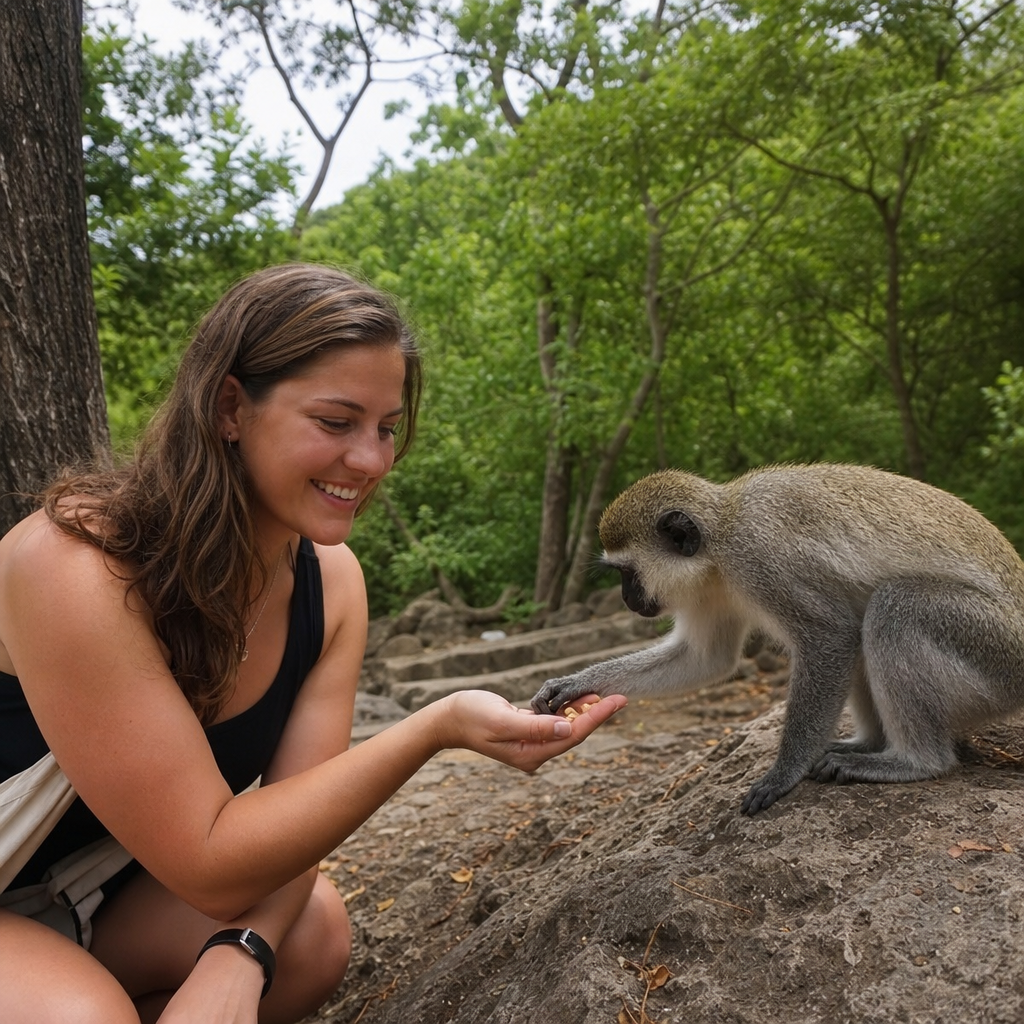
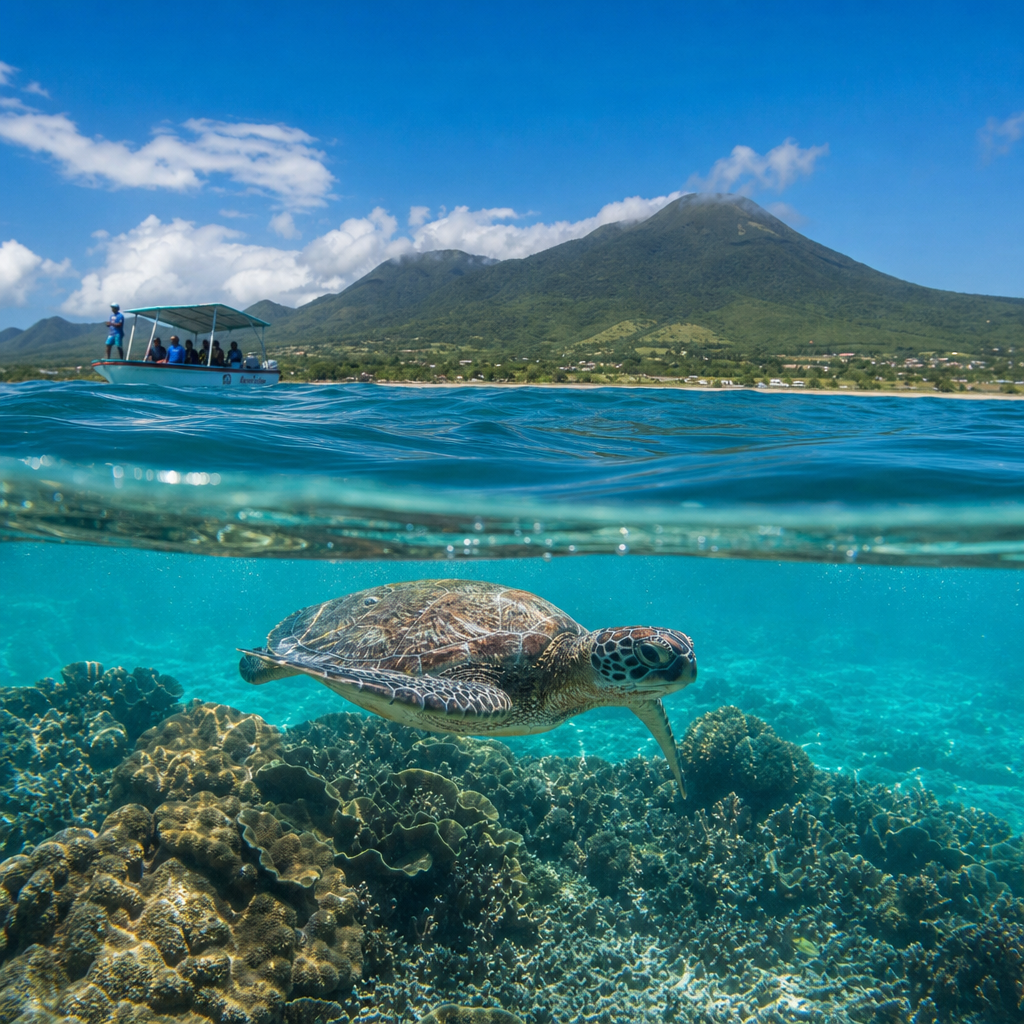
Saint Kitts and Nevis, a twin-island nation nestled in the heart of the Caribbean, is not only a haven for sun-seekers and beach lovers but also a pioneering ground for sustainable tourism. This movement, vital for preserving the pristine beauty of the islands, has given rise to a variety of eco-tours, especially within the verdant rainforests of Saint Kitts. These eco-tours not only offer a unique way to experience the island’s natural beauty but also play a crucial role in its conservation efforts.
The Essence of Eco-Tourism
Eco-tourism in Saint Kitts revolves around creating low-impact, sustainable travel experiences that promote environmental education and local conservation efforts. This form of tourism is crucial for the island as it helps preserve the unique ecosystems and biodiversity of the rainforests which are home to myriad species of plants and wildlife, some of which are endemic to the region.
Exploring the Rainforests
The rainforests of Saint Kitts are lush landscapes brimming with tropical flora and fauna. Eco-tours here are designed to be immersive experiences that respect the natural habitats while providing educational insights into the ecological and historical significance of the area. Tourists can choose from guided hikes, zip-lining adventures, and bird-watching excursions, all guided by knowledgeable locals who share insights into the native species and forest conservation.
Guided Hiking Tours
One of the most popular ways to explore the Saint Kitts rainforest is through guided hiking tours. These tours vary in difficulty and length, accommodating everyone from the casual walker to the experienced trekker. As you walk through the dense foliage, the air filled with the calls of tropical birds and the rustle of hidden creatures, guides explain the symbiotic relationships within the ecosystem, the medicinal uses of various plants, and the importance of preserving these forests.
Zip-lining Adventures
For those looking for a bit more adrenaline, zip-lining through the canopy offers a thrilling perspective of the rainforest. This activity not only pumps the heart but also highlights the complexity of the rainforest canopy, a critical layer of the ecosystem that houses an incredible diversity of wildlife. Zip-lining tours are conducted with a strong emphasis on safety and environmental integrity, ensuring that the natural environment is not harmed.
Bird-Watching Excursions
Saint Kitts is a fantastic destination for bird watchers, with its rainforests serving as a sanctuary for a variety of tropical birds. Eco-tours focused on bird watching offer enthusiasts the chance to spot rare and colorful species like the brown trembler, the purple-throated carib, and perhaps even the elusive Saint Kitts bullfinch. These tours not only provide a delightful experience but also contribute to the monitoring and protection of the island’s avian populations.
Supporting Local Communities
A significant aspect of eco-tourism is its emphasis on supporting local communities. Many eco-tours are run by local families or cooperatives that benefit directly from tourism. This model helps ensure that the economic benefits of tourism are distributed within the community and contributes to the sustainability of the tourism sector. Moreover, engaging with local guides and businesses provides visitors with a more authentic and enriching experience, deepening their understanding of Kittitian culture and environmental ethics.
Sustainable Practices
Eco-tours in Saint Kitts adhere to sustainable practices that minimize environmental impact and support conservation efforts. This includes everything from limiting group sizes to reduce wear and tear on natural trails, to implementing strict no-litter policies. Furthermore, many tour operators actively participate in local conservation projects, such as reforestation efforts and wildlife monitoring, which tourists are encouraged to support.
The Broader Impact of Eco-Tourism
The impact of eco-tourism on Saint Kitts extends beyond immediate environmental benefits. It also plays a crucial role in educating tourists about the importance of conservation and sustainable living. This awareness and knowledge are often taken back to their home countries, spreading the message of sustainability and perhaps inspiring similar initiatives elsewhere.
Eco-tours in Saint Kitts’ rainforests offer more than just a holiday activity; they are a deep dive into the heart of nature conservation and sustainable tourism. By choosing these green adventures, visitors not only enjoy a unique and memorable experience but also contribute to the vital efforts of preserving the natural beauty and ecological balance of the island. Whether through the quiet observation of a rare bird, the exhilarating rush of zip-lining through the canopy, or the educational insights of a guided hike, eco-tours in Saint Kitts exemplify how tourism can go hand in hand with environmental stewardship.

Pioneering Sustainable Practices
In Saint Kitts, the commitment to sustainable tourism isn’t just about preserving the environment—it’s about setting a standard for future generations. The island’s approach includes rigorous standards for eco-tour operators, including certifications and regular audits to ensure they adhere to environmental best practices. This proactive stance encourages a culture of sustainability that permeates all aspects of tourism.
Educational Programs and Awareness
Education is a cornerstone of eco-tourism in Saint Kitts. Many eco-tours incorporate educational programs designed to teach visitors about the local ecosystem and the importance of conservation efforts. These programs often include workshops or talks on topics such as sustainable agriculture, the impact of climate change on biodiversity, and the role of wildlife in maintaining ecological balance. By empowering tourists with knowledge, Saint Kitts enhances the overall impact of its environmental initiatives.
Innovative Conservation Initiatives
Saint Kitts also embraces innovative conservation strategies that go beyond typical eco-tour activities. For example, some eco-tours collaborate with international conservation groups to conduct scientific research and data collection. This collaborative approach not only boosts the local conservation efforts but also contributes to global environmental science, placing Saint Kitts at the forefront of ecological research.
Challenges and Solutions
Despite the successes, eco-tourism in Saint Kitts faces its own set of challenges. One major challenge is the balancing act between increasing tourist numbers and maintaining sustainable practices. The solution lies in controlled growth strategies that prioritize quality over quantity, ensuring that tourism development does not outpace the capacity of local ecosystems and infrastructure to handle it.
Another challenge is the risk of natural disasters, such as hurricanes, which can devastate the island’s natural resources. To mitigate this, Saint Kitts has implemented robust disaster preparedness and recovery plans that include safeguarding critical habitats and rebuilding with resilience in mind, ensuring that both the community and the natural environment have the means to recover.
Community Involvement and Empowerment
Community involvement is another critical aspect of eco-tourism in Saint Kitts. Local residents are often involved in the development and management of eco-tours, ensuring that they have a vested interest in the sustainability of these initiatives. This involvement not only provides economic benefits but also strengthens community ties to the conservation efforts, creating a shared responsibility for the island’s natural heritage.
Furthermore, empowerment comes through training programs that equip locals with the skills needed to engage in eco-tourism, from guiding tours to managing operations. These programs help foster a sense of pride and ownership over local resources, driving forward the agenda of sustainability.
Looking Ahead: The Future of Eco-Tourism in Saint Kitts
As eco-tourism continues to evolve, Saint Kitts is poised to remain at the cutting edge by adopting new technologies and practices that enhance sustainability. Future initiatives could include the use of renewable energy sources to power tour operations, the introduction of more stringent conservation laws, and the development of virtual reality experiences that can simulate the eco-tour experience without impacting the environment.
Conclusion
Saint Kitts’ rainforests are not just areas of immense natural beauty and biodiversity; they are also classrooms and laboratories for sustainable tourism. By participating in eco-tours, visitors contribute directly to the preservation of these environments. The success of eco-tourism in Saint Kitts serves as a model for other destinations, proving that tourism and conservation can coexist in harmony. As this small island leads by example, it offers a blueprint for the future of travel—one where every adventure is a step towards preserving the planet.
Saint Kitts’ approach to eco-tourism reflects a comprehensive, multi-faceted strategy aimed at achieving sustainability on multiple fronts, ensuring that its natural beauty and biodiversity endure for future generations. As tourists seek more meaningful and responsible travel experiences, Saint Kitts stands out as a premier destination for those wishing to combine adventure with ecological awareness.