Responsible travel in Saint Kitts means making practical choices that lower the environmental impact of your trip while supporting the island’s communities, ecosystems, and long-term tourism economy. A carbon footprint is the total greenhouse gas emissions linked to your travel, including flights, accommodation energy use, transport on the ground, food, shopping, and waste. On a small Caribbean island, those choices matter more than many visitors realize. Saint Kitts depends on healthy reefs, clean beaches, reliable water supplies, and stable weather patterns, yet island destinations are especially exposed to sea level rise, coral bleaching, stronger storms, and imported fuel costs. After years of working with tourism content and destination planning, I have seen that the best low-impact travel advice is not abstract. It comes down to where you stay, how you move around, what you eat, how much you consume, and whether your spending strengthens local resilience. This hub article explains the main ways to reduce your carbon footprint in Saint Kitts, connects the topic to wider sustainable tourism practices, and gives clear actions you can apply before, during, and after your trip. If you want a holiday that protects the place you came to enjoy, responsible travel is the simplest starting point.
Why carbon-conscious travel matters in Saint Kitts
Saint Kitts is compact, volcanic, biologically rich, and economically tied to tourism. That combination creates both opportunity and pressure. Because distances are short, travelers can reduce emissions more easily here than in large destinations that require repeated domestic flights or long road transfers. At the same time, many everyday tourism services rely on imported diesel, shipped food, air conditioning, desalination or pumped water systems, and single-use goods that carry hidden carbon costs. In island destinations, waste management also has tighter limits. A disposable bottle used for ten minutes can remain a burden for years.
The environmental stakes are direct. Coral reefs around Saint Kitts help support fisheries, protect shorelines, and attract divers and snorkelers. Coastal vegetation stabilizes beaches and provides habitat. Forested slopes and the central mountain range influence biodiversity and watershed health. When tourism grows without careful management, emissions rise alongside habitat disturbance, marine pollution, traffic congestion, and water demand. Responsible travel reduces those pressures. It is not about perfection or guilt. It is about making the highest-impact decisions first, then improving the rest.
Start with the biggest source: flights and trip design
For most visitors, the largest share of travel emissions comes from flying to Saint Kitts. A round-trip long-haul economy flight can easily produce more carbon dioxide per passenger than several months of normal household electricity use in some countries. Because aviation dominates the footprint, smart trip design matters more than performative gestures. If you can choose, fly economy rather than business class, since premium seats take more cabin space and raise per-passenger emissions. Select nonstop routes when available because takeoff and landing are fuel intensive. Pack lighter, since aircraft weight affects fuel burn. Most importantly, stay longer rather than taking multiple short trips each year. One two-week visit generally has a lower carbon impact than two separate one-week flights.
Travelers often ask whether carbon offsets solve the problem. Offsets can help when they fund verified projects under recognized standards such as Gold Standard or Verra, but they should come after reduction, not replace it. The most credible approach is to avoid unnecessary flights, choose efficient routings, and then offset the remaining emissions through audited programs with transparent methodologies. If you are combining Saint Kitts with nearby islands, compare ferry and regional air options carefully. Ferries are not automatically low carbon, but on short routes they can be preferable depending on vessel type and occupancy.
Choose accommodation with measurable sustainability practices
Hotels shape a large part of your footprint because accommodation energy use can be significant in tropical climates. Air conditioning, laundry, pool pumps, refrigeration, landscaping, and hot water all add up. When I assess a property’s sustainability claims, I look for operating details, not marketing language. A hotel that mentions LED lighting, occupancy sensors, low-flow fixtures, linen reuse, solar water heating, native landscaping, refillable bathroom amenities, food waste reduction, and staff environmental training is usually doing real work. A property that only says it “cares about the planet” usually is not.
Ask direct questions before booking. Does the property monitor energy and water use? Are rooms naturally ventilated or fully dependent on constant cooling? Is there a towel and sheet reuse program that housekeeping actually follows? Does it eliminate single-use plastic water bottles with refill stations? Does it source local produce or seafood from Saint Kitts where possible? Recognized certifications can be useful signals, including Green Key and EarthCheck, though local practices matter even when a hotel is not certified. Smaller inns and guesthouses may have lower overall footprints simply because they use less energy and fewer resources per stay, especially when they are owner-operated and locally supplied.
Get around the island efficiently
Saint Kitts is small enough that transport choices can quickly cut or raise your footprint. The most efficient option is to base yourself strategically and group activities by area instead of crisscrossing the island. Basseterre, Frigate Bay, the Southeast Peninsula, and attractions near Old Road Town or Romney Manor can often be organized into logical day plans. Shared taxis or organized group excursions usually produce lower per-person emissions than solo car use. Walking is realistic in compact areas, and cycling can work for confident riders on suitable roads, though heat and terrain should be considered.
Rental cars offer convenience but can encourage unnecessary driving. If you rent one, choose the smallest practical vehicle and combine errands and sightseeing. Avoid idling while waiting at viewpoints or outside shops. Cruise passengers have a different challenge because short port calls often compress activities into vehicle-heavy itineraries. In that case, selecting a single nearby excursion rather than multiple rushed stops usually lowers emissions and improves the experience.
| Travel choice | Lower-carbon option | Why it helps in Saint Kitts |
|---|---|---|
| Airport transfer | Shared shuttle or taxi | Reduces per-passenger fuel use on a route many visitors take |
| Island sightseeing | Group tour with clustered stops | Avoids repeated individual drives across a compact island |
| Short local trips | Walk when practical | Eliminates emissions entirely and supports local discovery |
| Car rental | Small vehicle used sparingly | Lowers fuel burn compared with larger cars and vans |
Eat local, seasonal, and lower on the supply chain
Food is often overlooked in travel emissions, yet it matters on islands where many goods are imported. Responsible travel in Saint Kitts includes choosing meals that rely more on local agriculture and fisheries and less on heavily packaged imported products. Fresh breadfruit, mango, papaya, coconut, pumpkin, sweet potato, and other seasonal produce generally carry lower transport emissions than ingredients flown in for international menus. Dishes built around beans, vegetables, rice, and local starches can also reduce emissions compared with meat-heavy meals, especially beef, which has a much higher greenhouse gas intensity than poultry, fish, or plant proteins.
That does not mean visitors should avoid local seafood automatically. It means asking informed questions. Choose restaurants that can tell you what fish is in season and how it was sourced. Avoid ordering species if staff cannot identify them clearly. Support eateries that buy from local farmers, use less disposable packaging, and serve tap-safe or filtered refill water where appropriate. Farmers markets, roadside fruit vendors, and independently owned restaurants often keep more value on the island while reducing supply-chain distance. In my experience, travelers also enjoy the destination more when they eat what grows there instead of expecting every imported convenience.
Cut waste before it reaches the beach, landfill, or sea
Waste reduction is one of the easiest and most visible forms of responsible travel. On islands, managing solid waste can be costly and land intensive, and litter has a direct path into coastal ecosystems. Bring a reusable water bottle, coffee cup, shopping bag, cutlery set, and reef-safe toiletries in non-aerosol containers. These simple items prevent a stream of plastic bottles, takeaway lids, straws, and sachets. If your hotel provides refill stations, use them consistently. If it does not, ask why. Consumer pressure works.
Be especially careful on beach days and boat trips. Wind moves lightweight rubbish quickly, and cigarette butts remain one of the most common forms of coastal litter worldwide. Sunscreen matters too. While the science around specific formulations and coral impacts continues to evolve, mineral-based options without unnecessary additives are generally a safer choice for marine settings, especially when paired with shade clothing that reduces how much product you need. Leave shells, coral fragments, and natural souvenirs where they are. Removing them degrades habitat and encourages extraction by others.
Support nature-positive activities and local businesses
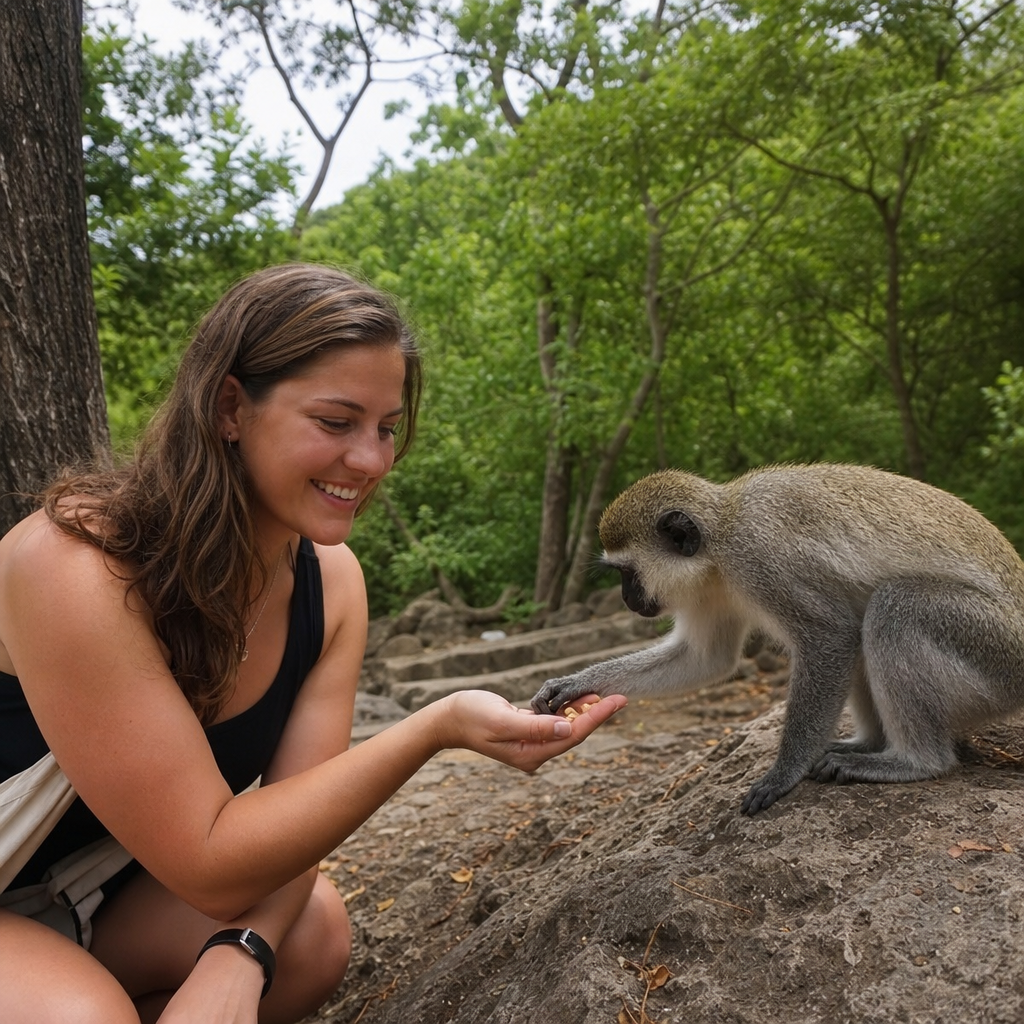
Not all tourism spending has the same effect. The best low-carbon choices often overlap with the best community outcomes. Guided hikes, heritage walks, small farm visits, craft workshops, and snorkeling tours run by responsible local operators typically create more local value with lower infrastructure intensity than resource-heavy entertainment. When choosing an operator in Saint Kitts, look for group size limits, safety briefings, wildlife viewing rules, licensed guides, and evidence that fees support conservation or community employment. Good operators explain why guests should not touch coral, feed wildlife, remove plants, or leave marked trails.
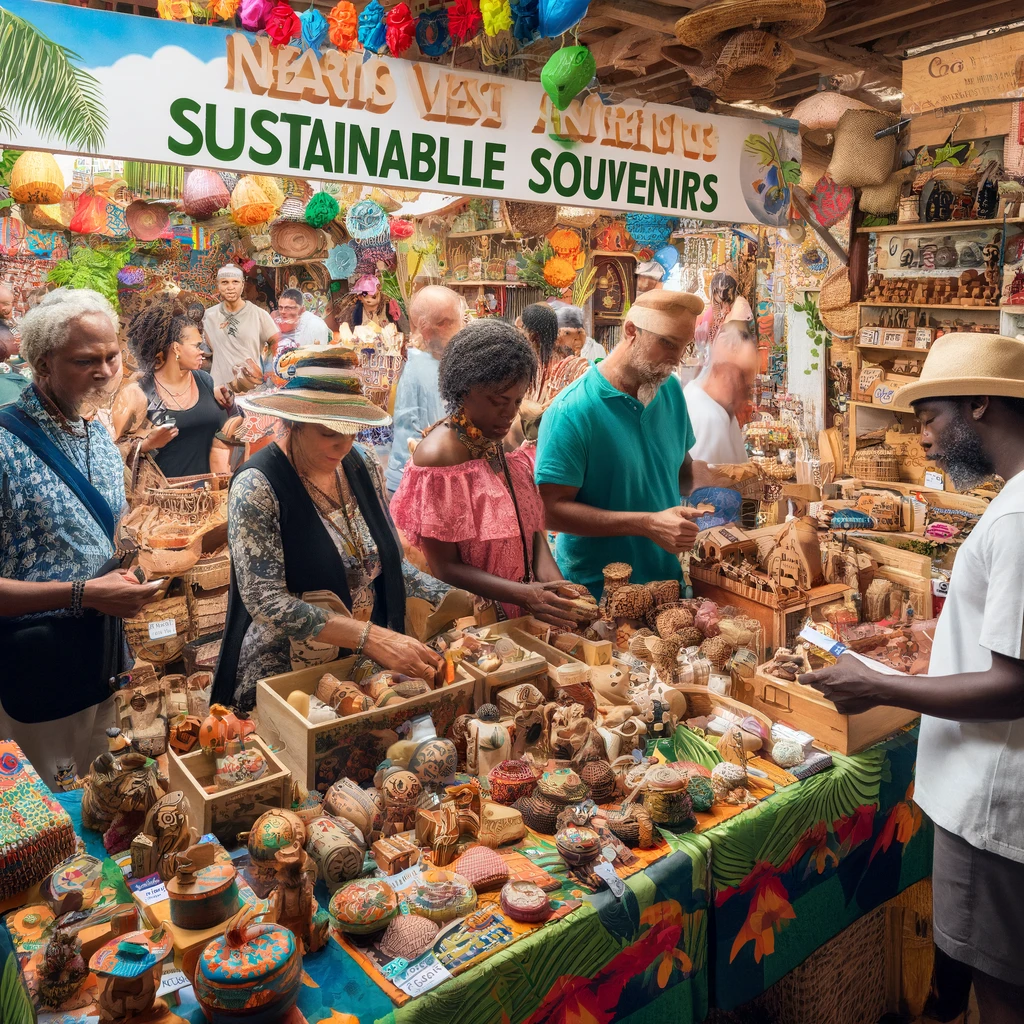
Saint Kitts offers experiences where this approach is practical: rainforest hikes, historical tours around Brimstone Hill Fortress National Park, visits to heritage estates, and marine excursions focused on education rather than speed or volume. At protected or culturally sensitive sites, stay on designated paths and follow ranger or guide instructions. Erosion, disturbance, and accidental damage increase when visitors improvise. Buying locally made products also matters. Handmade crafts, locally grown foods, and island-produced goods usually carry more social benefit and less shipping than imported souvenirs sold in generic packaging.
Use water and energy like a resident, not a resort stereotype
Visitors often underestimate resource use because they do not see the systems behind it. In Caribbean destinations, electricity can be expensive and carbon intensive, and freshwater supply can be constrained by rainfall variability, storage, pumping, or treatment capacity. Reducing use is not symbolic. It directly lowers strain on infrastructure. Keep air conditioning at a moderate temperature, turn it off when you leave, and close doors tightly so cooled air does not escape. Ceiling fans can improve comfort while reducing compressor demand. Charge devices efficiently, switch off lights, and avoid daily laundry unless necessary.
Water savings are just as important. Take shorter showers, report leaks immediately, and reuse towels and linens for more than one day. If you are staying in a villa, be realistic about pool use, irrigation, and outdoor rinsing. Landscaping with tropical greenery can look effortless, but maintaining it may require substantial water and labor. Responsible travel in Saint Kitts means appreciating comfort without treating the island as a place of unlimited utility consumption. Hotels notice guest behavior, and demand patterns influence future investment. When travelers consistently reward efficient properties, the market responds.
Build your own low-carbon Saint Kitts travel plan
The most effective approach is to make a simple plan before departure and follow it on the ground. Prioritize the decisions that matter most: flight choice, trip length, accommodation standards, and transport patterns. Then tighten the everyday habits that add up. A practical checklist includes booking one longer trip, choosing a hotel with visible resource-management policies, packing reusables, arranging shared transfers, selecting locally owned restaurants, and limiting high-emission activities that rely on constant motorized transport. If you want to offset remaining emissions, calculate them using a recognized tool and support independently verified projects only after you have reduced what you can.
As a hub within sustainable tourism, this topic connects to related questions travelers often ask: where to find eco-friendly accommodations, how to choose ethical tours, what reef-safe behavior looks like, how to support local communities, and how cruise or business travel can be made less damaging. Responsible travel in Saint Kitts is not a single purchase or badge. It is a set of repeatable decisions that protect the island’s landscapes and cultural character while still allowing a memorable holiday. Start with the biggest emission sources, be honest about tradeoffs, and spend in ways that help Saint Kitts thrive. Before your trip, review your itinerary and change just three high-impact habits. That small step can make your visit meaningfully lighter on the island.
Frequently Asked Questions
What does responsible travel in Saint Kitts actually mean?
Responsible travel in Saint Kitts means making everyday travel decisions that reduce environmental harm while creating positive benefits for the island’s people, businesses, and natural spaces. In practical terms, it is about understanding that your trip has a carbon footprint made up of more than just your flight. It also includes the electricity and water used at your hotel, how often you take taxis or rent a car, the food you choose, the products you buy, and the amount of waste you generate during your stay. Because Saint Kitts is a small island with sensitive coastal ecosystems, limited land, and finite resources, even routine visitor habits can have a noticeable impact.
Responsible travel does not mean giving up comfort or enjoyment. It means being intentional. Choosing locally owned accommodations, supporting restaurants that use local ingredients, minimizing single-use plastics, respecting beaches and reefs, and avoiding unnecessary energy use all help lower the overall footprint of your visit. It also means recognizing that the health of Saint Kitts’ reefs, coastline, communities, and tourism economy are connected. When travelers make lower-impact choices, they help protect the natural beauty and cultural character that make the island special in the first place.
What are the best ways to reduce my carbon footprint when traveling to Saint Kitts?
The biggest part of your travel footprint is usually air travel, so the most effective step is to make smarter flight choices. If possible, choose direct flights or routes with fewer connections, since takeoffs and landings create a disproportionate share of emissions. Traveling less often but staying longer can also reduce your footprint per day, especially compared with taking multiple short trips. If you are comparing airlines, it can be worthwhile to look for carriers that publish fuel-efficiency information or operate newer aircraft on Caribbean routes.
Once you arrive in Saint Kitts, your day-to-day choices matter. Select accommodations that use energy-efficient lighting, water-saving systems, natural ventilation, linen reuse programs, or solar power. Use air conditioning moderately rather than leaving it running while you are out. Walk when distances are short, share rides when possible, and combine activities to avoid unnecessary driving around the island. Carry a reusable water bottle, shopping bag, and food container if appropriate, which can significantly cut down on single-use waste. Dining on local produce and seafood sourced responsibly from the island can also lower transport-related emissions tied to imported goods.
Another important strategy is to avoid high-impact habits that often go unnoticed. Long showers, frequent towel changes, excessive laundry, and impulse purchases of heavily packaged imported items all add to your footprint. Responsible travel is often the result of many small decisions rather than one dramatic change. When those choices are made consistently, they can meaningfully reduce the environmental impact of your time in Saint Kitts.
How can I choose eco-friendlier accommodation and transportation on the island?
When booking accommodation in Saint Kitts, look beyond marketing terms like “eco” or “green” and focus on specific practices. A genuinely lower-impact property may mention solar energy, low-flow plumbing fixtures, recycling efforts, refillable toiletries, rainwater capture, efficient cooling systems, native landscaping, or reduced laundry frequency for towels and linens. Smaller locally run guesthouses and inns can sometimes have a lower overall footprint than larger resorts, especially if they use fewer resources and direct more tourism income into the local economy. Reading recent reviews can help you confirm whether sustainability policies are visible in day-to-day operations rather than just listed on a website.
Transportation choices are equally important. If your itinerary allows, stay in an area where you can walk to beaches, restaurants, or attractions rather than relying on frequent car trips. Use shared transport options when available, and organize your sightseeing efficiently so that you are not repeatedly crossing the island. If renting a vehicle is necessary, choose the smallest practical model and avoid unnecessary idling. Taxis are often an essential part of getting around Saint Kitts, so one good approach is to combine stops into a single trip or share rides with fellow travelers when appropriate.
It also helps to think about transportation in terms of experience, not just convenience. Slower, more localized exploration often leads to a more meaningful trip. Walking through local neighborhoods, visiting nearby markets, or spending more time in one region can reduce emissions while giving you a better sense of the island’s culture and rhythm. In Saint Kitts, eco-friendlier transportation often overlaps with a more authentic travel experience.
How does supporting local food, businesses, and communities help reduce environmental impact?
Supporting local businesses in Saint Kitts is one of the most effective and overlooked forms of responsible travel. When you spend money on locally owned restaurants, farms, guides, artisans, and accommodations, more of that revenue stays on the island and supports livelihoods directly. From an environmental perspective, local sourcing can also reduce emissions associated with importing goods from far away, especially food products that require long-distance shipping, refrigeration, or heavy packaging. Choosing local meals over imported convenience foods can therefore support both the economy and a lower-carbon tourism model.
Food is a particularly powerful area where your choices matter. Eating seasonal fruits, locally grown produce, and dishes prepared with regional ingredients usually has a smaller footprint than relying heavily on imported items. Asking restaurants where ingredients come from can encourage sourcing transparency and help normalize sustainability as part of the visitor experience. The same principle applies to shopping. Buying handmade goods from local craftspeople is often a better choice than purchasing mass-produced souvenirs shipped in from elsewhere. It supports cultural continuity, reduces transport-related emissions, and gives your spending a more direct positive effect.
Community support also strengthens long-term resilience. Tourism in Saint Kitts depends on healthy neighborhoods, viable small businesses, and protected natural assets. When travelers choose community-based experiences and respect local customs, they help reinforce a model of tourism that benefits residents as well as visitors. That balance is central to responsible travel. Reducing your carbon footprint is not only about consuming less; it is also about directing your travel dollars in ways that sustain the island rather than placing more pressure on it.
Are carbon offsets enough, or should I take other steps during my trip to Saint Kitts?
Carbon offsets can play a useful role, but they should be treated as a supplement rather than a complete solution. Offsetting means contributing financially to projects intended to reduce or remove greenhouse gas emissions elsewhere, such as reforestation, renewable energy, or conservation programs. This can help account for some of the emissions associated with flights or other high-impact parts of your trip. However, offsets do not erase the emissions produced by your travel in real time, and the quality of offset programs can vary widely. If you choose to offset, look for reputable providers with transparent standards, independent verification, and clear evidence of long-term impact.
The most responsible approach is to reduce emissions first and offset what you cannot reasonably avoid. That means choosing efficient flights, staying longer instead of taking repeated short trips, using energy and water carefully, reducing waste, and supporting local services with lower environmental impact. These direct actions matter because they lessen the demand for high-carbon tourism patterns and help protect the ecosystems and infrastructure that Saint Kitts depends on.
It is also worth remembering that responsible travel includes more than carbon accounting. Protecting reefs, avoiding litter, using reef-safe sun protection when appropriate, respecting wildlife, and being mindful of freshwater use are all important on a small island. In Saint Kitts, sustainability is interconnected. Offsets may help balance part of your footprint, but the most meaningful impact comes from the choices you make before you arrive and throughout your stay.