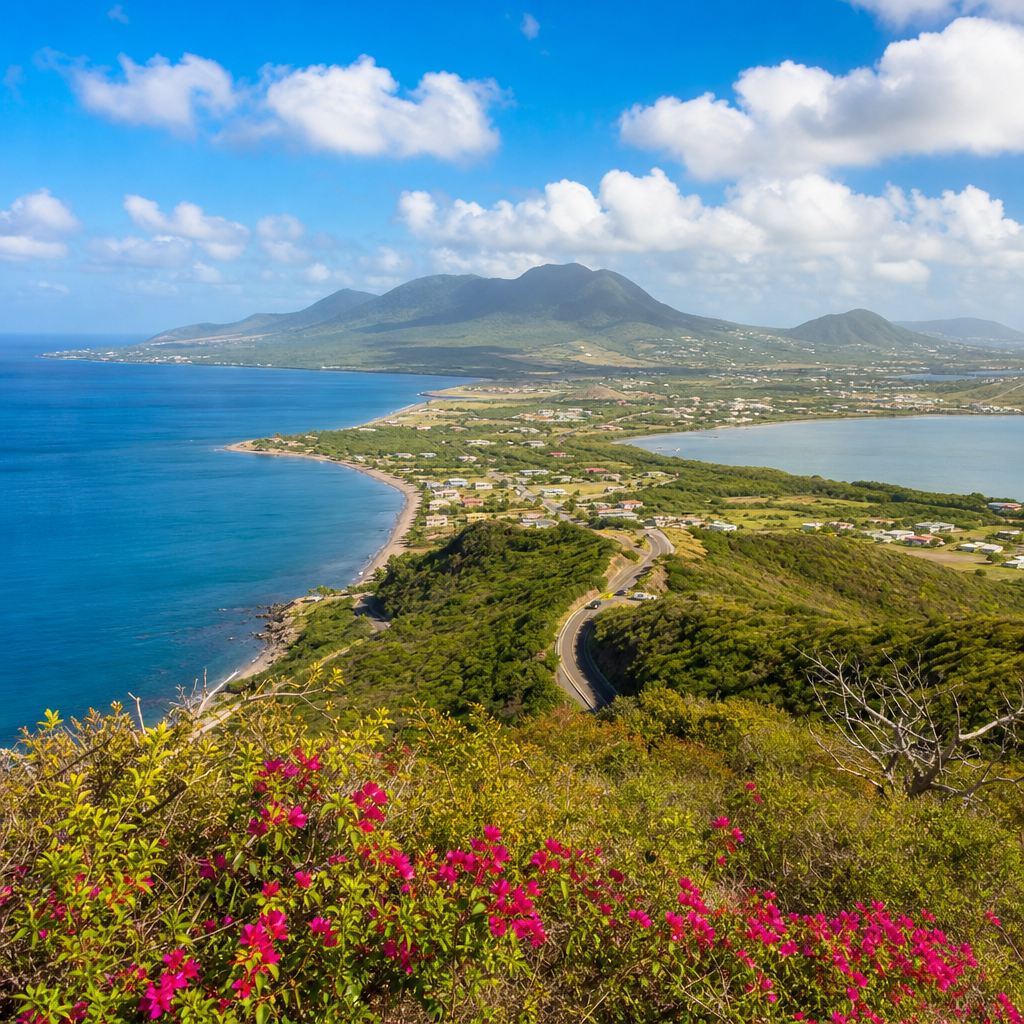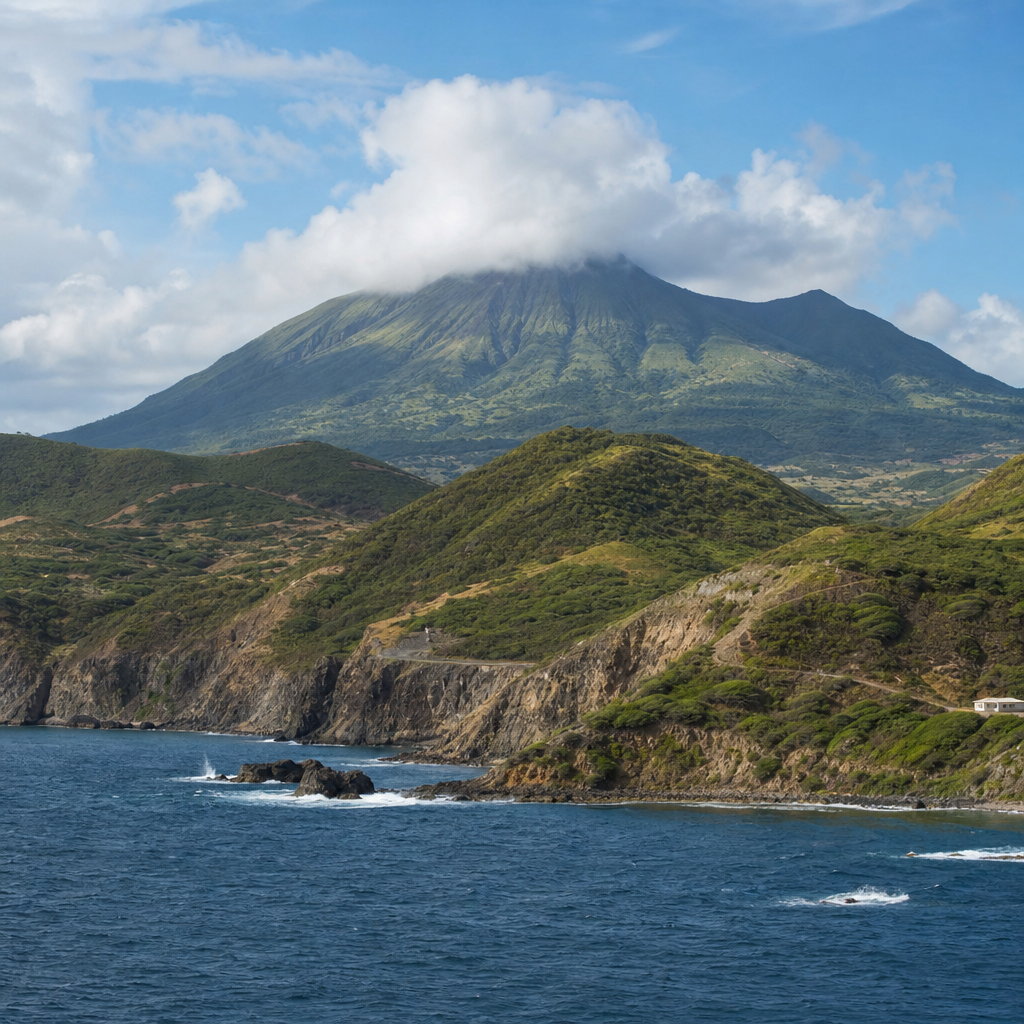
Valentine’s Day in Saint Kitts can be both deeply romantic and genuinely low impact when couples plan with the island’s ecosystems, communities, and cultural rhythms in mind. An eco-friendly Valentine’s Day means choosing experiences, gifts, meals, and transport that reduce waste, conserve resources, and keep more tourism spending within the local economy. In Saint Kitts, that approach matters because the island’s appeal depends on healthy beaches, coral reefs, rainforest slopes, historic estates, and small businesses that give the destination its character.
I have seen the difference that simple choices make on small Caribbean islands. A sunset catamaran stocked with disposable plastics creates a different footprint than a sail powered excursion that serves locally prepared food in reusable serviceware. A hotel room cooled all day with doors open strains energy systems, while a naturally ventilated room in a well-managed property can deliver comfort with less resource use. Responsible travel is not about stripping away pleasure. In practice, it usually creates a more memorable trip because it replaces generic consumption with place-based experiences.
For couples searching for sustainable tourism ideas in Saint Kitts, Valentine’s Day is a useful lens because it brings together all the decisions travelers make: where to stay, what to eat, how to move around, what to buy, and how to celebrate. Saint Kitts offers a compact setting where those decisions are visible. You can spend the morning on a heritage railway route past former sugar estates, the afternoon snorkeling near marine life habitat, and the evening dining on island-grown produce with sea views. Each choice either supports resilience or adds pressure.
This hub article covers the miscellaneous side of sustainable tourism for Valentine’s Day in Saint Kitts: practical planning, greener date ideas, responsible gifting, low-waste dining, ethical wildlife considerations, event etiquette, and the local businesses and habits that make romantic travel more regenerative. Use it as a starting point for deeper articles on accommodations, transport, beaches, food, and conservation activities across the wider sustainable tourism section.
What an Eco-Friendly Valentine’s Day in Saint Kitts Actually Looks Like
An eco-friendly Valentine’s Day in Saint Kitts is a celebration designed around lower emissions, lower waste, and higher local benefit. In plain terms, that means booking independently owned or sustainability-minded accommodations, minimizing car use where practical, favoring reef-safe sun protection, carrying reusable water bottles, choosing meals built on local seafood and produce, and selecting gifts made by artisans on Saint Kitts or nearby islands. The goal is not perfection. The goal is to reduce avoidable harm while increasing the value your visit leaves behind.
On island, this often translates into a slower itinerary. Instead of racing between attractions, couples can pair one nature activity with one cultural activity and one meal that supports local suppliers. For example, take an early guided walk in the Central Forest Reserve buffer areas, spend midday in Basseterre exploring historic architecture around Independence Square, and finish with a reservation at a restaurant known for local ingredients. This style of travel lowers transport demand and creates more direct contact with residents, guides, and producers.
Timing also matters. February sits within the Caribbean dry season, which usually means pleasant conditions for beach outings and outdoor dining, but water and energy conservation still matter. On islands with finite infrastructure, long showers, daily linen changes, and heavy air-conditioning use add up quickly during peak visitor periods. Asking a hotel to skip unnecessary housekeeping, reusing towels, and keeping thermostats at moderate settings are small actions, yet they align romance with stewardship instead of excess.
Choose Stays That Support Sustainable Tourism
Where you stay shapes the environmental footprint of the whole trip. Look for properties in Saint Kitts that demonstrate practical sustainability measures rather than vague green claims. Useful indicators include refillable bathroom amenities instead of mini plastic bottles, efficient lighting, towel and linen reuse programs, on-site gardens, strong waste sorting practices, and visible support for local employment. If a property highlights partnerships with island tour operators, farmers, fishers, or heritage groups, that is often a stronger sign of responsibility than decorative eco language on a website.
Location is equally important. A well-sited hotel or guesthouse near dining, beaches, or walking areas can reduce the need for taxis or rental cars. In the South Frigate Bay area, for instance, couples can often combine beachfront time, restaurants, and evening walks without constant driving. In more secluded settings, the tradeoff may be a greater transport footprint but stronger immersion in nature. The best choice depends on the rest of your itinerary, so evaluate the property in the context of your full trip rather than as an isolated booking decision.
Ask direct questions before you reserve. Does the property use refill stations for drinking water? How does it manage wastewater? Does it employ staff from nearby communities? Can it recommend nature guides who follow wildlife viewing rules? Responsible businesses usually answer clearly. Evasive answers are a warning sign. In my experience, travelers get better outcomes when they treat sustainability as a service quality issue, not just an ethical extra.
Romantic Experiences With a Lighter Footprint
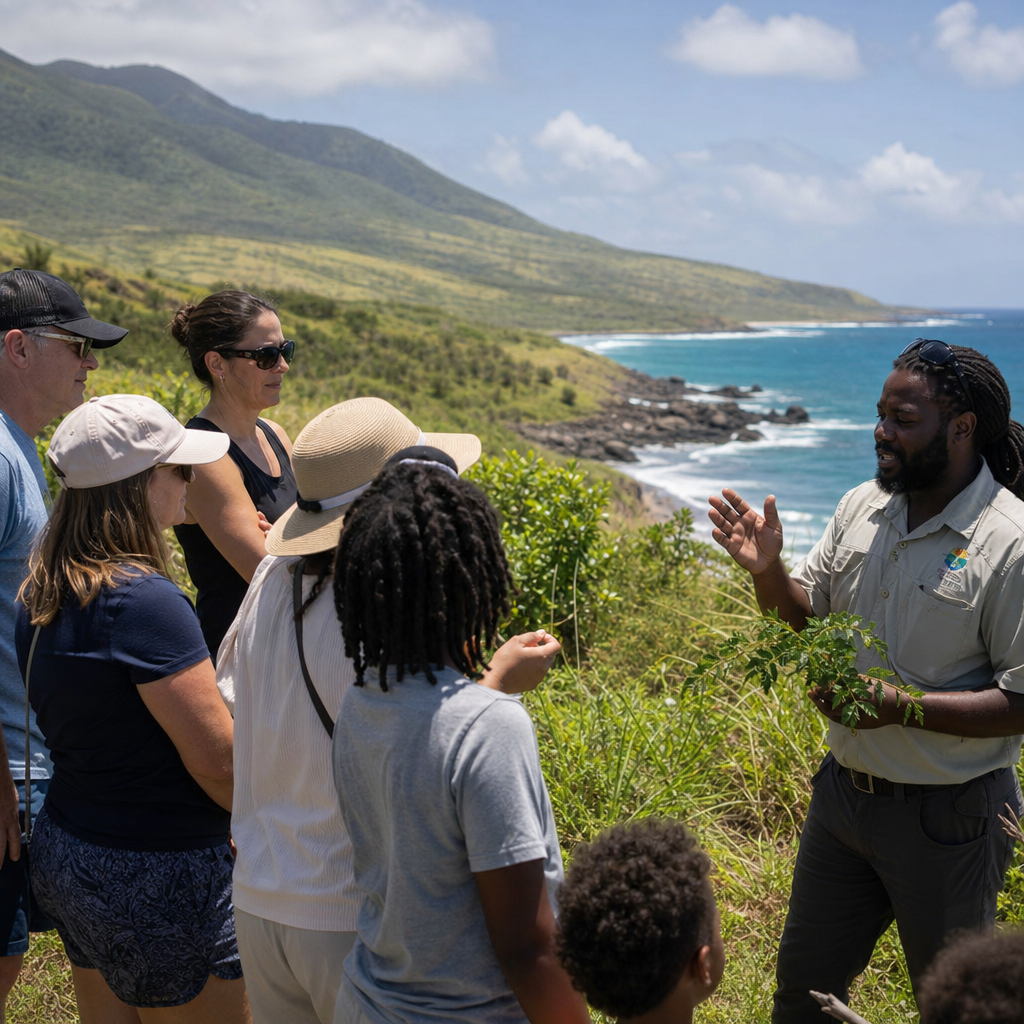
Saint Kitts gives couples many low-impact ways to celebrate. Hiking and scenic walks are obvious options, especially in cooler morning hours when trails and lookout points feel more intimate. Guided rainforest excursions can be excellent Valentine’s activities because they tie romance to interpretation. A skilled guide does more than lead the route; they explain medicinal plants, watershed value, endemic species, and the island’s plantation-era landscape. That context turns a pretty outing into a meaningful one.
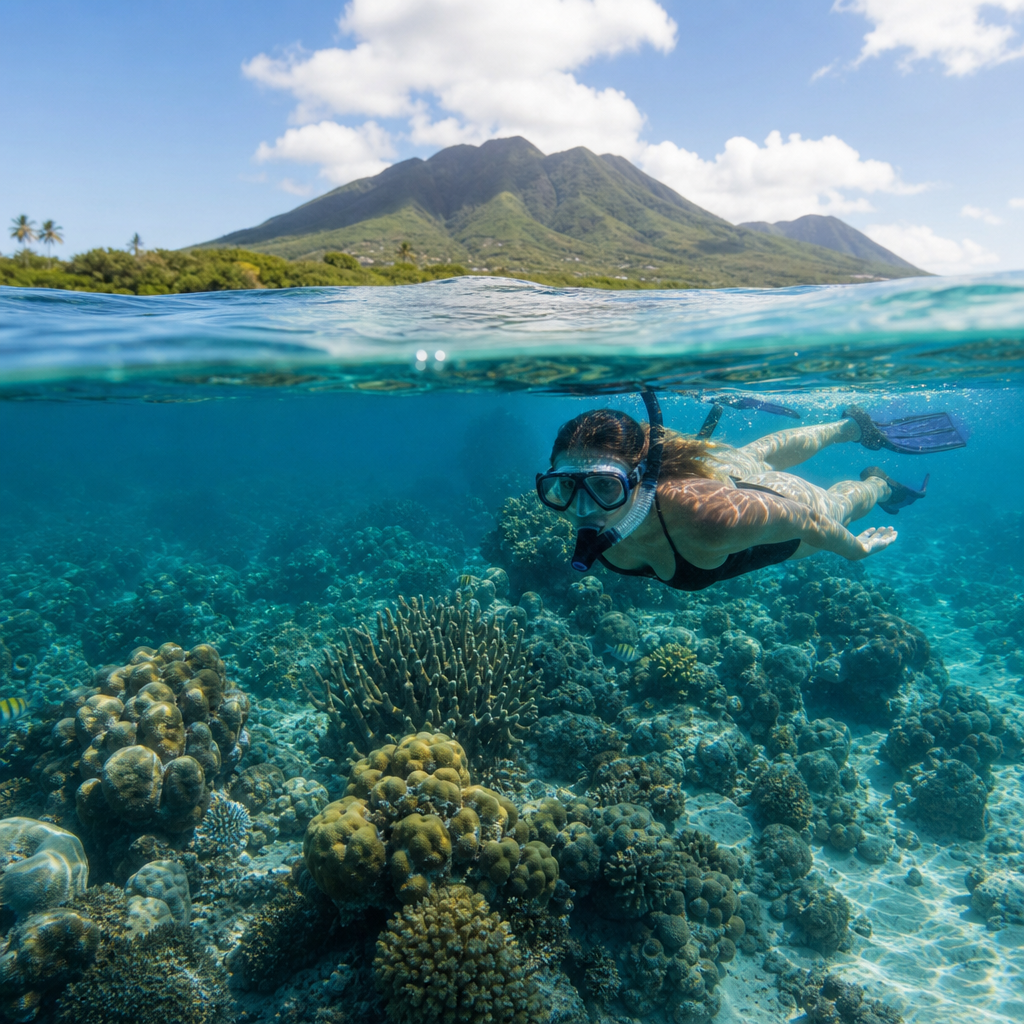
Marine activities can also be responsible if chosen carefully. Snorkeling from established operators is generally lower impact than poorly managed high-speed excursions, especially when guides brief guests not to stand on coral, chase turtles, or leave litter behind. Couples should avoid touching starfish for photos, collecting shells from protected areas, or feeding fish, all of which alter fragile ecosystems. If booking a boat trip, ask whether the operator limits single-use plastics, uses mooring buoys rather than anchoring on reefs, and keeps group sizes manageable.
Rail and heritage experiences deserve attention too. The St. Kitts Scenic Railway offers a way to see former sugar cane landscapes while learning how the island transitioned after the sugar industry closed in 2005. Pairing that with a visit to Brimstone Hill Fortress National Park, a UNESCO World Heritage Site, creates a date centered on history and landscape rather than consumption. That combination is especially strong for couples who want memorable photos without relying on staged attractions or resource-heavy nightlife.
| Valentine’s idea | Why it is lower impact | How to do it responsibly in Saint Kitts |
|---|---|---|
| Sunrise beach walk | Requires no fuel-intensive activity and creates no equipment waste | Bring reusables, stay off dune vegetation, and leave beaches cleaner than you found them |
| Guided rainforest hike | Supports local guides and emphasizes conservation over consumption | Use marked routes, carry out all trash, and choose small-group operators |
| Snorkeling excursion | Can have a low footprint when reef rules are followed | Wear reef-safe sunscreen, never touch coral, and ask about mooring practices |
| Heritage railway and fortress visit | Builds tourism value around culture and existing sites | Book in advance, respect site rules, and support nearby local vendors |
Eat and Gift Like a Responsible Visitor
Food choices are one of the clearest ways to align Valentine’s Day with sustainable tourism. Prioritize restaurants that feature seasonal produce, locally caught fish, and Caribbean flavors instead of menus dominated by imported luxury items. On a small island, imported strawberries, roses, and out-of-season ingredients can carry a far larger footprint than tropical fruit, local greens, fresh fish, cassava, breadfruit, or dishes flavored with island herbs and spices. A candlelit meal can still feel special when the value comes from freshness, setting, and hospitality rather than excess.
Seafood requires nuance. Eating local fish can support livelihoods and reduce freight emissions, but species and sourcing matter. Ask what was caught locally and what is abundant at that time. Better restaurants know their suppliers and can explain the catch. If staff cannot answer basic sourcing questions, choose simpler dishes or another venue. The same logic applies to rum tastings, chocolate, and farm products. A responsible purchase is one tied to identifiable producers, not just a generic island-themed label.
For gifts, skip mass-produced trinkets and focus on artisan goods, edible products, or experiences. Pottery, textiles, locally made skincare using regional botanicals, music, books on Kittitian history, or a private guided tour often carry more meaning than imported novelty items. Flowers can be lovely, but ask florists or hotels whether arrangements use locally grown tropical blooms rather than air-freighted roses. A responsible Valentine’s gift should feel rooted in Saint Kitts, not interchangeable with any airport gift shop in the world.
Transport, Waste, and Water: The Small Decisions That Matter Most
Many sustainability gains come from ordinary habits. Transport is the first. Saint Kitts is not enormous, so couples can often reduce emissions by grouping activities geographically instead of zigzagging across the island. Schedule Basseterre heritage sites together, South Peninsula beaches together, and inland activities together. Shared tours can be more efficient than private transfers if privacy is not essential. If you rent a vehicle, choose the smallest practical size and avoid unnecessary idling, especially in scenic stops where engines often run only for air-conditioning.
Waste is the second priority. Bring a refillable water bottle, a small tote, and reusable cutlery or straws if you rely on takeout. Islands face higher logistics costs for waste removal and recycling, so preventing waste is more effective than assuming it will be processed later. Valentine’s décor is another hidden issue. Balloons, glitter, and confetti may look festive in a room or on a beach, but they create persistent litter and can harm marine life. Ask hotels and event planners for reusable decorations, candles, cloth napkins, and potted plants instead.
Water and energy complete the picture. Freshwater is finite, and electricity on Caribbean islands often remains expensive and carbon intensive. Keep showers short after the beach, turn off lights and air-conditioning when leaving the room, and let natural ventilation work when conditions allow. These are not symbolic gestures. Across hundreds of occupied rooms during high season, they reduce operating pressure in measurable ways.
Respect Wildlife, Communities, and the Meaning of Place
Responsible romance includes social and ecological etiquette. Wildlife encounters should always be passive and observation based. Do not handle marine animals for photographs, remove natural objects as keepsakes, or pressure guides to get closer than conditions allow. The most ethical operators set boundaries, and couples should welcome that. Good conservation experiences are defined by restraint.
Community respect matters just as much. Saint Kitts is not a resort backdrop. It is a living island with neighborhoods, churches, schools, road customs, and public spaces used by residents every day. Dress appropriately away from the beach, ask before photographing people, tip fairly where service norms support it, and learn a little local history. Even a basic understanding of the island’s sugar plantation legacy and post-sugar economic transition changes how visitors interpret landscapes, labor, and tourism development.
If your Valentine’s trip includes a proposal, vow renewal, or private beach setup, confirm permissions in advance. Sensitive coastlines and heritage areas are not blank canvases for events. The most successful celebrations work with the place rather than imposing on it.
Plan a Valentine’s Day That Leaves Saint Kitts Better Off
The best eco-friendly Valentine’s Day in Saint Kitts is not the one with the fewest pleasures. It is the one where pleasure and responsibility reinforce each other. Stay somewhere that manages resources well, choose experiences led by knowledgeable local operators, eat food connected to island producers, buy gifts with traceable local value, and keep waste and resource use low. Those actions create a trip that feels richer because it is specific to Saint Kitts.
As a sustainable tourism hub, this miscellaneous guide points to the broader principle behind every romantic decision on island: if an activity protects natural assets, respects communities, and keeps spending circulating locally, it is usually the better choice. That applies whether you are booking a hotel, planning a beach picnic, selecting a snorkeling tour, or deciding between imported roses and locally grown blooms.
Use this page as your starting framework for a responsible Valentine’s itinerary, then explore the related sustainable tourism articles on accommodations, dining, transport, beaches, nature, and heritage. Saint Kitts rewards travelers who slow down, ask better questions, and celebrate with care. Plan thoughtfully, spend locally, and let your Valentine’s Day leave memories instead of damage.
Frequently Asked Questions
What does an eco-friendly Valentine’s Day in Saint Kitts actually look like?
An eco-friendly Valentine’s Day in Saint Kitts blends romance with practical choices that protect the island’s natural beauty and support its communities. In simple terms, it means planning your celebration so it creates less waste, uses fewer resources, and directs more of your spending toward local businesses, artisans, farmers, guides, and restaurants. Instead of focusing only on imported gifts or high-consumption experiences, couples can choose meaningful alternatives such as a locally sourced dinner, a beach picnic with reusable items, a guided nature walk, a catamaran outing with a responsible operator, or a stay at an accommodation that actively conserves water and energy.
On an island like Saint Kitts, these choices matter because the destination’s charm depends on healthy beaches, coral reefs, rainforest landscapes, and historic cultural sites. A responsible celebration helps reduce pressure on those places. For example, bringing a reusable water bottle instead of buying multiple plastic bottles, selecting reef-safe sunscreen before swimming or snorkeling, and avoiding litter on beaches or trails all make a real difference. Choosing local seafood, produce, handmade gifts, and community-based tours also helps keep tourism revenue circulating within the island economy rather than flowing outward through imported goods and international chains.
Most importantly, an eco-friendly Valentine’s Day does not feel restrictive or less romantic. In Saint Kitts, it often feels more intimate and memorable because it encourages couples to slow down and connect with the island in an authentic way. Sunset walks, farm-to-table meals, heritage visits, and low-impact outdoor activities can create a stronger sense of place while allowing you to celebrate love responsibly.
What are the best low-impact romantic activities for couples in Saint Kitts?
Some of the best low-impact romantic activities in Saint Kitts are also the most memorable because they highlight the island’s scenery, culture, and relaxed pace. A sunrise or sunset walk along the beach is one of the simplest and most sustainable options. It requires very few resources, creates no emissions beyond the trip to get there, and allows couples to enjoy the coastline without disturbing it. Bringing a reusable blanket, refillable water bottles, and snacks from a local bakery or market can turn that walk into an easy, waste-conscious date.
Another excellent option is a guided hike in the rainforest or scenic countryside with a knowledgeable local guide. This supports local employment while giving you a deeper understanding of Saint Kitts’ flora, wildlife, and history. Responsible hiking means staying on marked paths, carrying out all trash, avoiding single-use packaging, and respecting wildlife habitats. Couples interested in marine experiences can also look for snorkeling, sailing, or kayaking operators that follow environmentally responsible practices, including small group sizes, proper waste handling, and reef protection guidance.
For couples who prefer culture and history, visiting historic estates, heritage sites, local galleries, or artisan workshops can be both romantic and responsible. These experiences typically have a lower environmental footprint than more resource-intensive entertainment and often provide direct economic benefits to local communities. You might pair a heritage outing with lunch at a locally owned restaurant that uses regional ingredients. Even a scenic railway or island drive can be made more sustainable by grouping activities geographically, reducing unnecessary transport, and choosing operators with a visible commitment to responsible tourism.
The key is to favor experiences that celebrate Saint Kitts itself rather than activities that depend heavily on imported materials, excessive energy use, or disposable convenience. In many cases, the most eco-friendly choices are also the most personal, beautiful, and true to the island.
How can we choose sustainable gifts for Valentine’s Day in Saint Kitts?
Sustainable Valentine’s gifts in Saint Kitts are best chosen with two goals in mind: minimizing environmental impact and maximizing local value. The strongest gift options are usually locally made, useful, consumable, or experience-based. Instead of imported novelty items wrapped in excess packaging, consider handcrafted jewelry, ceramics, textiles, woodwork, natural body products, or artwork made by Saint Kitts artisans. These gifts often carry far more meaning because they reflect the island’s character and directly support creative small businesses.
Experience gifts are another outstanding option. A couples’ spa treatment using locally inspired products, a guided island tour, a cooking class, a sailing excursion, or a nature experience can create lasting memories without adding unnecessary clutter. If you do choose a physical gift, pay attention to materials and packaging. Items made from sustainably sourced, recycled, or low-waste materials are generally preferable, and minimal or reusable packaging is always a smarter choice. A gift presented in a reusable basket, cloth wrap, or handmade bag feels thoughtful while reducing waste.
Flowers and chocolates can also be made more responsible with a little planning. Look for locally grown flowers rather than imported arrangements, and choose chocolates, sweets, or specialty foods from local producers when possible. A curated basket with local fruit, preserves, baked goods, spices, or beverages can feel luxurious while keeping your spending rooted in the island economy. If jewelry is your preferred Valentine’s gift, ask about the maker, materials, and production methods rather than buying solely on appearance.
Ultimately, the most sustainable gifts are those that are intentional rather than excessive. In Saint Kitts, a well-chosen local gift tells a better story: it celebrates your relationship while also respecting the island’s environment, makers, and traditions.
Where should we eat for a responsible and romantic Valentine’s meal in Saint Kitts?
For a responsible and romantic Valentine’s meal in Saint Kitts, the best choice is usually a locally owned restaurant that emphasizes fresh island ingredients, seasonal menus, and thoughtful sourcing. Restaurants that buy from local fishers, farmers, and food producers help reduce the environmental cost of imported food while strengthening the domestic economy. They also tend to offer a more authentic dining experience, which can make your celebration feel more connected to place.
When choosing where to dine, look beyond the view and the décor. Ask whether the restaurant uses local produce, serves responsibly sourced seafood, or adjusts its menu based on seasonal availability. A smaller menu built around what is fresh is often a good sign. If you are planning a beachside dinner or private picnic, work with a caterer or restaurant willing to avoid disposable plastics, provide reusable tableware, and prepare portions thoughtfully to minimize food waste. Even small details such as cloth napkins, refillable water service, and low-waste presentation can make a meaningful difference.
Seafood choices deserve special attention on an island destination. Ask what is local and abundant rather than defaulting to the most familiar imported option. Choosing local dishes made with regional ingredients can be both more sustainable and more rewarding. If either of you follows a plant-forward diet, that can also reduce the meal’s environmental footprint, especially when the ingredients come from local farms. Pairing your dinner with local juices, rum, or other regional beverages is another easy way to support island producers.
Romance and responsibility work very well together at the table. A candlelit dinner made from fresh local ingredients, served by a locally owned establishment, usually delivers more flavor, more atmosphere, and more benefit to Saint Kitts than a generic imported dining experience. It is one of the clearest ways to celebrate Valentine’s Day with both heart and awareness.
What are the most important eco-friendly travel tips for getting around Saint Kitts on Valentine’s Day?
The most important eco-friendly travel tips for getting around Saint Kitts on Valentine’s Day are to minimize unnecessary trips, choose efficient transport, and plan your day carefully. On a relatively compact island, smart routing can significantly reduce fuel use. If you are visiting several places, group activities by area rather than crossing the island multiple times. That might mean pairing a morning beach visit with a nearby lunch and an afternoon heritage stop instead of driving back and forth between distant locations.
Walking is the most sustainable choice whenever it is practical and safe, especially for beach areas, town exploration, and short scenic outings. For longer distances, shared transport, taxis used efficiently, or organized tours that consolidate passengers are often better than multiple separate car trips. If bicycle rentals are available in the area you are visiting and the route is suitable, cycling can be a romantic and low-impact option as well. If you do rent a vehicle, choose the smallest practical option and avoid unnecessary idling.
Preparation also plays a major role in reducing waste while you move around the island. Carry reusable water bottles, a small tote bag, reef-safe sunscreen, and any snacks you may want for the day so you are not constantly relying on single-use purchases. Dispose of waste properly, especially near beaches and lookout points, and never leave behind decorations, bottles, food packaging, or picnic materials. Respecting natural and historic sites is part of sustainable transport too, because how you arrive should not undermine the places you came to enjoy.
If your Valentine’s plans include marine travel, choose operators with a reputation for responsible practices such as proper anchoring, marine life respect, and onboard waste management. In Saint Kitts, transportation decisions are not just about convenience. They directly affect emissions, congestion, litter, and the condition of the very landscapes that make the island such a romantic destination. A little planning goes a long way toward making your celebration smoother, greener, and more rewarding.