Green initiatives in Nevis’ hospitality industry are reshaping how hotels, villas, restaurants, and tourism operators protect the island’s natural assets while improving guest experience and long-term business resilience. In practical terms, green initiatives include energy efficiency, renewable power, water conservation, waste reduction, local sourcing, reef and beach protection, staff training, and community partnerships that reduce tourism’s environmental footprint. In Nevis, these efforts matter because the island’s appeal depends directly on healthy beaches, clean coastal waters, stable utility systems, and a landscape that still feels intimate rather than overbuilt. Having worked with Caribbean hospitality sustainability planning, I have seen that smaller islands face a sharper version of the global challenge: every gallon of imported fuel, every trucked-in product, and every bag of landfill waste carries a higher economic and environmental cost than it would on a mainland destination.
Nevis has distinctive advantages that make sustainable tourism more than a branding exercise. Its boutique scale allows properties to implement changes quickly, from replacing inefficient chillers to redesigning landscaping around drought-tolerant plants. Its tourism economy also depends heavily on repeat travelers who notice operational details, ask about sourcing, and increasingly choose accommodations that align with their values. Green hospitality on Nevis is therefore not just about compliance or public relations. It is a business discipline that protects margins, strengthens destination reputation, and supports the wider sustainable tourism ecosystem. This hub article explains the key green initiatives shaping Nevis’ hospitality industry, the standards and tools properties use, the tradeoffs operators must manage, and the opportunities ahead for hotels and related businesses seeking measurable progress.
Why sustainability matters in Nevis hospitality
Hospitality businesses in Nevis operate inside a delicate island system where environmental performance and commercial performance are tightly linked. Electricity in many Caribbean islands remains expensive because generation relies significantly on imported fossil fuels. Water security can be strained by seasonal patterns, tourism peaks, and infrastructure limitations. Waste disposal is also more challenging than in larger countries because landfill space is finite and recycling markets may require export logistics. When a hotel reduces energy consumption or cuts single-use plastics, the result is not only lower emissions but reduced exposure to utility volatility, shipment disruptions, and disposal costs. That direct operational logic is why serious green initiatives tend to endure.
Guest expectations have changed as well. Travelers increasingly ask whether a resort has refillable amenities, linen reuse programs, efficient cooling, or farm-to-table dining. In my experience, the strongest properties do not treat those questions as peripheral. They build sustainability into service design. A water station in place of disposable bottles, shaded outdoor seating that reduces indoor cooling demand, and menus built around local fish and produce all improve the sense of place while reducing resource use. On an island like Nevis, where authenticity is a competitive advantage, sustainability often enhances luxury rather than detracting from it.
Energy efficiency and renewable power adoption
Energy is usually the first and largest area of action for hotels in Nevis. Air conditioning, hot water production, laundry operations, kitchen equipment, pumps, and lighting drive high electricity demand, especially in beachfront properties that must manage humidity and salt-air wear. The most effective green initiatives start with energy audits, submetering, and baseline tracking. Without knowing where consumption occurs by building, department, or equipment class, managers cannot prioritize upgrades intelligently. Tools such as ENERGY STAR guidance, ASHRAE standards for building systems, and hotel-focused utility benchmarking methods help properties identify the fastest payback opportunities.
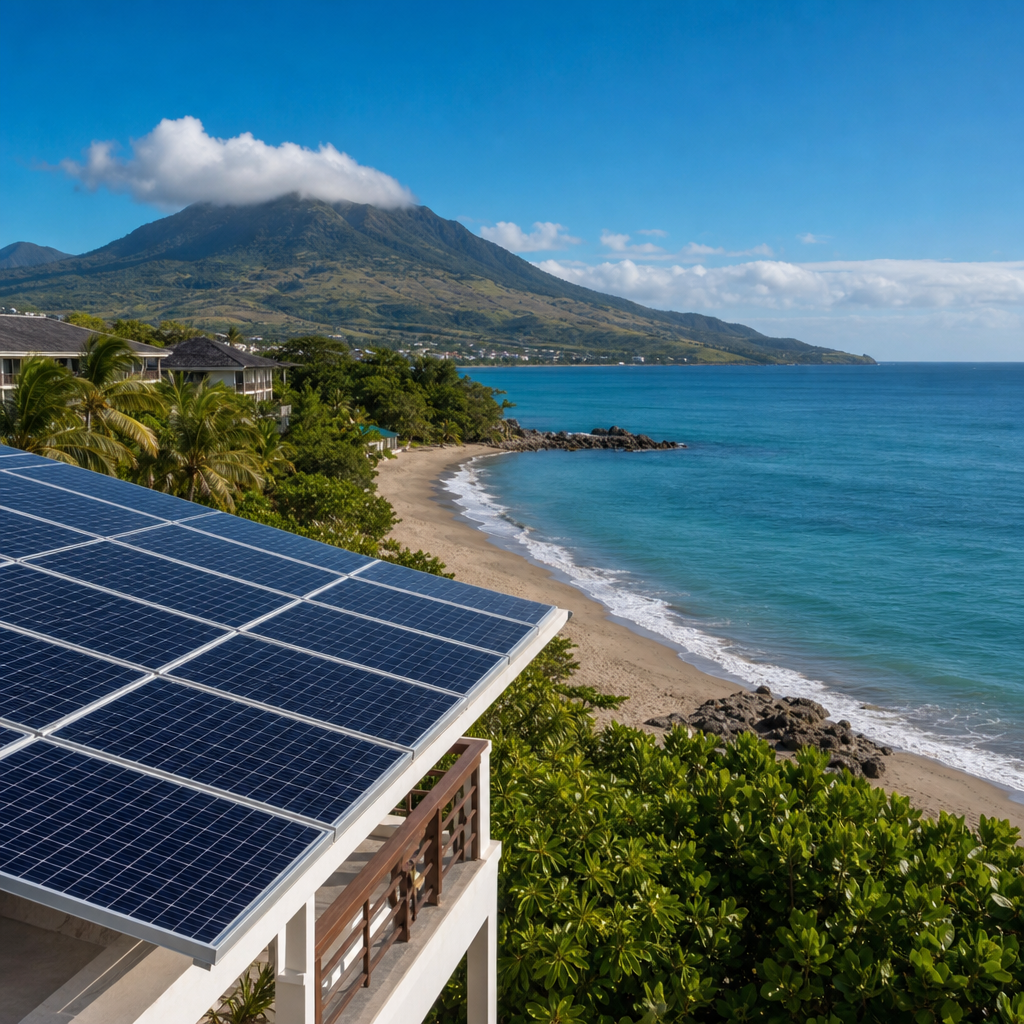
Common measures include LED retrofits, occupancy sensors, variable-speed drives on pumps and fans, high-efficiency split or VRF air-conditioning systems, smart thermostats, solar water heating, improved insulation, and preventive maintenance for coils and filters. In Caribbean hospitality, poor maintenance can quietly erase theoretical efficiency gains, so the operations team matters as much as the capital budget. Some Nevis properties are also evaluating or installing photovoltaic systems to offset daytime demand. Solar is especially useful where roof orientation, sunshine levels, and tariff structures support strong economics. Batteries can add resilience, though they increase project cost and require careful life-cycle planning. The core lesson is simple: the greenest kilowatt-hour is the one not used, and the second greenest is the one generated locally from renewable sources.
Water stewardship, wastewater, and landscape design
Water conservation in Nevis hospitality goes beyond asking guests to reuse towels. Hotels can cut consumption materially through low-flow fixtures, dual-flush toilets, leak detection programs, pressure management, efficient laundry equipment, and irrigation controls linked to weather conditions. I have seen properties save substantial volumes simply by monitoring night flow data; unexpected overnight usage often reveals hidden leaks in irrigation lines, staff housing, or back-of-house plumbing. In an island setting, those avoided losses directly reduce utility stress and operating costs.
Landscape design is another high-impact area. Traditional ornamental gardens can require heavy irrigation, fertilizer, and labor, while native or climate-adapted planting usually needs less water and offers better resilience during dry periods. Drip irrigation, mulching, and early-morning watering schedules further improve efficiency. Wastewater management is equally important because poorly managed effluent can harm coastal ecosystems that support swimming, diving, and fisheries. Hotels that maintain treatment systems properly, monitor discharge quality, and reuse treated water where regulations allow provide a measurable environmental benefit. For Nevis, where marine quality is central to visitor satisfaction, water stewardship is not an abstract sustainability goal; it protects the destination’s core product.
Waste reduction, plastics, and circular purchasing
Waste management is one of the most visible green initiatives in the hospitality industry because guests encounter it every day. The shift away from single-use plastics typically starts with refillable bathroom dispensers, bulk purchasing for housekeeping and kitchens, reusable serviceware where operationally feasible, and water refill stations that reduce bottled water dependence. Behind the scenes, better inventory control, supplier consolidation, and packaging specifications can significantly reduce incoming waste before it reaches the bin. Hotels often discover that procurement policy has more impact than guest signage.
Food waste deserves special attention because it combines environmental cost with lost revenue. Buffet forecasting, smaller batch preparation, menu engineering, and staff training on storage and portioning can reduce waste without lowering guest satisfaction. Some properties track pre-consumer and plate waste separately to identify whether the problem lies in production, merchandising, or menu design. Where composting infrastructure is viable, organic waste can support landscaping or local agriculture, though pest management and collection logistics must be handled carefully in tropical climates. Circular purchasing also matters: choosing durable furnishings, repairable equipment, and products with recycled content often lowers total life-cycle cost even when upfront prices are higher.
| Initiative | Typical hotel application | Main environmental benefit | Operational consideration |
|---|---|---|---|
| LED lighting | Guest rooms, pathways, kitchens | Lower electricity use | Match color temperature to guest expectations |
| Refillable amenities | Bathrooms and spa areas | Less plastic waste | Needs hygiene and brand standard controls |
| Low-flow fixtures | Showers, taps, toilets | Reduced water consumption | Must preserve pressure and comfort |
| Local sourcing | Restaurants and bars | Lower transport footprint | Seasonality affects menu planning |
| Solar water heating | Laundry and guest hot water | Lower fuel or electricity demand | Requires maintenance in coastal conditions |
Local food systems, supply chains, and community benefit
One of the most practical ways Nevis hospitality businesses support sustainability is by buying more from local producers and service providers. Farm-to-table dining is often discussed as a marketing idea, but its real value lies in shortening supply chains, keeping tourism spending within the island economy, and giving chefs fresher ingredients with clearer provenance. Local herbs, fruits, vegetables, seafood, and artisanal products can differentiate menus while reducing dependence on imported goods that arrive with packaging waste, refrigeration needs, and transport emissions. The challenge, which operators must acknowledge honestly, is consistency. Small-island agriculture is vulnerable to weather, seasonality, crop disease, and fluctuating output.
The best hospitality programs solve this through structured purchasing relationships rather than ad hoc orders. Hotels can share forecast demand with farmers, commit to buying specific crops in season, and adapt menus around availability. Training matters here too; culinary teams need the flexibility to feature local breadfruit, mango, tamarind, or line-caught fish when supply is strong. Community benefit extends beyond food. Sustainable hospitality on Nevis also includes hiring and training local staff, using local crafts and cultural experiences, and partnering with schools, nonprofits, and conservation groups. These actions distribute tourism value more broadly and strengthen social license, which is essential in destinations where residents and visitors share limited space and resources.
Marine protection, biodiversity, and low-impact guest experiences
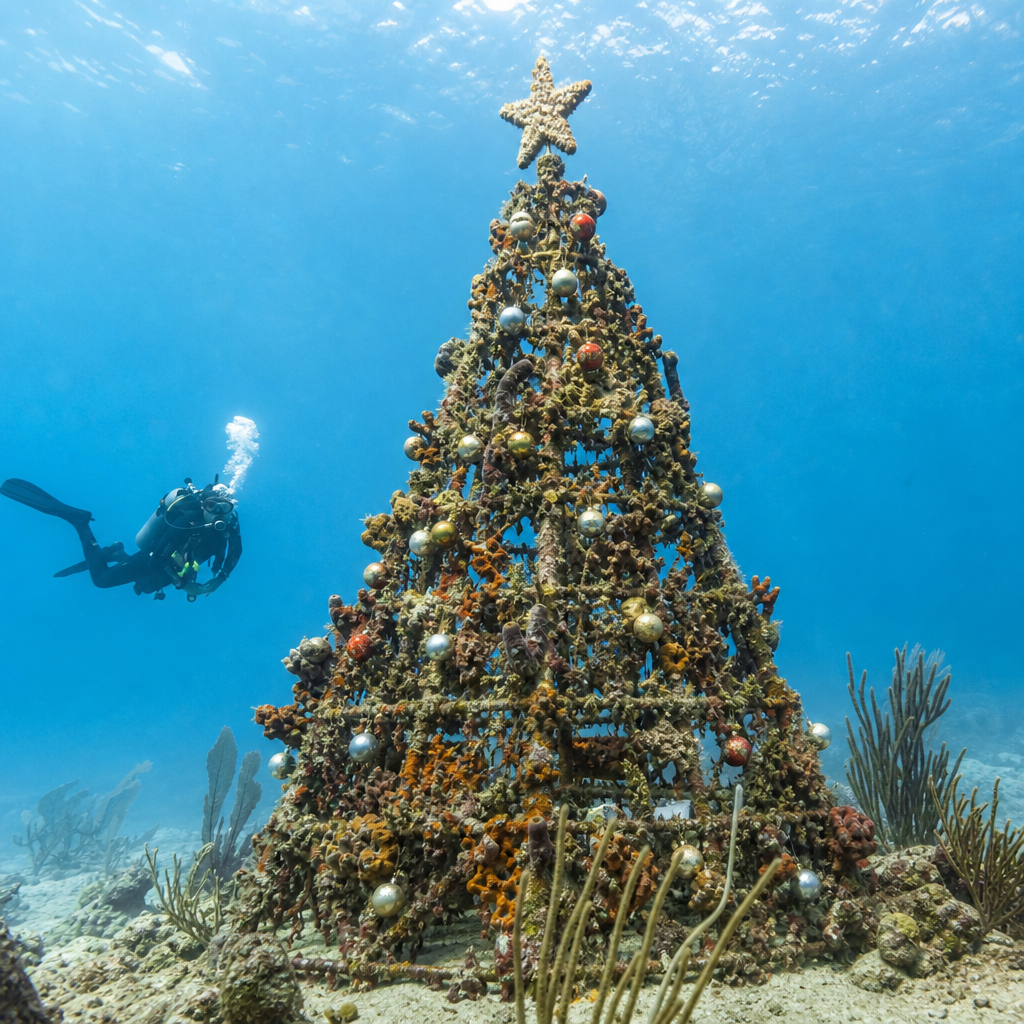
Nevis’ tourism economy depends heavily on environmental assets that are easy to damage and difficult to restore. Coral reefs, seagrass beds, turtle habitats, beaches, and hillside ecosystems all support the visitor experience directly or indirectly. Hospitality businesses contribute to protection by managing runoff, reducing harmful chemicals, controlling beachfront lighting, supporting shoreline cleanups, and educating guests about reef-safe behavior. If a resort offers snorkeling, boating, or diving excursions, vendor standards matter. Mooring buoy use, no-anchor policies near reefs, wildlife interaction rules, and fuel-spill procedures should be explicit in contracts and operating manuals.
Low-impact guest experiences are often more valuable than high-volume ones. Guided nature walks, heritage tours, birdwatching, turtle-awareness programming, and chef-led visits to farms can create memorable experiences with relatively low resource intensity. I have found that guests respond especially well when staff explain why certain practices exist, such as dimmer beachfront lighting during nesting periods or limits on collecting shells and marine life. Interpretation turns rules into stewardship. For Nevis, biodiversity protection is not separate from hospitality strategy. It safeguards the scenery, water quality, and authenticity that make the island attractive in the first place.
Standards, certifications, and how progress is measured
Green initiatives become credible when they are measured, documented, and reviewed against recognized standards. Many hospitality businesses use environmental management systems influenced by ISO 14001 principles, even if they do not pursue formal certification. Others align with programs such as Green Globe, EarthCheck, or regional sustainable tourism frameworks. At the building level, design and renovation projects may borrow criteria from LEED or similar rating systems, especially for energy, water, materials, and indoor environmental quality. These frameworks help properties move from isolated projects to disciplined management.
Meaningful measurement starts with a baseline and a few core indicators: kilowatt-hours per occupied room, water use per guest night, waste diversion rate, percentage of local procurement, and greenhouse gas emissions by source. Monthly dashboard reviews are more useful than annual sustainability claims because they show whether performance is actually improving. Transparency also matters. Hotels should be careful not to overstate gains from limited changes, a problem commonly called greenwashing. Guests and corporate buyers increasingly expect evidence, not slogans. For Nevis hospitality businesses, the strongest position is to set realistic targets, publish selected metrics, and explain both achievements and constraints plainly. That approach builds trust and makes continuous improvement easier.
Challenges, investment priorities, and the future of green hospitality in Nevis
The main barriers to greener hospitality in Nevis are not lack of awareness but capital constraints, infrastructure limitations, supply inconsistency, and the practical realities of operating in a humid marine environment. Efficient equipment often costs more upfront. Solar and battery projects require technical due diligence. Recycling options may depend on export economics. Staff turnover can weaken program continuity unless training is systematic. Older buildings may also present design limitations that complicate retrofits. These are real obstacles, and any serious sustainability plan has to acknowledge them.
Even so, the direction of travel is clear. The most successful properties prioritize measures with strong operational returns first, then reinvest savings into longer-term projects. Typical first steps include energy audits, leak detection, linen and amenity programs, local sourcing pilots, waste tracking, and staff engagement. From there, businesses can move toward solar, advanced controls, deeper retrofits, and more formal reporting. The broad benefit is resilience: lower utility exposure, stronger brand trust, healthier ecosystems, and a tourism product better aligned with what discerning travelers want. For anyone managing, investing in, or promoting accommodation on the island, the next step is straightforward: assess current performance, choose measurable priorities, and turn sustainability into a standard operating practice across Nevis’ hospitality industry.
Frequently Asked Questions
What do green initiatives in Nevis’ hospitality industry actually include?
Green initiatives in Nevis’ hospitality industry cover a wide range of practical actions designed to reduce environmental impact while strengthening the visitor experience. In hotels, villas, restaurants, and tourism businesses, this often starts with energy efficiency measures such as LED lighting, energy-saving air conditioning systems, smart thermostats, efficient laundry operations, and building designs that improve natural ventilation. Many properties also explore renewable energy options, including solar water heating and solar power, to reduce dependence on imported fuels and improve long-term operating stability.
Water conservation is another major component, especially on a small island where resource management matters. Hospitality businesses may install low-flow fixtures, monitor leaks, collect rainwater where appropriate, and improve landscaping practices through drought-tolerant plants and more efficient irrigation. Waste reduction is equally important and can include cutting single-use plastics, improving recycling, composting organic material, and purchasing products with less packaging.
In Nevis, green hospitality also extends beyond the building itself. Local sourcing from farmers, fishers, and artisans helps reduce transport-related emissions while supporting the island’s economy and preserving local culture. Reef and beach protection measures, responsible excursion planning, staff education, guest awareness programs, and partnerships with community and conservation groups are also central to the broader sustainability effort. Together, these initiatives create a more responsible tourism model that protects Nevis’ natural assets while helping hospitality businesses operate more efficiently and competitively.
Why are sustainability efforts especially important for hospitality businesses in Nevis?
Sustainability is especially important in Nevis because the island’s tourism appeal is directly tied to the quality of its natural environment. Visitors come for clean beaches, clear coastal waters, scenic landscapes, biodiversity, and a more intimate Caribbean experience. If these assets are damaged by excessive waste, poor water use, reef degradation, or inefficient development, the hospitality sector itself is put at risk. Green initiatives are not just a branding exercise in this context; they are part of protecting the very foundation of the destination’s economic future.
There is also a strong business case for sustainability on an island. Energy and imported goods can be expensive, and hospitality operators often face pressure from utility costs, supply chain disruptions, and changing traveler expectations. Efficiency measures such as reduced electricity use, water-saving systems, and smarter procurement practices can lower operating costs and improve resilience. This becomes particularly valuable in a destination where resources must be managed carefully and businesses benefit from reducing dependence on imports and waste-heavy operating models.
Equally important, travelers are increasingly paying attention to how destinations and accommodations manage their environmental footprint. Guests often appreciate businesses that visibly protect marine ecosystems, reduce plastic use, support local producers, and engage with the community in meaningful ways. In Nevis, that means sustainability can reinforce both market positioning and guest loyalty. When green initiatives are implemented thoughtfully, they help preserve the island’s character, support community well-being, and ensure tourism growth remains compatible with long-term environmental stewardship.
How do green initiatives improve the guest experience in Nevis?
Green initiatives can significantly improve the guest experience by making a property feel healthier, more authentic, and more connected to the island itself. For example, energy-efficient design often goes hand in hand with better lighting, improved airflow, quieter equipment, and more comfortable indoor temperatures. Water-saving systems, when properly designed, can operate seamlessly without compromising comfort. Guests may not always notice every technical upgrade, but they often notice the result: a property that feels well-run, thoughtful, and aligned with the natural beauty of Nevis.
Sustainability also enhances the experience through food, activities, and a stronger sense of place. Restaurants that source locally can offer fresher ingredients, more seasonal menus, and dishes that reflect Nevisian agriculture and culinary traditions. Excursions designed with reef-safe, low-impact practices can help guests enjoy beaches, marine environments, and nature tours more responsibly. Educational touches, such as information about marine protection, local farming, or conservation partnerships, can deepen a visitor’s connection to the destination without making the experience feel overly formal or restrictive.
Many travelers also value knowing that their stay supports something positive. When a hotel or villa reduces waste, limits single-use plastics, trains staff in environmental best practices, and contributes to community or conservation projects, guests often feel more confident about their travel choices. This added layer of trust can translate into stronger reviews, repeat visits, and word-of-mouth recommendations. In a destination like Nevis, where the atmosphere is intimate and nature plays such a central role, sustainable hospitality can make the overall experience feel more meaningful and memorable.
What are some examples of sustainable practices hotels and restaurants in Nevis can adopt?
Hotels and restaurants in Nevis can adopt a wide range of sustainable practices that are both practical and scalable. On the operations side, common measures include switching to LED lighting, upgrading to energy-efficient appliances, using occupancy sensors, maintaining cooling systems for better performance, and adding solar technologies where feasible. In kitchens and dining areas, operators can reduce waste by improving portion planning, donating or repurposing surplus food when appropriate, composting organic scraps, and replacing disposable items with reusable or biodegradable alternatives.
Water management is another area where meaningful progress can be made. Hospitality properties can install low-flow showerheads and faucets, use dual-flush toilets, inspect regularly for leaks, and optimize laundry schedules to reduce unnecessary water and energy use. Landscaping choices also matter. Native or drought-tolerant plants can reduce irrigation needs while blending naturally with the island environment. Where suitable, rainwater harvesting and graywater strategies may offer additional support for non-potable uses, depending on local regulations and infrastructure.
Beyond internal operations, sustainable practices in Nevis should ideally reflect the island’s ecology and community. Restaurants can prioritize local produce, seafood sourced responsibly, and partnerships with Nevisian farmers and suppliers. Hotels can provide reef-safe toiletries, educate guests about respectful beach and marine behavior, and limit products that contribute to coastal pollution. Staff training is especially important because sustainability succeeds when it becomes part of daily routines, not just a policy statement. Businesses that combine operational efficiency with local engagement tend to create the strongest and most credible sustainability programs.
How can hospitality businesses in Nevis make their sustainability programs credible and effective?
For sustainability programs to be credible and effective, hospitality businesses in Nevis need to move beyond vague claims and focus on measurable action. A good starting point is to assess current resource use, including electricity, water, purchasing, and waste generation. Once a baseline is established, businesses can set realistic goals such as reducing energy consumption, eliminating certain single-use plastics, increasing local sourcing, or improving recycling rates. Clear targets make sustainability easier to manage internally and easier to communicate honestly to guests and partners.
Credibility also depends on consistency and transparency. Businesses should train staff so that sustainable practices are understood and applied across housekeeping, food service, maintenance, landscaping, and guest relations. It is not enough to install efficient equipment if operating habits do not change. Likewise, messaging to guests should be specific and accurate. Explaining that a property uses solar water heating, supports local farms, or participates in beach and reef protection is more meaningful than making broad environmental claims without evidence. Where possible, tracking outcomes and sharing progress can build trust.
Community connection is another essential piece. In Nevis, the most effective green initiatives often align environmental goals with local economic and cultural value. Working with community groups, schools, farmers, fishers, and conservation organizations can strengthen impact and help sustainability efforts reflect the island’s real priorities. Businesses that treat sustainability as a long-term operating strategy rather than a marketing trend are more likely to see lasting benefits, including lower costs, stronger guest loyalty, healthier ecosystems, and a more resilient hospitality sector overall.