Saint Kitts is reshaping its visitor economy by treating sustainable tourism development as an economic necessity, an environmental safeguard, and a cultural commitment rather than a marketing slogan. In practical terms, sustainable tourism development means growing arrivals, spending, and jobs without degrading the beaches, reefs, freshwater systems, heritage assets, and community life that make the island valuable in the first place. For a small island state like Saint Kitts, that balance matters more than it does in large destinations because land is limited, infrastructure is costly, ecosystems are fragile, and tourism shocks are felt quickly across employment, food supply chains, transport, and public revenue.
Having worked on destination content and tourism planning projects across Caribbean markets, I have seen a consistent pattern: islands that ignore carrying capacity eventually pay for it through erosion, congestion, higher utility costs, reef decline, and weaker guest satisfaction. Saint Kitts has distinct advantages that make a more durable path possible. Its tourism offer is not built solely on mass beach tourism. The island combines cruise calls, stayover visitors, rainforest and volcano excursions, colonial and emancipation history, marine recreation, small-scale agriculture, and a relatively strong sense of place. That diversified base gives policymakers and operators room to spread demand, protect sensitive areas, and raise value per visitor instead of chasing volume alone.
Saint Kitts also operates in a policy environment shaped by climate risk, international sustainability standards, and shifting traveler expectations. Visitors increasingly ask where food is sourced, whether beaches are clean, whether marine life is protected, and whether local people actually benefit from tourism. Lenders and development partners now scrutinize resilience, energy use, wastewater treatment, labor standards, and community inclusion. In that context, Saint Kitts’ strategies for sustainable tourism development are not isolated projects. They are a linked system involving land-use planning, cruise management, heritage conservation, renewable energy, local enterprise support, waste reduction, skills training, and better data for decision-making. Understanding how those pieces fit together is essential for anyone researching Caribbean sustainable tourism, planning investment, or building linked content around this subtopic.
Why Saint Kitts can pursue a high-value, lower-impact tourism model
Saint Kitts has structural characteristics that support a high-value, lower-impact model if they are managed deliberately. The island’s limited size naturally constrains uncontrolled expansion, while its mix of mountains, protected landscapes, and coastal settlements creates a tourism geography that can be zoned more carefully than in sprawling destinations. The presence of Brimstone Hill Fortress National Park, one of the Caribbean’s most important UNESCO-listed military heritage sites, strengthens the case for culture-led tourism rather than pure resort dependency. Scenic railway excursions, farm and village experiences, hiking on Mount Liamuiga, and marine trips along the leeward and windward coasts add product diversity that can disperse visitor activity across space and time.
A high-value model does not mean excluding visitors. It means designing for stronger visitor yield with lower environmental pressure per tourist. In practice, that includes encouraging longer stayover visits, building demand for guided nature and heritage experiences, improving spending opportunities for local businesses, and reducing the resource intensity of hotels and transport. Saint Kitts is better positioned for this than destinations whose product mix depends overwhelmingly on mega-resorts or a narrow set of attractions. The strategy works best when destination managers ask a simple question: which visitors generate the most net benefit after accounting for water use, waste generation, congestion, habitat disturbance, and leakage of profits offshore?
That question leads directly to smarter tourism development. A cruise passenger may produce substantial retail activity near the port but spend only a few hours on island, while a stayover guest who books local tours, eats in independent restaurants, and visits heritage sites often has broader economic linkages. Neither segment should be dismissed. The strategic task is to manage each according to its footprint and value. Saint Kitts can welcome cruise business while using pricing, scheduling, transport controls, and excursion design to protect communities and encourage more meaningful on-island spending.
Core strategies shaping sustainable tourism development in Saint Kitts
The most effective sustainable tourism strategy for Saint Kitts is not a single flagship project. It is a portfolio of coordinated actions that reinforce each other across policy, infrastructure, business operations, and community participation.
| Strategy | What it means on Saint Kitts | Main sustainability benefit |
|---|---|---|
| Land-use planning | Directing development away from erosion-prone coasts, steep slopes, and sensitive habitats | Protects ecosystems and reduces disaster risk |
| Heritage-led tourism | Using Brimstone Hill, plantation history, and cultural storytelling as anchor attractions | Diversifies demand beyond beaches |
| Community enterprise support | Helping local guides, farmers, craft producers, and small operators access visitor spending | Raises local economic retention |
| Resource-efficient hospitality | Lowering water, energy, and waste intensity in hotels and villas | Reduces costs and environmental pressure |
| Marine and coastal management | Protecting reefs, managing anchoring, and improving wastewater practices | Sustains beaches and marine tourism |
| Visitor flow management | Spreading cruise and stayover demand across time and locations | Limits congestion and resident friction |
Land-use planning is foundational because poor siting decisions are expensive to reverse. On small islands, development too close to shore increases exposure to storm surge and beach loss, while hillside clearing can worsen runoff and sedimentation. Sediment is especially damaging to coral reefs and nearshore water quality, which then affects diving, snorkeling, and beach appeal. Strong planning controls, environmental impact assessment, and building standards aligned with hurricane resilience reduce long-term tourism risk more effectively than post-disaster repairs.
Resource efficiency is equally practical. In hotel operations, energy management systems, LED retrofits, solar water heating, low-flow fixtures, greywater reuse where feasible, and better linen policies can cut costs significantly while easing pressure on public utilities. I have seen Caribbean properties reduce electricity demand materially through straightforward engineering measures long before investing in larger renewable systems. For Saint Kitts, where imported fuel affects operating costs, efficiency is not just green branding. It is balance-sheet management that improves resilience during volatile energy markets.
Protecting coastal and natural assets before they are overused
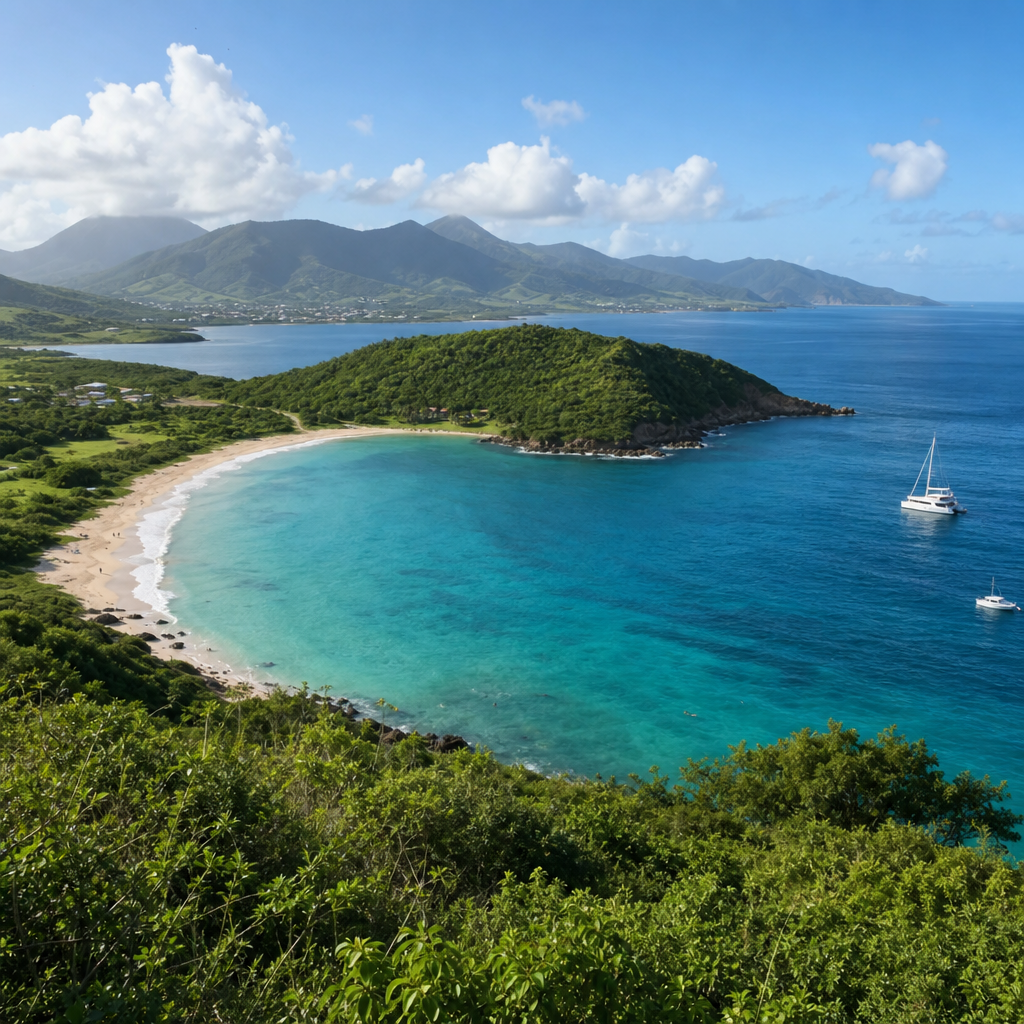
Tourism in Saint Kitts depends on functioning ecosystems. Beaches shape first impressions, reefs support marine excursions and shoreline protection, and forested interiors broaden the destination beyond the coast. Sustainable tourism development therefore starts with conservation and management, not promotion. If runoff, sewage, plastics, anchor damage, and unregulated coastal construction degrade these assets, the island loses the very capital on which tourism depends.
Coastal protection requires a mix of policy and operations. Setback rules help keep structures away from dynamic shorelines. Wastewater treatment and septic oversight are essential because nutrient pollution fuels algal growth that can smother reefs and reduce water clarity. Mooring systems in sensitive marine areas are preferable to casual anchoring, which can break coral. Beach cleaning matters, but it must be done intelligently; heavy machinery on nesting beaches or fragile dune systems can create more harm than benefit. The goal is ecological maintenance informed by science rather than cosmetic quick fixes.
Protected area management also needs tourism design. A rainforest trail is not sustainable simply because it is in nature. Trails require erosion control, signage, guide protocols, waste handling, and limits where soils or habitats are vulnerable. On Mount Liamuiga routes, for example, heavy rain, steep grades, and inexperienced hikers create safety and environmental issues. Managed access, trained guides, and regular maintenance preserve both the visitor experience and the landscape. This is a recurring lesson across island destinations: nature tourism only remains low impact when someone budgets for stewardship.
Climate adaptation must be part of environmental strategy. Saint Kitts faces stronger storms, sea-level rise, heat stress, and rainfall variability. Tourism infrastructure, from roads to marinas to beachfront properties, must be assessed through a resilience lens. The Caribbean Tourism Organization and regional climate institutions have repeatedly emphasized that destinations cannot separate tourism growth from adaptation planning. For Saint Kitts, this means drainage upgrades, resilient building design, heat-aware visitor management, emergency protocols, and ecosystem-based measures such as mangrove and coastal vegetation restoration where suitable.
Building stronger local linkages so tourism benefits stay on the island
Sustainable tourism fails when revenue leaks quickly offshore through imports, foreign ownership concentration, and weak connections to domestic suppliers. Saint Kitts can improve tourism’s net value by strengthening local linkages in food, transport, guiding, events, crafts, and professional services. The principle is simple: every additional dollar spent with Kittitian businesses increases multiplier effects, supports employment, and builds political support for tourism.
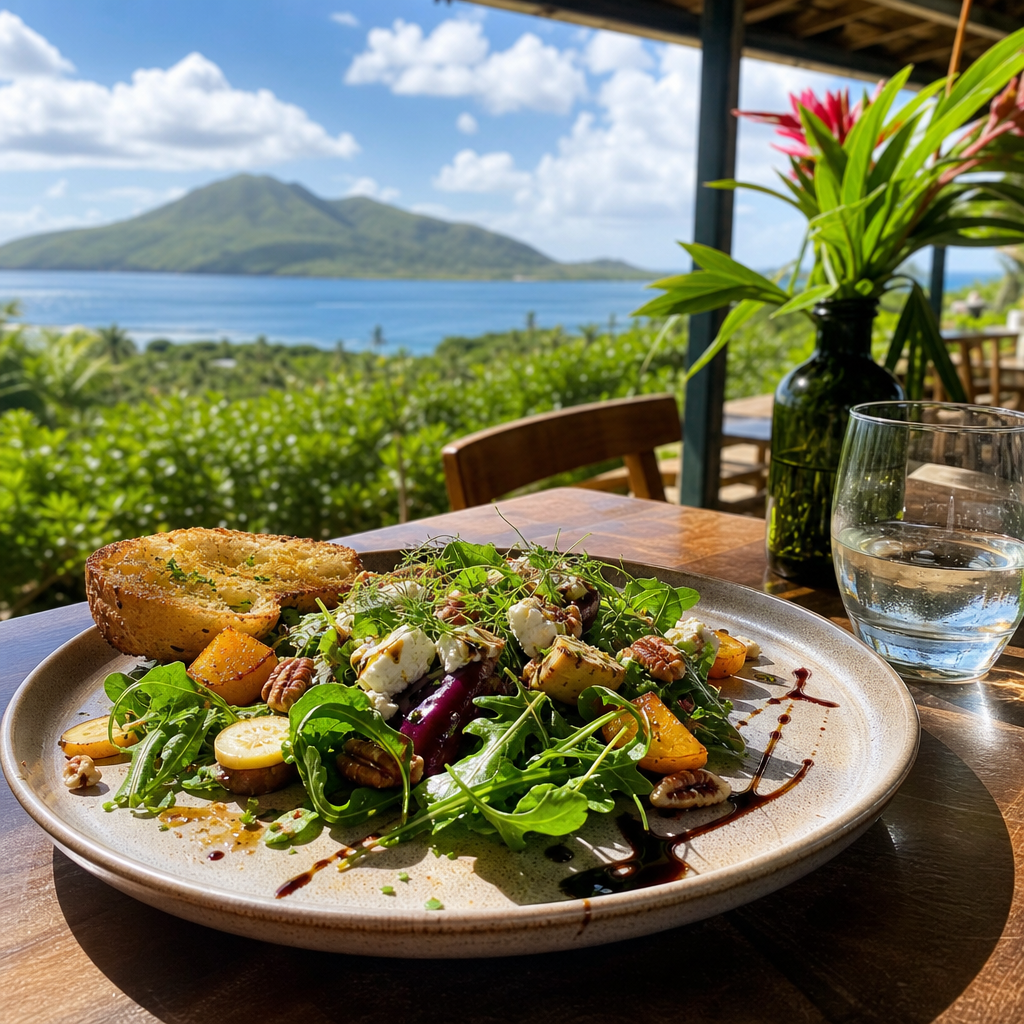
Food is one of the clearest opportunities. Hotels and restaurants often rely on imported produce, meats, and processed goods because of consistency, volume, or procurement habits. Yet when chefs coordinate with farmers on crop planning, quality standards, and delivery schedules, more produce can be sourced locally. This may not replace all imports, especially for specialized items, but it can increase freshness and reduce transport emissions while creating dependable demand for agriculture. Farm-to-table experiences, rum and culinary trails, and chef-led market tours also turn local sourcing into a visitor-facing asset.
Community-based experiences can deepen these linkages if they are professionally developed. Visitors will pay for credible storytelling, safe logistics, and authentic access to culture. That may include village walking tours, batik workshops, heritage interpretation related to sugar and emancipation, music and festival programming, or agro-tourism visits that connect farms with cuisine. The mistake many destinations make is assuming authenticity alone guarantees demand. In reality, local experiences need training in pricing, booking systems, customer service, insurance, digital marketing, and interpretation standards. Saint Kitts gains most when community enterprises are treated as serious tourism suppliers rather than side activities.
Skills development is the bridge between ambition and delivery. Hospitality staff, taxi operators, tour guides, attraction managers, and small business owners need training in sustainability practices as much as in service basics. That includes waste separation, marine etiquette, trail stewardship, accessibility awareness, emergency response, and digital commerce. When standards rise across the supply chain, the destination becomes easier to trust and easier to recommend.
Managing cruise tourism, heritage, and destination reputation responsibly
Cruise tourism is economically significant for Saint Kitts, especially around the Port Zante area, but it presents familiar sustainability tradeoffs: crowding, uneven spending distribution, transport pressure, and short dwell times. Responsible management does not require rejecting cruise business. It requires controlling its externalities and improving its local contribution. Scheduling vessels to reduce peak congestion, creating curated dispersal routes, enforcing transport standards, and measuring per-passenger economic yield can make cruise activity more compatible with resident life and destination quality.
One practical approach is to align cruise excursions with heritage and community capacity rather than pushing all activity toward the same retail zones and beach corridors. Brimstone Hill Fortress National Park, the St. Kitts Scenic Railway, and selected village or nature experiences can absorb demand if tour timing, interpretation, and transport logistics are managed carefully. This reduces pressure on single hotspots and gives passengers a stronger sense of place. It also increases the odds that local guides, artisans, and food businesses participate in the value chain.
Heritage is especially important to Saint Kitts because it provides narrative depth that many sun-and-sea destinations lack. The island’s sugar estate legacy, African diasporic history, military architecture, and living cultural traditions can anchor a tourism identity built on education and connection rather than simple consumption. Good heritage tourism requires conservation funding, trained interpreters, multilingual signage where appropriate, and honest storytelling that does not flatten difficult history. Visitors increasingly value destinations that explain themselves well. When heritage interpretation is rigorous, the destination’s reputation improves because the experience feels distinctive and credible.
Reputation also depends on measurement. Saint Kitts should track more than arrivals and occupancy. Useful indicators include average daily spend, local procurement rates, water and energy intensity per occupied room, waste diversion, beach and reef condition, repeat visitation, resident sentiment, and distribution of tourism income across communities. What gets measured gets managed, and sustainable tourism becomes real only when performance is monitored consistently. For businesses and policymakers alike, the next step is straightforward: support strategies that protect assets, expand local benefits, and make every visitor interaction worthy of the island’s long-term future.
Frequently Asked Questions
1. What does sustainable tourism development mean in Saint Kitts?
In Saint Kitts, sustainable tourism development means building a visitor economy that creates jobs, earns foreign exchange, and expands local business opportunities without damaging the natural and cultural assets that support tourism in the first place. It is not simply a branding exercise or a niche travel trend. It is a practical framework for protecting beaches, coral reefs, freshwater resources, historic sites, biodiversity, and community well-being while still allowing the tourism sector to grow. For a small island state, this balance is especially important because environmental degradation, overuse of public infrastructure, and loss of cultural character can directly weaken the tourism product and the wider economy.
Saint Kitts’ approach treats sustainability as an economic necessity, an environmental safeguard, and a cultural commitment at the same time. That means tourism planning must consider carrying capacity, land use, waste management, water consumption, energy demand, and the experience of residents as carefully as it considers visitor arrivals and hotel occupancy. The goal is to increase the value of tourism, not just the volume. In practice, that can involve encouraging higher-quality tourism spending, strengthening local supply chains, improving environmental standards for tourism businesses, and ensuring that communities see real benefits from development. When done well, sustainable tourism helps Saint Kitts remain competitive while preserving the very qualities that make the island distinctive and desirable.
2. Why is sustainable tourism especially important for a small island like Saint Kitts?
Sustainable tourism matters more in small island states because the margin for environmental and social disruption is much smaller than in larger destinations. Saint Kitts has finite land, limited freshwater systems, sensitive marine ecosystems, and infrastructure that can be strained by rapid growth if development is poorly managed. Beaches can erode, reefs can be damaged by pollution or overuse, waste disposal systems can be overwhelmed, and traffic or coastal construction can reduce quality of life for residents. Because tourism depends heavily on natural beauty and a strong destination reputation, any decline in environmental quality or community support can quickly become an economic problem.
There is also a resilience issue. Small islands are highly exposed to external shocks such as hurricanes, climate change, sea-level rise, global fuel prices, and shifts in international travel demand. A sustainable tourism strategy helps reduce these vulnerabilities by promoting more efficient use of water and energy, protecting coastal ecosystems that buffer storms, diversifying tourism offerings beyond a narrow set of attractions, and supporting local businesses that keep more value circulating within the domestic economy. For Saint Kitts, sustainability is therefore not just about conservation. It is about long-term stability, risk reduction, and protecting the island’s ability to compete in a global tourism market without sacrificing environmental integrity or social cohesion.
3. What strategies can Saint Kitts use to grow tourism without harming its environment?
Saint Kitts can pursue sustainable growth by combining smart planning, strong regulation, and industry-wide operational improvements. One of the most important strategies is guiding development to the right places and limiting it in environmentally sensitive zones. Coastal setbacks, protected areas, environmental impact assessments, and clear building standards can reduce damage to beaches, wetlands, reefs, and watersheds. Equally important is investing in infrastructure that supports tourism responsibly, including wastewater treatment, recycling systems, solid waste management, renewable energy, and water conservation technologies. If basic systems are not strengthened, visitor growth can easily create pollution and resource stress that undermine the destination itself.
Another major strategy is shifting tourism businesses toward more efficient and lower-impact operations. Hotels, villas, restaurants, attractions, and transport providers can reduce their environmental footprint through energy-efficient equipment, solar power, rainwater harvesting, greywater reuse, reduced single-use plastics, and better procurement practices. Marine protection is also central. Managing boating, diving, snorkeling, and coastal recreation carefully helps preserve reefs and fisheries that support both tourism and local livelihoods. Saint Kitts can also spread visitor activity across different sites, seasons, and experiences so pressure is not concentrated in a few fragile areas. When environmental protection is integrated into planning, infrastructure, and daily business practices, tourism growth becomes more durable and less destructive.
4. How does sustainable tourism benefit local communities and culture in Saint Kitts?
A strong sustainable tourism model should improve daily life for residents, not just increase visitor numbers. In Saint Kitts, that means creating employment, supporting entrepreneurship, and ensuring that local people have meaningful access to tourism income through accommodations, food services, transport, crafts, guiding, agriculture, entertainment, and heritage-based experiences. The more tourism spending reaches local workers and businesses, the more the sector contributes to broad-based development rather than remaining concentrated in a narrow segment of the economy. This is especially important for reducing leakage, where too much tourist spending leaves the island through imports or foreign ownership structures.
Cultural sustainability is just as important as economic inclusion. Saint Kitts’ identity, history, music, food traditions, architecture, and community life are part of what makes the destination memorable. Protecting those assets requires more than staging culture for visitors. It means preserving heritage sites, supporting local artists and cultural practitioners, maintaining authentic community spaces, and involving residents in tourism planning decisions. When communities feel respected and included, tourism is more likely to retain public support. When residents are excluded or local culture is commodified without benefit to the people who sustain it, resentment can grow. Sustainable tourism in Saint Kitts works best when it strengthens pride of place, protects heritage, and ensures that tourism development remains aligned with community values and long-term national interests.
5. What role do government, businesses, and visitors each play in Saint Kitts’ sustainable tourism future?
Sustainable tourism in Saint Kitts depends on shared responsibility. Government sets the foundation through policy, enforcement, infrastructure investment, and long-term planning. That includes establishing environmental regulations, zoning rules, conservation measures, building codes, water and waste standards, and incentives for greener business practices. Public institutions also play a key role in data collection and monitoring, which helps decision-makers understand whether tourism growth is exceeding ecological or infrastructure limits. Without clear governance and consistent enforcement, sustainability goals can remain aspirational rather than operational.
Businesses are responsible for translating those goals into real-world practices. Hotels, tour operators, cruise stakeholders, restaurants, and transportation providers influence resource use, employment quality, sourcing patterns, and visitor behavior every day. They can hire locally, buy from local farmers and producers, train staff, improve efficiency, reduce waste, and design visitor experiences that respect ecosystems and communities. Visitors also matter. Travelers who choose responsible operators, respect local customs, conserve water and energy, avoid littering, and support locally owned businesses contribute directly to the sustainability of the destination. The most successful strategy for Saint Kitts is one in which all three groups work in alignment: government creates the framework, businesses implement it responsibly, and visitors reinforce it through informed choices. That collective approach is what turns sustainable tourism from a concept into a durable development model.