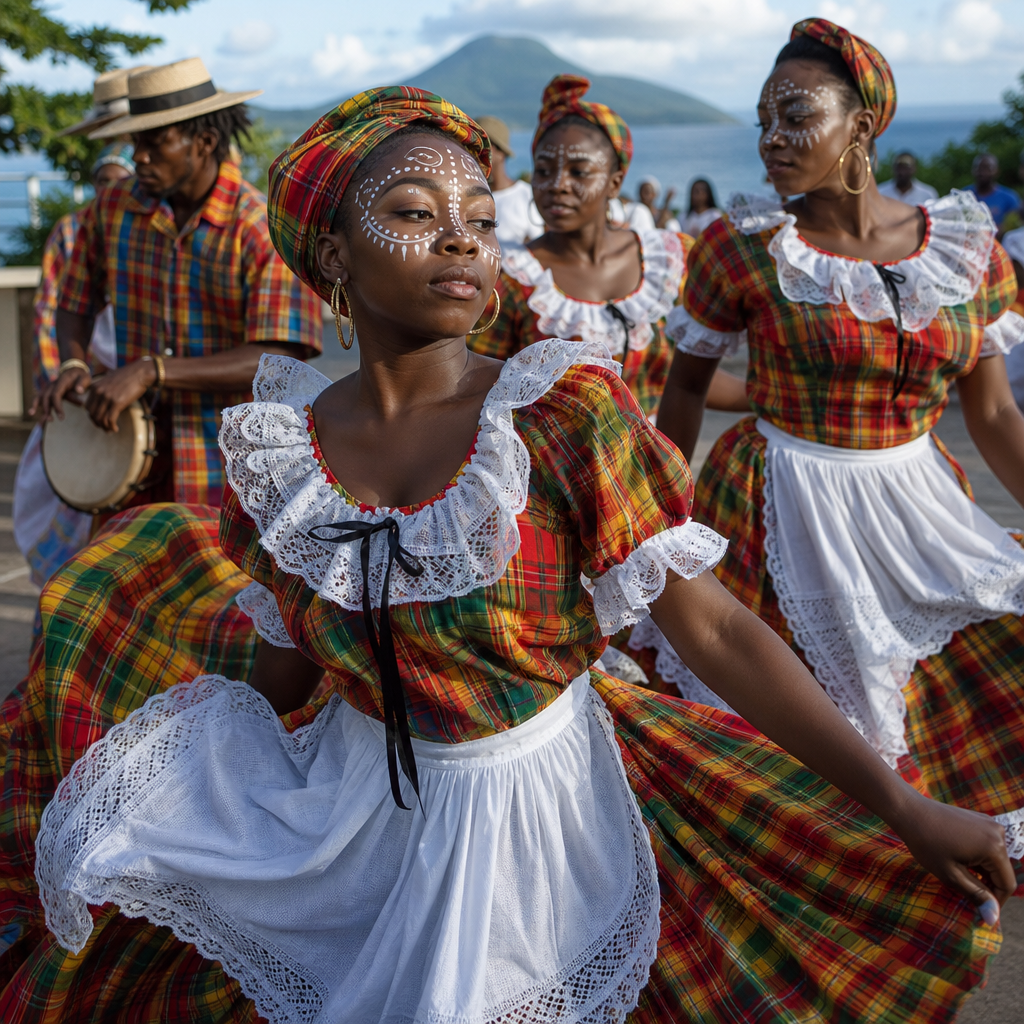
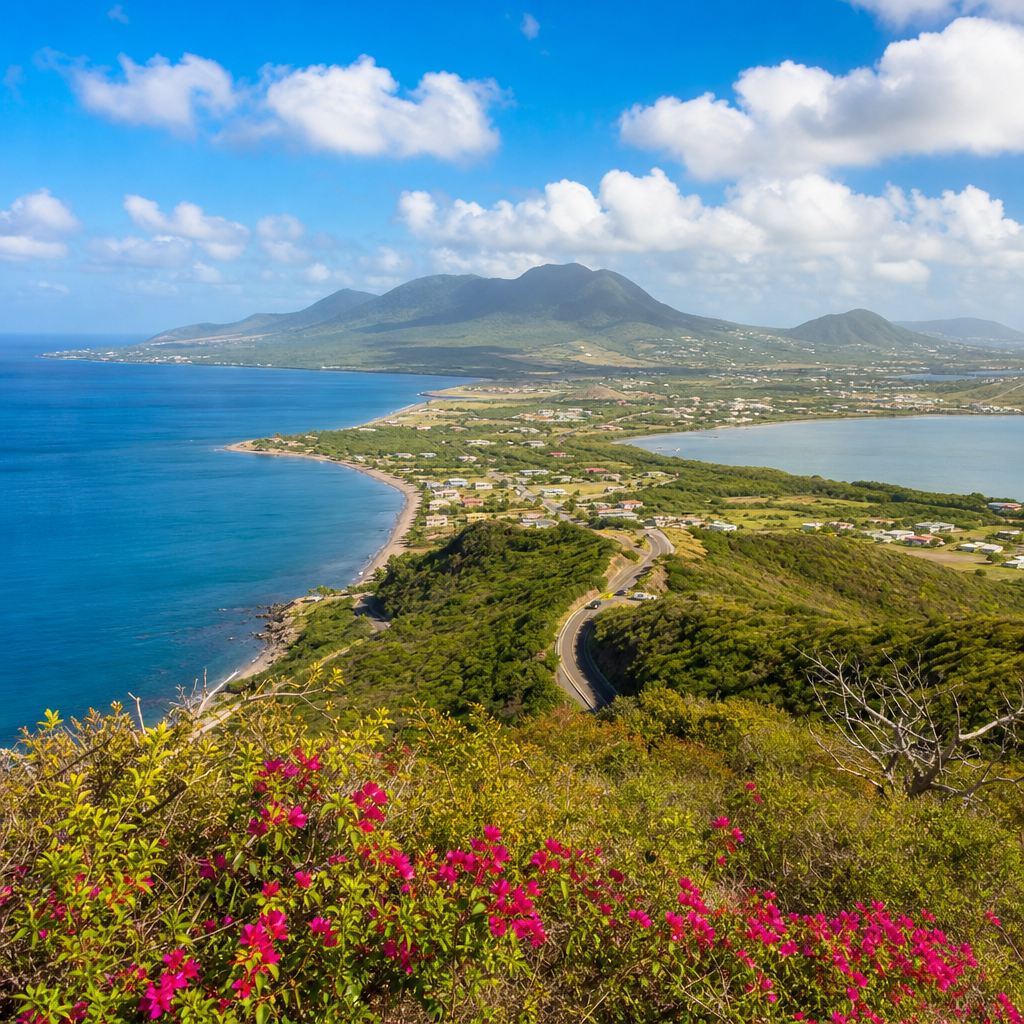
Old Year’s Night in Nevis blends street celebration, family ritual, church observance, music, food, and village identity into one of the island’s most memorable annual events. The phrase refers to New Year’s Eve, but in Nevis it carries a distinctly local meaning shaped by Kittitian-Nevisian culture, Caribbean festivity, and generations of shared custom. Visitors often arrive expecting fireworks and countdown parties alone. What they discover is broader: community gatherings, traditional foods, masquerade influences, live bands, formal dances, seaside liming, and a midnight atmosphere that feels both joyful and deeply rooted. I have spent holiday periods in Nevis speaking with hotel staff, taxi drivers, pastors, shopkeepers, and families preparing for the evening, and the same theme comes up repeatedly: Old Year’s Night is not just a party, it is a social marker that closes the year with gratitude and opens the next with style, faith, and reunion.
For travelers researching Nevis local traditions and celebrations, this subject matters because it offers one of the clearest windows into local life. A beach day shows scenery. Old Year’s Night shows values. You see how neighborhoods gather, how music moves between generations, and how hospitality works outside a staged tourism setting. The island’s scale also changes the experience. Nevis is compact, so celebrations feel connected rather than scattered. Charlestown, village bars, plantation inns, churches, and private homes all contribute to the evening’s rhythm. Understanding these patterns helps visitors choose where to go, what to wear, when to reserve dinner, and how to participate respectfully. It also makes this topic a useful hub for the wider Miscellaneous side of local experiences, because Old Year’s Night touches nearly every part of Nevisian culture at once.
What Old Year’s Night Means in Nevis
In practical terms, Old Year’s Night is the final evening of the calendar year, observed on December 31 and extending past midnight into New Year’s Day. In cultural terms, it is a bridge between reflection and release. Across Nevis, people mark the night in several overlapping ways: attending watch-night church services, sharing meals with extended family, dressing up for hotel galas or private parties, and heading into public spaces for music and socializing. This layered observance is common across parts of the Caribbean, yet in Nevis it has a more intimate texture because communities are close-knit and many residents still maintain strong family and village ties.
A key point for visitors is that Old Year’s Night in Nevis is not confined to one official festival ground. Instead, the island celebrates through a network of venues and traditions. Resorts may host curated dinners with live jazz or calypso. Local bars may run sound systems late into the night. Churches hold worship services focused on thanksgiving, testimony, and prayer for the coming year. Families may begin the evening quietly at home, then step out later. That flexibility is part of the appeal. You can experience the island through a refined dinner at Montpelier, a social night around Charlestown, or a faith-centered service followed by home cooking. All are authentic.
The language around the event also matters. Older residents often use terms and references that tie the night to memory and continuity rather than spectacle. In conversation, people may speak of “seeing out the old year” and “bringing in the new year.” Those phrases signal intention: the night is something to be observed properly, not merely consumed. That perspective explains why appearance, manners, punctuality for reservations, and respectful behavior in mixed-age spaces all matter more than some visitors expect. Nevis is welcoming, but it pays attention to conduct.
Core Traditions: Church, Family, Dress, and Midnight
The most enduring Old Year’s Night traditions in Nevis begin before any countdown. Many households clean, cook, and prepare throughout the day. New clothes or carefully chosen evening outfits are common, reflecting the Caribbean tradition of entering the new year looking one’s best. In my experience, even people planning a casual night out usually make an effort with presentation. Linen shirts, dresses, polished shoes, and coordinated family outfits are common at dinners and services. That attention to dress is not vanity. It expresses respect for the occasion and optimism for the year ahead.
Church remains central for many Nevisians. Watch-night services, a long-standing practice across the English-speaking Caribbean, usually include hymns, scripture readings, prayer, testimonies, and the symbolic crossing into midnight together. Some congregations keep a formal order of service; others are more musically expressive. Either way, the emphasis is gratitude, repentance, hope, and communal blessing. Visitors are generally welcome if they dress modestly and observe local etiquette. If you want to understand Nevis beyond its beaches and inns, attending a watch-night service offers direct insight into the island’s spiritual backbone.
Family is equally important. Before people go out, many gather at home for dinner, drinks, and conversation. Elders may reminisce about past New Year’s celebrations, while younger relatives move between homes, roadside gatherings, and parties. Midnight itself often brings hugs, handshakes, calls to overseas family members, and spoken wishes for health, prosperity, and peace. In a place where migration has shaped many families, that moment can be emotional. Relatives in the United Kingdom, the United States, Canada, and nearby islands are frequently part of the celebration by phone or video.
Entertainment grows louder as the evening progresses, but the midnight mood in Nevis still feels more communal than anonymous. Even in lively venues, people are usually tracking who is present, greeting acquaintances, and moving through spaces defined by recognition. For visitors, this means the best experiences often come from slowing down, speaking with people, and letting the night unfold rather than chasing a single headline party.
Food, Drink, and the Social Life of the Table
No account of Old Year’s Night in Nevis is complete without food. Holiday menus vary by household and venue, but several patterns appear consistently. Roast meats, baked chicken, ham, rice dishes, peas, macaroni pie, salads, seasoned ground provisions, and festive desserts are common. Black cake, made with dried fruit, spices, and rum, remains a holiday staple across the Eastern Caribbean and appears regularly in Nevisian homes. Sorrel, often prepared as a deep red seasonal drink flavored with ginger and spices, is another familiar presence. Some families serve it nonalcoholic; others add rum.
Restaurants and hotels typically elevate the meal into an event. Multi-course dinners may feature lobster, fresh fish, local goat water interpretations, imported champagne, and live entertainment. The best properties understand that guests want both refinement and place-specific flavor, so menus often combine international technique with island ingredients such as breadfruit, plantain, tamarind, coconut, and Caribbean spices. If you plan to dine out, reservations are essential. On a small island, seating disappears quickly, and transport after dinner should be arranged in advance.
At the local level, sharing food works as a form of social glue. Plates move between neighbors. Someone’s aunt sends cake. A cooler appears at a gathering. Rum, beer, and seasonal punches circulate. This generosity is part of why Old Year’s Night feels expansive rather than commercial. Even where tourism is visible, local hospitality still sets the tone. The most memorable meal may be a polished resort dinner, but it may just as easily be a plate handed to you on a veranda with a story attached to every dish.
| Element | Common Nevis Expression | What Visitors Should Know |
|---|---|---|
| Watch-night service | Church gathering through midnight | Dress modestly, arrive on time, expect prayer and music |
| Family meal | Home-based celebration before going out | Often the emotional center of the evening |
| Hotel gala | Formal dinner and entertainment | Reserve early; smart attire is usually expected |
| Street or bar scene | Music, dancing, social rounds | Best enjoyed with local guidance and arranged transport |
| Seasonal food and drink | Black cake, sorrel, ham, festive plates | Ask about house specialties and family recipes |
Music, Performance, and the Festival Atmosphere
Music gives Old Year’s Night in Nevis its pulse. Depending on the venue, you may hear calypso, soca, reggae, dancehall, old-school R&B, gospel, jazz, and string-band influences. The island’s holiday atmosphere also exists within the broader cultural calendar of St. Kitts and Nevis, where Carnival traditions shape how people think about costume, performance, late-night festivity, and public celebration. Even when there is no formal parade attached to Old Year’s Night itself, the season carries that energy. Bands, DJs, and live performers understand that they are serving a crowd with wide age range and strong musical memory.
One of the pleasures of celebrating in Nevis is hearing how playlists map social life. Early evening music during dinner tends to be elegant and conversational. Later, rhythm takes over. Older calypso classics can ignite as much excitement as newer soca tracks because lyrics and melodies carry shared references. In local venues, a good DJ does more than play hits. He reads the room village by village, age group by age group, and knows when to switch from smooth grooves to songs that pull everyone onto the floor.
Live performance also matters. On peak holiday nights, hotels and restaurants often book steelpan, small ensembles, vocalists, or dance-friendly bands. These performances are not background filler. They help define whether the evening feels intimate, glamorous, or distinctly Caribbean. If you are choosing between venues, ask exactly what entertainment is included, the expected dress code, and whether the event is seated, mixed-format, or primarily dance-oriented. Those details shape the experience more than menu descriptions alone.
Where Celebrations Happen Across the Island
Charlestown is the natural reference point because it is the island’s main town, transport hub, and social anchor. On Old Year’s Night, its streets, nearby bars, and waterfront-adjacent spaces often feel livelier than usual, though Nevis does not operate at the scale of a major city countdown. The appeal lies in accessibility and familiarity. People circulate, stop to talk, check one venue, then another. For visitors staying outside town, Charlestown offers the clearest sense of shared island momentum.
At the same time, some of the best celebrations happen at inns, beach properties, plantation-style hotels, and private homes beyond town. Nevis is known for refined hospitality, and properties such as Nisbet Plantation, Four Seasons Resort Nevis, Golden Rock, and Montpelier Nevis have long histories of hosting holiday guests seeking a polished evening. These events can include prix fixe menus, curated wine service, live entertainment, and midnight toasts. They are ideal for travelers who want structure, comfort, and a memorable setting.
Village life should not be overlooked. Gingerland, Cotton Ground, and other communities may feel quieter to outsiders at first glance, yet local gatherings in these areas often deliver the strongest sense of belonging. Because access depends on invitation, local knowledge, or personal connections, visitors should not assume every celebration is public. The respectful approach is to ask hosts, guesthouse owners, or trusted drivers where visitors are welcome and what atmosphere to expect. That simple question opens doors and prevents awkwardness.
How Visitors Can Join Respectfully and Plan Well
If you want to enjoy Old Year’s Night in Nevis fully, plan around the island’s scale and cultural tempo. First, book accommodation and dinner reservations well in advance. Holiday occupancy is high, and many restaurants operate special menus only. Second, confirm transport before the evening begins. Taxis are available, but demand spikes around dinner time and after midnight. Third, dress for the venue. Smart casual may work for a beach-adjacent celebration, but many dinner events lean formal, and church requires greater modesty.
Respectful participation also means reading the room. If you are in a church, do not treat the service as entertainment. If you are in a family-run venue, greet staff and other guests properly. If someone offers local food or explains a tradition, show interest and ask questions. Nevis rewards curiosity and courtesy. In my experience, visitors who approach the night as a cultural occasion rather than a consumption checklist leave with richer memories and better local recommendations for the rest of their stay.
Safety and practicality deserve mention. Drink moderately, carry cash as some smaller businesses prefer it, keep your phone charged, and know your route back. Late-night island driving on unfamiliar roads is not ideal after celebrations, so arranged transport is the safest option. Also remember that January 1 is quieter. Stock water and essentials beforehand, and do not expect every service to run on a normal schedule the next morning.
Old Year’s Night in Nevis captures the island at its most expressive: elegant yet grounded, festive yet thoughtful, social yet personal. It combines church tradition, family ritual, excellent food, layered music, and a warm public spirit that larger destinations often lose. For anyone exploring Local Life and Experiences in Nevis, this is a foundational subject because it connects hospitality, belief, memory, style, and community in one night. The essential lesson is simple: do not chase only the loudest party. Learn the meanings behind the celebration, choose the setting that suits you, and participate with respect.
When you do, Old Year’s Night becomes more than a holiday booking on your itinerary. It becomes a practical guide to how Nevisians mark time, strengthen relationships, and welcome the future. Start by reserving dinner early, asking your host about watch-night services or local events, and leaving room in your schedule for spontaneous conversation. That is how you experience the real Nevis at year’s end.
Frequently Asked Questions
1. What does “Old Year’s Night” mean in Nevis, and how is it different from a typical New Year’s Eve celebration?
In Nevis, “Old Year’s Night” is the local name for New Year’s Eve, but the meaning goes much deeper than a simple countdown to midnight. It marks the farewell to the “old year” and the welcoming of the new one through a blend of family tradition, village life, faith, food, and public celebration. While many visitors arrive expecting the familiar pattern of parties, fireworks, and late-night entertainment, what they often experience instead is a much richer cultural event shaped by generations of Kittitian-Nevisian custom.
Across the island, Old Year’s Night is both festive and reflective. Some households treat it as a time for gathering close relatives, sharing a special meal, cleaning and preparing the home, and entering the new year in good order. Others begin the evening at social events or street gatherings, then move into church services or family-based observances before midnight. In many communities, the celebration carries a strong sense of place, with each village contributing its own energy, style, and traditions.
What makes Nevis especially distinctive is the way public joy and private ritual exist side by side. There may be music, dancing, and lively social scenes, but there is also reverence, memory, and continuity. Old Year’s Night is not only about entertainment; it is about belonging, renewal, and starting the year connected to family, community, and heritage.
2. What are the main traditions people in Nevis observe on Old Year’s Night?
Old Year’s Night in Nevis brings together several traditions that can vary by household, church, and village, but a few themes are consistently important. Family gathering is central. Many people spend part of the evening at home with relatives, preparing food, welcoming returning family members, and sharing time across generations. This home-centered aspect is one of the strongest features of the celebration and helps explain why the night feels personal as well as public.
Church observance is also a meaningful part of the evening for many Nevisians. Watch-night services are commonly held, allowing worshippers to reflect on the year that is ending and pray for the one to come. These services often include music, testimony, thanksgiving, and spiritual preparation for midnight. Even for people who later attend social events, making time for church remains an important expression of gratitude and hope.
Community celebration is another defining feature. Streets, village spaces, and gathering points may come alive with conversation, music, and movement as people circulate, greet friends, and take part in islandwide festivities. The atmosphere often reflects village identity, with each area bringing its own character to the celebration. Traditional foods, local music, and informal reunion are all part of the experience. Rather than following a single scripted format, Old Year’s Night in Nevis is best understood as a shared island custom with many layers—social, spiritual, culinary, and communal.
3. What foods are commonly associated with Old Year’s Night in Nevis?
Food plays a major role in Old Year’s Night celebrations in Nevis, and it often serves as more than just refreshment for a long evening. It is part of hospitality, family tradition, and the feeling of abundance associated with entering a new year. Homes may prepare a generous spread for relatives and visitors, and meals often reflect the island’s broader culinary heritage, including hearty local dishes, festive meats, rice dishes, provision, baked items, and seasonal favorites that bring people together around the table.
Depending on the family, the menu may include traditional Caribbean staples such as rice and peas, stewed or curried meats, saltfish preparations, ground provisions, fresh bread, cakes, tarts, and drinks shared during visits and late-night gatherings. Some households emphasize dishes that have been part of their New Year custom for decades, while others blend older recipes with more modern party fare. The exact foods can differ, but the spirit behind them is consistent: generosity, comfort, and celebration.
For visitors, one of the best parts of Old Year’s Night in Nevis is seeing how food connects people. It helps anchor the evening at home before or after public festivities, and it reflects the island’s culture of welcoming others through a meal. In that sense, the food is not a side detail—it is part of the ritual of closing one year and beginning another in the company of family, friends, and community.
4. Is Old Year’s Night in Nevis mainly a street party, or is it more family- and community-focused?
It is both, but the family- and community-focused elements are what truly define the Nevis experience. There are certainly festive public scenes, and depending on where you are on the island, you may encounter music, lively crowds, village gatherings, and celebratory nightlife. However, reducing Old Year’s Night to a street party would miss the heart of the occasion. In Nevis, the event is deeply tied to reunion, local identity, and the rhythms of community life.
Many people move fluidly between settings over the course of the evening. They may begin at home, sharing food and conversation with relatives, then spend time in the village or at a community event, attend church close to midnight, and return again to family or neighbors afterward. This movement between public and private spaces is part of what gives the night its character. Celebration is not confined to one venue; it unfolds across homes, churches, streets, and social circles.
For travelers, this means the most authentic understanding of Old Year’s Night comes from appreciating its balance. The visible excitement matters, but so do the quieter customs: checking in with loved ones, honoring longstanding traditions, and entering the new year in a spirit of togetherness. The island’s celebration feels memorable not simply because it is festive, but because it is rooted in real community life.
5. What should visitors know before experiencing Old Year’s Night in Nevis for the first time?
Visitors should arrive with an open mind and a willingness to experience more than a standard New Year’s Eve party. Old Year’s Night in Nevis is best appreciated as a cultural event rather than just a nightlife occasion. That means understanding that church services may be as important as parties, family gatherings may take priority over formal entertainment, and village-based customs often shape the mood of the evening. The most rewarding experiences usually come to those who are curious, respectful, and interested in how locals celebrate the turning of the year.
It is also helpful to expect a varied pace. Some parts of the night may feel energetic and public, while others are more intimate and reflective. If you are invited into a local home, treated to traditional food, or included in a community gathering, you are seeing the celebration at its most meaningful. Respect local etiquette, be patient with crowds and traffic around popular gathering areas, and remember that the night has emotional and cultural significance for many residents beyond its entertainment value.
Most importantly, visitors should recognize that Old Year’s Night in Nevis is a living tradition. It reflects the island’s history, spirituality, family ties, and love of celebration all at once. If you engage with it on those terms, you will likely come away with a far richer experience than a simple midnight countdown—one that offers real insight into Nevisian culture and the enduring bonds that shape life on the island.