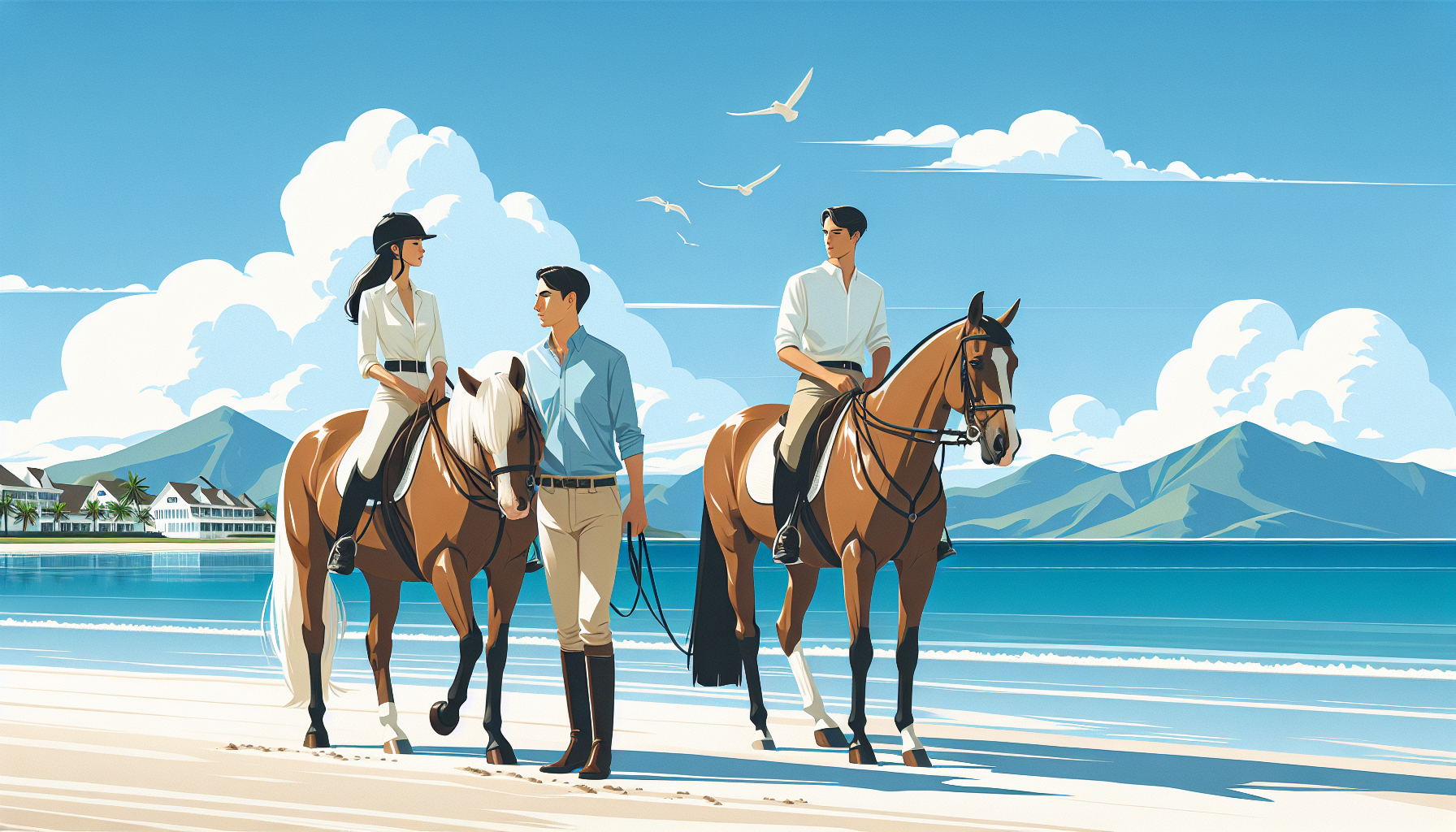
Horseback riding on the beach in Saint Kitts is one of those rare travel experiences that feels cinematic while still being genuinely accessible, blending Caribbean scenery, local history, and outdoor adventure into a single excursion. For travelers researching adventure activities on the island, this topic sits within the broader miscellaneous category because it connects several interests at once: eco-tourism, cultural touring, family outings, photography, cruise-stop planning, and soft adventure for first-time riders. In practical terms, horseback riding on the beach usually means joining a guided tour that begins at a stable or countryside trailhead, passes through inland terrain such as former sugar estate land or coastal paths, and ends with a ride along the shoreline, where horses walk through shallow surf or on packed sand. In Saint Kitts, that formula matters because the island’s geography is unusually compact yet varied. Within a short drive, riders can move from green hills and grazing pasture to volcanic black-sand beaches and sweeping views of the Caribbean Sea or Atlantic coast.
I have planned and evaluated shore excursions across the Eastern Caribbean, and Saint Kitts consistently stands out because beach horseback tours here are not just scenic add-ons. The best operators use the ride to interpret the island itself: its plantation past, its rural communities, and its coastal ecosystems. That gives the experience more substance than a generic resort activity. It also explains why searchers often ask practical questions before booking: Is horseback riding in Saint Kitts beginner friendly? What should you wear? Are there age or weight limits? Which coast offers the best beach ride? How long do tours last, and are they worth the cost compared with catamaran cruises, ATV excursions, or rainforest hikes? A good hub article should answer those questions directly while helping readers understand how this activity fits into the wider adventure landscape. Saint Kitts is small enough that one well-chosen ride can become a highlight of an entire trip, especially for visitors who want a strong sense of place without needing advanced skill, special certification, or a full-day commitment.
What horseback riding on the beach in Saint Kitts is really like
Most horseback riding tours in Saint Kitts are designed for visitors rather than expert equestrians, so the pace is usually a calm walk with occasional opportunities for a faster gait only when conditions, rider ability, and guide judgment allow. That distinction matters. Beach riding looks dramatic in photos, but on a professionally run tour, safety and horse handling come first. Riders are generally matched with horses based on size, confidence, and experience level. Before departure, guides explain basic rein control, mounting, posture, spacing, and how to stay balanced on uneven ground. If you have never ridden before, Saint Kitts can still be a good place to try because many tours are intentionally beginner oriented and include a controlled introduction before reaching the shoreline.
The setting is what elevates the experience. Depending on the operator and route, you may ride through open fields once tied to sugar production, pass stone ruins from the colonial plantation era, and descend toward beaches framed by palms, sea grape, or volcanic outcrops. The island’s coastline creates distinctive visuals that differ from the pale, flat beach image many travelers expect elsewhere in the Caribbean. In Saint Kitts, darker sand, vivid blue water, and green inland slopes often produce stronger contrast, which is especially striking in morning or late-afternoon light. On some routes, riders see neighboring Nevis across the channel, giving the excursion a sense of scale and geography that many short tours lack.
Beach horseback riding is also multisensory in a way that standard island tours are not. You hear hoofbeats change from compact trail ground to softer sand. You smell salt air replacing the earthy scent of pasture. You feel the horse adjust its stride as it enters shallow water. Those details are why many repeat Caribbean travelers remember this activity long after they forget the specifics of a bus tour or beach-chair day. The ride is not only about movement; it is about perspective. From horseback, the island unfolds at a pace slow enough to notice landmarks, weather shifts, birdlife, and the texture of the coast.
Who should book this activity and how it fits the wider adventure hub
As a miscellaneous hub topic under adventure and activities, horseback riding on the beach connects with several traveler profiles. Cruise passengers often choose it because it can fit within a port day, provided transportation is efficient and the operator has a strong record of returning guests on time. Couples book it for the scenery and photo appeal. Families with older children often see it as a middle ground between passive sightseeing and more demanding excursions like deep hiking or off-road driving. Solo travelers appreciate that guided rides provide structure and social interaction without requiring a group they already know. Even travelers who would not describe themselves as adventurous often find this option approachable because the physical demand is moderate compared with scuba diving, kitesurfing, or mountain biking.
It also works well as a hub page because it naturally links to related subtopics. Readers interested in horseback riding often also research beach safety, best scenic beaches in Saint Kitts, cruise port excursions, family-friendly activities, romantic things to do, and eco-friendly tours. The overlap is important. A strong beach ride combines elements of landscape touring, heritage interpretation, and wildlife awareness, so it serves as a gateway experience into the island’s broader activity mix. If someone enjoys the rural and historic side of a horseback tour, they may next want to explore Brimstone Hill Fortress National Park, plantation house dining, rainforest walks, or scenic railway excursions. If they love the shoreline component, they may prefer a beach-hopping itinerary, snorkel catamaran, or paddle sport on a calmer bay.
For visitors deciding between excursions, horseback riding is best for those who value atmosphere over adrenaline. It is more immersive than a standard panoramic drive but less intense than ziplining or technical water sports. The result is a broad appeal that makes it one of Saint Kitts’ most versatile outdoor experiences.
How to choose a reputable Saint Kitts horseback riding tour
Not all tours are equal, and the difference is usually visible before you ever mount a horse. A reputable operator will describe its route clearly, state whether the beach segment involves riding on sand only or entering shallow water, and list restrictions such as age limits, health conditions, and maximum rider weight. Transparency is a useful trust signal. So is a clear policy on transportation time from Basseterre or Port Zante, especially for cruise guests. In my experience reviewing Caribbean operators, the best providers also communicate what the tour is not. If a ride is mostly trail with a brief beach stop, they say so. If cantering is not allowed, they make that explicit rather than letting photos create the wrong expectation.
Horse welfare is the most important quality marker. Look for signs that horses appear alert, at healthy weight, and appropriately tacked. Saddles and bridles should look maintained rather than improvised. Guides should adjust stirrups, check girths, and explain handling before moving out. Operators that rotate horses, limit group size, and cancel in unsafe weather conditions generally deliver better experiences. You can often infer standards from reviews that mention patient instruction, calm horses, punctual pickups, and guides who intervene early when riders look uneasy. By contrast, repeated complaints about rushed briefings, exhausted animals, or disorganized transport should be treated as red flags.
| Booking Factor | What to Look For | Why It Matters |
|---|---|---|
| Horse condition | Healthy weight, clean tack, calm temperament | Indicates welfare standards and safer riding |
| Guide briefing | Mounting help, rein control, spacing, safety rules | Critical for beginners and nervous riders |
| Route clarity | Trail length, beach time, water entry details | Prevents mismatch between photos and reality |
| Cruise timing | Round-trip transport and return buffer | Reduces risk of missing ship departure |
| Restrictions | Age, weight, mobility, pregnancy policies | Protects guests and horses |
| Weather policy | Rescheduling or refund terms | Important during tropical rain or rough surf |
What to wear, what to bring, and common restrictions
The right gear makes a noticeable difference in comfort. Closed-toe shoes with a firm sole are usually required; sandals are a poor choice because feet can slip in stirrups and exposed toes are vulnerable around horses. Long pants or leggings are better than short shorts because they reduce rubbing against the saddle. Lightweight, breathable fabrics work best in Saint Kitts’ humid climate. A small amount of sunscreen on exposed skin is essential, but apply it well before the ride so your hands are not slippery when handling reins. Sunglasses help, though a retainer strap is wise if the route includes wind or water. Most guests should leave bulky bags behind and carry only what can be secured safely.
Restrictions vary by operator, but several are common across the Caribbean. Age minimums often begin around six to ten years old, depending on the child’s size and confidence. Weight limits are standard because they protect the horse and reduce the risk of saddle fit problems; many operators set limits around 200 to 230 pounds, though exact numbers vary. Pregnant travelers are usually advised not to ride. Guests with recent injuries, severe back problems, or balance issues should ask directly whether participation is appropriate. These rules are not arbitrary. They reflect biomechanics, animal welfare, and the reality that even calm horses can react suddenly to noise, surf, or unfamiliar movement.
Visitors also ask whether they will get wet. The honest answer is often yes, at least lightly, if the ride includes shoreline water entry. Salt spray, splashing, and damp sand are common. Waterproof phone protection is sensible, but many riders are better off asking guides or designated staff to take photos at safe points rather than trying to manage a device while mounted. That approach usually produces better pictures and safer riding.
Seasonality, weather, safety, and the best time to ride
Saint Kitts has warm temperatures year-round, but weather still shapes the quality of a horseback beach excursion. The drier season, broadly from December through April, often brings the most comfortable conditions for visitors, with lower humidity and more predictable skies. That period also coincides with peak travel season, so popular tours can book out early, especially on heavy cruise-ship days. The wetter months can still deliver excellent rides, but brief tropical showers, muddier trails, and rougher coastal conditions may affect routes. Good operators adjust accordingly rather than forcing a beach segment when footing is poor.
Time of day matters more than many first-time visitors realize. Morning rides are typically cooler, and horses tend to be fresher. Late afternoon can be beautiful for light and photography, but heat exposure earlier in the day may already have affected both riders and animals depending on scheduling. Midday sun in Saint Kitts is intense, and inexperienced travelers often underestimate how quickly dehydration sets in when combining humidity, excitement, and time outdoors. Drinking water before the excursion is basic but important.
Safety depends on environmental awareness as much as horsemanship. Sand can vary from firm to unstable. Shore break can startle a horse if waves strengthen suddenly. Insects may be present on inland sections after rain. Helmets are strongly recommended and should be non-negotiable for children and novice adults. Some guests resist them for photos, but the tradeoff is not worth it. A beach backdrop does not make horseback riding risk free. Professional guides know how to position the group, maintain spacing, and redirect a horse that hesitates near surf. Choosing an operator that treats safety as part of the experience rather than a legal formality is the single best decision a rider can make.
Why this experience stands out in Saint Kitts
Many Caribbean islands offer horseback excursions, but Saint Kitts has a particular advantage: density of contrasting landscapes. Within a relatively short route, riders can see rural interior, remnants of the sugar economy, and dramatic coastline without needing a long transfer. That creates a richer narrative. The activity is not just beach time on horseback; it is a compact introduction to how the island is shaped by geology, agriculture, and colonial history. For travelers who dislike fragmented sightseeing, that coherence is a major benefit.
Another strength is emotional pacing. Some excursions feel transactional, moving guests through a checklist of stops. A good horseback ride in Saint Kitts feels more continuous. The horse becomes the rhythm of the tour, and the environment changes around you rather than being viewed through a vehicle window. That is why the experience often appeals to travelers seeking memorable but not extreme adventure. It delivers novelty, scenery, and story in one outing.
For anyone building an island itinerary, horseback riding on the beach deserves consideration not as a niche activity but as a versatile anchor for the miscellaneous adventure category. It answers a common travel goal with unusual efficiency: seeing Saint Kitts in a way that is active, photogenic, and grounded in place. Book with a reputable operator, dress for the climate, respect the horses, and choose a schedule that suits your confidence and the weather. Do that, and this excursion can become one of the most rewarding ways to experience the island beyond the resort or cruise terminal. If Saint Kitts is on your list, make room for at least one ride along the shore.
Frequently Asked Questions
What is horseback riding on the beach in Saint Kitts actually like?
Horseback riding on the beach in Saint Kitts is a relaxed, scenic excursion that combines tropical landscapes, gentle adventure, and a strong sense of place. Most tours begin inland, where riders are introduced to their horses and matched according to experience level. From there, the ride usually moves through quiet countryside, old plantation areas, open trails, or coastal paths before reaching the shoreline. That progression is part of what makes the experience memorable: it does not feel like a single-photo activity, but more like a mini journey through several sides of the island.
Once you approach the beach, the atmosphere changes noticeably. Riders often move at an easy pace along the sand while taking in views of turquoise water, rolling hills, and the lush Caribbean terrain that makes Saint Kitts so visually distinctive. Depending on the operator, the route may include time near historic estates or areas connected to the island’s colonial past, which adds cultural depth beyond the obvious beach appeal. For many visitors, the experience feels cinematic because of the contrast between the calm horse, the sea breeze, and the open scenery, yet it remains accessible enough for beginners who want an organized outdoor activity rather than an extreme excursion.
It is also a popular choice because it appeals to several types of travelers at once. Couples enjoy it for the romantic setting, families appreciate the manageable pace, photographers love the natural light and coastal backdrops, and cruise visitors value that it can often fit into a half-day schedule. In short, horseback riding on the beach in Saint Kitts delivers more than a beach view; it offers a well-rounded island experience that blends nature, history, and soft adventure in one outing.
Do you need horseback riding experience to enjoy a beach ride in Saint Kitts?
In most cases, no prior horseback riding experience is required. Many horseback riding tours in Saint Kitts are designed specifically with beginners and casual vacationers in mind. Reputable operators typically start with a safety briefing, basic riding instructions, and an introduction to the horse’s temperament and commands. Guests are shown how to mount, hold the reins, maintain balance, and follow the guide’s pace, which helps first-time riders feel more comfortable before the group sets out.
The horses used on established tours are generally chosen for calm behavior and familiarity with the route. Guides understand that many participants are riding for the first time, so the pace is usually steady and controlled, especially during the early part of the excursion. Rather than focusing on speed or technical riding skills, these tours emphasize comfort, scenic enjoyment, and confidence-building. That is one reason horseback riding on the beach in Saint Kitts is often recommended as an approachable island activity for travelers who want something memorable without needing special expertise.
That said, it is still important to be honest about your comfort level, physical limitations, and any concerns you may have. Weight limits, age minimums, and health considerations can vary by operator, and those details matter for both safety and the welfare of the horses. If you are traveling with children or older adults, it is wise to confirm ride duration, terrain, and mounting assistance in advance. Experienced riders can usually enjoy the excursion too, but they should understand that many beach rides are tailored for mixed-skill groups, so the overall pace may remain leisurely rather than advanced.
What should you wear and bring for a horseback riding excursion on the beach in Saint Kitts?
The best approach is to dress for comfort, movement, and sun protection. Lightweight clothing is ideal in Saint Kitts’ warm climate, but it is smart to avoid anything too loose that could shift uncomfortably while riding. Long pants or leggings are often recommended because they help reduce friction against the saddle, especially for beginners. Closed-toe shoes with a secure fit are usually preferred over sandals or flip-flops, and many operators specifically advise guests to avoid open footwear for safety reasons.
Because beach rides take place in strong Caribbean sun, bringing sun protection is essential. Sunscreen, sunglasses, and a hat can all be helpful, although you should make sure anything you wear stays secure while riding. Some guests also like to bring insect repellent, especially if part of the route passes through greener inland areas before reaching the coast. If you plan to take photos, a phone with a strap or a small secure bag is much more practical than carrying loose items by hand. In many cases, less is better; anything valuable should be easy to secure and protected from sand, heat, or accidental drops.
It is also a good idea to ask your tour provider whether helmets are included and whether water is available. Many reputable operators provide essential gear and encourage hydration, but policies vary. If your excursion is connected to a cruise stop or a tight sightseeing schedule, bring only what you can comfortably manage. The goal is to stay cool, protected, and hands-free enough to enjoy the ride. With the right preparation, horseback riding on the beach in Saint Kitts feels easy and enjoyable rather than logistically complicated.
Is horseback riding on the beach in Saint Kitts a good option for families, cruise passengers, and casual adventurers?
Yes, horseback riding on the beach in Saint Kitts is especially appealing because it suits a wide range of travel styles. For families, it offers a shared activity that feels exciting without being overly intense. Children who meet the age requirements often enjoy the novelty of riding, while adults appreciate that the experience is guided, structured, and visually rewarding. For multigenerational groups, it can be a nice middle ground between a passive sightseeing tour and a more physically demanding excursion. As always, families should verify age restrictions, height or weight guidelines, and the total ride length before booking.
Cruise passengers are another strong match for this type of excursion. Saint Kitts is a popular port, and many visitors look for shore activities that deliver a real sense of the island in a limited timeframe. A horseback beach ride can work well because it combines scenery, local flavor, and outdoor fun in a format that is often available as a half-day tour. When booked through a reliable operator with port timing in mind, it can be an efficient and memorable use of a cruise stop. Travelers should still confirm transportation arrangements, meeting points, and return timing carefully, especially if booking independently rather than through the cruise line.
For casual adventurers, this experience hits a sweet spot. It feels more distinctive than simply visiting a beach, but it does not require the athletic commitment of more intense excursions. It fits well within eco-tourism, soft adventure, and cultural sightseeing because the ride often includes natural landscapes and commentary about the surrounding area. That versatility is part of its appeal: horseback riding on the beach in Saint Kitts is not just for expert riders or thrill-seekers; it is for travelers who want an immersive, scenic way to connect with the island.
What should you look for when choosing a horseback riding tour in Saint Kitts?
The most important factors are safety, horse care, guide experience, and transparency. A quality tour operator should clearly explain what is included, how long the excursion lasts, who it is suitable for, and what restrictions apply. Look for companies that provide a safety orientation, match riders appropriately, and maintain small enough groups for guides to give individual attention. Reviews can be useful here, particularly when they mention how the staff handled beginners, whether the instructions were clear, and whether the overall experience felt organized and professional.
Horse welfare is another key sign of a responsible operator. Healthy horses should appear well cared for, alert, and suitable for the conditions. Ethical tour providers take the condition of their animals seriously, avoid overworking them, and operate in ways that respect both the horses and the environment. Since Saint Kitts appeals to many eco-conscious travelers, this matters not only from an animal welfare standpoint but also as part of choosing a more sustainable tourism experience. If a company openly discusses horse care, route planning, and riding standards, that is often a positive indicator.
You should also consider the type of experience you want. Some tours focus more heavily on scenery and beach time, while others add historical context, plantation landscapes, or a stronger cultural touring element. Families may prioritize calm pacing and supportive guides, photographers may want ideal lighting times and scenic viewpoints, and cruise passengers may care most about reliable transportation and timing. Reading the tour description closely helps ensure the excursion matches your expectations. The best horseback riding tour in Saint Kitts is not only beautiful; it is safe, well-managed, respectful of the animals, and aligned with the kind of island experience you want to have.