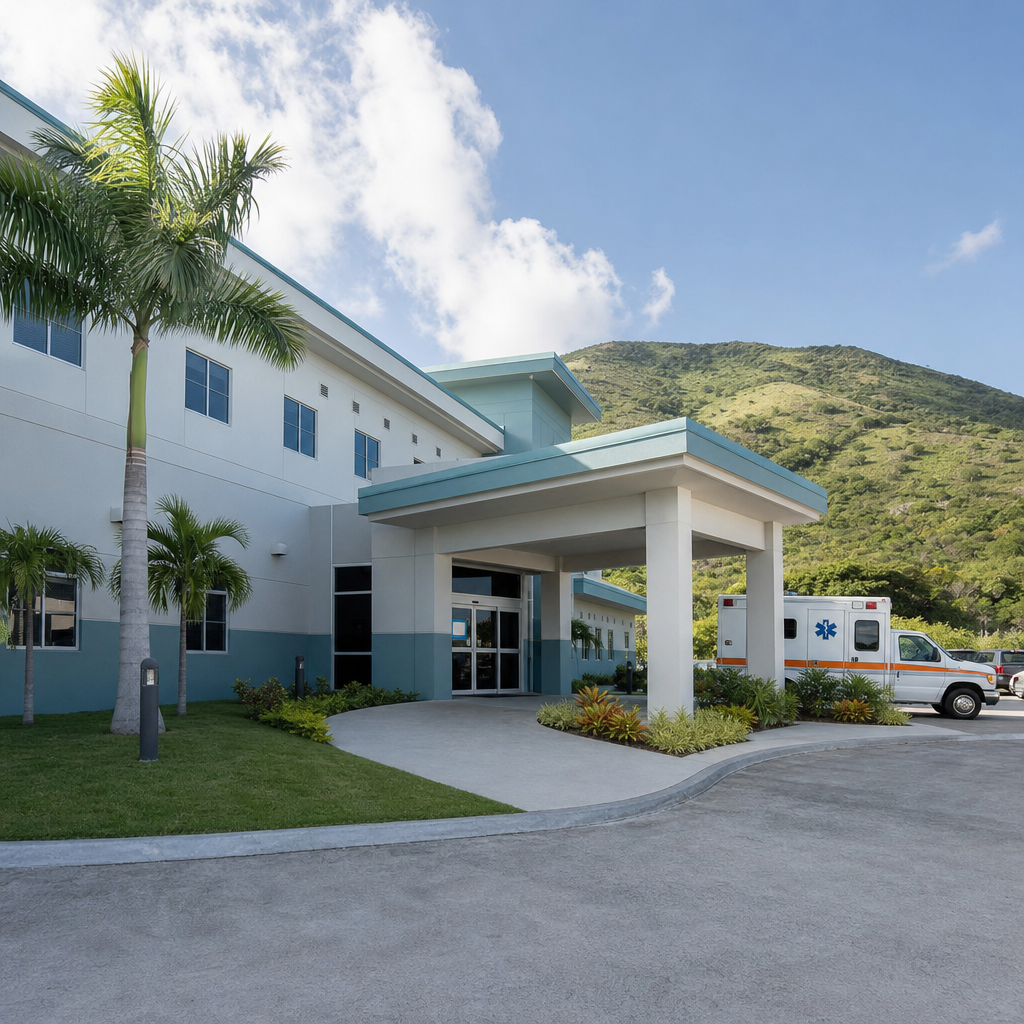
Investing in Nevis’ healthcare infrastructure is becoming one of the most practical ways to participate in the island’s long-term economic development while addressing an essential public need. Healthcare infrastructure includes the buildings, equipment, digital systems, utilities, transport links, workforce support, and financing models required to deliver medical services safely and consistently. In Nevis, that definition extends beyond hospitals and clinics to diagnostic labs, eldercare facilities, telemedicine platforms, ambulance readiness, pharmaceutical storage, renewable backup power, water resilience, and staff housing near service hubs. I have worked with island investment briefs and health-facility planning documents across Caribbean jurisdictions, and the pattern is consistent: when a small island strengthens healthcare capacity, it improves quality of life, attracts residents and investors, supports tourism confidence, and reduces costly off-island referrals. That makes healthcare infrastructure both a social asset and a business opportunity.
Nevis, part of the Federation of Saint Kitts and Nevis, operates within the realities common to small island states: limited land, concentrated population centers, imported medical supplies, exposure to hurricanes, and a need to retain trained professionals in competitive labor markets. Those constraints shape what smart investment looks like. Large, prestige-led projects often underperform; modular expansions, resilient utilities, digital integration, and service lines matched to local demand usually create better returns and stronger outcomes. Investors considering this space need to understand demand drivers, policy coordination, procurement pathways, operational risks, and where private capital can complement public service obligations. As a hub under business and investment opportunities, this article maps the full miscellaneous landscape around healthcare infrastructure in Nevis, showing where opportunities exist, what standards matter, and how to evaluate projects with discipline.
Why Healthcare Infrastructure Matters in Nevis
Healthcare infrastructure matters in Nevis because it sits at the intersection of public health, economic resilience, and investor confidence. A reliable healthcare system reduces avoidable mortality, improves chronic disease management, and helps communities recover faster after storms or public health emergencies. It also supports broader commercial activity. Hotels, retirement developments, education providers, and high-value residential projects all benefit when emergency care, diagnostics, and pharmacy services are dependable. In practice, I have seen investment committees move a project forward only after confirming ambulance response coverage, dialysis access, specialist referral pathways, and power backup at nearby facilities. On an island, these details are not peripheral; they can determine whether a real estate, hospitality, or relocation-driven investment is viable.
Demand is shaped by several factors. First, Caribbean populations are aging, which increases the need for cardiology support, rehabilitation, imaging, long-term care, and home health services. Second, noncommunicable diseases such as diabetes and hypertension require consistent monitoring infrastructure rather than one-time treatment. Third, visitor flows and diaspora returnees increase expectations for modern care delivery. Fourth, climate resilience is no longer optional. A clinic without hardened roofs, secure oxygen storage, cold-chain stability, and redundant communications is not a stable asset. For investors, that means the strongest healthcare opportunities in Nevis are usually not speculative moonshots. They are targeted, service-linked projects that solve capacity gaps, lower operating disruption, and integrate with local health priorities.
Priority Investment Areas Across the Healthcare Value Chain
The most bankable opportunities in Nevis usually fall into identifiable categories. Outpatient centers and diagnostic facilities can reduce pressure on hospital services while generating recurring demand from routine care. Imaging equipment, laboratory modernization, and day-surgery suites are often more scalable than building a full tertiary hospital from scratch. Digital health infrastructure is another high-potential area, including electronic medical records, secure data storage, appointment systems, and teleconsultation platforms that connect island providers with specialists abroad. In small markets, technology expands service depth without requiring every specialty to be staffed locally at all times. That improves patient access and strengthens continuity of care.
Support infrastructure also deserves attention. Cold-chain logistics for vaccines and medicines, biomedical waste handling, laundry sterilization, oxygen generation, backup generation, solar-plus-storage systems, and maintenance contracts are essential to service reliability. These are often overlooked by inexperienced investors, yet they directly affect accreditation readiness and operating margins. Senior living and assisted care facilities present another underdeveloped segment, particularly if designed with rehabilitation, chronic disease management, and emergency transfer protocols. Staff accommodation can also be an investment lever. On islands where recruitment is difficult, housing near care facilities can materially improve retention for nurses, technicians, and visiting specialists.
| Investment segment | Why it fits Nevis | Typical value created |
|---|---|---|
| Diagnostic centers | High recurring demand, lower capex than full hospitals | Faster testing, fewer off-island referrals |
| Telemedicine platforms | Expands specialist access in a small market | Broader service lines, better continuity of care |
| Renewable backup power | Supports resilience during outages and storms | Lower disruption, cold-chain protection |
| Eldercare and rehab | Matches aging population needs | Stable occupancy, long-term service demand |
| Staff housing | Improves recruitment and retention | Lower vacancy risk, stronger operations |
Medical tourism is often mentioned in Caribbean healthcare discussions, but in Nevis it should be approached carefully. The credible route is not to market broad tertiary care ambitions immediately. A stronger strategy is to build excellence in selected services that align with island scale and location, such as wellness-linked diagnostics, rehabilitation, elective outpatient procedures, preventive care packages, and recovery-centered accommodation. These can complement the tourism economy without overextending clinical capacity. Investors who stage growth this way usually protect capital better than those who assume rapid demand for highly specialized inpatient services.
Financing Models, Partnerships, and Project Structures
Healthcare infrastructure in Nevis can be financed through several structures, each with different risk profiles. Public funding remains central for core health services, but private capital can participate through design-build-operate agreements, concession-style service contracts, long-term equipment leasing, specialist clinic partnerships, management agreements, and real-estate-led health campus developments. In my experience, the most durable projects clearly separate clinical governance from property and operating risk. For example, a private investor may own and maintain a medical office facility while service providers lease space under quality and utility-performance requirements. That can produce predictable cash flow without forcing the investor into clinical management beyond its expertise.
Public-private partnership structures can work well when objectives are precise. A dialysis unit, imaging center, or laboratory network is easier to contract effectively than an entire hospital system because outputs are measurable: uptime, turnaround times, maintenance compliance, staff certification, infection-control standards, and patient throughput. International development finance institutions and regional lenders may also support resilient health projects, especially where they strengthen disaster preparedness, energy efficiency, or digital inclusion. To attract that capital, sponsors need disciplined feasibility work: demand analysis, referral mapping, utility audits, staffing plans, procurement schedules, and sensitivity testing around import costs and occupancy assumptions.
Investors should also evaluate insurance and payment pathways early. In smaller markets, reimbursement complexity can erode returns if pricing, claims processes, and public service obligations are not understood upfront. Equipment-heavy projects can suffer when utilization is overestimated or maintenance is underbudgeted. A magnetic resonance imaging unit, for instance, is not a good investment simply because it sounds advanced; its economics depend on volume, technician availability, service contracts, shielding requirements, and referral relationships. Capital should follow demonstrated need, not prestige.
Standards, Operations, and Risk Management
Successful healthcare infrastructure investment in Nevis depends as much on operations as on construction. A well-designed clinic can still fail if procurement is inconsistent, infection prevention is weak, or asset maintenance is deferred. Internationally recognized standards provide useful guardrails. Facility design should align with evidence-based healthcare planning principles, life-safety requirements, accessibility standards, and local building codes suited to coastal and hurricane-exposed conditions. Clinical laboratories should work toward quality systems consistent with recognized accreditation pathways. Digital systems must protect patient privacy, control access, and support backup and disaster recovery. These are not administrative extras; they determine whether a facility can function safely under pressure.
Resilience planning is especially important in Nevis. Storm hardening, flood-aware siting, backup water storage, medical gas redundancy, cybersecurity protections, and generator fuel logistics should be addressed during concept design, not after commissioning. I have seen projects across the region spend heavily on attractive front-end architecture while neglecting switchgear elevation, roof tie-downs, drainage capacity, or spare parts inventory. The result is expensive downtime after relatively ordinary disruptions. Small islands cannot absorb that easily. Investors should ask basic but decisive questions: How long can the facility operate off-grid? Where are critical consumables stored? Who services the imaging equipment? How quickly can a specialist be replaced? What happens if ferry or air connections are interrupted?
Workforce risk is equally material. Recruiting nurses, biomedical technicians, pharmacists, coders, and administrators can be harder than financing the building itself. Projects that include training partnerships, clear staffing ladders, remote specialist support, and decent staff amenities usually outperform those focused only on physical plant. Operational excellence in healthcare comes from systems, not from ribbon-cuttings.
How Investors Can Evaluate Opportunities in This Miscellaneous Hub
Because this page serves as a miscellaneous hub within business and investment opportunities, investors should treat healthcare infrastructure in Nevis as a connected ecosystem rather than a single asset class. Real estate, energy, logistics, technology, education, eldercare, and tourism all intersect here. A practical evaluation framework starts with four filters: unmet health need, policy fit, operational feasibility, and resilience value. If a project reduces service gaps, aligns with local priorities, can be staffed and maintained, and improves continuity during disruptions, it is usually worth deeper diligence. If it depends on unrealistic patient volume, imported labor with no retention plan, or fragile utility assumptions, caution is warranted.
Due diligence should include site analysis, stakeholder interviews, referral and competitor mapping, lifecycle maintenance budgeting, and legal review of licensing and land use requirements. Investors should model not only best-case demand but also low-utilization scenarios, currency and import volatility, and equipment downtime. They should assess whether partnerships with local providers, regional universities, insurers, or telehealth networks can improve utilization and credibility. In Nevis, good projects are typically collaborative, phased, and specific. They solve a real operational problem first, then scale.
The main benefit of investing in Nevis’ healthcare infrastructure is that it creates durable value on multiple fronts at once: healthier communities, stronger economic confidence, and assets tied to essential demand rather than passing trends. For investors, the opportunity is not limited to one kind of facility. It includes clinics, diagnostics, digital systems, energy resilience, senior care, staff housing, logistics support, and specialized service partnerships. The best approach is disciplined and local: understand the island’s scale, respect public-health priorities, design for storms and staffing realities, and back projects that improve reliability before chasing size.
Nevis does not need exaggerated promises to justify healthcare investment. It needs competent capital, sound planning, and operators who understand that infrastructure is only as valuable as the service continuity it enables. If you are exploring business and investment opportunities in this miscellaneous subtopic, start by identifying one solvable gap in the healthcare chain and testing it against demand, standards, and resilience requirements. Then build from there. Thoughtful healthcare infrastructure investment can deliver returns that are measurable in both financial performance and public benefit, which is exactly why this sector deserves serious attention now.
Frequently Asked Questions
What does healthcare infrastructure in Nevis actually include from an investment perspective?
Healthcare infrastructure in Nevis covers far more than the construction of hospitals or the expansion of clinics. From an investment perspective, it includes the full system required to deliver reliable medical care across the island. That means physical assets such as outpatient centers, diagnostic laboratories, imaging facilities, rehabilitation spaces, eldercare facilities, pharmacies, and specialized treatment units. It also includes the supporting utilities and logistics that make healthcare delivery possible, such as stable electricity, water systems, medical waste management, cold storage, transport access, and emergency response connectivity.
Equally important are the operational and digital layers of the healthcare system. Investors may find opportunities in electronic health records, telemedicine platforms, appointment and billing systems, data security, medical supply chain management, and remote diagnostics. Workforce-related infrastructure also matters, including housing for medical professionals, training facilities, continuing education platforms, and partnerships that help attract and retain qualified staff. In a market like Nevis, where resilience, accessibility, and efficiency are especially valuable, healthcare infrastructure should be understood as an integrated ecosystem rather than a single building project.
This broader definition matters because it opens the door to a wider range of investment models. Some opportunities may involve direct development of medical facilities, while others may focus on service partnerships, technology deployment, equipment leasing, or long-term operational support. Investors who understand healthcare infrastructure in this wider sense are usually better positioned to identify projects that are both commercially practical and socially meaningful.
Why is investing in Nevis’ healthcare infrastructure considered a strong long-term development opportunity?
Investing in Nevis’ healthcare infrastructure is often viewed as a long-term development opportunity because it aligns economic growth with a clear and persistent public need. Healthcare demand does not disappear with changing market cycles. As populations age, chronic disease management becomes more important, and expectations for medical access rise, the need for stronger healthcare systems generally increases over time. In Nevis, improvements in healthcare capacity can support residents directly while also strengthening the island’s broader appeal as a stable, livable, and investment-friendly jurisdiction.
There is also a multiplier effect. Better healthcare infrastructure can improve workforce productivity, reduce the social and economic costs of delayed treatment, support eldercare and preventive care services, and increase confidence among businesses, property owners, and families considering long-term commitments on the island. Stronger healthcare systems can also complement tourism and real estate development by improving emergency response, outpatient access, and overall public service quality. In small-island environments, these improvements often have visible economy-wide benefits.
Another reason this sector stands out is that it can combine defensive characteristics with development upside. Essential infrastructure tends to remain relevant across economic conditions, especially when projects are tied to basic service delivery. At the same time, there is room for modernization in areas such as diagnostics, digital health, specialist care access, and care for older adults. For investors looking for practical, impact-oriented opportunities with long-term relevance, healthcare infrastructure in Nevis represents a sector where social need and economic logic can reinforce each other.
What kinds of healthcare projects in Nevis may offer the most practical investment potential?
The most practical opportunities are often the projects that solve immediate service gaps while fitting the scale and needs of the local market. Diagnostic and outpatient facilities are a strong example. Investments in imaging, laboratory capacity, urgent care, and day-treatment services can improve access to care without requiring the cost profile of a full hospital buildout. These projects may be particularly attractive because they can serve both routine healthcare demand and broader system efficiency by reducing delays, referrals, and pressure on existing providers.
Eldercare and long-term care facilities may also represent meaningful potential. As healthcare systems evolve, there is growing demand for services that support aging populations, rehabilitation, assisted living, and chronic condition management. In many markets, these segments have been underserved relative to demand, creating room for professionally managed facilities that combine medical oversight with quality accommodation and support services. In Nevis, these projects can be especially relevant if designed around local demographics, family caregiving realities, and the island’s long-term residential appeal.
Digital health infrastructure is another practical area. Telemedicine systems, remote specialist consultation networks, electronic records, appointment management software, and medical logistics tracking can produce measurable improvements without the footprint of major physical construction. Support infrastructure should not be overlooked either. Reliable utilities, backup power systems, staff housing, transport access, and medical equipment servicing can all be crucial to healthcare delivery and may create investable niches. In many cases, the most successful projects are not the most ambitious on paper, but the ones that are operationally realistic, locally relevant, and designed for consistent use.
What should investors evaluate before committing capital to healthcare infrastructure in Nevis?
Before investing, it is essential to evaluate healthcare infrastructure as both a commercial project and a regulated public-interest service. Investors should begin with local demand analysis: what services are currently limited, what patient needs are underserved, how care is being delivered today, and where the system faces bottlenecks. A project should be tied to real usage patterns rather than assumptions imported from larger markets. Understanding demographics, referral patterns, disease burden, accessibility issues, and the current provider landscape is fundamental to determining whether a project has durable relevance.
Regulatory and operational due diligence is equally important. Investors should examine licensing requirements, health and safety standards, land use and construction rules, procurement processes, staffing regulations, insurance frameworks, and any public-sector partnership considerations. Healthcare assets are not passive real estate. They depend on trained personnel, equipment maintenance, compliance systems, reliable utilities, and clear governance. A well-designed building alone does not create a functioning healthcare service. The operating model, management capability, and service quality plan are often just as important as the physical asset itself.
Financial structure also deserves careful attention. Investors should assess revenue sources, affordability, reimbursement assumptions, occupancy or utilization projections, technology lifecycle costs, maintenance requirements, and contingency planning. In healthcare, underestimating operational complexity can be expensive. Projects that appear promising on a capital-expenditure basis may become strained if staffing, supply chain, or maintenance costs are not fully accounted for. The strongest opportunities are usually those with realistic demand, achievable operating plans, sound compliance pathways, and a clear understanding of how the project will deliver both value and continuity over time.
How can healthcare infrastructure investment in Nevis generate both financial returns and social impact?
Healthcare infrastructure is one of the clearest examples of an investment area where financial returns and social impact can be aligned when projects are structured thoughtfully. Financially, returns may come from facility operations, long-term leases, equipment financing, service contracts, public-private partnerships, or technology implementation tied to recurring usage. If a project addresses a real need, supports reliable service delivery, and is managed efficiently, it can create stable long-term value. Essential-service assets often benefit from sustained relevance, particularly when they become embedded in how care is delivered on the island.
The social impact side is equally significant. Better healthcare infrastructure can shorten wait times, improve early diagnosis, support chronic disease management, expand access for older adults, reduce the need for off-island treatment in some cases, and strengthen the reliability of care overall. Investments in digital systems can improve coordination and recordkeeping. Investments in diagnostics can help patients receive faster answers. Investments in eldercare and rehabilitation can support dignity, family stability, and healthier aging. In a smaller island setting, these gains can be especially visible and meaningful because infrastructure improvements often have direct community-wide effects.
The strongest outcomes typically come from investments that are designed around accessibility, continuity, and operational quality rather than prestige alone. A project does not need to be massive to be impactful. A well-run diagnostic center, a properly supported eldercare facility, or a modern telehealth network can improve health outcomes while also establishing a commercially sustainable service. That is why healthcare infrastructure in Nevis is increasingly seen as a practical investment category: it offers the possibility of steady economic participation in the island’s development while contributing to a stronger and more resilient public service foundation.