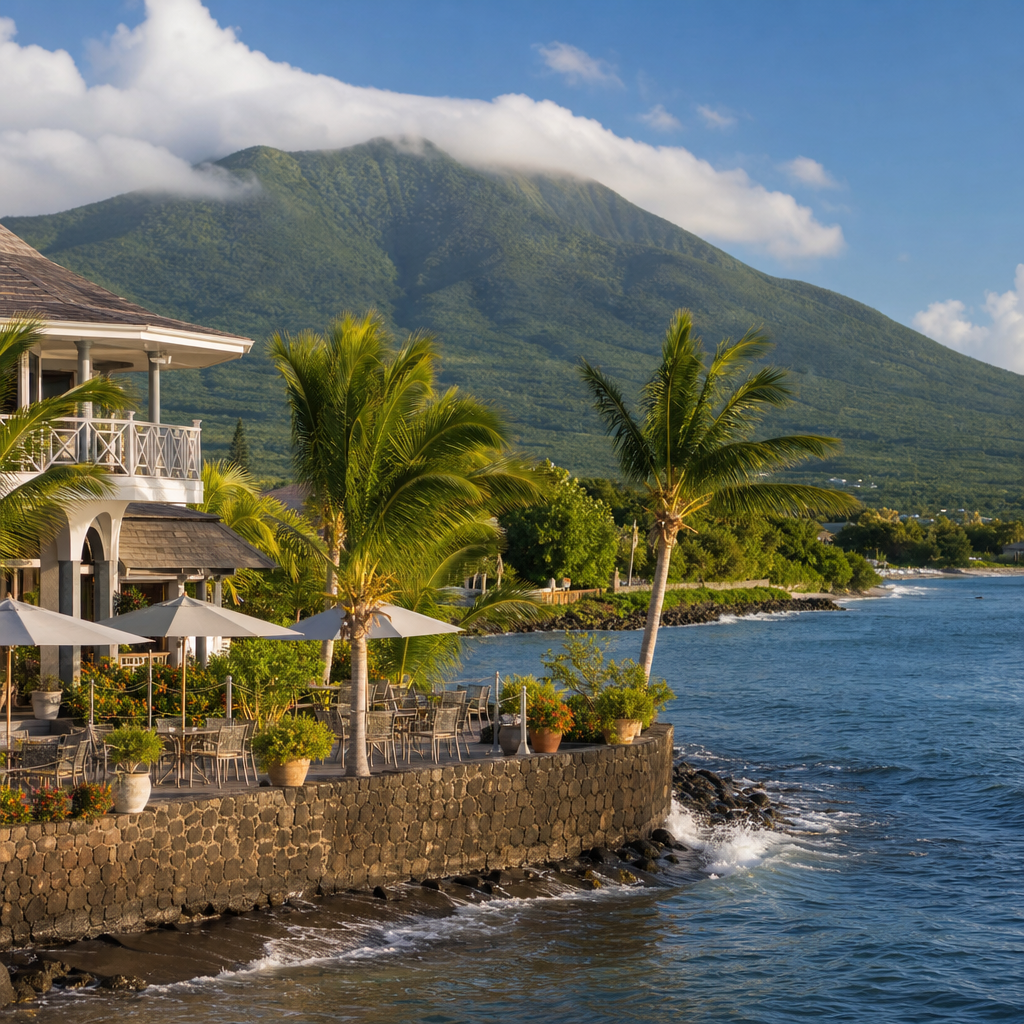
Investing in Nevis’ tourism sector offers a distinctive mix of stability, scarcity value, and long-term upside tied to one of the Caribbean’s most recognizable boutique island brands. Nevis, the smaller island in the Federation of St. Kitts and Nevis, has built its appeal around low-density luxury, heritage assets, yachting access, wellness travel, and an unusually high share of repeat visitors. For investors, tourism in Nevis is not a single asset class. It spans hotels, villas, branded residences, marinas, restaurants, excursion businesses, transport services, event programming, and supporting infrastructure. That breadth matters because returns are shaped by how well each investment fits the island’s character and carrying capacity.
In my work reviewing Caribbean hospitality projects, the strongest destinations are not always the biggest or busiest. They are the ones with a clear market position and disciplined development patterns. Nevis fits that description. It does not compete head-on with mass-market cruise islands. Instead, it attracts travelers seeking privacy, high service levels, natural beauty, and easy access to the wider Leeward Islands. This positioning supports stronger average daily rates in the right product segments, while also creating room for specialist operators in food, wellness, eco-experiences, and upscale residential rentals.
Understanding key terms is essential before assessing prospects. Occupancy measures the percentage of available rooms sold over a period. Average daily rate, or ADR, tracks the average room revenue earned per sold room. Revenue per available room, or RevPAR, combines occupancy and ADR, making it one of the clearest indicators of hotel performance. Investors also watch seasonality, airlift, length of stay, visitor source markets, and tourism leakage, which refers to spending that leaves the local economy through imports or foreign ownership structures. On islands like Nevis, planning constraints, utility reliability, and labor availability can influence returns as much as headline visitor numbers.
Why does this matter now? Caribbean tourism rebounded strongly after the pandemic shock, but recovery has been uneven by segment and island. Travelers increasingly favor destinations that feel uncrowded, safe, and authentically local. At the same time, higher interest rates, climate resilience requirements, and shifting travel patterns have made weak projects harder to finance. Nevis stands out because its tourism proposition is coherent: heritage charm around Charlestown, iconic views of Nevis Peak, established luxury anchors such as Four Seasons Resort Nevis, and a reputation for discretion that resonates with affluent guests. For investors seeking a hub view of miscellaneous opportunities within business and investment opportunities, Nevis tourism deserves close attention.
Market Position, Demand Drivers, and Visitor Trends
Nevis’ tourism sector is anchored by a premium identity that has been refined over decades rather than manufactured quickly. The island benefits from being paired politically with St. Kitts while maintaining a different visitor experience. Many travelers arrive through Robert L. Bradshaw International Airport on St. Kitts, then transfer by water taxi to Nevis in under an hour. That twin-island access model broadens reach without forcing Nevis to overbuild its own transport infrastructure. It also means investors should evaluate not only island-specific demand but also federation-wide airlift, ferry services, and inter-island coordination.
Demand is driven by several durable segments. First is luxury leisure, led by couples, families, and high-net-worth travelers who prioritize privacy and service over nightlife. Second is villa and residential tourism, where guests stay longer and spend heavily on dining, concierge services, private chefs, and transport. Third is wedding and celebratory travel, a profitable niche because it generates room blocks, event spending, and photography, floral, and catering demand. Fourth is wellness and active travel, including spa retreats, hiking, sailing, diving, and tennis. Fifth is heritage and soft cultural tourism tied to plantation inns, historic churches, museums, and local festivals such as Culturama.
Several trends support these segments. Remote and hybrid work extended the market for longer stays, especially in villas with strong connectivity and hotel residences with flexible service models. Travelers also increasingly value sustainability, but on Caribbean islands that word only matters when translated into visible practices: solar integration, water reuse, reef-safe policies, local sourcing, and storm-resilient construction. I have seen investors underestimate how much modern guests notice these details in reviews. On an island like Nevis, operational authenticity can be as powerful as design.
Source markets remain crucial. The United States, the United Kingdom, and Canada have traditionally supplied much of the Caribbean’s upscale demand base, with regional travelers adding seasonal volume. Investors should track not just arrivals, but ease of connection, fare volatility, and the quality of distribution partnerships with travel advisors, luxury tour operators, and online platforms. In boutique destinations, visibility within the Virtuoso, Travel Leaders, and Signature travel ecosystems can influence booking pace more than broad discount advertising.
Where the Investment Opportunities Are
The most attractive opportunities in Nevis tourism are usually those that complement the island’s low-density positioning instead of diluting it. Large all-inclusive concepts are a difficult fit. Boutique hotels, high-end inns, serviced villas, branded residences, marina-adjacent hospitality, and wellness-led developments are more aligned with proven demand. Food and beverage also offers room for investment, particularly concepts that serve both visitors and affluent residents. Islands with small populations punish businesses that rely on tourist peaks alone, so year-round local relevance improves resilience.
Existing flagship assets create spillover benefits. Four Seasons Resort Nevis helps set pricing expectations, draws international attention, supports golf and wellness demand, and raises service benchmarks across the island. Investors do not need to replicate that scale to benefit from its market education effect. In practice, smaller operators often win by offering something the flagship cannot: intimate design, adults-only calm, culinary specialization, or direct integration with local history and landscape.
Vacation rental infrastructure is another significant opportunity, but it requires professionalization. Owners who treat villas as passive assets often underperform because revenue management, photography, maintenance standards, and guest communication are inconsistent. The stronger model is institutional or quasi-institutional management: dynamic pricing tools, channel optimization, owner reporting, preventive maintenance schedules, and curated guest services. Platforms such as Airbnb and Vrbo can generate demand, but luxury bookings often close through specialist brokers, direct websites, and repeat visitation.
Tourism-adjacent services are frequently overlooked. Reliable boat charters, airport transfer services, destination management companies, event production, wedding services, laundry operations, food distribution, and property maintenance all benefit when visitor spending rises. In Caribbean hospitality, the highest margins are not always in rooms. They may sit in the service ecosystem around accommodation, especially where barriers to consistent quality are high.
| Segment | Why It Fits Nevis | Key Investor Consideration |
|---|---|---|
| Boutique luxury hotels | Matches low-density, high-service brand | Needs strong ADR and disciplined staffing |
| Serviced villas and residences | Appeals to families, longer stays, privacy seekers | Requires professional revenue and property management |
| Wellness retreats | Natural landscape supports spa, fitness, mindfulness offerings | Success depends on programming, not just real estate |
| Restaurants and beach clubs | Visitors seek distinct dining beyond resort walls | Must balance tourist demand with local repeat business |
| Marine and excursion businesses | Yachting, fishing, snorkeling, and inter-island trips add spend | Safety standards, insurance, and seasonality are critical |
| Tourism support services | Operations improve as higher-end inventory expands | Execution quality determines reputation and retention |
Development Economics, Operations, and Risk Management
Good tourism investing in Nevis depends on underwriting the island as it is, not as a spreadsheet fantasy. Construction costs in the Caribbean are elevated by imported materials, freight, limited contractor depth, insurance, and weather-related delays. Financing can be more conservative than mainland investors expect, especially for independent hotels without a proven operator. Utility systems, backup power, water storage, waste management, and staff housing may need more capital than initial concept notes assume. Projects that ignore these realities often open late, undercapitalized, and operationally strained.
Labor is another decisive variable. Luxury hospitality requires skilled managers, chefs, engineers, housekeepers, spa therapists, and guest service professionals. Nevis has a hospitality talent base, but every island faces competition for experienced staff. Investors should plan early for recruitment, training, and retention, rather than treating labor as a line item to be compressed. Service inconsistency quickly erodes rate integrity. In my experience, an elegant property with mediocre service underperforms a simpler asset with rigorous training, clear standard operating procedures, and empowered supervisors.
Climate resilience is now central to valuation. Properties need wind-rated design, flood mitigation, drainage planning, backup systems, and business continuity protocols. International standards and insurer expectations increasingly shape what is financeable. Sustainable design is not cosmetic; it protects margins. Solar generation, battery storage, efficient chillers, water-saving fixtures, and landscape choices suited to drought and salt exposure can reduce operating volatility over time. Guests also notice resilience features when storms affect travel plans, and brands that communicate preparedness preserve trust better than those that improvise.
Regulatory and planning diligence matters as much as market demand. Investors should review land title, zoning, coastal setback rules, environmental approvals, tax implications, and concession frameworks carefully. On small islands, informal assumptions can become expensive disputes. The best projects engage reputable local counsel, quantity surveyors, engineers, and environmental consultants from the start. Community alignment is equally important. A development that creates visible local employment, supports farmers and fishers, and respects access patterns typically earns stronger long-term goodwill than one perceived as extractive.
Outlook: What Will Shape Nevis Tourism Next
Over the next several years, Nevis’ tourism prospects will be shaped less by raw arrival growth than by value capture, product quality, and resilience. That is an important distinction. Islands that chase volume can damage the very attributes that make them investable. Nevis’ competitive strength lies in controlled growth. If policymakers and investors preserve that strategy, the island can improve tourism receipts without becoming congested or interchangeable.
Several catalysts could strengthen the outlook. Improved air and sea connectivity would reduce friction for high-spend travelers. Better digital marketing by operators and destination stakeholders can convert interest more efficiently, especially for niche segments like destination weddings, wellness escapes, heritage travel, and villa stays. Upgrades in public realm quality, signage, beach management, and event programming would enhance the guest experience beyond hotel boundaries. Stronger links between tourism and agriculture could also lower leakage and make the visitor product more distinct through farm-to-table menus and local ingredients.
There are, however, real constraints. Rising insurance costs, global economic slowdowns, airline capacity shifts, and climate shocks can all affect performance. Luxury demand is generally more resilient than mass-market demand, but it is not immune. Investors should model downside cases, including lower occupancy, delayed ramp-up, and higher maintenance costs. They should also be realistic about exit liquidity. Small-island hospitality assets can be compelling income plays, yet they may take longer to sell than urban commercial real estate.
The broad investment case remains persuasive because Nevis has something many destinations lack: a clear identity that supports premium pricing and repeat visitation. That identity is reinforced by natural beauty, historic character, and a development pattern that still feels selective rather than saturated. For investors exploring miscellaneous opportunities within the wider business and investment landscape, tourism is the hub that connects real estate, services, agriculture, transport, culture, and infrastructure. The best prospects are not speculative mega-projects. They are thoughtful, well-capitalized businesses that deepen the island’s strengths, operate with discipline, and build trust with guests and the local community. If you are evaluating Caribbean opportunities, put Nevis on the shortlist, then test each concept against the island’s central rule: exclusivity works here only when quality, resilience, and local fit are genuinely delivered.
Frequently Asked Questions
Why is Nevis considered an attractive destination for tourism investment?
Nevis stands out because it offers a rare combination of brand strength, limited supply, and a tourism model centered on quality rather than volume. Unlike larger Caribbean destinations that compete heavily on scale, Nevis has cultivated a low-density, boutique identity built around luxury hospitality, historic character, wellness, privacy, and a relaxed visitor experience. That positioning matters to investors because it tends to attract higher-spending guests, support premium pricing, and reduce the pressure to chase mass-market occupancy at the expense of long-term asset value.
Another important advantage is scarcity. Nevis is a small island with finite beachfront, hillside, and marina-adjacent development opportunities. In practical terms, that can help preserve exclusivity and support values over time, particularly for well-located hotels, villas, and mixed-use hospitality assets. The island also benefits from a loyal tourism base, including a high proportion of repeat visitors, which can improve business resilience and lower some of the volatility that more trend-driven destinations experience.
From an investment perspective, Nevis is appealing because tourism is broader than just hotel ownership. Opportunities can include resort development, luxury villa rentals, branded residences, boutique wellness concepts, marina and yachting-linked services, food and beverage operations, and supporting real estate tied to the visitor economy. That diversity allows investors to choose exposure based on their risk profile, time horizon, and operating expertise. In short, Nevis is attractive not simply because it is beautiful, but because it offers a differentiated tourism proposition that can translate into durable demand and long-term value creation.
What types of tourism-related investments are most promising in Nevis today?
The most promising opportunities are generally those that align with Nevis’ established identity as a refined, low-density destination. Luxury villas and branded residences remain compelling because many travelers increasingly want privacy, flexible space, and hotel-style services without the traditional resort format. This trend has been reinforced by affluent families, remote executives, and longer-stay guests who value exclusivity and are willing to pay for premium accommodations with concierge, wellness, and personalized hospitality components.
Boutique hotels and small-scale resorts also continue to show strong potential, especially when they differentiate through design, heritage integration, wellness programming, or culinary excellence. Nevis is not typically a market where oversized, mass-market developments fit naturally. Instead, investors often find better prospects in projects that complement the island’s character and appeal to travelers seeking authenticity, tranquility, and a sense of place. Renovation and repositioning strategies can be particularly effective where older properties can be upgraded to meet modern luxury expectations.
There is also meaningful upside in tourism-adjacent sectors. Yachting infrastructure, marina-linked services, beach clubs, wellness retreats, eco-luxury experiences, and premium food and beverage concepts can all benefit from the island’s visitor profile. Investors should also pay attention to hybrid models that combine ownership, rental income, and lifestyle usage, such as managed villas or residence clubs. These structures can broaden buyer demand while creating recurring revenue streams. The strongest opportunities in Nevis are usually not the biggest projects, but the ones most closely matched to the island’s upscale, intimate tourism brand.
What tourism trends are shaping the outlook for Nevis over the next several years?
Several tourism trends are working in Nevis’ favor. One of the most important is the continued global demand for experiential luxury. Today’s high-value traveler often prefers destinations that feel exclusive, uncrowded, and culturally grounded rather than heavily commercialized. Nevis fits that preference well, offering heritage sites, natural scenery, wellness potential, and a quieter alternative to busier Caribbean hubs. This supports a market where guests are often less price-sensitive and more focused on quality, privacy, and service.
Another major trend is the growth of longer stays and blended travel, where visitors combine leisure, work, and family time. This benefits villa rentals, residence-style accommodations, and properties with strong digital infrastructure and lifestyle amenities. Wellness travel is also increasingly relevant. Nevis has the natural setting and pace of life that align well with wellness-focused hospitality, from spa retreats and fitness programs to restorative, nature-based experiences. Investors who integrate wellness into accommodation, design, and service offerings may be especially well positioned.
The yachting segment is another notable area to watch. As affluent travelers seek flexible, multi-island itineraries, destinations with strong nautical access and associated luxury services can capture valuable demand. In addition, sustainability is no longer a niche factor. Travelers, operators, and investors increasingly care about environmental performance, resilient construction, energy efficiency, and responsible land use. In a market like Nevis, where the island’s natural beauty is central to the visitor proposition, sustainable development is both a reputational advantage and a commercial necessity. Together, these trends suggest a favorable outlook for well-conceived projects that respect the island’s scale and identity.
What risks should investors evaluate before entering Nevis’ tourism sector?
As with any island market, investors should evaluate both macro and project-level risks carefully. Tourism demand can be affected by external conditions such as global economic slowdowns, airlift changes, shifts in traveler confidence, and severe weather events. Caribbean markets are also exposed to seasonality, which means revenue forecasting must account for periods of lower occupancy or softer visitor spending. In Nevis specifically, the same scarcity that supports exclusivity can also mean development constraints, higher construction costs, longer lead times, and a need for careful planning around logistics, labor, and imported materials.
Regulatory and operational due diligence are essential. Investors should fully understand land ownership, zoning, permitting requirements, environmental obligations, utility access, and any conditions attached to development or foreign ownership structures. It is equally important to assess whether a project is truly aligned with local demand and the island’s brand. A concept that works in a high-volume destination may underperform in Nevis if it ignores the preferences of the island’s predominantly upscale, experience-driven visitor base.
Operational execution is another major consideration. Boutique tourism can produce attractive margins, but it depends heavily on service quality, reputation management, and consistent guest experience. Staffing, training, maintenance, and management partnerships can all significantly influence returns. Investors should also stress-test assumptions around occupancy, average daily rates, operating expenses, and exit liquidity. The best approach is to treat Nevis not as a speculative quick-win market, but as a place where disciplined underwriting, local expertise, and long-term thinking are especially important.
What is the long-term investment outlook for Nevis’ tourism sector?
The long-term outlook is broadly positive for investors who understand the island’s positioning and build accordingly. Nevis is not aiming to become a mass-tourism destination, and that is precisely why many investors find it compelling. Its value lies in preserving a scarce, upscale tourism environment that can continue attracting affluent travelers, second-home buyers, and repeat guests looking for privacy and authenticity. In markets like this, long-term returns often come from a combination of steady operating income, land and asset appreciation, and the enduring appeal of a tightly protected destination brand.
Over time, the greatest upside is likely to accrue to assets that integrate hospitality, lifestyle, and real estate intelligently. Projects that combine luxury accommodations with wellness, heritage, culinary experiences, and professionally managed services may be especially resilient because they appeal to multiple demand segments at once. Likewise, thoughtfully planned villa communities, branded residences, and mixed-use hospitality offerings can create recurring revenue while also benefiting from limited island inventory.
The long view for Nevis is strengthened by several structural factors: finite supply, strong destination recognition, repeat visitation, and the global shift toward higher-quality, lower-density travel experiences. That said, the market rewards patience and precision more than aggressive scale. Investors who respect the island’s physical limits, environmental sensitivities, and boutique character are generally better positioned than those pursuing oversized concepts. In that sense, the prospects for Nevis tourism are promising not because growth will be rapid, but because it can be selective, durable, and value-accretive over time.