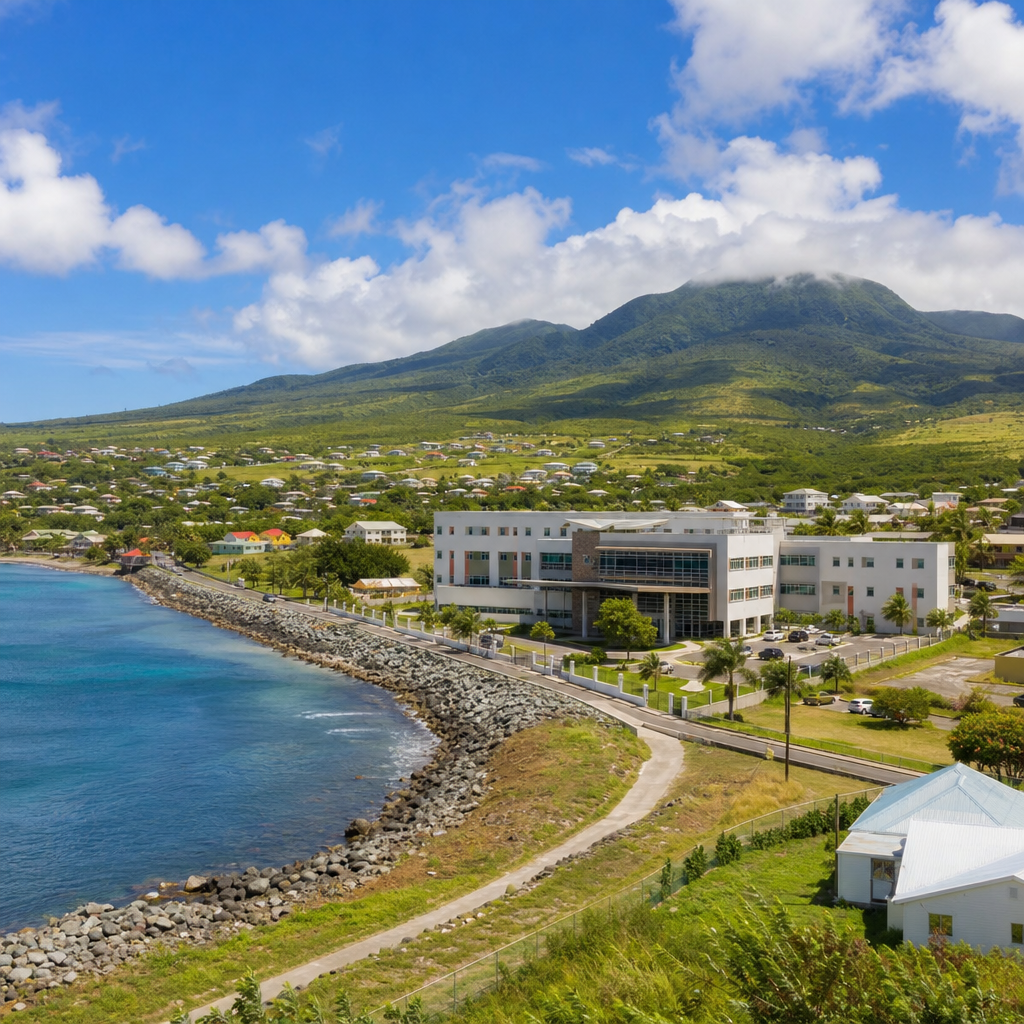
Medical tourism in Nevis is moving from a niche conversation to a practical business and healthcare opportunity, driven by the island’s stable environment, growing private-sector interest, and appeal to travelers seeking recovery in a calm Caribbean setting. In simple terms, medical tourism means traveling outside one’s home country to receive medical, dental, wellness, or rehabilitation services, often combining treatment with accommodation, transport, and post-care support. In Nevis, the concept does not yet operate at the scale seen in Costa Rica, Mexico, or Barbados, but that is precisely why investors, clinic operators, hospitality groups, insurers, and professional service firms are paying closer attention. An emerging market offers room to shape standards, partnerships, and brand positioning before the sector becomes crowded.
From my work assessing island-based service ventures, the same pattern appears repeatedly: healthcare demand alone rarely creates a destination market; the winning formula is coordinated delivery across clinics, hotels, transport, regulation, and patient communication. That matters in Nevis because the island already has core ingredients that support a future medical tourism ecosystem. It has international visitor appeal, strong recognition as a premium leisure destination, manageable geographic size, and proximity to larger Caribbean and North American markets. At the same time, it faces clear limitations, including scale, specialist availability, capital intensity, workforce depth, and the need for internationally credible quality controls. A realistic assessment must hold both truths together.
As a hub topic within business and investment opportunities, medical tourism in Nevis also intersects with related sectors often treated as miscellaneous but strategically connected: telemedicine, retirement services, diagnostics, specialist visiting practices, wellness real estate, insurance administration, medical concierge services, health technology, transportation logistics, and professional training. Investors are not just evaluating whether a hospital can be built. They are asking which combinations of services can be profitable, compliant, and differentiated. That broader lens is essential because most successful destinations begin with targeted, high-margin services such as dentistry, aesthetics, diagnostics, fertility support, orthopedics follow-up, rehabilitation, or executive health screening rather than full tertiary hospital systems.
Why Nevis Is Entering the Medical Tourism Conversation
Nevis attracts attention because it already sells something medical travelers value: a low-stress environment that supports recuperation. Recovery is not only a clinical event. Patients and families care about flight time, privacy, accommodation quality, food options, climate, safety, and whether the destination feels restorative rather than exhausting. Luxury and boutique hospitality on the island creates an obvious platform for post-procedure stays, companion travel, and premium care packages. For specific treatments that do not require intensive hospital infrastructure, that matters more than many policymakers initially assume.
Another driver is regional healthcare leakage. Caribbean residents often travel abroad for specialist consultations, imaging, elective procedures, and second opinions. Some of that demand could be recaptured within the region if service quality, physician credentials, and continuity protocols are credible. Nevis does not need to compete immediately for every category of care. A smarter path is selective specialization. In advisory work, I have seen island markets gain traction by focusing on outpatient surgery centers, rehabilitation programs, chronic disease management retreats, dental care, and diagnostics linked to telehealth follow-up. These models require less capital than a full acute-care hospital and can align better with tourism infrastructure.
Government and private stakeholders also see diversification value. Tourism-dependent economies are vulnerable to seasonality and external shocks. Healthcare-linked travel creates a different demand profile, especially when treatments are planned in advance and less tied to holiday trends. Patients may travel during shoulder seasons, stay longer, and spend across multiple categories. That improves occupancy, supports higher-value employment, and encourages local capability building in nursing, allied health, biomedical maintenance, insurance processing, and health administration.
Services Most Likely to Succeed First
The most viable starting point for medical tourism in Nevis is not a broad promise of world-class medicine across every specialty. It is a disciplined portfolio of services matched to local constraints and market demand. Outpatient and low-to-moderate acuity services are the strongest candidates. Dental implants, cosmetic dentistry, dermatology, minimally invasive aesthetics, diagnostic imaging, executive physicals, physiotherapy, sports rehabilitation, wellness assessments, and chronic disease coaching can all be packaged more easily than high-risk surgeries requiring intensive care backup.
Rehabilitation deserves special attention. Nevis has a natural advantage for recovery-oriented programs that combine physiotherapy, supervised exercise, nutrition, stress reduction, and hospitality. Patients recovering from orthopedic procedures performed elsewhere, athletes managing injuries, and older adults seeking mobility improvement often need structured aftercare more than hospital admission. This is commercially attractive because length of stay is longer, family members may travel too, and outcomes depend heavily on environment and adherence. A well-run rehabilitation center connected to hotel inventory and visiting specialists could become one of the island’s most credible early offerings.
Another practical segment is preventive and executive health. Affluent travelers and regional business owners increasingly buy annual screening packages that include blood work, cardiac assessment, metabolic review, imaging, and physician consultation. Such services fit boutique settings and can integrate nutrition, sleep, and stress management. They also create repeat visits rather than one-time transactions. For investors, repeatability matters because acquisition costs in medical travel are high.
| Service Segment | Why It Fits Nevis | Key Requirements | Main Risk |
|---|---|---|---|
| Dental and aesthetics | Outpatient model, shorter stays, strong private-pay demand | Licensed clinicians, sterilization standards, digital marketing, recovery lodging | Reputation damage from inconsistent quality |
| Rehabilitation and physiotherapy | Recovery-friendly setting, longer patient stays, hospitality crossover | Therapy staff, physician oversight, outcome tracking, accessible facilities | Weak referral pipeline without partner surgeons |
| Executive health screening | Premium positioning, repeat visits, efficient scheduling | Lab access, imaging, specialist interpretation, privacy protocols | Limited scale if packages are not differentiated |
| Diagnostics and tele-specialty follow-up | Supports residents and visitors, lower capital than surgery | Reliable equipment, broadband, data security, referral agreements | Technology downtime and reimbursement gaps |
Investment Opportunities Across the Value Chain
The strongest business case is not limited to clinics. Medical tourism in Nevis creates opportunities across a layered value chain. Healthcare facilities need real estate, fit-out contractors, biomedical equipment suppliers, laboratory services, pharmacy support, legal and compliance expertise, recruitment partners, and digital systems. Hospitality operators can develop recovery suites, accessible room inventory, nutrition-focused meal plans, and companion packages. Transport firms can add wheelchair-capable transfers, airport meet-and-assist services, and scheduled shuttle links between accommodation and treatment sites.
Concierge and coordination businesses are especially relevant in an emerging market. Patients want one point of contact for scheduling, document collection, airport logistics, accommodation, pre-arrival instructions, and aftercare communication. In more mature markets, these facilitators often determine whether a destination converts inquiries into booked treatments. Nevis-based firms could serve as aggregators, linking independent providers into coherent care journeys. That model lowers entry barriers for smaller clinics because they do not each need to build a full international patient department from scratch.
Professional services are another overlooked category. Insurance verification, medical coding, privacy compliance, accreditation preparation, physician licensing support, tax structuring, and health-sector marketing all become specialized needs as the market develops. For local entrepreneurs, these adjacent services may be more accessible than building a clinical operation. For outside investors, joint ventures with hospitality groups or physician teams can spread risk and improve execution.
Real estate also has a role. Mixed-use developments that combine villas, step-down recovery accommodation, therapy space, and telemedicine rooms could serve retirees, seasonal residents, and medical travelers alike. This blended demand can strengthen occupancy and diversify revenue. In small island markets, assets that serve more than one customer profile are generally more resilient than narrowly designed facilities.
Standards, Regulation, and Market Credibility
No medical tourism market succeeds long term without trust. Patients will compare Nevis not only on price and scenery but on safety, clinical governance, and transparent communication. That means regulatory clarity is essential. Licensing of practitioners, facility inspection, infection prevention, waste disposal, pharmacy controls, data protection, emergency transfer protocols, and malpractice coverage all need to be clearly defined and consistently enforced. If these foundations are weak, marketing spend will not solve the credibility gap.
International standards matter because many medical travelers research destinations using recognizable benchmarks. Accreditation bodies such as Joint Commission International, Accreditation Canada, and other reputable quality frameworks influence perception, even when a smaller facility is still working toward formal accreditation. At a minimum, providers should align operations with documented quality management systems, informed consent processes, incident reporting, and patient outcome monitoring. In my experience, the difference between a credible operator and a risky one is usually not the website; it is whether protocols are written, measured, and audited.
Emergency planning is particularly important for islands. Patients need to know what happens if complications arise. Which facility stabilizes them? How fast can transfer occur? Are there formal referral pathways to higher-acuity centers in the wider region? Clear answers increase confidence. Vague reassurance does the opposite. Investors should therefore treat referral agreements and evacuation arrangements as core infrastructure, not administrative afterthoughts.
Challenges Nevis Must Address
The opportunity is real, but so are the constraints. Scale is the first challenge. Specialist services require adequate patient volume to maintain skills, cover fixed costs, and justify equipment investment. A magnetic resonance imaging unit, for example, is not simply a purchase; it requires trained technicians, maintenance contracts, reliable power, quality assurance, and enough throughput to be economical. The same logic applies to operating theaters, laboratories, and advanced surgical services.
Workforce depth is another limiting factor. Small islands often depend on a mix of local professionals, regional talent, and visiting specialists. That can work, but only with careful credentialing, scheduling, housing support, and continuity plans. Patients do not want to hear that a follow-up is delayed because a visiting consultant has already left the island. Hybrid care models, where on-island treatment is combined with telemedicine follow-up and shared records, can reduce this risk, but they require disciplined coordination.
Air access and insurance acceptance also affect competitiveness. Medical travelers compare total journey burden, not just procedure price. Limited flight options, missed connections, or high companion travel costs can undermine an otherwise strong offer. On the financing side, many treatments will remain private-pay, especially in early stages. That is workable for premium segments, but broader scale usually requires relationships with insurers, employers, or referral networks.
Finally, reputational risk is amplified in small markets. One poorly handled case can circulate quickly online and shape perception for years. That is why cautious growth is better than inflated claims. Nevis should market what it can deliver consistently, measure outcomes honestly, and expand only as capability deepens.
A Practical Growth Model for an Emerging Market
The most effective strategy is phased development. Phase one should focus on services with manageable acuity, strong private-pay demand, and clear hospitality integration: dental, diagnostics, rehabilitation, executive health, and selected wellness medicine supervised by licensed professionals. Phase two can add ambulatory procedures and more formal referral arrangements with regional specialists. Phase three, if justified by volume and staffing, could support broader specialty centers. This sequencing protects capital and allows standards to mature.
Partnerships will determine whether medical tourism in Nevis becomes a real industry or remains a concept. Clinics need hotel partners. Hotels need clinical partners. Governments need data from operators. Airlines, insurers, facilitators, and technology vendors all need defined roles. The immediate advantage for Nevis is that it can design this ecosystem intentionally rather than retrofit it after uncontrolled growth. That is a rare strategic position.
For businesses exploring this market, the next step is straightforward: identify one service line, validate demand, map regulatory requirements, build referral relationships, and launch with measurable quality controls. Medical tourism in Nevis is emerging because the island can pair healthcare services with a recovery environment few destinations match. The winners will be the operators and investors who build carefully, prove outcomes, and create trust before scale. If you are evaluating Caribbean business opportunities, this is the moment to study Nevis seriously and move from interest to execution.
Frequently Asked Questions
What does medical tourism in Nevis actually include?
Medical tourism in Nevis can include a broad mix of healthcare and wellness-related services delivered to visitors who travel specifically for treatment, recovery, or rehabilitation. In practical terms, this may range from elective medical procedures and dental care to diagnostics, wellness therapies, physical rehabilitation, and post-treatment recovery support. The concept is not limited to surgery. It often includes the full patient journey: pre-arrival consultations, treatment planning, airport transfers, accommodation, coordination with clinics or specialists, and a structured recovery period in a comfortable setting.
What makes the Nevis model especially notable is the potential to combine private healthcare services with hospitality and personalized aftercare. For many travelers, the appeal is not only the treatment itself but also the chance to recover in a peaceful environment that feels less clinical and more restorative. This can be particularly attractive for patients seeking lower-stress recovery conditions, family-friendly accommodations, or a destination that offers privacy and tranquility. As the market develops, medical tourism in Nevis is best understood as an integrated service sector where healthcare providers, hotels, transportation operators, and wellness businesses work together to support visiting patients from arrival through recovery.
Why is Nevis being viewed as an emerging medical tourism market?
Nevis is gaining attention because it offers a combination of qualities that can support a medical tourism industry without trying to compete directly with the largest global healthcare destinations. The island’s stable environment, established tourism appeal, and reputation as a calm Caribbean destination create a strong foundation for recovery-oriented travel. Investors and private-sector stakeholders are increasingly interested in the idea that healthcare services, hospitality, and wellness experiences can be packaged together in a way that meets the needs of international patients looking for personalized care in a less crowded setting.
Another important factor is market positioning. Nevis may be especially well suited to specialized, high-touch services rather than mass-volume medical tourism. Patients who value discretion, comfort, and individualized attention may find the island attractive, particularly for treatments where a peaceful recovery environment matters. In addition, the growth of private healthcare partnerships, concierge-style travel planning, and wellness-focused accommodation can help Nevis build a distinctive niche. Rather than competing on scale alone, the island’s opportunity lies in quality, experience, and the integration of care with a premium recovery setting.
What types of patients might be most interested in traveling to Nevis for care?
Nevis is likely to appeal most strongly to patients who are not simply shopping for the lowest-cost procedure, but who want a balanced experience that combines treatment, comfort, and recovery support. This may include travelers seeking dental services, wellness-based programs, diagnostics, rehabilitation, physiotherapy, or selected elective procedures where recovery conditions are an important part of the decision. It may also attract patients from nearby regions, diaspora communities, retirees, and individuals who prefer smaller destinations over major urban medical hubs.
Another strong fit may be patients traveling with companions or family members. In many medical tourism journeys, support from a spouse, adult child, or caregiver is essential, and Nevis offers a setting where recovery and accompaniment can be managed in a calmer, more enjoyable way. Patients who prioritize privacy, concierge coordination, and a less hectic environment may also find the island particularly appealing. In short, the ideal medical tourist for Nevis is often someone looking for trusted care plus a recovery experience that feels organized, supportive, and restorative rather than rushed or institutional.
What does Nevis need in order to grow medical tourism successfully and responsibly?
For medical tourism in Nevis to grow in a credible and sustainable way, strong healthcare standards must come first. That means qualified practitioners, clear clinical protocols, appropriate licensing, reliable facilities, infection control, emergency response planning, and transparent patient communication. International patients need confidence that care quality is consistent and that there is a clear process for everything from consultation and consent to follow-up and complication management. A successful market cannot be built on scenery alone; it must be anchored in trust, safety, and professionalism.
Beyond the clinical side, the island also needs coordination across sectors. Medical tourism works best when healthcare providers, accommodation partners, transportation services, insurers, facilitators, and government stakeholders operate within a coherent framework. Patients need clear pricing, realistic expectations, accessible records processes, and dependable post-care arrangements. Marketing must also be responsible, avoiding exaggerated claims and instead focusing on verified capabilities. If Nevis can combine sound regulation, private-sector investment, patient-centered service design, and a clear niche strategy, it can develop a medical tourism sector that supports both economic opportunity and healthcare credibility.
What are the main benefits and challenges of choosing Nevis for medical tourism?
The benefits of choosing Nevis center on environment, experience, and personalization. For the right patient, the island offers a calm and attractive setting that may support emotional comfort and physical recovery. Smaller destinations can often deliver a more personal level of service, with easier coordination across accommodations, transport, and aftercare. This can be especially valuable for patients who want a seamless journey rather than navigating a large and unfamiliar medical system on their own. Nevis also has the advantage of being a recognizable leisure destination, which can help reduce some of the anxiety that often comes with traveling abroad for care.
At the same time, there are important challenges to consider. As an emerging market, Nevis may not yet offer the same breadth of specialties, large-scale infrastructure, or internationally recognized healthcare branding found in more established medical tourism hubs. Patients will need to evaluate provider credentials carefully, confirm what follow-up care is available, and understand how emergencies or complications would be handled. Air access, service capacity, and treatment scope may also be more limited depending on the type of care sought. The opportunity in Nevis is real, but it is most compelling when the destination, provider capability, and patient expectations are all well aligned.