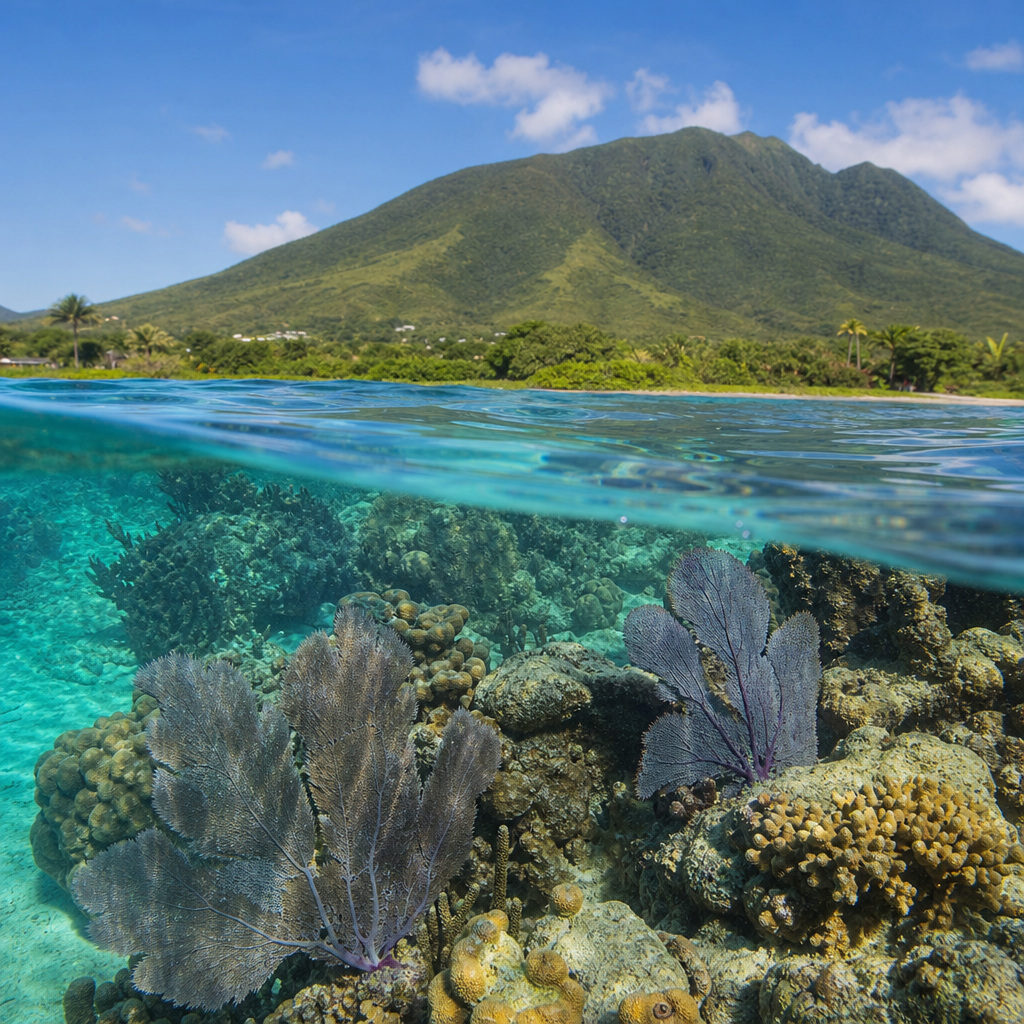
Nevis’ secret beaches offer the kind of Caribbean escape many travelers assume no longer exists: quiet coves, uncrowded sands, clear water, and a slower rhythm that rewards curiosity over checklist tourism. On a small island often overshadowed by its better-known neighbors, secluded shoreline spots remain one of the strongest reasons to visit, especially for travelers interested in adventure and activities beyond packaged resort experiences. In practical terms, a secret beach is not necessarily undiscovered; it is simply less trafficked, harder to access, or overlooked because it lacks heavy commercial development. That distinction matters. On Nevis, privacy comes less from geography alone and more from the island’s restrained pace, limited beachfront construction, and a culture that has not rushed to overprogram every natural asset.
As a hub within the broader adventure and activities category, this guide covers the miscellaneous experiences connected to Nevis’ secluded coastlines: how to find them, what to expect, how to visit responsibly, and which nearby activities turn a beach stop into a fuller island day. I have planned beach days on Nevis where the value was not just swimming, but combining an early coastal walk, a fresh seafood lunch in a village, and a late-afternoon snorkel in calm water without a queue for anything. That is the appeal. These beaches matter because they preserve a version of Caribbean travel centered on space, nature, and personal discovery. For couples, solo travelers, families, photographers, and soft-adventure seekers, they provide both calm and access to low-key exploration. Understanding Nevis’ beach landscape helps visitors choose the right spots, avoid common mistakes, and experience the island in a way that feels intimate rather than staged.
What Makes Nevis Different From Other Caribbean Beach Destinations
Nevis is small, volcanic, and visually defined by Nevis Peak, with settlements, heritage estates, and long palm-lined shores arranged around the coast rather than concentrated in a single resort strip. That layout changes the beach experience. Instead of one dominant tourism zone, visitors encounter a sequence of beaches with different exposure to wind, surf, and development. Pinney’s Beach is the most recognized stretch, yet even there, walking beyond the most active bars quickly restores a sense of quiet that would be unusual on larger islands. Away from Pinney’s, beaches near Cades Bay, Oualie, Lovers Beach, and the more remote northern and southeastern edges feel distinctly less managed. In destination planning terms, Nevis has low tourism density, modest road traffic, and comparatively limited beachfront commercialization.
That difference shapes expectations. Travelers looking for jet ski corridors, nonstop nightlife, and extensive boardwalk retail may find Nevis intentionally subdued. Travelers looking for uncrowded sand, local conversation, sea views uninterrupted by high-rise hotels, and easy transitions between beach time and inland exploration tend to find the island unusually satisfying. The island’s appeal also lies in how close activities are to one another. A beach stop can easily connect with hiking, heritage sightseeing, birdwatching in wetland areas, horseback riding, or a casual stop at a rum bar. This flexibility is why secluded beaches belong in the adventure and activities conversation: on Nevis, the shoreline is not an isolated attraction but a launching point for broader discovery.
Where To Find Nevis’ Most Secluded Beaches
The most useful answer is that Nevis’ secret beaches are distributed rather than centralized. Lovers Beach, on the northeastern side, is widely cited because it feels remote, often has no crowd at all, and delivers dramatic scenery. Reaching it typically involves a rougher road and a willingness to self-navigate, which filters out casual visitors. Conditions can be beautiful but variable; depending on swell and season, it may be better for walking and photography than extended swimming. Oualie Beach, by contrast, is easier to reach and not truly secret in a local sense, but it is calmer, useful for water sports, and often quieter than major Caribbean hotel beaches. Cades Bay offers broad views, a laid-back atmosphere, and good sunset potential, while stretches beyond the best-known access points can feel notably private.
Pinney’s Beach deserves nuanced treatment. Calling it secret would be inaccurate, but treating it as uniformly busy would also be wrong. The southern and central areas near well-known beach bars attract most activity, yet long walks north or south can reveal near-empty expanses, especially in the morning, on weekdays, or outside peak winter season. This is common on Nevis: isolation often comes from timing and willingness to walk rather than from exclusive access. Lesser-known pull-offs and informal shoreline entries around the island can also reward exploration, but visitors should confirm access rights, road conditions, and swimming safety with local hosts. On a small island, good local advice matters more than chasing coordinates from an outdated blog post.
How To Choose The Right Beach for Your Travel Style
Choosing among Nevis’ beaches depends on what kind of seclusion you want. If you mean total quiet and are comfortable with minimal facilities, remote spots such as Lovers Beach are strong candidates. If you want a peaceful beach with easier access, food nearby, and safer conditions for a mixed group, the less crowded parts of Pinney’s, Oualie, or Cades Bay are often better choices. I usually advise travelers to separate scenic seclusion from practical seclusion. Scenic seclusion means dramatic landscapes and very few people; practical seclusion means enough quiet to relax without giving up parking, shade, or lunch options. Families with younger children generally prefer the second category.
Weather, sea state, and mobility also matter. Atlantic-facing shores may look spectacular yet have stronger surf, undertow, or more exposed conditions than Caribbean-side beaches. Morning light favors some coasts for photography, while sunset seekers will get better results on western stretches. Travelers without a rental car should think carefully about logistics, since taxis are available but not always economical for multi-stop beach exploration. Accommodation location can help narrow the choice as well. Guests staying near Charlestown or Pinney’s can fit in a quick beach visit more easily than those planning a remote coastal outing that requires preparation, water, and offline navigation.
| Beach Area | Best For | Access Level | Typical Conditions | Nearby Activities |
|---|---|---|---|---|
| Lovers Beach | Privacy, photography, coastal walks | Moderate to difficult | Beautiful but sometimes rough | Scenic driving, island exploration |
| Oualie Beach | Easy swimming, paddle sports, relaxed stays | Easy | Usually calmer water | Kayaking, ferry access, casual dining |
| Cades Bay | Sunset views, quiet lounging | Easy to moderate | Generally relaxed west-coast conditions | Village stops, dining, coastal drives |
| Pinney’s outer stretches | Long walks, convenience with space | Easy | Wide beach, variable activity by section | Beach bars, horseback riding, hotels |
Best Activities To Pair With a Secluded Beach Day
The strongest reason to treat this article as a hub for miscellaneous coastal experiences is that Nevis rewards combination days. A secluded beach visit works best when paired with another activity that uses the island’s compact scale. One reliable pairing is snorkeling or paddleboarding. In calmer areas, especially near Oualie and protected western stretches, beginners can enjoy accessible water without the heavy boat traffic found elsewhere in the region. Another pairing is a heritage circuit. Nevis has a rich colonial and post-emancipation history, with plantation inns, churches, village centers, and museums that add context to the landscape. Spending a quiet morning on the sand and an afternoon exploring Charlestown creates a richer sense of place than beach time alone.
Nature-focused travelers can combine secluded beaches with birdwatching, coastal photography, or a drive to elevated viewpoints for late-day light. More active visitors often pair beach time with the Nevis Peak hike, though that requires realistic fitness planning and a guide for most travelers. Horseback riding on or near the beach is another signature experience associated with the island, especially around Pinney’s. Food also belongs in this category. Some of my most memorable Nevis beach outings have included stopping at informal local eateries for grilled lobster, johnny cakes, saltfish, or rum punch rather than returning immediately to a resort. These details matter because Nevis is not just a beach destination; it is an island where low-key adventures connect naturally if you leave room for spontaneity.
Practical Tips for Access, Safety, and Responsible Travel
Nevis is easy to navigate in principle, but secluded beaches demand practical planning. Roads can narrow, signage may be limited, and mobile service can be inconsistent in less populated areas. A rental car provides the most flexibility, especially if you want to compare multiple beaches in one day. Four-wheel drive is helpful for rougher approaches, though not necessary everywhere. Carry water, reef-safe sun protection, sandals with grip, and cash for small local purchases. Public facilities are limited at some beaches, so do not assume restrooms, chair rentals, or lifeguards will be available. If a beach appears empty, that solitude is part of the attraction, but it also means self-sufficiency matters.
Swimming safety should never be guessed. Ask a hotel staff member, taxi driver, beach operator, or local resident about current conditions before entering unfamiliar water, particularly on windward shores. Rip currents, shore break, and rocky entry points can change with weather and swell. Respect private property and avoid crossing resort grounds or residential areas without clear permission. Environmentally, Nevis benefits from travelers who leave no litter, avoid stepping on coral or seagrass beds, and keep noise low in quiet areas. Sea turtle nesting can be a concern on some Caribbean beaches seasonally, so nighttime disturbance and bright lights should be minimized. The simplest rule is to behave as though the beach is shared space, even when no one else is visible. That mindset preserves the exact character visitors come to find.
When To Visit and What Kind of Experience To Expect
Nevis is enjoyable year-round, but the beach experience changes with season, weather patterns, and cruise and hotel occupancy across nearby islands. The drier high season, generally from December through April, often brings the most predictable beach weather and the highest demand for Caribbean travel overall. Even then, Nevis remains calmer than many competitors. Shoulder months can be especially rewarding because rates may soften while beaches feel even quieter. Hurricane season requires more flexibility, but it can also bring lush scenery, dramatic skies, and very low visitor numbers between weather systems. If your priority is solitude, weekday mornings consistently outperform weekend afternoons.
Expect understatement rather than spectacle. Secret beaches on Nevis are rarely packaged with signage, attendants, or curated photo spots. The payoff is authenticity: fishermen pulling in small catches, goats or donkeys visible along the road, a beach bar that feels local first and visitor-friendly second, and shorelines where the loudest sound is often wind through palms. This is also why expectations should stay grounded. Some secluded beaches may have seaweed at certain times, rough water after weather shifts, or no service at all. None of that means the destination fails. It means Nevis still offers a real coastal environment instead of a fully managed product. Travelers who understand that distinction usually leave with the strongest impression and the best stories.
Nevis’ secret beaches make the island one of the Caribbean’s most appealing secluded getaways because they combine natural beauty, low development, and easy connections to broader adventure and activities. The key takeaway is simple: the best beach experiences on Nevis are not always the most famous ones, and seclusion often comes from smart timing, local guidance, and a willingness to explore beyond the obvious access points. Lovers Beach, Oualie, Cades Bay, and the quieter stretches of Pinney’s each serve different travel styles, from scenic isolation to convenient calm. What unites them is space, authenticity, and the chance to experience the island at a slower, more personal pace.
As a miscellaneous hub within this subtopic, this guide should help you plan more than a beach stop. It should help you build a fuller Nevis day around snorkeling, village dining, scenic drives, heritage visits, photography, or coastal walks. That broader approach is where the island excels. Come prepared, respect local conditions, and let flexibility guide your itinerary. If you are mapping your Nevis trip, start by choosing one quiet beach that matches your comfort level, then add one nearby activity and one local food stop. That simple plan is often enough to unlock the version of Nevis travelers remember longest.
Frequently Asked Questions
What makes Nevis’ secret beaches different from the island’s more popular shoreline spots?
Nevis’ secret beaches stand out because they offer a quieter, more unfiltered version of the Caribbean. Rather than rows of loungers, busy beach bars, and a steady flow of tour traffic, these lesser-known stretches of coast tend to feel calmer, more spacious, and more connected to the island’s natural character. In many cases, a “secret” beach on Nevis is not completely undiscovered; it is simply less obvious, less heavily promoted, or a bit harder to reach than the main public beaches. That difference matters. It means visitors are rewarded with peaceful coves, uncrowded sands, shallow clear water, and a slower atmosphere that encourages lingering rather than rushing on to the next stop.
Another key distinction is the overall experience. Popular beaches often suit travelers who want convenience and amenities close at hand, while secluded beaches appeal to those who value privacy, scenery, and a sense of exploration. On Nevis, that can mean finding a tucked-away shoreline near rocky outcrops, a quiet strip backed by vegetation, or a calm bay where the loudest sounds are waves and seabirds. For travelers looking beyond packaged resort experiences, these beaches often become the highlight of the trip because they reflect the island’s low-key identity so well. They are ideal for swimming, shoreline walks, reading, snorkeling in calmer sections, or simply enjoying the fact that there is still a Caribbean destination where space and stillness are part of the appeal.
How do you find secluded beaches on Nevis without missing the best spots?
The best approach is to combine local knowledge with a flexible, exploratory mindset. On a small island like Nevis, some of the most rewarding beaches are not the ones that appear first in glossy travel materials. Instead, they are often discovered through conversations with residents, hotel staff, taxi drivers, local guides, or small business owners who understand which coastal areas remain quieter at certain times of day. Asking specifically for beaches that are peaceful, less crowded, and good for swimming or walking will usually produce more useful recommendations than simply asking for the “best beach.”
It also helps to understand that access can be part of what keeps these places secluded. Some beaches may require a short walk down a path, a drive along a less-trafficked road, or a bit of patience in finding the right turnoff. That does not necessarily mean they are remote or difficult, only that they are less immediately visible. Travelers who rent a car or hire a driver for part of the day often have more freedom to explore the coastline at their own pace. Going early in the morning or later in the afternoon can also make a noticeable difference, even at beaches that are somewhat known.
Perhaps most importantly, finding Nevis’ quieter shoreline gems is not only about location but timing and attitude. A beach that feels empty at 8:30 a.m. may feel different by midday, and a cove that gets occasional visitors can still feel wonderfully private compared with busier regional destinations. If you approach the island with curiosity rather than a checklist, you are far more likely to discover the kind of beach experience Nevis does so well: simple, beautiful, and refreshingly uncrowded.
Are Nevis’ secret beaches good for swimming, snorkeling, and other outdoor activities?
Yes, many of Nevis’ secluded beaches are excellent for swimming and light adventure, though conditions vary from one stretch of coast to another. Calm water and clear visibility are part of the appeal, especially in sheltered areas where the sea is gentler and suitable for a relaxed swim. Some quieter beaches also offer worthwhile snorkeling near rocky edges or reef-adjacent sections, where you may spot small tropical fish and enjoy better underwater clarity than you would expect from an uncrowded shoreline. For travelers who prefer active beach time over simply sunbathing, these hidden spots can be especially rewarding.
That said, a secluded setting usually comes with fewer services and less oversight, so it is smart to assess conditions carefully. Not every beach will have lifeguards, posted flags, easy gear rentals, or clearly marked swimming zones. Wind, currents, and wave action can change depending on the season and the side of the island you are visiting. If snorkeling is a priority, ask locally which beaches are safest and clearest on a given day. If you are traveling with children or less confident swimmers, choose beaches known for calmer water and gradual entry.
Beyond swimming and snorkeling, secret beaches on Nevis are often ideal for shoreline walks, beachcombing, photography, paddle-friendly water on calm days, and simply experiencing the outdoors at a slower pace. They pair especially well with travelers interested in independent exploration rather than structured resort activities. In that sense, these beaches are not just places to sit in the sand; they are part of the broader adventure of the island, offering a chance to move, observe, and enjoy a more intimate connection with Nevis’ landscape.
What should you bring when visiting a secluded beach on Nevis?
Preparation is important because the very qualities that make a beach feel hidden and peaceful often mean there are few or no facilities nearby. At a minimum, bring plenty of drinking water, reef-safe sunscreen, a hat, sunglasses, and a towel. If you plan to stay for more than a short visit, it is wise to pack snacks or a light meal, since there may not be restaurants, bars, or vendors within easy walking distance. A small cooler can be useful, especially in the warmer parts of the day. Comfortable sandals or water shoes are also worth considering, particularly if the path to the beach is uneven or if the shoreline includes rocks, shells, or coral fragments.
If swimming or snorkeling is part of the plan, bring your own gear when possible. On a secret beach, there is no guarantee of equipment rentals, shade umbrellas, chairs, or changing areas. A dry bag for valuables, a phone battery pack, and a lightweight cover-up can make the outing much more comfortable. Insect repellent may also be useful in areas with more vegetation, especially around dawn or dusk. If you enjoy photography, these beaches are often excellent places to bring a camera because the natural scenery tends to feel less interrupted and more atmospheric than at busier coastal spots.
Just as important as what you bring is what you take away. Carry out all trash, avoid leaving anything behind, and respect the environment so these lesser-known places remain beautiful and low-impact. The goal is to arrive self-sufficient, enjoy the setting fully, and leave it exactly as you found it. That mindset fits Nevis perfectly and helps preserve the quiet charm that makes its secret beaches so memorable.
When is the best time to visit Nevis’ secret beaches for the most peaceful experience?
The most peaceful times are usually early morning and late afternoon, when the light is softer, temperatures are more comfortable, and even moderately known beaches can feel almost empty. Morning visits are especially rewarding for travelers who want calm water, cooler conditions, and a sense of having the shoreline to themselves. Late afternoon can be equally appealing, with fewer people, gentler sun, and a more relaxed atmosphere as the day winds down. If solitude is the priority, these windows are often more important than simply choosing a famous or hidden location.
Season also plays a role. During busier travel periods, Nevis still tends to feel quieter than many Caribbean destinations, but popular accommodations and better-known attractions may bring more overall movement to the island. Even then, secluded beaches can remain remarkably peaceful compared with the regional norm. Visiting outside peak times can enhance that effect, although weather patterns should always be considered. Conditions such as wind, surf, or passing rain can influence which beach is most enjoyable on a specific day, so flexibility is a real advantage.
The best strategy is to treat beach-going on Nevis as part of a broader island rhythm rather than a rigid itinerary item. Check the forecast, ask locals about daily sea conditions, and stay open to changing plans if another cove or bay will be calmer or quieter. That approach usually leads to the kind of experience travelers are really looking for when they seek out Nevis’ secret beaches: privacy, beauty, and the feeling of stepping into a Caribbean scene that has not been overrun by crowds.