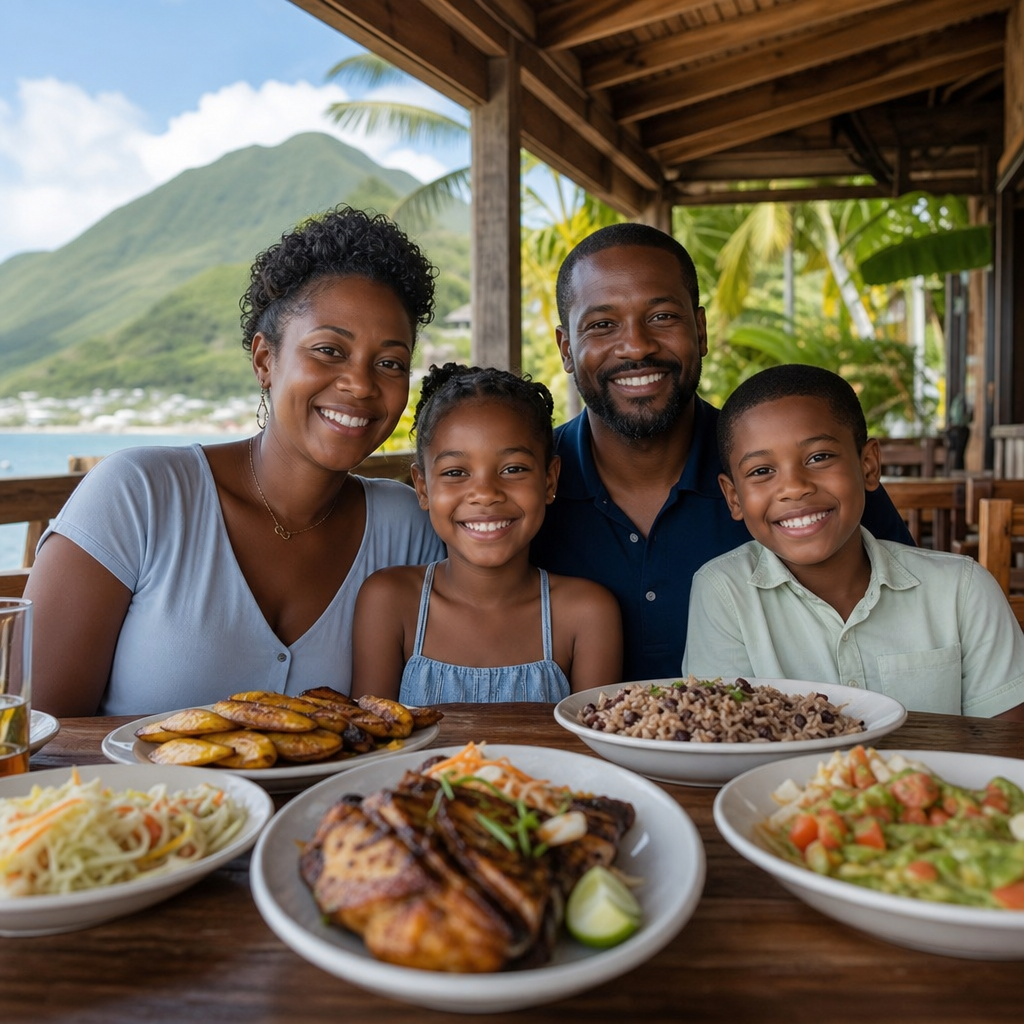
Nevis’ family-owned restaurants offer more than meals; they deliver the island’s character through recipes, hospitality, and everyday rituals that chain dining cannot reproduce. On this small Caribbean island, where villages remain close-knit and many businesses pass from one generation to the next, dining with a local touch means eating food shaped by memory, seasonality, and personal relationships. Family-owned restaurants in Nevis range from beach bars serving grilled lobster and johnny cakes to hillside dining rooms known for goat water, fresh wahoo, coconut dumplings, and rum cake. Together, they form a living guide to local life and experiences.
Understanding this dining scene starts with a few key terms. Family-owned usually means the owners are directly involved in sourcing, cooking, hosting, or all three, rather than operating through a distant corporate structure. Local touch refers to ingredients grown or caught nearby, menus influenced by Kittitian and Nevisian traditions, and service shaped by familiarity rather than scripts. In practice, that can mean the owner greeting regulars by name, a grandmother’s pepper pot recipe appearing on the lunch special board, or a server explaining which fisherman brought in the mahi-mahi that morning. These details matter because they turn dinner into cultural access.
For travelers exploring the broader Local Life and Experiences theme, family-run restaurants work as a hub topic because they connect to almost every other part of island culture. Food intersects with fishing, farming, festivals, music, roadside liming, church gatherings, beach life, and village identity. I have found that when visitors want to understand Nevis beyond resort walls, their most useful starting point is often a table at a locally run restaurant. Menus reveal what the island grows, what families celebrate, and how the pace of life differs from larger destinations. A meal becomes an introduction to place, people, and priorities.
This matters for practical reasons as well. Independent restaurants keep more tourism spending circulating locally, support small suppliers, preserve traditional dishes, and create spaces where residents and visitors mix naturally. They also offer clearer insight into value, authenticity, and variety than a generic list of places to eat. As a sub-pillar hub for miscellaneous local dining experiences, this article maps how Nevis’ family-owned restaurants work, what to order, how to choose between settings, what etiquette helps, and which related experiences are worth exploring next. If you want dining with a local touch in Nevis, this is the framework that makes the island’s restaurant culture easier to understand and enjoy.
What makes family-owned restaurants in Nevis distinct
The clearest difference is that these restaurants tend to reflect households before they reflect brands. On Nevis, the owner may also be the buyer at the Charlestown market, the pitmaster tending a beachside grill, or the person who learned to bake coconut tart from a parent decades earlier. Because decision-making stays close to the kitchen, menus adapt quickly to weather, catch quality, and seasonal produce. If rough seas limit lobster or conch, a family restaurant may shift toward snapper, chicken, or goat the same day. That flexibility is not a flaw; it is usually a sign the business is buying fresh rather than forcing a fixed menu.
Atmosphere also changes in ways experienced travelers notice immediately. Service in family-run dining rooms is often conversational, with recommendations based on what is best that day rather than what needs to be sold. Portions can be generous, especially at lunch, and recipes may remain intentionally simple to protect ingredient quality. You are likely to encounter side dishes that say as much about Nevis as the main course: peas and rice, plantains, provisions, steamed vegetables, coleslaw, and festival-style breads. Even the pace tells you something. Meals may arrive slower than in high-turnover tourist centers because food is cooked to order and the social rhythm values ease over speed.
Signature dishes that define a local Nevis dining experience
If you want to understand Nevis through food, begin with the dishes residents recognize instantly. Goat water, the national dish of St. Kitts and Nevis, is a dark, deeply seasoned stew traditionally built from goat meat, breadfruit, herbs, peppers, and slow cooking. Despite the name, it is rich, not watery, and the best versions balance spice, savoriness, and tenderness. Conch appears cracked, curried, or stewed when available, while saltfish often shows up at breakfast paired with coconut dumplings, plantain, or ground provisions. Fresh seafood remains central: wahoo, tuna, mahi-mahi, snapper, and lobster feature prominently depending on season and catch.
Desserts and drinks deserve equal attention because they carry family signatures. Rum cake varies from dense and boozy to lighter and fruit-forward. Coconut tart, tamarind balls, ginger drinks, sorrel, and house-made hot sauces frequently come from inherited methods rather than formal culinary training. At beach restaurants, grilled lobster with garlic butter may be the headline order, but the plate often becomes memorable because of the rice, salad, sauce, and conversation around it. On Sundays and holidays, special menus may include mutton, stewed chicken, callaloo, black pudding, or roast breadfruit. These are not novelty dishes. They are the foods that anchor community gatherings and repeat family habits.
How to choose the right restaurant for your style, budget, and setting
Travelers often ask whether they should prioritize beachfront dining, village spots, or upscale heritage properties. The answer depends on what kind of local touch matters most to you. Beachfront family restaurants usually excel in seafood, relaxed atmosphere, and sunset appeal. Village and roadside establishments often deliver stronger everyday authenticity, lower prices, and lunch plates closer to what residents eat regularly. Historic inns or plantation settings can still be family-run and local in spirit, but they generally present traditional ingredients in a more polished format. None is automatically better. They simply reveal different sides of Nevisian life.
| Restaurant style | Best for | Typical strengths | Things to know |
|---|---|---|---|
| Beach bar or seaside grill | Seafood, sunset meals, casual socializing | Fresh catch, lobster, rum drinks, relaxed service | Menus may change with the day’s catch and weather |
| Village restaurant or roadside spot | Budget-friendly local meals, lunch, daily specials | Goat water, stews, hearty sides, resident atmosphere | Hours can be shorter; some operate best at midday |
| Family-run inn or heritage dining room | Celebratory dinners, refined island cuisine | Thoughtful plating, stronger wine lists, historic setting | Reservations are often advisable, especially in season |
| Home-style takeaway or cookshop | Quick local food, informal exploration | Value, speed, authentic comfort dishes | Seating may be limited and menus may not be posted online |
Budget is straightforward once you understand the categories. A village lunch of stew chicken, rice, and vegetables may cost far less than a lobster dinner by the water, yet both can be excellent. I usually advise visitors to plan a mix: one or two special dinners, several casual lunches, and at least one spontaneous stop where the menu is handwritten or spoken aloud. That pattern gives you range without reducing the trip to reservation chasing. It also mirrors how residents actually eat, alternating everyday practicality with occasional celebratory dining.
Where local sourcing and seasonality shape the menu
Nevis is not a destination where every ingredient travels through a large industrial supply chain before reaching the plate. Many family-owned restaurants depend on direct relationships with fishermen, farmers, butchers, and small distributors. As a result, seasonality is visible. Mangoes, breadfruit, pumpkin, and herbs can appear prominently when abundant. Seafood quality changes with sea conditions, and lobster availability may be affected by legal seasons and sustainability concerns. Restaurants that mention the day’s catch are not decorating the menu with lifestyle language; they are often describing an actual supply pattern rooted in the island’s scale.
This local sourcing improves flavor, but it also creates healthy unpredictability. Visitors used to globalized menus sometimes mistake a missing item for poor planning. On Nevis, it is often the opposite. When a family-run kitchen refuses to serve mediocre fish or unripe produce, it protects its reputation. The strongest operators understand their regulars will reward honesty. Over time, this creates a dining culture where trust matters as much as choice. Ask what is fresh, what sold well at lunch, or what the owner recommends for that evening. Those questions usually lead to the best meals because they align your order with what the kitchen can execute confidently.
Etiquette, timing, and what visitors should expect
Dining successfully in Nevis requires adjusting to local rhythm rather than measuring everything against a metropolitan schedule. Reservations are sensible for popular dinner spots, especially during the high season, but many casual places still operate with a walk-in, word-of-mouth feel. Lunch can be the most revealing meal because daily specials move quickly and resident traffic is highest. Sunday is especially important. Some family-owned restaurants offer standout Sunday lunches that function almost like community tradition, while others reduce hours or close. Confirming in advance is always worthwhile because online listings may lag behind reality.
Politeness matters and is usually returned warmly. Greet staff, ask questions respectfully, and be patient if service slows during a rush or a weather-related supply change. Tipping expectations generally follow hospitality norms, but visitors should still check whether a service charge has already been included. Cash can be helpful at smaller establishments. If you have dietary restrictions, communicate them clearly and early. Many kitchens can adapt simple grilled fish or vegetable sides, but highly specialized diets may be harder in places built around a short daily menu. The key is to approach the meal as a human exchange, not a transaction measured only by speed.
Why these restaurants matter to Nevisian culture and the local economy
Family-owned restaurants in Nevis are part of the island’s social infrastructure. They employ relatives and neighbors, buy from local producers, sponsor community events, and preserve recipes that might otherwise fade under tourism pressure. In small-island economies, this role is significant. When independent restaurants stay busy, spending circulates through fishing boats, farms, bakeries, taxi drivers, and musicians. That multiplier effect is one reason local dining deserves attention alongside beaches and historic sites. The meal you choose can support a chain of livelihoods far more directly than a standardized imported dining experience.
Culturally, these restaurants keep Nevis recognizable to itself. Tourism everywhere creates incentives to flatten cuisine into familiar international tropes. The family-owned establishments that continue serving goat water, local breakfasts, fresh fish with traditional sides, and holiday-specific dishes help resist that flattening. They also create intergenerational continuity. Younger cooks learn seasoning profiles, preparation methods, and hosting styles by working beside parents, aunts, and grandparents. Visitors benefit because the food retains context. Residents benefit because the island’s culinary identity remains active rather than staged. That is the real meaning of dining with a local touch: the restaurant still belongs to the community that shaped it.
How this hub connects to broader local life and experiences in Nevis
As a miscellaneous hub under Local Life and Experiences, family-owned restaurants connect naturally to several adjacent topics worth exploring. The seafood on your plate links back to fishing culture and coastal routines. The goat water you order opens a door to national dishes, festival foods, and Sunday traditions. A roadside lunch stop can be paired with village walks, market visits in Charlestown, heritage sites, craft shopping, or live music nights. Even transportation choices matter; taxi drivers often know which cookshop has the best lunch special, while innkeepers can point you toward places residents actually use.
If you are building an itinerary, think of local restaurants as anchors rather than add-ons. Plan one breakfast that highlights saltfish or local bakes, one lunch in a village setting, one seafood dinner by the beach, and one meal where you simply ask what the family recommends. That sequence gives you a practical introduction to everyday island culture. From there, you can branch into deeper subtopics such as Nevisian breakfast traditions, local rum culture, farm-to-table dining, beach bars, historic inns, festival foods, and where residents eat in Charlestown. Start with the restaurants, and the rest of Nevis’ lived experience becomes easier to read.
Nevis’ family-owned restaurants are the most accessible way to experience the island beyond scenery. They combine flavor, hospitality, and cultural continuity in a form every visitor can understand immediately: a meal shared in a place where the people serving you are often the people who built the business. That local touch shows up in flexible menus, direct sourcing, traditional dishes, honest recommendations, and settings that feel rooted rather than manufactured. Whether you choose a village cookshop, a seaside grill, or a heritage dining room, the value lies in eating food that still reflects Nevisian priorities and everyday life.
The main takeaway is simple. If you want to know Nevis, do not treat dining as a logistical necessity between attractions. Use it as a lens. Seek out family-run restaurants, ask what is fresh, order at least one traditional dish, and leave room for spontaneity. You will likely eat better, understand more, and support businesses that keep the island’s culinary identity alive. For the best results, build your Local Life and Experiences plans around these meals, then follow the connections they reveal to markets, music, history, and community traditions. Start with one locally owned table, and let Nevis introduce itself from there.
Frequently Asked Questions
What makes family-owned restaurants in Nevis different from larger resort or chain dining options?
Family-owned restaurants in Nevis stand apart because the experience is rooted in people, place, and continuity rather than standardization. In many cases, the owner greets guests, a relative manages the kitchen, and recipes come from parents or grandparents who cooked the same dishes long before tourism became a major part of island life. That creates a style of dining that feels personal from the moment you arrive. Instead of a menu designed to be identical across locations, meals are often shaped by what was brought in by local fishers, what produce is in season, and what the family is known for cooking especially well.
That local touch also shows up in the atmosphere. Service is often warmer and more conversational, with staff eager to explain a dish, recommend a house specialty, or share a bit about the village or coastline nearby. You are not just ordering food; you are stepping into a small part of Nevisian daily life. Whether it is a beach bar serving grilled lobster and johnny cakes or a long-established village eatery preparing stewed chicken, rice, peas, and fresh vegetables, the meal often reflects the island’s character in a way that chain dining cannot reproduce. The result is greater authenticity, stronger regional identity, and a more memorable connection to Nevis itself.
What kinds of food can visitors expect at family-owned restaurants in Nevis?
Visitors can expect a broad and flavorful mix of traditional Caribbean cooking, fresh seafood, comforting local staples, and casual beachside favorites. Nevis’ family-run restaurants often highlight ingredients that are familiar to island households, including fish, lobster, conch when available, chicken, goat, plantains, breadfruit, coconut, peas, rice, and seasonal fruits and vegetables. Menus may feature grilled or curried seafood, saltfish dishes, hearty soups, stews, roti, johnny cakes, and sides prepared in the straightforward but deeply satisfying style that local families have perfected over time.
What makes this especially appealing is that the food often reflects both seasonality and family preference. One restaurant may be known for its lobster fresh off the grill, another for a beloved curry recipe, and another for weekend specials prepared only when the ingredients are at their best. Desserts and drinks can also carry a local stamp, from rum cake and coconut tart to juices made with island fruits. Even when dishes sound simple, their preparation often carries years of practice and inherited knowledge. That is why meals at family-owned restaurants in Nevis tend to feel distinctive: they are not generic island fare, but expressions of individual households, communities, and culinary traditions.
Why does dining at a family-owned restaurant offer a more authentic connection to Nevisian culture?
Dining at a family-owned restaurant offers a more authentic connection to Nevisian culture because these establishments often function as living extensions of the community. They preserve cooking methods, hospitality customs, and food traditions that have been passed down through generations. In a place like Nevis, where villages remain close-knit and many businesses stay within the same family for years, restaurants are often social spaces as much as commercial ones. Locals gather there, stories are exchanged, regulars are remembered, and visitors get a chance to experience the rhythm of the island beyond resort walls.
The authenticity comes from details that cannot easily be manufactured. A dish may be prepared from a recipe learned in childhood. The catch of the day may come from someone the owner has known for decades. The pacing of the meal, the way guests are welcomed, and even the menu itself may reflect local habits rather than imported expectations. That does not mean every family-run restaurant is old-fashioned or informal; some are polished and highly refined. But even at the more upscale end, there is often a strong sense of personality and heritage. For travelers who want to understand Nevis through taste, conversation, and everyday rituals, these restaurants provide one of the clearest windows into the island’s identity.
Are family-owned restaurants in Nevis a good choice for travelers who want fresh, locally sourced food?
Yes, family-owned restaurants in Nevis are often an excellent choice for travelers seeking fresh, locally sourced food. Because many of these establishments operate on a smaller scale and maintain close ties with local suppliers, they are well positioned to serve ingredients that have been recently harvested or caught. Seafood may arrive directly from nearby fishers, while fruits, herbs, and vegetables may come from island growers or small local markets. This shorter path from source to plate often improves both flavor and freshness, especially in dishes where simple preparation allows quality ingredients to stand out.
Another advantage is flexibility. Independent family-run kitchens are often more willing to adjust what they serve based on availability rather than forcing a fixed menu year-round. If lobster is especially good, it may be featured prominently. If a certain fish is not available that day, another local catch may take its place. That approach reflects a practical and traditional island way of cooking, where seasonality matters and freshness takes priority over consistency for its own sake. For diners, that means a better chance of enjoying food that genuinely reflects what Nevis is producing at that moment, rather than a version of Caribbean cuisine designed mainly for convenience.
How can visitors get the most out of dining at family-owned restaurants in Nevis?
To get the most out of dining at family-owned restaurants in Nevis, visitors should approach the experience with curiosity, flexibility, and a willingness to follow local recommendations. Ask what the house specialty is, what is freshest that day, or which dishes regulars tend to order. In family-run establishments, those answers are often more useful than simply scanning the menu for familiar items. If a dish appears as a daily special or is offered only in limited quantities, that is often a sign that it reflects the kitchen’s strengths and the day’s best ingredients.
It also helps to slow down and engage with the setting. Many of these restaurants reward diners who appreciate conversation, scenery, and the social aspect of a meal. If the owner or staff shares a bit about a recipe, ingredient, or local custom, that exchange is part of the value. Visitors should also keep in mind that smaller independent restaurants may have different hours, evolving menus, or a pace that reflects island life rather than strict corporate efficiency. Planning ahead, making reservations when appropriate, and arriving open to local flavors can make the experience far richer. In the end, the best way to enjoy family-owned dining in Nevis is to treat it not just as a meal, but as a meaningful introduction to the island’s people, traditions, and everyday warmth.