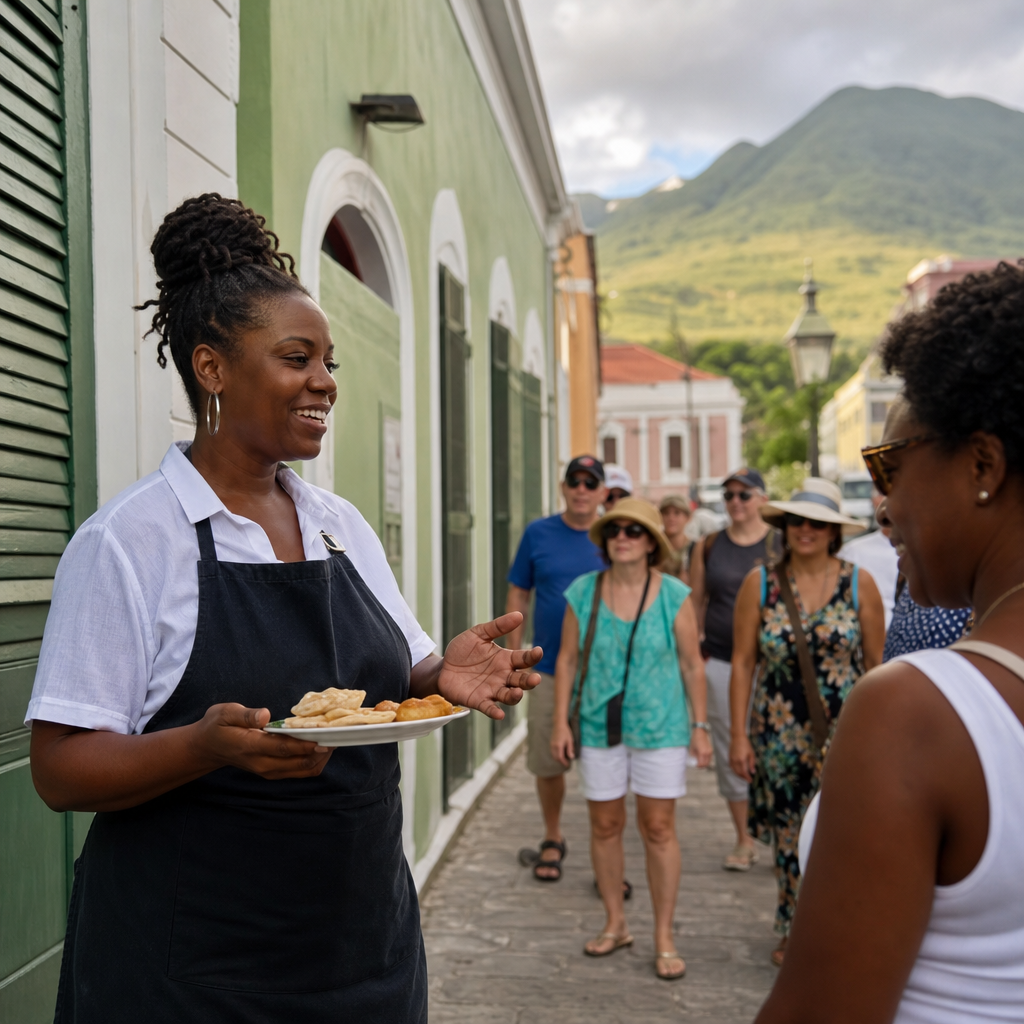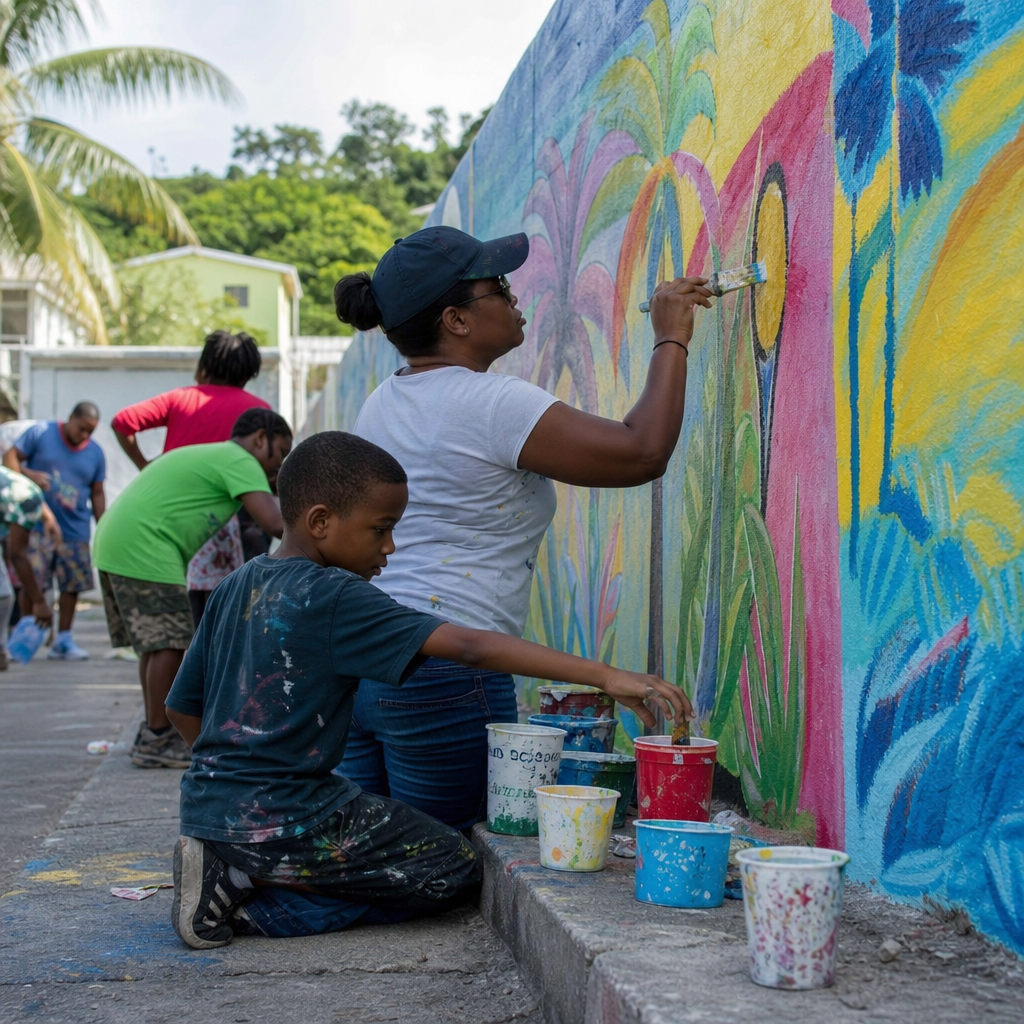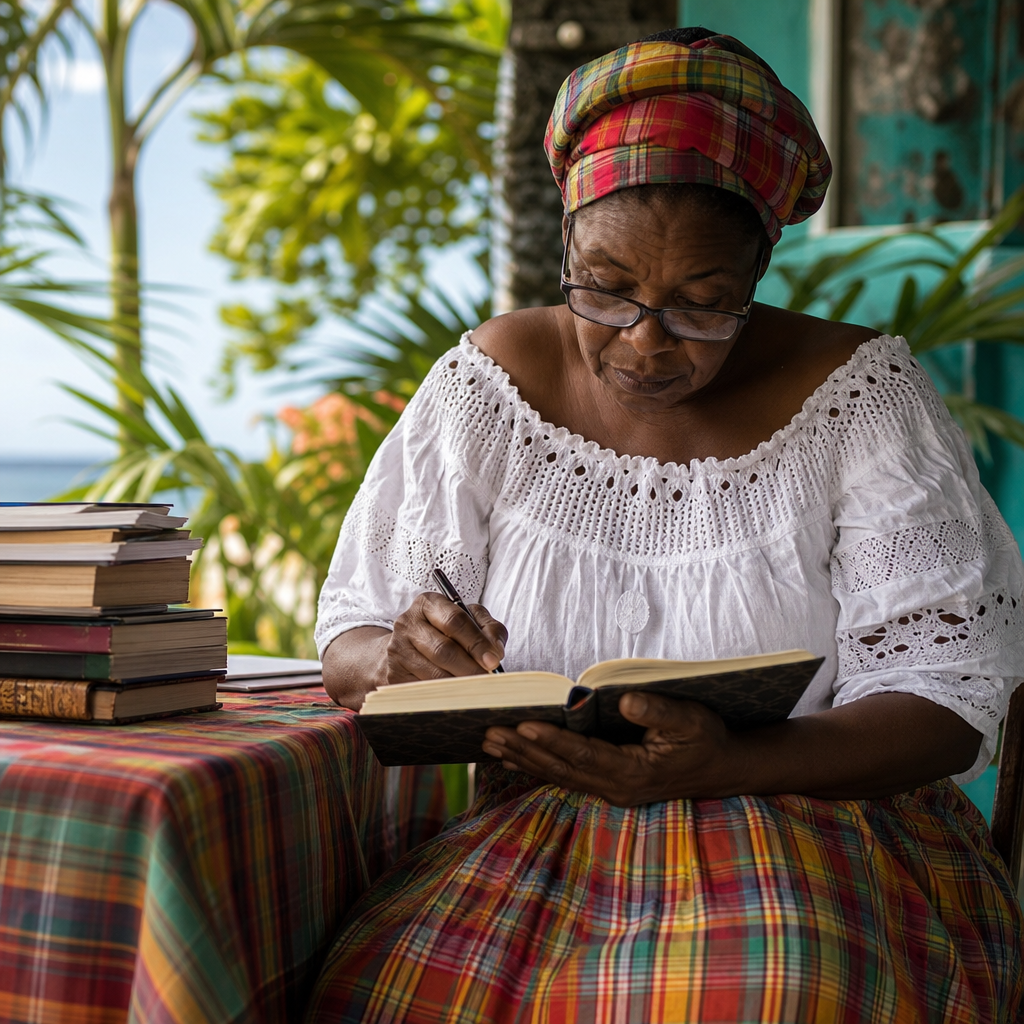
Saint Kitts’ local authors and storytellers do more than entertain; they preserve memory, teach identity, and carry the island’s traditions forward in forms that reach classrooms, village gatherings, radio audiences, festivals, and digital readers. In Saint Kitts, storytelling includes spoken folklore, family histories, performance poetry, stage work, songs, devotional narratives, and published literature rooted in Kittitian life. Local authors are novelists, poets, dramatists, journalists, educators, and cultural workers who record how people speak, celebrate, work, migrate, grieve, and resist forgetting. That work matters because small islands face intense cultural pressure from tourism branding, imported media, and outward migration. When local voices are not documented, nuance disappears quickly. I have seen this firsthand in Caribbean cultural projects: once an elder dies, a proverb’s context, a village nickname, or the real story behind a seasonal custom can vanish with them. Saint Kitts benefits when its stories are not reduced to postcard imagery but presented through the words of people who live the place. For residents, these works affirm belonging. For younger generations, they make heritage usable, not museum-bound. For visitors and researchers, they provide a truer introduction to local life than brochures ever can.
The literary and oral landscape of Saint Kitts is best understood as a living archive. It holds African retentions, British colonial influence, Christian traditions, labor history, Carnival creativity, migration narratives, and the everyday humor that gives Caribbean speech its texture. Storytellers keep this archive active by retelling Anancy-style tales, recounting plantation-era lessons, documenting emancipation memory, and writing contemporary stories about education, politics, family, and ambition. Local literature also gives shape to national development. It helps a country explain itself to itself. In practical terms, this hub connects the broad field of miscellaneous local writing and storytelling traditions under the wider theme of local life and experiences. It looks at oral tradition, published authors, performance spaces, schools, community events, and the new digital platforms that are changing how Kittitian stories circulate. Anyone asking who tells Saint Kitts’ stories, what themes define them, where to find them, or why they remain culturally important will find the core answers here. From village anecdotes to formal poetry collections, the central point is clear: tradition survives when people keep speaking, writing, and listening with intention.
Oral tradition remains the foundation
Before many stories were printed, they lived in the voice. In Saint Kitts, oral tradition has long been the first library: grandparents on verandas, market vendors exchanging sharp observations, teachers using folktales to make moral points, and performers turning memory into public art. This matters because oral storytelling preserves more than plot. It keeps accent, timing, gesture, and audience participation alive. A proverb delivered in Kittitian cadence carries a force that standard written English often cannot reproduce. In communities across the island, stories about trickster figures, cautionary spirits, hard times on estates, and comic misunderstandings have historically taught children how to judge character, avoid arrogance, respect elders, and read the social world carefully.
These oral forms also document unofficial history. Written archives tend to privilege government, church, and plantation records. Storytelling fills the gaps by remembering labor struggles, village rivalries, migration journeys to the United Kingdom or United States, and the subtle ways ordinary people navigated colonial power. In my experience reviewing Caribbean oral history projects, the richest detail often emerges when narrators move beyond dates and speak in anecdote: who carried news first, how Carnival changed after a storm, why a lane got its name, what a schoolmaster’s discipline sounded like. Saint Kitts’ storytellers preserve exactly that layer of lived truth. Their value is not nostalgic only; they are primary sources for culture.
Local authors turn memory into literature
Saint Kitts has produced writers whose work transforms local experience into durable literature. The best-known international figure is Caryl Phillips, born in Saint Kitts, whose fiction and essays often examine displacement, identity, colonial inheritance, and the Black Atlantic world. While his career extends far beyond one island, his Kittitian origin matters in any serious discussion of literary heritage. Equally important are writers, poets, playwrights, and teachers whose names may circulate more strongly within Caribbean or national contexts than global markets. Their contribution is often direct: school anthologies, local newspapers, festival readings, church anniversary booklets, dramatic scripts, and poems written for national observances. These forms may not always receive the prestige of metropolitan publishing, but they shape cultural memory more immediately.
What distinguishes Saint Kitts’ local authors is their attention to voice and social detail. They write about village life, sea crossings, family expectations, migration, education, religion, color hierarchy, labor, and celebration. They capture code-switching between Creole-influenced speech and formal English, and they show how humor works as both defense and critique. A local poem about market day, for example, can preserve food vocabulary, bargaining rhythms, and social etiquette in a way no official tourism text would. A short story about a student leaving for college overseas can hold the emotional mathematics of aspiration and loss. This is how traditions stay alive in literature: not through abstract praise of heritage, but through exact scenes, remembered language, and recognizable people.
Where storytelling lives in public culture
Storytelling in Saint Kitts is not confined to books. It thrives in spaces where community gathers and performance can happen naturally. Carnival is one of the strongest examples. Troupes, calypsonians, masquerade traditions, clown performances, and pageantry all depend on narrative framing. Costumes tell historical and satirical stories. Calypso lyrics interpret political events in real time. Emcees and stage performers use quick wit that draws on shared knowledge. A good calypsonian is part poet, part journalist, part social critic. That role keeps tradition current rather than frozen.
Schools, churches, community centers, and radio stations also play a major part. Teachers often introduce local poems and folktales alongside British and American texts, helping students recognize that their own environment belongs in literature. Church anniversaries and watch-night services can include recitations and testimonies that function as structured storytelling. Radio remains powerful in small-island communication, especially for talk segments, cultural programs, and interviews with elder residents. In practice, some of the most effective preservation work happens in ordinary programming: a presenter asks an elder about Christmas sports, funeral customs, herbal remedies, or estate work, and suddenly an informal archive is created on air.
| Storytelling space | How it preserves tradition | Typical example in Saint Kitts |
|---|---|---|
| Family gatherings | Passes down proverbs, kinship history, dialect, and moral lessons | Grandparents recounting village stories on a veranda |
| Schools | Legitimizes local literature and introduces youth to national voice | Students reading poems by Kittitian or Caribbean writers |
| Carnival and stage | Transforms current events and historical memory into performance | Calypso commentary and masquerade traditions |
| Radio and media | Records elders, spreads stories islandwide, and creates accessible archives | Cultural interviews and spoken-word segments |
| Community publications | Documents local events, commemorations, and personal narratives | Festival booklets, church histories, and village anniversary essays |
Language, dialect, and authenticity
One of the most important decisions local authors and storytellers make is how to handle language. Saint Kitts, like other Caribbean societies, moves across a continuum that includes standard English and local speech forms shaped by history, class, education, and context. Writers who include dialect are not simply adding flavor. They are preserving worldview. Syntax, idiom, proverb use, and rhythm carry social meaning. If a storyteller says a character is “making style” or frames a warning through a local saying, that choice communicates status, intention, and emotional tone more precisely than sanitized translation.
There is a real tradeoff here. Heavy use of dialect can challenge readers unfamiliar with local speech, especially in export markets. Yet removing it entirely often strips the work of its truth. The strongest authors solve this by controlling context, not by flattening voice. They let the surrounding sentence, scene, or response explain meaning organically. This is standard practice in strong Caribbean writing, and it serves Saint Kitts well. Authentic language invites readers into local reality while protecting the distinctiveness that makes the literature worth reading in the first place.
Themes that define Kittitian storytelling
Several themes appear repeatedly in Saint Kitts’ local writing and oral tradition because they reflect the island’s historical and social structure. The first is memory of labor and land. Sugar shaped Saint Kitts for centuries, and even after the sugar industry’s closure in 2005, its imprint remained visible in settlement patterns, family histories, and class relations. Stories about estate life, market exchange, migration for work, and rural discipline are therefore not peripheral; they are central to understanding the island.
A second major theme is migration. Many Kittitian families are transnational, with relatives in New York, London, Toronto, or neighboring islands. Local stories often explore departure, remittances, return visits, and the cultural changes that migration brings. Third is respectability and aspiration: education, church life, public behavior, and family reputation are frequent narrative concerns. Finally, humor and resilience run through much of the tradition. Even serious stories often contain wit, teasing, and sharp observation. That tonal balance is a hallmark of Caribbean narrative craft, and in Saint Kitts it helps communities process hardship without surrendering dignity.
How preservation is changing in the digital era
Digital media has expanded the possibilities for preserving Saint Kitts’ local authors and storytellers, but it has also exposed weaknesses in archiving. Social platforms allow poets, performers, and community historians to share recordings instantly. A spoken-word piece can reach diaspora audiences the same day it is performed. Facebook pages, YouTube channels, podcasts, and online news outlets now function as cultural distribution networks. For a small island, this reach is significant. It reduces dependence on overseas publishers and helps niche local material find its audience.
At the same time, digital preservation is not automatic preservation. Files disappear, links break, and social posts are hard to catalog. The best approach combines public institutions and community effort. Libraries, schools, heritage organizations, and media houses should record interviews, collect self-published books, digitize old pamphlets, and create searchable metadata. Regional standards used by libraries and archives, including oral history release forms, transcription protocols, and basic cataloging systems, matter here because they turn scattered material into usable cultural records. If Saint Kitts wants its storytelling heritage to last, documentation must be treated as infrastructure, not an afterthought.
Why this hub matters for local life and experiences
As a miscellaneous hub under local life and experiences, this topic links many smaller subjects that readers often search separately: folk tales, village history, poetry, calypso commentary, school literature, oral history, festival performance, and diaspora memoir. Bringing them together reflects how culture actually works on the island. People do not experience literature in isolation from music, religion, family memory, or public celebration. A storyteller may also be a teacher, radio host, choir member, or Carnival organizer. A booklet produced for a community anniversary may contain folklore, biography, photographs, and social history at once. Treating these forms together gives a more accurate map of Saint Kitts’ cultural life.
The main takeaway is straightforward. Saint Kitts’ local authors and storytellers keep traditions alive by preserving language, recording lived history, interpreting social change, and making identity visible across generations. Their work matters in homes, schools, festivals, archives, and online spaces. Support it by reading local books, attending performances, documenting elder stories, and sharing credible cultural sources. When communities value their own storytellers, tradition stays active, specific, and alive.
Frequently Asked Questions
Why are local authors and storytellers so important to preserving traditions in Saint Kitts?
Local authors and storytellers play a central role in preserving traditions in Saint Kitts because they keep the island’s lived experiences, values, and cultural memory active across generations. Their work captures the language, humor, beliefs, struggles, celebrations, and everyday rhythms that define Kittitian life. When a storyteller shares folklore passed down through elders, or when a writer builds a poem, play, essay, or novel around village life, family customs, migration stories, faith, Carnival, or labor history, they are doing more than creating art. They are documenting identity in ways that official records often cannot. Traditions are not preserved only in museums or archives; they survive in spoken word, in remembered sayings, in songs, in dramatic performance, and in written stories that reflect how people actually live and speak.
In Saint Kitts, this cultural work matters because oral tradition has long been one of the strongest carriers of knowledge. Stories shared at home, in community gatherings, at school events, on radio, or during festivals often teach lessons about respect, resilience, kinship, and belonging. Local writers and performers help transform these traditions into forms that can travel further and last longer. A family history can become a published memoir. A folktale can be adapted for the stage. A devotional narrative can be shared with a wider audience through print or digital media. In each case, tradition is not frozen in the past; it is renewed and made accessible to new generations. That is why Saint Kitts’ authors and storytellers are so important: they carry forward the island’s voice while ensuring that cultural knowledge remains meaningful in changing times.
What kinds of stories and literary forms are part of Saint Kitts’ storytelling tradition?
Saint Kitts’ storytelling tradition is broad, layered, and deeply connected to community life. It includes spoken folklore, family histories, village anecdotes, performance poetry, stage drama, songs, religious and devotional narratives, radio storytelling, journalistic writing, and published literature rooted in local experience. This range is important because storytelling on the island has never belonged to just one format. A story may be told aloud by an elder, written into a children’s book, performed before a live audience, or broadcast to listeners who recognize their own communities in the details. Each form contributes something different, but all serve the larger purpose of preserving memory and expressing identity.
Folklore remains one of the most recognizable parts of the tradition, often carrying moral lessons, wit, and symbolic meaning. Family stories are equally significant, especially in a society where ancestry, migration, work, and faith shape how people understand themselves. Poetry and dramatic writing often give voice to emotion, social change, national pride, and historical reflection. Songs and devotional narratives preserve spiritual traditions and collective feeling, while journalism and essays can document everyday realities with cultural insight. Contemporary local authors may also blend these forms, drawing on oral storytelling techniques while writing for books, classrooms, festivals, or digital audiences. The result is a living literary culture that reflects Saint Kitts not only through what is said, but through how it is told.
How do local storytellers help younger generations connect with Kittitian identity?
Local storytellers help younger generations connect with Kittitian identity by making culture personal, memorable, and relevant. Young people often learn most deeply when they can hear, read, or watch stories that sound familiar and reflect their surroundings. When authors and storytellers use local expressions, recognizable settings, family dynamics, traditional beliefs, and community experiences, they create a bridge between the past and the present. A child hearing a folktale, a student reading a poem about island life, or a teenager watching a stage performance grounded in local reality gains more than information. They gain a sense of belonging. They begin to understand that their history, language, and community experiences are worthy of attention and pride.
This connection becomes especially important in a world shaped by global media, where smaller cultures can easily be overshadowed. Local literature and storytelling remind young Kittitians that identity is not abstract; it is found in speech patterns, family memory, food traditions, celebrations, music, labor history, and the stories people tell about endurance and joy. In classrooms, community programs, festivals, and media spaces, local storytellers can introduce heritage in ways that feel engaging rather than distant. They also help young people see that culture is not just inherited; it is something they can participate in, reinterpret, and continue. By hearing their own world reflected back to them with dignity and creativity, younger generations are better equipped to value who they are and where they come from.
In what ways do Saint Kitts’ authors and storytellers reach audiences today?
Saint Kitts’ authors and storytellers reach audiences through a mix of traditional and modern platforms, which helps keep cultural expression both rooted and adaptable. Oral storytelling remains important in homes, schools, churches, community gatherings, and festival settings, where live performance gives stories warmth, immediacy, and shared emotional impact. Stage productions, spoken-word events, literary readings, and cultural programs also provide spaces where audiences can experience Kittitian storytelling collectively. Radio continues to matter as well, especially because it can carry local voices into homes and communities in a familiar and accessible format. These older channels remain powerful because they preserve the communal spirit that has always been central to storytelling on the island.
At the same time, local writers and performers increasingly use print and digital platforms to expand their reach. Books, anthologies, newspapers, educational materials, social media, online publications, recorded performances, and digital archives allow stories to travel beyond the immediate moment and beyond the island itself. This has particular value for diaspora communities, researchers, students, and younger audiences who consume culture through screens as much as through live events. Digital access also creates new opportunities for preservation, making it easier to document voices, texts, and performances that might otherwise be lost. What makes this especially meaningful is that the content remains grounded in local life even as the delivery methods evolve. In other words, Saint Kitts’ storytelling tradition is not being replaced by modern media; it is being extended through it.
How can readers and communities support local authors and storytellers in Saint Kitts?
Supporting local authors and storytellers in Saint Kitts begins with valuing their work as an essential part of cultural preservation, not just as entertainment. Readers can buy local books, attend readings and performances, share recommendations, invite writers into schools and community spaces, and engage seriously with the stories being told. Libraries, teachers, parents, cultural organizations, and media outlets all have an important role to play in creating visibility for local voices. When schools include Kittitian writing in lessons, students learn that local literature deserves study alongside international works. When communities make space for oral history projects, storytelling events, and performances, they help sustain the environments where tradition naturally lives.
Long-term support also means investing in the structures that allow writers and storytellers to continue their work. That can include publishing opportunities, arts funding, documentation projects, book festivals, mentorship programs, writing workshops, and digital preservation efforts. Community members can record elders’ stories, celebrate local language use, and support platforms that highlight Saint Kitts’ cultural expression. Policymakers and institutions can strengthen this effort by treating literature and oral tradition as part of national heritage. The most effective support is practical and ongoing: read local work, listen to local voices, create audiences, preserve archives, and encourage younger creators. In doing so, communities help ensure that Saint Kitts’ traditions remain active, visible, and meaningful for generations to come.