Nevis’ local festivals turn a small Caribbean island into a year-round calendar of music, memory, food, sport, and village pride. For travelers planning an immersive trip and for readers exploring local life and experiences on Nevis, festivals are the fastest way to understand how the island expresses identity in public. A festival on Nevis is not only a party. It is a living mix of African-Caribbean heritage, church tradition, family reunion, entrepreneurship, storytelling, and community fundraising, often unfolding in the same street over one weekend.
When people search for Nevis festivals, they usually want three answers: what happens, when it happens, and which events best reflect authentic island culture. The short answer is that Nevis offers headline celebrations such as Culturama, major sporting and religious observances, village events, seasonal food gatherings, and smaller community happenings that fill the calendar beyond the peak tourist months. This matters because many visitors know St. Kitts and Nevis for beaches and resorts, yet the island’s most distinctive experiences happen when residents gather for pageants, parades, band music, boat races, cricket, food sales, and late-night street lime.
In practical terms, a local festival on Nevis can include formal stage shows, folk performances, heritage demonstrations, and improvised social rituals that never make brochures. I have planned island itineraries around these events, and the difference is immediate: taxi drivers stay out later, vendors expand menus, old school songs return to roadside speakers, and neighborhoods become easier to read because each village shows what it values. Some celebrations are tightly scheduled; others are best approached with patience, local advice, and a willingness to follow the crowd.
This hub article covers the broad festival landscape under the miscellaneous side of local life and experiences. It explains the island’s signature celebrations, the role of sport and faith, what food and music to expect, and how to attend respectfully. If you want one page that connects the major seasonal events with the smaller community moments that make Nevis feel lived-in rather than staged, start here.
Culturama: the signature celebration of Nevis
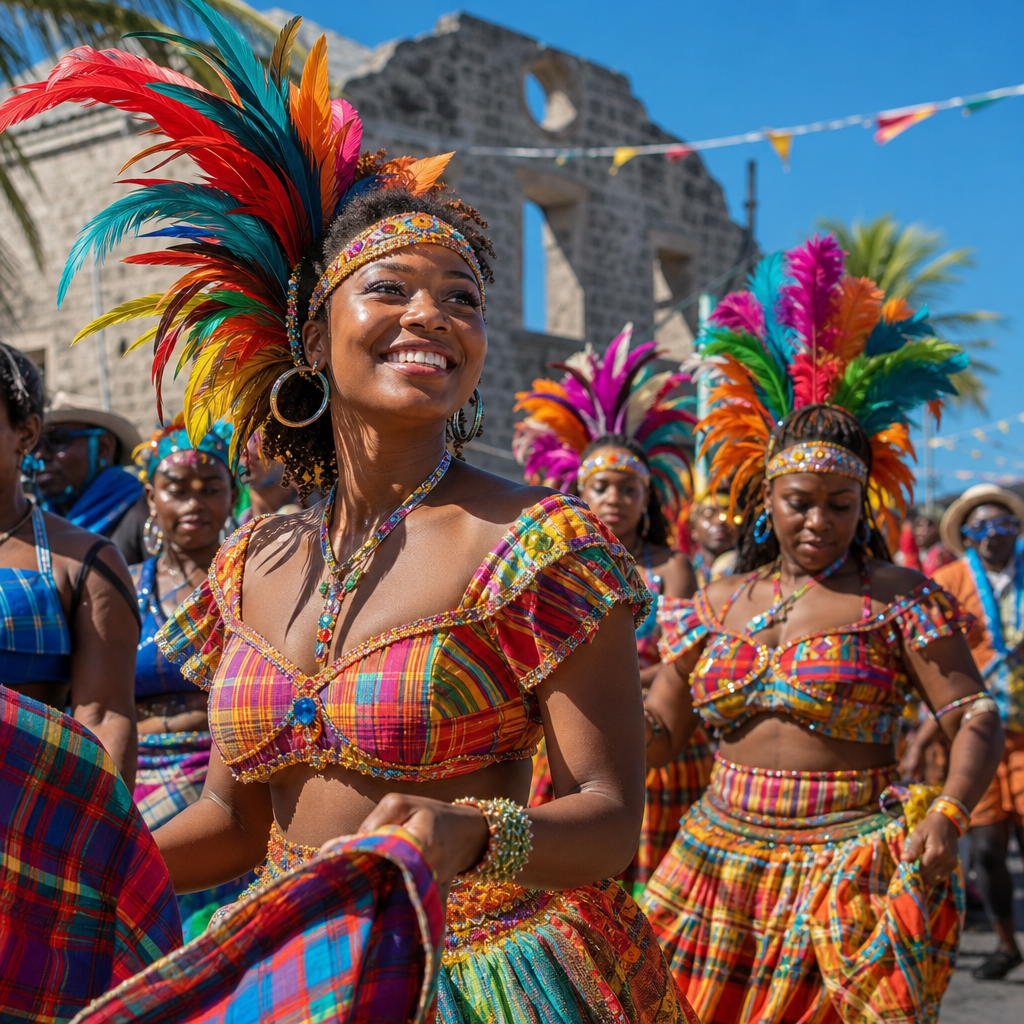
If one event defines Nevisian festival culture, it is Culturama. Launched in 1974 to preserve local traditions after Christmas sports were fading, Culturama has grown into the island’s flagship cultural festival. It usually peaks around late July and early August, close to the Emancipation commemorative period, and it combines folklore, pageantry, music competition, street parade, and all-night revelry. For many residents abroad, Culturama is also a homecoming season, which means the emotional weight of the event extends far beyond entertainment.
The festival typically includes opening activities, calypso and soca contests, junior and senior pageants, cultural presentations, j’ouvert-style street energy, and the main parade. Troupes wear elaborate costumes, but the real strength of Culturama is that it still leaves room for distinctly Nevisian forms such as masquerade, clowns, folklore characters, and oral performance. Visitors often assume every Caribbean carnival follows the same template. On Nevis, the scale is smaller, but that is an advantage. You can stand close enough to hear the exchange between performers and spectators, notice family support networks behind each contestant, and see how villages rally around their own.
From a planning standpoint, Culturama is the event most likely to affect accommodation rates, car rental availability, and restaurant demand. Book early, confirm event times locally, and expect some schedule adjustments. The best strategy is to choose one marquee event, one street event, and one heritage-focused program rather than trying to cover everything in one day.
How the festival calendar stretches beyond one season
Although Culturama gets the most attention, Nevis is not a one-festival island. The local calendar stretches through New Year activities, Easter observances, summer village events, and year-end seasonal celebrations. Public holidays and church anniversaries often create mini-festival atmospheres, especially in rural communities where fundraising, food, and live music naturally gather around formal observance. This is why travelers who arrive outside the headline season can still encounter meaningful local events.
Part of the charm is that festivals on Nevis do not always separate culture into neat categories. A weekend may begin with a church service, move into cricket, continue with a food fair, and end with a sound system playing dance music near midnight. Agricultural fairs, school anniversaries, senior citizens’ programs, and charity events can also take on festival character when enough people participate. In destination terms, these are smaller-scale events. In lived experience, they are central because they keep social ties active between the big public celebrations.
For readers using this page as a hub, the key idea is that “festival” on Nevis includes official calendar events and community gatherings that function like festivals. Ask what village is hosting, who is organizing, and whether the event supports a school, church, sports club, or heritage group. Those answers tell you what kind of atmosphere to expect.
Sport, sea, and community rivalry as celebration
On Nevis, sport is often festival culture by another name. Cricket matches, road races, swimming events, and boat-related gatherings can draw the same excitement that music shows do. Inter-village rivalry creates attendance, food vending, and social energy, especially when national pride or longstanding local bragging rights are involved. Even people who do not follow sport closely attend because the event doubles as a reunion point.
The island’s sea culture also matters. Fishing communities and coastal villages have traditions tied to boats, fresh catch, and maritime skill. Depending on the season, a boat race or sea-themed gathering can become a full social occasion with music, grilling, domino games, and heavy roadside traffic. I have found these events especially useful for visitors who want less performance and more participation. You may not get a polished stage production, but you will get direct conversation, better local food, and a clearer view of how people actually spend celebratory time together.
| Festival Type | What You Will Usually See | Best For |
|---|---|---|
| Cultural festivals | Parades, pageants, calypso, folklore, costumes | First-time visitors seeking iconic Nevis experiences |
| Religious and seasonal events | Church services, food sales, family gatherings, community concerts | Travelers interested in local tradition and social values |
| Sporting celebrations | Cricket, road races, village rivalries, beachside crowds | Visitors who want relaxed, social, less scripted events |
| Food and village fairs | Barbecue, local sweets, craft stalls, fundraising booths | Families and culinary travelers |
Food is never secondary at a Nevis festival
To understand local festivals on Nevis, follow the food line before the stage program. Community events are financed, judged, and remembered through what is served. Expect barbecue chicken, goat water, conch, johnny cakes, coconut dumplings, saltfish dishes, rice sides, tamarind treats, sugar cake, and fresh juices. The exact menu varies by organizer and season, but food is never a side note. It is a social signal that tells you whether the event leans home-style, commercial, church-based, or youth-oriented.
At larger festivals, vendors often balance crowd favorites with heritage dishes. At smaller fundraisers, the best food may sell out early because quantities are based on local demand rather than tourist volume. Go early if there is a dish you really want, carry cash, and ask what is made by the organizer rather than bought in. That simple question often leads to the most memorable plate. I have repeatedly seen visitors queue for familiar grilled items while missing excellent local soups or cakes that residents purchase first because they know those items disappear.
Food also connects festivals to Nevis’ agricultural past. Breadfruit, coconut, local herbs, and ground provisions show up across events, reminding visitors that celebration here is rooted in household cooking and market rhythms, not only restaurant presentation.
Music, folklore, and the sound of public memory
Music is the emotional engine of festivals on Nevis. Calypso remains important because it comments on politics, daily life, and community personalities with wit and pointed social critique. Soca brings the high-energy dance component, but traditional performance forms still matter, especially during heritage-centered programs. Steelpan, drumming, choirs, string band influences, and school performances all appear depending on the event. What makes Nevis distinctive is not volume alone. It is the layering of generations and genres in the same celebration.
Folklore elements deserve special attention. Masquerade traditions, costume characters, and comic performance preserve historical memory tied to emancipation, plantation society, and village creativity. These are not decorative leftovers. They are evidence of how communities carried identity forward through performance when formal power sat elsewhere. Visitors who only attend the biggest late-night party miss that deeper story. A daytime cultural showcase, school display, or heritage segment often explains more about Nevis than hours on a dance truck route.
Listen for audience response as much as the performers. On Nevis, the crowd often completes the event through call-and-response, laughter, commentary, and open judgment. That interaction is part of the tradition, not background noise.
How visitors should plan and participate respectfully
The best festival experience on Nevis comes from combining preparation with flexibility. First, verify dates through current local sources, because island event calendars can shift due to weather, logistics, or late announcements. Second, decide whether you want a marquee event, a family-friendly daytime activity, or a village-centered gathering. Third, arrange transportation in advance if you expect to stay out late; taxi availability tightens during major celebrations.
Dress for heat, crowds, and occasional rain. Comfortable shoes matter more than stylish ones, especially if the event includes roadside standing, parade movement, or uneven ground. Carry small cash, stay hydrated, and ask before photographing children or individuals in intimate community moments such as worship or memorial elements. Supporting vendors is part of attending well. Buying food, drinks, or crafts contributes directly to the event economy and is noticed.
Respect also means understanding pace. Not every program starts exactly on time, and not every highlight is announced clearly. Instead of treating that as disorganization, read it as part of local rhythm and information flow. Speak with residents, hotel staff, or drivers on the day of the event. Their updates are often more accurate than printed schedules.
Why festivals are the best gateway into local life on Nevis
Festivals condense Nevis into an accessible experience. In one afternoon or night, you can observe language patterns, taste traditional food, hear political humor, watch family networks operate, and see how villages represent themselves publicly. That is why this miscellaneous festival hub matters within local life and experiences. It links many other subjects: food culture, music, heritage, church life, sport, transportation, nightlife, and community etiquette. Few other travel experiences on the island connect so many aspects at once.
For trip planning, the biggest takeaway is simple. If your schedule allows, build at least one local festival or community event into your Nevis itinerary. If you are researching the island more broadly, use festivals as your entry point to every other local experience. Start with Culturama if you want the island’s most famous celebration, then look outward to sports days, church gatherings, village fairs, and food-centered weekends that reveal everyday Nevisian culture in fuller detail.
Nevis rewards visitors who look beyond scenery, and its festivals provide the clearest path. Check current dates, ask locals what is happening in nearby villages, and choose an event where the island is celebrating itself, not performing for a brochure. That is where Nevis feels most real, most generous, and most memorable.
Frequently Asked Questions
What makes Nevis’ local festivals different from larger Caribbean carnival-style events?
Nevis’ local festivals stand out because they are deeply community-centered and closely tied to the island’s villages, churches, families, and seasonal traditions. While larger Caribbean events often emphasize spectacle, big parades, and international crowds, many festivals on Nevis feel more intimate and rooted in everyday island life. Visitors are not just watching entertainment from the sidelines; they are stepping into a public expression of memory, identity, and neighborhood pride. Music, food, sports, pageantry, and storytelling all play a role, but so do homecomings, fundraising efforts, church activities, and local business participation.
Another difference is the emotional texture of these celebrations. On Nevis, a festival may honor emancipation history, support a community cause, celebrate a patron saint, reconnect relatives returning from abroad, or showcase talents from local youth groups and cultural performers. That gives each event a strong sense of purpose beyond recreation. The result is a festival culture that feels personal, layered, and authentic. For travelers who want to understand Nevis beyond its beaches and scenic landscapes, these celebrations offer one of the clearest windows into how the island presents itself to itself.
When is the best time to visit Nevis for festivals and cultural events?
One of the most appealing things about Nevis is that festival life is not confined to a single week or season. The island has a year-round culture of events, with activity often increasing around holiday periods, summer celebrations, village gatherings, and major national observances. This means there is no single “correct” month to visit if your goal is to experience local culture. Instead, the best time depends on what kind of atmosphere you want. Some travelers prefer larger, more energetic periods when music, street activity, and public celebrations are at their peak, while others enjoy smaller community festivals that make it easier to interact with residents and observe traditions up close.
If your priority is immersive travel, it is wise to research the island’s event calendar before booking. Festival dates can vary, and some celebrations are tied to community planning, church schedules, or annual traditions rather than fixed tourism seasons. A flexible approach is helpful. Even outside headline events, visitors may still encounter food fairs, sporting competitions, local pageants, live music, and village-based activities that reveal a great deal about Nevisian life. In practical terms, the best time to visit is when your trip can align with both cultural events and enough open space in your itinerary to enjoy them without rushing.
What should visitors expect at a typical local festival on Nevis?
A typical local festival on Nevis blends celebration with community life, so visitors should expect more than just stage performances or a street party. Depending on the event, there may be live bands, DJs, folklore presentations, dance troupes, beauty contests, sporting matches, food stalls, church services, family activities, and vendors selling crafts or local products. The atmosphere can shift throughout the day, with mornings or afternoons focused on family-friendly programming and evenings becoming more musical and social. In many cases, the festival grounds function almost like a village meeting place, where multiple generations gather to reconnect, support local talent, and enjoy the occasion together.
Food is usually a major part of the experience, and it often says as much about the island as the music does. Visitors may find traditional dishes, grilled meats, seafood, local drinks, sweets, and recipes associated with home cooking rather than resort dining. Just as important is the tone of the interaction. Festivals on Nevis are often warm and welcoming, but they are also real community spaces, not staged attractions. That means guests should arrive ready to be respectful, patient, and observant. If you come with curiosity and good manners, you are likely to leave with meaningful conversations, better cultural understanding, and a stronger sense of how Nevisians celebrate place and belonging.
How do Nevis’ festivals reflect the island’s history and cultural identity?
Nevis’ festivals reflect the island’s history by bringing together influences that have shaped public life for generations. African-Caribbean heritage is central, especially in the rhythms, dance, oral traditions, communal energy, and creative forms of self-expression found in many celebrations. At the same time, church customs, colonial-era legacies, emancipation memory, family migration stories, and village loyalties all leave their mark on how festivals are organized and experienced. This combination makes each event more than entertainment. It becomes a living archive of how the island remembers, adapts, and affirms itself in public.
These festivals also show that cultural identity on Nevis is not static. It is something continually performed, negotiated, and passed on. Young performers may appear alongside elder community figures. Modern sound systems and contemporary music may share space with traditional practices and longstanding ceremonies. Returning relatives from overseas often reconnect with local customs during festival periods, reinforcing the link between island life and the wider Nevisian diaspora. In that sense, festivals are powerful because they hold together past and present at the same time. They preserve heritage, encourage entrepreneurship, support community institutions, and remind both residents and visitors that culture on Nevis is active, social, and proudly visible.
How can travelers respectfully enjoy Nevis’ local festivals while supporting the community?
The best way to enjoy Nevis’ local festivals respectfully is to approach them as community experiences first and tourism activities second. That means taking time to understand what the event represents, whether it is tied to a village tradition, a church gathering, a historical commemoration, or a fundraising effort. Dress appropriately for the setting, especially if religious or family-oriented programming is involved, and follow the lead of local attendees regarding behavior, photography, and participation. It is always a good idea to ask before taking close-up photos of people, performers, or children. Being polite, open, and genuinely interested goes a long way on an island where festivals are often deeply personal as well as public.
Supporting the community can be simple and meaningful. Buy food from local vendors, purchase crafts or products made on the island, and attend paid events where proceeds may help fund community groups or future programming. If you hear local music, watch a youth performance, or meet small business owners at a festival, engage with them directly and show appreciation. Travelers should also plan transportation carefully, arrive with flexibility, and understand that local events may run on a rhythm shaped more by community participation than by rigid scheduling. When visitors spend thoughtfully, listen well, and take part with humility, they do more than enjoy a festival—they help sustain the very cultural life that makes Nevis so distinctive.