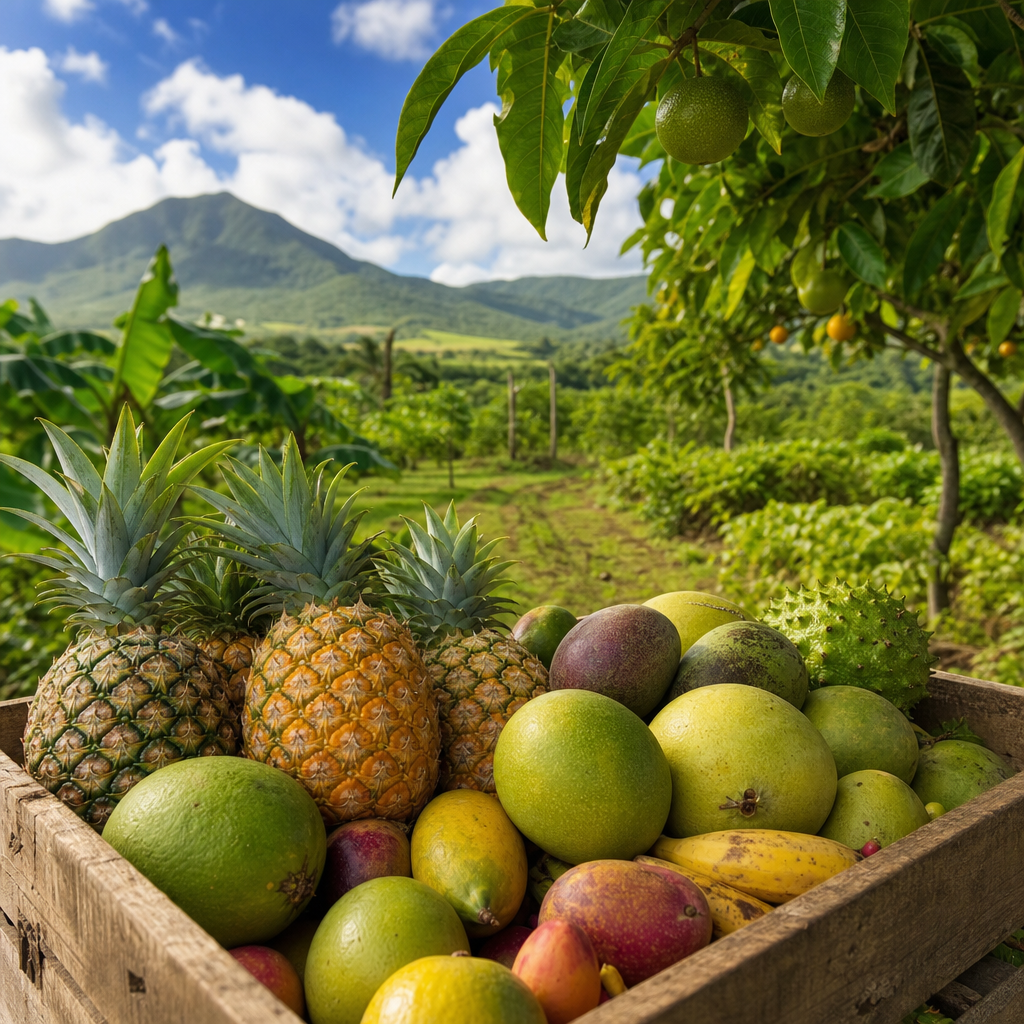
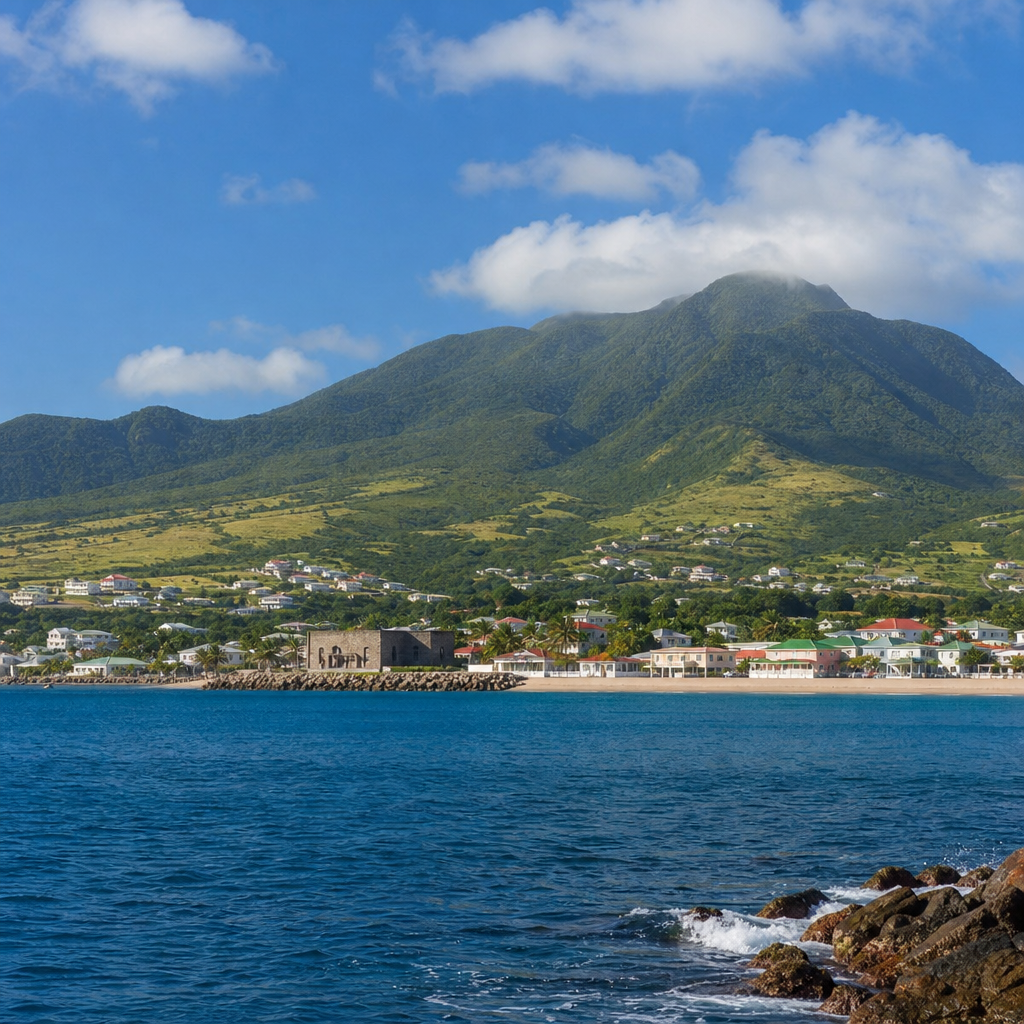
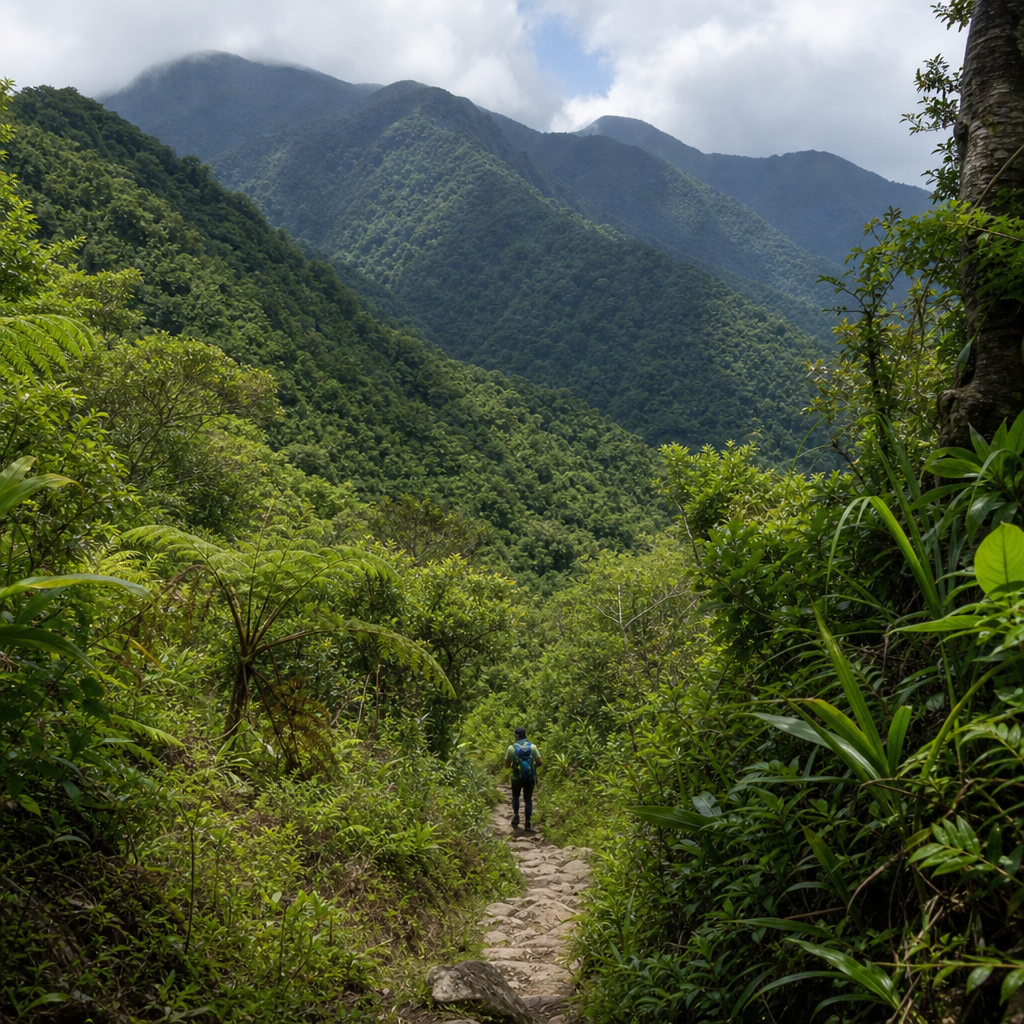
Low-impact hiking in Saint Kitts’ national parks lets travelers experience rainforest trails, volcanic ridges, and coastal viewpoints while reducing damage to the islands’ most sensitive habitats. In practical terms, low-impact hiking means planning walks that protect soil, water, wildlife, vegetation, and local communities. It includes obvious habits such as staying on marked trails and carrying out litter, but it also covers less discussed choices: avoiding trail use after heavy rain when erosion risk spikes, keeping noise down near bird habitat, choosing reef-safe sunscreen before a hike that ends at the coast, and hiring trained local guides who understand both safety and conservation. In Saint Kitts, these choices matter because the island’s protected landscapes are compact, biodiverse, and closely tied to surrounding villages, farms, and shorelines.
Saint Kitts is often described through beaches and cruise tourism, yet its interior tells a deeper ecological story. The island’s central mountains, dominated by the Mount Liamuiga stratovolcano, capture moisture that feeds lush forest systems and supports monkeys, bats, amphibians, migratory birds, and dense tropical plant life. Protected areas, including the Central Forest Reserve National Park and related conservation landscapes, help safeguard watersheds, carbon storage, and habitat connectivity. Trails here are not wilderness in the abstract; they are working conservation corridors with cultural history layered into them, from former estate routes to communities that depend on healthy water catchments. When hikers move carelessly through these places, impacts accumulate fast. A single shortcut can widen into a braided trail. One discarded fruit peel can habituate wildlife. Repeated disturbance can push birds away from nesting areas.
I have worked on destination content and trail-use guidance for Caribbean nature tourism projects, and Saint Kitts is a clear example of why sustainable hiking needs specific local advice rather than generic outdoor slogans. Conditions change quickly with rain, heat, and steep gradients. Some paths are rooted, slick, and narrow. Others pass through cloud forest where visibility can drop and footing can deteriorate within minutes. Low-impact hiking is therefore not only an environmental standard but also a practical field method. Hikers who prepare properly tread more lightly because they are less likely to leave the trail, damage vegetation while regaining balance, or create avoidable rescue situations. For a sustainable tourism hub page, that connection is central: responsible hiking supports conservation outcomes, visitor safety, and the long-term value of Saint Kitts as a nature destination.
Why low-impact hiking matters in Saint Kitts
Saint Kitts is small in land area, which means tourism pressure is concentrated rather than diffused. Popular routes to Mount Liamuiga, the interior forest, and scenic overlooks can experience repeated foot traffic from day visitors, guided groups, and independent hikers. On steep volcanic slopes, that traffic can loosen soil, expose roots, and accelerate runoff. Once erosion begins, tropical rain magnifies it. Sediment then moves downslope into streams and eventually coastal waters, affecting both freshwater systems and nearshore marine habitats. This ridge-to-reef connection is one reason low-impact hiking should be treated as a full landscape issue rather than a narrow trail etiquette topic.
Wildlife sensitivity adds another layer. Saint Kitts’ forests support vervet monkeys, numerous bird species, insects, reptiles, and pollinators that depend on intact vegetation structure. Feeding monkeys may seem harmless to visitors, but it changes animal behavior, increases aggression, and encourages animals to gather near trails and roads. Loud groups can also reduce the quality of wildlife encounters while disrupting breeding or foraging activity. In my experience reviewing visitor behavior patterns across island destinations, noise and food are among the most underestimated impact factors because they feel temporary. Their ecological effects are not temporary when repeated every day of the high season.
Low-impact hiking also matters economically. Protected trails are part of the wider sustainable tourism product of Saint Kitts, alongside heritage tourism, local food, birding, and community-guided excursions. If trails degrade, operators spend more on maintenance, authorities face higher management costs, and visitor satisfaction drops. A muddy, widened, littered trail weakens the destination’s reputation much faster than many tourism boards expect. By contrast, well-managed low-impact hiking creates a stronger premium nature market: smaller groups, better guiding, longer stays, and more spending with local businesses that benefit from conservation remaining intact.
Best practices for hikers before, during, and after the trail
The most effective low-impact choices begin before arrival at the trailhead. Hikers should research route difficulty, weather, permitted access, guide requirements, and current ground conditions. On Saint Kitts, mountain weather changes quickly, and a trail that is manageable in the dry morning can become hazardous after afternoon rain. Proper footwear with strong traction reduces slipping and the instinct to grab or trample vegetation for stability. Refillable water bottles are preferable to single-use plastics, especially on long hikes where packaging waste is easily dropped by accident. Lightweight rain protection, a basic first-aid kit, and offline navigation are not only smart safety measures; they reduce the chance that hikers improvise damaging shortcuts or require emergency intervention.
During the hike, the rule that delivers the biggest conservation benefit is simple: stay on the established trail, even when sections are muddy. Walking around puddles widens the tread and kills edge vegetation, turning a narrow path into a scar. Keep group sizes controlled and spacing steady so the trail does not become congested at difficult sections. If you stop for photos, step only onto durable surfaces already used for that purpose. Pack out all waste, including organic scraps. Banana peels and orange rinds are litter here too; they attract animals and decompose more slowly than many travelers assume in shaded forest conditions. Human waste management should also be planned in advance because fragile tropical soils near water sources are not appropriate for casual disposal.
After the hike, low-impact practice continues. Brush mud and seeds from boots before moving to another trail or island to reduce the spread of invasive species. Report fallen trees, blocked drainage, unsafe conditions, or illegal dumping to park staff, guides, or tourism authorities. If a local guide provided interpretation, pay fairly and leave feedback that highlights conservation knowledge, not just summit photos. This helps shift market demand toward operators who protect the resource. The most responsible hikers treat every outing as part recreation, part stewardship, and that mindset is exactly what protected areas in Saint Kitts need.
Key low-impact habits and why they work
| Habit | Why it matters in Saint Kitts | Practical example |
|---|---|---|
| Stay on marked trails | Prevents erosion on steep volcanic soils and protects understory plants | Walk through muddy sections instead of skirting around them |
| Use a local certified guide | Improves safety, interpretation, and compliance with access rules | Book a Mount Liamuiga trek with a guide who monitors weather and pace |
| Carry reusables | Reduces plastic waste in remote forest and trailhead areas | Bring refillable bottles and a packed lunch in reusable containers |
| Do not feed wildlife | Avoids behavioral change, aggression, and unnatural animal congregation | Keep snacks sealed when monkeys are nearby |
| Clean gear afterward | Limits spread of seeds, soil pathogens, and invasive organisms | Rinse boots and trekking poles before the next excursion |
National park landscapes, trail types, and common impact risks
Not every trail in Saint Kitts carries the same ecological risk, so low-impact hiking should match the landscape. Forest reserve routes typically involve moist soils, root lattices, leaf litter, and shaded slopes where drainage patterns are delicate. Here, erosion and trampling are the main concerns. Ridge and summit approaches, including hikes associated with Mount Liamuiga, add safety exposure through steep inclines, loose rock, and sudden weather shifts. On these routes, an exhausted hiker is more likely to step off trail, grab branches, or dislodge material downslope. Coastal and viewpoint walks create a different profile: sunscreen runoff, litter, cliff-edge vegetation damage, and disturbance near nesting or roosting areas.
Understanding trail surfaces helps hikers make better choices. Volcanic islands often produce terrain that looks firm until saturated. In Saint Kitts, clay-rich and organic soils can become slick quickly, especially under dense canopy. Trekking poles can help with balance, but only when used carefully; repeated pole strikes on trail edges can enlarge fragile sections. Footwear matters too. Aggressive lug soles give traction, but they can also churn wet ground if hikers pivot unnecessarily. The best technique is short, deliberate steps and patient pacing, especially in descents. In guided hikes I have reviewed, the groups that cause the least damage are usually not the fastest; they are the ones that maintain rhythm and avoid reactive movement.
Cultural features also deserve protection. Some routes pass former estate lands, old road alignments, stone structures, or agricultural edges that reflect Saint Kitts’ layered history. Low-impact hiking includes respecting these sites, not climbing on ruins for photos, and not removing natural or historical materials as souvenirs. For a sustainable tourism hub, this is important because “miscellaneous” outdoor travel often blends nature, culture, and community in one excursion. The park experience is never just ecological; it is also social and historical.
Guides, community knowledge, and responsible visitor planning
One of the most effective ways to reduce environmental pressure in Saint Kitts is to choose knowledgeable local guides. Good guides do more than lead the way. They set pace, identify durable rest points, interpret wildlife without disturbance, explain cultural context, and make weather-based decisions that protect both people and trail conditions. On Mount Liamuiga, for example, a trained guide can judge when rain, heat stress, or group fatigue makes a summit push unwise. Turning back is sometimes the most sustainable choice because accidents and off-trail scrambling produce outsized impact in fragile terrain.
Community knowledge is especially valuable on islands where trail conditions can change between official updates. A guide or local operator may know that a recent downpour damaged drainage, that a fallen tree is forcing awkward passage, or that a section is best avoided during a restoration effort. This kind of current intelligence rarely appears in broad travel listings. It comes from people who use the landscape regularly and understand how tourism affects it. Supporting them keeps more visitor spending on the island and reinforces conservation as part of the local economy.
Responsible planning also means matching hikers to the right route. Families with limited experience should not book the hardest trek simply because summit photos are popular on social media. A shorter rainforest interpretive walk can deliver a better experience with less strain and lower impact. Early departures help avoid midday heat and reduce pressure at crowded access points. Small groups are easier to manage than large ones, especially where trail width is narrow. If your hotel or tour desk recommends a provider, ask specific questions: What is the maximum group size? How do they handle litter? Do they brief guests on wildlife interaction and trail etiquette? Serious operators will have clear answers.
How this hub connects sustainable tourism choices beyond the trail
Low-impact hiking in Saint Kitts does not stand alone. It connects directly to transportation, lodging, food, gear, marine protection, and local purchasing decisions. Visitors who choose accommodations with water conservation measures, refill stations, and partnerships with local guides usually find it easier to maintain low-waste habits during hikes. Travelers who arrive by taxi or shared transfer rather than separate rental vehicles can reduce congestion at small trailheads. Those who eat at local restaurants and buy island-grown food support the communities that coexist with protected areas, making conservation economically meaningful rather than symbolic.
This hub role matters because sustainable tourism is built from linked decisions. A hiker who follows trail rules but buys disposable supplies for every outing still creates avoidable waste. A visitor who respects wildlife in the forest but uses harmful sunscreen before swimming near the coast overlooks the same ridge-to-reef system the park protects. Even timing choices matter. Traveling outside peak periods can reduce crowding on popular routes and improve the quality of interpretation from guides. In other words, low-impact hiking is one of the clearest entry points into broader responsible travel behavior across Saint Kitts.
Future subtopic pages can explore specific routes, birdwatching ethics, zero-waste packing, heritage walks, community-based tours, and conservation-friendly lodging in more depth, but the core principle remains consistent: every choice should leave the landscape, wildlife, and local community no worse off than before your visit. That standard is realistic, measurable, and useful. It gives travelers a way to enjoy Saint Kitts’ national parks without treating them as disposable scenery.
Saint Kitts offers one of the Caribbean’s most rewarding combinations of rainforest access, volcanic scenery, biodiversity, and cultural landscape, but those strengths depend on careful visitor behavior. Low-impact hiking protects trails from erosion, keeps wildlife wild, reduces waste, supports watershed health, and strengthens the long-term tourism value of the island’s protected areas. The most important practices are straightforward: prepare well, use the right gear, stay on marked trails, avoid feeding animals, keep groups small, respect guides and community knowledge, and carry stewardship beyond the hike into transport, lodging, and purchasing decisions.
For travelers, the benefit is not only ethical. Low-impact hikers usually have safer, richer, and more memorable experiences because they move with greater awareness of the place. They notice bird calls instead of broadcasting music, understand why muddy sections should be walked through, and value the forest as living infrastructure rather than a backdrop. For operators and communities, responsible hiking helps preserve the very resource that draws visitors. For Saint Kitts itself, it supports a tourism model that can remain viable without sacrificing ecological integrity.
If you are planning to explore Saint Kitts’ national parks, make this page your starting point for sustainable tourism decisions. Choose guided, well-managed hikes, ask informed questions, and follow the low-impact habits that keep the island’s trails healthy for the next visitor and the next generation.
Frequently Asked Questions
What does low-impact hiking mean in Saint Kitts’ national parks?
Low-impact hiking in Saint Kitts’ national parks means enjoying the island’s rainforest paths, volcanic slopes, and scenic coastal overlooks in ways that reduce harm to fragile ecosystems. In practice, it goes beyond simple outdoor courtesy. It includes staying on marked trails to prevent trampling native plants and widening footpaths, carrying out all rubbish to keep water sources and wildlife safe, and avoiding shortcuts that can accelerate soil loss on steep terrain. Because many trails in Saint Kitts pass through humid forest and erosion-prone areas, even a small step off the path can damage roots, loosen soil, and create long-term maintenance problems.
It also involves paying attention to timing and conditions. For example, avoiding hikes after heavy rain can be one of the most effective low-impact choices because saturated trails are far more vulnerable to erosion, rutting, and muddy widening. Hikers who choose dry-weather windows help preserve trail surfaces and reduce sediment runoff into nearby streams. Low-impact hiking also means respecting wildlife by keeping noise down, not feeding animals, and giving birds and other species space to move naturally through their habitat. In Saint Kitts, where natural areas are part of both environmental heritage and local community life, a low-impact approach helps protect biodiversity while ensuring trails remain enjoyable for future visitors and residents alike.
Why is staying on marked trails especially important in Saint Kitts?
Staying on marked trails is especially important in Saint Kitts because the island’s national park environments often combine steep gradients, dense vegetation, delicate root systems, and high rainfall. When hikers leave the designated path, they can quickly damage vegetation that stabilizes the ground. Once plants are crushed or roots are exposed, rainfall can wash soil away more easily, creating informal side paths and expanding trail scars. On volcanic ridges and rainforest slopes, this kind of damage can spread faster than many visitors expect, particularly during the wet season.
Marked trails are also designed to guide people through landscapes with fewer ecological and safety risks. They generally avoid the most sensitive habitats, reduce disturbance to wildlife, and help limit human pressure to areas that can better withstand regular foot traffic. By remaining on the established route, hikers help park managers concentrate conservation and maintenance efforts where they are most effective. Just as importantly, staying on trail lowers the chance of getting lost in dense forest, slipping on unstable ground, or accidentally entering areas important to local water systems or habitat recovery. In short, following the marked path is one of the simplest and most meaningful ways to protect both the landscape and your own hiking experience.
When should hikers avoid the trails to reduce environmental damage?
One of the best times to avoid hiking is immediately after heavy rain. In Saint Kitts, intense tropical showers can quickly saturate trail surfaces, especially in rainforest and upland areas. Wet ground is more easily compacted and displaced by foot traffic, which means boots can carve deeper impressions into the trail, break down edges, and encourage people to step around muddy sections. That sidestepping behavior often widens the trail and damages vegetation along the margins. Over time, these small choices contribute to serious erosion, exposed roots, and runoff problems that are difficult and expensive to repair.
Hikers should also be cautious during periods of unusually high visitor traffic or when trail advisories are in place. If a route is temporarily closed or conditions are listed as unsafe or sensitive, respecting those notices is part of low-impact travel. Seasonal wildlife activity can be another reason to minimize disturbance in certain areas, especially if local guidance indicates that species are breeding, nesting, or feeding nearby. A good rule is to check weather forecasts, ask local guides or park staff about current trail conditions, and choose sturdier routes or postpone your hike if the ground is soft and vulnerable. Waiting for better conditions is not missing out; it is a practical conservation decision that helps preserve the trails and habitats that make hiking in Saint Kitts special.
How can hikers protect wildlife, plants, and water sources while exploring the parks?
Protecting wildlife, plants, and water sources starts with understanding that hikers are moving through living systems, not just scenic viewpoints. In Saint Kitts’ national parks, that means keeping a respectful distance from animals, avoiding sudden loud noise, and never feeding wildlife. Human food can alter animal behavior, create dependency, spread illness, and increase conflict around trails. Hikers should also avoid touching, picking, or collecting plants, flowers, seeds, rocks, or natural souvenirs. Even well-intentioned interactions can damage rare species, spread pests, or reduce the natural character of protected areas.
Water protection is equally important. Streams, springs, and drainage channels in forested landscapes can be affected by litter, food waste, sunscreen runoff, and soil disturbance. Visitors should pack out everything they bring in, including fruit peels, tissues, and biodegradable scraps, since these do not disappear quickly in all environments and can still disrupt wildlife behavior. It is best to stay on bridges, marked crossings, and designated rest spots rather than washing gear or hands directly in natural water sources. If you are hiking with snacks or a packed meal, store them securely and eat in places that will not attract animals to the trail. Simple habits such as cleaning muddy footwear before and after a hike can also help reduce the spread of seeds or pathogens between habitats. Together, these practices help maintain healthier ecosystems across Saint Kitts’ forests, ridges, and coastal park areas.
Are guided hikes better for low-impact travel in Saint Kitts’ national parks?
In many cases, yes. Guided hikes can be one of the best options for low-impact travel in Saint Kitts because knowledgeable local guides understand trail conditions, weather patterns, sensitive habitats, and appropriate visitor behavior. They can steer hikers toward routes that match current ground conditions, help groups avoid vulnerable areas after rain, and explain why certain sections should be used carefully or skipped altogether. This local expertise often prevents unintentional harm, especially for visitors unfamiliar with tropical trail systems or the ecological significance of the island’s protected landscapes.
Guided hikes also tend to support low-impact travel in a broader community sense. Hiring local guides contributes to the economy connected to conservation-friendly tourism and can strengthen the value of protecting natural areas rather than overusing them. Guides often reinforce best practices such as keeping groups small, maintaining a steady pace without crowding the trail, respecting cultural sites, and leaving no trace at rest stops and viewpoints. They can also interpret what hikers are seeing, from native vegetation to volcanic landforms, which usually leads to more respectful behavior and a deeper appreciation of the environment. While independent hikers can certainly travel responsibly, a well-run guided walk often makes low-impact choices easier, more informed, and more consistent throughout the entire hike.