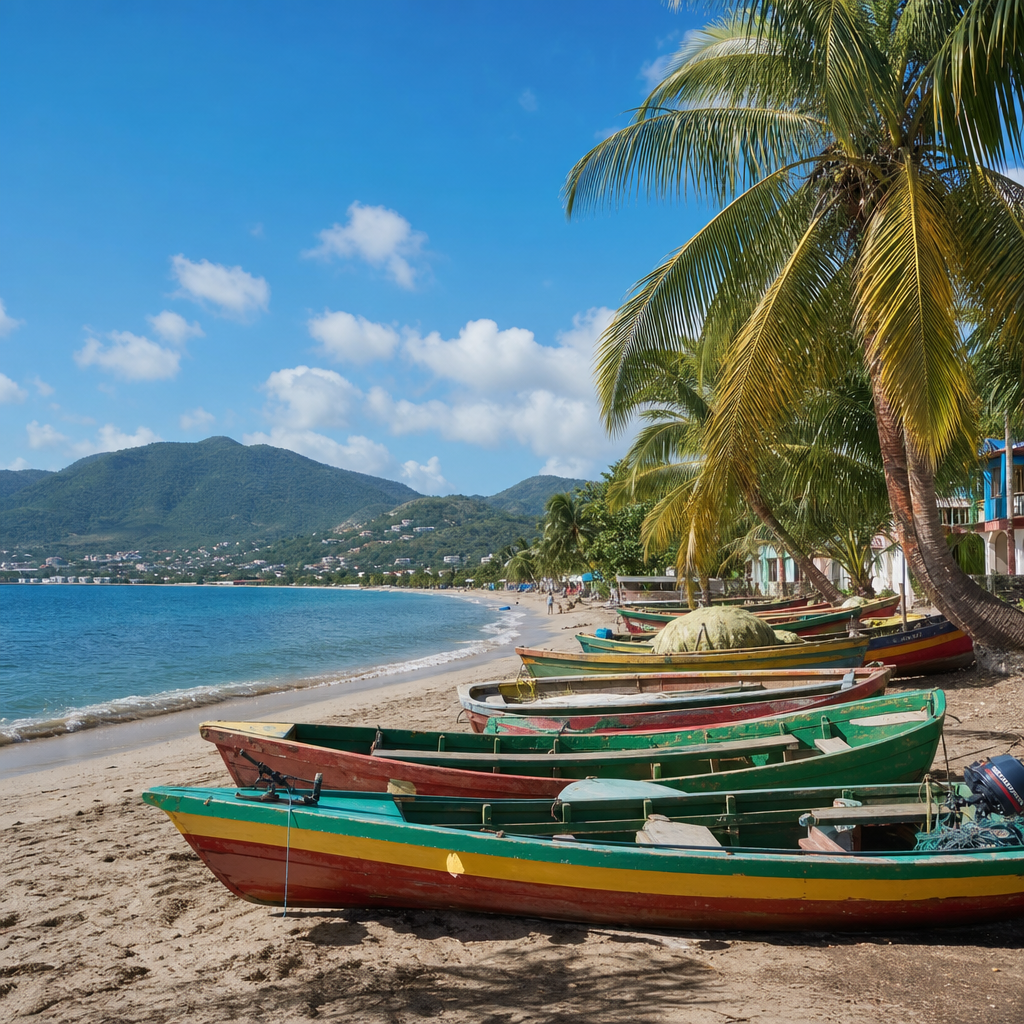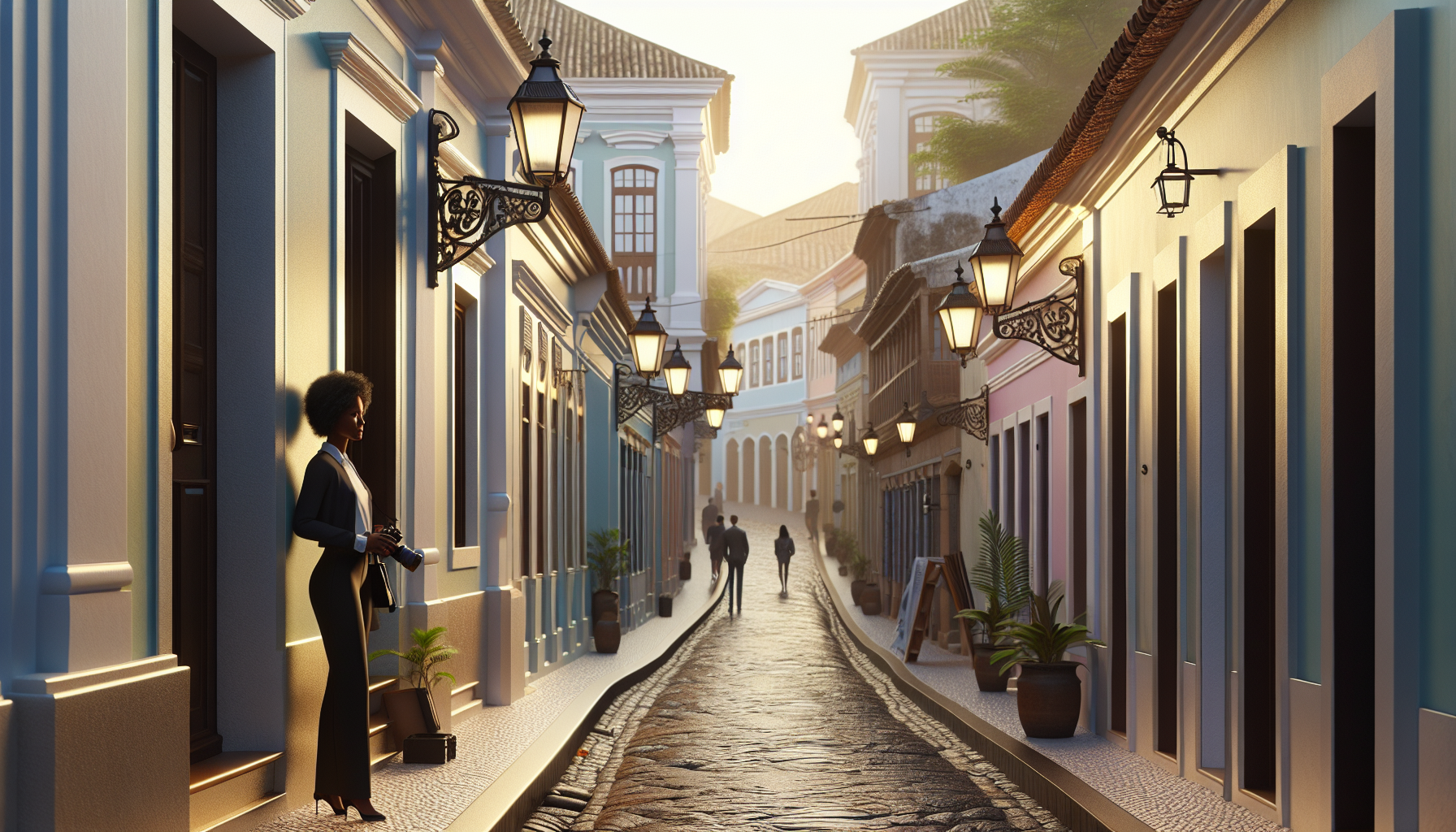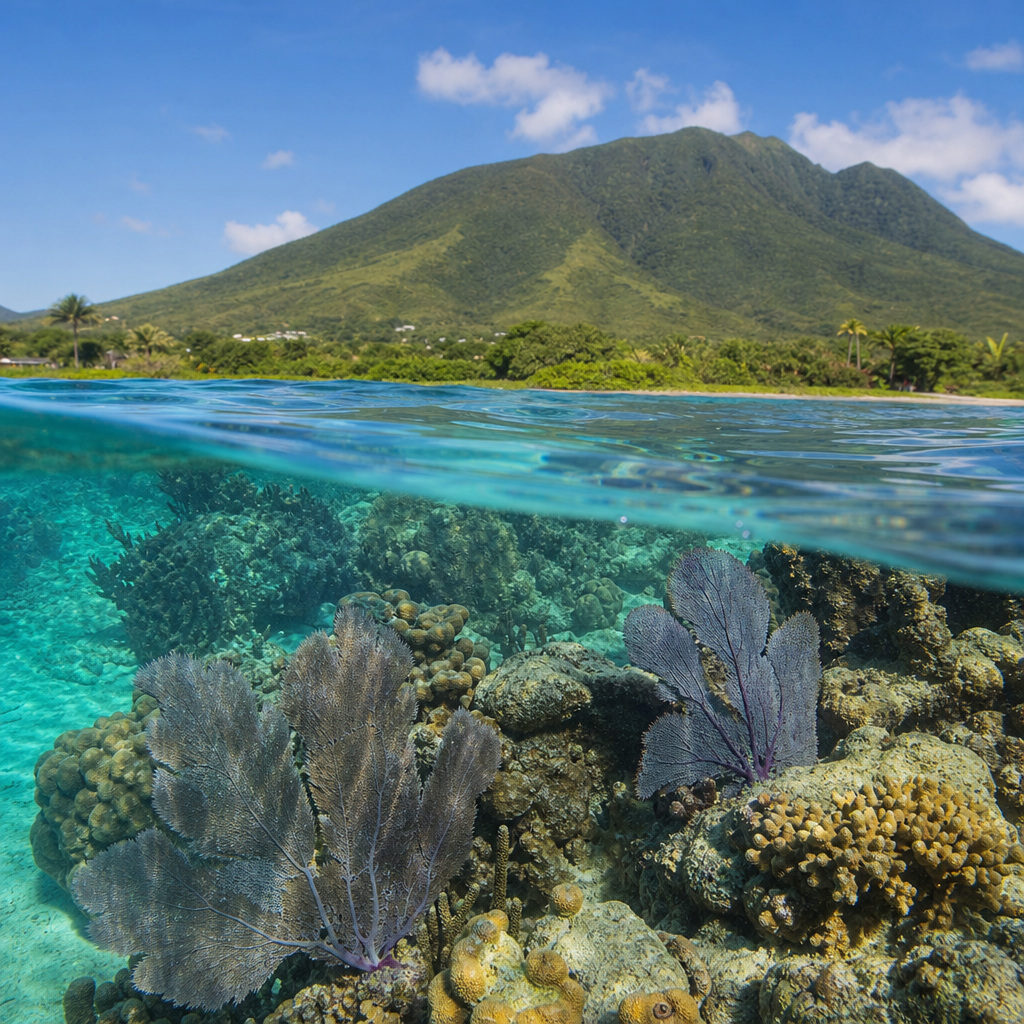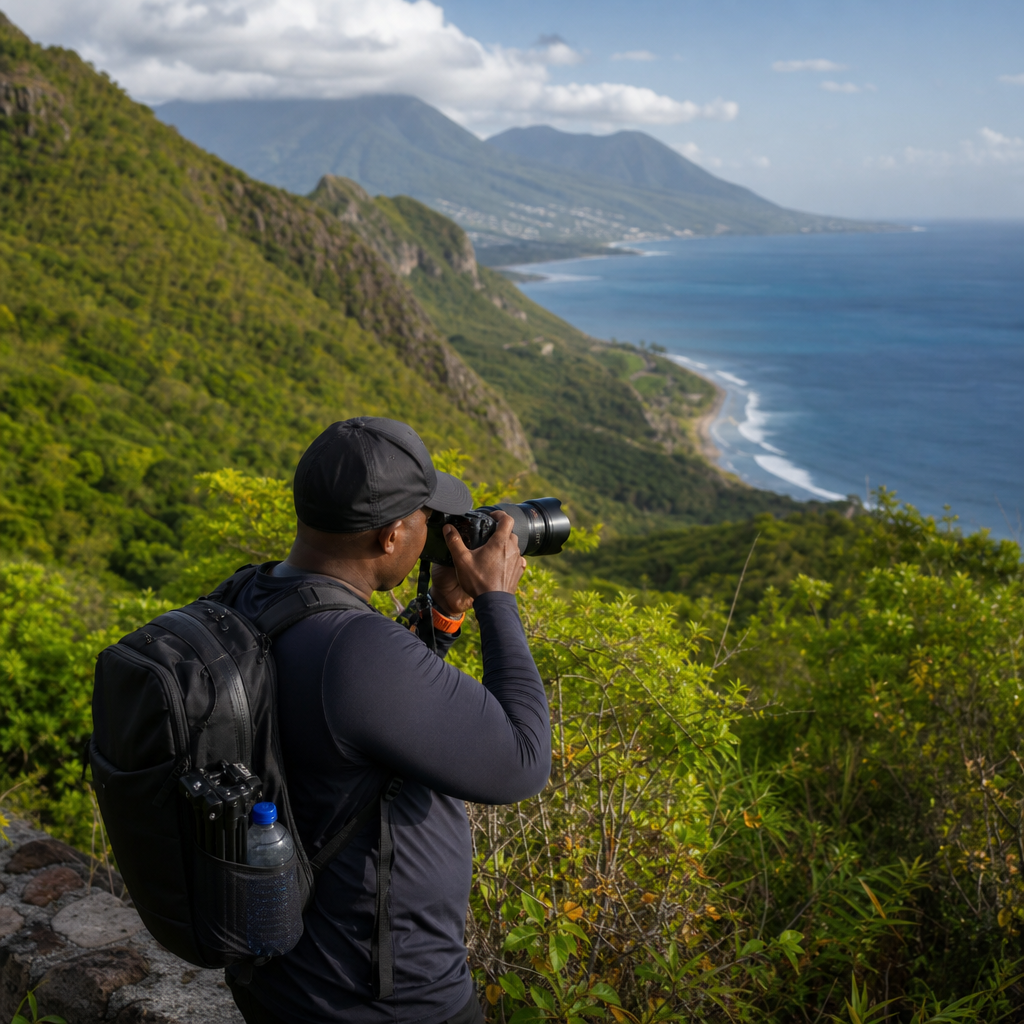
Nevis’ Nature Photography Workshop: Capturing the Wild brings together fieldcraft, camera technique, and ecological awareness in one of the Caribbean’s most rewarding landscapes for image-making. On Nevis, nature photography means more than pointing a lens at a pretty scene. It involves reading light across volcanic slopes, anticipating movement in coastal wetlands, and understanding how rainforest, shoreline, and cultivated land create habitats for birds, monkeys, insects, reptiles, and dramatic plant life. For travelers exploring adventure and activities on the island, this workshop theme sits naturally within the miscellaneous branch because it connects hiking, birding, heritage landscapes, marine excursions, wellness travel, and creative learning. It is both an activity in its own right and a gateway into many others.
When I plan photography sessions on Nevis, I treat the island as a compact but layered field studio. At sea level, mangroves, rocky coves, and beaches offer changing reflections, shorebirds, tide patterns, and sunrise color. Inland, old estates, village roads, and botanical gardens add texture, history, and controlled practice environments. Higher up, the forested slopes of Nevis Peak introduce mist, filtered light, moss, and the challenge of shooting in humid, low-contrast conditions. A good workshop teaches participants how to work across all of these settings without reducing nature photography to gear talk. The real lesson is learning to observe. That includes weather shifts, animal behavior, local conservation rules, and the difference between documenting wildlife and disturbing it.
This matters because travelers increasingly want meaningful activities, not passive sightseeing. A well-designed nature photography workshop helps visitors leave with strong images, but also with a deeper understanding of place. It supports slower travel, encourages respect for habitats, and can direct attention toward local guides, parks, and conservation-minded operators. For many people, it also solves a practical problem: tropical environments can be visually overwhelming. Bright sun, sudden rain, dense greenery, and fast-moving subjects produce disappointing results if you rely on auto mode alone. A structured workshop on Nevis turns that challenge into a skill-building experience by teaching exposure control, composition, lens choice, and ethical field practices in plain, usable terms.
Why Nevis Is Exceptional for Nature Photography
Nevis is unusually well suited to a workshop format because its environments are close together, accessible within a day, and visually distinct. In one morning, participants can photograph golden light over Pinney’s Beach, then move to wetland edges for birds, and finish in cooler upland vegetation. This variety creates a practical learning sequence. Wide coastal scenes teach horizon control and leading lines. Mid-range habitat shots introduce layering and depth. Forest images demand close attention to shutter speed, stabilization, and color balance under canopy shade. Because distances are manageable, less time is lost in transit and more time is spent shooting, reviewing, and refining technique.
The island’s biodiversity adds range without requiring a specialist expedition. Common subjects may include green vervet monkeys, bananaquits, hummingbirds, frigatebirds overhead, crabs along the shore, lizards in stone walls, sea grapes backlit at sunset, and orchids or fungi in moist upland areas after rain. Seasonal variation keeps the subject matter dynamic. Dry periods can simplify compositions and reveal texture in rock, bark, and grassland, while wetter periods intensify greens, cloud drama, and macro opportunities. For workshop leaders, that flexibility is valuable. Beginners can practice with static subjects such as leaves, trunks, shells, and architectural details in natural settings, while advanced photographers can pursue birds in flight, telephoto wildlife portraits, or low-light forest storytelling.
Nevis also offers a strong sense of atmosphere. The visual story is not only wildlife; it is wildlife within a cultural landscape shaped by plantations, footpaths, fishing grounds, and village edges. That context matters. Images become stronger when they show relationship rather than isolation: a monkey framed by old stonework, a heron feeding near a mangrove channel, waves breaking below volcanic cliffs, or rain moving across the mountain while a grazing field sits in partial light. In workshops I have run in similarly compact islands, participants improve fastest when they stop chasing single iconic shots and instead learn to build a portfolio of habitat, detail, action, and mood. Nevis supports exactly that approach.
What Participants Learn in a Field Workshop
A serious nature photography workshop on Nevis should balance classroom simplicity with field repetition. The core skills are exposure, focus, composition, and timing. Exposure starts with understanding how tropical light behaves. Midday sun can create clipped highlights on white surf, birds, or bright clouds, while deep shade under palms or forest canopy can push cameras toward noisy files. Participants need to know when to use aperture priority, when to switch to manual, and how exposure compensation preserves detail. For wildlife, shutter speed is usually the first control. Hummingbirds and active monkeys demand fast settings, often 1/1000 second or higher, while landscapes at dawn can be made slowly from a tripod or stable support.
Focus technique is just as important. Many missed wildlife images are not caused by poor luck but by selecting the wrong autofocus mode. Continuous autofocus, subject tracking where available, and a small flexible focus area usually outperform full auto in mixed vegetation. Workshops should explain this with real examples, not abstract menus. If a bananaquit is moving through branches, eye detection may fail; a controlled single-point placement on the head can work better. If waves, birds, and people all enter the frame, a wider tracking mode may become more reliable. Reviewing missed images in the field is part of the learning process. Participants improve quickly when they see exactly why the camera grabbed a leaf instead of the bird.
Composition lessons should move beyond the rule of thirds. On Nevis, strong nature images often depend on edge control, background cleanliness, and the use of weather as structure. A simple subject becomes compelling when a dark cloud bank separates a frigatebird from a bright horizon, or when a diagonal line of foam leads toward a distant headland. Macro and close-up work introduce another layer: using repetition, symmetry, and selective focus to turn leaves, shells, and insects into graphic studies. Ethical practice belongs in the same lesson. Good workshops explicitly prohibit baiting, playback overuse, trampling sensitive areas, or approaching wildlife so closely that behavior changes. The best image is never worth stressing an animal.
| Workshop Focus | Best Nevis Setting | Typical Gear | Main Technique |
|---|---|---|---|
| Sunrise landscapes | Pinney’s Beach and coastal overlooks | Wide lens, tripod, polarizer | Manual exposure and horizon alignment |
| Bird photography | Wetlands, mangroves, shoreline | Telephoto lens, monopod optional | Fast shutter speed and continuous autofocus |
| Rainforest details | Nevis Peak lower trails | Macro lens or close-focus zoom | Stabilization and selective depth of field |
| Environmental portraits of wildlife | Estate grounds and forest edges | 70-200mm or 100-400mm lens | Subject isolation with habitat context |
Locations, Light, and Seasonal Strategy
Choosing the right location at the right time is the backbone of successful photography on Nevis. Sunrise is usually the most forgiving window for coastline work. The lower sun angle adds texture to sand, rock, and vegetation, and the color temperature is naturally warm without becoming harsh. Early morning is also more active for birds and less uncomfortable for hikers carrying camera gear. Pinney’s Beach, Cades Bay viewpoints, and quieter coastal stretches can all produce usable workshop sessions. Late afternoon is strong for west-facing scenes and backlit foliage, though haze can soften distant views. Midday should not be wasted; it is better used for waterfalls after rain, detail studies in shade, or editing and critique sessions.
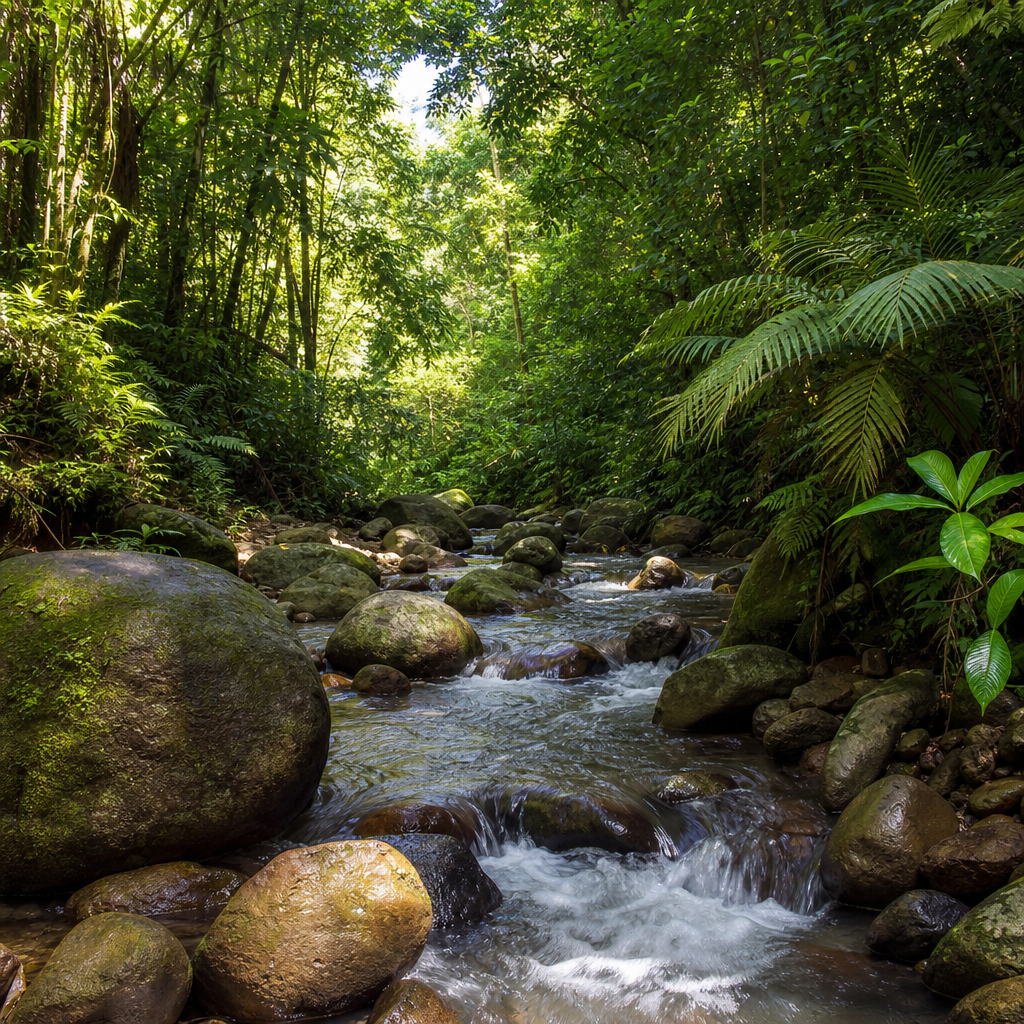
Forest and mountain environments require a different strategy. Cloud cover can improve rainforest photography because it reduces contrast and reveals subtle greens that hard sun destroys. On lower sections of Nevis Peak trails, participants can practice handholding in low light, managing condensation, and keeping lenses dry in humidity. A microfiber cloth, rain cover, and silica packs are basic but essential tools. Insects, epiphytes, bark textures, and mist through trees often create stronger images than distant summit shots, especially when conditions close in. In workshops, I encourage photographers to stop chasing postcard expectations. Nevis’ wild character often appears best through intimate scenes: wet roots, drifting fog, and narrow shafts of light.
Seasonality affects both access and subject choice. During wetter periods, the island becomes richer in color and more dramatic in sky structure, but trails may be slippery and electronics need extra protection. During drier periods, visibility can be clearer and paths easier, though midday light becomes more severe. Wind is another planning factor. Coastal bird photography can improve with moderate wind because birds hold position more predictably, but strong gusts reduce sharpness for handheld telephoto work. Tides, moon phase, and local weather forecasts should be part of workshop preparation. Serious leaders often use apps such as Windy, PhotoPills, and regional radar tools to predict conditions. That planning separates a casual photo walk from a dependable educational experience.
Gear Choices, Practical Workflow, and Hub Connections
Participants do not need expensive equipment to succeed, but they do need gear matched to realistic goals. A modern smartphone can handle landscapes, plants, and some close-up details surprisingly well, especially with careful composition and exposure adjustment. However, wildlife work becomes easier with an interchangeable-lens camera and a telephoto zoom. A common and effective kit for Nevis is a wide lens in the 16-35mm range, a standard zoom such as 24-70mm, and a telephoto like 100-400mm. For lighter travel, a single 24-240mm or 18-300mm style lens can cover most situations with some compromise in sharpness and low-light ability. Spare batteries matter because heat, image review, and burst shooting drain power faster than many visitors expect.
Workflow in the field should be simple and disciplined. I advise participants to shoot RAW when possible, check histograms rather than trusting the rear screen, and back up files every day. On humid islands, memory card handling also matters; avoid changing cards in blowing sand or light rain, and keep used cards in a sealed case. Editing should support what was observed, not invent a false scene. Basic adjustments in Adobe Lightroom, Capture One, or DxO PhotoLab usually cover the essentials: white balance correction, highlight recovery, moderate noise reduction, and selective sharpening. Overprocessed tropical images often look unrealistic because greens become neon and skies turn artificially dark. Natural color and believable contrast are more persuasive.
As a sub-pillar hub within adventure and activities, this topic should also point readers toward related experiences that deepen their photography results. Hikers benefit from route guides for Nevis Peak and lower nature trails. Birders need habitat-specific articles on coastal species and migration patterns. Visitors interested in marine photography should connect to snorkeling or boat excursion content covering water clarity, reef-safe behavior, and housing options for cameras. Heritage walkers may want guides to estate ruins and village landscapes where nature and history overlap. Wellness travelers often pair sunrise shoots with yoga or slow mornings at eco-conscious accommodations. The workshop becomes the organizing thread: an activity that links miscellaneous island experiences into a coherent creative itinerary.
For travelers deciding whether to book, the main benefit is clear. A nature photography workshop on Nevis helps you see more, move more deliberately, and come home with images that reflect the island’s real character rather than generic vacation snapshots. You learn how to work with tropical light, respect wildlife, plan around weather, and build a varied portfolio from beaches, forests, wetlands, and heritage landscapes. Just as important, you gain an activity that fits solo travelers, couples, families with older children, and repeat visitors looking for something deeper than a standard tour.
The strongest workshops are practical, ethical, and grounded in place. They teach camera settings, but they also teach patience, observation, and restraint. They use Nevis’ compact geography to create a full learning arc, from sunrise landscapes to forest detail and wildlife behavior. And because this subject sits at the crossroads of hiking, birding, marine outings, and cultural exploration, it works naturally as a hub for miscellaneous adventure content. If you are building an itinerary for Nevis, add a photography workshop early in your trip. The skills you learn on day one will improve every walk, excursion, and wild encounter that follows.
Frequently Asked Questions
What makes Nevis such a strong destination for a nature photography workshop?
Nevis offers an unusually rich mix of ecosystems within a relatively compact island setting, which makes it exceptionally rewarding for photographers who want variety without spending hours in transit. In a single workshop, participants can move from volcanic foothills and rainforest edges to coastal wetlands, rocky shorelines, cultivated lands, and open sea views. Each habitat supports different subjects and different photographic challenges, from birds moving through mangroves to green vervet monkeys foraging near the forest edge, from macro opportunities with insects and flowers to sweeping landscape scenes shaped by changing weather and light.
What truly sets Nevis apart is the way natural beauty and ecological complexity overlap. The island is not just scenic; it is dynamic. Light shifts quickly across slopes and valleys, cloud cover can transform a scene in minutes, and habitat transitions create opportunities for storytelling images rather than simple snapshots. A workshop here allows photographers to practice more than camera operation. It teaches them how to observe behavior, anticipate movement, understand terrain, and recognize how local ecology influences where wildlife appears and when it is most active. That combination of beauty, accessibility, and biodiversity makes Nevis an ideal outdoor classroom for serious nature image-making.
What kinds of photography skills are typically taught in a workshop focused on Nevis’ wild landscapes?
A strong nature photography workshop on Nevis usually combines technical camera instruction with fieldcraft and visual storytelling. On the technical side, participants often work on exposure control in fast-changing outdoor conditions, autofocus settings for wildlife, shutter speed choices for moving subjects, depth of field for landscapes and close-ups, and lens selection based on habitat and subject distance. Because Nevis presents everything from dense greenery to bright shorelines and reflective water, photographers also learn how to manage contrast, backlighting, and rapidly changing weather conditions without losing detail or mood.
Just as important, the workshop typically teaches observation skills that make better photographs possible before the shutter is ever pressed. That includes reading the direction and quality of light, identifying likely wildlife behavior, moving quietly in the field, composing with natural layers, and using habitat to create context around a subject. Participants also often learn how to make more intentional images by thinking in series: a wide environmental scene, a medium habitat portrait, and a tighter behavioral or detail shot. On Nevis, that approach is especially valuable because the island encourages photographers to tell broader ecological stories rather than isolate everything into disconnected frames.
What wildlife and natural subjects can participants expect to photograph on Nevis?
Nevis offers a wide range of subjects, which is part of what makes the workshop appealing to photographers with different interests and experience levels. Birdlife is often a major highlight, especially in coastal wetlands, ponds, and shoreline habitats where patient observation can reveal both resident and visiting species. In forested and cultivated areas, photographers may encounter vervet monkeys, which can provide compelling behavioral opportunities when approached ethically and from a respectful distance. Insects, butterflies, lizards, and other small subjects are also important, particularly for photographers interested in close-up work and the textures, patterns, and colors that define tropical environments.
Landscapes are equally significant. Nevis Peak, rolling green slopes, dramatic cloud formations, coastal cliffs, beaches, and views across the Caribbean all create opportunities for wider compositions. Even cultivated land can become a compelling subject when photographed as part of the island’s ecological mosaic, showing how human-managed spaces interact with wilder habitats. Depending on timing and conditions, participants may also photograph details such as bark, leaves, fungi, tide-line patterns, and shifting light on water. In a well-designed workshop, the goal is not only to find iconic subjects but to train the eye to recognize photographic value in the full range of natural forms and interactions that Nevis presents.
Do I need advanced camera gear or professional experience to benefit from the workshop?
No, professional-level gear is not required to get meaningful results from a nature photography workshop on Nevis. While longer lenses, weather-sealed bodies, and specialized macro equipment can certainly expand creative options, many core lessons apply regardless of whether someone is using an entry-level DSLR, a mirrorless system, or even a capable bridge camera. Success in nature photography depends heavily on timing, patience, observation, and understanding light, all of which can be taught and practiced without the most expensive equipment. In many cases, learning how to use a simple setup well produces stronger images than relying on advanced gear without a clear technique.
That said, participants generally benefit from bringing the most flexible kit they have. A standard zoom is useful for landscapes and environmental portraits, a telephoto lens helps with birds and shy wildlife, and a close-focusing lens or macro option opens up opportunities with smaller subjects. Tripods can help in lower light and for careful landscape work, though they may not always be practical in fast-moving wildlife situations. Most importantly, workshops are designed to meet photographers where they are. Beginners can learn foundational habits that dramatically improve consistency, while more experienced participants can refine technique, field discipline, and their ability to create a coherent body of work in a complex natural setting like Nevis.
How does the workshop approach ethical wildlife photography and environmental awareness?
Ethical practice is central to responsible nature photography, especially in an ecologically sensitive destination like Nevis. A good workshop emphasizes that the welfare of the subject and the integrity of the habitat always come before the image. That means avoiding disturbance, not pushing too close to wildlife, staying aware of signs of stress or altered behavior, and never manipulating animals or damaging vegetation to create a cleaner shot. Participants are typically encouraged to work with patience rather than pressure, allowing natural behavior to unfold instead of forcing an encounter. This often leads to stronger photographs anyway, because authentic behavior is more visually compelling than anything staged or disrupted.
Environmental awareness also improves image-making. Understanding how rainforest, wetland, shoreline, and agricultural spaces function as connected habitats helps photographers predict where wildlife may appear and how to compose subjects within a meaningful context. Rather than treating nature as a backdrop, the workshop teaches participants to see ecology as part of the story in every frame. That perspective fosters better decisions in the field and a more respectful relationship with the landscape. In practical terms, ethical guidance may also include staying on appropriate paths, minimizing noise, respecting local regulations, avoiding playback or baiting unless explicitly permitted and responsibly managed, and leaving no trace. The result is a workshop experience that develops both photographic skill and a deeper, more informed appreciation of Nevis as a living environment.