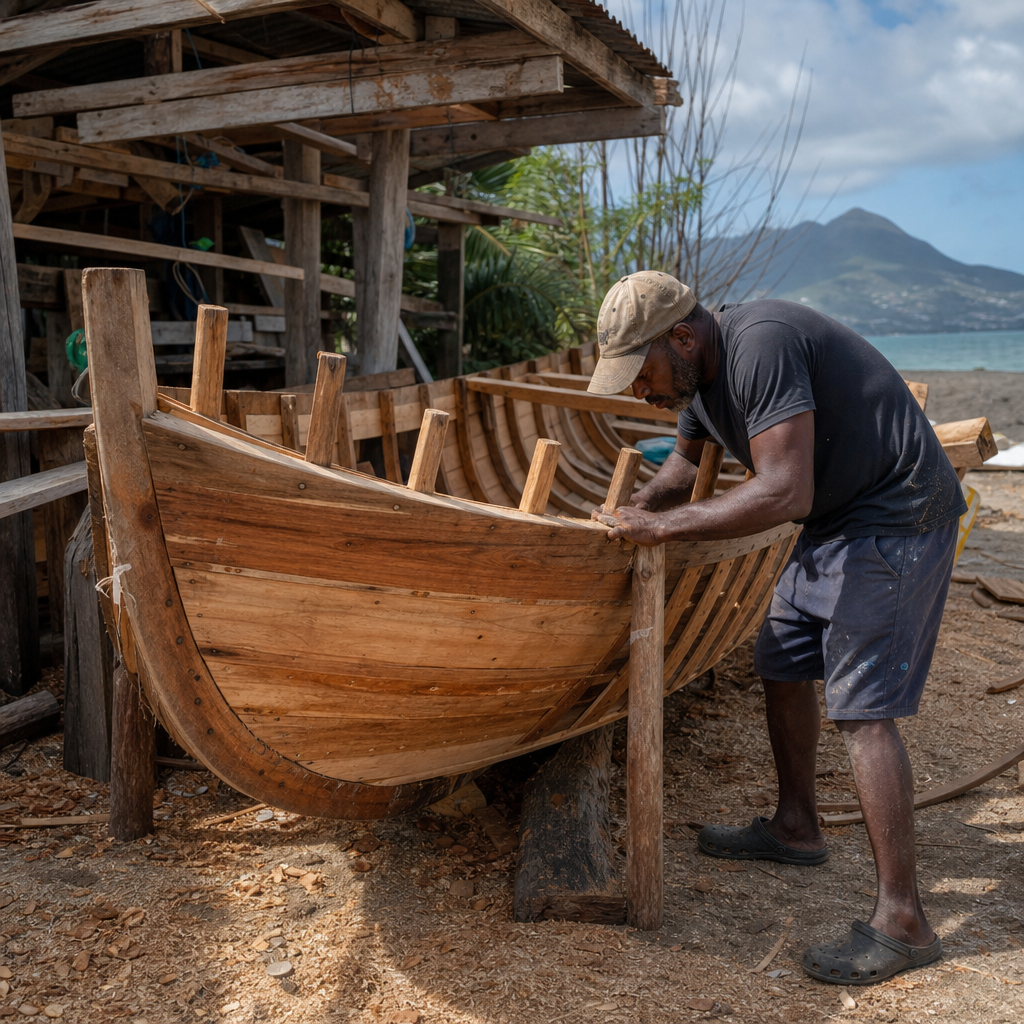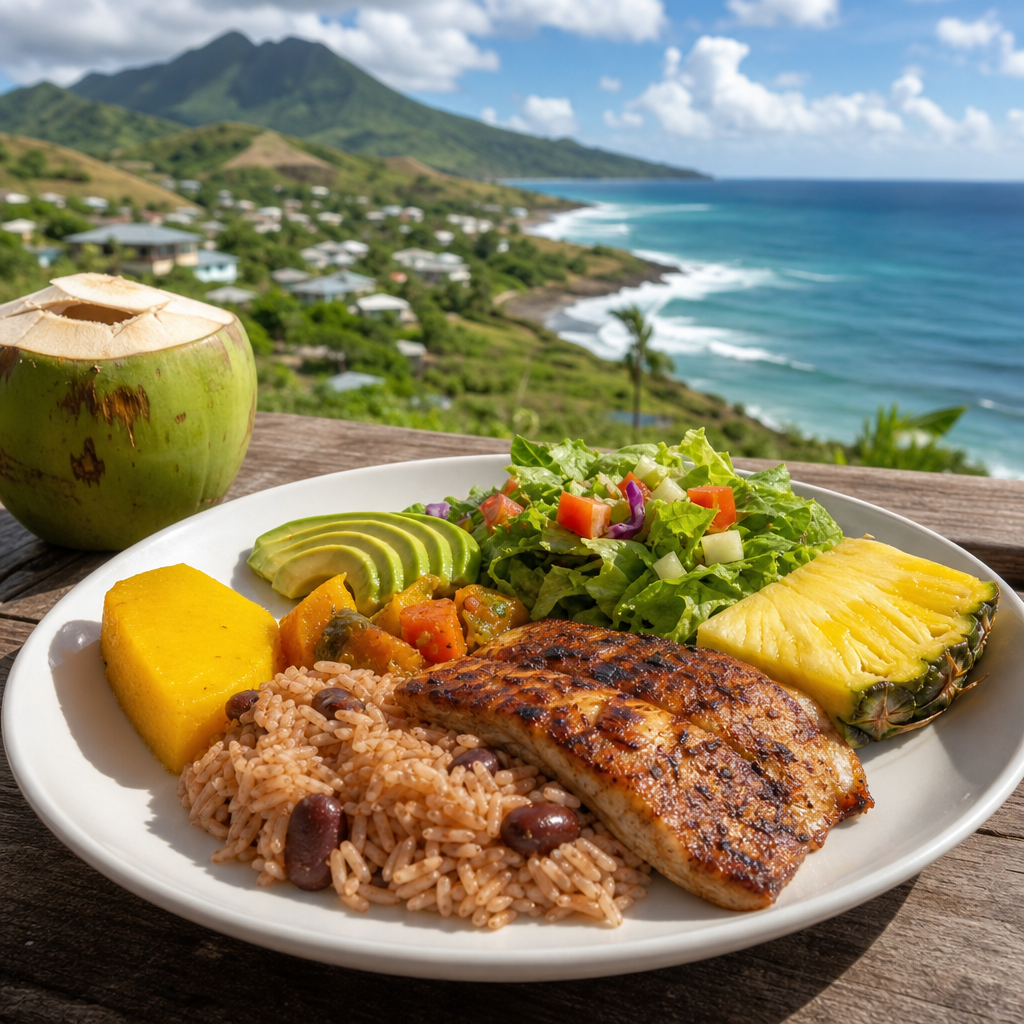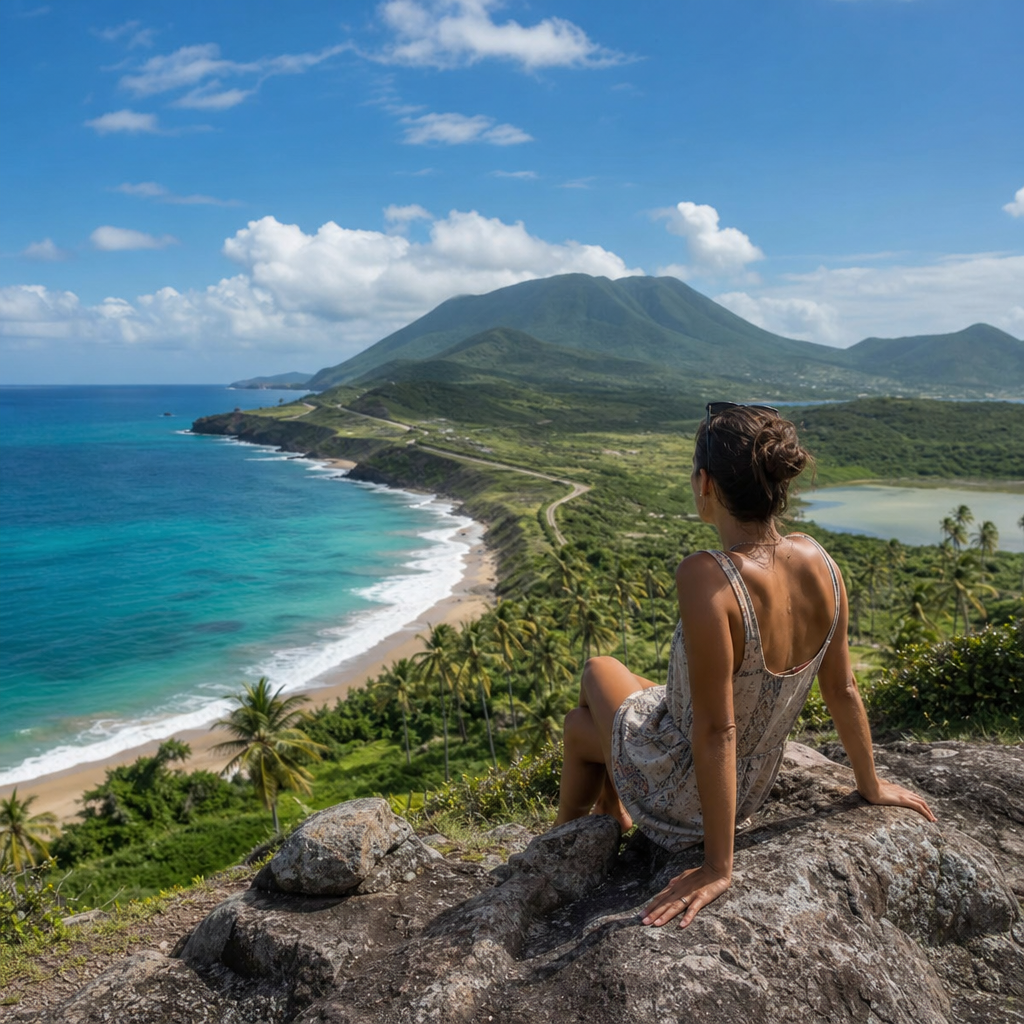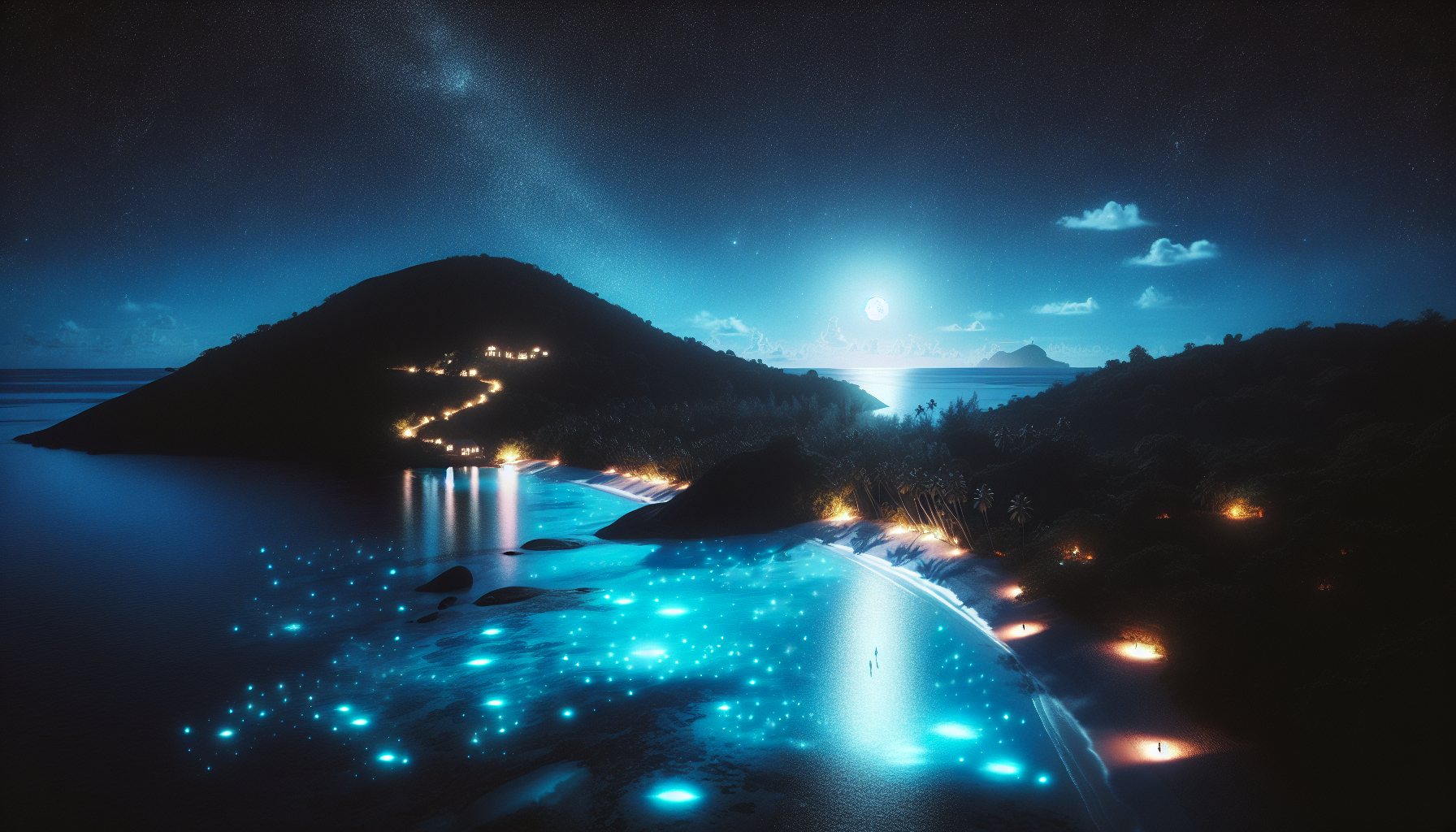
Nevis changes character after sunset, and that shift is exactly why night tours have become one of the island’s most rewarding ways to explore. By day, visitors notice quiet beaches, volcanic peaks, Georgian architecture, and a pace that feels slower than many Caribbean destinations. After dark, those same places reveal different sounds, temperatures, wildlife patterns, local traditions, and social rhythms. Nevis’ night tours are not limited to one activity. The term covers guided history walks in Charlestown, moonlit beach outings, stargazing sessions, food-centered evening experiences, cultural events, live music, seasonal turtle watching, and private excursions that combine nature with storytelling. For travelers planning an adventure and activities itinerary, this miscellaneous hub matters because it brings together the island’s after-dark options in one practical guide.
Night touring on Nevis is best understood as a broad category of low-impact exploration rather than a single packaged excursion. In my experience building Caribbean itineraries and reviewing local operators, the best evening activities on Nevis succeed because they work with the island’s strengths instead of forcing nightclub-style entertainment onto a naturally quiet place. Nevis is small, easy to navigate, and relatively dark compared with heavily built-up resort islands, which creates ideal conditions for sky viewing, listening for tree frogs, noticing historic streetscapes, and enjoying intimate food and music venues. The absence of visual clutter is part of the appeal. Visitors often arrive expecting daytime beach recreation to be the main event, then leave talking about a lantern-lit plantation dinner, a guide explaining bat behavior near old stone structures, or the Milky Way visible from a less developed shoreline.
This hub page covers the main kinds of Nevis night tours, what each experience includes, who they suit, and how to choose safely and realistically. It also serves as a starting point for deeper articles under the Adventure and Activities umbrella, including wildlife outings, heritage experiences, culinary evenings, and seasonal events. If you are asking practical questions such as what to wear, whether tours are family friendly, how late activities usually run, or when weather affects scheduling, those answers are built into each section. The goal is simple: help you understand what exploring Nevis after dark actually looks like, not what brochures imply, so you can pick experiences that fit your interests, budget, and comfort level.
Historic walks and cultural evenings in Charlestown
Charlestown is the most natural place to begin an evening exploration because the town’s scale, architecture, and layered history become especially atmospheric at night. A guided walk here typically focuses on colonial streets, churches, government buildings, and waterfront stories tied to trade, migration, and the island’s plantation era. Good guides do more than point at old facades. They explain why Nevis was strategically important in the Leeward Islands, how repeated conflicts shaped the town, and how everyday life changed between the sugar economy and the modern tourism era. Because traffic is lighter at night and the air is cooler, visitors can pay closer attention to details like stonework, galleries, graveyards, and the layout of historic streets.
Cultural evenings often build on that historical foundation. On some nights, hotels, restaurants, and community venues host small live music sets, folklore storytelling, or special dinners featuring local dishes such as goat water, grilled lobster in season, saltfish preparations, johnny cakes, and rum-based cocktails using Caribbean spices. These are not always marketed as formal tours, but they function the same way: they interpret place through local voices. I usually advise travelers to treat Charlestown evening experiences as a gateway activity on the first or second night of a trip. They require little physical effort, orient you geographically, and provide useful context for the rest of the island. If your broader plan includes plantation visits, hiking, or beach time, a historical evening in town makes those daytime experiences more meaningful.
Wildlife, shoreline, and stargazing experiences
Nevis is unusually well suited to nature-focused night tours because darkness changes what you can detect along the coast and in quieter inland areas. Depending on the season and exact location, guides may point out nocturnal insects, roosting birds, bats, crabs moving across sand, and marine activity visible in calm water under moonlight. One of the most sensitive experiences is sea turtle observation, which should only be done with trained guides and strict distance rules when nesting is active. The aim is never to crowd wildlife or use bright white light. Responsible operators rely on red-filtered lighting, quiet group management, and careful timing. If a provider promises guaranteed close contact with nesting turtles, that is a warning sign rather than a selling point.
Stargazing is another standout. Nevis does not have zero light pollution, but many areas remain dark enough for strong naked-eye viewing, especially on clear nights away from dense resort lighting. A quality stargazing session explains what you are seeing rather than simply providing a scenic viewpoint. Guides may identify major constellations, planets visible in season, and the orientation of the night sky over the Caribbean. Visitors from urban areas are often surprised by how much more structured the sky looks when there are fewer competing lights. On moonless nights, the effect is strongest. Beachfront stargazing also works well for couples and families because it combines easy access with a memorable sense of place. Bring insect repellent, avoid bright phone screens, and remember that cloud cover can alter the experience quickly, especially in humid periods.
Food, music, and plantation-style evening events
Many of the most satisfying Nevis night tours revolve around food and music rather than transportation-heavy sightseeing. Plantation inns and heritage properties frequently host dinners, tasting menus, garden events, and small concerts that allow guests to experience historic settings after dark. These venues matter because they connect architecture, agriculture, and hospitality in one outing. A former estate is not just a pretty backdrop; it reflects how sugar production, land ownership, and labor shaped Nevis for centuries. At night, candlelight or soft outdoor lighting emphasizes the atmosphere, but the best events also explain the context. Menus may feature local produce, fresh fish, rum pairings, and regional seasonings that speak directly to island identity.
Live music on Nevis usually favors intimacy over scale. Instead of mega-venues, expect hotel lounges, open-air restaurants, beach bars, and special-event stages with jazz, reggae, soca, acoustic sets, steelpan, or local bands covering Caribbean standards. For travelers who want nightlife without a party-heavy scene, this is ideal. The experience feels social but manageable, and you can often combine dinner with music in the same location. During festival periods or holiday weeks, the calendar becomes more active, and pop-up cultural programming may appear with limited advance notice. That is why I recommend checking directly with your accommodation, the Nevis Tourism Authority, and trusted local venues once you arrive. The island’s best evening plans are sometimes the least overproduced.
| Night experience | Best for | Typical duration | Key planning tip |
|---|---|---|---|
| Charlestown history walk | First-time visitors, culture-focused travelers | 1.5 to 2 hours | Wear closed-toe shoes for uneven streets |
| Beach stargazing outing | Couples, families, photographers | 1 to 2 hours | Choose a moonless or low-moon night if possible |
| Wildlife or turtle watching tour | Nature lovers, responsible eco-travelers | 2 to 3 hours | Book only with guides following red-light protocols |
| Plantation dinner or music event | Food travelers, small groups | 2 to 4 hours | Reserve early during peak season and festival weeks |
How to choose the right Nevis night tour
The right choice depends less on price than on expectations. Start with energy level. If you have spent the day hiking Nevis Peak or taking part in water sports, a seated dinner with music may be more enjoyable than a late wildlife outing. Next, consider transportation. Some experiences are walkable from Charlestown or major hotels, but others require taxis or prearranged transfers because road lighting can be limited outside main areas. Ask whether return transport is included and whether the operator can accommodate mobility needs. On a small island, assumptions cause missed pickups more often than distance itself.
Weather and season also matter. The dry season usually offers more predictable conditions for outdoor dining and clearer skies, while humid or rainy periods can reduce visibility and increase insects. Sea turtle activity is seasonal, and event calendars rise and fall with holiday schedules, local celebrations, and resort programming. Families should ask directly about start times, bathroom access, and whether an activity involves long quiet periods that younger children may find difficult. Photographers should ask whether flash is prohibited, which it often should be around wildlife and performers. Finally, look for guides and hosts who communicate clearly. Strong pre-tour information is one of the best indicators of a professional operation. If meeting points, cancellation policies, and behavior guidelines are vague, keep looking.
Safety, etiquette, and practical planning after dark
Nevis is widely regarded as calm and welcoming, but nighttime exploration still requires ordinary travel judgment. Stay with established operators or clearly recommended venues, especially if you are unfamiliar with the roads. Carry a fully charged phone, know your return transport plan before the tour starts, and wear practical footwear if historic paths, beaches, or garden grounds are involved. Lightweight clothing works year-round, but bring a light layer for breezy waterfront evenings and avoid anything that restricts walking on uneven surfaces. Insect repellent is consistently useful. So is a small flashlight, though you should use it sparingly and never shine it toward wildlife, performers, or other guests.
Etiquette matters because many of Nevis’ best after-dark experiences are low-volume and place-sensitive. Keep voices down during wildlife tours, ask before photographing people at cultural events, and follow instructions about lighting without exception. If you attend a plantation dinner or heritage program, engage with the interpretation rather than treating the venue as a generic backdrop. Staff and guides often have deep local knowledge, and respectful questions usually lead to the most memorable conversations of the night. Tipping norms vary by setting, but service charges are not always equivalent to guide gratuities, so check the bill and ask politely if unsure. The central principle is simple: move gently. Nevis rewards visitors who pay attention.
Using this hub to plan a fuller after-dark itinerary
As a miscellaneous hub under Adventure and Activities, this page is designed to connect the many ways Nevis can be explored after sunset. Some travelers will want one signature evening, such as a stargazing session or plantation dinner. Others can build a broader itinerary: a historical walk early in the stay, live music on another night, then a wildlife-focused excursion when conditions line up. That layered approach works particularly well on Nevis because the island’s evening experiences are complementary rather than repetitive. Each one highlights a different side of place: history, ecology, cuisine, music, or community life.
The main takeaway is that Nevis’ night tours are valuable precisely because they are varied, small-scale, and rooted in the island’s natural pace. Exploring the island after dark is not about chasing volume; it is about noticing more. Choose reputable operators, match the outing to your interests and stamina, and leave room for locally recommended events that may not appear in big booking engines. If you are planning a Nevis trip, use this hub as your starting point, then continue into the related guides on wildlife, food, culture, and seasonal activities to create evenings that are every bit as memorable as your days.
Frequently Asked Questions
What kinds of night tours can you experience on Nevis?
Nevis offers a surprisingly varied range of night tours, and that variety is part of what makes exploring the island after dark so memorable. Visitors often assume a night tour means one standard activity, but on Nevis it can include guided history walks through Charlestown, cultural evenings with local storytelling and music, nature-focused outings that highlight nocturnal wildlife, stargazing experiences in quieter parts of the island, and relaxed food-and-rum excursions that introduce guests to the island’s evening social life. Some tours focus on the island’s colonial-era streets and landmarks, where guides explain how familiar daytime settings take on a different atmosphere after sunset. Others move away from town and into darker, quieter environments where the sounds of tree frogs, insects, and coastal breezes become central to the experience.
What connects these tours is the way they reveal Nevis from a new angle. The island’s volcanic slopes, historic estates, village roads, and shoreline areas all feel different at night because temperatures drop, light softens, and daily routines give way to a slower, more intimate rhythm. Rather than rushing through crowded attractions, most evening experiences on Nevis are designed to help visitors notice details they might miss during the day. That can mean listening to local legends in a historic district, learning how night affects island wildlife, or simply enjoying the mood of a place when the heat fades and the stars come out. For travelers who want more than beaches and daytime sightseeing, night tours offer a richer understanding of Nevis’ personality.
Are Nevis night tours suitable for families, couples, and older travelers?
Yes, many night tours on Nevis are well suited to a wide range of travelers, including families with older children, couples looking for a more atmospheric experience, solo visitors, and older travelers who prefer cultural or scenic outings over strenuous adventures. The key is choosing the right type of tour. A gentle walking tour through Charlestown’s historic streets may appeal to travelers who enjoy storytelling, architecture, and local history, while a nature-based excursion may be better for guests interested in wildlife and outdoor exploration. Couples often enjoy evening tours because they naturally feel more intimate and immersive, especially when they include candlelit settings, quiet scenic stops, or opportunities to enjoy local cuisine and conversation at a slower pace.
That said, it is always wise to check the pace, terrain, and duration before booking. Some tours involve uneven paths, low lighting, or extended periods of walking, which may not be ideal for very young children or anyone with mobility concerns. Reputable operators usually explain whether a tour is relaxed, moderately active, or better suited to adventurous participants. If you are traveling with family members of different ages, ask whether private or customized options are available. On an island like Nevis, tour providers are often able to tailor an experience so it feels comfortable without losing authenticity. In general, the best night tours are accessible not because they are generic, but because they are thoughtfully guided and paced to match the group.
What should you wear and bring for a night tour on Nevis?
For most night tours on Nevis, lightweight and comfortable clothing is the best starting point, but what you wear should also reflect the setting of the tour. Even though the island cools down after sunset, the climate is still tropical, so breathable fabrics work well. If you are joining a history walk or cultural evening in town, casual resort wear is usually appropriate, though comfortable walking shoes are strongly recommended because sidewalks, old stone surfaces, and uneven streets can be harder to navigate in lower light. For nature tours, closed-toe shoes are often the smarter choice, especially if you may encounter trails, damp ground, or insects. A light sweater or wrap can also be useful, particularly in breezier coastal areas or higher elevations where nighttime air can feel noticeably cooler than during the day.
As for what to bring, a small bag with essentials is usually enough. Insect repellent is one of the most useful items, especially for garden, forest, or shoreline tours. A phone or camera with low-light capability can be nice to have, but it is equally important to remember that some experiences are best enjoyed without a bright screen interrupting the atmosphere. If the operator allows it, a small flashlight or headlamp can help, although many guided tours prefer minimal artificial light so guests can better appreciate the surroundings. Bringing water is also sensible, even at night, and some travelers appreciate carrying a little cash for tips or small local purchases. The overall goal is to be prepared without overpacking, so you can stay comfortable and fully engaged in the experience.
Are night tours on Nevis safe for visitors?
In general, guided night tours on Nevis are considered a safe and enjoyable way to explore the island after dark, especially when booked through established operators or recommended local providers. One of the main advantages of joining a guided evening experience is that your guide understands the roads, neighborhoods, trail conditions, and timing. That local knowledge matters at night, when unfamiliar routes can feel very different than they do during the day. A good guide not only leads the group efficiently, but also helps guests understand local etiquette, stay aware of their surroundings, and appreciate areas that might otherwise be overlooked or misunderstood after sunset.
As with travel anywhere, common-sense precautions still apply. It is best not to wander into isolated areas on your own without knowing the terrain, and visitors should always confirm meeting points, transport arrangements, and tour inclusions in advance. If a tour includes walking, ask about footwear and path conditions. If transportation is involved, verify whether hotel pickup is available so you are not trying to coordinate unfamiliar routes late at night. Travelers should also be honest about mobility limits, medical concerns, or comfort levels with darkness and outdoor environments. Nevis is known for its relaxed character, and organized night tours generally reflect that calm atmosphere. When approached responsibly, they can be one of the safest and most rewarding ways to see a different side of the island.
Why is exploring Nevis at night so different from seeing it during the day?
Nevis feels distinctly different after sunset because the island’s atmosphere, soundscape, and social energy all shift in noticeable ways. During the day, much of the appeal comes from bright coastal views, historic landmarks, lush landscapes, and the island’s famously unhurried pace. At night, those same places become more layered and sensory. Temperatures drop, making walks more comfortable. Familiar roads and buildings take on a quieter, more dramatic character. The soundtrack changes from daytime activity to nighttime wildlife, rustling trees, surf, distant conversation, and music drifting from local gathering places. What may seem still and sunlit in the afternoon can feel mysterious, intimate, and deeply textured after dark.
This is exactly why night tours have become such a meaningful way to understand Nevis. They are not just about sightseeing in lower light; they are about experiencing the island’s second rhythm. Evening brings out stories that fit better in the dark, whether those are historical accounts, local legends, or insights into how communities gather once the heat of the day has passed. Wildlife behavior changes, village life settles into a different pattern, and even well-known sites seem to reveal hidden details. For many visitors, the night version of Nevis feels more personal because it encourages slower observation rather than checklist-style travel. Exploring the island after dark helps connect the scenery, history, and culture in a way that daytime touring alone often cannot.