Nevis’ folk medicine preserves a practical record of how island communities met illness, injury, childbirth, and everyday discomfort long before modern clinics became widely accessible. In Nevis, a small Caribbean island with deep African, European, and Indigenous influences, healing traditions developed from necessity, observation, memory, and local ecology. Folk medicine refers to health practices passed through families and communities rather than formal medical schools. It includes herbal teas, poultices, baths, steam treatments, massage, spiritual protections, food rules, and home-based care for common ailments. On Nevis, these remedies were never simply “old-time cures.” They formed a working health system shaped by plantation history, geographic isolation, enslaved and free African knowledge, imported botanical practices, Christian belief, and the island’s rich plant life.
I have found that when people discuss Caribbean healing traditions in broad terms, they often miss the local detail that gives each island its character. Nevisian remedies were influenced by neighboring islands, yet they kept distinct names, preparation methods, and social meanings. A bush tea on Nevis was not only a drink; it was advice from an elder, a test of endurance, and a link to inherited knowledge. Understanding this matters because folk medicine reveals how Nevisians interpreted the body, disease, weather, labor, fertility, and spiritual risk. It also helps explain foodways, gardening, caregiving, and oral tradition. As a hub for Nevis’ miscellaneous healing customs, this article maps the major remedies, beliefs, materials, and practices that shaped everyday health on the island and still echo in local memory today.
Historical roots of folk healing on Nevis
Nevisian folk medicine emerged in a colonial society where access to trained physicians was limited, expensive, and unevenly distributed. During the plantation era, enslaved Africans and later laboring families often relied on self-treatment and community healers because formal care served estate interests first. This made practical botanical knowledge indispensable. African healing systems contributed methods of plant preparation, fever management, postpartum care, and spiritual safeguarding. European settlers introduced household remedies based on mint, castor oil, Epsom salts, tonics, and purgatives. Earlier Indigenous plant knowledge from the wider Caribbean also influenced the regional herbal repertoire, especially in the use of roots, barks, and aromatic leaves.
The island’s environment shaped what survived. Nevis has volcanic soils, varying elevations, and microclimates that support medicinal plants such as lemongrass, aloe, soursop leaf, cerasee, guava leaf, fever grass, ginger, turmeric, and castor. Remedies were tested through repetition: if a tea reduced fever, settled the stomach, or eased “cold” in the chest, it stayed in use. If a poultice drew out infection from a boil, it was remembered. Healers did not separate medicine from household management. A woman caring for children might know when to brew leaf tea for worms, when to apply warm oil for earache, and when to call a more experienced elder because an illness had crossed from ordinary to dangerous.
Religion and social hierarchy also mattered. Christian prayer often accompanied treatment, especially for unexplained weakness, persistent bad luck, or illnesses thought to involve envy or spiritual attack. At the same time, people distinguished between everyday “bush medicine” and specialist knowledge held by midwives, massage women, root workers, or respected elders. Some practices were spoken openly; others were guarded. That mix of openness and secrecy is common in island healing cultures because remedies carried value, authority, and sometimes fear.
Common remedies, plant medicines, and household treatments
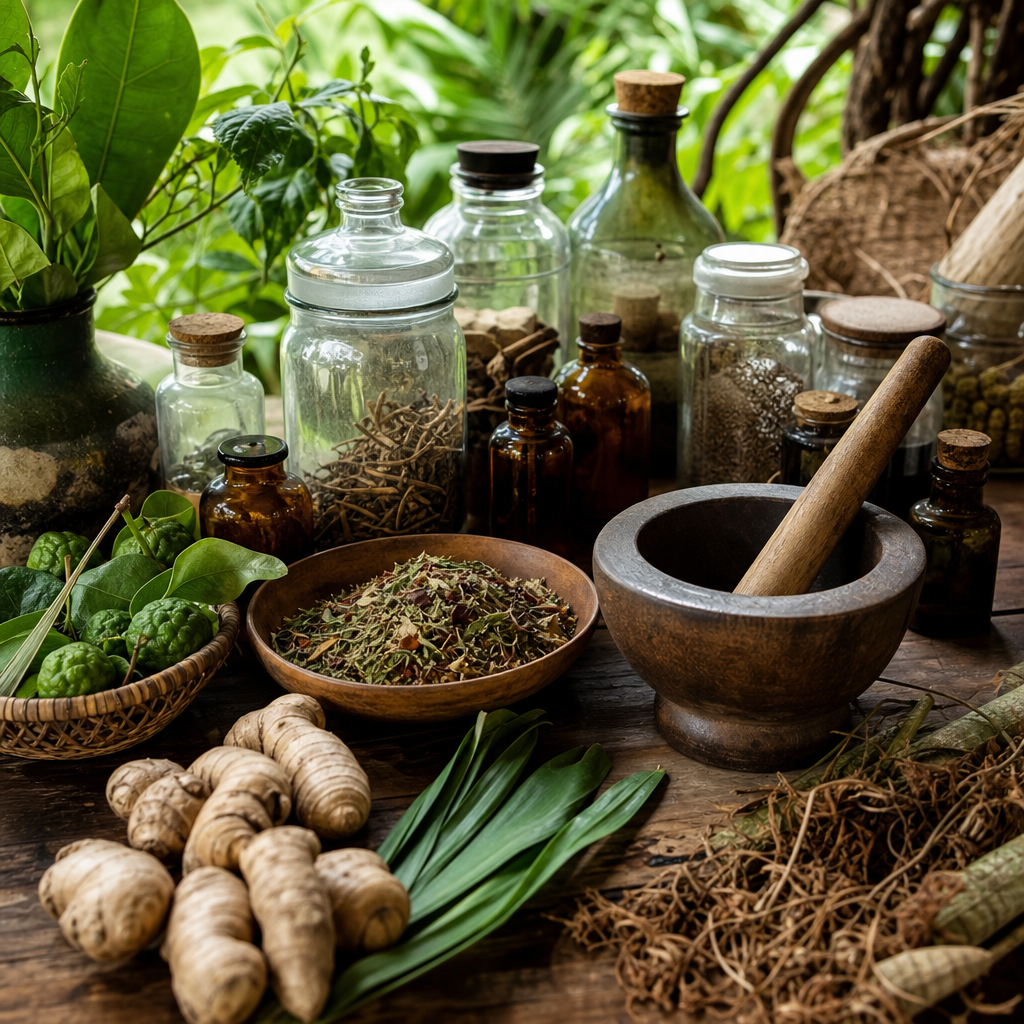
The core of Nevis’ folk medicine was the bush remedy: leaves, bark, roots, seeds, and oils prepared for specific complaints. Fever grass, often used interchangeably with lemongrass in local speech, was brewed as a tea for fever, colds, and general cleansing. Cerasee, famously bitter, was taken for “cooling the blood,” skin eruptions, stomach upset, and seasonal purification. Ginger tea addressed chills, nausea, and congestion. Guava leaf decoctions were used for diarrhea because tannins in guava leaves have an astringent effect, a property recognized both in folk use and in modern phytochemical study. Aloe was applied to burns and skin irritation and swallowed in carefully controlled amounts as a laxative or cleansing agent, though overuse could be harsh.
Castor oil held a major place in household medicine across the Eastern Caribbean, and Nevis was no exception. It was given as a purgative, rubbed on the body, or warmed for external use. Nutmeg, cinnamon, cloves, and bay leaf crossed between kitchen and medicine shelf, appearing in warming teas for colds and digestive discomfort. Soursop leaf infusions were used for calming and rest. Turmeric and grated ginger were made into drinks or topical pastes to address inflammation, chest tightness, and soreness after hard labor.
Simple techniques mattered as much as ingredients. Steam inhalation with hot water and aromatic leaves loosened mucus. Saltwater gargles soothed sore throats. Warm compresses were used on swollen joints or boils. For chest congestion, many families used rubbing compounds, heated cloths, or oil-based chest applications followed by wrapping the body to keep in warmth. For teething children, colic, constipation, or rash, elders relied on combinations of massage, baths, and dilute teas, always adjusted to age and strength.
| Remedy or material | Typical Nevisian use | How it was commonly prepared | Important caution |
|---|---|---|---|
| Cerasee | Skin complaints, stomach cleansing, “cooling” | Bitter tea from vine or leaves | Too much can be harsh, especially for children |
| Fever grass | Fever, colds, relaxation | Light herbal infusion | Usually mild, but strength varies by household |
| Guava leaf | Diarrhea and stomach upset | Leaf decoction | Not a substitute for urgent dehydration care |
| Aloe | Burns, skin care, laxative use | Topical gel or small internal dose | Internal use can irritate the gut |
| Castor oil | Purgative, rub, warm external treatment | Spoon dose or warmed application | Frequent purging can be dangerous |
These remedies worked within a broader logic of balance. People spoke of heat, cold, wind, strength, weakness, and blood condition. That language was not random folklore; it was a practical framework for deciding whether someone needed warming, cleansing, settling, or fortifying. Similar systems appear throughout the Caribbean, but on Nevis the exact remedy set reflected what grew nearby and what families trusted from experience.
Midwives, elders, and community healers
Before institutional maternity services became standard, midwives were among the most important health practitioners on Nevis. Their work went far beyond assisting birth. A skilled midwife monitored pregnancy, advised on diet and labor readiness, managed postpartum bleeding risk, supported breastfeeding, and supervised the mother’s recovery period. She also recognized danger signs, even if the language used was not biomedical. Swelling, prolonged labor, retained placenta, fever after delivery, and excessive weakness all had practical implications. In small communities, such judgment could save lives.
Postpartum care carried especially strong folk traditions. Many Caribbean islands observed a lying-in period, and Nevis shared versions of this practice. The new mother was kept warm, protected from drafts, given strengthening soups and teas, and sometimes bathed or massaged according to family custom. The goal was to restore the body after childbirth, protect against “catching cold,” and prevent long-term weakness. Belly binding or wrapping was also known in parts of the region, intended to support the abdomen and help the body recover shape and strength after birth.
Elders served as first responders for minor illness. They knew which child had a “settled” stomach and which one needed a purge, which cough sounded ordinary and which might become dangerous, and which plant to gather at dawn versus after rain. Some healers specialized in bone-setting, massage, or “drawing” infection from abscesses with poultices. Others were consulted for ailments that blended the physical and spiritual, such as sudden wasting, unexplained fear, sleeplessness, or a run of bad fortune attached to sickness. In practice, families moved between herbal treatment, church prayer, and modern medicine as circumstances changed.
Spiritual beliefs, protection, and the meaning of illness
Nevis’ folk medicine cannot be understood only as herb use because many islanders viewed sickness through both physical and spiritual lenses. An illness could begin with exposure, food, contaminated water, overwork, or weather, yet some conditions were also linked to envy, malice, fright, or spiritual vulnerability. This did not mean every problem was treated mystically. Rather, people accepted multiple causes at once. A child with persistent crying might need a soothing bath and prayer. An adult who felt “crossed” could take cleansing tea while seeking protection through scripture, church counsel, or ritual washing.
Protective practices often included Bible reading, prayer over water or oil, the use of blessed objects, and avoidance rules about nighttime movement, graveyards, or contact with certain people after conflict. Bathing had ceremonial as well as hygienic value. Herbal baths using aromatic leaves could calm the nerves, remove bad feeling, or prepare someone after bereavement or shock. Smoke, scent, and sound were also used to change the atmosphere of a room where sickness lingered.
From a historical perspective, this blending of medicine and spirituality reflects survival under uncertainty. In plantation societies, people did not control all the forces affecting health: food quality, labor conditions, punishment, contagion, hurricanes, and poverty all shaped outcomes. Spiritual interpretation gave meaning where medical certainty was unavailable. It also strengthened community care. A healing visit involved attention, touch, prayer, and reassurance, all of which can change how pain and fear are experienced even when the underlying disease needs clinical treatment.
Food, climate, and everyday preventive health
Much of Nevisian folk medicine was preventive rather than reactive. People managed health through food choices, work rhythms, bathing habits, and respect for climate. Soups, broths, ground provisions, green bananas, yams, and lightly seasoned foods were recommended for recovery because they restored strength without burdening digestion. Bitter tonics and cleansing teas were often taken after festive periods, seasonal changes, or when the body felt sluggish. This idea of “cleaning out” the system was central to many Caribbean health traditions.
Weather awareness shaped care. Getting wet in rain and remaining in damp clothes was believed to invite chest illness, body pain, or fever. Night air and sudden cooling after exertion were treated cautiously, especially for new mothers, elders, and children. Bathing before bed, covering the chest, and keeping the feet warm were all common preventive rules. In agricultural and domestic labor settings, where people worked hard in sun and rain, these habits made practical sense. Exposure can aggravate respiratory symptoms, and rest plus warmth often improve early minor illness.
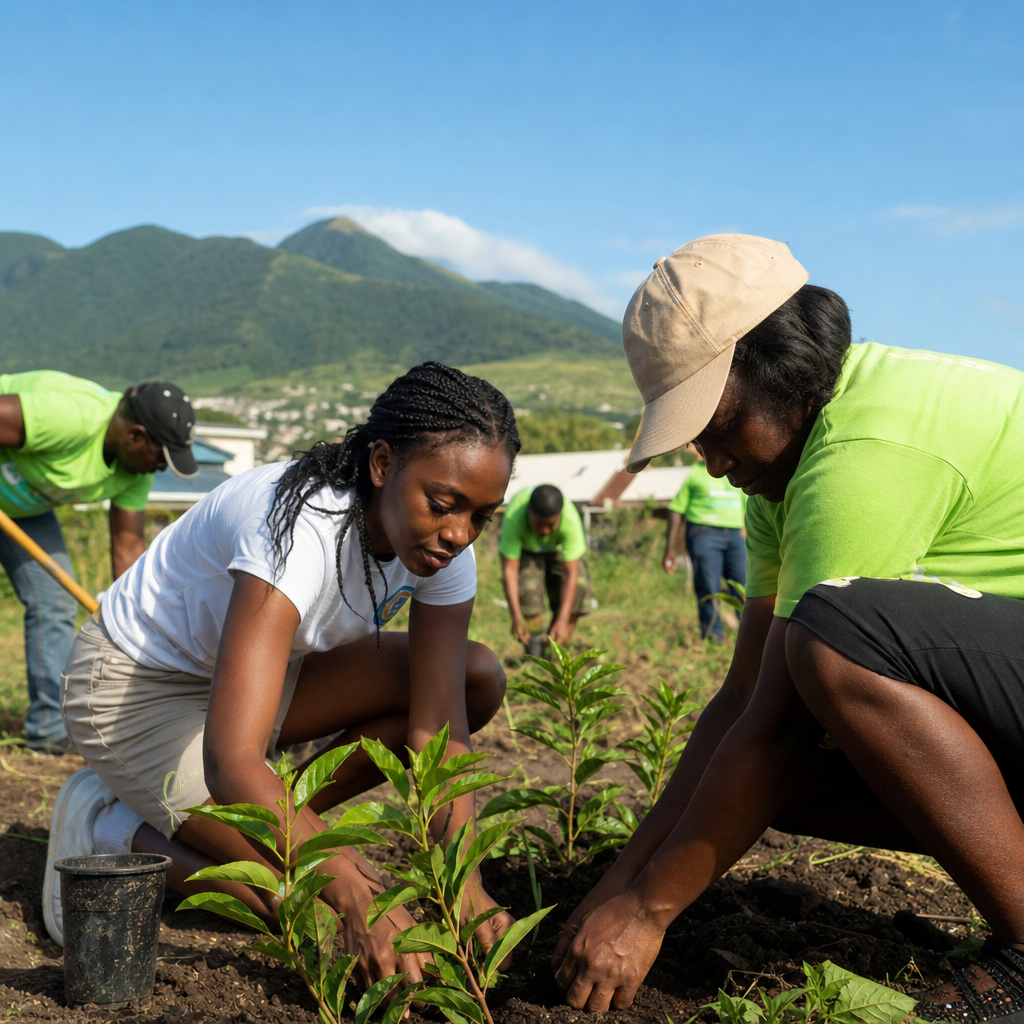
Children’s care also followed preventive logic. Teas were milder, feeding was adjusted during illness, and baths were used to settle rashes, fever, or restlessness. Many remedies doubled as nutrition: pap, porridge, ginger drinks, and herb infusions supported hydration and appetite. Households that kept medicinal plants near the yard gate or kitchen steps were effectively maintaining a local pharmacy, ready for cuts, colds, stomach upset, or sleepless nights.
What survives today and how to study it responsibly
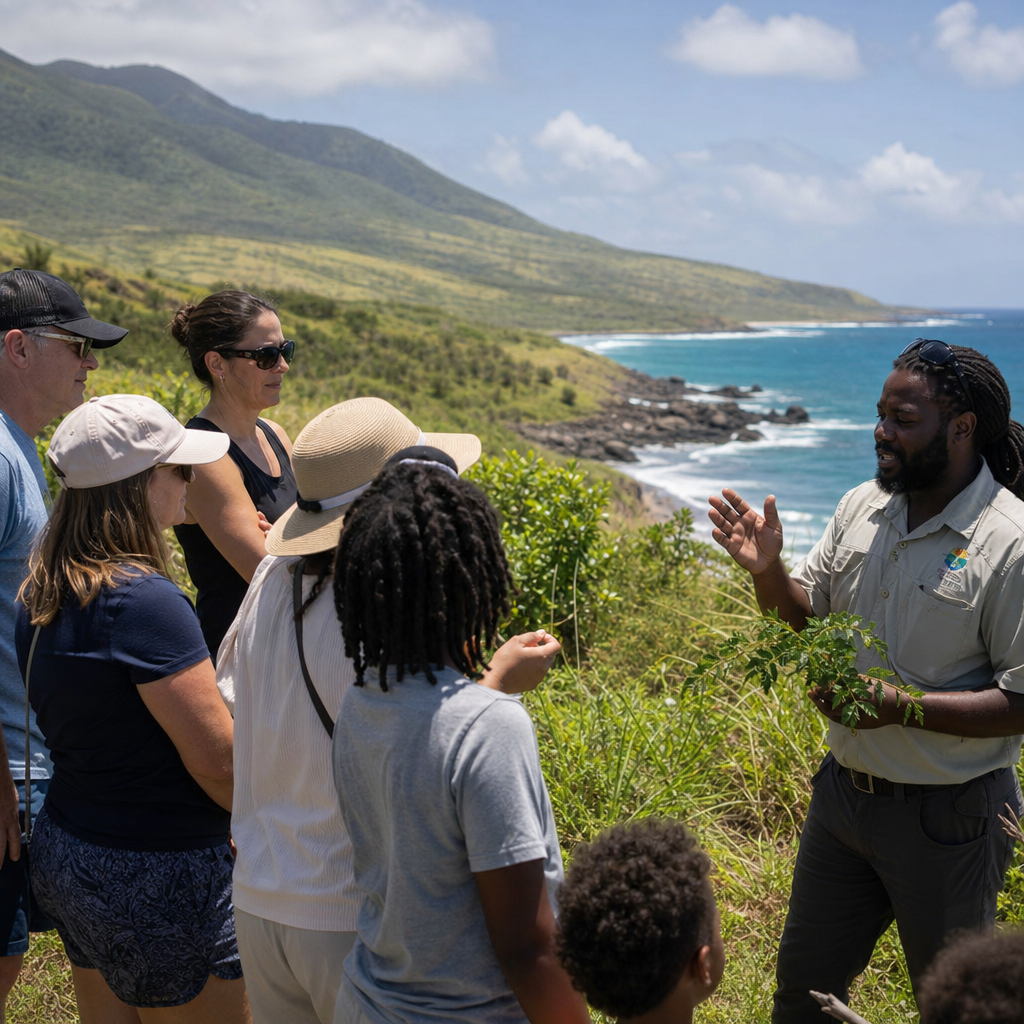
Folk medicine on Nevis survives in fragments, habits, and revived interest rather than as a complete alternative health system. Older residents still remember specific bush teas, postpartum rules, and the authority of local midwives. Market vendors, home gardeners, and family caregivers continue to use herbs for common complaints, especially colds, digestion, and skin problems. At the same time, antibiotics, pharmacies, public health campaigns, and hospital care have changed expectations. Most Nevisians today combine home remedies with formal medicine rather than choosing one exclusively.
This history deserves careful study. Romanticizing folk remedies is just as misleading as dismissing them. Some treatments were genuinely useful, especially for mild symptoms, topical care, hydration, rest, and supportive recovery. Others were ineffective or risky if they delayed treatment for infection, dehydration, asthma, hypertension, or obstetric emergencies. The responsible approach is to document names, plants, preparation methods, and social meaning while cross-checking identification and safety. Tools such as herbarium records, oral history interviews, and comparison with Caribbean ethnobotanical studies are essential because one common plant name may refer to different species on different islands.
As a hub page for Nevis’ miscellaneous healing customs, the key lesson is simple: folk medicine was a lived system of knowledge, not a collection of quaint superstitions. It organized care when formal services were scarce, preserved botanical insight, and expressed how Nevisians understood the body in relation to land, labor, family, and faith. To explore Nevis culture and history fully, follow these remedy traditions into related topics such as midwifery, herbal gardens, slavery-era survival, village elders, and Caribbean food beliefs. They reveal not only how people healed, but how they endured.
Frequently Asked Questions
What is meant by folk medicine in Nevis, and how did it develop?
In Nevis, folk medicine refers to community-based healing knowledge that was passed down through families, neighbors, midwives, elders, and herbal practitioners rather than taught in formal medical institutions. It developed in response to real daily needs: people had to treat fever, stomach troubles, wounds, childbirth pain, skin conditions, and respiratory illness long before regular access to doctors, pharmacies, and hospitals became common. Because Nevis is a small island with a rich blend of African, European, and Indigenous influences, its healing traditions grew from a combination of inherited memory, trial and error, spiritual belief, and close observation of the local landscape.
This system of care was practical above all else. People learned which leaves could be steeped into teas, which roots were used for tonics, which poultices soothed swelling, and which baths were believed to calm the body after illness or childbirth. Knowledge was often shared orally, with recipes and techniques remembered through repetition rather than written records. A grandmother might teach a child how to prepare a bush tea, while a midwife might know which plants were used to support recovery after delivery. Over time, these remedies became part of Nevisian cultural identity, reflecting not only health practices but also resilience, adaptation, and community self-reliance.
What kinds of remedies were commonly used in Nevis’ traditional healing practices?
Traditional remedies in Nevis commonly centered on herbs, roots, barks, oils, steam, baths, and poultices made from ingredients gathered locally. “Bush tea” is one of the best-known examples, referring to herbal infusions used for a wide range of complaints such as colds, digestive discomfort, nerves, fever, or cleansing the body after sickness. Depending on the community and family tradition, different plants might be prepared fresh or dried, boiled or steeped, and taken alone or in combination. These remedies were valued because they were accessible, inexpensive, and rooted in direct experience.
Beyond teas, external treatments were also important. People used compresses and poultices for swelling, sores, sprains, and bites, applying mashed leaves, warmed plant matter, or oil-based mixtures to the skin. Herbal baths and steam inhalations were commonly associated with relaxation, congestion relief, or recovery after childbirth. Certain preparations were also believed to “cool” or “cleanse” the body, reflecting a broader traditional understanding of balance and internal health. While remedies varied from household to household, the overall approach was consistent: use what the land offers, observe what works, and preserve the method through shared memory and repeated use.
Who practiced folk medicine in Nevis, and how was this knowledge passed down?
Folk medicine in Nevis was not limited to a single official class of healer. It was practiced by a range of people, including mothers, fathers, grandparents, midwives, traditional healers, and other respected community members who had a reputation for knowing how to manage common illnesses and physical discomforts. In many homes, the first response to a cough, stomach ache, fever, or minor injury would have come from a relative who knew which herbs to boil, which treatment to rub on the body, or when a person should rest, sweat, or be kept warm. This made health care a deeply domestic and communal activity.
The knowledge itself was usually transmitted orally and experientially. Younger generations learned by watching elders gather plants, prepare remedies, and explain their uses. Instructions were often highly specific: which part of the plant to use, what time of day to collect it, how long to boil it, and how much should be taken. In many cases, healing knowledge was also tied to trust and responsibility, so not everyone received the same depth of teaching. Some families guarded particular remedies closely, while others shared them widely. This oral tradition meant that folk medicine remained flexible and living, shaped by memory, adaptation, and the authority of experience rather than standardized medical texts.
How did folk medicine address childbirth, women’s health, and everyday family care in Nevis?
Childbirth and women’s health were central parts of Nevis’ folk medical tradition, especially in periods when trained medical support was limited or distant. Midwives played an especially important role, offering practical assistance during labor, guidance for postpartum recovery, and advice on how to care for both mother and child. Traditional practices often included herbal baths, warming drinks, massage, rest protocols, and special foods or tonics intended to help restore strength after delivery. These methods were not viewed as separate from family life; they were woven into household routines and supported by female relatives, neighbors, and other experienced women in the community.
Folk medicine also extended to routine family care, from easing infant discomfort to treating minor cuts, fever, coughs, and digestive upset. Remedies were often chosen based on age, strength, and circumstance, with elders using their judgment to adapt treatment for children, recovering mothers, or the elderly. In this way, folk medicine served as a first line of care for ordinary life. It offered practical solutions, emotional reassurance, and a sense of continuity, especially during vulnerable moments such as birth, recovery, and childhood illness. Even where modern health care later became more available, many families retained aspects of these practices because they were familiar, culturally meaningful, and associated with generations of caregiving.
Why is Nevis’ folk medicine historically and culturally important today?
Nevis’ folk medicine is historically important because it preserves evidence of how island communities survived and cared for one another under conditions of limited resources and restricted medical access. It tells a story of ingenuity: people studied plants, remembered outcomes, refined methods, and built a local health tradition suited to their environment. This record matters not only for understanding medicine, but also for understanding everyday life in Nevis—how families organized care, how women and elders carried knowledge, and how communities drew strength from both local ecology and inherited cultural practices. It is a powerful reminder that health history does not belong only to hospitals and physicians; it also lives in kitchens, gardens, fields, and family memory.
Culturally, folk medicine remains significant because it reflects Nevis’ layered heritage and its long tradition of resilience. The remedies and practices associated with herbal care, midwifery, bathing, and home treatment connect present generations to the island’s African, European, and Indigenous influences. They also reinforce the value of oral tradition, ecological knowledge, and community-based caregiving. Today, many people view these traditions with a mix of respect, curiosity, and caution—recognizing their historical importance while also understanding the benefits of modern medical science. When documented thoughtfully, Nevis’ folk medicine becomes more than a list of old remedies; it becomes a cultural archive of survival, identity, and lived wisdom.