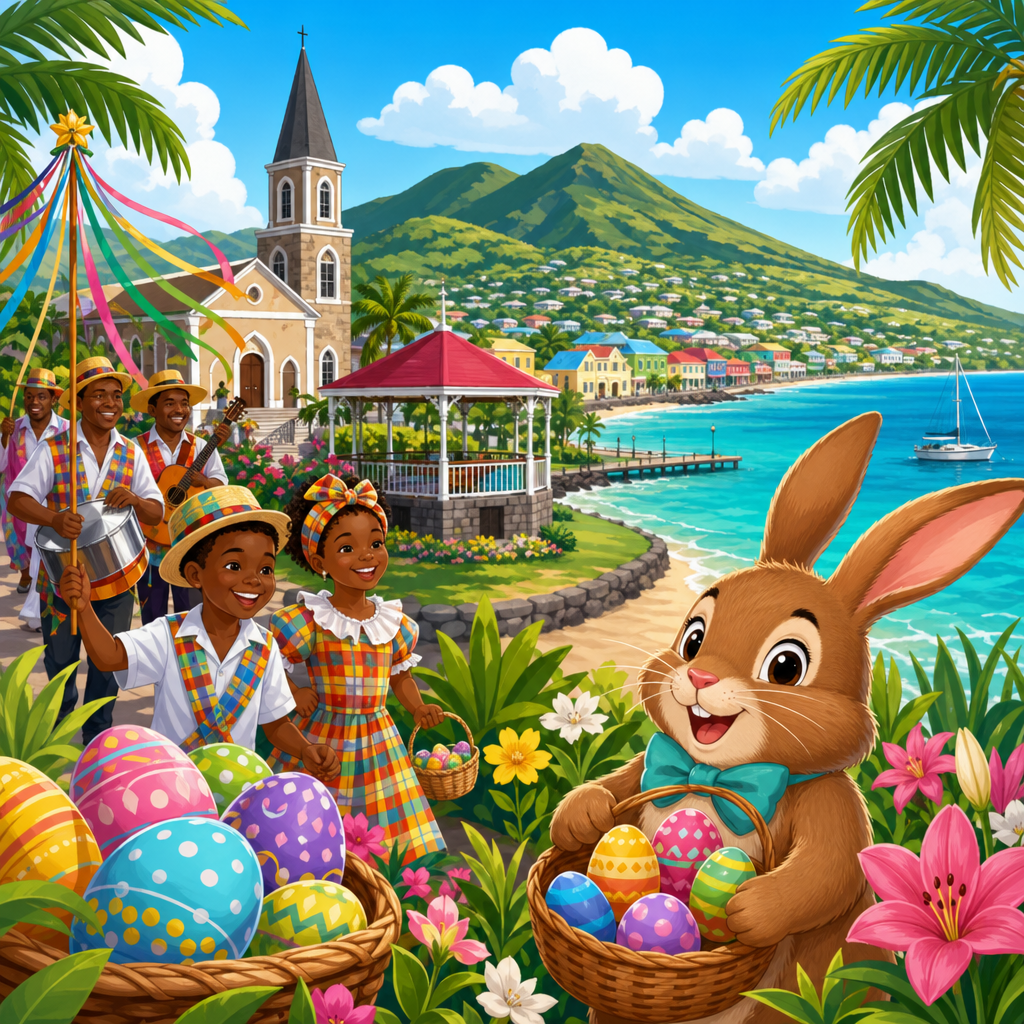
Easter in Saint Kitts blends religious observance, family tradition, beach culture, and outdoor adventure into one of the island’s most distinctive spring seasons. For travelers exploring Adventure and Activities in Saint Kitts, Easter is more than a holiday weekend; it is a calendar anchor that shapes community events, recreation, dining, and the atmosphere across villages, beaches, and historic sites. In practical terms, Easter in Saint Kitts usually refers to the period spanning Holy Thursday through Easter Monday, though local activity often builds during the preceding weeks of Lent and extends into school holidays and spring gatherings. That wider season matters because it influences what visitors can do, what will be busy, and where the most memorable experiences happen.
Saint Kitts, the larger island in the Federation of Saint Kitts and Nevis, combines British colonial history, strong church traditions, Afro-Caribbean cultural continuity, and a long-standing love of the sea. During Easter, those influences become especially visible. Churches hold well-attended services, families organize beach picnics and reunions, children fly kites in open spaces, and visitors find that many of the best experiences are not staged spectacles but lived local customs. I have planned holiday itineraries around this period before, and the pattern is consistent: the island feels both reflective and festive, with mornings often centered on worship or family routines and afternoons opening into leisure, music, food, and coastal activity.
This matters for two reasons. First, Easter is one of the best times to experience Saint Kitts beyond resort boundaries. If a traveler wants authentic local rhythm rather than a purely packaged excursion, this season delivers it. Second, Easter requires smart planning. Beaches can become crowded, some businesses operate on reduced holiday hours, and popular nature and heritage outings should be booked with timing in mind. As a hub within the Miscellaneous branch of Adventure and Activities, this guide gives a complete overview of unique springtime activities and celebrations in Saint Kitts, from sacred traditions and community customs to hiking, beach days, food, family recreation, and practical travel advice.
Religious traditions and the Easter calendar in Saint Kitts
Easter celebrations in Saint Kitts begin with the Christian foundation of the season. Anglican, Catholic, Methodist, Moravian, Pentecostal, and other congregations across Basseterre and rural communities observe Holy Week with services that may include Palm Sunday processions, Maundy Thursday observances, Good Friday worship, Easter sunrise services, and Easter Sunday celebrations. Good Friday is generally treated with particular seriousness. Many residents attend church, spend time quietly with family, and avoid the louder social energy that appears later in the weekend. For visitors, understanding that tone is important. It is respectful to dress modestly near churches, expect some closures or reduced hours, and recognize that the day carries spiritual significance rather than simply marking a long weekend.
Easter Sunday and Easter Monday feel different. Sunday often combines formal worship with family meals and visits. Monday is where the public leisure culture becomes most visible, especially at beaches, parks, and scenic outdoor areas. The distinction is useful when building an itinerary. Travelers wanting to witness local worship traditions should prioritize Good Friday and Easter Sunday mornings. Those seeking active recreation, picnics, and a more relaxed social atmosphere should focus on Easter Monday.
Because Saint Kitts follows familiar public holiday patterns, accommodations and transport should be arranged early. Taxi availability can tighten during peak beach hours, and restaurants attached to hotels may be easier to rely on than independent venues without confirmed holiday schedules. When visitors ask what Easter means on the island, the clearest answer is this: it is a faith-centered holiday expressed through community gathering and outdoor life.
Beach picnics, family gatherings, and the social heart of Easter Monday
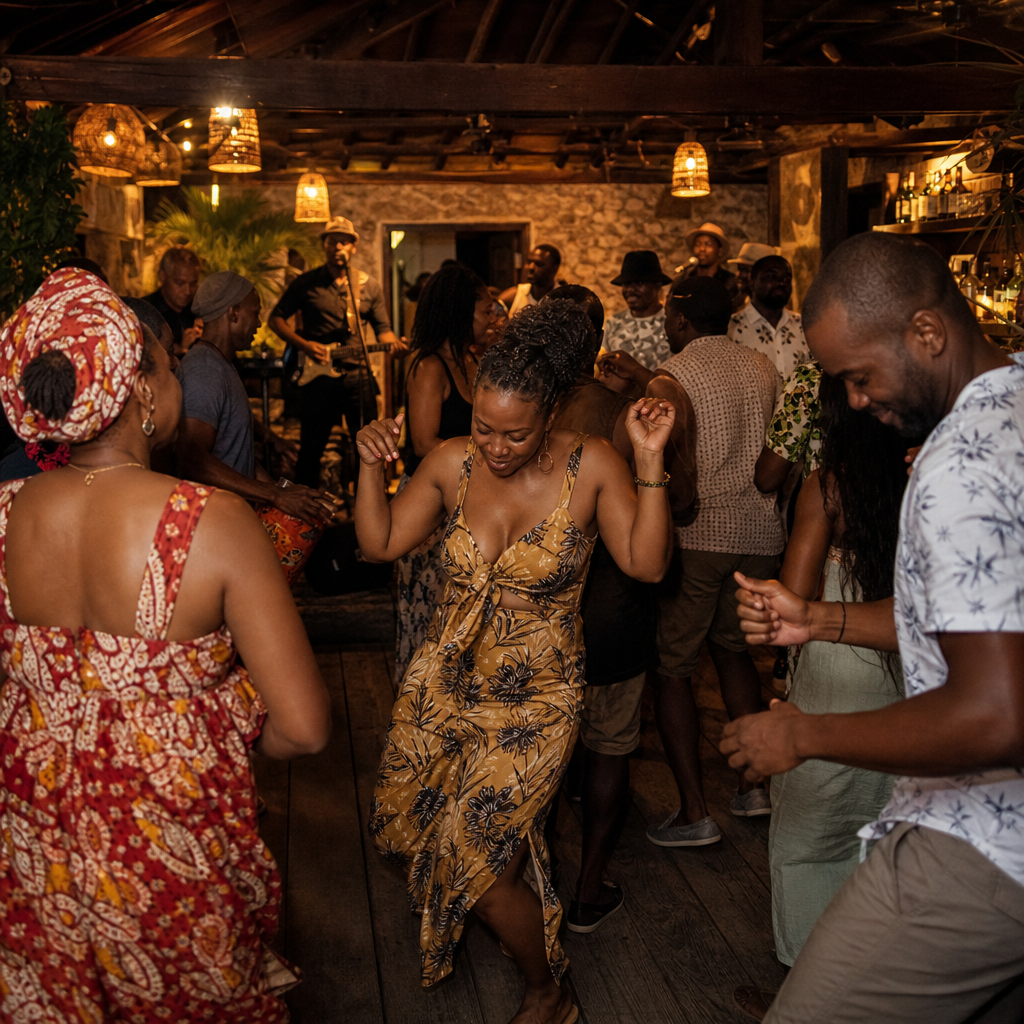
If there is one signature Easter activity in Saint Kitts outside church observance, it is the beach gathering. Easter Monday sends families, friend groups, and returning nationals to the coast with coolers, folding chairs, grills, dominoes, and full picnic spreads. Popular coastal areas can include Frigate Bay, South Friars Bay, Cockleshell Beach, and other accessible seaside spots where calm water and open space support day-long gatherings. The atmosphere is energetic but not chaotic: children swim, adults cook and talk for hours, and music drifts between groups without overpowering the setting.
For visitors, a beach picnic is one of the easiest ways to experience local culture in a natural way. The key is preparation. Arrive early for parking and shade, bring cash, confirm whether a beach bar or food vendor is open, and pack more water than you think you need. April temperatures on Saint Kitts are typically warm, with strong midday sun. Reef-safe sunscreen, a rash guard, and a collapsible cooler are practical additions rather than optional extras. If you are staying at a hotel, ask whether staff can arrange a takeaway lunch or recommend a less crowded beach. That local guidance often makes the difference between a smooth day and a frustrating one.
Families who prefer structure can combine a short morning excursion with an afternoon by the sea. A scenic railway tour, a drive to Timothy Hill overlook, or a visit to Romney Manor can be done before the busiest beach hours. Then the rest of the day can unfold more slowly, in the same way locals enjoy it.
Kite flying and springtime traditions visitors should not miss
Kite flying is one of the most charming Easter-associated traditions seen across parts of the Caribbean, and Saint Kitts shares in that broader seasonal culture. Open spaces near villages, school grounds, and breezy coastal points can become informal stages for children and adults testing handmade or store-bought kites. The activity connects Easter with craftsmanship, family participation, and the island’s constant trade winds. Even when organized kite events are limited in a given year, the sight of kites in the sky remains a recognizable part of springtime.
What makes this tradition unique for travelers is its accessibility. You do not need a ticket or formal booking. You need awareness, timing, and a willingness to slow down. In my experience, visitors often miss these moments because they look only for scheduled attractions. Easter in Saint Kitts rewards the opposite approach. A drive through residential districts or a stop near a playing field can reveal more real seasonal character than an overplanned itinerary.
Families traveling with children can buy a simple kite locally or ask a craft vendor whether any handmade versions are available. If your schedule allows, pair kite flying with a casual lunch and a scenic viewpoint. The activity is inexpensive, photogenic, and deeply seasonal, which makes it ideal for travelers looking for springtime experiences that are specific to the island rather than generic tropical leisure.
Outdoor adventure during Easter: hiking, sailing, and scenic exploration
Spring conditions make Easter a strong period for soft adventure in Saint Kitts. The dry season usually extends into April, meaning trails are often more manageable than in wetter months and sea conditions can be favorable for catamaran outings and coastal cruises, although conditions always depend on daily weather and operator judgment. Visitors who want to stay active have several reliable options: guided hikes in the central rainforest, climbs toward Mount Liamuiga for experienced walkers, ATV or off-road tours in designated areas, snorkeling trips from the Southeast Peninsula, and historical exploration around Brimstone Hill Fortress National Park, a UNESCO World Heritage Site.
Mount Liamuiga deserves special mention because it is one of the island’s defining adventure experiences. The hike is strenuous, usually requiring a local guide, sturdy footwear, and early departure to avoid midday heat. Easter weekend can make guide availability tighter, so book ahead. For travelers wanting a moderate alternative, shorter rainforest walks and garden visits deliver biodiversity without the physical demand. Vervet monkeys, massive tree roots, volcanic terrain, and broad coastal views give Saint Kitts an adventurous texture that fits naturally into a spring holiday.
Sailing and snorkeling are equally appealing during Easter. Catamaran operators often run half-day or sunset trips, and the contrast between quiet Holy Week mornings and bright open-water afternoons can be memorable. If your goal is a balanced Easter itinerary, combine one active excursion, one heritage site, and one unstructured beach day. That mix reflects how the island itself moves between reflection and recreation.
Food, local flavors, and holiday dining during Easter weekend
Food is central to Easter in Saint Kitts, but the most rewarding meals are often the simplest: grilled fish at the beach, home-style sides shared among relatives, fresh fruit, rum punch, and local drinks enjoyed in a cooler under shade. Visitors should not expect one rigid national Easter menu. Instead, they will encounter a range of dishes shaped by family custom, availability, and setting. Seafood is especially fitting for the season, and beachside vendors may offer lobster when in season, snapper, conch, or other local catches prepared with Caribbean seasoning profiles that lean on thyme, scallion, pepper, garlic, and citrus.
Holiday dining also requires practical thinking because business hours can shift. Some independent restaurants close on Good Friday or reduce service, while hotel restaurants generally maintain more predictable operations. Confirm reservations, especially for Easter Sunday lunch or dinner. If you plan to self-cater, shop in advance because grocery traffic can increase before the long weekend.
| Activity | Best Day | Why It Works at Easter |
|---|---|---|
| Church service in Basseterre | Good Friday or Easter Sunday | Shows the spiritual core of the holiday and local worship traditions |
| Beach picnic at South Friars or Cockleshell | Easter Monday | Matches the island’s strongest family and social gathering custom |
| Kite flying in an open field | Easter weekend afternoons | Connects visitors with a simple seasonal tradition |
| Rainforest or Mount Liamuiga hike | Saturday or Tuesday around the holiday | Avoids peak beach congestion and uses favorable spring conditions |
| Brimstone Hill Fortress visit | Saturday morning | Combines history, scenery, and manageable holiday timing |
For a fuller culinary experience, explore local staples beyond the holiday itself. Goat water, the federation’s well-known stew, is more strongly associated with national identity than Easter specifically, but it is worth seeking out if available. So are saltfish preparations, johnny cakes, rice and peas, plantains, and tamarind-based beverages. The point for travelers is simple: use Easter as a doorway into local food culture, not just as a reason to book a buffet.
Best places to experience Easter atmosphere across the island
Different parts of Saint Kitts offer different Easter moods. Basseterre provides access to historic churches, public gatherings, and the capital’s central convenience. Frigate Bay combines visitor infrastructure with easy beach access, making it a practical base for travelers who want both resort amenities and local movement. The Southeast Peninsula, especially near Cockleshell Beach, offers a scenic, expansive holiday setting with views toward Nevis. Villages and inland communities can feel more intimate and tradition-led, especially around churches and family compounds, though visitors should experience these spaces respectfully rather than as spectacles.
Brimstone Hill Fortress National Park is one of the best non-beach choices during the Easter period. Its military history, panoramic outlook, and well-preserved fortifications give context to the island beyond holiday leisure. Romney Manor and the surrounding Caribelle Batik grounds are another smart stop for spring visitors. The gardens are lush, the batik demonstrations connect to regional craft traditions, and the pace suits travelers who want something cultural between more active outings.
Timothy Hill overlook remains one of the easiest scenic wins on the island. From there, you can see both the Caribbean Sea and the Atlantic Ocean flanking the peninsula, a view that helps explain why springtime drives around Saint Kitts are so rewarding. For photographers, early morning and late afternoon light around Easter often produces clear coastal color without the harsher glare of noon.
Planning tips, etiquette, and common visitor questions
The most common question travelers ask is whether Easter is a good time to visit Saint Kitts. Yes, provided you want a blend of local culture and holiday energy and you are prepared for limited hours at some businesses. Another frequent question is what to wear. For beaches and outdoor recreation, light clothing is fine, but for church visits and town movement during services, choose modest attire. Swimwear belongs at the coast, not in shops or around religious venues.
Transportation should be confirmed early if you are not renting a car. A rental offers the most flexibility during Easter because it allows you to move between church areas, beaches, viewpoints, and restaurants despite holiday scheduling. If you drive, start outings early; roads to popular beaches become busier later in the day. Bring cash for small vendors, beach food, and incidental purchases, since not every transaction is smooth by card. Keep your plans realistic. One well-paced day with church, lunch, and a beach stop will feel richer than a rushed checklist.
Travelers also ask whether Easter is suitable for families. It is one of the best periods for them. The island’s customs naturally support multigenerational activity: picnics, calm-water swimming, kite flying, scenic drives, and casual sightseeing all work well for mixed ages. Couples and solo travelers also benefit because the season provides social atmosphere without requiring nightlife. Saint Kitts at Easter is not about one headline event. Its value lies in how many small, genuine experiences fit together.
Easter in Saint Kitts stands out because it combines meaning and enjoyment without forcing either one to dominate. Visitors can attend a sunrise service, explore a fortress, share grilled seafood by the water, watch kites catch the trade winds, and still have time for a rainforest trail or catamaran sail. That range is what makes the season especially valuable within Adventure and Activities. It is not limited to religion, beaches, or sightseeing alone; it is a springtime framework that connects all three.
The main takeaway is straightforward. If you want to experience Saint Kitts in a way that feels local, seasonal, and memorable, Easter is one of the strongest times to go. Plan around holiday hours, respect the spiritual significance of Good Friday and Easter Sunday, reserve key tours early, and leave space for unplanned moments. Some of the best Easter memories on the island come from simple scenes: families under tents near the shore, music on the breeze, children with kites, and the changing light over the peninsula.
Use this hub as your starting point for the wider Miscellaneous branch of Saint Kitts activities, then build a schedule that matches your travel style. Choose one cultural experience, one outdoor adventure, one food-focused stop, and one beach day, and you will understand why Easter in Saint Kitts feels both grounded and celebratory. Start planning early, ask locals what is happening that weekend, and let the island’s spring rhythm guide the rest.
Frequently Asked Questions
What makes Easter in Saint Kitts different from Easter celebrations in other Caribbean destinations?
Easter in Saint Kitts stands out because it combines several layers of island life at once: Christian observance, strong family customs, beach gatherings, and a noticeable increase in outdoor recreation. Rather than feeling limited to church services or resort-based holiday programming, Easter on the island extends into everyday community life. From Holy Thursday through Easter Monday, many residents balance religious reflection with family visits, shared meals, seaside outings, and time in public gathering spaces. This creates a festive but still meaningful atmosphere that visitors can feel across towns, villages, and coastal areas.
Another distinctive feature is how naturally Easter connects with the island’s broader adventure culture. Travelers interested in hiking, scenic drives, catamaran outings, beach days, and heritage exploration often find that the Easter period adds extra energy to those experiences. Beaches can become more social, local dining spots may feel busier, and public spaces often reflect a holiday rhythm shaped by both devotion and relaxation. In Saint Kitts, Easter is not just an event on the calendar; it is a seasonal experience that influences how people move around the island, spend time outdoors, and celebrate together.
What kinds of activities can visitors enjoy in Saint Kitts during the Easter period?
Visitors can enjoy a wide mix of activities during Easter in Saint Kitts, especially if they want to combine culture with leisure and outdoor adventure. Beach visits are among the most popular choices, particularly over Easter weekend and Easter Monday, when locals and visitors alike head to the coast to relax, picnic, swim, and spend time with family and friends. Depending on where you stay, you may also find opportunities for catamaran cruises, snorkeling excursions, kayaking, paddleboarding, and scenic boat trips that take advantage of the island’s warm spring weather and clear coastal views.
For travelers who want more active experiences, Easter is also a great time to explore Saint Kitts inland. Hiking trails, rainforest excursions, ATV tours, and visits to historic landmarks such as Brimstone Hill Fortress National Park can fit well into a holiday itinerary. The season’s social atmosphere also makes village exploration, local dining, and cultural sightseeing more rewarding. Visitors may notice family gatherings, churchgoers in holiday attire, and a stronger sense of local tradition in public spaces. The best approach is to build a balanced itinerary: include some quiet cultural moments, some beach leisure, and at least one adventure activity to experience how fully Easter connects with life on the island.
Is Easter in Saint Kitts mainly a religious holiday, or is it also a time for tourism and recreation?
Easter in Saint Kitts is very much both. It remains an important religious period, especially from Holy Thursday through Good Friday and Easter Sunday, with church services and Christian observances playing a central role for many residents. Visitors should understand that for a large part of the population, Easter is rooted in faith, reflection, worship, and family tradition. That religious dimension gives the season much of its meaning and helps explain the respectful tone that surrounds certain days, especially Good Friday.
At the same time, Easter is also one of the island’s most social and recreational spring periods. Families gather for meals, friends plan beach outings, and many people take advantage of the long weekend to enjoy Saint Kitts outdoors. For tourists, this means Easter can be an excellent time to experience the island in a way that feels more local and community-oriented than usual. You can attend services if appropriate, observe traditions respectfully, and still enjoy beaches, nature, historical tours, and local cuisine. The key is to recognize that recreation does not replace the holiday’s religious significance; instead, the two exist side by side, shaping the overall Easter atmosphere in Saint Kitts.
What should travelers expect regarding local businesses, dining, and transportation over Easter weekend in Saint Kitts?
Travelers should expect some changes in operating hours and overall pace during the Easter period, particularly from Good Friday through Easter Monday. Certain businesses may close earlier than usual, open on reduced hours, or remain closed on the more solemn public holiday dates. Restaurants in busy visitor areas may still operate, but availability can vary, so it is wise to make reservations in advance and confirm opening times directly. Grocery stores, small shops, transportation providers, and tour operators may also follow modified schedules, especially if the holiday weekend is drawing both residents and visitors to beaches and recreation areas.
From a practical standpoint, planning ahead is the best strategy. Book excursions early, ask your accommodation about holiday schedules, and do not assume that every service will run on a standard timetable. Taxis and local transport may still be available, but demand can shift depending on church services, family events, and beach traffic. If you are renting a car, Easter can actually be a convenient time to explore at your own pace, though popular beach zones and event areas may be busier than usual. Overall, the holiday atmosphere is enjoyable and welcoming, but travelers who prepare in advance will have a smoother experience and more flexibility throughout the weekend.
How can visitors experience Easter in Saint Kitts respectfully while still enjoying the island’s springtime celebrations?
The best way to experience Easter in Saint Kitts respectfully is to approach the holiday as both a cultural and spiritual season rather than only a vacation weekend. Start by recognizing the importance of church observance and family gatherings in local life. Dress appropriately if attending religious services, be mindful of noise levels and behavior in places where worship is taking place, and understand that Good Friday in particular may carry a quieter, more reflective tone. Respect for local customs goes a long way and is usually appreciated by residents.
At the same time, visitors can fully enjoy the celebratory side of Easter by participating thoughtfully in the island’s outdoor lifestyle. Spend time at the beach, explore scenic viewpoints, try local food, and visit heritage sites, but do so with awareness of the holiday context. Be patient in busy public areas, support local businesses that are open, and ask residents or hospitality staff about traditions you may be witnessing. This approach often leads to a richer experience because it helps you see Easter in Saint Kitts not simply as a travel date, but as a living part of the island’s identity. When you combine curiosity, courtesy, and good planning, you can enjoy both the festive spring atmosphere and the deeper cultural meaning of the season.