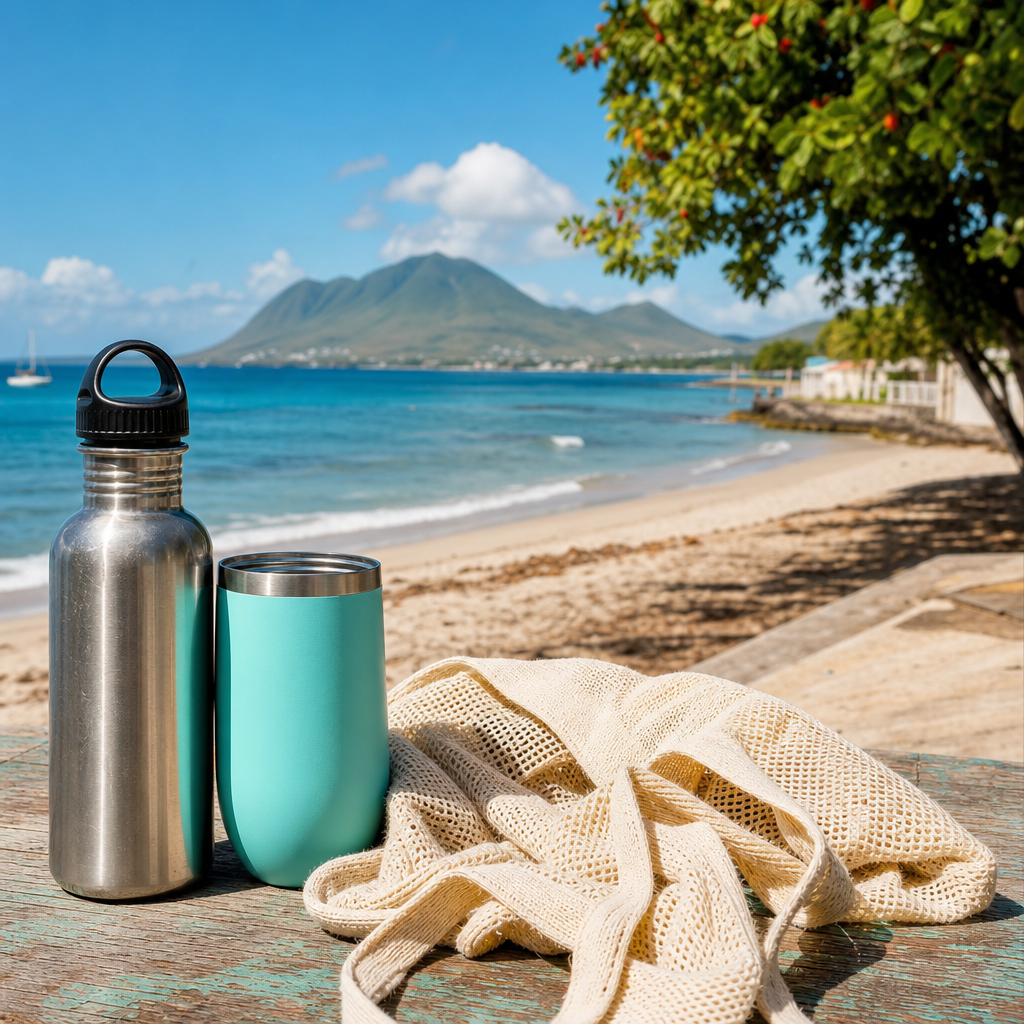
Reducing plastic use as a tourist in Nevis is one of the simplest ways to protect the island’s beaches, reefs, villages, and visitor experience while supporting the kind of low-impact travel that keeps Caribbean destinations resilient. In practical terms, reducing plastic use means cutting down on single-use items such as water bottles, takeaway containers, straws, shopping bags, miniature toiletry bottles, and disposable cutlery during your trip. On a small island like Nevis, that choice matters more than many visitors realize. Waste systems operate with limited land, imported goods often arrive wrapped in layers of packaging, and litter that escapes collection can quickly move from roadside drains to the sea. I have seen how a single busy holiday week can multiply disposable waste around ferry terminals, beach bars, and convenience shops, especially when travelers rely on packaged water and grab-and-go food for every outing. Because tourism is essential to the local economy, visitor habits directly shape the island’s waste profile. A tourist who carries a refillable bottle, packs reef-safe toiletries in reusable containers, and says no to unnecessary plastic can prevent dozens of disposable items from entering the local waste stream in only a few days. That is why this topic belongs at the center of sustainable tourism in Nevis, not at the margins.
Nevis offers an ideal setting for low-plastic travel because distances are short, many accommodations can support refilling and reuse, and local businesses are generally open to straightforward requests when asked politely. The island is quieter than many mass-market Caribbean destinations, with a strong sense of community and an environment that is easy to appreciate at close range: sea turtles nest on certain beaches, coral reefs fringe coastal waters, and rainfall funnels through ghauts and drainage channels that connect inland activity to marine ecosystems. Plastic pollution disrupts all of that. It can block drains, break into microplastics under sun and salt exposure, entangle wildlife, and increase cleanup costs for municipalities and hospitality operators. For travelers, the issue is also practical. A little planning saves money, reduces daily friction, and often leads to better choices, such as dining in rather than defaulting to foam boxes or buying local produce instead of individually wrapped snacks. This hub article covers the full range of miscellaneous ways visitors can reduce plastic use in Nevis, from what to pack before departure to how to shop, eat, move around, and participate in tours with less waste. If you want a clear, useful framework for traveling more responsibly on the island, start here.
Why Plastic Reduction Matters on a Small Caribbean Island
On Nevis, plastic use is not an abstract environmental debate; it is a daily operational issue shaped by geography, infrastructure, climate, and tourism patterns. Small islands face a basic constraint that larger countries do not: limited space for waste handling and limited economies of scale for recycling. Many plastic items commonly used by tourists, including PET drink bottles, multilayer snack packaging, sachets, and polystyrene food containers, have low local recovery value or are difficult to process consistently. Even when collection exists, transporting materials off-island can be expensive and vulnerable to market changes. That means the most effective strategy is source reduction, preventing waste before it is created.
Weather intensifies the problem. Tropical rain can move litter from streets and hillsides into guts and coastal waters quickly, while strong sunlight degrades exposed plastics into smaller fragments that are harder to remove. In marine settings, discarded fishing gear, bottle caps, straws, and thin film plastics can be mistaken for food by turtles and seabirds. Coral reefs are also affected indirectly when plastic waste contributes to poor coastal management and degraded water quality. Visitors often focus on what they can see, such as a clean beach, but the hidden cost is in disposal, handling, and leakage across the island’s land-to-sea systems.
There is also a cultural and economic dimension. Nevis markets itself on natural beauty, relaxed charm, and heritage experiences rather than high-volume tourism. Protecting that identity requires cleaner public spaces, less visual clutter, and lower strain on local services. Hoteliers, restaurateurs, taxi operators, and tour guides all benefit when visitors travel lightly and create less waste. A traveler who reduces plastic use is not performing a symbolic act; that traveler is lowering demand for disposable imports and reinforcing a tourism model that fits the island better.
What to Pack Before You Arrive
The easiest plastic to avoid in Nevis is the plastic you never bring or need in the first place. I advise travelers to build a simple low-waste kit before flying: a durable water bottle, insulated if possible; a reusable coffee cup; a foldable shopping bag; a lightweight food container; a reusable cutlery set; a metal or silicone straw only if you actually use one; and refillable toiletry bottles that meet airline security rules. Add a compact laundry line, reef-safe sunscreen in non-aerosol packaging, a bar soap or shampoo bar stored in a tin, and a small cloth napkin. This is not an extreme zero-waste checklist. It is a practical setup that removes the common reasons tourists buy disposable items on day one.
Choose materials carefully. Stainless steel bottles last longer than brittle plastic versions and keep water cooler in the island heat. Silicone pouches are useful for snacks or wet swimwear. Solid toiletries are especially effective because they eliminate miniature hotel-style bottles and reduce leakage risk in luggage. If you wear contact lenses, daily disposable lenses create a surprising amount of plastic waste, so reusable lenses may be the better option for some travelers if medically appropriate. Families should think ahead about children’s needs, since juice boxes, snack packs, and wet wipes can become a major source of trip waste.
Pack with local conditions in mind. Nevis has sunshine, humidity, beach time, and short driving distances, so your reusables will be used often. If you plan to hike Nevis Peak, spend time at Pinney’s Beach, or take a catamaran trip, your bottle and container will pay for themselves quickly. Thoughtful packing also prevents panic buying at convenience stores, where the most visible options are often heavily packaged imports.
Daily Habits That Cut Plastic Fast
Most plastic reduction during travel comes from routine decisions repeated several times a day. Ask for drinks without straws unless needed. Carry your bottle every time you leave your room. When ordering takeaway, request no cutlery, no extra sauce packets, and no separate bag if you can carry the item. If you are dining in, choose plated meals rather than takeout packaging. At the beach, bring snacks in your own container instead of buying several small packaged items. These sound minor, but over a week they add up to a meaningful reduction.
Accommodation choices matter too. Properties that provide bulk toiletries, filtered water stations, glassware in rooms, and refill options make low-plastic travel much easier. If your hotel still offers complimentary single-use bottles daily, tell reception you do not need them. Housekeeping teams usually appreciate clear instructions because it reduces restocking. The same applies to towels and laundry bags; unnecessary replacement and packaging create hidden waste beyond the plastic you see.
Transport habits also influence consumption. If you rent a car or use taxis for full-day exploring, stock it once with larger refillable items instead of buying individual drinks at every stop. For ferry transfers between St. Kitts and Nevis, prepare ahead so you are not forced into last-minute bottled purchases. Friction causes waste, and good planning removes friction.
Where Tourists Commonly Create Plastic Waste in Nevis
Visitors usually generate the most plastic in five situations: hydration, takeaway food, convenience shopping, beach outings, and tours. Hydration is the biggest one because travelers in hot climates often buy multiple bottles each day. Takeaway food follows closely, especially when meals come in foam clamshells with plastic cutlery and condiment sachets. Convenience shops can add snack wrappers, bottled soft drinks, and shopping bags quickly. Beach outings encourage single-serve drinks, ice bags, disposable cups, and packaged sunscreen wipes. Tours, especially marine excursions, often include bottled water and individually wrapped snacks for logistical simplicity.
| High-waste situation | Typical plastic items | Better tourist choice |
|---|---|---|
| Buying water all day | PET bottles, caps, shrink wrap | Carry a refillable bottle and refill at accommodation or trusted stations |
| Takeaway lunch | Foam box, cutlery, sauce packets, bag | Dine in or bring a reusable container and decline extras |
| Convenience snack stop | Wrappers, bottled drinks, bag | Buy larger pack sizes, fresh fruit, or unpackaged bakery items |
| Beach day | Cups, straws, ice bags, wipes | Pack drinks and snacks in reusables and take all waste back |
| Boat or island tour | Single-use bottles, cups, packaged snacks | Ask operators about refill options before booking |
Understanding these pressure points helps you intervene early. The goal is not perfection. The goal is to target the moments where one better decision prevents many disposable items at once.
Eating, Drinking, and Shopping with Less Waste
Food choices are where responsible intentions often collapse under convenience, so it helps to be explicit. In restaurants, ask whether water can be served in a glass or from a larger bottle instead of individual plastic bottles. If you are ordering from a beach bar, tell staff you are staying to eat and drink there so service is kept on reusable ware when possible. Many places default to disposables only because they assume a guest is in transit. For takeout, a polite request such as “No cutlery, no straw, no bag please” works better than a lecture. Staff are busy, and clarity gets results.
Local shopping can either reduce or increase plastic depending on what you buy. Fresh fruit, bakery goods, and ingredients for a simple picnic often produce less waste than imported snack foods and ready-to-drink beverages. If you visit a grocery or roadside stand, use your own bag and combine purchases to avoid multiple small transactions with multiple bags. If you buy souvenirs, favor durable local goods over novelty items wrapped in plastic film. Handmade crafts, spices in refillable jars, or textiles generally align better with low-waste travel than imported trinkets.
Alcohol and soft drinks deserve a separate note. Glass bottles are common in parts of the Caribbean and are often preferable to disposable plastic, particularly where return systems or reuse culture exists. Cans are also widely recyclable in many markets. By contrast, frozen cocktails served in throwaway cups can create unnecessary waste very quickly. If you are enjoying beachside drinks at Pinney’s, ask for a reusable cup if the venue offers one.
Tours, Beaches, and Community Respect
Some of the best low-plastic decisions happen before you book. Ask tour operators what they provide and what you should bring. Good operators are usually happy when guests carry refillable bottles and reusable sun-protection items because it reduces onboard waste. For snorkeling or sailing trips, confirm whether water refills are available and whether snacks come in bulk rather than individual wrappers. If an operator seems indifferent, that tells you something about overall environmental standards.
At beaches, leave no trace is the minimum standard. Secure lightweight items so wind does not carry them away. Do not leave cigarette butts, bottle caps, or food packaging in sand or parking areas. If bins are overflowing, take your waste back to your accommodation rather than stacking it nearby where animals or weather can scatter it. The same principle applies at heritage sites, trailheads, and roadside viewpoints. On a compact island, neglected waste travels.
Community respect is part of plastic reduction. Nevis is not a resort bubble; it is a lived-in island with schools, neighborhoods, churches, and working waterfronts. Visitors who treat public spaces carefully help preserve local goodwill toward tourism. Join a beach cleanup if timing allows, support businesses that use refill systems or reusable service ware, and thank staff when they accommodate your low-waste requests. Positive reinforcement spreads good practice faster than criticism.
Building a Practical Low-Plastic Nevis Itinerary
A realistic plan beats good intentions. Before arrival, ask your accommodation about drinking water, toiletries, and nearby grocery options. On day one, refill your bottle, buy a few low-waste staples, and set up a beach bag with your reusables. Structure excursions so you are not constantly making thirsty, hungry impulse purchases. Choose one or two restaurants where you know dine-in service works well, and use takeaway selectively. If you are staying a week, do one grocery run instead of daily convenience stops. If you are moving between St. Kitts and Nevis, carry enough water and snacks for the transfer.
The wider benefit is that these habits improve travel quality. You spend less time dealing with trash, fewer small purchases, and fewer last-minute searches for supplies. You notice more of the island because you are not consuming it through packaging. Reducing plastic use as a tourist in Nevis is ultimately about fit: fitting your travel style to a small island environment that rewards preparation, respect, and restraint. Pack reusables, ask direct questions, support low-waste businesses, and make each daily decision count. If you do that, you will leave Nevis with lighter trash, stronger local impact, and a better model for every trip that follows.
Frequently Asked Questions
Why is reducing plastic use especially important when visiting Nevis?
Reducing plastic use matters on Nevis because small islands have limited space, limited waste-processing capacity, and highly sensitive coastal ecosystems. A single disposable bottle, bag, or food container may seem minor during a holiday, but across thousands of visitor purchases, that waste adds up quickly. On an island where beaches, reefs, and clean village environments are central to everyday life and the visitor experience, unnecessary plastic can place extra pressure on local infrastructure and on the natural areas people come to enjoy.
Plastic waste can also move easily from streets and bins into gutters, coastal vegetation, and the sea, especially in windy or rainy conditions. Once there, it can affect marine life, damage the appearance of beaches, and contribute to the wider pollution burden facing Caribbean islands. By making a few simple choices, such as refusing unnecessary single-use items and carrying your own reusables, travelers help reduce waste at the source. That is often the most effective step, because preventing plastic from being created and discarded is easier than trying to manage it after the fact.
What are the easiest ways for tourists to cut down on single-use plastic during a trip to Nevis?
The easiest approach is to pack a small reusable kit before you travel and use it consistently throughout your stay. A refillable water bottle is one of the most useful items to bring, followed by a reusable shopping bag, travel cutlery, and a reusable coffee cup or food container if you expect to buy takeaway meals. Solid toiletries such as shampoo bars, conditioner bars, and soap are also helpful because they reduce the need for miniature plastic bottles, which are commonly used for short stays and generate a disproportionate amount of waste.
Once on the island, focus on everyday habits. Decline straws unless you truly need one, say no to disposable cutlery when eating takeaway, and keep a tote bag with you so you do not need a new shopping bag for each purchase. If you are buying snacks, choosing larger shared containers instead of multiple individually wrapped items can also reduce packaging. These steps do not require a major lifestyle change, but together they can significantly lower the amount of plastic associated with your trip while making your travel routine more intentional and low-impact.
How can I stay hydrated in Nevis without relying on lots of plastic water bottles?
The most practical solution is to travel with a durable refillable bottle and plan ahead each day. Ask your accommodation whether they provide filtered water, refill stations, or larger water dispensers for guests. Many hotels, villas, and guesthouses understand that travelers want to reduce plastic waste and may already have options available. If not, you can still be strategic by purchasing water in larger containers when necessary rather than repeatedly buying small single-use bottles.
It also helps to fill your bottle before leaving for beach trips, island tours, hikes, or day outings, since convenience often drives disposable bottle purchases. Keeping your bottle with you makes it easier to avoid impulse buys when you get thirsty. If you are unsure about local drinking water arrangements, ask your host directly for the safest and most environmentally responsible option. That conversation usually leads to a better solution than automatically defaulting to multiple disposable bottles every day.
Can reducing plastic use in Nevis still be realistic if I eat out often or buy takeaway food?
Yes, it is very realistic, especially if you communicate clearly and politely. Restaurants, cafés, beach bars, and takeaway spots often provide disposable items by default, but many are happy to leave them out if you ask. When ordering, request no straw, no plastic cutlery, and no extra condiment packets unless needed. If you know you will be carrying food back to your accommodation or taking snacks on an excursion, bringing a lightweight reusable container can be surprisingly useful.
Even when reusable alternatives are not possible for every meal, reducing the extras still makes a difference. Skipping unnecessary lids, stirrers, sachets, and bags lowers waste without affecting your enjoyment. Choosing to dine in rather than always ordering takeaway can also help, since meals served on plates with regular cutlery usually involve far less disposable packaging. The goal is not perfection. It is to reduce avoidable waste through small, repeatable decisions that fit naturally into your holiday.
What should I pack before traveling to Nevis if I want to be a lower-waste visitor?
A good low-waste packing list starts with the essentials you are most likely to use every day: a refillable water bottle, foldable shopping bag, reusable cutlery set, and a compact food container. If you drink coffee or tea on the go, add a reusable cup. For beach time, reef-safe sunscreen in lower-waste packaging and a reusable snack container can also be helpful. These items take up relatively little luggage space but can prevent a large amount of single-use plastic from accumulating over the course of your trip.
For personal care, choose refillable or solid toiletries instead of travel-size plastic bottles. Bring your own toiletries from home in reusable containers, and pack items like a reusable razor or bamboo toothbrush if those align with your routine. It is also smart to include a small cloth napkin or handkerchief for casual meals and snacks. The more prepared you are, the easier it becomes to avoid accepting disposable items simply because they are convenient in the moment. Packing with intention helps you travel more comfortably while supporting the health, beauty, and long-term resilience of Nevis.