Participating in Saint Kitts’ community sustainability efforts means contributing to the island’s environmental health, cultural continuity, and local economic resilience through practical actions that support residents as much as visitors. In Saint Kitts, sustainability is not an abstract policy term. It shows up in reef protection programs, village cleanups, heritage preservation, farm-to-table tourism, plastic reduction campaigns, and community groups that keep neighborhoods, beaches, and public spaces usable for everyone. For travelers, business owners, students, volunteers, and returning nationals, understanding how these efforts work is the first step toward participating responsibly.
Community sustainability combines three connected goals. First, it protects natural systems such as coastlines, freshwater resources, soils, and biodiversity. Second, it strengthens social systems by supporting public health, education, cultural identity, and civic participation. Third, it improves local livelihoods by keeping more tourism spending, food production, and service work within Saint Kitts rather than leaking abroad. I have seen sustainability projects succeed on Caribbean islands when they are small enough to manage, visible enough to build trust, and tied to daily needs like waste collection, energy costs, and job creation.
This matters especially in Saint Kitts because small island states face concentrated pressures. A single hurricane season can damage roads, beaches, reefs, and housing. Imported fuel and food raise living costs. Tourism can create opportunity, but unmanaged tourism can also strain water systems, generate waste, and disconnect visitors from local communities. Community-led sustainability offers a better model. It helps residents shape development instead of absorbing its side effects. It also gives travelers concrete ways to support the island beyond hotel spending, making sustainable tourism in Saint Kitts more measurable and more meaningful.
As a hub topic, miscellaneous community sustainability efforts include the cross-cutting activities that link environment, culture, business, and citizen action. They do not sit neatly in one category, yet they often produce the strongest practical results. Examples include school garden programs that improve nutrition and environmental awareness, repair and reuse initiatives that reduce imports, neighborhood composting, coastal monitoring by dive operators, and local events that combine heritage education with cleanup campaigns. Each effort may look modest alone, but together they create the habits and partnerships that make larger climate and development goals achievable on an island scale.
What community sustainability looks like in Saint Kitts
In Saint Kitts, community sustainability usually starts with local participation rather than top-down branding. You see it in beach cleanups organized by civic groups, hotel staff joining mangrove restoration days, and farmers supplying restaurants that want fresher produce with lower transport emissions. You also see it in schools, churches, youth clubs, and village associations that provide the social infrastructure many formal plans depend on. The most durable projects are rarely isolated environmental campaigns. They solve several problems at once, such as reducing litter, building pride, supporting small enterprise, and teaching practical stewardship.
One reason these efforts matter is that island ecosystems are tightly linked. Poor waste disposal upstream can affect coastal water quality. Damaged reefs can reduce fish habitat and weaken shoreline protection. Heavy dependence on imported food raises vulnerability when shipping costs rise or storms interrupt supply. Community-level sustainability addresses these links through local habits and institutions. When a school starts a garden, students learn soil care, composting, and food value. When a guesthouse switches away from single-use plastics and explains why, visitors notice behavior standards that can spread beyond one business.
Saint Kitts also benefits from a scale that makes collaboration visible. A cleanup campaign on a major beach, a tree planting in a watershed area, or a reusable container initiative in Basseterre can quickly become part of public conversation. That visibility is an advantage. On larger destinations, sustainable tourism efforts can disappear into marketing language. On Saint Kitts, residents can often see whether a project changed a place, reduced waste, or created work. The lesson for participants is straightforward: choose efforts with local ownership, practical outcomes, and a clear connection between action and benefit.
Environmental projects residents and visitors can join
The easiest entry point for participating in Saint Kitts’ community sustainability efforts is environmental volunteering. Beach cleanups remain important because coastal litter affects wildlife, tourism appeal, and public health. Plastics, fishing line, cans, and glass can trap animals or wash into nearshore habitats. Cleanup events are valuable not only for removal but also for data. Many groups now sort and count waste types, which helps identify common sources such as beverage containers or takeout packaging. That evidence can support better bins, public education, or supplier changes.
Marine protection is another high-impact area. Saint Kitts relies on healthy coastal ecosystems for fisheries, recreation, and shoreline resilience. Dive operators, fishers, and environmental groups may support reef monitoring, lionfish control, or boater education on anchoring practices. Coral reefs are stressed by warming seas, sedimentation, and pollution, so local pressure reduction matters. Visitors without technical training can still help by choosing operators that brief guests on not touching coral, maintaining buoyancy, and using reef-safer habits. Good tourism behavior is a sustainability action when repeated at scale.
Tree planting and watershed restoration also deserve attention. Forest and hillside vegetation reduce erosion, improve water retention, and support biodiversity. On volcanic islands, intense rainfall can quickly move sediment downhill, affecting farms, roads, and coastal waters. Community planting days can help stabilize vulnerable areas, but the best programs go beyond planting numbers. They include site selection, native species choice, follow-up watering, and survival monitoring. Anyone joining such work should ask what happens after planting day. Maintenance, not ceremony, determines whether restoration actually succeeds.
| Activity | Main Local Benefit | Best Way to Participate |
|---|---|---|
| Beach cleanup | Cleaner coastlines, safer wildlife habitats, better visitor experience | Join organized events and help sort waste for data collection |
| Reef protection | Healthier marine ecosystems and stronger tourism assets | Book responsible dive or snorkel operators and follow reef-safe guidance |
| Tree planting | Reduced erosion, better watershed health, more shade and habitat | Volunteer with groups that use native species and long-term maintenance plans |
| Community gardening | Food security, education, compost use, neighborhood engagement | Donate time, tools, seeds, or purchase produce from participating growers |
Supporting local food systems and small businesses
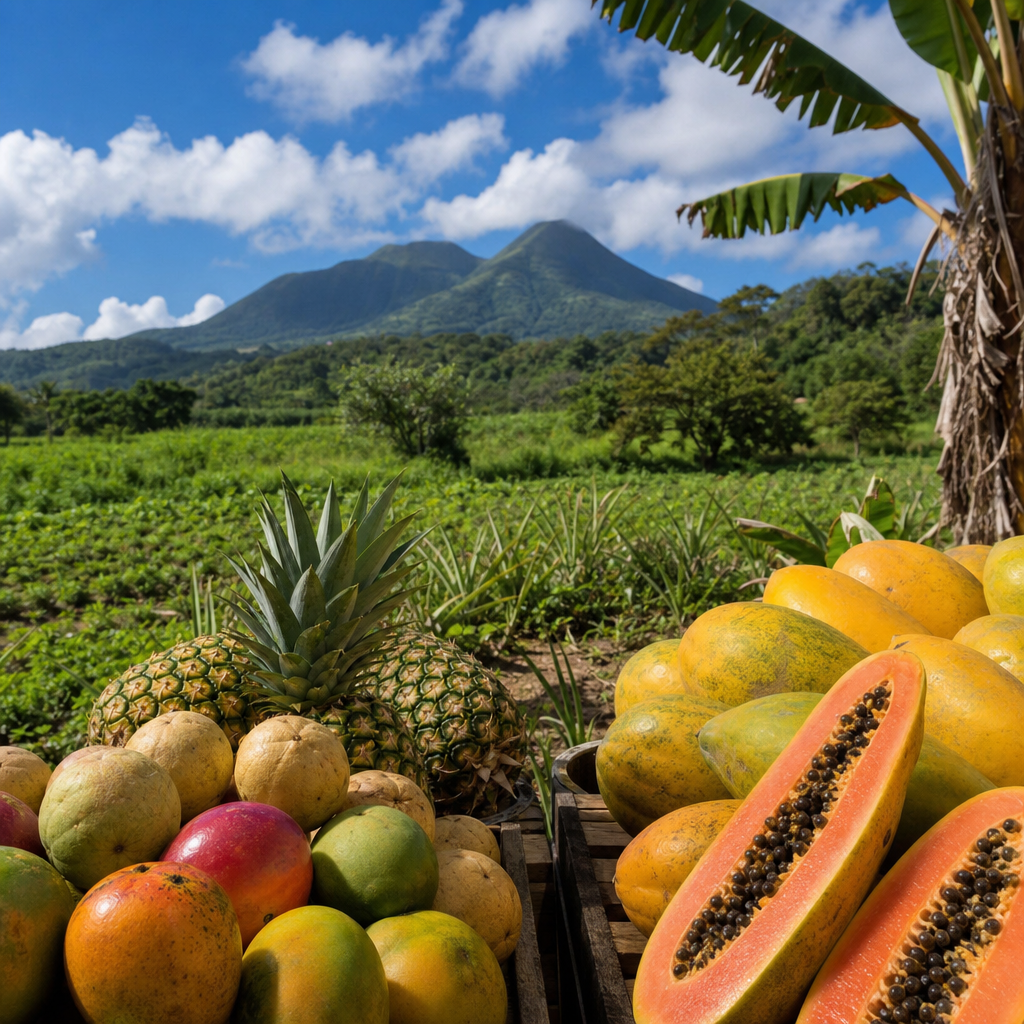
One of the most effective yet overlooked sustainability actions in Saint Kitts is strengthening local supply chains. When hotels, villas, restaurants, and households buy more produce, herbs, fish, sauces, crafts, and services locally, more money circulates within the island economy. This reduces import dependence and can lower transport-related emissions, but the bigger benefit is resilience. Local sourcing creates income for growers and makers who are rooted in communities and more likely to reinvest there. I have worked with tourism businesses that discovered a simple supplier shift could improve freshness, storytelling, and guest satisfaction at the same time.
Travelers can participate by asking specific purchasing questions. Which menu items use local produce? Are jams, juices, spices, or baked goods made on island? Does a gift shop carry products made in Saint Kitts rather than imported souvenirs? These questions matter because demand shapes procurement. If visitors consistently ask for local options, businesses have stronger incentives to build local vendor relationships. The same applies to experiences. Booking community guides, heritage walks, village cooking classes, or farm visits spreads tourism benefits beyond major accommodation properties and cruise corridors.
There are tradeoffs to acknowledge. Local production on small islands can be seasonal, limited in scale, and sometimes more expensive than imports. Restaurants may not source every ingredient locally, and some products simply are not available year-round. Sustainability does not require unrealistic purity. It requires conscious preference. Choosing one locally sourced meal, one island-made product, or one community-operated tour is still meaningful. Over time, repeated demand helps suppliers justify expansion, training, and quality improvements. The goal is not perfection. The goal is a stronger local economic base that supports environmental and social priorities.
Cultural heritage, education, and civic participation
Community sustainability in Saint Kitts is also cultural. An island can protect beaches and still lose the traditions, knowledge, and public memory that make tourism valuable in the first place. Heritage sites, local festivals, oral history, music, culinary practices, and craft traditions all contribute to sustainability because they strengthen identity and intergenerational connection. When communities are proud of place, they are more likely to defend it. Visitors can support this by spending time and money on authentic cultural experiences rather than only consuming the island as scenery.
Education plays a central role. Schools, youth clubs, and nonprofit programs can connect sustainability to practical skills such as composting, rainwater harvesting, coastal awareness, and entrepreneurship. The strongest programs I have seen avoid treating young people as passive recipients of awareness campaigns. Instead, they involve students in audits, mapping, planting, interviewing elders, and presenting solutions publicly. That approach builds agency. It also creates a pipeline of future business owners, teachers, and civic leaders who understand that sustainability is a management discipline, not just a slogan.
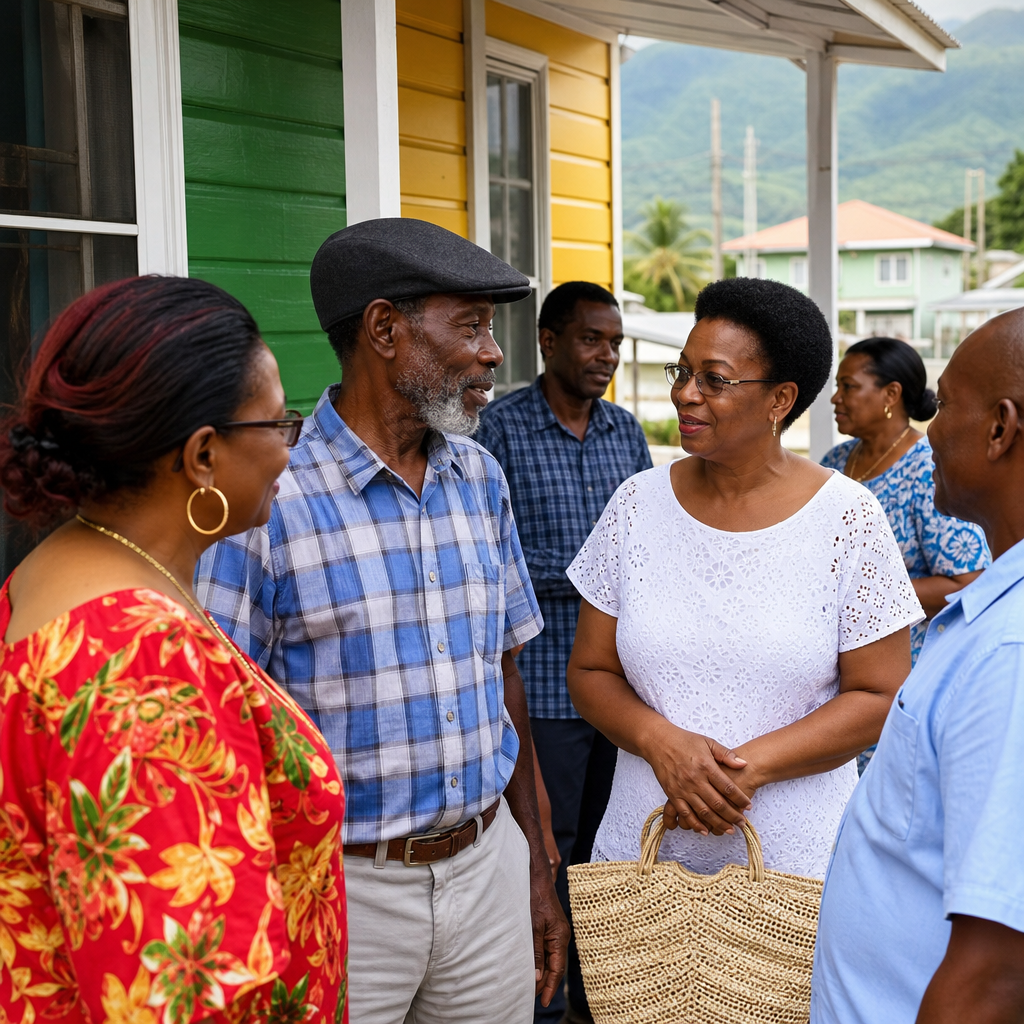
Civic participation matters because community sustainability succeeds when residents help decide priorities. Public meetings, volunteer associations, neighborhood committees, and faith-based networks often carry implementation more effectively than standalone campaigns. If a drainage issue causes trash buildup before every heavy rain, residents usually know the pattern before any consultant does. If a public space needs bins, shade, and regular cleaning rather than a one-off beautification day, local users will say so. Visitors and businesses should respect that local knowledge. The most helpful role is to support community-defined goals with funding, labor, skills, or steady patronage.
How tourism businesses can contribute year-round
Hotels, tour operators, transport providers, restaurants, and vacation rentals influence sustainability outcomes every day. Their purchasing, staffing, waste handling, water use, and guest communication shape local impacts at scale. In Saint Kitts, a tourism business contributes most effectively when sustainability is operational rather than promotional. That means setting refill systems to cut bottled water use, separating waste where collection allows, training staff on energy conservation, sourcing from local vendors, and giving guests clear guidance on respectful behavior in communities and natural areas.
Measurement improves credibility. Businesses should track monthly electricity use, water consumption, occupancy-adjusted waste volumes, and local procurement ratios. Even simple spreadsheets can show whether changes are working. Recognized frameworks such as GSTC-aligned practices, HACCP-based food handling discipline, and basic ESG reporting methods can help structure decisions without overwhelming smaller operators. What matters is consistency. If a property promotes itself as sustainable but offers only disposable amenities and imported gift shop stock, residents notice the gap quickly. Trust is built through routine choices that staff can explain confidently.
Year-round contribution also means sharing benefits. Tourism businesses can sponsor school projects, host community market days, provide venue space for environmental groups, or coordinate employee volunteer hours during slower periods. They can also improve inclusion by contracting local artisans, musicians, guides, and maintenance providers. These actions create direct links between visitor spending and community well-being. For smaller operators, the starting point can be simple: replace single-use items, publish a local supplier list, train staff to answer guest questions about responsible participation, and partner with one credible community organization for ongoing support.
Practical steps to get involved responsibly
If you want to participate in Saint Kitts’ community sustainability efforts, start by matching your time and skills to real local needs. A short-stay visitor may be best suited to a cleanup, local purchasing, or a guided educational experience. A remote worker staying several months might contribute to school programs, business mentoring, data management, or repeated volunteer sessions. Residents and diaspora members may be able to support fundraising, tools, training, or market access. The key principle is usefulness. Communities benefit more from reliable participation than from dramatic but temporary gestures.
Before joining any project, ask five questions: who leads it, what problem it solves, how success is measured, what local people gain, and what happens after the event. Those questions quickly separate effective programs from photo opportunities. Responsible participation also means respecting local schedules, cultural norms, and decision-making. Do not assume outside ideas are automatically improvements. In island contexts, logistics, weather, transport, and staffing limitations shape what is feasible. Listening first usually saves time and produces better results.
Finally, think beyond volunteering. Your spending, transportation choices, waste habits, and public behavior all affect sustainability. Carry a refillable bottle where appropriate, avoid litter, use reef-respectful practices, support locally owned enterprises, and share accurate information about the island’s community efforts. Sustainable tourism in Saint Kitts becomes real when many people make these ordinary choices consistently. If you are planning a visit or live on the island, choose one community sustainability effort to support this month and participate in a way that leaves lasting value.
Frequently Asked Questions
What does participating in Saint Kitts’ community sustainability efforts actually involve?
Participating in Saint Kitts’ community sustainability efforts means taking part in practical, community-focused actions that protect the island’s natural resources, strengthen local traditions, and support economic well-being. On the environmental side, this can include joining beach or village cleanups, reducing single-use plastics, conserving water and electricity, and respecting sensitive ecosystems such as reefs, mangroves, and coastal habitats. On the cultural side, participation may involve supporting heritage events, learning about local customs, choosing locally made products, and helping preserve the island’s historic identity rather than treating it as a backdrop for tourism. Economically, it often means spending in ways that benefit residents directly, such as buying from farmers, artisans, family-run businesses, and community-based tours.
What makes sustainability in Saint Kitts especially meaningful is that it is rooted in everyday island life. Community groups, schools, nonprofit organizations, local businesses, and residents often lead these efforts, so participation is less about making a symbolic gesture and more about becoming a respectful contributor. Even small actions matter when they are consistent and informed. Choosing reusable items, following conservation rules, asking how to volunteer responsibly, and supporting programs that keep neighborhoods and public spaces healthy can all have a real impact. In short, participating means helping the island remain environmentally healthy, culturally vibrant, and locally resilient for the people who live there as well as those who visit.
How can visitors support sustainability in Saint Kitts without getting in the way of local communities?
Visitors can support sustainability in Saint Kitts most effectively by approaching it with humility, respect, and a willingness to follow local guidance. A good first step is to choose businesses and experiences that clearly benefit the community, such as locally owned accommodations, restaurants that source ingredients from island farms or fishers, and tours led by knowledgeable residents. Visitors should also make low-impact choices throughout their stay, including carrying reusable water bottles or shopping bags, minimizing waste, conserving energy in hotels or villas, and avoiding activities that damage reefs, beaches, or wildlife habitats. These simple habits reduce strain on island resources while showing respect for the destination.
Equally important is understanding that community sustainability is not just about the environment; it is also about people, place, and local priorities. Visitors should avoid assuming they know what help is needed and instead connect with established organizations, volunteer programs, or community initiatives that already have trust and structure in place. For example, joining an organized cleanup, attending an educational reef protection activity, or supporting a heritage preservation event is usually more useful than acting independently. Listening to local perspectives, honoring cultural norms, and spending money intentionally can go a long way. The best kind of visitor participation supports existing efforts rather than redirecting them, and it leaves behind value instead of extra work.
Why are reef protection, beach cleanups, and plastic reduction so important in Saint Kitts?
Reef protection, beach cleanups, and plastic reduction are essential in Saint Kitts because the island’s ecosystems are closely connected to community health, tourism, fisheries, and long-term resilience. Coral reefs help protect shorelines from erosion and storm impact, support marine biodiversity, and create the underwater environments that attract divers, snorkelers, and nature-focused travelers. When reefs are damaged by pollution, careless boating, trampling, or warming waters, the effects extend far beyond the sea. Beach litter and plastic waste can harm marine life, reduce the beauty of public spaces, and create ongoing cleanup costs for communities that rely on healthy coastlines for recreation and livelihoods.
Plastic reduction and organized cleanups are especially important because islands often face unique waste management pressures. Single-use plastics can easily end up in drains, roadside areas, beaches, and nearshore waters, where they break down into smaller pieces and become difficult to remove. Community cleanup efforts do more than remove trash; they build awareness, encourage shared responsibility, and often inspire better habits in homes, schools, and businesses. In Saint Kitts, these efforts are not isolated environmental campaigns. They are part of a broader effort to protect natural assets that sustain the island’s economy, preserve public health, and maintain the quality of life that residents value. Supporting these initiatives helps preserve both ecological integrity and community pride.
What are some meaningful ways to support local culture and economic resilience as part of sustainability?
Supporting local culture and economic resilience in Saint Kitts means recognizing that sustainability is as much about people and continuity as it is about conservation. One of the most direct ways to help is by spending money with local farmers, fishers, artisans, market vendors, guides, and small business owners. Farm-to-table dining, community markets, handmade crafts, and locally led excursions all help keep more tourism revenue circulating within the island. This strengthens household incomes, supports entrepreneurship, and encourages businesses to preserve local knowledge and production methods instead of relying solely on imported goods and standardized visitor experiences.
Cultural support also includes showing genuine interest in the island’s history, traditions, architecture, music, foodways, and community events. Visiting heritage sites respectfully, attending cultural celebrations, learning the stories behind local places, and choosing authentic experiences over staged or extractive ones can all contribute to preservation. When residents see that visitors value local identity, it reinforces the importance of maintaining cultural practices for future generations. Sustainability in this sense is about continuity: protecting what makes Saint Kitts distinctive while ensuring that communities can thrive economically without sacrificing their character. Responsible participation helps build a model of tourism and local development that is more balanced, inclusive, and durable over time.
How can someone find community sustainability projects in Saint Kitts and contribute responsibly?
The most responsible way to find community sustainability projects in Saint Kitts is to start with established local organizations, community groups, environmentally focused nonprofits, schools, heritage associations, and reputable tourism operators that already collaborate with residents. These groups often organize beach and village cleanups, environmental education activities, tree planting, heritage preservation work, and public awareness campaigns related to waste reduction and responsible tourism. Asking hotels, guesthouses, visitor centers, or local guides for recommendations can also be helpful, especially if they have existing relationships with trusted initiatives. The key is to look for efforts that are community-led or community-approved rather than informal opportunities with unclear goals.
Contributing responsibly means matching your support to actual needs. In some cases, the best contribution may be volunteering time for a scheduled event. In others, it may be donating supplies, paying participation fees that fund local programs, sharing useful professional skills when invited, or simply supporting the project through attendance and awareness. It is also wise to ask practical questions: Who leads the initiative? How does the community benefit? Are there environmental guidelines or cultural expectations participants should follow? Is this a one-time activity or part of a longer-term effort? These questions help ensure your involvement is constructive. Responsible participation in Saint Kitts is not about visibility or personal credit; it is about helping local sustainability work succeed in ways that are respectful, effective, and aligned with community priorities.