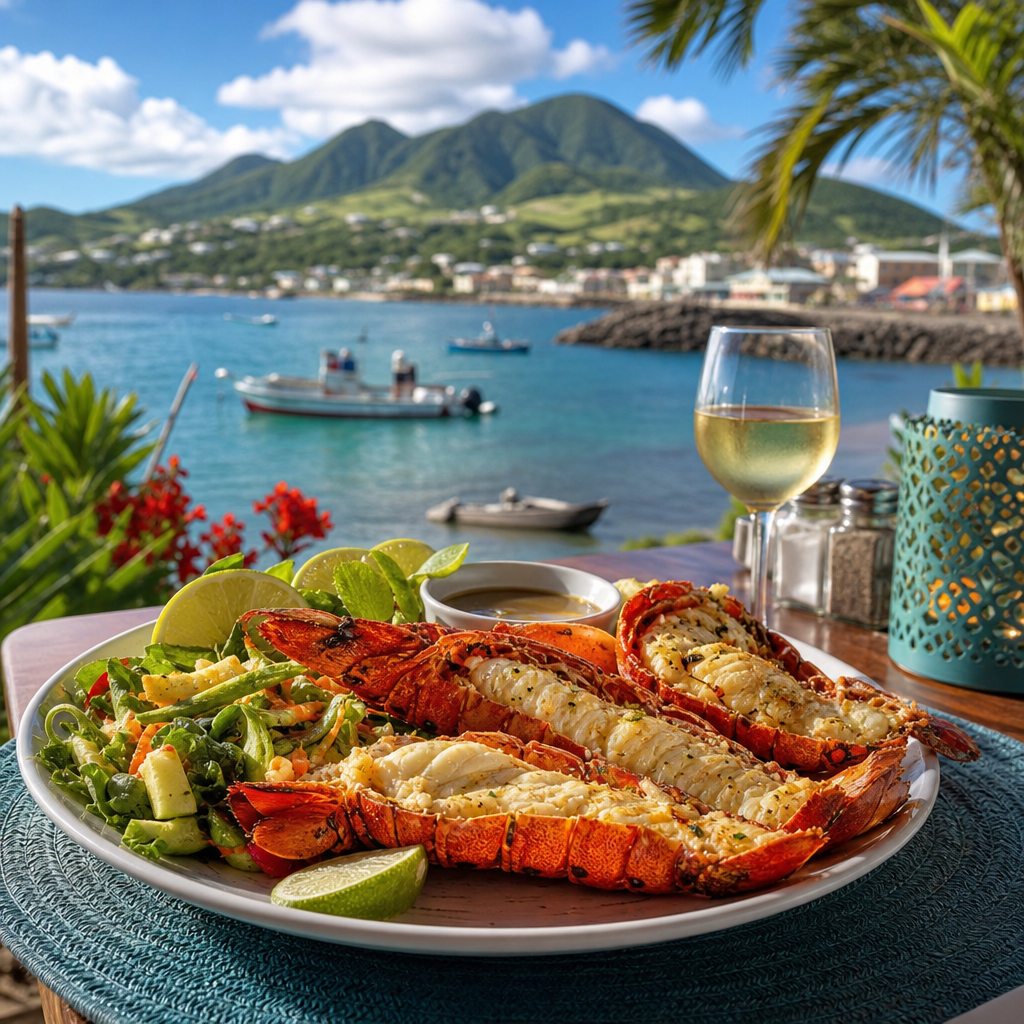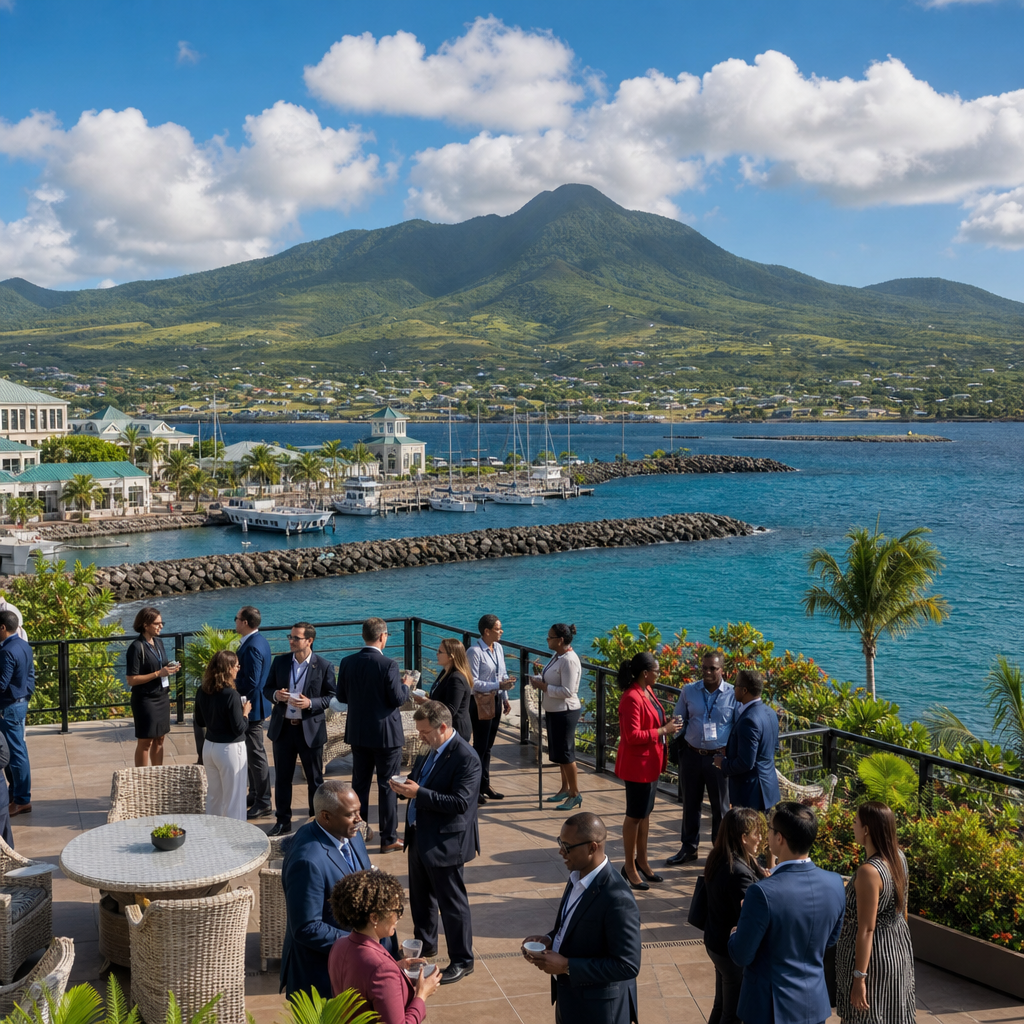
Saint Kitts’ conference tourism is becoming a practical gateway for companies, associations, investors, and government partners that want to combine serious business with Caribbean access, policy engagement, and memorable delegate experiences. In this context, conference tourism means travel organized around meetings, incentives, conventions, exhibitions, trade briefings, executive retreats, and sector forums rather than purely leisure holidays. I have worked on destination content and business travel planning long enough to see a clear pattern: islands that successfully host conferences do more than fill hotel rooms. They create repeat business travel, attract foreign decision-makers, support local suppliers, and strengthen their investment story. For Saint Kitts, that matters because conference tourism sits at the intersection of hospitality, air connectivity, real estate, professional services, and national branding. It helps the island present itself not only as a beach destination, but as a capable venue for commerce, networking, and regional collaboration. As a hub page under business and investment opportunities, this article looks at the full miscellaneous landscape around conference tourism: venue readiness, target industries, supporting infrastructure, delegate spending, policy benefits, local partnerships, event planning realities, sustainability, and future growth. The central point is simple. When conference tourism is developed strategically, Saint Kitts expands business horizons well beyond the event itself.
Why Conference Tourism Matters to Saint Kitts’ Economy
Conference tourism matters because business visitors usually spend more per trip than leisure tourists, travel year-round, and create demand across multiple sectors at once. A delegate does not only book a room. That traveler also uses airport transfers, catering, audiovisual services, restaurants, taxicabs, entertainment providers, tour operators, and sometimes legal, banking, or real estate contacts. In small island economies, that multiplier effect is especially valuable. It spreads revenue beyond the beachfront and into professional and community-based businesses.
For Saint Kitts, conference travel also helps reduce seasonality. Leisure arrivals often peak around holiday periods and winter sun demand, while meetings and executive events can be scheduled in shoulder periods when hotels want occupancy and airlines want stronger load factors. I have seen destinations use this pattern effectively by pricing group packages into quieter months and bundling venue rental, accommodation blocks, and off-site experiences. The result is steadier cash flow for hotels and a more predictable pipeline for suppliers.
Another economic advantage is investor exposure. A conference brings decision-makers onto the island and lets them assess infrastructure firsthand. It is easier to discuss development, logistics, energy, or professional services when attendees can tour sites, meet ministries, and see the operating environment directly. That physical experience often moves a conversation from abstract interest to active due diligence. For an island building its profile in business and investment opportunities, that is a meaningful strategic benefit.
Core Assets That Support Business Events in Saint Kitts
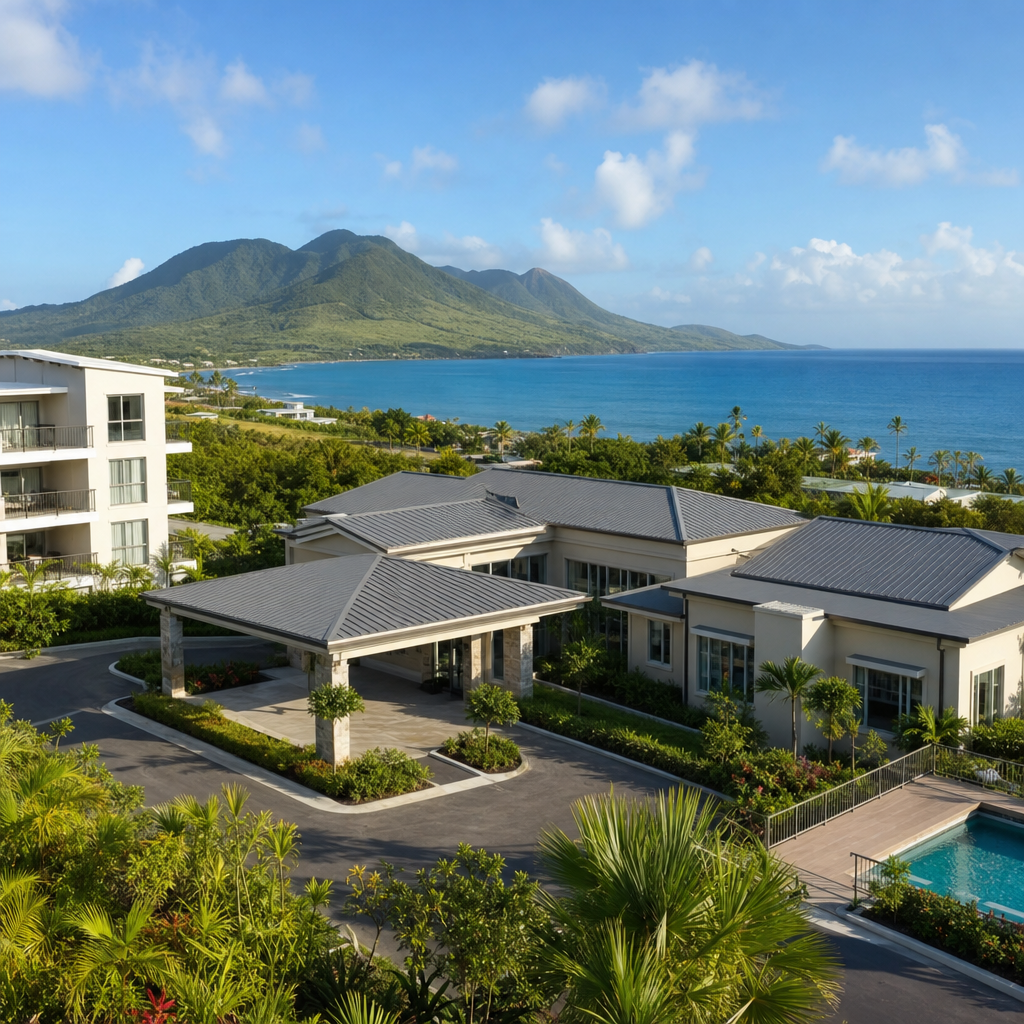
Saint Kitts already has several ingredients required for credible conference tourism. The first is accommodation stock that can serve different group profiles, from executive retreats to corporate meetings and association gatherings. Large branded resorts and smaller upscale properties provide options for room blocks, breakout meetings, banquet functions, and incentive-style programming. In practical event planning, flexibility matters as much as size. Organizers want venues that can host plenary sessions, registration desks, private dinners, and networking receptions without excessive transport complexity.
The second asset is connectivity. Robert L. Bradshaw International Airport gives the destination direct links and regional access, which is essential because conference planners measure risk in transfer friction. Fewer connection points generally mean better attendance and lower chances of missed opening sessions, delayed exhibitors, or lost equipment. Cruise access is less central for formal conferences, but the island’s broader transport familiarity helps build confidence among travel buyers and attendees who may extend their stays.
The third asset is the island’s business-friendly meeting environment. English use, recognizable legal and administrative structures, and the familiarity of Caribbean commercial networks make it easier for international delegates to navigate. Add a compact geography, and organizers gain a major operational advantage: people can move from airport to hotel to dinner venue quickly. In conference logistics, convenience is not a minor detail. It directly affects punctuality, delegate satisfaction, and program design.
Who Should Be Targeted: The Most Promising Conference Segments
Not every event type is equally suitable for Saint Kitts. The strongest opportunities usually sit in small to mid-sized conferences where the island can offer quality, exclusivity, and efficient coordination rather than mass-scale convention volume. Based on how similar destinations perform, the most promising segments include corporate leadership retreats, regional association conferences, financial services meetings, health and wellness summits, education forums, government and intergovernmental workshops, real estate investment showcases, and sector-specific networking events tied to tourism, agriculture, renewable energy, or blue economy development.
Executive retreats are especially well aligned with the island’s profile. Senior teams want privacy, reliable meeting space, strong food service, and activities that encourage relationship building. Saint Kitts can deliver all four. Association events are another fit because organizers often seek destinations that increase attendance appeal without sacrificing professional standards. A Caribbean location with credible meeting infrastructure can outperform a conventional city venue when the audience values both content and experience.
Trade and investment forums are also important. If Saint Kitts positions conference tourism as part of a wider business platform, it can attract events that combine panel sessions with investment briefings, site visits, and policy roundtables. That creates a stronger return than a stand-alone meeting because it links visitor arrivals directly to commerce, partnerships, and possible capital deployment.
| Conference Segment | Why It Fits Saint Kitts | Typical Local Beneficiaries |
|---|---|---|
| Executive retreats | Compact island logistics, privacy, premium hospitality | Resorts, transport firms, excursion providers |
| Association meetings | Destination appeal can lift delegate attendance | Hotels, caterers, AV suppliers, restaurants |
| Investment forums | On-island site visits support deal discussions | Developers, legal firms, banks, government agencies |
| Government workshops | Regional accessibility and controlled event environment | Conference venues, security, protocol services |
| Wellness and medical meetings | Strong pairing of education sessions with restorative setting | Spa operators, nutrition providers, hotels |
Infrastructure, Services, and Standards That Influence Planner Decisions
Conference tourism succeeds when the destination performs well on operational basics. Reliable internet bandwidth, backup power, modern audiovisual capability, room acoustics, transportation coordination, and on-site technical support are not optional extras. They are baseline requirements. I have watched event buyers reject attractive destinations because one site inspection exposed weak Wi-Fi redundancy or unclear freight handling for exhibition materials. Saint Kitts must therefore market not just scenery, but documented event readiness.
Service standards matter just as much. Professional conference organizers, destination management companies, interpreters, staging teams, and trained banquet staff turn a venue into a functioning event platform. International planners often ask very practical questions: Can the hotel support hybrid streaming? How quickly can a ballroom be reset from classroom style to banquet? Is there secure storage for sponsor materials? Are airport meet-and-greet services dependable for VIPs? Clear answers build confidence.
Health and safety standards are another decision factor. Event hosts want credible medical access, food safety controls, emergency procedures, and security planning proportionate to the guest profile. For higher-level government or investment events, protocol management and privacy controls may matter as much as décor. Destinations that can package these services in one coordinated offer have a competitive edge.
Accessibility should also be part of the conversation. Modern conferences are expected to accommodate mobility needs, dietary requirements, and inclusive room design. That expectation is no longer limited to large urban venues. Saint Kitts can strengthen its market position by making accessibility visible in its conference product, not buried in fine print.
How Conference Tourism Supports Broader Business and Investment Opportunities
The most important reason to treat this topic as a hub under business and investment opportunities is that conferences create a live pipeline for other sectors. A delegate may arrive for a summit and leave with interest in hospitality development, education partnerships, professional services outsourcing, retirement property, renewable energy, or agro-processing. The event acts as an entry point. Once on island, visitors can be introduced to chambers of commerce, investment promotion officials, local entrepreneurs, and sector specialists.
This cross-sector benefit is why conference tourism should be linked to internal destination planning rather than handled only as hotel sales. For example, an investment forum can include curated tours of development-ready sites. A medical conference can open discussions about wellness facilities, training partnerships, or specialist service demand. An education symposium can connect institutions with regional talent pipelines and digital learning initiatives. Each event becomes both a revenue generator and a business development mechanism.
There is also a reputational effect. When an island hosts recurring, well-managed professional events, it signals competence. That perception matters to investors. They notice whether registration runs smoothly, transfers are punctual, speakers are supported, and venues feel reliable. Those details shape how the wider business environment is judged. In my experience, destination credibility is often built in conference halls long before formal investment memoranda are signed.
Practical Challenges and How Saint Kitts Can Address Them
Conference tourism in an island setting comes with constraints, and strong strategy starts by acknowledging them. Airlift can limit attendance if schedules are thin or fares rise sharply. Venue inventory may not suit very large conventions. Imported equipment can increase production costs. Weather planning, insurance coverage, and contingency design require careful coordination. None of these issues makes Saint Kitts uncompetitive, but they do shape the kind of events it should prioritize.
One solution is to focus on right-sized conferences instead of chasing scale for its own sake. A destination does not need to host ten thousand delegates to generate meaningful business impact. Smaller, high-value events often produce better returns relative to infrastructure strain. Another solution is tighter collaboration between hotels, airlines, tourism authorities, and event organizers. Group fare support, room block coordination, and early calendar alignment can reduce pricing volatility and improve conversion.
Capacity building is equally important. Local suppliers need training in event technology, logistics, sustainability reporting, and international service expectations. Partnerships with recognized industry bodies and certification programs can help raise standards. The more confidently Saint Kitts can document capability, the easier it becomes to win repeat business. Strong post-event measurement also matters. Tracking delegate spending, average length of stay, lead generation, and extension travel gives policymakers and private operators the evidence needed to invest intelligently.
Building a Competitive Long-Term Strategy
For Saint Kitts to expand business horizons through conference tourism, the destination needs a coordinated long-term playbook. First, it should define its ideal event portfolio clearly: leadership retreats, regional conferences, specialist forums, and investment-linked gatherings that match existing infrastructure. Second, it should market bundled value rather than isolated venue space. Buyers respond to complete solutions that combine accommodation, transport, meeting support, curated networking, and memorable off-site programming.
Third, conference tourism should be integrated with national economic priorities. If the island wants to grow renewable energy, technology services, health, education, creative industries, or real estate development, it should actively host events in those fields. That creates relevance and increases the chance that event conversations turn into projects. Fourth, sustainability should be built into the offer. Organizers increasingly ask about waste management, local sourcing, community benefit, and carbon-conscious planning. Destinations that can answer those questions clearly stand out.
Finally, follow-through is what converts one conference into a wider business relationship. The event should not end at the closing reception. Delegates with investment interest should receive structured next steps, contacts, and sector information. Associations should be invited back with improved packages. Sponsors should be shown measurable outcomes. That discipline is how conference tourism becomes a durable business development channel rather than a series of disconnected events.
Saint Kitts’ conference tourism has real strategic value because it connects hospitality performance with investment visibility, professional networking, and year-round economic activity. The island is well suited to focused, high-quality business events that benefit from easy movement, attractive surroundings, and a credible commercial environment. Its strongest opportunities lie in executive retreats, association meetings, government workshops, and investment-oriented forums where relationship building matters as much as room capacity. Success, however, depends on more than scenic appeal. Planners need dependable connectivity, skilled local suppliers, strong technical standards, clear health and safety protocols, and coordinated public-private support.
As the hub for this miscellaneous subtopic, the key takeaway is that conference tourism should be viewed as a platform, not a niche. It drives visitor spending, introduces decision-makers to local opportunities, supports multiple industries, and strengthens the island’s business reputation. When managed intentionally, each event can open pathways into real estate, finance, trade, education, wellness, and other sectors central to business and investment opportunities. If you are evaluating Saint Kitts for commercial engagement, put conference tourism on your shortlist of strategic entry points, then explore the linked subtopic articles to identify the sectors, partners, and event models most relevant to your goals.
Frequently Asked Questions
1. Why is Saint Kitts becoming an attractive destination for conference tourism?
Saint Kitts is gaining momentum as a conference tourism destination because it offers a strong balance between business functionality and destination appeal. For organizations planning meetings, conventions, trade briefings, executive retreats, or sector-specific forums, the island delivers more than a scenic backdrop. It provides a focused environment where decision-makers can gather with fewer distractions than they might face in larger, more congested business hubs. That makes it especially appealing for companies, associations, investors, and public-sector stakeholders looking for productive engagement in a setting that still feels distinctive and memorable.
Another key advantage is accessibility to Caribbean markets and regional conversations. Saint Kitts can serve as a practical meeting point for delegates coming from North America, the wider Caribbean, and other international locations, making it useful for organizations that want to discuss cross-border investment, policy, trade, development, or tourism-related business. In many cases, the destination supports the kind of high-value networking that works best in an environment where participants stay close to the venue, share social spaces, and continue discussions outside formal sessions.
The island’s appeal also comes from the delegate experience. Conference organizers increasingly recognize that attendance, engagement, and post-event satisfaction improve when business travel includes a sense of place. Saint Kitts offers that through its hospitality, coastal setting, cultural character, and opportunities for curated off-site experiences. Rather than treating conference travel as purely transactional, the destination allows planners to create programs that feel strategic, efficient, and rewarding at the same time. That combination is a major reason Saint Kitts is expanding its profile in conference tourism.
2. What types of business events are best suited to Saint Kitts?
Saint Kitts is well suited to a wide range of professional gatherings, particularly events that benefit from a focused atmosphere, strong relationship-building, and a destination that encourages extended engagement. These include corporate meetings, executive retreats, leadership summits, incentive programs, association conferences, investor roundtables, policy workshops, industry forums, and trade-oriented briefings. The destination works especially well for events where quality of interaction matters more than sheer scale, although it can also support broader multi-day conference formats depending on venue selection and event design.
Executive retreats are an especially strong fit because Saint Kitts offers the privacy and setting needed for strategic planning, board discussions, and senior-level team alignment. Associations and professional bodies can also benefit from hosting annual meetings or regional conferences on the island, particularly when they want to boost attendance through destination appeal while still maintaining a serious business agenda. Similarly, investment delegations and government-linked forums can use the location to bring together stakeholders for focused discussions on development, infrastructure, tourism, sustainability, or regional collaboration.
Incentive travel and hybrid business-leisure programs also perform well in Saint Kitts. Organizations can structure an agenda with formal daytime sessions and networking receptions, site visits, or cultural experiences around the main program. This flexibility is valuable because many modern business events are no longer limited to presentations in a meeting room. They are designed to deepen relationships, improve knowledge exchange, and create memorable touchpoints that strengthen brand loyalty or partnership outcomes. Saint Kitts supports that model very naturally.
3. What are the main benefits of hosting a conference or corporate event in Saint Kitts instead of a larger business city?
One of the biggest benefits is concentration. In a large metropolitan business destination, delegates are often spread across multiple hotels, long commutes can disrupt schedules, and attendees may become fragmented after sessions end. In Saint Kitts, conference groups can typically remain more connected. Venues, accommodations, social events, and networking settings are often easier to coordinate within a manageable geographic footprint. This creates a smoother event flow and often leads to stronger participation throughout the program.
There is also a clear advantage in terms of attendee engagement. When people travel to a destination like Saint Kitts, they tend to arrive with greater intention. The setting helps shift participants out of routine office mode and into a more present, receptive mindset. That can improve the quality of discussion, collaboration, and relationship-building. For leadership teams, industry associations, and investor groups, this matters because business outcomes often depend on trust, focus, and meaningful interaction rather than just the formal agenda.
From a brand and experience perspective, Saint Kitts also helps events stand out. Many organizations want their conferences to feel purposeful and memorable, not interchangeable with dozens of similar meetings held in standard urban venues. Hosting in Saint Kitts can elevate the event’s profile, support stronger delegate recall, and communicate that the organization values both substance and experience. At the same time, the island offers practical advantages for Caribbean-facing conversations, making it more than a luxury choice. It is a strategic option for event planners who want access, atmosphere, and business relevance in one destination.
4. How can conference organizers create a productive and memorable delegate experience in Saint Kitts?
The most effective approach is to treat Saint Kitts as part of the event strategy rather than simply the event backdrop. Organizers should begin by designing a program that matches the destination’s strengths: focused meetings, intentional networking, regional insight, and curated cultural or leisure elements that support the business purpose. For example, a conference agenda might combine keynote sessions and panel discussions with investment-focused site visits, executive networking dinners, or small-group roundtables that encourage direct conversation among decision-makers.
It is also important to build in opportunities for delegates to experience the island in ways that feel authentic and well integrated. This does not mean turning a business event into a vacation. Instead, it means using selective experiences to improve connection and retention. A welcome reception with local culinary elements, a closing event that highlights heritage or music, or an optional excursion after core sessions can all contribute to a stronger sense of place. These moments often help attendees network more naturally and remember the event more vividly.
Operationally, organizers should focus on clarity, convenience, and flow. Delegates value smooth transfers, clearly structured schedules, reliable venue coordination, and thoughtful hospitality. In a destination setting, these details matter even more because the goal is to make the event feel seamless from arrival to departure. When planners combine strong logistics with relevant programming and destination-aware experiences, Saint Kitts can deliver an event that is both highly productive and genuinely distinctive. That is often the difference between a conference people attend and a conference people talk about long after it ends.
5. What role can conference tourism in Saint Kitts play in broader business, investment, and policy engagement?
Conference tourism in Saint Kitts can function as a platform for far more than meetings alone. It creates a setting where commercial, institutional, and governmental stakeholders can gather to exchange ideas, explore partnerships, and move discussions forward in a practical environment. For investors, conference-linked travel can provide direct exposure to the local and regional business landscape. For associations and industry groups, it offers a way to convene members around emerging issues while connecting those conversations to Caribbean opportunities and priorities. For public-sector participants, it can support policy dialogue, diplomatic engagement, and sector planning.
This matters because business events often serve as catalysts. A trade briefing may lead to supplier relationships, an investment forum may open discussions on development projects, and a regional conference may generate long-term collaboration among agencies, institutions, or private-sector partners. In Saint Kitts, those interactions can be particularly effective because the destination encourages concentrated engagement. Delegates are not simply passing through a large city; they are sharing a contained environment that makes follow-up conversations, introductions, and informal meetings easier to arrange.
Over time, this positions conference tourism as part of a wider economic and reputational strategy. Successful events can strengthen Saint Kitts’ visibility as a place for commerce, dialogue, and partnership, not only leisure travel. They can also encourage repeat visits, executive site inspections, future retreats, and expanded business relationships. In that sense, conference tourism becomes a bridge between destination marketing and real economic opportunity. For organizations looking to expand business horizons in the Caribbean, Saint Kitts offers a credible venue for bringing people together in ways that support both immediate event goals and longer-term strategic outcomes.