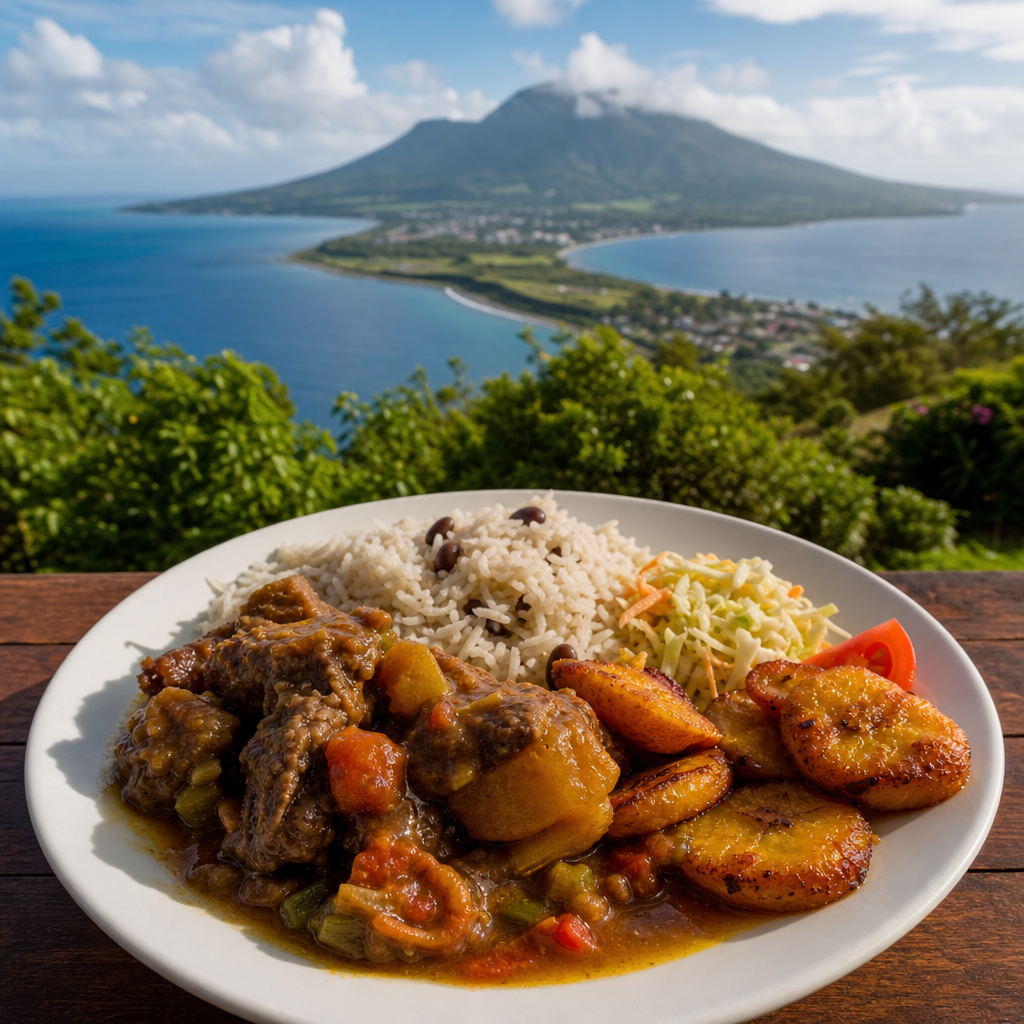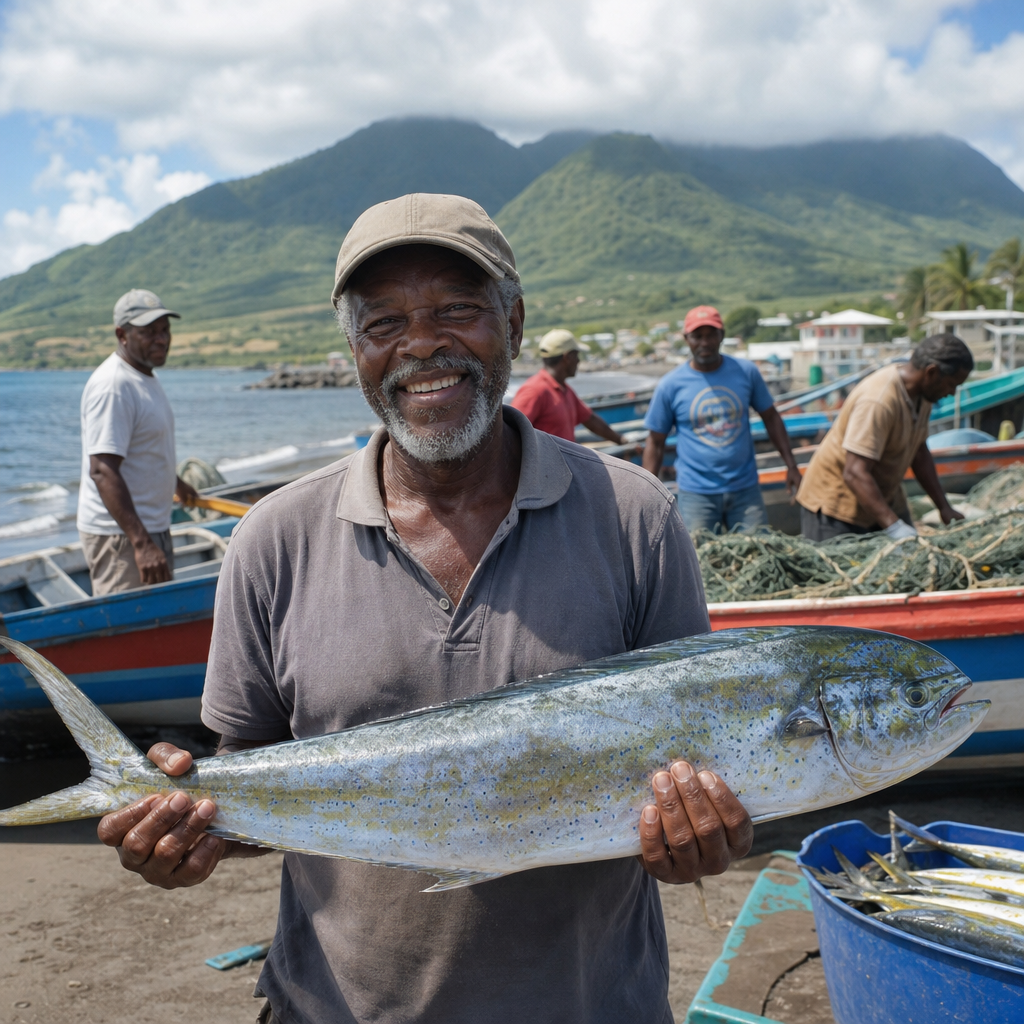
Saint Kitts’ fishermen’s co-ops help keep coastal life viable by connecting small-scale fishers to markets, equipment, training, and shared bargaining power. In practical terms, a fishermen’s co-op is a member-owned organization that pools resources so independent boat owners and crew can buy inputs at lower cost, sell catch more efficiently, and solve common problems collectively. On an island like Saint Kitts, where fishing supports household income, food security, tourism, and cultural identity, co-ops matter far beyond the dock. They stabilize livelihoods in a sector exposed to fuel spikes, rough weather, import competition, and shifting fish stocks. They also preserve a way of life that visitors often notice only at the fish fry or on a harbor front, while local communities live its realities every day.
Having worked around Caribbean destination content and local enterprise mapping, I have seen that fishing communities are often described too narrowly, as if they only land fish and sell them. In reality, they support transport operators, vendors, ice suppliers, mechanics, market cooks, guesthouse kitchens, and family networks that depend on daily cash flow. In Saint Kitts, this local life dimension makes fishermen’s co-ops an important hub topic within miscellaneous community experiences, because they intersect with heritage, public markets, marine stewardship, festivals, and neighborhood resilience. Understanding how they function gives readers a clearer picture of the island beyond beaches and cruise itineraries.
Saint Kitts is the larger island of the Federation of Saint Kitts and Nevis, with a volcanic interior and communities distributed around a relatively compact coastline. Fishing here is mainly artisanal or small-scale rather than industrial. Fishers often use pirogues, open boats, or modest motorized vessels, targeting species such as mahi-mahi, tuna, kingfish, snapper, lobster, and conch depending on season, gear, and regulations. A co-op in this setting typically helps with cold storage, bulk purchasing, access to landing sites, coordination with government fisheries departments, and sometimes marketing to hotels, restaurants, or public fish markets. That combination of economic function and social cohesion explains why co-ops remain relevant even as tourism and imported food reshape the wider economy.
What fishermen’s co-ops do in Saint Kitts
The clearest answer is that fishermen’s co-ops reduce the disadvantages of working alone. A single fisher buying fuel, ice, bait, hooks, engine parts, and packaging pays retail prices and has little leverage when negotiating with a hotel buyer. A co-op can aggregate demand, lower input costs, coordinate storage, and negotiate more predictable sales. In island economies, where shipping costs inflate nearly everything, those savings are not theoretical. They can determine whether a week at sea produces profit or debt.
Co-ops also organize services that are hard for individuals to maintain consistently. Ice production, insulated handling, weighing, grading, and scheduled delivery are basic requirements for food service buyers. Restaurants serving tourists need dependable quality and timing, not just fresh fish when weather allows. A functioning co-op can buffer that uncertainty by pooling catch from several members, improving continuity of supply. This is one reason local seafood appears on menus even in periods when one boat alone could not meet demand.
Another core role is representation. Fisheries policy affects licensing, marine protected areas, closed seasons, safety rules, and export opportunities. Individual fishers often lack time to attend consultations or the confidence to challenge poorly designed rules. Co-ops provide a recognized channel for dialogue with public agencies and development partners. In practice, that means fishers are more likely to be heard on fuel subsidy design, hurricane recovery support, gear restrictions, or landing site improvements.
Why co-ops matter for local communities
The value of fishermen’s co-ops is easiest to see at household level. Earnings from a catch rarely stop with the fisher. They pay school costs, groceries, utility bills, transport, and church or community obligations. In many Caribbean communities, fishing income is irregular, so any structure that improves price stability has a social effect. When co-ops help members secure better rates or reduce spoilage, families benefit directly.
Food security is equally important. Saint Kitts imports a significant share of its food, as many small islands do. Local fisheries cannot replace all imports, but they diversify supply and provide fresh protein with fewer shipping dependencies. During periods of external disruption, such as freight delays or global price spikes, a healthy domestic fishing sector becomes more valuable. Co-ops strengthen that sector by making local distribution more organized and less wasteful.
There is also a cultural benefit. Coastal identity in Saint Kitts is tied to seafaring knowledge, boat work, fish cleaning, traditional recipes, and harbor-side social life. Fishers carry practical knowledge about currents, reefs, seasonal movements, and safe passages that is rarely captured fully in formal documents. Co-ops create spaces where this knowledge circulates across generations. Younger members learn not only trade skills but norms around safety, maintenance, and respect for the sea.
Tourism adds another layer. Visitors increasingly want local experiences, not generic imports. Fresh grilled fish, fish market visits, community festivals, and conversations with working fishers all contribute to destination authenticity. Co-ops help maintain the supply chains behind those experiences. Without viable fishing communities, tourism loses part of what makes Saint Kitts distinct.
How co-ops support the seafood value chain
A fishermen’s co-op is not only about catching fish; it is about the full seafood value chain from landing to plate. That chain includes harvesting, handling, storage, transport, processing, wholesale, retail, and food service sales. Weakness at any point reduces income. I have seen small fisheries lose value not because fish were scarce, but because icing was inconsistent, deliveries were delayed, or buyers distrusted grading standards.
In Saint Kitts, co-ops can improve value by standardizing post-harvest handling. Proper bleeding, icing, cleaning surfaces, and maintaining the cold chain all matter. The Food and Agriculture Organization has long emphasized that post-harvest losses in small-scale fisheries can be substantial when handling systems are weak. For island fishers, reducing loss is often more achievable than simply catching more. Better quality allows access to higher-value buyers and lowers waste.
| Co-op function | Community benefit | Example in practice |
|---|---|---|
| Bulk purchasing | Lower operating costs | Members buy fuel, ice, and gear together at better rates |
| Cold storage and handling | Less spoilage, safer food | Catch is iced quickly and held for next-morning restaurant delivery |
| Shared marketing | Stronger prices and steady sales | Several boats fill one hotel order that no single boat could supply |
| Training and compliance | Safer work and better standards | Members receive guidance on sanitation, traceability, and life-jacket use |
| Advocacy | Improved public support | Co-op leaders negotiate landing site repairs after storm damage |
Processing and direct sales can create additional value. Fish filleting, vacuum packing, smoking, or preparing ready-to-cook portions helps producers serve supermarkets, villas, and time-sensitive households. Not every co-op has the scale or infrastructure for advanced processing, but even simple improvements such as labeled packaging and consistent weights can raise buyer confidence. In tourism-oriented economies, presentation matters nearly as much as freshness.
Environmental stewardship and responsible fishing
Sustaining local communities requires sustaining fish stocks. That is where fishermen’s co-ops can be especially constructive. Because members depend on future catches, they have a direct interest in avoiding destructive practices. Responsible fisheries management includes observing closed seasons, respecting size limits, protecting nursery habitats, and using gear that reduces unnecessary bycatch. Rules work best when fishers understand the rationale and help shape implementation.
Saint Kitts and the wider eastern Caribbean face real ecological pressures. Climate change is warming waters, coral reefs are under stress, and stronger storms can damage coastal ecosystems and fishing infrastructure alike. Reef-associated species may become less predictable, while pelagic opportunities can shift with ocean conditions. In this environment, local monitoring and practical adaptation matter. Co-ops can gather observations from members, share safety alerts, and collaborate with fisheries officers or regional bodies on data collection.
Stewardship also has an economic dimension. Buyers increasingly care about sourcing and legality, especially hotels serving international guests. A co-op that promotes traceability, legal landings, and proper handling creates confidence. That trust can become a commercial advantage. The point is not to turn artisanal fishers into paperwork-heavy exporters overnight, but to show that environmental responsibility and market access are connected.
Challenges facing Saint Kitts’ fishermen’s co-ops
Despite their value, co-ops are not automatically successful. Governance is usually the first test. Member-owned organizations need clear rules, transparent accounting, elected leadership, and disciplined recordkeeping. When co-ops struggle, the cause is often not lack of community spirit but weak administration. Delayed payments, unclear pricing, or poor inventory control quickly erode trust.
Financing is another barrier. Boats, engines, freezers, insulated boxes, docks, and repair facilities require capital. Commercial lending for small-scale fisheries is often difficult because earnings fluctuate and collateral is limited. Development grants can help, but grant-funded equipment without maintenance planning rarely solves long-term problems. The strongest co-ops build modest, dependable systems first and expand carefully.
Climate and disaster risk are constant concerns. A single storm can damage boats, landing sites, and storage facilities in days. Insurance may be expensive or unavailable. Fuel volatility also cuts deeply into margins, especially for small operators traveling farther offshore. Add labor shortages, competition from imported seafood, and changing youth career preferences, and the pressure on the sector becomes clear.
There is a market challenge as well. Hotels and larger buyers often want year-round consistency, while small fisheries operate in seasonal and weather-dependent cycles. Co-ops can improve reliability, but they cannot eliminate ecological reality. The best buyer relationships are built on honest communication, menu flexibility, and shared expectations about what local supply can realistically provide.
The future of co-ops in local life and experiences
The future of Saint Kitts’ fishermen’s co-ops lies in combining tradition with smarter systems. Digital tools can help with catch logs, member payments, order coordination, and weather monitoring. Training in Hazard Analysis and Critical Control Points principles, even at a simplified operational level, can improve food handling discipline. Partnerships with chefs, schools, community groups, and tourism operators can widen the market for underused species and reduce pressure on the most demanded catches.
As a hub within local life and experiences, this topic connects naturally to seafood cuisine, public markets, village festivals, marine conservation, heritage occupations, and community entrepreneurship. Readers exploring miscellaneous local culture should see fishermen’s co-ops as a bridge topic that links all of these areas. They show how livelihoods, ecology, hospitality, and identity work together on a small island.
The main lesson is straightforward: when fishermen organize well, entire communities gain resilience. Better prices, less waste, stronger local food systems, and preserved coastal knowledge all follow from that foundation. Saint Kitts benefits when its fishing communities are not treated as background scenery but as active contributors to the island’s economy and character. If you are building deeper knowledge of local life in Saint Kitts, include fishermen’s co-ops in that journey and explore the related stories of markets, food traditions, and coastal community heritage across the island.
Frequently Asked Questions
What is a fishermen’s co-op in Saint Kitts, and how does it work?
A fishermen’s co-op in Saint Kitts is a member-owned organization created to help small-scale fishers operate more effectively and more sustainably. Instead of each boat owner or crew member trying to manage every challenge alone, the co-op allows members to pool resources and coordinate solutions. In practice, that can mean buying fuel, ice, gear, bait, storage supplies, or maintenance inputs in bulk so costs stay lower than they would for individual fishers purchasing on their own. It can also mean organizing collection, grading, storage, and sales so that fresh catch reaches restaurants, households, hotels, and local markets more efficiently.
The co-op model is especially important on an island such as Saint Kitts, where fishing is tied closely to livelihoods, food access, tourism demand, and community identity. A single fisher may have strong skills on the water but limited leverage when negotiating prices, accessing financing, or investing in equipment upgrades. Through a co-op, members gain shared bargaining power and a stronger voice in the marketplace. Many co-ops also support training in areas such as safety at sea, fish handling, recordkeeping, quality standards, and sustainable fishing practices. The result is not just a business arrangement, but a practical community institution that helps independent fishers remain viable while strengthening the wider coastal economy.
How do Saint Kitts’ fishermen’s co-ops support local communities beyond the fishing industry?
Fishermen’s co-ops contribute to local communities in ways that extend well beyond the landing site or the fish market. First, they help stabilize household income for fishers and their families. When members can lower their operating costs and sell catch more effectively, earnings tend to become more dependable. That income circulates through the local economy, supporting shops, transportation providers, repair services, food vendors, and other small businesses in coastal areas.
Co-ops also play an important role in food security. On an island nation, reliable access to locally caught seafood matters. By helping fishers bring catch to market efficiently, maintain quality, and reduce waste, co-ops strengthen the domestic food supply. This can lessen dependence on imported protein and keep more value within Saint Kitts. In addition, local seafood supports the tourism sector, which benefits when hotels, restaurants, and visitors can access fresh fish with a clear connection to local communities and traditions.
Just as importantly, fishermen’s co-ops help preserve cultural identity. Fishing in Saint Kitts is not only an occupation; it is part of coastal heritage, intergenerational knowledge, and community life. Co-ops create structures through which experienced fishers can pass down skills, younger members can enter the trade with support, and communities can maintain a sense of continuity in the face of economic change. In that sense, a strong co-op helps sustain both livelihoods and the social fabric that surrounds them.
Why are fishermen’s co-ops important for small-scale fishers in Saint Kitts?
Small-scale fishers often face a difficult mix of high costs, limited negotiating power, weather risks, fluctuating catch, and uneven access to buyers. In Saint Kitts, those pressures can be amplified by the realities of island logistics, changing fuel prices, equipment expenses, and the need to compete in markets shaped by tourism and imported products. A fishermen’s co-op matters because it gives independent fishers a practical way to reduce those pressures without giving up ownership of their boats or their independence on the water.
One major advantage is collective purchasing. When a co-op buys supplies in larger quantities, members can often secure better prices on essentials such as nets, lines, hooks, fuel, ice, engines, and spare parts. Another advantage is collective marketing. Rather than accepting whatever price is offered by the first available buyer, fishers working through a co-op may be able to coordinate sales, maintain quality standards, and negotiate more favorable terms. This can improve income consistency and reduce the vulnerability that comes from selling catch one trip at a time without market support.
Co-ops also matter because they help members solve shared problems that are too large or too expensive for individuals to handle alone. These can include cold storage, transportation, landing facilities, compliance with regulations, bookkeeping support, training in post-harvest handling, and planning for storms or other disruptions. For many small-scale fishers, the co-op is the mechanism that turns isolated effort into collective resilience. It helps members stay active in the fishery while improving their ability to adapt, invest, and plan for the future.
How do fishermen’s co-ops contribute to sustainability in Saint Kitts?
Sustainability in fishing is not only about protecting fish stocks; it is also about keeping fishing communities economically and socially viable over time. Fishermen’s co-ops in Saint Kitts can contribute on all three fronts. Environmentally, co-ops can help members share information about responsible harvesting practices, seasonal changes, gear use, and the importance of avoiding overfishing. Because co-ops are organized around long-term member benefit rather than short-term extraction, they are often well positioned to promote habits that protect the resource base on which everyone depends.
Economically, co-ops support sustainability by improving efficiency and reducing waste. Better access to ice, storage, transport, and organized sales helps preserve quality from the moment fish are landed to the point of sale. That means more of the catch retains its value, less product is lost, and fishers can earn more without necessarily increasing fishing pressure. Training in handling, grading, and market timing can also increase returns from existing catch, which is an important part of building a more balanced and durable local industry.
Socially, co-ops strengthen the continuity of fishing communities. They create networks of trust, shared learning, and joint problem-solving that help coastal livelihoods survive external shocks, from price swings to severe weather. They can also encourage younger people to view fishing as a more organized and professional livelihood with clearer support systems. In Saint Kitts, where coastal life, heritage, and local enterprise are closely linked, that broader form of sustainability is essential. A healthy fishery depends not just on marine resources, but on communities that have the tools and organization to steward them well.
What challenges do Saint Kitts’ fishermen’s co-ops face, and why does continued support matter?
Even strong fishermen’s co-ops face real challenges. Rising fuel and equipment costs can strain members’ budgets and reduce profitability. Weather variability, rough sea conditions, and storm events can interrupt fishing activity and damage vessels or infrastructure. Market fluctuations also matter. Demand from households, vendors, and tourism businesses can shift, and fishers may still face pressure from inconsistent prices or limited cold-chain capacity. In addition, co-ops may need ongoing support in management, recordkeeping, financing, maintenance of shared equipment, and compliance with evolving standards or regulations.
Another challenge is maintaining active participation and trust among members. Co-ops work best when members are engaged, transparent processes are in place, and leadership is accountable. If administrative capacity is weak or if resources are limited, even a well-intentioned co-op can struggle to deliver all the services members need. Access to capital is another frequent issue. Investments in ice machines, storage, landing improvements, safety gear, transport, or processing facilities can make a major difference, but they require funding and long-term planning.
Continued support matters because fishermen’s co-ops are more than commercial entities; they are pillars of local resilience. When co-ops function well, they help keep small-scale fishing profitable, preserve local seafood supply, strengthen links to tourism, and sustain coastal livelihoods that might otherwise disappear under economic pressure. Support can come in many forms, including technical training, access to financing, infrastructure upgrades, policy recognition, and partnerships with buyers or community institutions. In Saint Kitts, investing in fishermen’s co-ops is ultimately an investment in food security, cultural continuity, and the long-term health of coastal communities.