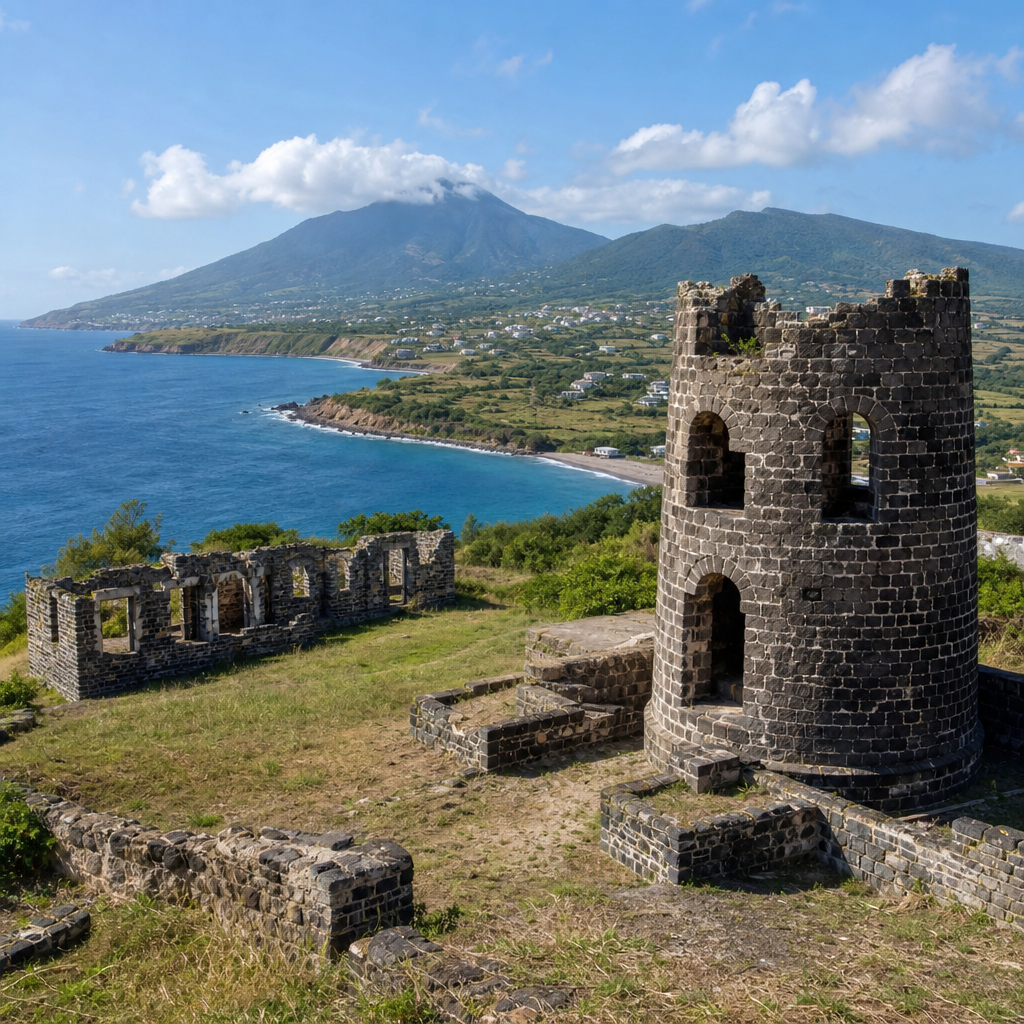
Nevis’ commitment to carbon neutral tourism is reshaping how a small Caribbean island can protect natural assets, strengthen its economy, and give travelers a more responsible way to experience paradise. Carbon neutral tourism means reducing greenhouse gas emissions from travel, lodging, food, transport, and visitor activities as much as possible, then balancing remaining emissions through credible carbon removal or avoidance projects. On Nevis, that idea matters because tourism is central to livelihoods, while the island’s coastlines, reefs, freshwater systems, and biodiversity are highly exposed to climate change. Rising temperatures, stronger storms, coral stress, coastal erosion, and changing rainfall patterns are not abstract future risks here; they directly affect hotels, farms, beaches, marine excursions, and public infrastructure.
From years of evaluating island destinations and hospitality operations, I have seen that carbon neutral tourism succeeds only when it goes beyond marketing. It requires energy planning, water efficiency, waste management, cleaner transport, local sourcing, land stewardship, and transparent measurement. Nevis is well positioned for this approach because its compact size makes coordination easier than on larger destinations. Decision-makers can align public policy, hotel investment, utility upgrades, and community participation within a shared framework. Visitors can also see the impact more clearly: a shorter supply chain, a stronger connection between farms and restaurants, and conservation work that protects the very landscapes people come to enjoy.
This matters for another reason: traveler expectations have changed. Leisure and business guests increasingly ask whether a destination uses renewable energy, reduces single-use plastics, protects marine habitats, and supports local enterprises. Tour operators, meeting planners, and travel advisors now screen suppliers for environmental performance. Financial institutions and development agencies do the same. For Nevis, carbon neutral tourism is not a side project under sustainable tourism; it is a practical competitiveness strategy. If the island can lower emissions while improving resilience and visitor quality, it can build a tourism model that is more durable, more distinctive, and less dependent on fragile imported inputs.
As a hub topic, this article explains the main pillars behind Nevis’ carbon neutral tourism agenda and connects the miscellaneous issues that often determine whether sustainability plans work in practice. Those issues include energy, buildings, transport, food systems, waste, blue and green ecosystems, community engagement, standards, financing, and measurement. Together they show how an island destination can move from broad ambition to operational results.
Why carbon neutrality is a strategic tourism goal for Nevis
For tourism-dependent islands, climate action is both environmental policy and destination management. Hotels need reliable electricity, airports and ports need resilient infrastructure, and beaches need healthy ecosystems to remain attractive. Imported diesel generation, imported food, and imported construction materials all increase both emissions and operating costs. On Nevis, reducing carbon intensity can lower exposure to global fuel price shocks while improving the guest experience through quieter, cleaner, and more efficient facilities.
The strategic case is straightforward. A destination that cuts emissions usually also cuts waste, water loss, and energy expense. Efficient air conditioning systems, LED retrofits, occupancy sensors, solar water heating, and better insulation reduce utility bills. Native landscaping lowers irrigation demand. Composting and food waste reduction cut hauling costs. Electric shuttle fleets reduce fuel use and local air pollution. These are not theoretical gains; in hospitality portfolios across the Caribbean, I have seen payback periods for lighting and controls often fall well under three years, especially where electricity prices are high.
Nevis also benefits from brand differentiation. Many islands market beauty and relaxation. Fewer can credibly market low-impact luxury, regenerative excursions, farm-to-table cuisine, and measurable climate action. That distinction matters in premium segments, where travelers are willing to choose destinations that align with their values, provided the experience remains seamless and high quality.
Energy transition, hotels, and the built environment
The largest controllable emissions in many island tourism systems come from energy use in accommodations and public facilities. Air conditioning, hot water, laundry, refrigeration, kitchen operations, and pool systems are major loads. A carbon neutral tourism pathway for Nevis therefore starts with energy efficiency before renewable generation. The sequence matters. If a hotel reduces demand through efficient chillers, variable speed drives, building management systems, low-emissivity glazing, and better maintenance, it can then meet a larger share of remaining demand with solar photovoltaics or solar thermal systems.
Green building practices add another layer. Orientation for airflow, shaded outdoor circulation, reflective roofing, high-performance envelope design, and low-flow fixtures are especially relevant in tropical climates. Existing properties can retrofit in stages rather than wait for full redevelopment. International frameworks such as LEED, EDGE, and Green Globe provide recognized benchmarks, while ENERGY STAR equipment ratings help guide purchasing decisions. For smaller guesthouses that may not pursue formal certification, a practical checklist-based approach still delivers value if managers track kilowatt-hours per occupied room, water use per guest night, and maintenance performance consistently.
Nevis has an additional opportunity in cleaner grid development. A destination cannot claim serious carbon progress if private operators improve efficiency while the wider electricity system remains carbon intensive. Utility modernization, distributed renewable generation, and storage can reduce outages and strengthen resilience after storms. When hotels add battery-backed solar systems, they not only lower emissions but also maintain essential services during grid interruptions, which protects guests and reduces business losses.
Low-carbon mobility across the visitor journey
Transportation emissions are complex because long-haul flights often account for the largest share of a traveler’s footprint, yet the destination does not fully control aviation. Still, Nevis can influence the parts of the journey it does control: airport transfers, ferries, taxis, rental fleets, tour vehicles, and the design of walkable visitor zones. Carbon neutral tourism on the island should prioritize shorter transfer times, efficient routing, electric or hybrid vehicles where infrastructure allows, and shared mobility options that reduce empty runs.
Ports and marinas also matter. Shore power, efficient vessel scheduling, proper maintenance, and cleaner fuel standards can reduce marine transport emissions and pollution. For excursions, operators can balance guest expectations with lower-impact practices by optimizing boat loads, reducing idling, and protecting sensitive reef areas through mooring buoys rather than anchoring. Cycling and guided walking routes can turn mobility into part of the tourism product, especially in heritage districts and scenic inland areas.
| Tourism area | Typical carbon source | Practical action for Nevis | Main benefit |
|---|---|---|---|
| Hotels | Cooling, hot water, lighting | Retrofit HVAC, LEDs, solar water heating | Lower energy costs and emissions |
| Ground transport | Gasoline and diesel vehicles | Electrify shuttles and improve routing | Cleaner air and quieter transfers |
| Food service | Imported food and food waste | Local sourcing and composting | Shorter supply chains and less waste |
| Marine tourism | Boat fuel and reef damage | Efficient operations and mooring buoys | Lower emissions and habitat protection |
| Destination operations | Mixed waste and landfill methane | Recycling, organics diversion, procurement rules | Reduced disposal impacts |
Because aviation remains difficult to decarbonize quickly, destinations should be precise about claims. Nevis can reduce in-island emissions materially while encouraging longer stays, higher-value visits, and fewer resource-intensive travel patterns. A guest who stays ten nights and engages deeply with local experiences generally creates more economic benefit per flight than a short-stay traveler who consumes mostly imported goods.
Food systems, waste reduction, and circular tourism
Food is often overlooked in tourism carbon planning, but it can be a major source of emissions through imports, refrigeration, packaging, and waste. Nevis can gain multiple benefits by strengthening links between tourism businesses and local agriculture. Hotels and restaurants that buy more local fruit, vegetables, herbs, seafood from responsible fisheries, and locally made products cut freight-related emissions and keep more visitor spending in the island economy. Menus built around seasonality are not a compromise; they often improve freshness and tell a more authentic destination story.
Waste reduction is equally important. In island environments, landfill space is limited, transport costs are high, and litter or runoff can damage beaches and marine ecosystems. Effective programs usually start with procurement: buying in bulk, favoring refillable amenities, eliminating unnecessary single-use plastics, and selecting durable service ware. Back-of-house waste audits then identify where the biggest material streams come from. In resorts I have reviewed, food waste frequently represents one of the fastest opportunities for improvement because buffet forecasting, portion control, and kitchen prep changes can reduce losses without affecting guest satisfaction.
Circular tourism means treating by-products as inputs where possible. Organic waste can support composting for landscaping and local farming. Used cooking oil may be collected for specialized processing. Glass, cardboard, and metals can be separated if recovery systems are dependable. The limitation, and it is an important one, is that recycling only works when collection logistics, contamination controls, and end markets exist. Nevis should therefore prioritize waste prevention and organics diversion first, then build recycling streams that are economically realistic.
Nature-based climate action and destination stewardship
Carbon neutral tourism is not only about technology. On Nevis, natural systems provide both climate value and tourism value. Coastal vegetation, wetlands, reefs, and forested areas help buffer storms, store carbon, support biodiversity, and shape the island’s appeal. Protecting these assets is a core tourism strategy. Reef-safe visitor management, mangrove conservation where applicable, watershed protection, trail maintenance, and invasive species control all contribute to resilience.
Nature-based solutions also create meaningful visitor experiences. Guided hikes that interpret volcanic landscapes, bird habitats, and restoration work can turn conservation into education rather than restriction. Marine tours that explain coral health, no-touch snorkeling rules, and fisheries nursery habitats often increase visitor respect and satisfaction. The best operators present stewardship as part of quality, not as an add-on fee or lecture.
Offsets and carbon credits need careful handling. A destination should first reduce emissions directly, then use high-integrity credits only for residual emissions that cannot yet be eliminated. Credible programs generally require additionality, robust accounting, permanence considerations, and third-party verification. Poor-quality offsets undermine trust quickly. If Nevis supports local or regional conservation-linked carbon projects, transparent governance and public reporting will be essential.
Measurement, standards, and community accountability
No tourism destination becomes carbon neutral by aspiration alone. Progress depends on measurement boundaries, baseline years, verified data, and consistent reporting. At property level, greenhouse gas accounting typically follows the Greenhouse Gas Protocol, separating direct fuel use, purchased electricity, and relevant supply-chain impacts. At destination level, frameworks from the Global Sustainable Tourism Council help organize policy, performance, and stakeholder engagement. The key is not perfection from the start; it is comparability over time so leaders can see whether actions are actually lowering emissions intensity.
Community accountability matters just as much as technical accounting. Residents must see practical benefits such as lower utility strain, cleaner public spaces, better jobs, stronger local sourcing, and protected access to beaches and cultural sites. Otherwise sustainability becomes associated with visitor preferences rather than shared local interest. Training is crucial here. Front-office staff, drivers, chefs, housekeepers, maintenance teams, tour guides, farmers, and public officers all influence outcomes. When they understand why towel-reuse programs, leak detection, reef-safe practices, and procurement standards matter, performance improves.
For Nevis, the strongest hub approach is to treat carbon neutral tourism as a destination-wide operating system. That means linking hotel retrofits, local food networks, marine stewardship, waste systems, visitor education, and emissions reporting into one coherent story backed by evidence. The reward is bigger than lower carbon figures. Nevis can protect the natural character that gives the island its market appeal, reduce exposure to volatile fuel and import costs, and build a tourism economy that keeps more value within the community. The path is demanding, but it is practical when goals are measured, tradeoffs are acknowledged, and progress is communicated clearly. Travelers, businesses, and policymakers all have a role. The next step is simple: choose one part of the visitor economy, measure its footprint honestly, and improve it year after year.
Frequently Asked Questions
What does carbon neutral tourism mean, and why is it important for Nevis?
Carbon neutral tourism means cutting the greenhouse gas emissions connected to a trip as much as possible, then addressing the remaining emissions through verified carbon reduction, avoidance, or removal efforts. In practical terms, that includes improving energy efficiency in hotels and villas, expanding renewable power, reducing waste, rethinking food sourcing, lowering emissions from local transportation, and designing visitor experiences that place less pressure on the environment. For an island like Nevis, this matters because tourism is not just a major industry; it is deeply tied to the health of beaches, reefs, coastal ecosystems, freshwater resources, and the island’s overall appeal as a destination.
Nevis’ commitment to carbon neutral tourism is especially significant because small islands are often on the front lines of climate impacts. Rising temperatures, stronger storms, coastal erosion, and changing marine conditions can all threaten the natural assets that visitors come to enjoy. By pursuing a lower-carbon tourism model, Nevis is helping protect the very landscapes and ecosystems that support jobs, local businesses, and long-term economic resilience. Just as importantly, carbon neutral tourism gives travelers a clearer way to support a destination that is taking measurable steps toward sustainability rather than relying on broad environmental claims.
How can Nevis reduce tourism-related emissions without compromising the visitor experience?
Nevis can reduce emissions in ways that often improve the overall travel experience rather than diminish it. Hospitality properties can upgrade to energy-efficient lighting, cooling systems, water heating, and building designs that reduce electricity demand while increasing guest comfort. Renewable energy, such as solar power, can help offset dependence on imported fossil fuels. Hotels, inns, and vacation rentals can also conserve water, minimize single-use plastics, and improve waste sorting and composting programs. These operational changes may happen largely behind the scenes, but they can have a major effect on a property’s carbon footprint.
Transportation is another important area. Cleaner local transit options, more walkable tourism zones, bicycle access, and low-emission vehicle fleets can all reduce the environmental cost of getting around the island. In dining, restaurants can feature more locally grown produce, responsibly sourced seafood, and seasonal menus that cut transportation-related emissions while showcasing Nevisian flavor and culture. Visitor activities can also be shaped around conservation, heritage, and low-impact outdoor experiences. When done well, carbon neutral tourism does not make a trip feel restrictive. Instead, it creates a more authentic, thoughtful, and place-connected experience that many modern travelers actively seek out.
What role do local businesses and communities play in Nevis’ carbon neutral tourism strategy?
Local businesses and communities are essential to making carbon neutral tourism real and durable. Hotels, guesthouses, restaurants, tour operators, taxi providers, farmers, fishers, and artisans all influence the carbon footprint of the visitor economy. If sustainability is limited to a few high-profile resorts, the broader impact will be modest. But when many local businesses adopt better energy practices, source more goods locally, reduce waste, and participate in environmental standards, the island can make meaningful progress across the tourism value chain.
Community involvement also ensures that the benefits of sustainability are shared more widely. For example, stronger links between tourism businesses and local agriculture can reduce food miles while supporting farmers on Nevis. Cultural and heritage tourism initiatives can create lower-impact visitor experiences that keep more spending in local hands. Training programs in green hospitality, renewable energy maintenance, conservation, and sustainable land use can also create new skills and job opportunities. In this way, Nevis’ commitment to carbon neutral tourism is not only about emissions accounting. It is also about building an economy that is more self-reliant, inclusive, and better aligned with the island’s environmental and cultural identity.
How can travelers support carbon neutral tourism when visiting Nevis?
Travelers can make a meaningful difference by choosing businesses that demonstrate real sustainability practices and by making lower-impact decisions throughout their stay. That starts with selecting accommodations that use renewable energy, water-saving systems, refillable amenities, and responsible waste management. Visitors can also favor restaurants that source ingredients locally and support tour operators that follow conservation guidelines and respect marine and coastal habitats. Simple actions, such as carrying a reusable water bottle, reducing towel and linen changes, limiting unnecessary air conditioning use, and avoiding single-use plastics, can add up over the course of a trip.
It is also wise for travelers to look beyond convenience and think about the total footprint of their choices. Walking when possible, sharing rides, participating in eco-conscious excursions, and supporting community-based enterprises all help reinforce the island’s sustainability goals. If visitors choose to offset travel emissions, they should prioritize credible, transparent programs with clear verification standards rather than vague promises. Most importantly, supporting carbon neutral tourism on Nevis means traveling with awareness: respecting local ecosystems, understanding that island resources are finite, and rewarding businesses that are genuinely investing in a lower-carbon future.
What are the long-term benefits of carbon neutral tourism for Nevis’ environment and economy?
The long-term benefits are both environmental and economic, and the two are closely connected. Environmentally, a carbon neutral tourism strategy can help reduce pollution, conserve energy and water, limit waste, and protect ecosystems that are critical to the island’s beauty and biodiversity. Healthier reefs, cleaner coastlines, better-managed natural areas, and more resilient infrastructure all strengthen Nevis’ ability to withstand climate-related pressures. These improvements are not only good for nature; they are essential for maintaining the quality of the visitor experience over time.
Economically, carbon neutral tourism can help Nevis stand out in a competitive global market where more travelers are paying attention to sustainability. A strong reputation for responsible tourism can attract visitors who value quality, authenticity, and environmental stewardship. It can also encourage investment in clean energy, efficient infrastructure, local supply chains, and workforce development. Over time, these shifts can reduce operating costs, create new business opportunities, and make the tourism sector less vulnerable to external shocks such as fuel price volatility or environmental degradation. In short, Nevis’ commitment to carbon neutral tourism is not just a climate gesture. It is a practical long-term strategy for protecting the island’s natural capital, strengthening community wellbeing, and keeping tourism viable for future generations.