Sea to table defines a dining experience in which fish, shellfish, and other marine ingredients move from local waters to the plate with minimal delay, handling, and distance. In Saint Kitts, that idea is not a marketing slogan; it is the normal rhythm of island life, shaped by small fishing communities, early-morning landings, family-run restaurants, and cooks who build menus around what the sea provided that day. For travelers exploring local cuisine and dining, seafood is one of the clearest ways to understand the island’s economy, geography, and culture at once.
Saint Kitts sits in the eastern Caribbean, where Atlantic and Caribbean waters influence catch patterns, sea conditions, and cooking traditions. Around the island, fishers bring in species such as mahi-mahi, tuna, snapper, grouper, and wahoo, along with lobster when in season and conch where permitted and available. The best seafood experiences here are not limited to fine dining. They include roadside grills, beach shacks, harborfront lunches, food festivals, market conversations, and boat-to-kitchen supply chains that are often visible to the guest. That visibility matters because freshness, traceability, and seasonality are what separate memorable seafood from generic resort fare.
After years of researching Caribbean food tourism and speaking with chefs, fish vendors, and restaurant operators across island destinations, I have found that Saint Kitts stands out for its intimacy. The supply network is compact enough that diners can often ask where a fish was caught and get a real answer instead of a vague region. Menus change quickly, portions are generous, and preparation styles reflect both Afro-Caribbean and broader West Indian influences: escovitch-style sauces, creole seasoning, charcoal grilling, pan-frying, coconut-based stews, and simple lime-and-herb marinades. For visitors planning where to eat, what to order, and how to choose responsibly, this hub explains the freshest seafood experiences in Saint Kitts and how each fits into the wider local dining scene.
What fresh seafood means in Saint Kitts
Fresh seafood in Saint Kitts usually means a short chain from boat to buyer to kitchen, often within the same day. That does not mean every restaurant lands its own catch, but it does mean the island’s best operators buy according to availability rather than forcing a static menu year-round. In practical terms, a genuinely fresh fish dish should have firm texture, clean ocean scent, bright eyes if sold whole, and flesh that flakes without turning mushy. Restaurants that care about quality will tell you the species, cooking method, and whether the fish is local or imported.
For visitors, this definition matters because “fresh catch” is sometimes used loosely in tourist markets worldwide. On Saint Kitts, the strongest signals are specific wording and flexible menu design. A board that lists wahoo today and tuna tomorrow is more credible than a laminated menu promising every species every night. I advise travelers to ask three simple questions: What came in today, how is it prepared best, and is it local? Good staff answer confidently. Great staff may tell you the landing site, the fisher, or why one species is priced differently that week. Those details are strong indicators of a kitchen that works with the island rather than against it.
Where the sea-to-table journey begins
The seafood story starts well before lunch service. Fishers typically leave early, work according to weather and current, and return to landing points where catch is sorted, cleaned, sold, or distributed to regular buyers. Because Saint Kitts is a relatively small island, transport time is short. That creates a practical advantage over larger destinations where seafood may spend hours moving inland. The shorter the chain, the less a kitchen needs to hide flaws behind heavy breading, oversalting, or aggressive sauces.
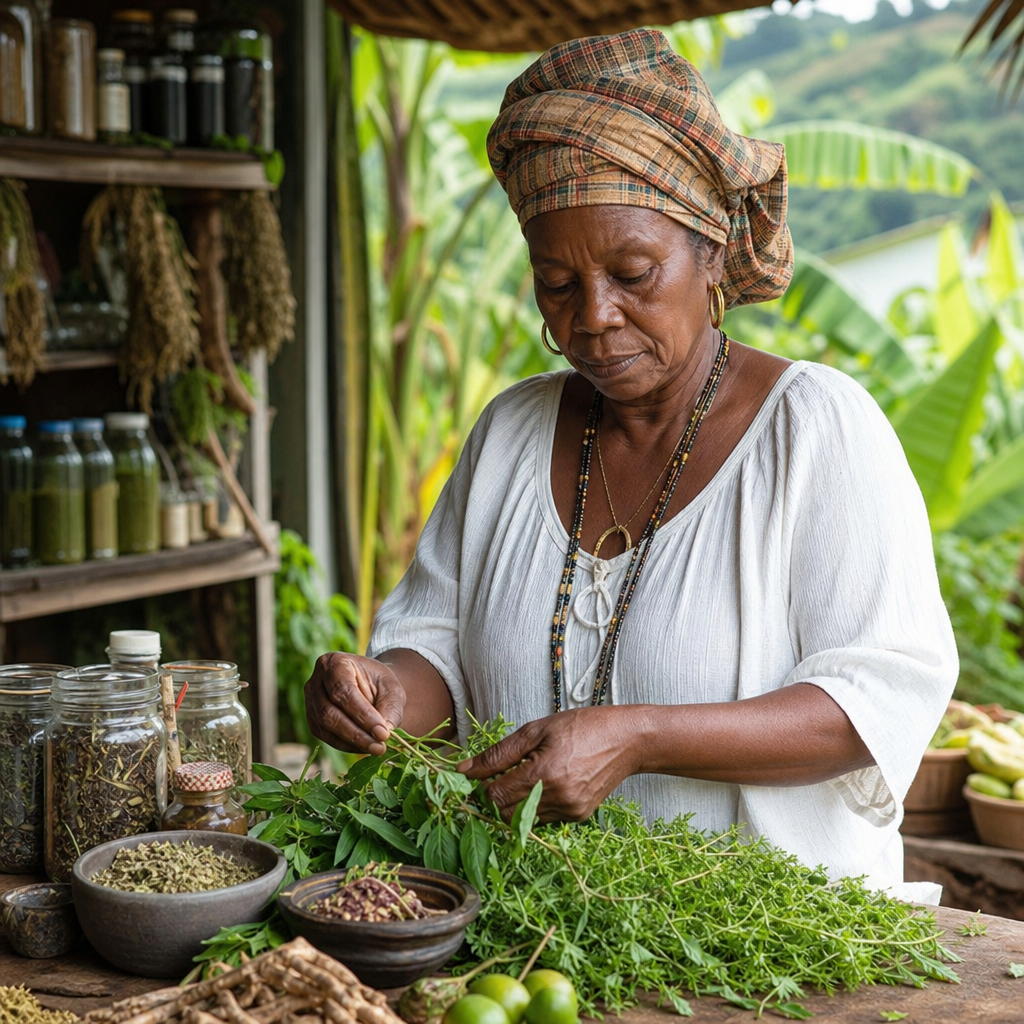
For travelers interested in authentic local cuisine and dining, visiting or asking about fishing communities adds valuable context. You are not there to interrupt work or turn labor into spectacle, but respectful curiosity often leads to a better meal later. Many chefs on the island build relationships with trusted suppliers rather than sourcing anonymously. In my experience, the restaurants with the best seafood usually have a strong buying routine: they know who to call, they reject poor-quality fish, and they adjust service around what is actually available. That discipline is the foundation of every good sea-to-table meal.
Best types of seafood experiences for visitors
Saint Kitts offers several distinct seafood experiences, each serving a different kind of traveler. Beachfront grills are ideal for casual lunches of grilled snapper, lobster, or fish with rice and peas, plantains, and coleslaw. Harborfront or waterfront restaurants often provide a broader menu and a stronger sense of place, especially around sunset, when a whole grilled fish and a local drink become part of the island’s social life. Higher-end restaurants tend to refine the same ingredients rather than replace them, using better plating, precise cookery, and wine service while still relying on local catch when possible.
Then there are event-based experiences. A seafood special night, a cookout, or a community food celebration can reveal dishes that do not always appear on regular menus. Travelers focused on local cuisine should also pay attention to breakfast and lunch spots, not just dinner venues. Fish cakes, saltfish preparations, fish broth, or stewed seafood can be as revealing as an evening entrée. The most complete approach is to mix formats during a trip: one simple grill meal, one market or dockside conversation, one polished restaurant dinner, and one traditional local plate.
| Experience type | What to expect | Best for | Typical seafood choices |
|---|---|---|---|
| Beach grill | Charcoal cooking, relaxed setting, generous sides | Casual lunches and sunset meals | Snapper, lobster, conch, mahi-mahi |
| Waterfront restaurant | Broader menu, table service, scenic views | Balanced local and comfort dining | Tuna, grouper, wahoo, shrimp |
| Chef-driven dining room | Seasonal specials, refined technique, curated drinks | Date nights and food-focused travelers | Daily catch, lobster, seafood pasta |
| Local lunch spot | Fast turnover, value pricing, traditional sides | Authentic everyday eating | Stewed fish, saltfish, fish cakes |
What to order: signature catches and classic preparations
If you want the clearest taste of Saint Kitts, start with whole grilled fish. Snapper and grouper are especially common in Caribbean kitchens because their texture holds up well over flame, and they pair naturally with lime, garlic, thyme, scallion, and Scotch bonnet heat. Wahoo is another standout when available. It is lean, meaty, and excellent grilled or pan-seared. Mahi-mahi works well in fillets, often with fruit salsa, butter sauce, or a pepper-forward creole finish. Tuna may appear seared rare in more contemporary restaurants or cooked through in simpler establishments.
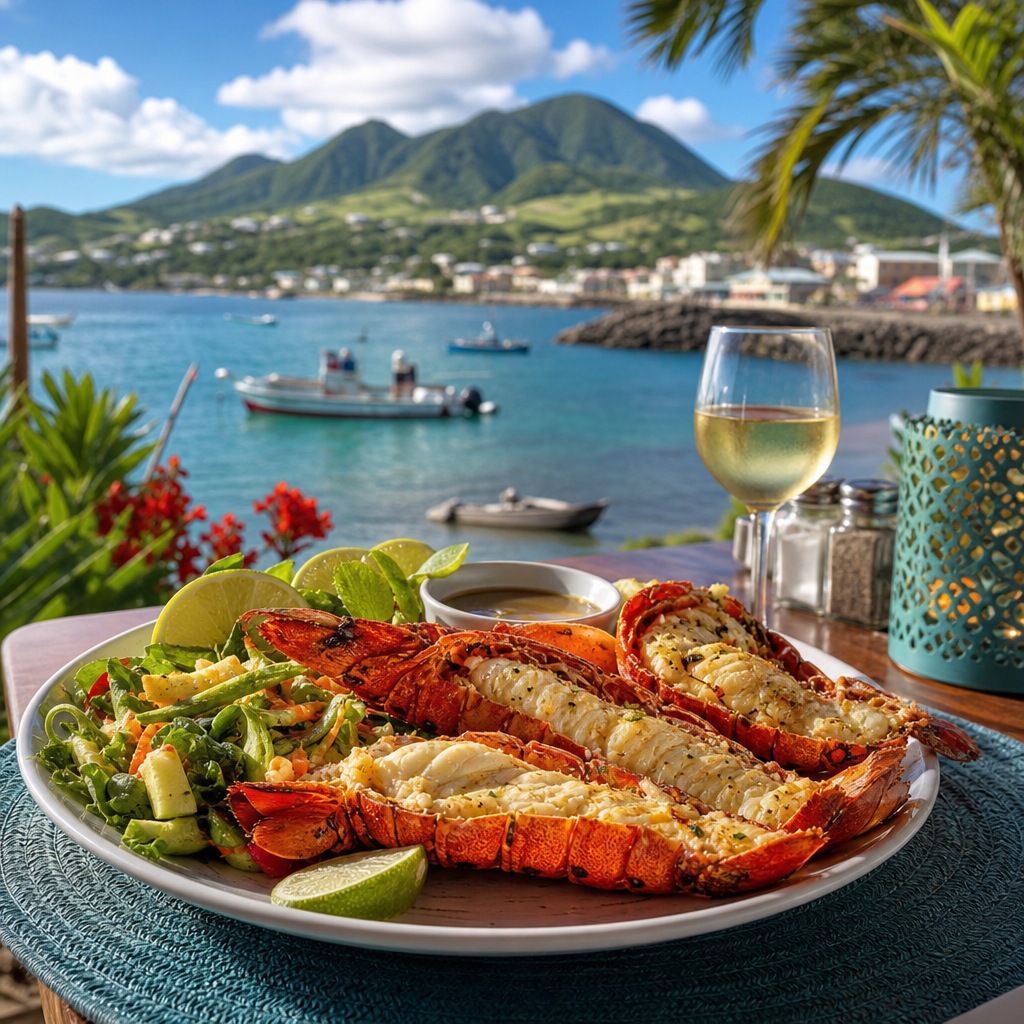
Lobster is a major draw, but seasonality matters. The best lobster dishes are simple: split, grilled, basted with butter, garlic, and herbs, then served with rice, salad, or provision. Overcomplicated lobster is usually a warning sign. Conch, where legally sourced and properly tenderized, may be curried, stewed, or fried. Saltfish also deserves attention because it reflects older preservation traditions that still shape Caribbean breakfast and lunch cooking. In Saint Kitts, sides are not afterthoughts. Rice and peas, fried plantains, ground provisions, callaloo, and fresh slaw complete the plate and tell you as much about local eating patterns as the fish itself.
How restaurants signal quality and freshness
Not every seafood restaurant is equally committed to quality, so reading signals helps. First, look for menu specificity. “Catch of the day: grilled wahoo with callaloo and roasted plantain” is stronger than “fresh fish platter.” Second, look for staff knowledge. Servers should know whether fish is local, imported, frozen, farmed, or wild. Third, pay attention to cooking restraint. Fresh fish does not need thick batter or heavy cream to be enjoyable. Clean grill marks, crisp skin, moist flesh, and balanced seasoning are the marks of a kitchen that trusts its product.
Pricing can also tell a story. Local catch may not always be the cheapest item because fuel, weather risk, and supply fluctuation affect cost. An unusually low lobster price can indicate small size, imported product, or a promotion built on volume rather than quality. On the other hand, higher price alone proves nothing. I have had excellent fish from modest local spots with plastic chairs and no branding, and mediocre seafood in polished dining rooms. The reliable indicators are turnover, sourcing transparency, and consistency. Restaurants that sell out of certain fish are often safer bets than places that seem able to offer unlimited everything.
Seasonality, sustainability, and responsible eating
Seafood tastes best when diners respect seasonality and local fishing limits. In the Caribbean, closed seasons for species such as lobster are an essential management tool, and responsible restaurants follow them. Visitors should avoid insisting on out-of-season items simply because they saw them on another island. A better approach is to eat what is abundant and appropriate during your stay. That supports local livelihoods without pressuring kitchens to source irresponsibly or import substitutes that weaken the sea-to-table experience.
Sustainability in Saint Kitts is practical rather than abstract. Ask whether a species is in season, whether the fish is line-caught or locally landed, and what alternatives are recommended that day. Smaller pelagic species or fast-moving local catch can sometimes be better choices than highly pressured reef fish. Responsible dining also includes minimizing waste. Ordering a whole fish and leaving half untouched is not a neutral act on a small island supply chain. Choose portion sizes honestly, share when appropriate, and value the sides and preparations that make full use of local ingredients.
How seafood fits into the broader local dining scene
As a hub within local cuisine and dining, seafood connects to nearly every other food experience on Saint Kitts. It intersects with beach bar culture, rum pairings, farm-grown produce, street food, resort dining, and special-occasion restaurants. A grilled fish plate is often seasoned with local herbs, served with island-grown vegetables, and paired with sauces that reflect regional migration and colonial history. Even a simple lunch can link marine resources, agriculture, spice use, and hospitality traditions in one meal.
That is why seafood should not be treated as a separate niche. It is part of the full culinary identity of Saint Kitts. Travelers who enjoy this page should next explore specific guides to beachfront dining, traditional Kittitian dishes, breakfast staples such as saltfish, local drinks that pair with seafood, and restaurant etiquette for island dining. Together, those topics create a fuller picture of how Saint Kitts eats. Seafood may be the headline, but the supporting cast of cooks, farmers, vendors, bartenders, and fishers is what turns a good plate into a meaningful travel experience.
Practical tips for planning your seafood itinerary
Timing improves seafood dining more than most visitors realize. Lunch is often the best moment for the freshest and best-value fish, especially at casual local spots that cook through the day’s purchase before evening. Dinner can be excellent too, but popular species may already be reserved or sold out. If you are staying a week, plan seafood more than once but vary the format: one lunch near the water, one upscale dinner, one local breakfast or brunch with saltfish, and one spontaneous stop where you order whatever came in that day.
Reservations help at chef-driven restaurants, especially if you want lobster in season or a whole fish prepared to order. Cash is useful at smaller establishments. Ask about spice level because Scotch bonnet heat can range from gentle to intense. If you have allergies, be explicit about shellfish cross-contact, frying oil, and stock bases; many Caribbean kitchens use shared preparation spaces. Finally, keep expectations flexible. The best sea-to-table destinations are not defined by endless choice. They are defined by confidence in a smaller set of offerings done well, with freshness that large import-heavy menus cannot match.
Saint Kitts rewards diners who follow the catch instead of the brochure. Its freshest seafood experiences are grounded in short supply chains, knowledgeable cooks, seasonal judgment, and the kind of hospitality that makes a meal feel connected to place rather than staged for tourists. Whether you are eating grilled snapper by the beach, ordering lobster in season at a waterfront restaurant, or trying a humble saltfish breakfast, the value lies in authenticity and timing. Freshness here is not just about quality control; it is about understanding how island food systems work and choosing meals that reflect them honestly.
The key takeaway is simple. If you want the best seafood in Saint Kitts, ask what is local, ask what came in today, and choose restaurants that answer with specificity. Favor menus that change, preparations that respect the fish, and operators who acknowledge seasons and sourcing limits. That approach leads to better flavor, better value, and a more responsible kind of travel dining. It also opens the door to the wider local cuisine and dining landscape, where seafood links naturally to produce, rum, tradition, and community.
Use this hub as your starting point for exploring Saint Kitts through its coastal kitchens and everyday food culture. Build an itinerary around fresh catch, stay curious, and let the island’s most immediate flavors guide the rest of your dining decisions.
Frequently Asked Questions
What does “sea to table” really mean in Saint Kitts?
In Saint Kitts, “sea to table” is less of a trend and more of an everyday reality. The phrase refers to seafood that goes from local waters to the kitchen and then to your plate with very little time, distance, or unnecessary handling in between. Because the island has a strong connection to small-scale fishing, many restaurants, beach bars, and family-run eateries source directly from local fishers or buy seafood landed that same morning. That means the menu is often shaped by what was actually caught that day rather than by a fixed list of imported items.
For travelers, this creates a more authentic dining experience. Instead of eating seafood that has traveled long distances through cold-storage systems and distribution networks, you are tasting fish and shellfish that reflect the waters around the island and the cooking traditions of the people who live there. It also means freshness is easy to notice: cleaner flavor, firmer texture, and simpler preparation that lets the seafood speak for itself. In Saint Kitts, sea-to-table dining is woven into local life, from early-morning landings to afternoon fish fries, and it offers one of the clearest ways to understand the island’s culinary identity.
What kinds of fresh seafood should visitors expect to find on Saint Kitts?
Visitors can expect a range of seafood that reflects the surrounding Caribbean waters, local fishing practices, and seasonal availability. Fresh fish commonly featured in Saint Kitts may include mahi-mahi, tuna, snapper, grouper, and kingfish, though the exact selection can vary from day to day depending on weather, fishing conditions, and what local boats bring in. Lobster, conch, shrimp, and other shellfish may also appear on menus, especially in restaurants that focus heavily on regional coastal cuisine.
One of the most important things to understand is that true sea-to-table dining often comes with flexibility. The best places do not always promise the same catch every day. Instead, they adapt their specials to what has just been landed. That is usually a positive sign, not an inconvenience. It suggests the kitchen is working with fresh supply rather than relying on frozen inventory or imported seafood. Visitors may see seafood grilled with island spices, served with rice and peas, paired with plantains, added to stews, or prepared in lighter styles that highlight the natural sweetness and texture of the fish. If you are interested in the freshest option, ask what came in that morning and let the answer guide your order.
How can I tell if a restaurant in Saint Kitts truly offers a fresh sea-to-table seafood experience?
A genuinely fresh sea-to-table experience usually reveals itself through a few clear signs. First, look for restaurants that mention daily catch, changing specials, or direct relationships with local fishers. Menus that shift based on availability are often a strong indicator that the kitchen is buying fresh rather than depending on a fixed imported supply. Staff should also be able to tell you what is local, what arrived that day, and how it is prepared. If your server can explain where the fish came from and why a certain dish is featured that day, that is usually a good sign that freshness and sourcing matter.
You can also pay attention to the food itself. Fresh seafood generally has a clean, mild aroma, a moist but firm texture, and a bright, natural flavor that does not need heavy sauces to mask it. In Saint Kitts, many of the most memorable seafood meals happen in smaller, independently run places where the menu reflects the rhythms of local fishing. It is also worth asking locals where they go for fish, lobster, or conch, because residents often know which spots are consistently serving the freshest catch. Ultimately, a true sea-to-table restaurant is usually transparent, seasonal, and comfortable letting the day’s catch take center stage.
Why is seafood such an important part of the local dining culture in Saint Kitts?
Seafood is central to the dining culture of Saint Kitts because it connects geography, livelihood, family tradition, and daily routine. As an island, Saint Kitts has long depended on the sea not just for food but for community rhythms and local commerce. Fishing communities, early landings, neighborhood markets, and family-owned restaurants all play a role in moving seafood from the water into everyday meals. For many cooks, preparing fish is not just about technique; it is about honoring ingredients that are familiar, immediate, and tied to the island’s identity.
That cultural importance also shows up in how seafood is served and shared. Meals are often rooted in simple preparation methods that preserve freshness while reflecting Caribbean flavor traditions, including grilling, frying, stewing, and seasoning with herbs, spices, citrus, and pepper-based marinades. Seafood appears in casual beachside lunches, festive social gatherings, and more polished restaurant settings alike. For visitors, choosing local seafood is one of the best ways to experience Saint Kitts beyond resort dining and standard tourist fare. It offers a direct taste of place, shaped by local waters, local hands, and the kind of culinary knowledge that develops over generations.
What is the best way for travelers to enjoy the freshest seafood on a trip to Saint Kitts?
The best approach is to stay curious, ask questions, and be willing to follow the day’s catch rather than a rigid dining plan. Start by seeking out locally respected restaurants, beach shacks, and family-run spots known for seafood. Once you are there, ask what was landed that morning, which dishes feature local catch, and what the kitchen recommends when freshness is the priority. In a destination like Saint Kitts, the most memorable seafood meals often come from trusting the local rhythm instead of looking for a predictable menu.
It also helps to dine at times and in places where turnover is high and sourcing is direct. Lunch specials and early dinner offerings can sometimes be especially strong if they are built around that day’s supply. Travelers who want a deeper connection to the food scene should talk with residents, market vendors, tour guides, or hospitality staff about where locals go for fish and shellfish. Being open to lesser-known spots can lead to some of the most rewarding sea-to-table experiences on the island. Above all, focus on simplicity, seasonality, and provenance. When seafood has come from nearby waters to the plate with minimal delay, the quality is usually obvious from the first bite.