Nevis’ National Park: A Day in the Lap of Nature begins with a simple truth: few Caribbean landscapes pack cloud forest, volcanic geology, village history, and living wildlife into one compact protected area as effectively as Nevis Peak and its surrounding parklands. On a small island often praised for beaches and heritage hotels, the national park experience reveals the terrain that shaped everything else, from water supply and farming patterns to trails, folklore, and the slower rhythm visitors notice as soon as they leave the coast. When I have guided travelers planning a nature-focused day on Nevis, this park has consistently been the place where the island makes the most complete sense.
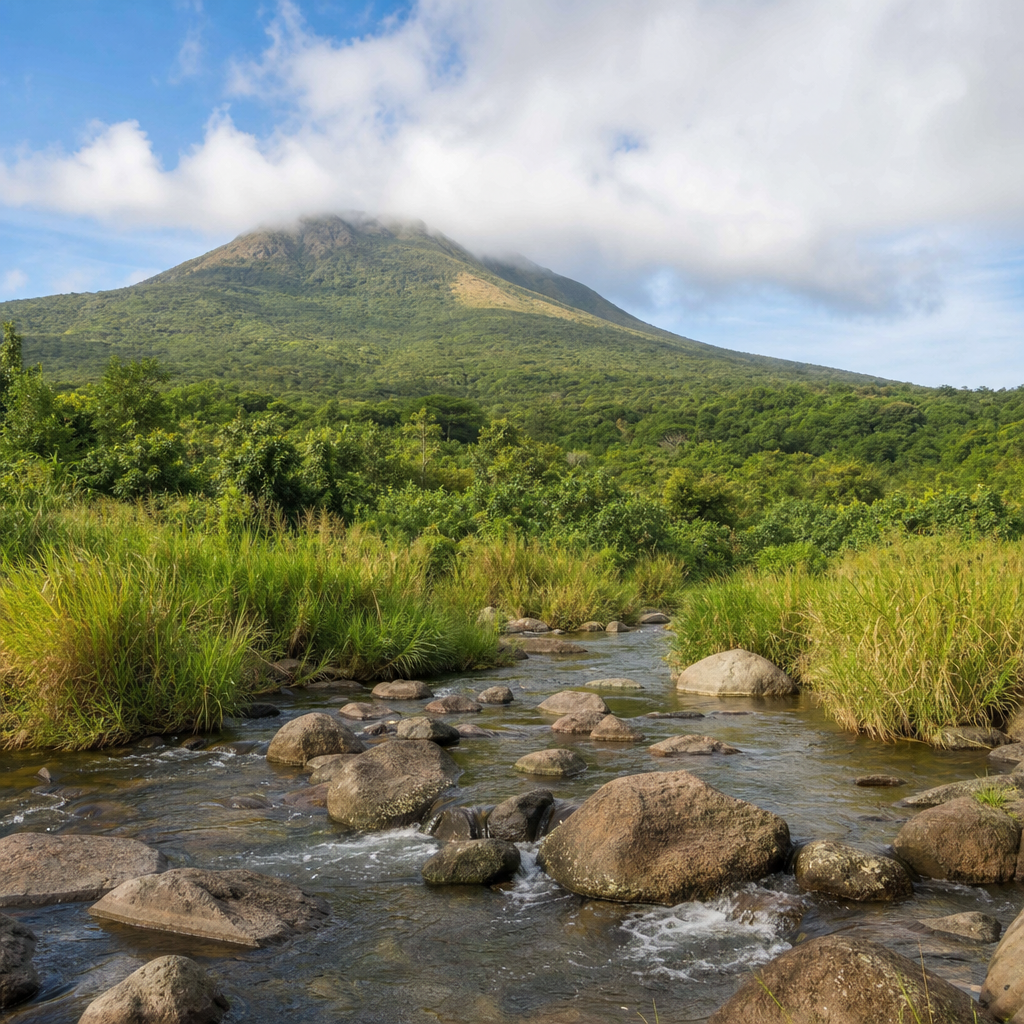
In practical terms, Nevis’ national park landscape centers on the steep volcanic massif of Nevis Peak, rising to roughly 3,232 feet, or 985 meters, above sea level. The upper slopes support moist tropical forest and cloud forest conditions, while lower elevations transition through cultivated land, secondary woodland, and villages. A national park, in this context, is not just a scenic lookout or a fenced reserve. It is a protected landscape managed for ecological conservation, watershed protection, public access, and long-term stewardship. On Nevis, those goals matter because the island’s forests capture moisture, stabilize soils, shelter native and migratory species, and preserve the green interior that defines the island’s identity.
For readers exploring the wider Nature and Wildlife theme, this article serves as a hub for the miscellaneous side of that subject: how to plan the day, what the terrain feels like, which wildlife you are likely to encounter, what the park teaches about island ecology, and where expectations need to stay realistic. It also matters because many travelers search for one clear answer before they commit time: is Nevis’ national park worth a day? The direct answer is yes, especially for hikers, birders, photographers, families seeking guided soft adventure, and anyone who wants a deeper understanding of the island beyond the shoreline. The key is matching your route, pace, and season to your fitness, weather window, and interest level.
A full day in the lap of nature on Nevis is less about checking off attractions and more about moving through ecological zones with intention. Morning light on the lower slopes, midday mist in the forest, and late-afternoon views back toward Charlestown and St. Kitts create a sequence that feels unusually complete for such a small island. Because this page is the hub for the miscellaneous side of Nevis nature travel, it pulls together the core information a reader would otherwise have to piece together from hiking notes, birdwatching references, seasonal advice, and local logistics. If you want one page that explains what the park is, how to experience it well, what to watch for, and why it deserves protection, this is it.
What Makes Nevis’ National Park Special
The defining feature of Nevis’ national park is vertical diversity. In less than an hour of driving and hiking, you can move from coastal heat into cooler, wetter upland forest. That elevation gradient changes the vegetation, the sounds, and even the texture of the air. Lower areas may show breadfruit, mango, and signs of past plantation agriculture, while the upper trails become denser with tree ferns, mosses, vines, and moisture-loving species. This is one reason the park stands out among Caribbean protected areas: it is not only beautiful, but ecologically legible. You can feel the island’s hydrological system at work as clouds catch on the mountain and moisture feeds the watershed below.
Another reason the park is special is that it remains tied to everyday life on Nevis rather than existing as an isolated wilderness. Local guides know the old footpaths, farmers understand the seasonal moods of the slopes, and residents can identify weather changes from cloud build-up around the peak. In my experience, travelers appreciate that immediacy. The forest is not an abstract conservation zone; it is part of the island’s functioning landscape. That connection makes a guided hike more meaningful because interpretation can include medicinal plants, storm impacts, former estate lands, and how local communities relate to the mountain.
The park also offers a level of immersion that many beach destinations cannot. There are no oversized visitor complexes interrupting the setting. Instead, the experience is built around trailheads, forest entry points, natural viewpoints, and local knowledge. That simplicity is a strength. It keeps the focus on terrain, weather, and biodiversity rather than infrastructure. Visitors looking for polished boardwalk tourism may find it rustic, but those seeking authentic access to Caribbean upland nature usually see that as the main advantage.
How to Plan a Full Day in the Park
The best way to plan a day in Nevis’ national park is to decide early whether your priority is summit hiking, moderate forest exploration, wildlife observation, or a mixed nature itinerary. The Nevis Peak hike is the island’s signature challenge. It is steep, often muddy, and usually requires a local guide because ropes, route-finding, and changing conditions make it unsuitable as a casual self-guided walk. For fit hikers, it can dominate most of the day. For visitors who want a broader but less strenuous experience, combining a shorter guided forest walk with birdwatching, scenic stops, and time in nearby villages is often the better choice.
Weather should shape the schedule. The drier months, generally from December through April, tend to offer more stable conditions, though showers can happen at any time in tropical uplands. During wetter periods, trails can become slick and visibility can close down quickly. Start early. Morning temperatures are more comfortable, and cloud build-up often increases later in the day. Bring water, trail shoes with grip, insect repellent, a light waterproof layer, and a dry bag for electronics. Even on a short outing, cotton clothing can become heavy and uncomfortable once soaked by rain or sweat.
Transport and guiding logistics are straightforward when arranged in advance through hotels, local tour operators, or independent certified guides. Nevis is small, but that does not mean last-minute planning always works, especially if cruise traffic or seasonal demand is high. If your day includes serious hiking, confirm what is provided. Some guides include walking sticks, refreshments, and transfers; others price only the hike itself. Clear expectations matter because cell service can be inconsistent in upland areas, and there are limited facilities once you are on the mountain.
| Activity style | Ideal duration | Best for | Key considerations |
|---|---|---|---|
| Nevis Peak summit hike | 5 to 7 hours | Experienced, fit hikers | Guide strongly recommended; steep ropes, mud, fast weather shifts |
| Moderate forest walk | 2 to 4 hours | General nature travelers | Easier pacing, strong interpretation, good for photography |
| Birdwatching morning | 2 to 3 hours | Birders and photographers | Best at dawn; bring binoculars and quiet clothing |
| Mixed nature day | Full day | Couples, families, first-time visitors | Combine a short hike, scenic stops, local lunch, and heritage sites |
Wildlife, Plants, and the Island Ecology You Can See
Nevis’ national park is not a safari destination, so expectations should be accurate. You are not visiting for large mammals or dramatic mass wildlife spectacles. What you do get is layered island biodiversity: birds, reptiles, insects, fruiting trees, epiphytes, and forest systems that reward careful observation. Green vervet monkeys are among the most recognizable animals on Nevis, though they are more often seen on the island generally than deep in the upper forest. Birdlife is more central to the park experience. Depending on habitat and season, visitors may encounter hummingbirds, doves, flycatchers, warblers, and other resident or migratory species using the island’s varied elevations.
The botanical side of the park is equally important. Tropical montane vegetation helps explain why this protected area matters for water retention and climate resilience. Cloud moisture intercepted by vegetation contributes to the island’s watershed function, while root systems reduce erosion on steep volcanic slopes. On guided walks, I have found that visitors become more engaged when plant life is interpreted in practical terms: which species indicate wetter ground, how disturbed areas regenerate, why vines can both enrich and complicate forest growth, and how hurricanes reshape canopy structure. Those details turn a walk into ecological literacy.
Insect life can be surprisingly rich after rainfall, and that matters for birds, pollination, and decomposition. Lizards are common and often overlooked, even though they are part of the daily movement of the forest edge. Fungi and mosses become more obvious in damp conditions, especially on higher slopes. The important point is that Nevis’ park works best for visitors willing to look closely. This is a place of textures, calls, tracks, wet leaves, and changing light. The reward comes from attention, not spectacle.
The Nevis Peak Hike: Challenge, Safety, and Reward
The hike to Nevis Peak deserves separate attention because it is the island’s most talked-about adventure and the main reason many travelers seek out the national park. It is also commonly underestimated. Promotional descriptions sometimes emphasize scenery while downplaying the physical demands. In reality, the route is steep, humid, and often slippery. Tree roots, mud, and rope-assisted sections require balance and leg strength. For anyone with knee instability, limited cardio fitness, or a strong dislike of heights and exposure, a lower-elevation forest outing may be the wiser choice.
That said, the hike is deeply rewarding for prepared visitors. The ascent moves through changing vegetation and into cooler cloud-wrapped conditions that feel dramatically different from the coast. On clear days, views can extend across Nevis, toward St. Kitts, and out over the Caribbean and Atlantic waters that define the Federation’s setting. Even when the summit is clouded over, the atmosphere of the upper mountain is memorable. Mist moving through elfin vegetation and the sense of being inside the island’s weather system is a reward in itself.
Safety is not complicated, but it is non-negotiable. Use a guide, wear proper footwear, carry sufficient water, and avoid the route during unstable weather or immediately after heavy rain unless your guide confirms conditions are manageable. Do not assume a short island drive means easy rescue logistics. Mountain incidents become serious quickly when surfaces are slick and terrain is steep. The best hikers I have seen on Nevis are not the fastest ones; they are the ones who pace themselves, follow local advice, and understand that turning back is sometimes the correct decision.
Culture, Conservation, and Responsible Visitation
One of the most valuable aspects of a day in Nevis’ national park is the way nature and culture remain interconnected. Trails do not exist in a vacuum. They pass through or near lands shaped by colonial agriculture, local food production, and community memory. Village names, estate ruins, and old access routes provide context for the forest experience. If you build your day well, the park becomes part of a larger island narrative that includes Charlestown, historic churches, former plantation landscapes, and contemporary conservation efforts. That broader view is why this article functions as a hub for miscellaneous nature travel on Nevis rather than as a simple trail guide.
Responsible visitation starts with the basics: stay with your guide or on established paths, carry out all litter, avoid loud music, and do not disturb wildlife for close photographs. On wet tropical slopes, trail widening and shortcutting accelerate erosion. Picking plants, feeding monkeys, or leaving food waste changes animal behavior and damages the visitor experience for everyone else. If you use binoculars, camera tripods, or drones, check local guidance first. In many sensitive natural areas, drones create unnecessary disturbance, and on a compact island they can also interfere with privacy and nearby properties.
Conservation on Nevis depends on more than legal designation. It depends on sustained local support, practical management, and visitor behavior that respects the limits of a small island ecosystem. Forest protection helps water security, biodiversity, and storm resilience. It also strengthens the tourism product by preserving the interior landscape that makes Nevis feel distinct from more built-up destinations. If you benefit from the park, contribute in small, concrete ways: hire local guides, support businesses that value stewardship, and treat the mountain as a living system rather than a backdrop for social media.
Nevis’ National Park: A Day in the Lap of Nature is ultimately about discovering the island from the inside out. The beaches may introduce Nevis, but the forested slopes explain it. In one day, you can experience volcanic geography, cloud-fed ecology, birdlife, village context, and the kind of quiet that is increasingly rare in Caribbean travel. That combination is what makes the park more than a side excursion. It is the clearest expression of Nevis as a living landscape.
The key takeaways are straightforward. First, the park is worth your time because it protects the island’s most important natural systems while offering meaningful access to them. Second, the best experience comes from choosing the right format: a demanding Nevis Peak ascent for strong hikers, or a moderate guided forest day for travelers who want depth without the strain. Third, the wildlife and plant life reward patient observation rather than rushed sightseeing. Finally, good planning and responsible behavior matter because the terrain is real, the weather changes quickly, and small impacts accumulate on a small island.
If you are building a broader Nature and Wildlife itinerary for Nevis, use this hub as your starting point for the miscellaneous essentials: route choice, ecology, seasonality, safety, and conservation-minded travel. Then turn that knowledge into a better day on the ground. Book a knowledgeable local guide, start early, bring the right gear, and give the mountain the time it deserves. Nevis will look different afterward, and that is exactly the point.
Frequently Asked Questions
What makes Nevis’ National Park different from other Caribbean nature attractions?
What sets Nevis’ National Park apart is how much of the island’s identity is concentrated in one protected landscape. Rather than offering only a scenic viewpoint or a single marked trail, the park reflects the deeper natural systems that have shaped Nevis for centuries. Its forests, slopes, and volcanic terrain are tied directly to the island’s water catchment, traditional farming zones, settlement patterns, and oral history. In practical terms, that means a visit is not just about seeing greenery; it is about understanding how the mountain and its surrounding parklands helped determine where people lived, how they cultivated the land, and why village life developed the way it did.
The park is also unusual because it brings together several distinct experiences in a relatively compact space. Visitors can encounter lush vegetation, cloud-kissed upper elevations, steep volcanic geology, and a sense of cultural continuity within the same outing. On many Caribbean islands, those features are spread across separate regions or attractions. On Nevis, the national park experience feels more integrated. The mountain is always present, the forest feels close to daily life, and the transition from village roads to deeply natural terrain happens quickly. That sense of immediacy is part of the park’s appeal.
Another important difference is atmosphere. Nevis tends to move at a gentler pace than more heavily commercialized destinations, and the park reflects that rhythm. It rewards travelers who are curious, observant, and willing to pay attention to changing vegetation, bird calls, moisture in the air, and the stories attached to the landscape. It is a place where nature, history, and local identity meet, which gives the experience more depth than a simple hike or sightseeing stop.
Can beginners visit Nevis’ National Park, or is it only for experienced hikers?
Beginners can absolutely enjoy Nevis’ National Park, although the best route or activity depends on fitness level, weather conditions, and expectations. The broader parklands can be appreciated without attempting the most demanding ascents, and that is an important distinction. Some visitors come for guided walks, scenic exploration, birdwatching, photography, or simply to experience the cooler, greener environment of the mountain slopes. Others aim for more strenuous trekking, including routes associated with Nevis Peak, which can be physically challenging due to steep inclines, mud, roots, and changing mountain conditions.
For first-time or casual visitors, it is wise to think of the park as a layered experience rather than an all-or-nothing adventure. You do not need to be an expert hiker to enjoy the forest edge, appreciate the volcanic landscape, or learn about how the mountain affects the island’s ecology and water supply. A knowledgeable local guide can help tailor the outing to your pace and interests, while also explaining plants, wildlife, and local traditions that many independent visitors might miss. That kind of guidance often turns a simple walk into a much richer encounter with the island.
If you are considering a more ambitious hike, preparation matters. Proper footwear, water, light rain protection, and realistic expectations are essential. Trails can become slippery, humidity can be intense, and weather may shift quickly at higher elevations. In short, the park is welcoming to a broad range of visitors, but it should be approached with respect. Beginners can enjoy it fully, especially with guidance, while experienced hikers may choose to explore the more demanding sections in greater depth.
What kind of wildlife and plant life can visitors expect to see in the park?
Visitors to Nevis’ National Park can expect a landscape defined by rich tropical vegetation, changing elevation zones, and a living ecosystem that feels far removed from the island’s coastal resort image. Plant life becomes especially striking as you move upward, where the air grows cooler and wetter and the vegetation thickens. Ferns, vines, broad-leafed plants, mosses, and towering trees create a layered forest environment that is both visually lush and ecologically important. In higher, mistier sections, the cloud forest character becomes one of the park’s signature features, giving the mountain a distinctly primeval atmosphere.
Wildlife sightings can vary by time of day, season, and how quietly you move through the landscape, but birdlife is one of the most accessible highlights. Many visitors notice birds first by sound, as calls travel through the canopy before the birds themselves come into view. Reptiles and smaller forest creatures may also be spotted along trails, especially by observant hikers or guides who know where to look. Depending on the area, you may encounter monkeys, which are part of the wider natural and cultural landscape of St. Kitts and Nevis. While sightings are never guaranteed, the possibility adds another layer of excitement to a walk through the park.
What makes the flora and fauna especially meaningful here is their connection to the island’s environmental health. The forest is not merely decorative; it plays a crucial role in moisture retention, watershed protection, and habitat support. In other words, the biodiversity visitors enjoy is part of a larger natural system that helps sustain life beyond the park boundaries. For travelers interested in ecology rather than just scenery, that makes every trail, leaf-covered slope, and birdsong-filled clearing feel part of a much bigger story.
Why is Nevis Peak so important to the national park experience?
Nevis Peak is the defining feature of the national park because it is both the physical high point of the island and the source of much of its environmental character. As a volcanic mountain, it shaped the land itself: the soils, drainage patterns, elevation changes, and forest zones that now define the protected area. Its presence influences climate on the island, especially in terms of moisture and cloud formation, and those conditions support the lush vegetation that makes the park so distinctive. In that sense, Nevis Peak is not just a scenic backdrop; it is the engine behind the park’s ecology.
The mountain also carries cultural and historical importance. For generations, people on Nevis have lived in relation to it, using its slopes, relying on water linked to its watershed, and building local stories and identity around its imposing silhouette. Even from lower elevations, the peak creates a constant visual reminder that the island’s inland landscape matters just as much as its shoreline. Many visitors arrive expecting a beach destination and leave with a new appreciation for how central the mountain is to understanding Nevis as a whole.
For hikers, Nevis Peak represents both challenge and reward. Trails associated with the peak can be steep and demanding, but they offer a deeper immersion into the island’s natural heart. The journey upward reveals changing vegetation, cooler air, and the raw volcanic structure beneath the forest cover. Whether or not a visitor attempts the summit route, the mountain’s influence is felt throughout the park. It gives the experience scale, drama, and a sense of coherence, tying together geology, ecology, history, and local life in one powerful landmark.
What should visitors know before planning a day in Nevis’ National Park?
Before planning a day in Nevis’ National Park, visitors should understand that the experience is best approached as an active nature outing rather than a casual roadside attraction. Conditions can change quickly, particularly with elevation, so practical preparation makes a significant difference. Good walking shoes or hiking boots are strongly recommended, especially because trails may be muddy, uneven, and rooted. Water, insect repellent, sun protection, and a light waterproof layer are also wise to bring, even if the day begins clear and warm near the coast.
It is also helpful to decide in advance what kind of experience you want. Some travelers are looking for a physically challenging hike, while others are more interested in scenery, local environmental knowledge, or a gentler introduction to the island’s interior. A local guide can be especially valuable, not only for navigation and safety but for interpretation. Guides often provide insight into medicinal plants, wildlife behavior, old footpaths, village connections, and the ways the mountain has shaped life on Nevis over time. That added context often transforms the outing from a walk into a meaningful understanding of place.
Finally, visitors should bring the right mindset. Nevis’ National Park is not about rushing from one major attraction to another. Its appeal lies in noticing details: the shift from cultivated land to wild forest, the feel of cooler air under dense canopy, the evidence of volcanic origins, and the quiet continuity between landscape and local culture. A day here is most rewarding when you allow time to absorb the setting rather than simply check it off an itinerary. For many travelers, that slower, more attentive pace becomes one of the most memorable parts of visiting Nevis.