Nevis’ cultural heritage tours turn a small Caribbean island into a layered historical classroom, walking gallery, and living community experience all at once. For travelers who want more than beaches and resort views, these tours reveal how Nevis was shaped by Indigenous presence, colonial ambition, African resilience, religious traditions, sugar cultivation, migration, and modern preservation. Cultural heritage tours on Nevis typically include guided visits to plantation estates, churches, museums, historic towns, craft spaces, and community landmarks, with interpretation that connects architecture, food, folklore, and memory. That mix matters because Nevis is compact enough to explore deeply, yet dense with stories that explain the wider Eastern Caribbean. I have found that visitors often arrive expecting a half day of light sightseeing and leave realizing they have walked through centuries of Atlantic history in just a few miles.
Understanding the island’s heritage also improves every other trip decision. A stay near Charlestown feels different when you know its Georgian-style buildings reflect rebuilding after fires and earthquakes. A stop at a former sugar estate carries more weight when you understand how plantations organized labor, trade, and land ownership. Even local dishes gain context when guides explain provision grounds, imported ingredients, and African cooking techniques adapted to island conditions. In practical terms, heritage tours help travelers choose what to prioritize, whether that means the Museum of Nevis History, New River Estate, Bath Hotel and Spring House, Cottle Church, or village-based encounters that showcase music and oral tradition. As a hub topic under adventure and activities, this subject is broad by design: heritage touring in Nevis is not one attraction but a network of experiences that reward curiosity, respectful travel, and informed planning.
What Makes Nevis Cultural Heritage Tours Distinct
Nevis stands out because its heritage attractions are close together, easy to combine, and rooted in tangible places rather than abstract storytelling alone. The island is only about 36 square miles, so a well-planned day can move from Charlestown’s public buildings to a plantation complex, then to a church or village site without exhausting transit time. That density allows guides to explain cause and effect clearly: port activity influenced urban development, plantation wealth financed estates and churches, and emancipation reshaped settlement patterns. In larger destinations, visitors often experience heritage sites as isolated monuments. On Nevis, the landscape itself acts as the archive.
Another distinction is the balance between famous and quiet sites. Alexander Hamilton’s birthplace draws obvious attention because of the global recognition attached to his name, yet heritage tours that stop there should not end there. The better operators use the museum as an entry point into wider themes such as commerce, slavery, education, imperial politics, and the social mobility available to a small minority in the eighteenth-century Caribbean. They then widen the lens by including less-publicized places, especially New River Estate, one of the Caribbean’s best-preserved sugar plantation sites, where visitors can see surviving structures tied directly to the mechanics of sugar production.
Nevis also offers a strong living-heritage dimension. Cultural heritage is not only preserved stone and timber; it includes festivals, storytelling, cuisine, religious practice, and community rituals. Depending on timing, a tour may intersect with local markets, performances, or conversations with residents whose families have lived near historic sites for generations. That human layer is essential. It turns a heritage outing from passive observation into active understanding, and it reminds visitors that preservation is not just about buildings but about identity, continuity, and local control over narrative.
Core Historic Sites Every Heritage Hub Page Should Cover
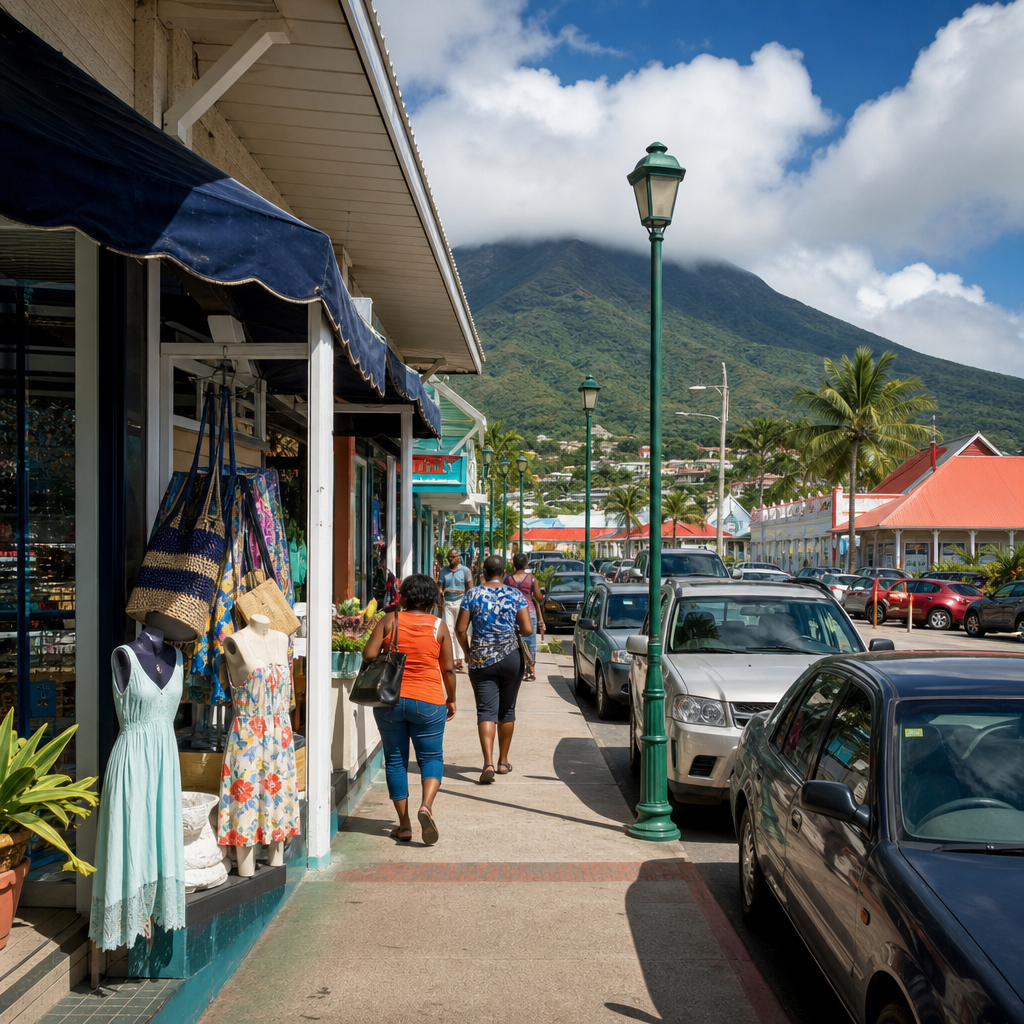
Charlestown is the natural starting point for most Nevis cultural heritage tours because it concentrates civic, commercial, and interpretive landmarks within a walkable area. The Museum of Nevis History is central here, both for Alexander Hamilton interpretation and for broader exhibits on island history. Nearby streets reveal the town’s scale and material character, with examples of stone structures, arcaded buildings, and public spaces that communicate how the colonial town functioned. Guides often explain the repeated damage caused by natural disasters, especially earthquakes and fires, because those events shaped how Charlestown was rebuilt and why some structures survive only in altered form.
New River Estate should be on any serious heritage itinerary. It is more than a scenic ruin; it preserves the industrial logic of the sugar economy. Visitors can see a windmill, aqueduct, boiling house remains, and the spatial arrangement that once linked cane cultivation, processing, labor, and export. A good guide will explain the sequence: harvested cane was crushed, juice was clarified and boiled, and sugar crystals were eventually prepared for trade. They should also discuss the labor system behind that output, including enslaved Africans, because discussing estate technology without discussing coercion produces a distorted history.
Other important sites deepen the picture. Cottle Church, built in the 1820s by John Cottle, is often cited because it was intended to welcome enslaved and free worshippers together, which made it unusual in its time. The Bath Hotel and Spring House connect heritage with health tourism; the hotel, opened in the eighteenth century, is considered among the Caribbean’s earliest resort properties, built around geothermal springs valued for therapeutic bathing. Horatio Nelson Museum material links Nevis to naval history and British imperial networks. Individual plantation inns and restored great houses, including those now operating as hospitality properties, also contribute practical insight into adaptive reuse and conservation economics.
| Site | Why It Matters | Best Tour Focus |
|---|---|---|
| Museum of Nevis History | Introduces political, social, and commercial history through artifacts and interpretation | First stop for context |
| Charlestown | Shows urban form, government, trade, religion, and rebuilding after disasters | Walking tours |
| New River Estate | Explains plantation industry, sugar processing, and labor systems | Industrial and social history |
| Cottle Church | Highlights religion, social hierarchy, and inclusive worship history | Faith and community heritage |
| Bath Hotel and Spring House | Connects Nevis to early Caribbean wellness travel and colonial leisure | Architecture and tourism history |
How Plantation History Should Be Interpreted Responsibly
Plantation tours are among the most requested experiences on Nevis, but they require careful interpretation. A plantation is not merely a picturesque estate with stone walls and tropical views. It was an economic machine built on forced labor, land concentration, and transatlantic trade. When I assess a heritage operator, I look for whether they explain both architecture and human cost. The strongest tours identify who owned the estate, how sugar profits circulated, what technologies were used, where laborers lived, and how emancipation changed the site’s use and surrounding communities.
Language matters here. Responsible guides avoid romanticizing “the old plantation days” and instead frame estates as contested spaces with multiple histories. They discuss enslaved Africans not as an anonymous labor force but as people who carried agricultural knowledge, spiritual practices, foodways, and forms of resistance that shaped Nevisian culture. They may point to surviving place names, burial areas, or oral histories that preserve community memory even where the built record is incomplete. This broader framing aligns with modern heritage interpretation standards used by museums and historic sites across the Caribbean.
Travelers should also understand preservation tradeoffs. Some plantation buildings survive because they were converted into inns, restaurants, or private residences. Adaptive reuse can fund maintenance and prevent collapse, but it can also sanitize the past if interpretation is absent. The best heritage tours use these locations critically, acknowledging both their architectural value and the plantation economy that financed them. That honesty improves the visitor experience. It replaces nostalgia with informed appreciation and gives travelers a clearer understanding of how history remains present in land ownership patterns, local memory, and tourism development today.
Living Culture: Food, Music, Craft, and Community Memory
A complete Nevis cultural heritage hub must go beyond monuments and include living practices. Food is one of the easiest entry points because it makes historical exchange visible on the plate. Dishes using saltfish, ground provisions, peas, coconut, breadfruit, goat water, and local seasonings reflect African culinary inheritance, British colonial influence, trade routes, and adaptation to island agriculture. On well-designed food-centered heritage tours, guides do more than serve samples. They explain why certain ingredients became staples, how cooking methods developed, and what feast foods or everyday dishes mean in family and festive contexts.
Music and festival traditions are equally important. Nevisian cultural expression includes church music, drumming influences, string band traditions, carnival-related performance, and seasonal celebrations that link communities across generations. Even if a visitor arrives outside a major festival period, local guides can interpret event spaces, rehearsal culture, and the role of performance in community identity. In my experience, travelers remember these explanations because they connect heritage to active life rather than a sealed-off past. A village visit or conversation with a community elder often teaches more than a plaque ever could.
Craft traditions, oral history, and everyday architecture deserve attention as well. A roadside vendor’s woven goods, a family home built with practical adaptations for ventilation, or a cemetery with long-used surnames can reveal lineage, economic change, and cultural continuity. Miscellaneous heritage content belongs on this hub because many travelers search for smaller, less formal experiences: meeting local artisans, visiting churches outside major tourist circuits, learning proverbs or folktales, or joining a community meal. These may not headline glossy brochures, yet they often provide the deepest sense of place.
Choosing the Right Tour: Private Guides, Group Excursions, and Self-Guided Routes
Not every traveler needs the same format, and choosing the right Nevis cultural heritage tour depends on interests, mobility, schedule, and desired depth. Private guided tours are usually the best option for serious learners because they allow customized pacing and more detailed discussion. A knowledgeable local guide can connect sites dynamically, answer questions about family names, architecture, religion, or politics, and adjust the route if weather or opening hours change. This format is especially valuable for travelers interested in genealogy, plantation history, or photography.
Group excursions work well for first-time visitors or cruise passengers who have limited time and want a reliable overview. They typically cover the highest-profile sites efficiently, though depth can vary. Before booking, check whether admissions are included, how much walking is required, and whether the itinerary includes actual interpretation or mostly transportation with short stops. Quality matters more than duration. A three-hour tour with a strong historian-guide can deliver more than a full day of superficial site hopping.
Self-guided exploration is possible because Nevis is manageable in size, but it works best when paired with prior reading or museum orientation. Visitors should confirm opening times, carry water, and use a map application with offline access in case mobile service weakens. For this subtopic hub, it helps to think of linked clusters: Charlestown and museums for urban history, estate routes for plantation interpretation, church and spring sites for religion and wellness history, and village encounters for living culture. That cluster model makes trip planning simpler and encourages visitors to combine major landmarks with lesser-known stops rather than repeating the same standard circuit.
Practical Planning Tips for a Better Heritage Experience
Timing, etiquette, and preparation strongly affect the quality of a heritage tour on Nevis. Early morning and late afternoon are usually best for walking comfort and photography, especially around Charlestown and exposed estate sites. Lightweight clothing, sun protection, and sturdy footwear matter because heritage stops often include uneven stone paths, grassy ground, and minimal shade. If a site is religious or community-based, modest dress is advisable. Travelers should always ask before photographing residents, private homes, or ceremonies. Respectful conduct is not a formality; it directly shapes how welcome and informative an experience becomes.
It is also smart to verify site access in advance. Smaller museums, churches, or private heritage properties may keep limited hours or open by appointment, particularly outside peak travel periods. A local hotel concierge can help, but independent travelers should still confirm directly where possible. Budgeting is straightforward: entrance fees are generally modest compared with larger Caribbean destinations, while private guiding commands a premium that is usually justified by the interpretive value. Supporting local guides, drivers, artisans, and small eateries keeps tourism spending circulating on the island and strengthens the same communities that sustain heritage traditions.
Finally, approach heritage touring with questions in mind. Ask how the island changed after emancipation, why certain buildings survived, what local schools teach about key figures, or how residents feel about preservation today. Those conversations often yield the most memorable insights. Nevis rewards travelers who slow down, listen carefully, and connect sites rather than treating them as isolated photo stops.
Nevis’ cultural heritage tours offer one of the Caribbean’s most rewarding combinations of accessibility, historical depth, and living community connection. In a compact area, travelers can move from museums and town streets to plantation landscapes, churches, hot springs, and family-rooted traditions that still shape daily life. The main lesson is simple: heritage on Nevis is not limited to famous names or attractive ruins. It includes the full record of trade, faith, labor, resistance, adaptation, and creativity that made the island what it is today.
For travelers building an adventure and activities itinerary, this miscellaneous hub matters because it ties together many different interests. History lovers can focus on Charlestown and New River Estate. Food-focused visitors can use heritage tours to understand cuisine in context. Families can choose shorter guided routes that make complex history accessible. Independent explorers can use this page as a starting map for deeper subtopic articles on museums, plantation sites, walking tours, local culture, and historic landmarks. That hub function is valuable because Nevis is best understood through combinations, not isolated stops.
If you want a richer trip, make at least one dedicated cultural heritage tour part of your Nevis plans. Choose a guide who offers context, asks you to think critically, and treats local history with care. Then use that experience to explore the island more intentionally, one story, site, and conversation at a time.
Frequently Asked Questions
What can travelers expect from a cultural heritage tour on Nevis?
A cultural heritage tour on Nevis offers far more than a standard sightseeing outing. It gives visitors a structured, story-driven introduction to the island’s identity through its landscapes, architecture, historical sites, and living traditions. Most tours combine guided visits to former plantation estates, churches, museums, village areas, cemeteries, and notable public buildings, all tied together by interpretation from a knowledgeable local guide. Rather than presenting history as a list of dates, these tours explain how Nevis evolved through Indigenous presence, European colonization, the transatlantic slave trade, African cultural endurance, sugar production, emancipation, migration, and present-day preservation efforts.
Travelers can expect to hear both well-known and lesser-known stories. A guide may explain the economic power of plantation agriculture while also discussing the lives of enslaved Africans who built and sustained that system. You may visit sites connected to religious life, education, or local leadership and learn how communities adapted over generations. Many tours also highlight architecture, family histories, oral traditions, and the way cultural memory remains embedded in everyday life. The result is a layered experience that helps visitors see Nevis not just as a beautiful Caribbean island, but as a place shaped by struggle, creativity, endurance, and pride.
Which historical and cultural sites are commonly included on Nevis heritage tours?
While exact itineraries vary, many heritage tours on Nevis include a core group of culturally significant sites that help explain the island’s past and present. Plantation estates are among the most common stops because they reveal the central role of sugar cultivation in shaping the island’s economy, land use, and social hierarchy. These estates often feature remnants such as stone mills, great houses, boiling houses, and grounds that illustrate the contrast between colonial wealth and the harsh realities of labor under slavery. Guides often use these places to discuss the structure of plantation society and the long-term impact it had on Nevisian communities.
Churches and religious landmarks are also frequently included, as they offer insight into spiritual life, colonial governance, and community continuity. Historic churches may reflect Anglican, Catholic, Methodist, or other traditions that took root over centuries, and many hold stories linked to local families, public events, and post-emancipation community development. Museums and heritage houses, when part of a tour, typically provide artifacts, documents, and curated exhibits that bring broader historical themes into focus. Some tours may also pass through Charlestown or other community spaces where public buildings, memorials, and streetscapes reveal layers of political, commercial, and social history. Together, these sites create a fuller picture of how Nevis developed and how its residents continue to preserve and interpret their heritage.
Why are plantation estates such an important part of understanding Nevis’ history?
Plantation estates are essential to understanding Nevis because they sit at the center of the island’s colonial and economic history. During the height of the sugar era, plantations were not simply agricultural properties; they were the engines of wealth, power, and social organization. They influenced land ownership, labor systems, class relations, trade, and political authority. Visiting these sites allows travelers to see the physical framework of that world, from processing structures and estate grounds to the homes associated with plantation owners and managers. These places help make abstract history visible.
Just as importantly, plantation tours on Nevis are increasingly interpreted through a broader and more honest lens. A good heritage tour does not romanticize estate life. Instead, it addresses the fact that plantation prosperity depended heavily on the forced labor, suffering, and resilience of enslaved Africans. Guides often explain how African-descended communities preserved cultural identity, family bonds, craftsmanship, spirituality, and resistance under oppressive conditions. This more complete interpretation is what gives plantation visits their real educational value. They are not just ruins or scenic properties; they are sites where visitors can confront the island’s colonial past and better understand the roots of modern Nevisian society, including ongoing efforts to remember, preserve, and tell these stories responsibly.
Are Nevis cultural heritage tours only for history enthusiasts, or are they suitable for general travelers too?
Nevis cultural heritage tours are absolutely suitable for general travelers, even those who do not consider themselves history enthusiasts. In fact, one of the strengths of these tours is that they make history accessible through storytelling, place, and personal connection. Visitors do not need prior knowledge of Caribbean history to appreciate the experience. Skilled guides present the material in a way that is engaging, understandable, and relevant, often weaving together architecture, food traditions, religion, family stories, music, migration, and local customs. This makes the experience meaningful for couples, solo travelers, families, and anyone who wants a deeper understanding of the island beyond its beaches and resorts.
For many travelers, a heritage tour becomes the activity that gives context to the rest of their trip. After learning about Nevis’ communities, plantation past, church life, preservation efforts, and cultural traditions, everyday scenes on the island take on richer meaning. A village, a stone ruin, a family name, or a local celebration suddenly becomes part of a larger story. Even visitors who primarily came for relaxation often find that a cultural tour adds emotional depth and perspective to their stay. It helps transform Nevis from a scenic destination into a place with memory, character, and a living cultural voice.
How do cultural heritage tours on Nevis support preservation and local communities?
When designed and operated responsibly, cultural heritage tours can play an important role in preserving Nevis’ history and supporting local communities. Tourism focused on heritage creates interest in maintaining historic sites, protecting archives, restoring buildings, and documenting oral histories that might otherwise receive limited attention or funding. It also encourages a more respectful model of travel, where visitors are invited to understand the people and stories behind the landmarks they see. This kind of engagement can strengthen appreciation for preservation not only among tourists, but among younger generations within the island as well.
These tours also support local livelihoods by creating opportunities for guides, historians, drivers, craftspeople, museum staff, site caretakers, and small business owners. Because heritage interpretation often depends on local knowledge, community voices remain central to the visitor experience. That matters. It helps ensure that Nevisian history is told with nuance, authenticity, and cultural ownership rather than from an outside perspective alone. In the best cases, cultural heritage tourism becomes a partnership between education and economic benefit. Visitors gain a deeper, more responsible understanding of Nevis, while the island gains greater visibility for its cultural assets and stronger incentives to preserve the traditions, places, and stories that define it.