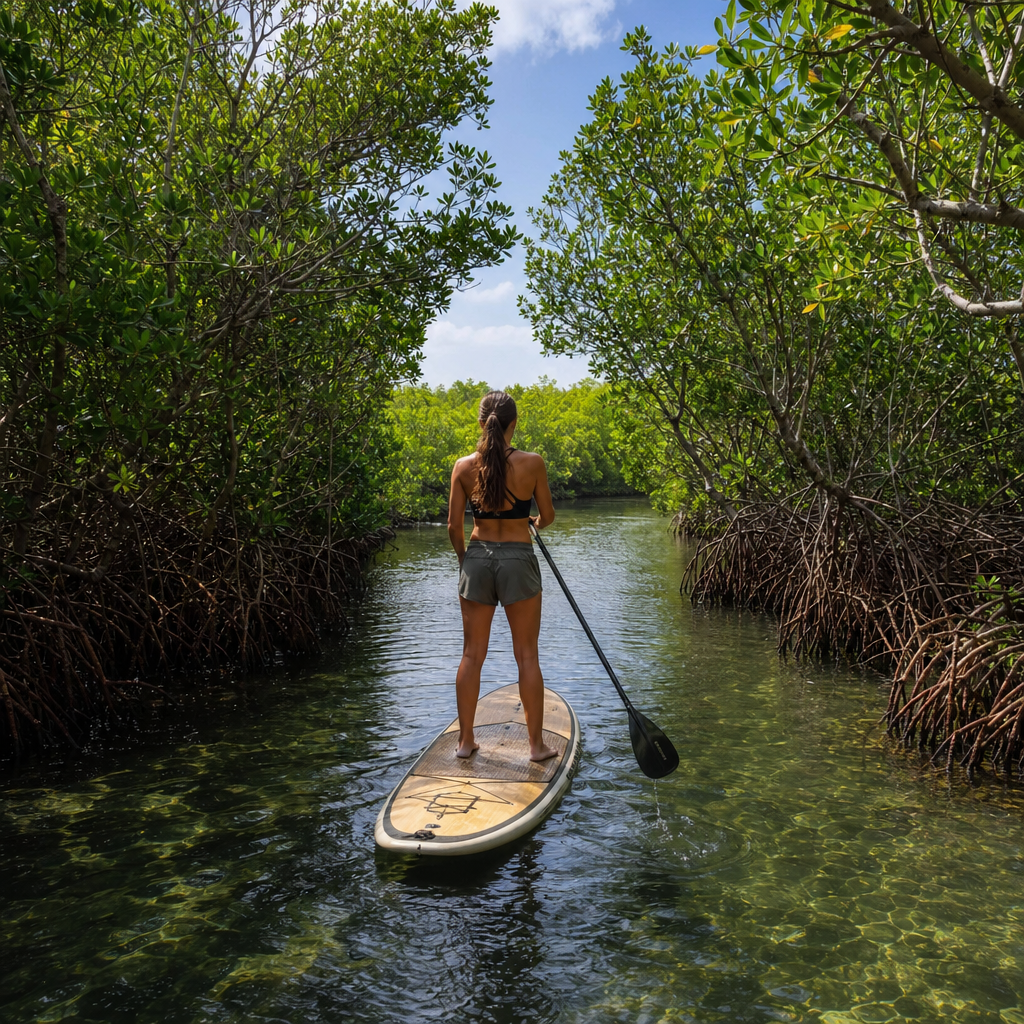
Saint Kitts is better known for rainforests, volcanic peaks, and calm Caribbean beaches than for headline surf breaks, yet that gap in reputation is exactly what makes the island interesting to wave riders. Saint Kitts’ surf spots offer a small but rewarding scene shaped by Atlantic swells, seasonal winds, reef and beach breaks, and the practical realities of a compact Eastern Caribbean island. For travelers exploring Adventure and Activities in Saint Kitts, this miscellaneous surfing hub matters because it connects the basics: where to surf, when to go, what conditions to expect, what gear to bring, and how to stay safe while respecting local communities and marine environments.
When people search for surfing in Saint Kitts, they usually want direct answers. Is there surfing on the island? Yes. Is it comparable to Barbados, Puerto Rico, or the Dominican Republic? No, not in scale or consistency, but it can still be excellent on the right swell. Are the breaks beginner friendly? Some are approachable in small conditions, though many sessions are best for intermediate surfers who can read reefs, currents, and fast-changing weather. In my experience planning island activity guides and reviewing Caribbean break reports, Saint Kitts rewards flexibility more than certainty. You do not come expecting daily overhead perfection. You come ready to watch the wind, follow buoy readings, drive to the exposed side of the island, and paddle out when a window opens.
That is why a hub article is useful here. Saint Kitts’ surfing landscape is not defined by one famous point break. It is a network of lesser-known options, local knowledge, and timing. This guide explains the island’s main surf areas, the seasons that produce rideable waves, the equipment and logistics that make sessions smoother, and the tradeoffs every visitor should understand before building a trip around surfing.
Where to Find the Best Surf in Saint Kitts
The most reliable surf in Saint Kitts is generally on the Atlantic-facing side, where the island is more exposed to northerly and easterly swell. The southeast peninsula, the coast near Turtle Beach, and other windward stretches are the places surfers watch first. These areas receive more energy than the sheltered Caribbean side, which is often flatter and better suited to swimming, snorkeling, and paddleboarding than stand-up surfing. If you only have one planning principle, use this one: the more directly a beach faces incoming Atlantic swell, the greater the chance of surfable waves.
Turtle Beach is often the first location mentioned in local surf discussions because it has exposure, space, and a reputation for catching swell when conditions line up. Depending on tide, wind, and sand movement, the break can produce peaky sections that work for shortboards and funboards. It is not a mechanical wave, and that matters. On one day it may offer playful waist-high runners suitable for confident beginners with supervision; on another, it may be choppy, sectiony, or closing out under onshore wind. Nearby Atlantic beaches can also light up on the same swell, so a quick spot check along the coast often pays off.
The southeast peninsula deserves special attention because it creates multiple angles to the ocean. In practice, that means surfers can sometimes find a corner with less wind or a cleaner face than the more obvious open beach. This is where local guidance becomes valuable. A break that looks mediocre from the road can work on a certain tide band or under a specific northeast swell period. Conversely, a beach that appears inviting can hide reef, shorebreak punch, or long paddles through current. Visitors should treat online maps as a starting point, not a substitute for checking conditions in person.
Some surfers also explore reef setups around the island, but these are more condition-dependent and should be approached cautiously. Caribbean reef breaks can be fun and rippable, yet they demand clear judgment. Sharp coral, uneven entry points, and surge over shallow sections raise the risk level quickly, especially for travelers unfamiliar with the spot. If there is any doubt, watch a full set cycle, talk to someone who has surfed there recently, and be willing to skip it. Saint Kitts is not a place where guessing your way into a reef lineup is a smart move.
Best Time to Surf and What Conditions Matter Most
The best surf season in Saint Kitts typically aligns with the broader North Atlantic swell window, with late autumn through early spring offering the strongest chance of quality waves. From about November to April, cold fronts and North Atlantic storm activity can send swell into the Eastern Caribbean. That does not mean constant surf every day, but it does mean a better probability of rideable conditions than the calmer summer pattern. Winter trade winds can complicate things, however, so swell size alone never tells the full story.
Wind direction is often the deciding factor between a promising forecast and a disappointing session. Strong onshore trade winds can crumble wave faces and make paddling inefficient, especially on exposed beaches. Light winds, early morning windows, or protected corners improve quality substantially. I always advise travelers to look at swell height, swell period, and wind together. A modest 3-to-5-foot swell at 10 to 12 seconds with manageable wind can produce better surfing than a larger swell overwhelmed by chop. Tide also plays a role. Some beach breaks need more water to soften closeouts, while certain reefs become too shallow or too fast at low tide.
Weather tools make this easier than it used to be. Forecast platforms such as Surfline, Windy, Magicseaweed’s historical data archives, and NOAA marine products help visitors assess whether a session is worth the drive. They are not perfect in small-island contexts, but they provide useful directional guidance. A practical method is to check regional buoy data, compare wind arrows hour by hour, then confirm with visual observation before paddling out. In Saint Kitts, adaptability is part of the sport. The best surfers on the island are often the ones who know when not to force a mediocre day.
| Factor | What to Look For | Why It Matters in Saint Kitts |
|---|---|---|
| Swell direction | North, northeast, or east exposure | Atlantic-facing beaches receive the most consistent energy |
| Swell period | 10 seconds or longer | Longer-period swell carries more organized power to island breaks |
| Wind | Light offshore or light cross-shore | Strong onshore trades quickly degrade wave quality |
| Tide | Spot specific; check local advice | Beach and reef breaks change character significantly with water depth |
| Season | November through April | North Atlantic swell is more active during these months |
Who Should Surf Here: Skill Level, Gear, and Trip Planning
Saint Kitts is best for surfers who enjoy exploration and can manage variable conditions. Intermediate surfers usually get the most from the island because they can handle uneven peaks, make quick decisions in changing surf, and adjust board choice to the day. Complete beginners should not assume every beach is safe for first lessons. When the surf is small and soft, there may be opportunities to practice pop-ups and basic trimming, but there is less structured surf infrastructure here than on major Caribbean surf islands. If learning is your primary goal, confirm in advance whether an instructor, rental board, or guided session is available during your travel dates.
Board selection matters more than many visitors expect. For Saint Kitts, a versatile quiver beats a high-performance fantasy setup. A daily-driver shortboard works when the swell is clean and punchy, but a fish, groveler, or funboard often unlocks more waves on average days. If you are bringing only one board, choose something with paddle power. I have seen too many travelers arrive with narrow, low-volume boards designed for faster, more consistent surf, then struggle to get into softer sections. Wax for warm water, spare fins, reef-safe sunscreen, and a basic ding repair kit are sensible additions. Booties are optional for some surfers but can be worthwhile on reef entries.
Logistics are straightforward if you plan ahead. Robert L. Bradshaw International Airport makes access simple, and driving distances on the island are manageable. Renting a car is usually the best move for surfers because conditions can vary by coastline and timing matters. Dawn patrol checks are easier when you are not waiting on a taxi. Confirm airline surfboard policies before departure, including oversize fees and baggage limits. Also check accommodations for secure board storage and freshwater rinse access. Small details, such as whether your hotel is near the southeast peninsula or Basseterre, can shape how many sessions you actually catch during a short stay.
Travelers should also build a broader adventure itinerary. One reason Saint Kitts works well as a surf destination is that it pairs wave chasing with hiking, sailing, snorkeling, beach hopping, and heritage tourism. On flat days, you can ride the St. Kitts Scenic Railway, hike Mount Liamuiga, explore Brimstone Hill Fortress National Park, or take a catamaran to nearby waters. That flexibility reduces pressure on the surf forecast and makes the trip worthwhile even if the ocean underdelivers.
Safety, Etiquette, and Environmental Responsibility
Safety in Saint Kitts starts with humility. The island’s surf is not heavily commercialized, which means fewer visible safeguards and less instant information at the beach. Lifeguards are not a given at surfable breaks. Rip currents can form around channels and headlands, reef cuts can become infected in tropical climates, and weather can shift quickly. Before entering the water, identify your landmarks, note where the current is moving, and decide on an exit point. If the wave breaks over shallow coral or a rocky shelf, ask yourself whether the reward matches the risk. Many injuries in Caribbean surf happen not on the takeoff but during entry and exit.
Lineup etiquette matters even more in smaller surf communities. Respect goes a long way on Saint Kitts. Do not paddle straight to the inside and start taking every set wave. Watch for a while, understand who is already in rotation, and communicate clearly. If locals have waited through a long lull for a set, do not burn them because you are on vacation. The island’s surf scene is modest, and reputations travel fast. Good manners make future access easier for everyone.
Environmental responsibility is not optional. Coral reefs protect shorelines, support fisheries, and shape the very waves surfers want to ride. Avoid stepping on reef where possible, never leave trash at remote beaches, and use reef-conscious sun protection when available. Surfers should also be mindful of beach erosion, turtle nesting areas, and coastal vegetation. On islands, seemingly small damage accumulates quickly. The practical rule is simple: leave every launch point cleaner and quieter than you found it.
It is also wise to understand emergency basics. Carry water, a phone in a dry bag if you are checking isolated spots, and a small first-aid kit in your vehicle. Know the location of the nearest clinic or hospital, especially if you are surfing remote stretches. Travel insurance that covers adventure activities and surfboard damage is not glamorous, but it is sensible. Saint Kitts can deliver memorable surf sessions, yet sound judgment is what turns a good trip into a repeatable one.
Using This Miscellaneous Surf Hub to Plan Your Next Read
Because Saint Kitts does not revolve around one iconic surf beach, this miscellaneous hub serves a practical role within the wider Adventure and Activities section. Think of it as the starting map for deeper planning. From here, travelers can branch into beach guides, seasonal weather resources, transport advice, family activity pages, hiking itineraries, and marine excursion articles that complement a surf-focused trip. Hub content works best when it answers the broad questions first, then points readers toward specialized pages for details such as beginner water sports, scenic coastal drives, or where to stay near the island’s more exposed shores.
That broad view reflects the reality of surfing in Saint Kitts. You are not only choosing a break; you are choosing how to read the island. You need to know which coast catches swell, when winter patterns improve your odds, why a rental car is often essential, and how to pivot to other outdoor activities when the ocean is quiet. Those decisions are what make this destination satisfying. Surfing here is exploratory, weather-aware, and tied closely to the island’s overall adventure appeal rather than separated from it.
Saint Kitts’ surf spots are worth your attention if you value uncrowded sessions, Atlantic energy, and the chance to blend wave riding with a broader Caribbean escape. The key takeaways are clear: focus on the Atlantic side, especially areas such as Turtle Beach and the southeast peninsula; aim for the November-to-April swell window; prioritize wind, tide, and local observation over generic forecasts; bring versatile equipment; and respect both the lineup and the reef. That approach gives you the best chance of finding rideable waves without forcing unrealistic expectations.
If you are building an adventure itinerary for Saint Kitts, use this hub as your first stop, then continue into related guides on beaches, outdoor excursions, and travel logistics. Plan for surf, prepare for variability, and you will discover why this understated island earns a place on a Caribbean surfer’s radar.
Frequently Asked Questions
Is Saint Kitts really a good surfing destination?
Saint Kitts is not a mainstream Caribbean surf destination in the same way that Barbados, Puerto Rico, or the Dominican Republic are, but that does not mean it lacks worthwhile waves. In fact, its lower profile is part of the appeal. The island offers a modest but genuine surf scene built around Atlantic-facing stretches that pick up swell more reliably than the calmer Caribbean side. Surfers who come with realistic expectations often find uncrowded lineups, scenic coastal settings, and a refreshing sense of discovery. Rather than promising world-famous point breaks every day, Saint Kitts delivers occasional quality sessions shaped by seasonal swell, wind direction, tide, and local knowledge.
What makes the island interesting is the variety packed into a small area. Depending on conditions, surfers may find reef breaks with punchier waves, beach breaks that are more approachable for developing riders, and sections that work best only during certain swell windows. Because surf on Saint Kitts is less standardized and less commercialized, flexibility is essential. Travelers who treat it as an exploratory surf destination rather than a guaranteed high-volume wave machine are usually the ones who enjoy it most. For adventure-focused visitors, surfing here fits naturally alongside hiking, snorkeling, sailing, and exploring the island’s volcanic landscapes.
When is the best time of year to surf in Saint Kitts?
The best surf season in Saint Kitts generally aligns with the period when Atlantic swells are more active, typically from late autumn through spring. During these months, northerly and easterly swell patterns are more likely to send rideable waves toward the island’s exposed coastlines. Winter can be especially promising because stronger storm systems farther out in the Atlantic may produce cleaner, more organized swell. That said, Saint Kitts is not a destination where surf is perfectly consistent every week, so timing your trip during the broader swell-friendly season simply improves your chances rather than guarantees daily sessions.
Wind matters just as much as swell. Early mornings are often the best time to check the water because lighter winds can help maintain cleaner faces before the day becomes more textured or choppy. Localized weather changes also play a role, and some spots may work better under trade-wind conditions while others are more sensitive. If surfing is the main goal of your trip, it is smart to build in several days rather than planning around a single session. That flexibility allows you to wait for the right combination of swell, tide, and wind. Visitors who monitor marine forecasts, stay in touch with local operators, and remain open to changing plans will have the best chance of scoring quality waves.
What kinds of surf spots and wave conditions can surfers expect on Saint Kitts?
Saint Kitts offers a mix of reef and beach breaks, with most of the more surf-oriented locations found on the Atlantic side of the island, where exposure to incoming swell is stronger. Beach breaks can be the more forgiving option, especially for intermediate surfers or travelers looking for a less technical session. Depending on sand movement and swell direction, these waves may offer short but fun rides with easier entries and exits than reef setups. Reef breaks, on the other hand, can be more powerful, more shape-dependent, and less forgiving if conditions are not right. These spots often require stronger paddling skills, confidence in reading the lineup, and awareness of shallow sections or uneven bottoms.
Wave quality can vary significantly from day to day. Some sessions may be playful and chest-high, while others can become more demanding under stronger swell pulses. Because the island is compact, spot selection is often about identifying which coast is handling the swell and wind best at a given moment. Surfers should also be aware that Caribbean reefs can include coral, rock, and sea life, so proper caution is important. Booties are not always necessary, but some riders prefer them on sharper reefs. Overall, Saint Kitts rewards surfers who are adaptable, comfortable scouting conditions, and interested in the broader experience of riding waves in a beautiful, less-developed surf environment.
Is Saint Kitts suitable for beginner surfers, or is it better for experienced riders?
Saint Kitts can work for beginners, but it is better approached with some guidance rather than as a completely self-directed first surf trip. The island does not have the same concentration of beginner-focused surf schools, rental infrastructure, and predictably mellow breaks that more established surf destinations offer. Some beach breaks may be manageable for newer surfers when the swell is small and winds are light, but conditions can change quickly, and certain reef breaks are clearly more appropriate for intermediate to advanced riders. For that reason, beginners should prioritize lessons, local advice, and a cautious approach to where and when they paddle out.
Intermediate and experienced surfers often get the most out of Saint Kitts because they can adapt to variable conditions and appreciate the island’s less-publicized wave options. They are also more likely to enjoy the hunt: checking forecasts, driving to exposed shorelines, and waiting for the right tide or wind shift. That said, adventurous beginners can still have a good experience if surfing is only one part of a broader vacation and they remain flexible. The key is not to expect an all-levels surf resort atmosphere. Instead, think of Saint Kitts as a destination where experience, patience, and local insight improve safety and enjoyment for everyone in the water.
What should travelers know before planning a surf trip to Saint Kitts?
Preparation matters on a surf trip to Saint Kitts because the island’s surf scene is real but relatively small-scale. First, check whether you are bringing your own board or hoping to rent locally. Rental options may be limited compared with major surf hubs, so dedicated surfers often prefer to travel with their own equipment. A versatile shortboard or funboard is usually a sensible choice depending on your skill level and expected conditions, and some travelers also bring a backup board if surfing is a top priority. Before flying, confirm airline baggage fees and board policies, since those can affect overall trip planning.
Second, treat local knowledge as essential. Forecasts provide a useful overview, but they do not replace on-the-ground insight into access, tide sensitivity, reef hazards, and which coast is actually working that day. Respect the ocean, avoid paddling out blindly at unfamiliar reef breaks, and take time to observe currents, entry points, and the behavior of more experienced surfers. It is also wise to pack reef-safe sunscreen, hydration supplies, basic first-aid items, and any protective gear you prefer. Finally, remember that surfing on Saint Kitts works best as part of a broader island adventure. On flat or windy days, visitors can pivot easily to hiking in the rainforest, exploring historic sites, enjoying calmer beaches, or taking part in other outdoor activities. That flexibility turns the island’s variable surf into an advantage rather than a disappointment.