Nevis is often celebrated for volcano hikes, quiet beaches, and old plantation inns, yet its historical churches reveal the island’s deepest layers of memory. These sacred sites are more than places of worship. They are archives in stone, timber, coral lime, and grave markers, preserving evidence of colonization, emancipation, hurricanes, migration, and community resilience. When travelers explore the historical churches of Nevis, they are not simply visiting religious buildings. They are reading the island’s social history through architecture, burial grounds, parish records, and the living traditions that continue around them.
In practical terms, a historical church in Nevis usually means an Anglican, Methodist, Moravian, Catholic, or other Christian site with roots in the seventeenth, eighteenth, or nineteenth centuries, though some have been rebuilt after earthquakes, storms, and fires. On Nevis, age alone is not the only reason a church matters. Historical significance also comes from who worshipped there, how enslaved and free people encountered these spaces, what materials were used, and whether the churchyard contains notable burials. Several sites connect directly to wider Caribbean history, including plantation society, missionary activity, and the development of local villages after emancipation.
I have found that church visits on Nevis work best when treated as cultural exploration rather than checklist sightseeing. A small parish church may look modest from the road, but once you step into the churchyard, details begin to speak: hand-cut stone, weathered inscriptions, views toward former estate lands, and the orientation of the building to wind and sun. For visitors interested in miscellaneous heritage experiences beyond beaches and hiking, these sacred sites form an ideal hub topic because they connect naturally to genealogy, architecture, photography, cemetery studies, village walking tours, and island history. Exploring them adds depth to any Nevis itinerary and helps explain how the island became what it is today.
Why Nevis’s Churches Matter to Heritage Travelers
The historical churches of Nevis matter because they concentrate several strands of island heritage in one place. First, they preserve architecture adapted to Caribbean conditions. Thick masonry walls, simple rectangular plans, shuttered windows, and later repairs all show how builders responded to heat, humidity, and storm risk. Second, they preserve social history. Parish churches often sat within landscapes shaped by plantation wealth, while chapels and mission churches could reflect efforts to serve poorer villagers, freed people, or communities outside elite centers. Third, they preserve documentary value. Even where original registers are not accessible on site, church institutions are tied to baptisms, marriages, and burials that are crucial for family history research.
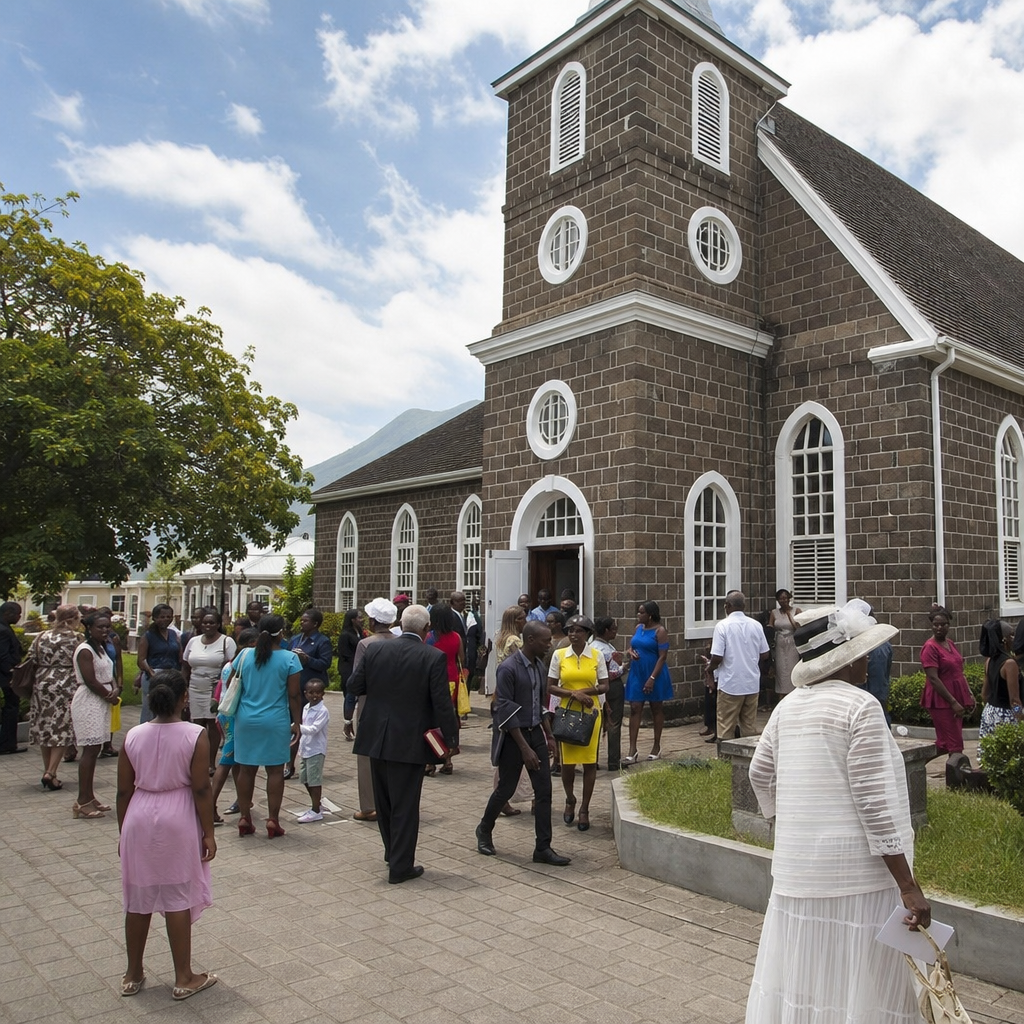
For travelers, these sites answer common questions directly. What is the oldest church on Nevis? Which churches are linked to colonial history? Can you visit churchyards without attending a service? The answer is that several churches on the island have early origins, most have colonial connections, and respectful visits are often possible when grounds are open, though access to interiors varies. The key is timing and courtesy. Nevis is a living community, not an open-air museum. A church may be hosting worship, a funeral, cleaning, or private parish work. That is why the best approach is to ask locally, dress modestly, and treat churchyards with the same respect you would show at any historic cemetery.
These sites also broaden the meaning of adventure and activities on Nevis. Not every memorable outing involves adrenaline. A morning spent tracing village churches, reading inscriptions, and speaking with a local guide can be just as rewarding as a coastal excursion. In fact, heritage travelers often combine church visits with stops at Charlestown, plantation ruins, museums, and scenic viewpoints. This creates a fuller understanding of how religion, labor, and settlement patterns shaped the island’s physical and cultural landscape across centuries.
Key Historical Churches and Sacred Landmarks to Explore
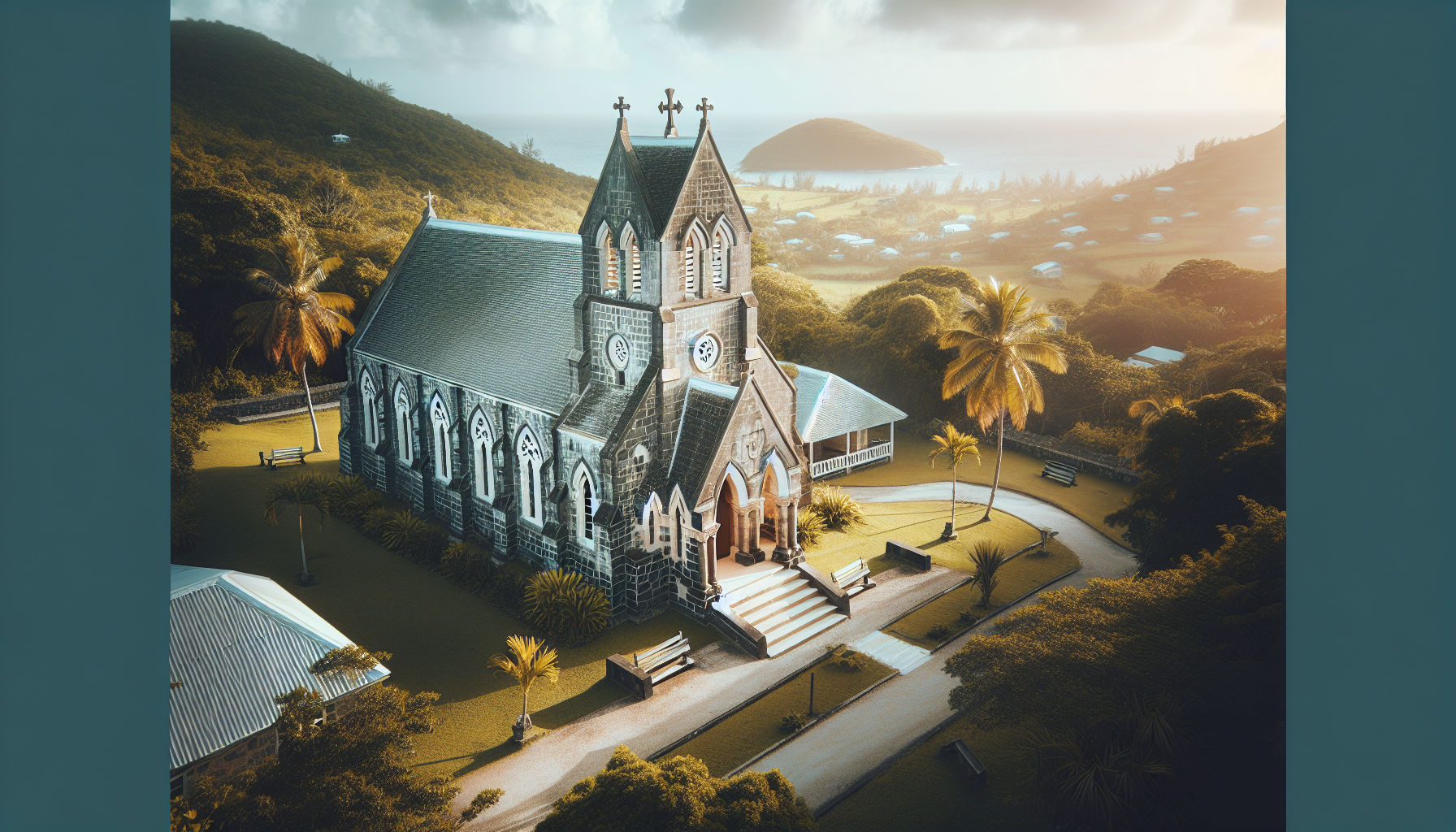
Among the most important places to start is St. Thomas Lowland Church, one of Nevis’s best-known historic churches and a landmark of Anglican heritage. Its setting in the western part of the island places it within a landscape long tied to estates and village communities. Like many Caribbean churches, it has endured damage and rebuilding over time, so what visitors see today may include later restorations layered over earlier foundations. That layered character is part of its value. A Nevis church rarely tells a single-date story; instead, it reflects repeated acts of repair after natural disasters and the evolving needs of its congregation.
St. John’s Figtree Church is another important site, especially for travelers interested in parish identity and the rural history of Nevis. Figtree has long been associated with villages, farms, and inland routes, and the church serves as a cultural anchor within that setting. Churchyards in these districts often reward slow observation. Family names repeat across headstones, revealing lineages that still matter on the island today. Architectural details may appear restrained, but the surrounding environment, including old trees, boundary walls, and distant mountain views, creates a powerful sense of place.
In and around Charlestown, visitors encounter churches tied to the island’s administrative and commercial center. St. Paul’s Anglican Church in Charlestown is especially significant because the capital has long been the point where civic life, trade, and faith intersected. Churches near the town center can be read alongside nearby government buildings, cemeteries, and historic streets. This is where sacred and public history overlap most clearly. A short walk can connect a church visit with the Museum of Nevis History and other landmarks, making Charlestown the easiest starting point for a self-guided heritage day.
Not every sacred landmark is monumental. Small chapels, mission churches, and churchyards with partial ruins are equally worth attention. On Nevis, a broken wall or isolated grave enclosure can mark the site of a once-active congregation. These quieter places often speak most clearly about population shifts, storm damage, and changing settlement patterns. If you are exploring miscellaneous heritage beyond headline attractions, include these smaller sites. They may not appear in every brochure, but they often provide the strongest sense of discovery.
Architecture, Materials, and Clues Hidden in Plain Sight
Church architecture on Nevis is best understood as practical, layered, and locally adapted. Many older structures used stone masonry with lime-based mortar, often incorporating materials available on the island or shipped through regional trade. Roofs, windows, and interior finishes may have changed many times. Hurricanes, termites, salt air, and earthquakes are relentless in the Eastern Caribbean, so survival usually depends on maintenance rather than untouched originality. When I assess a church building on Nevis, I look for the evidence of these cycles: patched walls, replaced timber, reworked entrances, and memorial plaques that note reconstruction years.
Visitors often ask what details are worth noticing first. Start with the exterior massing and orientation, then study windows, buttressing, roofline, and churchyard layout. A church that appears simple from a distance may reveal skilled masonry and carefully proportioned openings up close. Inside, if access is allowed, look for wooden pews, memorial tablets, pulpit placement, altar design, and ventilation strategies. Tropical church interiors were designed to function in heat before mechanical cooling existed, and that fact explains many practical choices in plan and elevation.
| Feature | What to Look For | Why It Matters |
|---|---|---|
| Stone walls | Thickness, repairs, mortar type | Shows age, storm resilience, and local building practice |
| Windows | Shutters, arch shapes, spacing | Indicates climate adaptation and architectural period |
| Churchyard | Headstones, family plots, boundary walls | Reveals genealogy, status, and community continuity |
| Memorial plaques | Dates of rebuilding or dedication | Helps trace disasters, patronage, and parish history |
These details matter because church buildings on Nevis are rarely frozen in a single period. A nineteenth-century bell tower may stand beside a twentieth-century roof replacement. A churchyard may hold eighteenth-century burials near newer graves of respected local families. Rather than seeing that mixture as inconsistency, read it as the normal condition of Caribbean heritage. Continuity on Nevis has often depended on rebuilding, not preservation in the European museum sense. That is exactly what makes these churches credible historical sources.
What Churchyards, Records, and Local Memory Reveal
For many visitors, the churchyard becomes the most moving part of the experience. Grave markers can reveal family networks, infant mortality, epidemics, maritime loss, military connections, and social rank. Some inscriptions are worn almost flat by weather, while others remain legible enough to anchor detailed research. Surnames found in churchyards often match names still heard in Nevis villages, which gives these places unusual continuity. In a small island society, sacred sites are not detached relics. They remain woven into living memory.
Church-related records are equally important, even when they are consulted through archives rather than on site. Baptism, marriage, and burial registers can help researchers map lineages, movement between parishes, and relationships between plantation districts and village settlements. On Caribbean islands, gaps in the historical record are common because of hurricanes, humidity, administrative changes, and uneven preservation. Even so, church institutions remain among the most valuable entry points for genealogical and local history work. If you are building a heritage-focused itinerary, these churches connect naturally with archival research and museum visits.
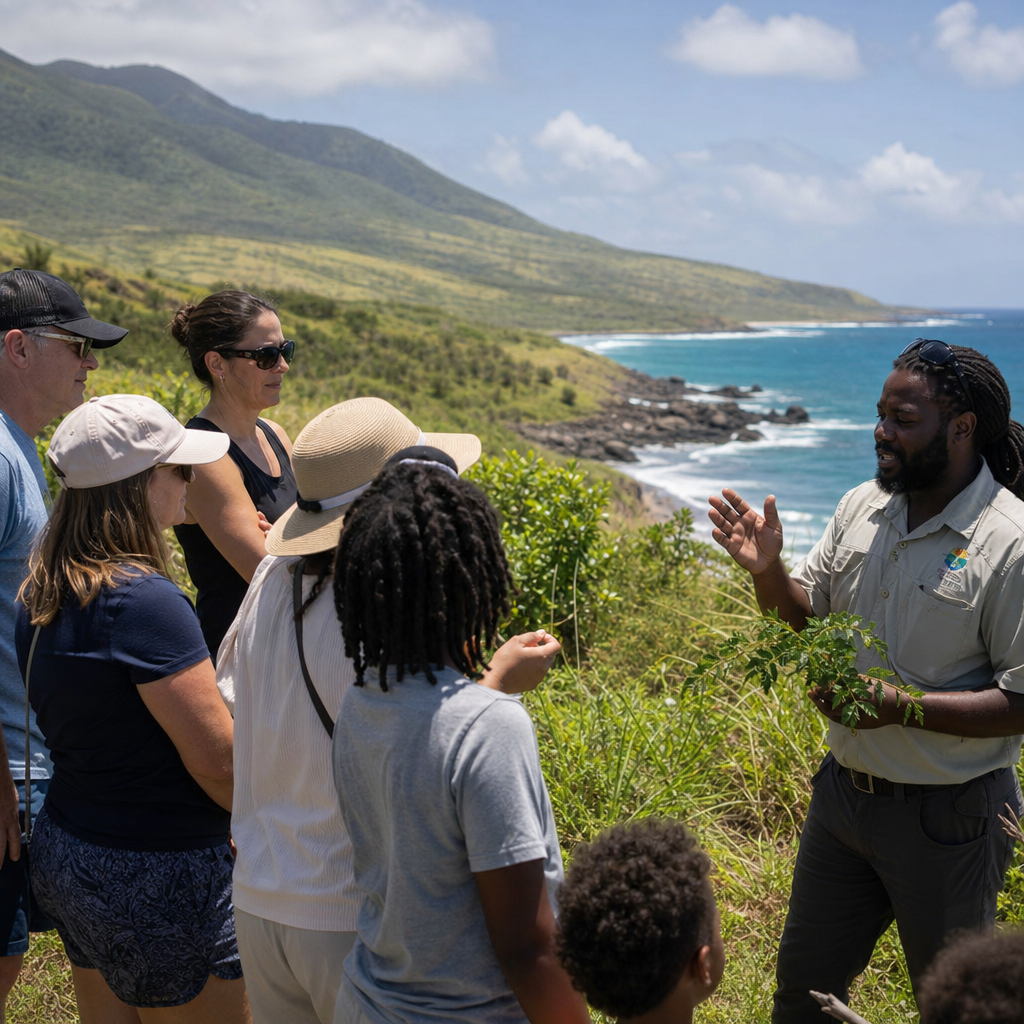
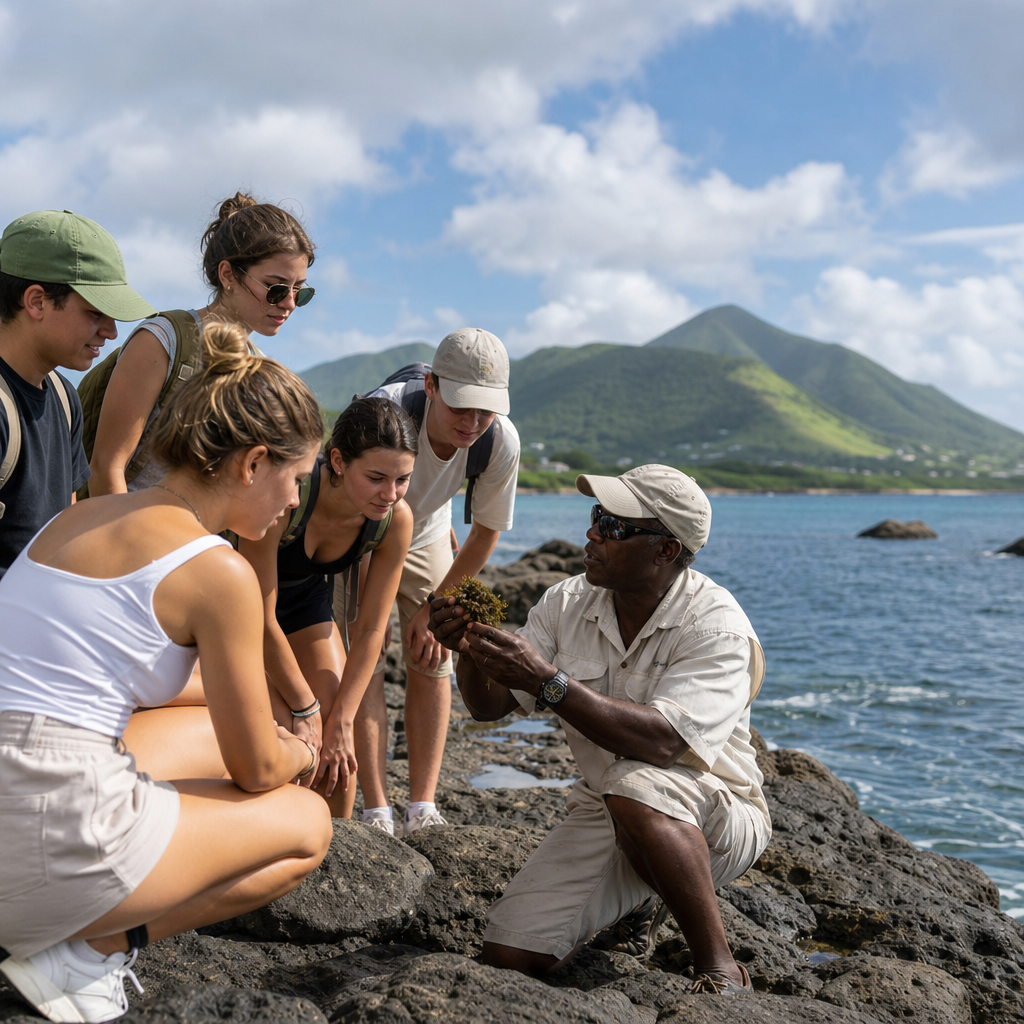
Local interpretation adds another layer that signage cannot replace. A church elder, guide, sexton, or longtime resident may know which families financed repairs, which storms caused major damage, or which annual feast days still matter. In my experience, those conversations are often the difference between merely seeing a church and actually understanding it. A polished marker can tell you a date. A local voice can explain why that date mattered to the community. That is especially true on Nevis, where oral history remains an essential companion to formal documentation.
How to Visit Respectfully and Build a Heritage Itinerary
The best way to explore historical churches of Nevis is to plan a half-day or full-day heritage route. Begin in Charlestown, where museums and central churches provide context, then continue to parish churches in villages such as Figtree or Lowland. Pair sacred sites with nearby plantation remains, viewpoints, artisan stops, or local lunch spots. This keeps the experience varied while staying rooted in place. Renting a car makes multi-stop exploration easier, but guided island tours can add valuable interpretation, especially if you want context on architecture, religion, and social history.
Respectful conduct is essential. Dress neatly, avoid loud conversation, ask before photographing interiors, and never step on graves or move cemetery objects. If a service is underway, wait or return later unless invited in. Donations are appropriate when a church is open for visitors or when a local caretaker provides access. The goal is not simply to consume a heritage site but to support the ongoing life of a community institution. That mindset matters because many historic churches on Nevis still require maintenance, fundraising, and volunteer labor to remain standing.
Timing also affects the experience. Early morning and late afternoon provide softer light for photography and more comfortable temperatures for walking churchyards. The rainy season can make grounds muddy, while bright midday sun can wash out inscriptions and architectural detail. If your broader Nevis trip includes hiking, water sports, or beach time, church exploration works well as a slower counterbalance. It is also one of the best miscellaneous activities for repeat visitors who want to move beyond the island’s most promoted attractions.
Historical churches of Nevis offer one of the island’s richest, most overlooked cultural experiences. They preserve architecture shaped by climate and disaster, churchyards filled with family history, and living traditions that still anchor village life. For travelers, these sacred sites turn a scenic island visit into a meaningful encounter with colonial history, emancipation, community identity, and resilience. They also serve as a practical hub for wider miscellaneous exploration, linking naturally to museums, genealogy, photography, village walks, and plantation heritage.
The main lesson is simple: do not rush these places. A church on Nevis is rarely important for only one reason. Its walls may show rebuilding after a hurricane, its memorials may trace centuries of local families, and its setting may explain how settlements grew around estates, roads, and parishes. By paying attention to details and speaking with local people when possible, you gain a far more accurate understanding of the island than any quick panoramic stop can provide. That depth is the real reward of heritage travel.
If you are planning your Nevis itinerary, make room for these sacred landmarks. Start with Charlestown, add parish churches such as St. Thomas Lowland and St. John’s Figtree, and explore respectfully. The result will be a quieter kind of adventure, but often the most memorable one.
Frequently Asked Questions
Why are the historical churches of Nevis important beyond their religious role?
The historical churches of Nevis matter because they preserve the island’s social, political, and cultural history in a way few other places can. While they were built as spaces for worship, they also became centers of community life, record keeping, education, and remembrance. Their walls, burial grounds, and architectural details reflect centuries of change, from the colonial era through emancipation and into modern Nevisian identity. In many cases, these churches hold visible evidence of how different communities lived, worshipped, rebuilt after storms, and adapted to shifting economic and social conditions.
Visitors quickly discover that these sites function like open-air archives. Materials such as coral stone, lime mortar, carved wood, and weathered grave markers reveal how builders used local resources and practical craftsmanship to create structures that could endure a demanding Caribbean climate. Tombstones and memorial plaques often tell stories of families, clergy, merchants, enslaved people, and freed communities, offering a more human and layered picture of the island’s past. For that reason, exploring Nevis’s churches is not only about religion. It is about reading the island’s memory through architecture, landscape, and the generations who gathered there.
What architectural features should visitors look for when exploring Nevis’s old churches?
One of the most rewarding parts of visiting Nevis’s historical churches is paying attention to the details that reveal both age and adaptation. Many churches feature sturdy masonry walls made with stone and coral lime, materials chosen for durability and availability. You may also notice timber roof structures, arched openings, simple but elegant facades, and interiors designed to encourage airflow in the tropical heat. These buildings were rarely constructed as purely decorative monuments. They were shaped by climate, craftsmanship, available resources, and the needs of local congregations.
Churchyards are equally important. Grave markers, boundary walls, pathways, and mature trees all contribute to the historical atmosphere and often preserve information not found inside the buildings themselves. Weathering patterns, repairs, and reconstruction phases can show how churches survived earthquakes, hurricanes, and long periods of economic change. Some sites may include later additions, restored sections, or memorials from different centuries, creating a layered visual record of Nevis’s development. Looking closely at these features helps visitors understand that each church is not a frozen relic but a structure continuously shaped by faith, disaster, rebuilding, and community care.
How do Nevis’s churches reflect the island’s history of colonization and emancipation?
Nevis’s historical churches are deeply tied to the island’s colonial past. During the colonial period, churches were often connected to systems of governance, social hierarchy, and plantation society. Their locations, patronage, and parish structures can reveal how European powers organized both land and community life. In this sense, church history on Nevis cannot be separated from the broader realities of colonization, including wealth derived from plantation economies and the labor of enslaved Africans. Visiting these sites encourages a fuller understanding of the island’s past, including the inequalities and power structures that shaped it.
At the same time, these churches also help tell the story of emancipation and transformation. Over time, sacred spaces were reinterpreted and sustained by local communities whose lives extended far beyond the colonial framework in which some buildings originated. Churchyards, memorials, and oral histories may reflect changing congregations, newly freed populations, evolving social roles, and the emergence of resilient community identities after slavery. That makes these sites especially significant: they hold traces of oppression, but they also testify to survival, adaptation, and the remaking of community life in post-emancipation Nevis.
Are historical churches in Nevis still active places of worship, or are they mainly heritage sites?
Many historical churches in Nevis should be understood as both active sacred spaces and important heritage landmarks. Some continue to serve congregations for regular worship, baptisms, weddings, funerals, and seasonal observances, while also attracting visitors interested in history, architecture, and genealogy. This dual role gives them a special character. They are not simply museum pieces preserved behind glass. They remain part of the island’s living rhythm, connecting present-day Nevisians with generations who prayed, mourned, celebrated, and gathered in the same places.
For travelers, this means visiting with sensitivity and awareness. A church may be open for quiet viewing on one day and functioning as a deeply meaningful community space the next. Respectful behavior is essential, especially around services, burial grounds, and photography. When approached thoughtfully, these visits can be especially rewarding because they reveal continuity as well as history. You are not only seeing an old building. You are encountering a site where memory remains active and where heritage is carried forward through ongoing use, care, and community tradition.
What is the best way to experience the historical churches of Nevis as a traveler?
The best approach is to slow down and treat each church as a place to read, not just photograph. Start by noticing the setting: many churches are deeply connected to the surrounding landscape, whether village, hillside, roadside, or old parish center. Then look closely at the building materials, entrances, windows, interior woodwork, and any visible repairs. Spend time in the churchyard as well, since inscriptions, graves, and memorials often provide some of the clearest clues to local history. If interpretation is available through guides, caretakers, or local residents, it can add invaluable context that transforms a simple visit into a much richer historical experience.
It also helps to connect church visits with the wider story of Nevis. These sacred sites make more sense when understood alongside the island’s plantation history, environmental challenges, migration patterns, and community life. Rather than rushing through several locations, choose a few and engage with them deeply. Ask how the building survived hurricanes, who maintained it over time, and what its cemetery reveals about family lineages or former parish life. Seen in this way, the historical churches of Nevis become more than scenic stops. They become some of the island’s most revealing windows into endurance, memory, and identity.