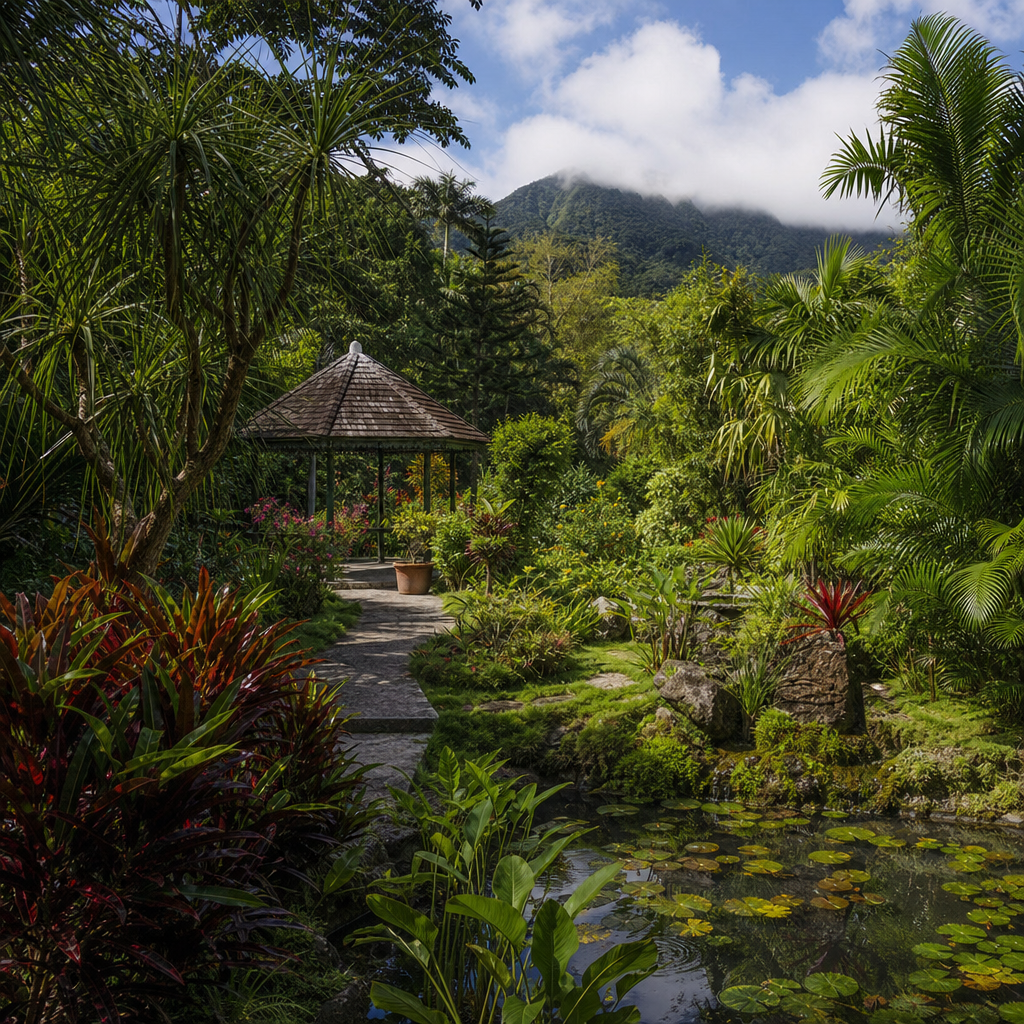
Saint Kitts rewards visitors with a rare combination of volcanic mountains, coastal wetlands, rainforest valleys, and cultivated estates where tropical gardens flourish in every direction. In practical terms, tropical gardens are landscapes shaped by warm temperatures, seasonal rain, rich soils, and plant communities dominated by palms, heliconias, orchids, gingers, ferns, fruit trees, and flowering shrubs. On Saint Kitts, those gardens appear in formal heritage grounds, botanical collections, hotel landscapes, village yards, and semi-wild forest edges where cultivated beauty merges with native ecology. I have walked these landscapes in humid morning light and again after sudden afternoon showers, and what stands out is not just color, but structure: layered canopies, dense understories, climbing vines, and nectar-rich flowers that attract birds, butterflies, and pollinators throughout the year.
That is why the tropical gardens of Saint Kitts deserve attention within any broader guide to nature and wildlife. They offer more than attractive scenery for photographs. They help explain how the island’s natural systems work, how colonial estates transformed land use, how modern conservation intersects with tourism, and how everyday residents shape biodiversity through home gardening and food cultivation. For travelers planning a visit, gardens also provide an accessible way to experience the island’s flora without undertaking a full mountain trek. For researchers, naturalists, and curious readers, they reveal how Caribbean plant life adapts to elevation, rainfall patterns, salt exposure, and volcanic terrain. This hub article covers the essential “miscellaneous” landscape of the subject: what gardens in Saint Kitts look like, where they are found, which plants define them, how wildlife depends on them, and how to visit responsibly while getting the most from the experience.
What Makes Saint Kitts a Tropical Garden Destination
Saint Kitts sits in the Lesser Antilles and benefits from a tropical maritime climate moderated by trade winds. Average temperatures usually remain in a comfortable warm range year-round, and the island’s central volcanic massif captures moisture that supports lush interior vegetation. The result is a mosaic of habitats. In lower coastal areas, gardeners work with salt-tolerant species, drought periods, and stronger sun exposure. In inland valleys and elevated slopes, conditions favor denser growth, mosses, larger ferns, and moisture-loving ornamentals. Volcanic soils add another advantage. They are often fertile, well-draining in some areas, and capable of supporting both decorative and agricultural planting when managed properly.
Historically, sugar estates shaped the island’s cultivated landscape, and many garden spaces today still reflect that legacy. Former plantation grounds often include old shade trees, stone walls, avenue plantings, and ornamental species introduced through colonial trade networks. Over time, these spaces evolved into mixed-use landscapes combining heritage architecture, tropical ornamentals, fruit trees, and regenerated native vegetation. This blend is part of what makes Saint Kitts distinctive. A visitor is rarely seeing a purely formal botanical garden or untouched wilderness alone. More often, the experience is a layered Caribbean landscape where history, horticulture, and ecology overlap in visible ways.
For travelers asking the simplest question—why visit tropical gardens here instead of elsewhere in the Caribbean—the answer is variety at manageable scale. Saint Kitts allows visitors to move from coastal views to cloud-kissed mountain greenery in a relatively short drive. Garden experiences can be paired with rainforest hikes, scenic railway excursions, birdwatching, heritage tours, and beach time in a single itinerary. That flexibility makes the island especially useful as a hub topic within nature and wildlife planning.
Types of Gardens and Landscaped Environments You Will Encounter
Not every garden in Saint Kitts is labeled as a botanical attraction, so visitors should think broadly. The first category is the formal or semi-formal heritage garden, usually found around inns, restored estates, and cultural properties. These landscapes often feature clipped pathways, flowering borders, shaded verandas, and specimen plants such as traveler’s palm, bougainvillea, croton, frangipani, and ixora. They are designed for beauty and comfort, but they also preserve plant introductions that tell the story of trade and settlement.
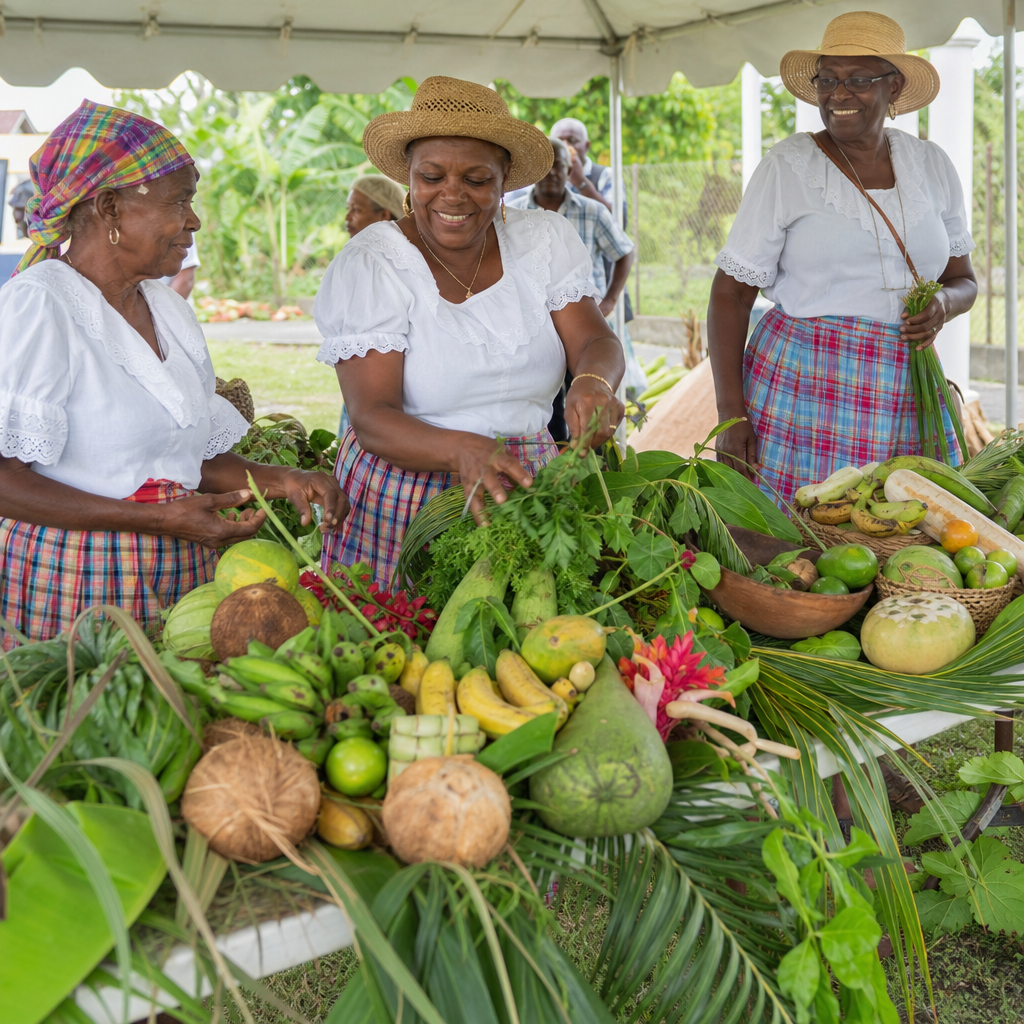
The second category is the ecological garden or forest-edge landscape. These spaces may include interpretive trails, native trees, medicinal plants, and looser planting schemes that support habitat value. In practice, they can feel more alive than manicured sites because birds and insects use them heavily. The third category is the productive tropical garden, common in private homes and village plots. Here, ornamentals sit alongside breadfruit, mango, banana, papaya, coconut, soursop, pigeon peas, herbs, and peppers. This mixed planting style reflects practical Caribbean horticulture: beauty, shade, food, and resilience in one compact area.
The fourth category is resort and public landscaping. Well-managed hotel grounds in Saint Kitts often function as informal botanical showcases, especially for visitors who may not seek out dedicated plant sites. I have found some of the island’s most instructive plant labeling not in museums, but in hospitality settings where gardeners maintain hibiscus hedges, ginger borders, dramatic philodendrons, and waterwise plantings adapted to guest traffic and coastal conditions. Public parks, roadside lookouts, and government grounds also contribute to the overall garden experience, particularly during flowering seasons.
Signature Plants That Define the Island’s Garden Character
Several plant groups repeatedly shape the visual identity of Saint Kitts. Palms create vertical structure, from coconut palms along the coast to ornamental species used in entrances and avenue plantings. Heliconias and gingers provide bold foliage and upright bracts in red, orange, and yellow, often thriving in wetter inland gardens. Hibiscus offers constant flower color and performs well as both hedge and specimen shrub. Bougainvillea, although not native, handles heat and dryness exceptionally well and adds intense magenta, white, or orange displays in sunnier locations.
Frangipani is one of the island’s most memorable flowering trees, valued for its sculptural branching form and fragrant blossoms. Crotons contribute patterned leaves in green, bronze, crimson, and gold, giving year-round color even when flowering is limited. Ferns, aroids, monstera, philodendron, and anthurium dominate shadier sites, especially where moisture remains high. Orchids appear in curated collections and private gardens, though they generally require more deliberate care than tougher landscape staples. Productive gardens often feature banana, plantain, breadfruit, tamarind, guava, passionfruit, and citrus, which add sensory depth and connect ornamental gardening to local food culture.
Native and naturalized species matter too. In stronger wildlife gardens, plant choices are not based only on appearance but on ecological function—nectar supply, host plant value, erosion control, and shade. This is where a knowledgeable guide or gardener adds real value, because the most important plant in a landscape is not always the most dramatic one.
Wildlife Benefits: Why Gardens Matter Beyond Aesthetics
Tropical gardens on Saint Kitts act as ecological stepping stones between larger habitat zones. On islands, fragmented landscapes can limit movement for pollinators, reptiles, and birds, so planted spaces become more important than many travelers realize. Flowering shrubs support butterflies, bees, and hummingbirds. Fruiting trees feed birds and occasionally bats. Dense hedges and layered plantings provide shelter for small species during heat and heavy rain. Even ponds, water features, and moist drainage edges can support dragonflies and amphibian activity where conditions allow.
One practical lesson from visiting gardens across the island is that biodiversity increases when design avoids excessive simplification. A lawn with a few palms looks tidy, but it offers far less habitat than a layered planting with canopy trees, shrub borders, flowering understory, and leaf litter zones. Gardeners who retain dead wood safely, reduce unnecessary pesticide use, and plant in succession create spaces that stay visually appealing while functioning as living habitat. This matters for nature tourism because many wildlife sightings happen in garden settings, not only on remote hikes.
| Garden feature | Primary wildlife benefit | Common Saint Kitts examples |
|---|---|---|
| Flowering shrubs | Nectar for pollinators | Hibiscus, ixora, allamanda |
| Fruiting trees | Food for birds and bats | Mango, guava, papaya, soursop |
| Layered planting | Shelter and nesting cover | Palms over crotons, ferns, gingers |
| Moist shaded beds | Cool microhabitats for insects and small fauna | Fern borders, aroids, mossy edges |
| Low-chemical maintenance | Healthier pollinator activity | Hand weeding, mulch, targeted pruning |
Best Ways to Experience Tropical Gardens on a Visit
The most rewarding approach is to combine formal sightseeing with slower observation. Start early. Morning visits offer cooler temperatures, better bird activity, and softer light for photography. If you are exploring heritage properties or accommodations with significant grounds, ask whether a gardener, naturalist, or grounds manager can provide a short walk-through. In my experience, ten minutes with someone who maintains the site can completely change what you notice, from how bromeliads capture water to why certain trees are placed as windbreaks.
Pair garden visits with nearby nature stops. A day might begin with a landscaped estate, continue with a rainforest trail, and end with coastal scenery where salt-tolerant plants dominate. This sequence helps visitors understand the island’s environmental gradients rather than treating each site as isolated. Travelers interested in photography should carry a macro-capable lens or use a phone with close-focus capability, since many of the most striking details are not large vistas but flower structures, leaf textures, seed pods, and visiting insects.
Weather awareness matters. The wetter months can make gardens especially lush, but paths may be slippery and mosquito activity may increase. Lightweight long sleeves, water-resistant footwear with grip, sun protection, and insect repellent are practical essentials. If you are visiting from a temperate climate, allow time to adjust your pace. Heat and humidity change how long you can comfortably explore, especially in sheltered inland gardens with less breeze.
Conservation, Maintenance, and the Challenges Gardens Face
Beautiful tropical gardens do not maintain themselves. On Saint Kitts, groundskeepers and home gardeners constantly manage fast growth, heavy rain events, dry spells, fungal pressure, wind damage, and the risk of invasive species overwhelming desirable plantings. Hurricanes and tropical storms are part of the long-term reality, so resilient design matters. Deep-rooted trees, proper drainage, selective pruning, and species choice all influence how a garden recovers after severe weather. The best landscapes are not the most fragile or overdesigned; they are the ones built to absorb stress.
Water management is another central issue. Although the island is green, rainfall can be seasonal and uneven. Mulching, compost improvement, shade planning, and irrigation efficiency all affect success. Chemical use requires caution as well. Overuse of broad-spectrum pesticides can reduce pollinator populations and create runoff concerns, especially near sensitive habitats. Sustainable tropical garden care increasingly relies on integrated pest management, sanitation pruning, resistant plant selection, and monitoring rather than reflexive spraying.
Conservation-minded visitors should also understand that plant tourism carries risk when people remove seeds, flowers, or cuttings. Respecting local rules protects both biodiversity and biosecurity. Many island ecosystems are vulnerable to imported pests and diseases, and even well-meaning movement of plant material can cause harm.
How This Hub Connects the Wider Miscellaneous Nature and Wildlife Topic
As a hub article, tropical gardens sit at the meeting point of several related subjects. They connect to birdwatching because nectar plants and fruiting trees draw visible species into accessible spaces. They connect to rainforest ecology because many cultivated ornamentals mimic or originate from humid forest structures. They connect to heritage travel because estate landscapes preserve centuries of land-use history. They connect to sustainable tourism because gardens are among the easiest places for visitors to learn how planting choices affect biodiversity, erosion, heat, and water use.
They also connect to the broader “miscellaneous” category in a practical editorial sense. Not every nature experience on Saint Kitts fits neatly into beach wildlife, mountain hiking, or marine ecology. Gardens bridge those categories. A single visit can reveal endemic context, introduced species, pollination relationships, agricultural traditions, and landscape design adapted to tropical weather. For readers building a complete understanding of the island, this is not a minor side topic. It is one of the clearest entry points into how nature and human settlement interact across Saint Kitts.
The tropical gardens of Saint Kitts are more than scenic stops; they are living summaries of the island itself. In one landscape, visitors can see volcanic fertility, Caribbean climate, colonial legacy, local food culture, ornamental horticulture, and wildlife support systems working together. That combination makes gardens one of the most efficient and rewarding ways to understand Saint Kitts under the wider nature and wildlife theme. Whether you are strolling a heritage property, observing hummingbirds around flowering shrubs, or studying how fruit trees anchor a family yard, each garden reveals a different layer of the island’s environmental story.
The key takeaway is simple: visit gardens here with attention, not just with a camera. Look for plant layers, ask about species names, notice which flowers attract insects, compare coastal and inland growth, and pay attention to how gardeners manage shade, water, and wind. Those details turn a pleasant walk into a meaningful nature experience. If you are planning a Saint Kitts itinerary or expanding a nature and wildlife content hub, put tropical gardens near the top of the list and use them as your starting point for exploring the island more deeply.
Frequently Asked Questions
What makes the tropical gardens of Saint Kitts so distinctive?
The tropical gardens of Saint Kitts stand out because they reflect the island’s extraordinary environmental variety in a relatively compact setting. Visitors are not looking at a single style of garden, but rather a living mosaic shaped by volcanic slopes, humid rainforest valleys, breezy coastal areas, fertile soils, and a warm Caribbean climate. This combination allows an impressive range of tropical plant life to thrive, from palms, orchids, and heliconias to gingers, ferns, fruit trees, and flowering shrubs that bloom with vivid color throughout much of the year.
What also makes Saint Kitts distinctive is the way cultivated landscapes are woven into the island’s natural and cultural history. Some gardens are associated with former estate houses and heritage properties, where ornamental plantings, old stonework, and carefully designed grounds create a sense of elegance and continuity. Others feel more organic and immersive, blending seamlessly into forested hillsides and natural habitats. In many places, the transition from formal garden to wild tropical vegetation happens almost effortlessly, giving visitors a sense that nature is not confined to a single plot of land but is present across the entire island experience.
Another defining feature is biodiversity. Because Saint Kitts includes mountain environments, wetlands, and lower-elevation coastal zones, garden spaces often attract birds, butterflies, and beneficial pollinators. This means a garden visit is rarely just about flowers. It is also about sound, movement, fragrance, and atmosphere: the call of birds from nearby trees, the rustle of palm fronds in trade winds, and the scent of damp earth after seasonal rain. Altogether, the tropical gardens of Saint Kitts offer a richer, more layered experience than many travelers expect, combining horticultural beauty with ecological depth and island character.
What kinds of plants and landscapes can visitors expect to see in Saint Kitts tropical gardens?
Visitors can expect a lush and varied plant palette that reflects the classic structure of tropical horticulture while also showcasing species adapted to the island’s local conditions. Common sights include stately palms, dramatic heliconias, brightly colored ginger blooms, delicate orchids, broad-leaved tropical shrubs, climbing vines, and layers of ferns in shaded areas. Fruit-bearing plants are also a major part of the landscape, with species such as mango, breadfruit, banana, and citrus often appearing alongside ornamental plantings. This creates gardens that are both visually striking and deeply rooted in Caribbean daily life.
The landscapes themselves are equally diverse. In one setting, visitors may find formal grounds laid out around heritage estates, with pathways, trimmed borders, and carefully placed flowering beds that emphasize symmetry and design. In another, the setting may feel more like a botanical retreat, with winding trails, shaded groves, water features, and dense clusters of tropical foliage arranged to highlight texture, height, and seasonal color. Elsewhere, gardens may transition into natural rainforest edges or overlook coastal areas, giving visitors views that combine cultivated beauty with the island’s larger scenery.
One of the most rewarding aspects of these gardens is the layering effect. Tropical landscapes are rarely flat or simple. Instead, they are built in vertical and visual tiers, with canopy trees above, palms and flowering shrubs at mid-level, and ferns, groundcovers, and smaller ornamentals below. This creates a sense of fullness and abundance that feels immersive rather than decorative. For travelers interested in photography, botany, or simply the sensory pleasure of being surrounded by vibrant plant life, Saint Kitts offers a garden experience that is both diverse and memorable.
When is the best time to visit tropical gardens in Saint Kitts?
Saint Kitts can be enjoyed year-round, but the best time to visit tropical gardens often depends on what kind of experience travelers want most. In general, the island’s warm climate supports lush growth across all seasons, so visitors will usually find gardens green and attractive whenever they arrive. The wetter parts of the year often intensify that sense of abundance, with foliage appearing especially rich and vigorous, and flowering plants benefiting from seasonal rainfall. For visitors who want to see the gardens at their most luxuriant, periods following rain can be particularly rewarding.
That said, many travelers prefer to visit during drier, sunnier months, when walking conditions are more comfortable and paths are easier to navigate. During these times, garden exploration can be combined more easily with other island activities such as sightseeing, coastal excursions, and heritage tours. Morning visits are often ideal regardless of season, because temperatures are gentler, light is excellent for photography, and many gardens feel freshest in the early hours before the day’s heat builds.
It is also important to remember that tropical gardens are dynamic, not static. Different plants peak at different times, and rainfall, sunlight, and elevation all influence what is in bloom. A garden at a higher, cooler location may feel quite different from one closer to the coast. For that reason, there is rarely a single “perfect” month. Instead, the best time is often the one that aligns with a visitor’s interests, whether that means vivid flowering displays, easy walking weather, birdwatching opportunities, or the fullest expression of tropical greenery after seasonal rains.
Are Saint Kitts tropical gardens only for plant enthusiasts, or are they suitable for all travelers?
Saint Kitts tropical gardens are suitable for a wide range of travelers, not just dedicated gardeners or botanists. While plant enthusiasts will certainly appreciate the diversity of species, the arrangement of tropical plant communities, and the interaction between cultivated and native environments, casual visitors can enjoy these spaces just as deeply. The appeal extends well beyond technical horticulture. Gardens in Saint Kitts are scenic, relaxing, and often tied to broader experiences such as island history, architecture, panoramic viewpoints, birdlife, and Caribbean culture.
For couples, garden visits can be especially appealing because they offer peaceful surroundings and a strong sense of place. For families, they provide a chance to explore nature in an accessible and visually engaging way, often with opportunities to spot birds, butterflies, and fruiting trees along the path. For photographers, the combination of tropical color, changing light, dramatic foliage, and heritage backdrops creates exceptional visual material. Even travelers who would not normally seek out a botanical destination often find themselves drawn in by the atmosphere, fragrance, and contrast between cool shaded paths and bright open clearings.
These gardens also work well as part of a broader itinerary. A visit can complement hikes, coastal drives, historical tours, or cultural outings, giving travelers a slower and more reflective way to experience the island. In that sense, tropical gardens in Saint Kitts are not niche attractions. They are one of the most accessible ways to understand how geography, climate, and history come together on the island. Whether someone arrives with expert plant knowledge or simple curiosity, the experience is likely to feel rewarding, immersive, and memorable.
How can visitors make the most of a trip to the tropical gardens of Saint Kitts?
To make the most of a visit, travelers should approach Saint Kitts tropical gardens with both practical preparation and a willingness to slow down. Comfortable walking shoes are important, especially because garden paths may include stone surfaces, gentle slopes, or damp areas after rain. Lightweight clothing, sun protection, insect repellent, and a reusable water bottle are also wise choices in a tropical climate. Since weather can shift quickly, especially near greener and more elevated areas, carrying a light rain layer can be useful even on a bright day.
It also helps to visit with attention rather than rushing from one highlight to the next. Tropical gardens reveal themselves through detail: the texture of palm trunks, the structure of orchid blooms, the dramatic shapes of heliconias, the changing sounds of insects and birds, and the way moisture and light transform color throughout the day. Taking time to read plant labels, ask guides or staff questions, and observe how different species are grouped can greatly enrich the experience. Visitors who enjoy photography should aim for early morning or late afternoon, when the light is softer and the gardens often appear at their most atmospheric.
Finally, the best visits connect the gardens to the island as a whole. Travelers should think of these spaces not as isolated attractions, but as windows into Saint Kitts itself. The gardens reflect the island’s volcanic soils, rainfall patterns, colonial-era landscapes, and tropical biodiversity. Pairing a garden visit with a heritage site, scenic drive, or rainforest excursion can create a fuller understanding of why Saint Kitts is often described as a natural paradise. In practical terms, the ideal approach is simple: come prepared, move slowly, stay observant, and let the landscape tell its story.