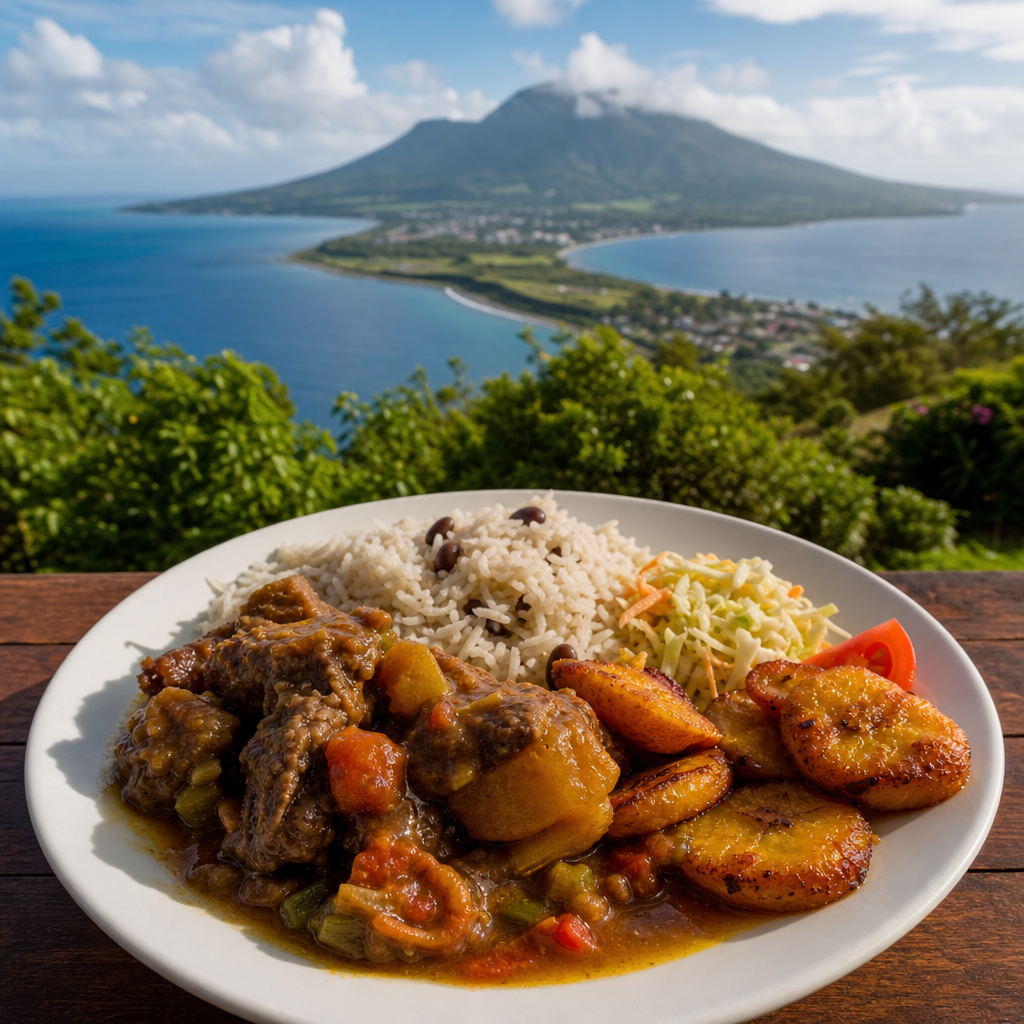
Nevisian cuisine tells the story of a small Caribbean island through ingredients, memory, trade, and survival. More than a collection of recipes, it is a living record of African heritage, Indigenous knowledge, European colonial influence, and practical island resourcefulness. When people ask what defines food in Nevis, the direct answer is this: local cooking is built on fresh seafood, ground provisions, tropical fruit, coconut, spices, and techniques shaped by centuries of cultural exchange. I have found that understanding Nevisian cuisine requires looking beyond restaurant menus and into village kitchens, fishing beaches, market stalls, family celebrations, and the agricultural rhythms that still shape daily life.
Nevis, part of the Federation of Saint Kitts and Nevis, has long depended on what its land and sea could provide. Key terms matter here. “Ground provisions” refers to staple starchy crops such as yam, sweet potato, cassava, tannia, and eddoe. “Saltfish” usually means preserved cod, imported historically through Atlantic trade networks and adapted into local dishes. “Provisioning” describes the practical work of securing daily food through farming, fishing, preserving, and trading. These terms are central because Nevisian food developed in response to geography, plantation economics, and the need to feed families reliably in a hurricane-prone island environment.
This subject matters because cuisine is one of the clearest ways to read Nevisian history. Sugar once dominated the island’s economy, but ordinary people built their diets from smaller plots, shared labor, and inherited foodways. Today, traditional dishes connect residents and the diaspora to identity, while also supporting tourism, local agriculture, and cultural preservation. A hub article on Nevisian cuisine must therefore cover not only famous dishes, but also ingredients, techniques, festive foods, health shifts, and the broader cultural meaning of eating on Nevis. Together, these threads show how food preserves the island’s past while adapting to modern tastes and economic realities.
Historical Roots of Nevisian Food
The foundations of Nevisian cuisine were laid long before modern nationhood. Indigenous Caribbean peoples understood local fishing grounds, edible plants, cassava processing, and seasonal harvesting. Some of that ecological knowledge shaped later food use, especially in root crops and coastal gathering. Colonial settlement then transformed the island. With sugar plantations came land concentration, enslaved African labor, imported food systems, and strict inequalities in who controlled fertile acreage. Yet plantation control never fully erased African culinary practice. Enslaved people carried cooking methods, seasoning patterns, one-pot logic, and a culture of making nourishing meals from limited ingredients. In practice, that meant stews, soups, pottages, and dishes combining starch with greens, legumes, and scraps of meat or fish.
After emancipation in 1834, food remained tied to survival and autonomy. Families cultivated provision grounds, raised small livestock, and sold produce in local markets. Breadfruit, mangoes, coconuts, pigeon peas, pumpkin, and plantains became everyday assets, not novelties. Imported flour, rice, salted meats, and cod also entered regular use because they stored well and fit island trade routes. This dual system, local abundance alongside strategic imports, still defines the Nevisian table. The result is a cuisine that is neither purely African nor European nor pan-Caribbean, but distinctly Nevisian in its balance of practicality, seasonality, and flavor concentration.
Core Ingredients and Everyday Flavors
Ask what people in Nevis cook most often, and the answer starts with ingredients rather than named dishes. Ground provisions remain essential because they are filling, versatile, and resilient crops. Yam can be boiled, roasted, or paired with saltfish. Sweet potato appears at breakfast or dinner. Cassava is used for breads, puddings, and dense starches that hold up well in stewed meals. Breadfruit, when in season, is roasted over open flame, boiled, or fried. These staples are the backbone of everyday eating because they stretch meals and pair naturally with fish, chicken, mutton, or vegetable stews.
Seafood is equally important. Nevisian cooks use snapper, mahi-mahi, kingfish, lobster, conch where available, and smaller local catches depending on season and weather. Fresh fish is often seasoned simply with lime, garlic, thyme, scallion, black pepper, and hot pepper before frying or stewing. Coconut adds richness to rice, dumplings, and desserts. Herbs such as thyme, parsley, and chive build aroma without obscuring the main ingredient. Scotch bonnet or other hot peppers bring heat, but not always aggressive spice; in experienced hands, pepper sharpens flavor rather than overwhelming it. Brown sugar, molasses, cinnamon, nutmeg, and cloves reflect both regional growing conditions and the historical sugar economy that shaped island life.
Signature Dishes and What They Reveal
Several dishes work as direct expressions of Nevisian culinary identity. Goat water is the most famous. Despite the name, it is not thin broth but a deeply seasoned goat stew, often thickened and layered with bread, flour dumplings, herbs, onion, and pepper. Served at community gatherings, casual eateries, and festive events, goat water demonstrates a classic island principle: transform a modest ingredient into a bold, sustaining meal through slow cooking and spice balance. Saltfish with provisions is another defining plate, linking imported preserved fish to local starch crops and breakfast culture. It reflects the historical importance of durable ingredients before refrigeration became universal.
Stewed chicken, pelau-style rice dishes, fish broth, conch preparations, black pudding, and coconut-based sweets also hold cultural weight. Johnny cakes and coconut dumplings appear alongside breakfast dishes or soups. Ginger beer, sorrel drink, and mauby carry medicinal, festive, and social associations. During my work reviewing Caribbean food traditions, I have repeatedly seen that the most meaningful dishes are not always the ones marketed to visitors. On Nevis, simple combinations, fried fish and breadfruit, pumpkin soup with dumplings, saltfish and boil-up, often reveal more about local life than formal restaurant plating. They show how taste, economy, and family habit shape cuisine more powerfully than trend.
Cooking Methods, Preservation, and Kitchen Practice
Nevisian cuisine depends as much on method as on ingredients. Boiling, stewing, frying, roasting, and baking each suit island conditions differently. Stewing remains fundamental because it tenderizes tougher cuts, blends seasonings fully, and allows one pot to feed many people. Roasting breadfruit over charcoal or an open flame creates a smoky exterior and creamy interior that no oven reproduces exactly. Frying fish is common because it is fast, reliable, and ideal for fresh catch. Soups and broths make efficient use of bones, provisions, and greens while creating complete meals with little waste.
Preservation has long influenced flavor. Salting and drying fish allowed imported cod to become an everyday ingredient. Pickling peppers and vegetables extended shelf life. Jams, guava cheese, and fruit preserves captured seasonal abundance. Coconut could be grated and pressed into milk for immediate cooking, while sugar and spices helped stabilize desserts. Traditional kitchens also depended on sensory judgment rather than exact measurements. Many experienced Nevisian cooks season “to eye” and adjust with taste, smell, and texture at each stage. That practical expertise matters because Caribbean cooking is often misread as informal when it is actually highly skilled, relying on memory, repetition, and control developed over years.
Food, Festivals, and Social Life
Food on Nevis is inseparable from community life. Weddings, funerals, church events, village celebrations, and holiday gatherings all have expected dishes, quantities, and rhythms of serving. Christmas brings black cake, ginger beer, sorrel, ham, and more elaborate meals. Culturama, the island’s major cultural festival, creates a public stage for local specialties, street foods, and heritage cooking. In these settings, food functions as social glue. Large pots of goat water or soup are not just efficient; they invite sharing, storytelling, and intergenerational exchange. Recipes are often transmitted orally in these moments, through observation and participation rather than formal instruction.
Hospitality also shapes the cuisine. A guest is rarely offered only one item. There may be fish, provisions, rice, salad, chutney, pepper sauce, and a homemade drink, even in modest households. This generosity reflects a broader Caribbean ethic of abundance through sharing, not necessarily wealth. At the same time, social life influences what survives. Dishes regularly served at gatherings remain culturally visible, while labor-intensive preparations decline if younger cooks do not learn them. That is why community events, school programs, and heritage food demonstrations are important for preservation. They keep techniques alive in public memory and support local producers who supply traditional ingredients.
Local Ingredients and Typical Uses
| Ingredient | Common Use in Nevis | Cultural Significance |
|---|---|---|
| Breadfruit | Roasted, boiled, fried, paired with fish | Reliable seasonal starch with strong village and family associations |
| Saltfish | Sautéed with onion, pepper, and provisions | Historic trade import adapted into local breakfast and dinner dishes |
| Goat | Stewed in goat water with herbs and dumplings | Celebration food and marker of communal cooking traditions |
| Coconut | Milk for rice, sweets, dumplings, and drinks | Links savory and dessert traditions across generations |
| Yam and sweet potato | Boiled, mashed, served with fish or meat | Classic ground provisions central to everyday nourishment |
| Mango and guava | Fresh eating, jams, juices, desserts | Seasonal abundance and home preservation culture |
Tourism, Modern Change, and Preservation Challenges
Modern Nevisian cuisine exists in conversation with tourism, migration, and health awareness. Hotels and high-end restaurants often showcase lobster, grilled fish, tropical sauces, and polished versions of traditional sides. That visibility helps local food gain recognition, but it can also flatten the cuisine into a narrow set of visitor-friendly dishes. The deeper food culture still lives in cookshops, roadside vendors, family homes, and community events where portions are larger, seasoning is bolder, and menus follow local habits rather than visitor expectations. Diaspora connections also matter. Nevisians abroad preserve recipes, import spices, and return with new influences, creating a two-way exchange between tradition and adaptation.
There are real challenges. Imported processed foods are widely available and often cheaper or faster than preparing traditional meals from scratch. Younger generations may know fewer techniques for cassava processing, preserving fruit, or making certain festival foods. Climate pressures, fluctuating fish stocks, and dependence on imports can affect availability. Yet there are also reasons for confidence. Interest in farm-to-table cooking, Caribbean heritage cuisine, and food tourism has renewed attention to local ingredients. When chefs, historians, farmers, and home cooks work together, Nevisian cuisine becomes more than nostalgia. It becomes a practical development asset, supporting agriculture, strengthening cultural identity, and giving the island a distinct voice within Caribbean food history.
Nevisian cuisine is best understood as a historical archive you can taste. Its staples, goat, fish, provisions, coconut, tropical fruit, and preserved imports, reveal how islanders adapted to colonial rule, emancipation, limited land, migration, and modern tourism without losing culinary character. The cuisine’s strength lies in balance: local and imported, everyday and ceremonial, humble and deeply skilled. Dishes such as goat water, saltfish with provisions, roasted breadfruit, and coconut sweets endure because they solve practical needs while carrying memory, pride, and social meaning.
For anyone exploring Nevis under the broader theme of culture and history, food is the most direct entry point. It connects agriculture, labor, religion, trade, festivals, family structure, and national identity in one subject. It also serves as a hub for related topics, from sugar plantations and village life to fishing traditions, herbal drinks, and holiday customs. If you want to understand Nevis more completely, start with what people cook, serve, preserve, and share. Then follow those dishes into the island’s farms, markets, archives, and celebrations.
The key takeaway is simple: Nevisian cuisine is not miscellaneous at all. It is a central cultural system that explains how the island remembers its past and navigates change. Use this hub as a starting point, then explore individual dishes, ingredients, and festivals in greater depth to see how every meal on Nevis carries history forward.
Frequently Asked Questions
What makes Nevisian cuisine historically unique in the Caribbean?
Nevisian cuisine is historically unique because it reflects the layered story of a small island shaped by migration, colonialism, trade, and everyday survival. Its food traditions were not formed by one single culture, but by the meeting of several: Indigenous Caribbean knowledge of local plants and fishing grounds, African cooking practices and foodways carried through enslavement, and European colonial influences that introduced new ingredients, livestock, and agricultural systems. Over time, these influences blended into a cuisine that is practical, flavorful, and deeply tied to the land and sea.
What distinguishes Nevis in particular is the scale and intimacy of island life. On a small island, food has always depended on what could be grown nearby, caught offshore, preserved sensibly, and shared within families and communities. Ground provisions such as yam, sweet potato, dasheen, and cassava became staples because they were reliable and filling. Fish and shellfish were central because coastal access made seafood an everyday source of protein. Coconut, tropical fruit, herbs, and local seasonings added richness and character. As a result, Nevisian cuisine developed as a cuisine of adaptation and memory, where each dish carries traces of history while remaining rooted in island resourcefulness.
Which ingredients are most important in traditional Nevisian cooking?
Traditional Nevisian cooking is built around a core group of ingredients that reflect the island’s geography and agricultural traditions. Fresh seafood is one of the most important foundations, including fish, lobster, conch, and other coastal catches that have long supplied homes and village kitchens. Ground provisions are equally essential. Yam, sweet potato, cassava, eddoes, and dasheen have provided substance and nourishment for generations, especially in meals designed to be hearty, affordable, and sustaining.
Coconut is another defining ingredient, used in multiple forms to add flavor, richness, and texture. It appears in stews, sweets, drinks, and baked preparations, linking savory and sweet traditions across the island. Tropical fruits such as mango, guava, tamarind, sugar apple, pawpaw, and banana also play a major role, whether eaten fresh, turned into preserves, or used in juices and desserts. Alongside these are peppers, thyme, scallion, onion, ginger, and other seasonings that give Nevisian food its recognizable depth. These ingredients matter not just because they taste good, but because they represent the practical logic of island cooking: using what grows well locally, what stores reasonably, and what has long been available to ordinary people.
How did African, Indigenous, and European influences shape Nevisian food?
Nevisian cuisine was shaped through cultural exchange, but also through unequal and often painful historical conditions. Indigenous communities contributed early knowledge of local crops, edible plants, and marine environments, offering an understanding of what the island could sustain. African influence is especially profound and remains central to the identity of Nevisian food. Enslaved Africans brought agricultural knowledge, cooking techniques, seasoning traditions, and ways of making deeply satisfying meals from limited ingredients. Their legacy can be seen in the use of one-pot dishes, starchy staples, greens, slow-cooked preparations, and the skill of creating bold flavor from what was available.
European colonial influence introduced or expanded the use of ingredients tied to plantation economies, imported goods, and changing food habits. Salted meats, certain baking traditions, livestock products, and elements of British-style dining entered the culinary landscape over time. Yet Nevisian cuisine did not simply copy European food. Instead, local cooks transformed outside influences to suit island realities, combining imported elements with local produce, seafood, and African-descended cooking knowledge. That is why Nevisian food feels so culturally rich: it is not a single inherited system, but a living cuisine built through resistance, adaptation, and creative blending across centuries.
What are some traditional Nevisian dishes that reflect the island’s culture?
Traditional Nevisian dishes often reflect the values of nourishment, community, and making the most of local ingredients. Seafood preparations are among the clearest examples, especially dishes centered on freshly caught fish, lobster, or conch. These are often seasoned with herbs, pepper, onion, and other local flavorings, then grilled, stewed, or fried in ways that preserve the freshness of the catch. Ground provision-based meals are also culturally significant, since they connect directly to the island’s farming traditions and to the long history of practical cooking under limited conditions.
Hearty soups, stews, rice dishes, saltfish preparations, and coconut-based recipes also reveal the island’s culinary identity. Such dishes show how Nevisian cooks balance flavor with function, creating meals that are filling, flexible, and rooted in seasonal availability. Sweets and baked items made with coconut, sugar, fruit, and spices further reflect the island’s historical ties to plantation agriculture while also highlighting local creativity. What makes these dishes culturally important is not only their ingredients, but the context in which they are made: family gatherings, village celebrations, Sunday meals, festive occasions, and everyday home cooking. In Nevis, traditional dishes are part of a shared memory, carrying stories of labor, resilience, hospitality, and pride.
Why is Nevisian cuisine considered a living record of culture and memory?
Nevisian cuisine is considered a living record of culture and memory because food on the island preserves history in a direct, everyday form. Recipes, ingredient choices, preparation methods, and meal patterns often pass from one generation to the next through practice rather than formal documentation. A dish may carry the memory of a grandparent’s kitchen, a fishing tradition, a village celebration, or a period when families relied heavily on what they could grow, catch, barter, or preserve. In that way, cooking becomes more than nourishment; it becomes an archive of lived experience.
This is especially important in a place like Nevis, where identity has been shaped by both continuity and change. Even as tourism, globalization, and imported foods affect eating habits, many traditional ingredients and techniques still anchor people to place. The use of local fish, ground provisions, coconut, tropical fruit, and hand-built seasoning traditions keeps the cuisine connected to the island’s past. At the same time, Nevisian food remains alive because it continues to evolve. Families adjust old recipes, younger cooks reinterpret classics, and communities preserve familiar flavors while responding to new realities. That balance between inheritance and adaptation is exactly what makes Nevisian cuisine such a powerful cultural record: it remembers the past while still feeding the present.