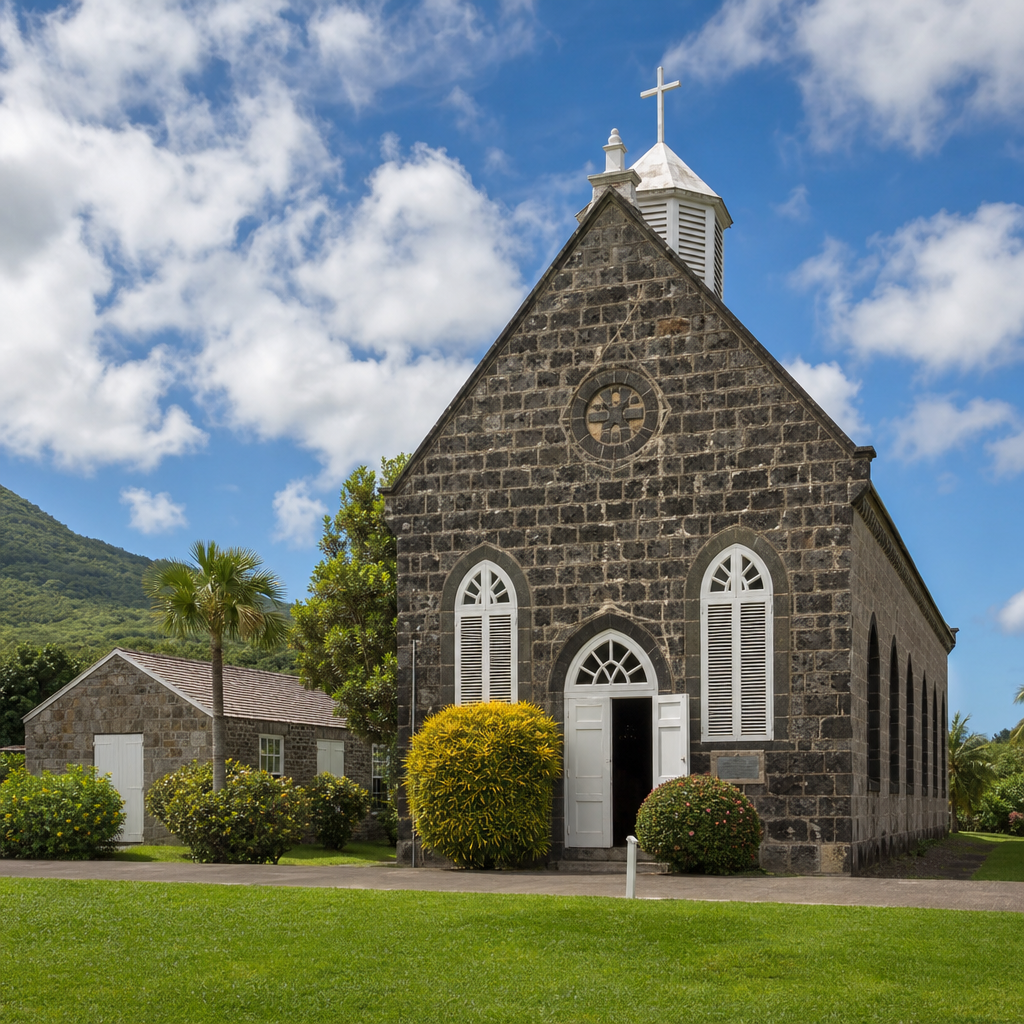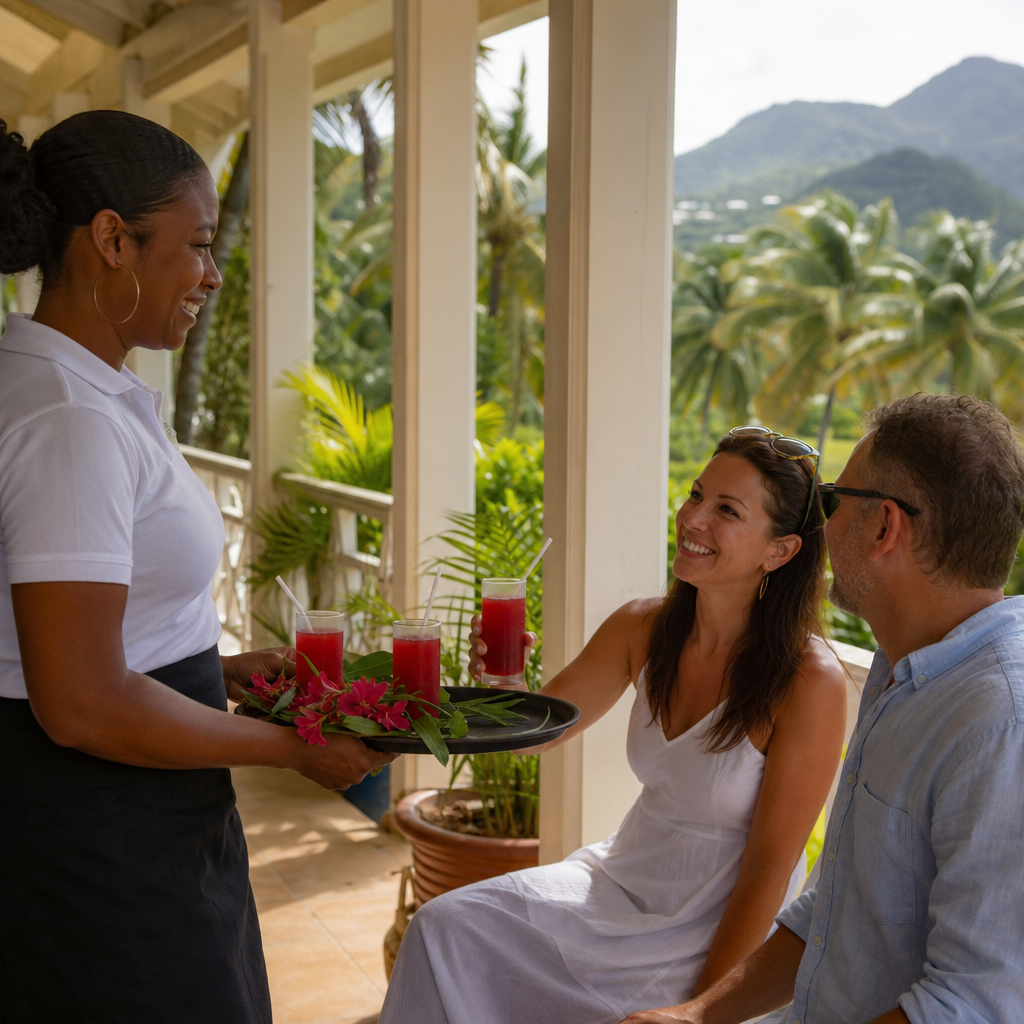
Nevisian hospitality is more than good service; it is a social ethic shaped by kinship, memory, and the rhythms of a small Caribbean island where people still greet one another by name. On Nevis, warmth is not a marketing slogan attached to hotel brochures. It is the lived habit of making room for visitors while keeping local identity intact, whether that happens on the veranda of a family guesthouse, at a beach bar in Pinney’s, in Charlestown’s shops, or during a village event where strangers are quickly treated like returning friends.
For travelers exploring local life and experiences, this matters because hospitality influences almost every encounter. It determines how easy it is to ask for directions, how confidently you can try local food, how quickly a taxi ride turns into a conversation about history, and how likely you are to leave with a deeper understanding of the island rather than a checklist of sights. In practical terms, Nevisian hospitality connects tourism to everyday life. It is the bridge between the visitor economy and the community that sustains it.
The term Nevisian hospitality includes both formal and informal dimensions. Formally, it appears in hotels, villas, restaurants, tour operations, transport services, and heritage attractions. Informally, it appears in the ordinary courtesies that make a place feel open: a shopkeeper offering guidance, a server remembering your preferences, a neighbor explaining local customs, or a vendor taking time to tell you where the fish came from that morning. Having worked around Caribbean travel content and island destination research, I have found that Nevis stands out because these interactions feel proportionate, calm, and genuine rather than performative.
As a hub topic under local life and experiences, this subject also reaches beyond accommodations and customer service. It includes etiquette, community values, food culture, seasonal events, church and family traditions, market interactions, transport norms, and the subtle expectations that shape respectful travel. Understanding these elements helps visitors move well through the island and gives returning travelers a framework for discovering more. If you want to understand Nevis, start with how people welcome, host, feed, guide, and remember one another. That is where the island’s character becomes visible.
What Makes Nevisian Hospitality Distinct
Nevisian hospitality feels distinct because the island is small enough for relationships to remain central. Nevis covers about 36 square miles, and that scale changes how service works. Staff members often know one another across properties, taxi drivers may know the family that runs your inn, and recommendations are usually based on real familiarity, not generic scripts. In larger destinations, the visitor experience can become transactional. On Nevis, it is still relational. People are not simply serving a market segment; they are receiving guests into a place where community reputation matters.
History also shapes the tone of welcome. Nevis has a long record of plantation-era wealth, colonial conflict, emancipation, village resilience, migration, and reinvention through tourism. That history produced a culture with strong pride and careful social reading. Visitors are often met warmly, but warmth is paired with dignity. The island’s best hospitality does not feel exaggerated or submissive. It feels balanced: attentive without pressure, friendly without intrusion, and confident enough not to oversell itself. That balance is one reason many travelers describe Nevis as refined, unhurried, and deeply personal.
Another defining trait is continuity between luxury travel and local life. Nevis is known for high-end stays such as Four Seasons Resort Nevis, yet the island’s hospitality identity is not limited to luxury infrastructure. You see the same patterns in smaller inns, beach shacks, heritage sites, village cookups, and roadside interactions. A server in a fine-dining restaurant may discuss local ingredients with the same grounded ease you hear from someone grilling lobster at a simpler seaside spot. The quality marker is not formality alone. It is sincerity, attention, and a willingness to engage.
Where Visitors Experience It Most Clearly
Most visitors first notice Nevisian hospitality in accommodations, but the strongest impressions often come from ordinary movement across the island. Hotels and inns set the tone through front-desk welcome, housekeeping standards, concierge guidance, and restaurant service. On Nevis, the difference is that recommendations often reflect local knowledge. Instead of pushing only the most visible attractions, good hosts might direct guests to a family-run lunch spot, a quieter bathing beach, a church fair, or a scenic road better taken near sunset. That level of specificity shows genuine investment in the guest experience.
Taxis provide another clear example. Because public transport can be limited for many travelers’ schedules, taxi drivers often become informal cultural interpreters. A short airport transfer can turn into a lesson on parish geography, cricket loyalties, village surnames, or how the island changed after major storms. The best drivers do more than move passengers; they contextualize the landscape. This is especially useful on a destination where heritage sites, beaches, and dining areas are spread across a compact but varied road network.
Restaurants and beach bars reveal hospitality in a different way. Service on Nevis is rarely built around speed alone. It is more often built around attentiveness, memory, and conversation. At popular spots in Pinney’s Beach, Oualie, or around Charlestown, staff may explain the day’s catch, suggest how local pepper sauces differ, or tell you which evenings draw local crowds rather than only visitors. That information improves the meal and gives social context. For many travelers, those conversations become more memorable than the menu itself.
Heritage attractions and community spaces matter too. At places tied to Alexander Hamilton, plantation history, artisan traditions, or village life, interpretation often depends on local guides, attendants, and residents willing to narrate beyond the signage. When hospitality is strong, heritage stops become dialogues rather than static displays. Visitors leave not only with facts, but with a sense of how Nevisians relate to their own past in the present.
Customs, Etiquette, and the Social Rules Behind the Warmth
To experience Nevisian hospitality fully, visitors should understand a few social norms. Greeting people matters. On Nevis, as across much of the Caribbean, it is polite to say good morning, good afternoon, or good evening before launching into a question or request. Ignoring this can seem abrupt. Modest courtesy goes a long way in shops, on roadsides, and when entering shared spaces. The island’s warmth is often reciprocal: people respond well when visitors show awareness that they are entering a community, not just consuming a destination.
Dress and comportment also communicate respect. Beachwear belongs at the beach or pool, not everywhere else. In town, at churches, and at some local businesses, more covered clothing is appropriate. Speech tone matters too. Nevis is relaxed, but not careless about manners. Loud entitlement stands out quickly. Travelers who are patient, ask before photographing people, and listen more than they perform usually receive the best of local generosity.
Timing deserves mention. Island time is real, but it should not be misunderstood as disorganization. Many operations run efficiently, yet the pace of interaction may be more human and less rushed than visitors from major cities expect. Meals may unfold gradually, conversations may take precedence over script, and personal relationships may shape service in visible ways. That is part of the experience, not a flaw to be corrected. The tradeoff is simple: if you arrive needing constant urgency, you may miss what makes the island appealing.
| Situation | Best Practice | Why It Matters |
|---|---|---|
| Entering a shop or office | Greet first before asking for help | Shows basic respect and fits local social norms |
| Dining out | Ask about local specials and ingredients | Opens conversation and supports more authentic choices |
| Taking photos | Request permission when people are identifiable | Protects privacy and builds trust |
| Using taxis or guides | Ask questions about the island, not just logistics | Encourages richer exchange and local insight |
| Attending events | Observe first, follow cues, participate respectfully | Helps visitors fit into community spaces without intrusion |
Food, Festivals, and Everyday Encounters
Food is one of the clearest carriers of Nevisian hospitality because meals are where welcome becomes tangible. A plate of goat water, grilled fish, johnny cakes, coconut dumplings, or seasoned rice is never just nourishment. It carries family method, ingredient knowledge, and local pride. On Nevis, cooks often explain where produce was grown, which fisherman landed the catch, or why one household seasons differently from another. Those details turn dining into cultural orientation. They also help visitors distinguish between generic Caribbean branding and specifically Nevisian practice.
Community events deepen that experience. Culturama, Nevis’s signature cultural festival, is the most visible example. It showcases music, pageantry, folklore, and performance while drawing locals at home and abroad into shared celebration. But smaller events matter just as much: church dinners, village fundraisers, live music nights, cricket gatherings, and holiday observances. These settings show hospitality in collective form. Visitors are not simply being entertained; they are being allowed near the social fabric of the island. That access should be treated as a privilege.
Markets and roadside stops create some of the most instructive encounters. Buying mangoes, tamarind balls, baked goods, or fresh juices can lead to practical advice about ripeness, seasonality, and local preference. In these moments, hospitality is conversational and educational. It does not rely on polished branding. It relies on people taking time with one another. For travelers who want a stronger grasp of local life, these small exchanges are often more valuable than scheduled excursions.
The Role of Hospitality in the Visitor Economy
Nevisian hospitality is not only cultural; it is economically important. Tourism supports accommodations, food service, transport, retail, construction, agriculture, marine trades, and creative work across the island. Because Nevis competes globally with larger Caribbean destinations that have more flights, bigger inventories, and heavier marketing budgets, service quality becomes a strategic advantage. The island cannot outscale every competitor, but it can outperform many in intimacy, repeat visitation, and word-of-mouth reputation.
That reputation has practical effects. Travelers who feel genuinely welcomed stay longer, spend more broadly, and are more likely to return. They also tend to disperse their spending beyond resorts into taxis, independent restaurants, local shops, boat charters, heritage fees, and artisanal purchases. In destination management terms, hospitality helps circulate value through the wider economy. It also softens common tourism friction points, such as transport delays or weather disruptions, because guests who trust local people are more patient when plans change.
There are limits, and they should be acknowledged. Hospitality cannot substitute for infrastructure, workforce training, or fair economic distribution. If roads need maintenance, if small businesses face supply constraints, or if workers are priced out by development pressures, goodwill alone is not enough. The most resilient visitor economies combine cultural warmth with professional standards, reliable utilities, clear communication, and opportunities for local ownership. Nevis works best when its human strengths are reinforced by smart planning rather than used to mask structural gaps.
How to Experience Nevisian Hospitality Respectfully
The best way to experience Nevisian hospitality is to slow down and participate with intention. Choose at least one locally owned accommodation, dining venue, or activity provider during your stay. Ask informed questions. Learn a few place names beyond your resort. Visit Charlestown on foot. Try a dish you do not already know. If a driver, server, or guide shares history, listen carefully and respond with curiosity. These choices make the island more legible and make your presence more reciprocal.
Spending patterns matter. Supporting local businesses keeps more visitor revenue on the island and strengthens the very social ecosystems that produce meaningful hospitality. So does tipping fairly when service warrants it, being clear and polite in requests, and honoring reservations and agreed times. Respect for labor is part of respectful travel. On small islands, word travels quickly, and both generosity and discourtesy leave traces.
Finally, leave room for serendipity. Not every important Nevis experience appears in an itinerary. Some arise from being open to conversation after breakfast, accepting a recommendation for an unplanned lunch stop, or attending a local event because someone invited you. That is the practical reward of Nevisian hospitality: it turns travel from observation into relationship. If you want to understand local life on Nevis, use this hub as a starting point, then follow the people, places, and everyday rituals that make the island’s warmth real.
Frequently Asked Questions
What makes Nevisian hospitality different from standard tourist service?
Nevisian hospitality stands apart because it is rooted in everyday culture rather than scripted customer service. On Nevis, warmth is not simply something offered in exchange for a booking, a meal, or a tip. It comes from a social tradition shaped by family ties, community memory, and the close-knit rhythms of island life. People often greet one another by name, ask after relatives, and make space for conversation in ways that feel natural rather than staged. For visitors, this can be surprisingly meaningful because the welcome feels personal, not performative.
That difference is especially clear in the settings where visitors spend time. In a family guesthouse, a host may share local advice that goes far beyond a standard itinerary. In Charlestown, a shopkeeper may take time to explain a product, a custom, or a bit of island history. At Pinney’s Beach, a casual exchange at a beach bar can turn into a genuine conversation about food, music, village life, or the best time to attend a local event. These interactions reflect a social ethic of openness and dignity, where visitors are welcomed without requiring locals to set aside their own identity.
In practical terms, Nevisian hospitality feels warmer because it is woven into life on the island. It values respect, ease, and human connection. The experience is less about polished formality and more about being received with sincerity. That is why many travelers leave with the feeling that they were not merely accommodated on Nevis, but truly welcomed into its social atmosphere.
How does local culture shape the way visitors are welcomed on Nevis?
Local culture shapes hospitality on Nevis in deep and visible ways. The island’s traditions of kinship, mutual support, and public familiarity create an environment where welcoming others is understood as part of good community life. In a smaller island society, relationships matter, reputation matters, and everyday politeness carries weight. Greeting people properly, showing consideration, and offering help when needed are not just nice gestures; they are longstanding habits tied to how people live together.
This means visitors often encounter a style of welcome that feels more relational than transactional. A host may remember a returning guest, recommend a family-run food spot, or explain a local custom with pride. During village gatherings or cultural events, newcomers may be invited into the experience rather than kept at a distance. Even brief encounters can carry a sense of continuity, as though hospitality is an extension of how Nevisians relate to neighbors, friends, and extended family networks.
At the same time, Nevisian culture also preserves boundaries and self-respect. Warmth does not mean the island becomes a stage set for outside expectations. Visitors are welcomed most fully when they appreciate the island as it is: unhurried in some moments, socially observant, and grounded in local ways of doing things. In that balance between openness and identity, Nevis offers a form of hospitality that feels culturally alive and distinctly authentic.
Where can travelers experience the most authentic Nevisian hospitality?
Authentic Nevisian hospitality can be felt across the island, but it is often most memorable in places where daily life and visitor life naturally meet. Family-owned guesthouses are among the best examples because they frequently reflect the personality, history, and values of the people running them. Guests may find that conversations on the veranda become just as important as the room itself, offering insights into the island that no brochure can provide. These settings often reveal the quieter, more intimate side of Nevisian welcome.
Charlestown is another important place to experience the island’s social warmth. As the capital, it brings together commerce, history, and everyday interaction. In shops, cafés, and small businesses, visitors can see how courtesy and familiarity still shape public life. Rather than feeling rushed through a transaction, travelers may notice a pace that allows for greeting, explanation, and exchange. This creates a sense of being recognized as a person, not simply processed as a customer.
Pinney’s Beach also offers a different but equally genuine expression of Nevisian hospitality. Beach bars and restaurants there often combine relaxation with conversation, local flavor, and a strong sense of place. Village events, community celebrations, and cultural gatherings may be even more revealing, since they show hospitality in its communal form. In those spaces, strangers are often welcomed with ease, but the atmosphere remains unmistakably local. That is the key to authenticity on Nevis: visitors are included in island life without that life being remade for them.
How can visitors respond respectfully to Nevisian hospitality?
The best way to respond to Nevisian hospitality is with attentiveness, courtesy, and genuine interest in the island’s people and customs. Simple actions matter. Return greetings, learn and use names when appropriate, be patient with the local pace, and approach conversations with sincerity rather than entitlement. On an island where social respect has real meaning, how visitors carry themselves can shape the quality of their experience. Warmth is often met most generously when it is returned in kind.
Respect also means recognizing that Nevis is not merely a leisure destination; it is a lived home with its own history, routines, and values. Visitors should support local businesses when possible, listen more than they assume, and remain mindful in public spaces and at community events. If invited into a conversation, gathering, or recommendation, receiving that openness with gratitude goes a long way. Asking thoughtful questions about food, heritage, or local traditions is usually more meaningful than treating culture as a backdrop for entertainment.
It is also important to understand that authenticity depends on reciprocity. Nevisian hospitality is generous, but it is not an unlimited performance designed to satisfy every tourist expectation. Visitors who appreciate that balance tend to have richer experiences. By being polite, observant, and open-minded, travelers do more than avoid missteps; they participate in the respectful exchange that makes the island’s welcome so memorable in the first place.
Why do so many travelers remember Nevis for its warmth long after their trip ends?
Travelers often remember Nevis for its warmth because the island leaves an emotional impression that goes beyond scenery and comfort. Beautiful beaches, historic sites, and charming accommodations certainly matter, but what tends to stay with people is the feeling of being personally received. When a host remembers your preferences, a local stops to talk without hurry, or a casual outing turns into a meaningful exchange, the trip becomes associated with human connection rather than just travel consumption.
Part of that lasting memory comes from the consistency of the experience. On Nevis, hospitality is not confined to a single luxury property or curated excursion. It can appear in many parts of the island: in a shop in Charlestown, on a veranda, at a roadside stop, during a community event, or beside the sea at Pinney’s. Because the warmth is embedded in social life, it often feels credible and spontaneous. Visitors sense that they are encountering something lived and real, not merely branded.
There is also a deeper reason this warmth endures in memory. Nevisian hospitality reflects a way of life that still prizes recognition, courtesy, and belonging in a world that often feels rushed and impersonal. For many travelers, that contrast is powerful. They leave remembering not only what they saw, but how they were made to feel: welcomed, noticed, and momentarily included in the island’s human rhythm. That emotional truth is what gives Nevis its lasting reputation for warmth.