Eco-friendly spa experiences in Nevis combine restorative wellness with low-impact travel, giving visitors a way to relax while supporting the island’s environment, communities, and long-term tourism economy. In practical terms, an eco-friendly spa experience is one that reduces waste, conserves water and energy, uses locally rooted ingredients where possible, and treats wellness as part of a wider relationship with place rather than a sealed-off luxury product. Nevis is especially suited to this approach because it is small, biodiverse, and culturally distinct, with volcanic soil, coastal ecosystems, historic estates, and a hospitality sector that increasingly understands sustainability as both a responsibility and a competitive advantage. I have seen travelers arrive expecting only massages and ocean views, then leave talking just as much about herbal gardens, reusable amenities, and the value of spending money with operators who hire and source locally. That shift matters. Wellness tourism is growing globally, but on islands with finite freshwater, imported goods, and fragile habitats, the way a spa operates has consequences beyond the treatment room. A sustainable tourism hub page on Nevis should therefore answer a broader question: how can a visitor enjoy indulgence without disconnecting from the island’s ecological reality? The most useful answer is that eco-conscious wellness in Nevis is not one single package. It includes resort spas improving efficiency, boutique properties using smaller-footprint operations, independent practitioners drawing on Caribbean plant knowledge, and complementary experiences such as yoga, hiking, thermal heritage storytelling, and farm-linked cuisine. Understanding that range helps travelers choose experiences aligned with both comfort and conscience.
What Makes a Spa Experience Eco-Friendly in Nevis
An eco-friendly spa in Nevis is defined less by marketing language and more by operational decisions you can observe. The strongest indicators are water conservation, energy efficiency, thoughtful laundry practices, reduced single-use plastics, responsible product sourcing, and integration with local culture instead of generic imported branding. Because Nevis is a Caribbean island with resource constraints, water-intensive features, excessive linen turnover, and heavily packaged imported products carry a larger footprint than many travelers realize. A genuinely sustainable spa experience will usually communicate at least some of its methods clearly: refillable dispensers instead of miniature bottles, natural ventilation in treatment spaces, scheduled rather than constant laundering, herbal ingredients grown on site or sourced regionally, and architecture that uses shade, breeze, and existing landscape rather than over-reliance on energy-hungry cooling.
Visitors should also look at what happens outside the spa menu. Does the property compost garden waste? Does it separate recyclables where infrastructure allows? Are staff trained locally and retained year-round? Are treatments inspired by Nevisian or wider Caribbean traditions in a respectful way, with explanation rather than vague “island” language? In my experience reviewing hospitality sustainability claims, the most credible businesses are specific. They mention rainwater capture, solar hot water, reef-safe retail items, or partnerships with nearby growers. They do not rely only on words like natural, holistic, or green. This matters because sustainability in wellness can be overstated. Essential oils, imported stone sets, and disposable accessories can all be presented as eco-luxury while generating substantial waste. In Nevis, the better operators understand that environmental responsibility and guest experience are not opposing goals. A quieter open-air treatment room, a garden-grown tea after a massage, and a slower rhythm that uses the island’s climate intelligently often create a better spa experience than excessive resource use ever could.
Why Nevis Is Well Positioned for Sustainable Wellness Travel
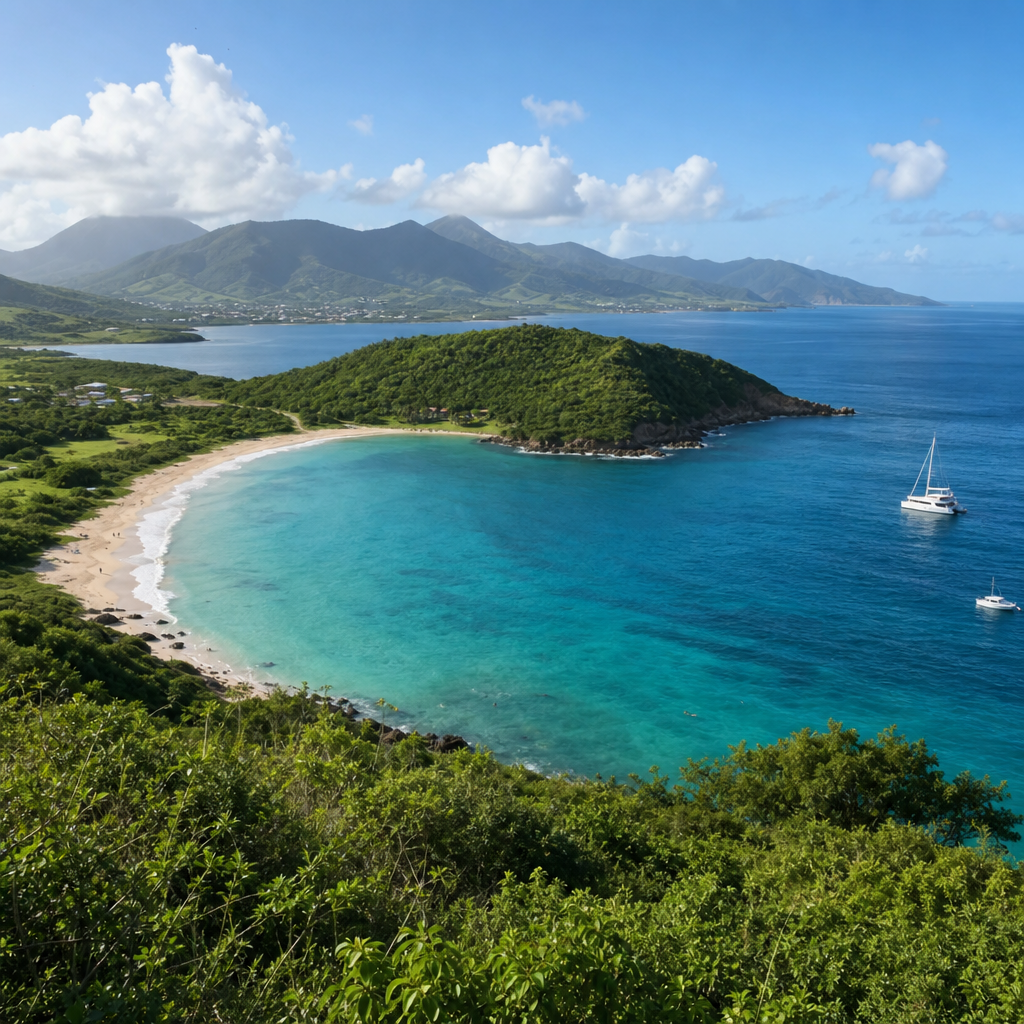
Nevis has several advantages that make eco-friendly spa experiences feel authentic rather than constructed. First, the island’s scale encourages proximity. Guests can stay near beaches, heritage sites, trailheads, and agricultural areas without long transfers, reducing transport intensity and making it easier to combine spa time with low-impact exploration. Second, the island’s landscape naturally supports wellness programming. Nevis Peak dominates the interior; coastal breezes moderate the heat; tropical plants, fruit trees, and flowering shrubs provide the sensory base for outdoor treatments, teas, scrubs, and aromatics. Third, Nevis has a hospitality identity that tends toward understated luxury instead of mass tourism. That creates room for slower, more place-based spa experiences that do not need to chase spectacle.
There is also a historical layer. Nevis has long been known for hot springs, plantation-era estates, and healing landscapes shaped by mineral water, fertile soils, and maritime air. While not every current spa directly uses these traditions, they form part of the island’s wellness narrative. The Bath Hotel and Spring House area, associated with one of the Caribbean’s earliest tourism developments, illustrates that health-related travel on Nevis is not new. Today’s sustainable traveler can connect that legacy with modern expectations such as energy-efficient buildings, ethical procurement, and community benefit. This combination is valuable within sustainable tourism because it broadens the definition of a spa holiday. A Nevis itinerary can include a treatment at a resort, a soak linked to the island’s thermal history, a walk through a botanical landscape, and meals built around local produce. When destinations offer that kind of layered experience, they are more resilient. Travelers spread spending across sectors, stay longer, and often behave more consciously because the destination itself teaches them to notice interdependence between comfort, culture, and conservation.
Where to Find Eco-Conscious Spa and Wellness Options
Travelers searching for eco-friendly spa experiences in Nevis will usually encounter three categories: established resort spas, boutique hotels or villas with wellness services, and independent practitioners who deliver treatments privately or in small settings. Resort spas provide the broadest infrastructure. They may have dedicated treatment rooms, hydrotherapy elements, fitness programming, and teams trained in internationally recognized modalities such as Swedish massage, deep tissue therapy, body wraps, and facials. The sustainability question here is about systems. Larger properties are better positioned to invest in solar water heating, efficient laundry equipment, durable linens, refill stations, wastewater management improvements, and formal sustainability policies. When those systems are in place, a resort spa can actually reduce per-guest impact compared with a fragmented operation that relies heavily on disposables and imports.
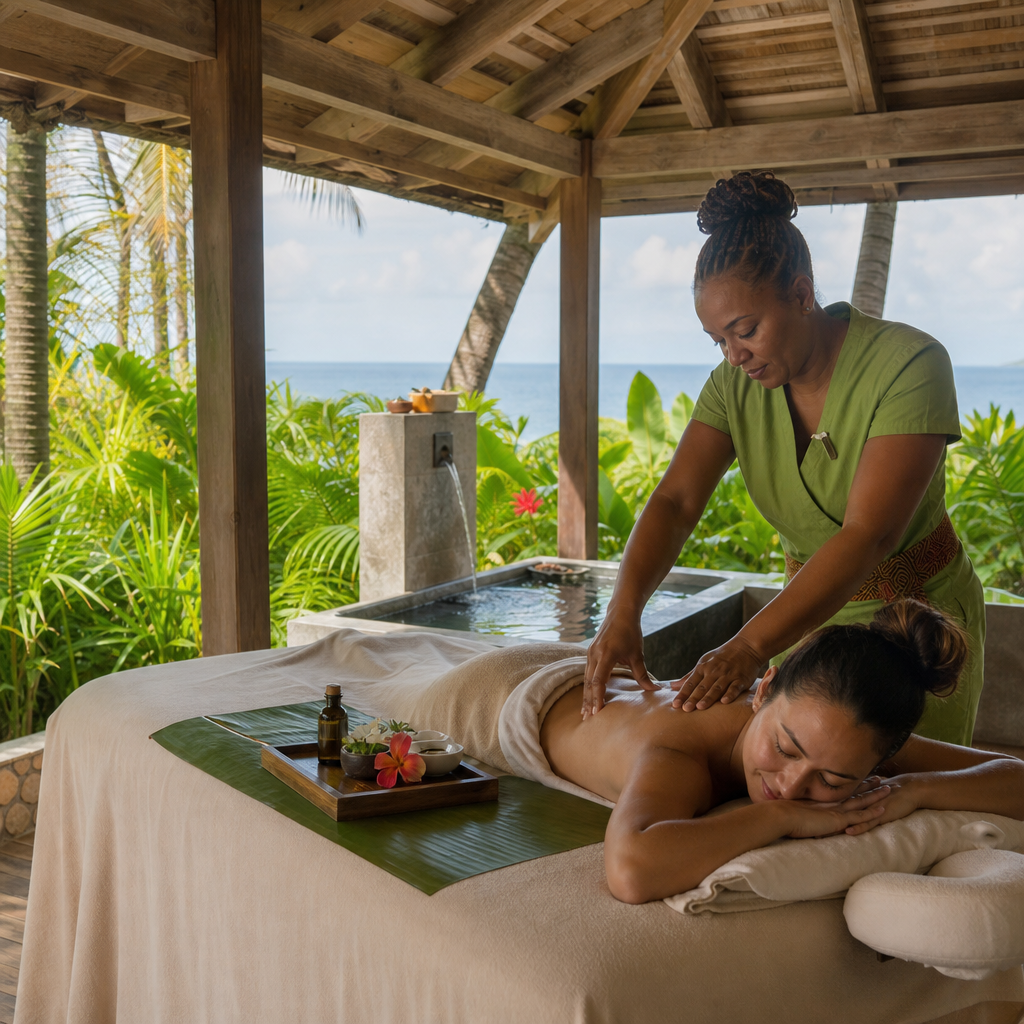
Boutique properties often excel in intimacy and low-footprint design. A smaller inn or villa-based retreat may offer open-air massages, yoga decks, and garden-led treatments using aloe, lemongrass, coconut, or sugar-based scrubs. These settings can feel more connected to Nevis because the built environment is lighter and the service more personal. Independent practitioners add another dimension. Mobile massage therapists, yoga teachers, and wellness guides frequently tailor experiences around sunrise beach sessions, restorative treatments after hiking, or private meditation in shaded gardens. For sustainable tourism, this category matters because it distributes income beyond major hotels and can encourage entrepreneurship by residents. The tradeoff is consistency. Travelers should verify hygiene standards, product ingredients, and setup details in advance. A simple planning framework helps.
| Option | Best For | Typical Sustainability Strength | Key Question to Ask |
|---|---|---|---|
| Resort spa | Full-service amenities | Operational systems and staff training | What resource-saving measures are in place? |
| Boutique hotel spa | Quiet, place-based atmosphere | Smaller footprint and local character | Which products or ingredients are sourced locally? |
| Independent practitioner | Customized private sessions | Community income distribution | How are hygiene and product standards managed? |
Signature Elements of a Sustainable Spa Day on the Island
A sustainable spa day in Nevis usually works best when it is designed around the island’s natural rhythms instead of imported expectations. Start early or late, when temperatures are lower and outdoor spaces are most comfortable. This reduces demand for air conditioning and improves the sensory quality of treatments. Open-air massage, shaded yoga, and quiet breathwork near gardens or sea views are not just atmospheric choices; they are practical climate-responsive design decisions. Midday can be reserved for a light meal based on local fish, tropical fruit, root vegetables, or herbs, followed by a lower-energy indoor treatment if needed. The experience feels more restorative because it matches the environment instead of fighting it.
Ingredients also shape the sustainability profile. In Nevis, spa treatments can draw on coconut oil, brown sugar, sea salt, charcoal, aloe, ginger, and herbal infusions without requiring a fully imported product story. Not every ingredient will be local, and credible operators will admit that. Professional skincare often depends on tested formulations and stable supply chains. The goal is not purity for its own sake; it is sensible reduction of unnecessary imports, packaging, and waste while maintaining safety and treatment quality. Another hallmark of a sustainable spa day is moderation in linen and water use. Guests do not need fresh robes, towels, and decorative extras at every stage to receive excellent care. The better spas make efficiency feel seamless. Refillable water bottles, ceramic tea service, washable sandals, and durable treatment accessories all signal competence. Add-ons can extend the wellness value without increasing environmental burden: a short guided garden walk, education about medicinal plants, or a quiet recovery session that helps guests understand the island’s ecology. Those small touches often create the most memorable part of the day because they root wellness in Nevis rather than in a generic luxury template.
How to Evaluate Green Claims Before You Book
Many travelers want to support sustainable tourism but are unsure how to separate meaningful eco-friendly spa practices from vague branding. The easiest method is to ask direct, operational questions. Does the property use refillable bathroom amenities? How often are linens changed during multi-day stays? Are treatment products from identifiable brands with ingredient transparency? Is there any use of solar energy or other efficiency systems? Are staff from Nevis or neighboring islands, and do they receive ongoing professional training? These questions are fair, and reputable businesses can answer them without defensiveness. If a spa only repeats that it is natural or holistic, that is not enough evidence.
Look for consistency across the whole guest journey. A resort cannot claim deep environmental commitment while handing out multiple single-use plastic items, overcooling every interior, and importing obviously wasteful amenities for appearance alone. By contrast, a property that explains why it uses filtered water in glass bottles, local hardwood alternatives, drought-tolerant landscaping, and digital intake forms is demonstrating systems thinking. Independent review platforms can help, but they are most useful when you read beyond star ratings and scan for details about noise, cleanliness, staff knowledge, and authenticity. Certification may exist for some hotels, though smaller operators in the Caribbean do not always pursue formal labels because of cost and administrative burden. That does not automatically weaken their sustainability record. In my experience, the strongest signal is transparency paired with restraint. Operators who are doing the work usually describe practical measures, acknowledge limitations such as island recycling constraints, and avoid grand claims about being completely green. That level of honesty is exactly what sustainable travelers should reward with their bookings.
Building a Wider Sustainable Wellness Itinerary in Nevis
This hub topic extends beyond the spa treatment itself. Visitors interested in eco-friendly spa experiences in Nevis should connect wellness with other low-impact activities to deepen both personal benefit and local economic value. A strong itinerary might include a heritage visit to the Bath area, a gentle coastal walk, snorkeling with reef-safe sun protection, a farm-to-table dinner, and one or two carefully chosen treatments instead of an overpacked schedule. Hiking sections of Nevis Peak with a qualified guide can pair well with recovery massage, especially when the therapist understands post-trek muscle fatigue and hydration needs. Birdwatching, garden tours, and mindful beach time also fit naturally into a sustainable wellness framework because they encourage presence without heavy infrastructure.
Food is an underrated part of the spa conversation. Resorts and restaurants that buy locally grown produce, seasonal fruit, and regional seafood help reduce import dependence and make the wellness experience more coherent. After all, a spa day followed by highly packaged, long-distance food undercuts the broader sustainability goal. Travelers can also support artisans selling soaps, oils, herbal products, or textiles made in the region, provided ingredients and production methods are clearly explained. The main advantage of treating this page as a hub is that it helps readers branch into related topics across sustainable tourism: eco-conscious accommodation, responsible beach use, community-based experiences, low-impact transport choices, and heritage preservation. Spa travel does not sit apart from these subjects. In Nevis, it is one gateway into them. The more intentionally visitors plan, the easier it becomes to spend in ways that protect what makes the island restorative in the first place: clean water, healthy landscapes, cultural continuity, and a tourism model that values quality over volume.
Eco-friendly spa experiences in Nevis are most rewarding when travelers think beyond pampering and see wellness as part of responsible island travel. The core principles are clear: choose operators that conserve water and energy, reduce waste, source thoughtfully, hire and train locally, and connect treatments to the real character of Nevis. The island is particularly compelling because its scale, history, climate, and hospitality style make sustainable wellness feel natural rather than forced. Visitors can find meaningful options across resort spas, boutique properties, and independent practitioners, then build those experiences into a wider itinerary of heritage, nature, and local food. That approach benefits guests as much as businesses. You get a calmer, more authentic experience, and your spending supports the environmental and social systems that keep Nevis special. If you are planning a sustainable Caribbean trip, start by asking better questions, booking fewer but better treatments, and choosing wellness experiences that leave the island as refreshed as you feel.
Frequently Asked Questions
What makes a spa experience in Nevis truly eco-friendly?
An eco-friendly spa experience in Nevis goes beyond organic oils or a beautiful natural setting. It usually means the spa actively reduces its environmental footprint through practical measures such as conserving water, limiting single-use plastics, managing laundry efficiently, lowering energy use, and choosing treatment products with responsibly sourced ingredients. In a destination like Nevis, where the natural landscape is central to the island’s appeal, sustainability is not just a branding feature—it directly supports the health of beaches, gardens, coastal ecosystems, and local communities.
Truly eco-conscious spas also tend to reflect a stronger connection to place. That can include using locally inspired botanicals, supporting nearby growers and makers, designing open-air treatment spaces that rely less on artificial cooling, and encouraging a slower, more mindful style of wellness travel. Instead of treating relaxation as an isolated luxury, these experiences often frame wellness as part of a respectful relationship with the island itself. For visitors, that means enjoying massage, body treatments, and restorative rituals in a way that aligns with Nevis’s long-term environmental and cultural well-being.
Why is Nevis a good destination for eco-friendly wellness and spa travel?
Nevis is especially well suited to eco-friendly wellness because its appeal is rooted in nature, calm, and a sense of understated authenticity. The island’s slower pace, green landscapes, ocean views, and less commercial atmosphere create the right conditions for spa experiences that feel restorative without needing excess. Visitors often come to Nevis for tranquility, scenic beauty, and meaningful downtime, which naturally pairs with low-impact travel and spa treatments designed around simplicity, quality, and connection to the environment.
Another reason Nevis works so well for sustainable spa travel is that the island’s tourism future depends on protecting what makes it special. Eco-friendly hospitality practices help preserve local resources while supporting the people and businesses that shape the visitor experience. When spas and resorts use local ingredients where possible, invest in efficient operations, and respect the island’s environmental limits, they contribute to a healthier tourism model overall. For travelers, this creates a more grounded kind of luxury—one that feels personal, responsible, and closely tied to the character of Nevis rather than imported from somewhere else.
What kinds of sustainable practices should travelers look for when choosing a spa in Nevis?
Travelers should look for visible, specific sustainability practices rather than broad claims. Good signs include refillable toiletry systems, reusable drinking bottles or glass service instead of disposable plastic, energy-efficient lighting, natural ventilation, towel and linen reuse programs, and thoughtful water management. In spa settings, it is also worth noticing whether products are dispensed in bulk rather than single-use packaging and whether treatment spaces make use of natural light and airflow. These details may seem small, but together they reveal whether a property has built sustainability into daily operations.
It is also helpful to consider the sourcing side of the spa experience. A stronger eco-friendly spa may use Caribbean-grown or locally relevant ingredients, partner with regional suppliers, and avoid overpackaged imported products when practical alternatives exist. Travelers can also ask whether the property supports local employment, invests in environmental stewardship, or participates in broader community-based initiatives. The most credible eco-conscious spas usually welcome these questions because sustainability is part of how they operate, not just how they market themselves. Choosing a spa with transparent practices helps visitors direct their spending toward businesses that are actively supporting Nevis’s environment and local economy.
Can eco-friendly spa experiences still feel luxurious and indulgent?
Yes—very often, they feel more luxurious because the experience is based on quality, atmosphere, and intention rather than excess. In Nevis, eco-friendly spa experiences often replace unnecessary waste and overproduction with elements that matter more to guests: peaceful surroundings, personalized treatments, fresh local ingredients, skilled therapists, and a strong sense of place. Open-air treatment rooms, garden settings, ocean breezes, and quiet natural soundscapes can create a level of relaxation that feels deeply premium without relying on resource-heavy extras.
Luxury in a sustainable spa context is less about abundance for its own sake and more about thoughtful care. Guests may find that a smaller, well-curated menu of treatments, responsibly sourced oils, calming architectural design, and attentive service creates a more memorable experience than a larger but less grounded operation. In Nevis, this can translate into wellness that feels both refined and restorative, with the added satisfaction of knowing your comfort is not coming at the expense of the island’s resources. For many travelers, that combination of indulgence and responsibility is exactly what modern luxury should look like.
How can visitors support eco-friendly spa tourism in Nevis during their trip?
Visitors can support eco-friendly spa tourism in Nevis by making intentional choices before and during their stay. Start by booking with spas, hotels, or wellness properties that clearly communicate their sustainability efforts and show evidence of responsible operations. Ask questions about water conservation, waste reduction, product sourcing, and community partnerships. Even simple traveler habits matter as well: bring a reusable water bottle, avoid requesting unnecessary towel changes, arrive with reef-safe and environmentally considerate personal care products when relevant, and be mindful of energy and water use in your room.
Travelers can also strengthen the local impact of their wellness spending by choosing treatments, products, and experiences that connect with Nevis itself. Purchasing locally made spa products, supporting businesses that hire and train island residents, and combining spa time with other low-impact activities such as nature walks, heritage visits, or locally guided experiences all help keep tourism benefits rooted in the community. Ultimately, eco-friendly spa travel works best when visitors see themselves as participants rather than just consumers. By relaxing responsibly and spending thoughtfully, guests help protect the island’s character while contributing to a more resilient tourism economy for Nevis.