
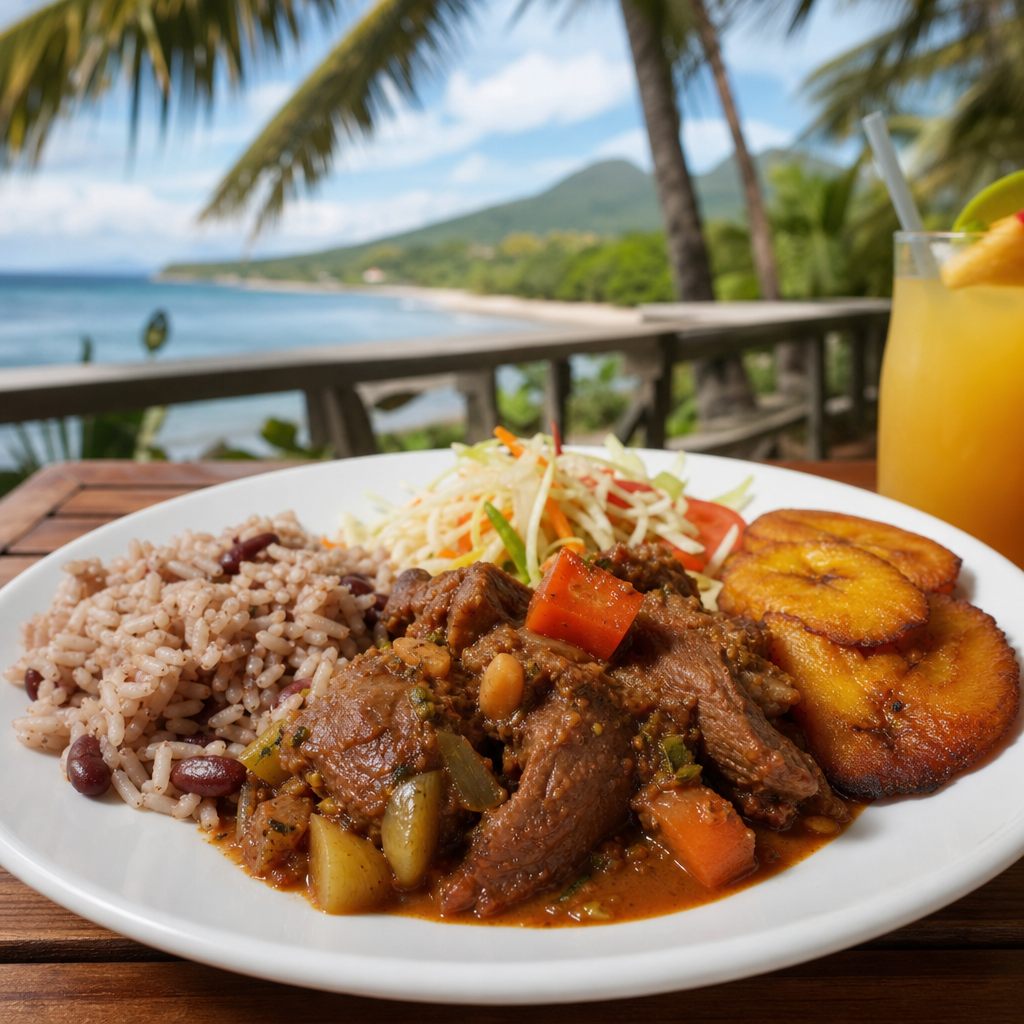
Authentic Creole cuisine in Nevis tells the island’s history through flavor, technique, and everyday hospitality. On this small Caribbean island, food is not a side attraction for visitors; it is a living record of African, European, Indigenous, and broader Caribbean influences meeting local agriculture and the sea. When people search for authentic Creole cuisine in Nevis, they are usually asking several questions at once: what dishes define the island, where do the ingredients come from, how is Nevisian cooking different from nearby islands, and how can a traveler eat well without missing the most traditional experiences. Having eaten in family-run roadside spots, hotel dining rooms, village cookshops, and beach grills across the island, I can say the best answer is simple: Nevisian Creole food is freshest when it stays closest to local rhythms.
Creole cuisine in Nevis refers to cooking shaped by cultural blending and adapted to local ingredients such as fresh fish, lobster, conch, goat, breadfruit, plantains, coconut, peas, pumpkin, cassava, and tropical fruit. “Authentic” does not mean frozen in time or identical in every kitchen. It means the food still reflects traditional preparation methods, recognizable seasonings, and a strong connection to place. A fish broth built from the day’s catch, goat water slow-simmered with herbs and spices, or saltfish served with provisions all fit that definition because they remain rooted in Nevisian practice, even when a chef refines the presentation.
This matters for travelers and food-focused readers because Nevis rewards informed dining choices. The island does not operate like a destination filled with interchangeable chain restaurants. Menus shift with weather, fishing conditions, and harvest cycles. A lunch special may be more revealing than an elaborate dinner, and a roadside vendor may serve a more memorable plate than a formal resort. As a hub for local cuisine and dining, this guide brings together the essential food traditions, staple ingredients, dining formats, etiquette, and practical tips that help readers understand the full picture before they explore more specialized articles on seafood, street food, fine dining, rum culture, and farm-to-table experiences in Nevis.
What Defines Authentic Creole Cuisine in Nevis
Authentic Creole cuisine in Nevis is defined by three things: layered seasoning, practical cooking methods, and ingredient-driven menus. The seasoning base often starts with onion, scallion, garlic, thyme, hot pepper, black pepper, and sometimes allspice, nutmeg, or clove. Coconut milk appears in stews and rice dishes, while lime, vinegar, and fresh herbs brighten heavier plates. Unlike cuisines built around strict written recipes, Nevisian Creole cooking relies heavily on judgment: the age of the goat, the firmness of the breadfruit, the oil content of the fish, and the heat of the pepper all affect the final result.
Cooking methods are equally important. Stewing, braising, frying, grilling, and slow simmering dominate because they suit local proteins and root vegetables. Goat water, one of the island’s signature dishes, is not literally water but a deeply seasoned goat stew traditionally enriched through time, bone, and spice. Fish is often fried whole or cooked in a light broth. Conch may be curried, stewed, or made into fritters, depending on freshness and tenderness. Provision-based sides, including yam, sweet potato, green fig, dasheen, and breadfruit, give meals substance and connect the plate to local farming traditions.
Nevisian Creole food also reflects a small-island economy. Chefs and home cooks build menus around what arrives that day rather than what can be imported cheaply in bulk. That is why a dish can feel both simple and deeply distinctive. A grilled snapper with plantain and callaloo is not just a generic Caribbean meal. In Nevis, it may represent fish landed that morning, greens cut from a nearby plot, and seasoning blended according to a family pattern passed down across generations.
Essential Dishes Every Reader Should Know
If you want a direct answer to what to eat in Nevis, start with goat water, saltfish dishes, fresh grilled or fried fish, lobster in season, conch preparations, pelau, cook-up style rice, Johnny cakes, coconut dumplings, callaloo, and provision sides. Goat water is often the most talked-about traditional dish because it is strongly associated with Nevisian identity and public gatherings. Good versions are dark, aromatic, and balanced rather than greasy, with tender meat and enough spice to warm the palate without burying the goat.
Saltfish remains a foundational ingredient because preserved cod has long been woven into Caribbean food systems. In Nevis, it may appear sautéed with onion, tomato, pepper, and herbs, then served with ground provisions or Johnny cakes. Fresh fish is central because island cooking depends on marine access. Mahi-mahi, snapper, tuna, and wahoo commonly appear when available, prepared in ways that respect texture rather than overcomplicate it. The fish should taste clean and sweet, with seasoning supporting rather than masking freshness.
Lobster is another highlight, but visitors should understand the seasonal and ethical context. Responsible operators follow local regulations, and the best kitchens do not force lobster onto menus year-round. Conch, when properly tenderized, brings a mild sweetness and chew that works well in curry and fritters. Rice dishes such as pelau combine meat, peas, rice, and browning into one pot, delivering both efficiency and depth. Together, these dishes form the core vocabulary of authentic Creole cuisine in Nevis.
Ingredients, Seasonality, and Why Freshness Changes Everything
The difference between an average meal and an exceptional one in Nevis often comes down to ingredient timing. Seafood quality shifts with weather, catch patterns, and handling. Tropical produce varies by rainfall and farm output. Even herbs can taste sharper or milder depending on season. Travelers who expect every menu item to be available every day often miss the logic of island dining. The most authentic places adjust.
From experience, the strongest kitchens on Nevis are transparent about substitutions. If snapper is unavailable, they may recommend mahi-mahi instead. If local breadfruit is out, they may shift to sweet potato or plantain. This is not inconsistency; it is evidence of a kitchen working honestly. It also means diners should ask what is local, what arrived today, and what the cook recommends. Those three questions usually lead to the best meal on the menu.
| Ingredient | Typical Use in Nevis | Why It Matters |
|---|---|---|
| Goat | Goat water, stews, curry | Signature island flavor and festive tradition |
| Snapper or mahi-mahi | Fried, grilled, or in broth | Shows freshness and cooking skill clearly |
| Breadfruit | Roasted, boiled, or fried side | Classic provision with earthy sweetness |
| Plantain | Fried side, mash, or accompaniment | Adds starch and sweetness to savory plates |
| Coconut | Rice, stews, desserts, drinks | Essential local richness and aroma |
| Callaloo | Soup or sautéed greens | Connects African heritage and local produce |
Freshness also shapes texture. A just-caught fish resists overcooking and needs only controlled heat, salt, citrus, and herbs. Older fish needs heavier seasoning and sauce to compensate. The same principle applies to conch: if fresh and correctly pounded or sliced, it can be delicate; if mishandled, it turns rubbery. Understanding this helps readers recognize why authentic Creole cuisine in Nevis is inseparable from local supply.
Where to Find the Most Authentic Food Experiences
Authentic food in Nevis is spread across several dining formats, not locked into one category. Casual roadside grills, village cookshops, beach bars, family-owned restaurants, guesthouse kitchens, and established hotel restaurants all contribute something useful. The key is knowing what each setting does best. Roadside and village spots often excel at lunch plates, stews, saltfish breakfasts, and provision-heavy meals. Beach venues shine with grilled seafood, lobster when legal and available, and relaxed Creole sides. Hotels may offer the broadest access for first-time visitors, especially when their chefs respect local sourcing instead of relying heavily on imported luxury ingredients.
Charlestown and the roads leading around the island provide a practical dining map. Morning and midday are especially important if you want food that locals actually eat during the week. By late afternoon, some of the strongest traditional lunch options may be sold out. Sunday lunches can be excellent, with more elaborate home-style cooking in some venues. Festival periods and public events also bring out traditional specialties that may not appear daily.
To find the most authentic meal, look for signals beyond décor. A short menu can be a good sign. So can handwritten specials, visible local side dishes, and staff who can explain where the fish came from or how the goat was prepared. Places that serve locals regularly tend to get the balance right on salt, spice, and portioning. In my experience, one of the most reliable strategies is to ask a taxi driver, hotel staff member, or shop owner where they would send a relative for goat water or a proper fish lunch, then compare that answer with the day’s specials.
How Nevisian Creole Cooking Differs From Generic Caribbean Menus
Many travelers arrive with a broad idea of “Caribbean food,” but authentic Creole cuisine in Nevis is more specific than that label suggests. Generic Caribbean resort menus often flatten regional distinctions into jerk chicken, rum punch, and grilled seafood. Nevisian cooking does include overlap with neighboring islands, yet it has its own priorities. Goat water is the clearest example: it is not just another stew but a dish with ceremonial and cultural weight in Nevis. Provision combinations, seasoning balance, and the frequent use of local greens also shape meals in ways that visitors notice once they start paying attention.
Another difference is scale. Nevis is small enough that local supply chains remain visible. Fishermen, farmers, cooks, and diners are tied together more directly than in larger destinations with industrial tourism systems. That creates variability, but it also protects character. A cookshop may not have six fish options, yet the one fish it serves may be handled better than a bigger venue’s frozen assortment. Menus can be narrower, but they are often more truthful.
Spicing is also more nuanced than outsiders expect. Not every dish is aggressively hot. Heat is often controlled at the table or layered into sauces rather than blasted into every component. The goal is flavor depth, not punishment. That matters because visitors sometimes misread milder dishes as less authentic, when in fact restraint can signal confidence and tradition.
Dining Tips, Etiquette, and Smart Ways to Order
The best way to order in Nevis is to be curious, flexible, and direct. Ask what is local, what is fresh, and what is most traditional that day. If you see provisions on the menu, try them instead of defaulting to fries. If goat water is available, order it at least once from a place known for it. If a server tells you a fish is especially good that day, listen. These small choices lead to a more accurate experience of Nevisian Creole cuisine than sticking to globally familiar dishes.
Etiquette is straightforward. Be patient with timing, especially at smaller establishments where food is cooked to order and staffing may be lean. Respect seasonal limits on seafood. Tip appropriately when service is not already included. If you have dietary restrictions, explain them clearly and early. Many kitchens can adapt, but not all dishes are built for easy modification, especially long-simmered stews and one-pot preparations.
Readers building a wider food itinerary should treat this article as the hub for the miscellaneous side of local cuisine and dining in Nevis. From here, it makes sense to explore dedicated guides to seafood restaurants, traditional breakfast foods, local drinks and rum, street food stops, market produce, and higher-end restaurants using island ingredients. Together, those topics create a fuller picture, but the core lesson remains the same: the most memorable meals in Nevis come from understanding the island’s Creole food on its own terms, not through imported expectations.
Authentic Creole cuisine in Nevis is best understood as a complete food culture rather than a checklist of dishes. It combines history, seasonality, skill, and local pride in ways that become obvious once you start eating attentively. The island’s signature meals are not important because they are trendy or photogenic. They matter because they connect land, sea, and community through ingredients that still shape daily life. Goat water, fresh fish, saltfish, conch, provisions, callaloo, coconut, and rice dishes each tell part of that story, and together they explain why Nevis remains such a rewarding destination for serious food travelers.
For readers planning a trip or building a deeper understanding of local cuisine and dining, this hub should serve as the starting point for everything miscellaneous within the Nevis food landscape. Use it to identify the dishes that define authenticity, the ingredients that signal freshness, and the dining formats most likely to deliver a real taste of the island. Then go further: compare village cookshops with beach grills, ask about seasonal catches, and follow local recommendations instead of generic rankings.
The main benefit of exploring authentic Creole cuisine in Nevis is simple: you experience the island more truthfully. Food here is not just something to consume between excursions. It is one of the clearest ways to understand Nevis itself. Start with one traditional meal, ask one extra question about where it came from, and let that curiosity guide the rest of your dining decisions.
Frequently Asked Questions
What makes Creole cuisine in Nevis authentic?
Authentic Creole cuisine in Nevis is defined by its deep connection to the island’s history, local ingredients, and everyday cooking traditions rather than by a single recipe or formal style. It reflects the meeting of African foodways, European colonial influences, Indigenous Caribbean knowledge, and broader regional exchange across the West Indies. In Nevis, that authenticity shows up in the way food is seasoned, prepared, shared, and understood within the community. Dishes are often built around what is fresh, available, and rooted in the land and sea: line-caught fish, lobster when in season, breadfruit, plantains, yams, sweet potatoes, coconut, peas, herbs, and spices.
Authenticity also comes from technique. Nevisian Creole cooking tends to rely on slow simmering, stewing, frying, roasting, and richly seasoned one-pot preparations that develop flavor over time. You will often find dishes made with green seasoning, thyme, scallion, garlic, onion, hot pepper, and natural stocks rather than overly processed shortcuts. Just as important is context: authentic Creole food in Nevis is not only found in restaurants. It lives in home kitchens, roadside cookshops, beach grills, village gatherings, and Sunday meals. The result is cuisine that feels personal, practical, and deeply expressive of island life.
What are the most traditional dishes to try when exploring Creole cuisine in Nevis?
If you want a true introduction to traditional Creole cuisine in Nevis, start with dishes that local people have long cooked and eaten as part of everyday life. Goat water is one of the island’s most iconic foods. Despite the name, it is not a thin broth but a rich, peppery goat stew, often flavored with herbs, spices, and sometimes finished with small dumplings or bread on the side. It is widely regarded as a national favorite and offers a clear sense of how Nevisian cooking turns humble ingredients into something complex and memorable.
Seafood is another essential part of the experience. Fresh fish, lobster, conch, and other catch from surrounding waters are commonly grilled, stewed, curried, or fried. Saltfish also appears in traditional meals, especially when paired with ground provisions such as yam, sweet potato, or green banana. Rice and peas, stewed chicken, curried mutton, plantains, breadfruit, and callaloo are all important staples that reflect the balance of protein, starch, and seasoning found across Creole tables. Coconut-based dishes and desserts also play a role, whether in sauces, bakes, tarts, or sweet breads. Together, these foods reveal a cuisine that is hearty, layered, and closely tied to family and place.
Where do the ingredients in Nevisian Creole cooking usually come from?
One of the reasons Creole cuisine in Nevis feels so distinctive is that many of its core ingredients come directly from the island’s surrounding environment. The sea provides fish, shellfish, and lobster, while the fertile land supports a range of tropical crops and kitchen staples. Local farms and home gardens supply breadfruit, pumpkins, okra, peas, leafy greens, coconuts, peppers, herbs, cassava, dasheen, and other provisions that have shaped the island’s diet for generations. Even where imported goods are available, traditional Nevisian cooking still tends to center on ingredients that make sense in a small-island setting: fresh, seasonal, and practical.
This local sourcing affects flavor in important ways. Freshly caught seafood has a clean, sweet character that needs little more than proper seasoning and careful cooking. Produce harvested nearby often reaches the kitchen at peak ripeness, giving stews, soups, and side dishes more natural depth. Herbs such as thyme and scallion, along with garlic, onion, and hot pepper, create the backbone of many savory preparations. Coconut is another defining ingredient, used both for richness and aroma. For travelers and food lovers, understanding where the ingredients come from helps explain why Nevisian Creole cuisine tastes so grounded and why it remains such an honest expression of the island’s agricultural and maritime heritage.
How is Nevisian Creole cuisine different from other Caribbean food traditions?
Nevisian Creole cuisine shares many characteristics with food across the wider Caribbean, including bold seasoning, African and European historical influences, and a strong reliance on local produce and seafood. However, Nevis has its own culinary identity shaped by its size, agricultural patterns, village traditions, and the pace of island life. The food often feels intimate and less commercial, with an emphasis on recipes passed through families and communities rather than dishes adapted primarily for tourism. That can make the dining experience in Nevis feel especially personal and rooted in place.
Another point of difference is balance. In Nevis, Creole cooking often highlights freshness and the natural flavor of ingredients as much as spice and intensity. Seafood may be prepared simply but expertly, while soups and stews carry deep seasoning without becoming overly heavy. Signature dishes such as goat water immediately distinguish Nevis from neighboring islands, even where ingredients overlap. There is also a strong sense of hospitality in how food is served and described. Meals are often accompanied by stories about farming, fishing, family traditions, and local celebrations, which gives Nevisian cuisine a cultural depth beyond the plate. In that way, the food is not just regionally Caribbean; it is specifically, recognizably Nevisian.
How can visitors experience authentic Creole cuisine in Nevis beyond restaurant dining?
Visitors who want a deeper understanding of authentic Creole cuisine in Nevis should look beyond formal restaurant menus and seek out the places where food is part of ordinary island rhythm. Roadside vendors, village cookshops, weekend grills, and community events often offer some of the most genuine meals. These settings may feature fresh fish, local stews, ground provisions, rice dishes, and traditional sides prepared in ways that reflect real household cooking. Local markets are also valuable because they show the raw ingredients behind the cuisine, from seasonal produce and herbs to fresh coconuts and seafood. Seeing what is sold, discussed, and chosen by residents adds important context to what ends up on the table.
It also helps to ask questions. In Nevis, food is closely linked to memory, family, and heritage, and many cooks are proud to explain how a dish is made or why it matters. A conversation about goat water, callaloo, breadfruit, or saltfish can reveal just as much as the meal itself. If possible, attend a festival, cultural gathering, or local food event where traditional cooking is prepared in larger communal settings. These occasions show how Creole cuisine functions socially, not just gastronomically. For the most authentic experience, visitors should approach Nevisian food with curiosity and patience, choosing places that value local ingredients, traditional preparation, and the island’s own culinary voice.


