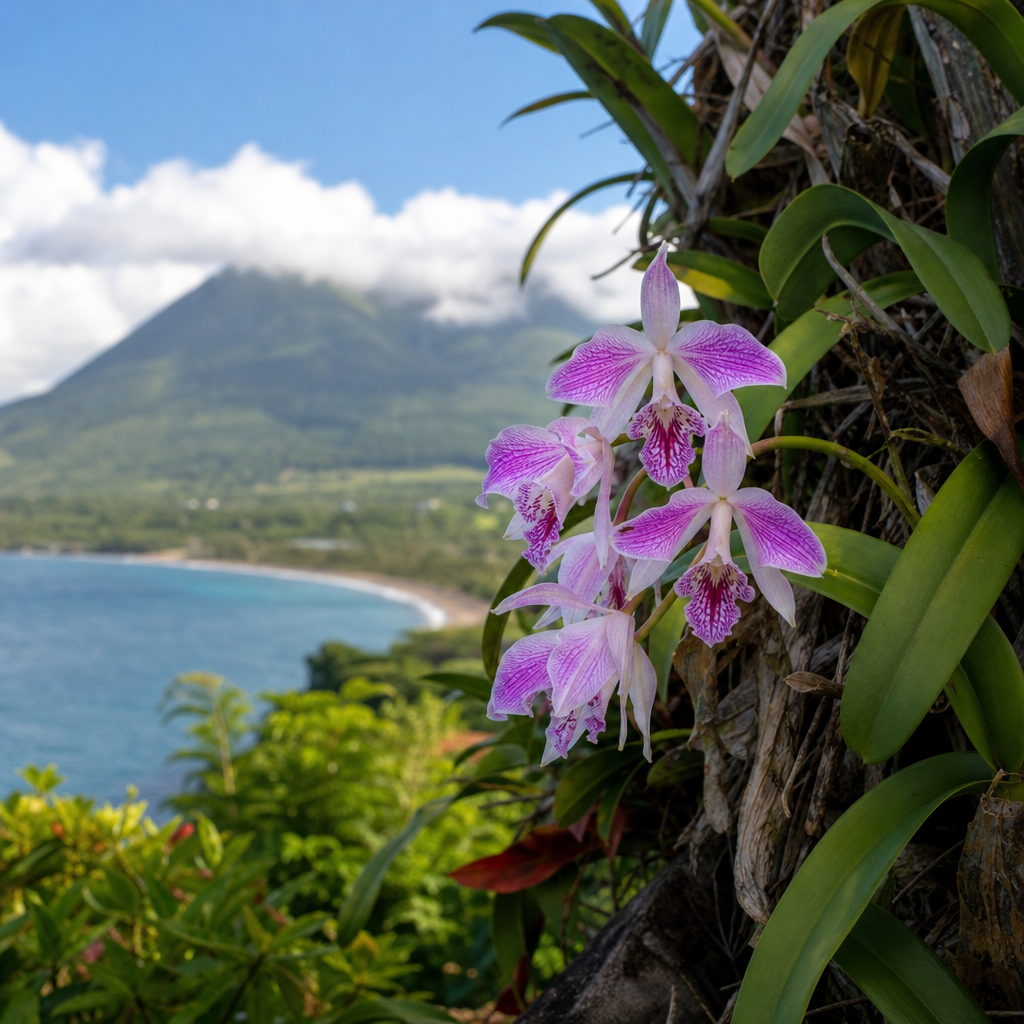
Nevis has become one of the Caribbean’s clearest examples of how a small island can protect natural assets while still supporting tourism, farming, and daily community life. Eco-friendly initiatives on Nevis include renewable energy planning, reef and watershed protection, plastic reduction, sustainable agriculture, heritage conservation, and low-impact visitor experiences. In practical terms, sustainability on Nevis means using land, water, energy, and coastal ecosystems in ways that meet present needs without weakening the island’s future resilience. That matters because Nevis is both environmentally rich and physically vulnerable: it has cloud forest on Nevis Peak, coral reefs fringing much of the coast, limited freshwater resources, and an economy closely tied to climate-sensitive sectors. I have worked with island destination content and sustainability reporting long enough to see a consistent pattern: places that act early on waste, water, biodiversity, and energy recover faster from shocks and build stronger tourism brands. Nevis fits that pattern. Its approach is not based on one flagship project alone. It is a network of practices led by public agencies, hospitality operators, farmers, conservation groups, and residents who understand that healthy ecosystems are not separate from economic stability. For travelers researching responsible Caribbean destinations, and for residents or investors evaluating long-term viability, Nevis offers a useful case study in applied sustainability. The island’s eco-friendly initiatives show how local stewardship, practical policy, and nature-based decision-making can work together on a small scale with visible results.
Renewable Energy and Climate Resilience
One of the most important sustainability conversations on Nevis is energy. Like many islands, it has historically depended on imported fossil fuels for electricity generation, a model that exposes households and businesses to volatile oil prices and supply disruptions. Nevis has therefore placed unusual emphasis on geothermal potential, drawing on the island’s volcanic geology. Geothermal energy matters here because it can provide stable baseload electricity, unlike some intermittent renewable sources. Across the Caribbean, islands often struggle to balance reliability, affordability, and emissions reduction; geothermal gives Nevis a realistic path toward all three if infrastructure and financing align. In my experience reviewing island energy transitions, few natural advantages are as strategically valuable as indigenous geothermal resources.
Climate resilience on Nevis also extends beyond power generation. Buildings, roads, utilities, and drainage systems all have to be managed with stronger storms, coastal erosion, heat, and changing rainfall patterns in mind. Sustainable planning on a small island is not an abstract climate pledge; it is decisions about where development occurs, how runoff is controlled, and whether critical services can operate after extreme weather. Hospitality properties increasingly recognize this link. Water storage, energy-efficient cooling, native landscaping, and backup systems reduce pressure on public infrastructure while helping hotels remain operational during disruptions. These measures may seem incremental, but on islands, resilience is cumulative. Every efficient building and every diversified energy source lowers system-wide risk.
Marine Conservation, Coral Reefs, and Coastal Stewardship
Nevis’ marine environment is central to both biodiversity and tourism appeal. Coral reefs help buffer wave energy, support fisheries, and create snorkeling and diving opportunities that distinguish the island from more urbanized destinations. Sustainable practices in coastal areas therefore focus on reducing direct damage and improving ecological recovery. That includes better wastewater management, education around anchoring and reef-safe behavior, and stronger awareness of how land-based runoff affects nearshore habitats. Sediment, nutrients, and poorly controlled development can degrade reefs gradually, even when the damage is not immediately visible to visitors.
Practical coastal stewardship also includes beach protection and sea turtle awareness. Nesting beaches require careful management of lighting, traffic, and shoreline disturbance. On islands like Nevis, a single coastal zone often serves many purposes at once: recreation, wildlife habitat, storm protection, and hotel frontage. The sustainable answer is not to freeze all use, but to manage use with ecological thresholds in mind. I have seen destinations harm their own tourism product by treating beaches as cosmetic assets rather than living systems. Nevis is strongest when it frames coastal health as infrastructure, habitat, and visitor experience at the same time.
For visitors asking what responsible marine tourism looks like on Nevis, the answer is straightforward: choose operators who avoid reef contact, follow wildlife guidance, respect no-take or sensitive areas, and keep group sizes manageable. These standards are simple, but they directly affect reef longevity. Marine sustainability succeeds when rules are translated into repeatable behavior, not when they remain only in policy documents.
Water Security, Watersheds, and Waste Management
Freshwater management is one of the least glamorous but most essential eco-friendly initiatives on any island. Nevis depends on healthy upland watersheds, responsible extraction, and careful distribution. Forest cover on higher elevations helps regulate water flows, reduce erosion, and protect catchment quality. When those upland systems are degraded, downstream communities and coastal ecosystems both suffer. That is why watershed protection belongs at the center of sustainability planning, not at the edge of it.
Waste management presents a second island-specific challenge. Limited land area means disposal mistakes are harder to hide and more expensive to correct. Nevis’ sustainable direction includes reducing single-use plastics, improving collection practices, encouraging reuse, and building stronger public awareness around litter and marine debris. In destination management, waste is often the most visible test of environmental credibility. A hotel can market itself as green, but if roadside dumping, beach litter, or poor sorting systems are common, residents and visitors notice the contradiction quickly.
| Initiative Area | Main Sustainability Goal | Why It Matters on Nevis | Typical On-the-Ground Practice |
|---|---|---|---|
| Energy | Reduce imported fuel dependence | Lowers costs, emissions, and supply vulnerability | Geothermal planning, efficient buildings, solar integration |
| Marine protection | Conserve reefs and fisheries habitat | Supports tourism, biodiversity, and shoreline resilience | Responsible boating, runoff control, visitor education |
| Water management | Protect limited freshwater resources | Essential for households, farms, and hotels | Watershed protection, storage, leak reduction |
| Waste reduction | Cut pollution on land and sea | Small islands have limited disposal capacity | Plastic reduction, cleanup efforts, better collection systems |
| Agriculture | Strengthen local food systems | Reduces import reliance and preserves rural land use | Local sourcing, composting, mixed-crop farming |
Successful waste strategies on Nevis depend on participation across households, schools, government services, restaurants, and guest accommodations. The most effective systems combine infrastructure with behavior change. Bins and trucks matter, but so do procurement choices, refill options, and event standards that reduce disposable packaging before waste is created. Prevention is always cheaper than cleanup, especially where landfill space and transport budgets are constrained.
Sustainable Agriculture and Local Food Systems
Agriculture remains a critical part of Nevis’ sustainability story because local food production improves resilience while protecting working landscapes. When hotels, villas, and restaurants buy from local farmers, they shorten supply chains and keep more value on the island. That matters during shipping disruptions, price spikes, and peak tourism periods. Sustainable agriculture on Nevis often means diversified production rather than monoculture: fruit, vegetables, herbs, small livestock, and mixed-use plots that spread risk and support soil health more effectively than single-crop systems.
Good farming practice on a small island also depends on water efficiency, soil management, and reduced chemical overuse. Composting, mulching, crop rotation, and targeted irrigation are practical tools, not boutique ideas. They help farmers maintain productivity while reducing runoff into ghauts and coastal waters. In places where marine health and tourism revenue depend on clean nearshore ecosystems, farming methods have direct downstream consequences. That connection is sometimes overlooked in broad sustainability marketing, but it is decisive in reality.
Nevis also benefits when local cuisine reflects local ecology. Menus built around seasonal produce, fresh fish from responsible sources, and regionally rooted recipes create a stronger sense of place than imported standardization ever can. For visitors, eating locally is one of the easiest sustainable choices to make. For businesses, it is a procurement strategy that supports community livelihoods while differentiating the destination.
Low-Impact Tourism, Green Hospitality, and Visitor Responsibility
Tourism is indispensable to Nevis, so the relevant question is not whether tourism should exist, but how it should be designed. Low-impact tourism on Nevis generally emphasizes smaller-scale accommodations, landscape-sensitive design, heritage integration, and experiences tied to walking, birding, sailing, thermal features, and cultural exploration rather than high-volume entertainment infrastructure. This model suits the island’s character. Nevis does not need to compete on scale; it competes on quality, tranquility, and authenticity.
Many hospitality businesses now use operational practices that directly support sustainability goals: linen and towel reuse programs, efficient lighting and cooling systems, reduced plastic amenities, local sourcing, native planting, and staff training on environmental procedures. These are not cosmetic gestures when implemented consistently. Utility savings improve margins, and the guest experience often improves as well. I have seen the best results where management treats sustainability as an operating system, not as a marketing campaign attached to a few visible features.
Visitor behavior matters just as much as business practice. Responsible travelers conserve water, avoid disturbing wildlife, stay on marked trails, use reef-safe sun protection where possible, and support local enterprises that reinvest in the island. On a small destination, cumulative impact is immediate. Hundreds of minor choices each week shape waste volumes, habitat pressure, traffic, and energy demand. A sustainable tourism economy therefore depends on informed guests as much as on committed hosts.
Forest Protection, Biodiversity, and Heritage Landscapes
Nevis’ interior landscapes, particularly around Nevis Peak, are vital ecological assets. Forested areas support birdlife, protect soils, regulate water, and moderate some climate effects at the landscape level. Hiking routes and nature experiences depend on those ecosystems remaining intact. Sustainable land stewardship includes limiting harmful clearing, managing invasive species pressure where possible, and recognizing that upland habitats support the entire island, not only the communities nearest to them.
Biodiversity protection on Nevis is also linked to cultural heritage. Historic estates, old stone structures, gardens, and traditional settlement patterns form part of a broader heritage landscape in which human history and environmental setting are inseparable. This matters for a hub article under Nature and Wildlife because conservation on Nevis is rarely about wilderness alone. It is about lived landscapes where farms, villages, trails, beaches, and heritage sites interact. Protecting that mosaic supports education, place identity, and diversified tourism.
For readers exploring related topics, this hub connects naturally to deeper articles on Nevis hiking trails, birdwatching sites, marine life, sea turtle conservation, botanical diversity, sustainable resorts, and responsible beach use. That is the value of viewing miscellaneous sustainability as a hub rather than a leftover category: it reveals how energy, food, wildlife, water, and heritage reinforce one another across the island.
Nevis’ eco-friendly initiatives show that sustainability is most credible when it is practical, place-specific, and shared across sectors. The island’s strongest efforts are not isolated green gestures. They are connected systems: geothermal and efficiency planning to improve energy security, marine and watershed stewardship to protect reefs and water supplies, waste reduction to keep land and coastlines cleaner, local agriculture to strengthen resilience, and low-impact tourism to preserve the qualities that attract visitors in the first place. Just as important, Nevis demonstrates that environmental protection and economic usefulness are not competing goals on a small island. Healthy reefs support tourism and fisheries. Protected forests support water security. Local sourcing supports both culture and commerce.
There are still tradeoffs and constraints. Infrastructure costs are high, public systems on islands face capacity limits, and climate threats are accelerating. But the direction matters, and Nevis has chosen a direction rooted in stewardship rather than short-term extraction. For travelers, planners, and residents, the main lesson is clear: sustainable practices work best when they are built into everyday decisions, from procurement and construction to beach behavior and farming methods. If you are using this page as your starting point under Nature and Wildlife, continue into the related Nevis guides and choose one action—book a responsible operator, support a local farm, or learn more about the island’s ecosystems—so sustainability moves from idea to practice.
Frequently Asked Questions
What are the main eco-friendly initiatives taking shape on Nevis?
Nevis has been building a practical, island-wide approach to sustainability that touches energy, agriculture, tourism, conservation, and everyday community life. One of the most important areas is renewable energy planning, including efforts to reduce dependence on imported fossil fuels and move toward cleaner, more resilient power systems. On a small island, energy choices affect everything from utility costs to environmental health, so this transition is especially significant. At the same time, Nevis has placed strong emphasis on protecting its coastal and inland ecosystems, including coral reefs, watersheds, beaches, and forested areas that support biodiversity, reduce erosion, and help secure water resources.
Another key initiative is reducing waste and limiting plastic use, particularly single-use items that can easily end up in drains, coastal waters, and marine habitats. Sustainable agriculture is also central to the island’s broader environmental vision. By supporting local farming and better land management practices, Nevis can reduce reliance on imports while encouraging healthier soils, more efficient water use, and a stronger local food system. Heritage conservation plays a role as well, since preserving historic sites and cultural landscapes often goes hand in hand with thoughtful land use and lower-impact development. Together, these efforts show that sustainability on Nevis is not a single project but a connected strategy for protecting natural assets while maintaining a livable, economically active island.
How does sustainability support tourism on Nevis rather than limit it?
On Nevis, sustainability is increasingly viewed as a competitive advantage for tourism rather than an obstacle to growth. Visitors are drawn to the island’s quieter atmosphere, scenic coastline, healthy marine environments, and strong sense of place. Protecting reefs, beaches, trails, and historic districts helps preserve exactly the qualities that make Nevis appealing in the first place. Low-impact visitor experiences such as nature walks, heritage tours, snorkeling in well-managed marine areas, and farm-to-table dining can strengthen the tourism sector while putting less pressure on fragile ecosystems than heavily intensive development models.
Eco-friendly tourism also helps create a more durable local economy. When hotels, guesthouses, restaurants, and tour operators adopt water-saving measures, reduce waste, use local produce, and support conservation-minded experiences, more tourism revenue can circulate within the community. That benefits farmers, fishers, guides, artisans, and small businesses, not just large hospitality operators. Just as importantly, travelers around the world are increasingly interested in destinations that take environmental stewardship seriously. By aligning tourism with conservation and community well-being, Nevis can attract visitors who value authenticity and responsibility, helping the island avoid the long-term costs that often come with overdevelopment, habitat loss, and environmental decline.
Why are reef protection and watershed conservation so important for Nevis?
Reef and watershed protection are foundational to the island’s environmental health because they influence water quality, coastal stability, fisheries, biodiversity, and even tourism. Coral reefs serve as living barriers that help reduce wave energy and protect shorelines from erosion. They also provide habitat for marine life and support activities such as snorkeling and diving. When reefs are damaged by pollution, sediment runoff, careless anchoring, or warming waters, the effects ripple through the entire coastal system. Protecting them is not just about preserving beauty; it is about maintaining ecological functions that support livelihoods and long-term resilience.
Watersheds are equally important because they govern how rainwater moves across the landscape and into streams, soils, aquifers, and coastal waters. Healthy vegetation and careful land use reduce runoff, limit erosion, and help prevent sediment from washing into nearshore marine environments where it can smother reefs and seagrass beds. Good watershed management also contributes to cleaner and more reliable water resources for homes, farms, and businesses. On an island like Nevis, where land and water systems are closely connected, inland environmental care directly affects the coast. That is why sustainable practices such as protecting vegetation, limiting harmful development patterns, and improving drainage and runoff management are so essential to the island’s future.
What role does sustainable agriculture play in Nevis’ environmental strategy?
Sustainable agriculture is a major part of Nevis’ eco-friendly direction because it connects environmental protection with food security, public health, and local economic strength. Farming practices that focus on soil health, water efficiency, crop diversity, and reduced chemical dependence can help preserve the island’s limited land resources while improving productivity over time. In a small-island setting, agriculture cannot be separated from sustainability because poor land management can lead to erosion, nutrient runoff, and pressure on already sensitive ecosystems. Better farming methods help protect both the landscape and the surrounding marine environment.
There is also a strong community benefit. Expanding local food production reduces dependence on imported goods, which can lower vulnerability to shipping disruptions and fluctuating global prices. It also creates opportunities for closer partnerships between farmers and the hospitality sector, especially through locally sourced menus and farm-to-table experiences that appeal to visitors. Sustainable agriculture on Nevis is therefore not only about growing crops responsibly; it is about building a more self-reliant island economy that values land stewardship. When agriculture is done thoughtfully, it supports conservation goals, strengthens rural livelihoods, and reinforces the idea that environmental responsibility and economic practicality can work together.
How can residents and visitors contribute to Nevis’ sustainable future?
Both residents and visitors have a meaningful role to play in supporting Nevis’ eco-friendly initiatives. For residents, sustainability often begins with everyday choices such as reducing waste, limiting single-use plastics, conserving water and electricity, supporting local farmers, and participating in community cleanups or conservation programs. These actions may seem small on their own, but on an island where resources are finite and ecosystems are closely linked, consistent daily habits can have a measurable impact. Public support also matters when it comes to backing policies and projects that protect natural areas, improve waste management, encourage renewable energy, and promote responsible land use.
Visitors can contribute by choosing businesses that demonstrate environmentally responsible practices, respecting marine and coastal habitats, avoiding litter and disposable plastics, and engaging in low-impact activities that appreciate rather than strain the island’s natural assets. Simple behaviors such as using reef-safe sun protection, staying on marked trails, conserving water in accommodations, and purchasing locally made goods can make a difference. Perhaps most importantly, visitors help reinforce the value of sustainability when they actively seek out destinations like Nevis that prioritize stewardship. In that sense, supporting the island’s sustainable future is not just about avoiding harm; it is about participating in a model of travel and community development that protects what makes Nevis distinctive for generations to come.