Saint Kitts’ community festivals set the tone for the island’s calendar by turning the first weeks of the year into a shared public celebration of music, food, faith, sport, and neighborhood pride. In Saint Kitts, a community festival is more than a party: it is a locally organized series of events that brings villages, churches, schools, vendors, musicians, and returning nationals together around a common identity. These festivals matter because they preserve customs, stimulate small-business income, strengthen intergenerational ties, and give visitors a more accurate picture of Kittitian life than any brochure or resort itinerary can provide.
I have covered local events across the island and the pattern is consistent: when a community festival is well supported, it energizes entire districts. Taxi drivers get extra fares, food sellers extend their hours, sound engineers and decorators secure bookings, and families plan reunions around headline nights. Early-year celebrations are especially important because they carry momentum from the Christmas season into a fresh civic rhythm. For residents, they offer belonging. For diaspora families, they provide a reason to return home. For travelers interested in local life and experiences, they create direct access to the island’s social fabric.
Saint Kitts, the larger island in the Federation of Saint Kitts and Nevis, is known globally for beaches, Brimstone Hill Fortress, cruise tourism, and Carnival. Yet community festivals deserve equal attention. They are typically smaller in scale than the national Carnival, but often richer in neighborhood character. A festival program might combine a church service, street parade, calypso or soca show, pageant, cook-up competition, domino tournament, fun day, and live band finale. Each item reflects a piece of Kittitian society: religious observance, oral performance, culinary tradition, competitive play, and collective celebration.
As a hub within Local Life and Experiences, this guide covers the miscellaneous side of Saint Kitts’ festival culture comprehensively. That means looking beyond one event and explaining the full ecosystem: how these festivals work, what visitors can expect, why they begin the year with unusual warmth, and how to approach them respectfully. If you are searching for authentic Saint Kitts festivals, January events in Saint Kitts, or community celebrations that reveal the island’s personality, this article provides the practical context and cultural grounding needed to make sense of the season.
What Saint Kitts community festivals include and why they feel different
The defining feature of a Saint Kitts community festival is ownership at the local level. Planning is usually driven by a festival committee, village leaders, church groups, youth organizations, and sponsors with direct ties to the area. Because decision-making stays close to the community, the event mix reflects local taste rather than a generic tourism template. One village may emphasize old-school calypso and pageantry, while another gives equal billing to sports day, gospel showcases, and children’s activities. That variation is exactly what makes these festivals valuable as a miscellaneous hub topic: no single format captures them all.
They also feel different because participation is porous. At a large destination festival, spectators often remain spectators. In Saint Kitts’ local celebrations, the line is thinner. A visitor may arrive for a concert and find a seafood stall run by three generations of one family, a school fundraiser next to the stage, and a domino table where commentary is as entertaining as the game. The atmosphere is not curated for distance. It is lived in. That immediacy creates stronger memories than passive sightseeing and explains why many repeat visitors now schedule trips around community event calendars.
Another distinction is timing. Starting the year with joy is not a slogan here; it reflects how communities reset after the holiday season. January and the opening months are often filled with thanksgiving services, reunion-style gatherings, and events that combine entertainment with reflection. The emotional tone matters. People are not only celebrating; they are reaffirming continuity, giving thanks for life and health, and publicly welcoming another year. In practical terms, that means festival mornings can begin with worship or family activities before building toward louder nightlife later in the day.
Key ingredients: music, food, faith, sport, and pageantry
Music is usually the most visible entry point. Soca, calypso, reggae, string band traditions, steelpan performances, and DJ-led road energy can all appear within one program. Calypso remains especially important because it carries social commentary and wit. Soca supplies release and movement. Gospel segments can anchor opening events. In several communities, live bands still matter because they keep musicianship at the center rather than reducing the festival to playlist culture. When evaluating a festival’s cultural depth, I always look at whether local performers share the stage with visiting acts; the strongest festivals do both.
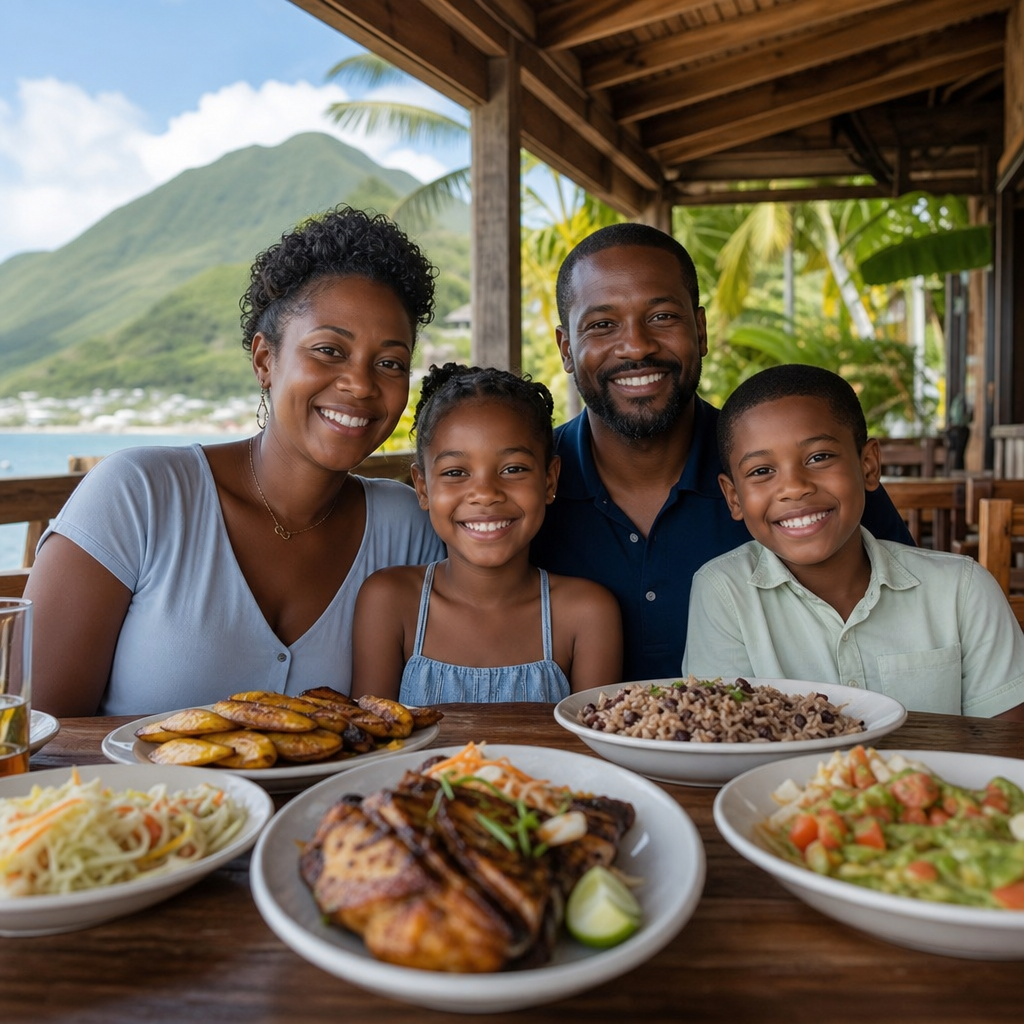
Food is the second anchor and often the most democratic. Goat water, saltfish dishes, cook-up rice, grilled meats, conch preparations, johnny cakes, provisions, tamarind treats, black pudding, and fresh juices make festival grounds feel like edible maps of Kittitian taste. Vendors are not an afterthought. They are part of the event’s social economy, and many depend on festival weekends for meaningful income. For travelers, the best strategy is to eat where lines form early, ask what is made that day, and carry cash because smaller stalls may not process cards consistently.
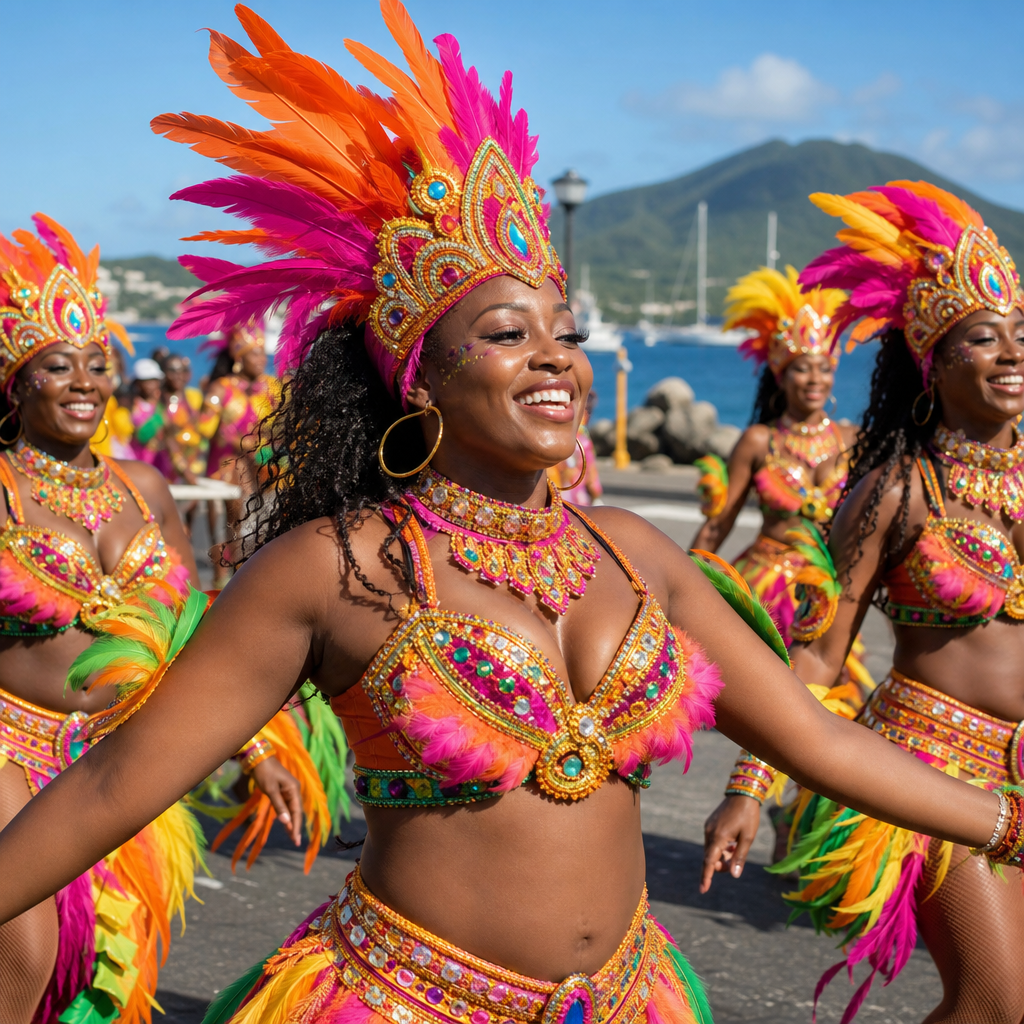
Faith remains central even when nightlife gets top billing. Many community festivals begin or end with church services, thanksgiving observances, or memorial elements for residents who contributed to the area’s development. This is one reason outside observers sometimes misunderstand the culture by focusing only on concerts. The festival framework often holds sacred and secular life together. Sport adds another layer. Cricket matches, road races, football events, and children’s games turn the festival into a daytime gathering rather than a purely nocturnal one. Pageants and queen shows then bring representation, performance discipline, and community sponsorship into view.
| Festival Element | What It Looks Like | Why It Matters Locally |
|---|---|---|
| Music | Calypso tents, soca nights, live bands, steelpan | Showcases talent and preserves performance traditions |
| Food | Street stalls, cook-offs, family recipes, drinks | Creates income and shares everyday Kittitian flavors |
| Faith | Church services, thanksgiving programs, blessings | Keeps the celebration rooted in community values |
| Sport | Cricket, football, races, domino tournaments | Brings all ages into the program during daylight hours |
| Pageantry | Queen shows, cultural wear, talent segments | Builds pride, poise, and sponsor support |
How festivals support local life and the island economy
Community festivals contribute to Saint Kitts in concrete, measurable ways. Small vendors gain short-term revenue, but the effect extends further. Event production requires stage crews, electricians, security workers, decorators, sound technicians, drivers, cleaners, and designers. Local radio stations and online media receive advertising. Tailors prepare outfits. Farmers and wholesalers sell produce and meat to food vendors. A successful festival weekend therefore acts like a microeconomic engine inside a single district. On a small island economy, these bursts of circulation matter more than outsiders often assume.
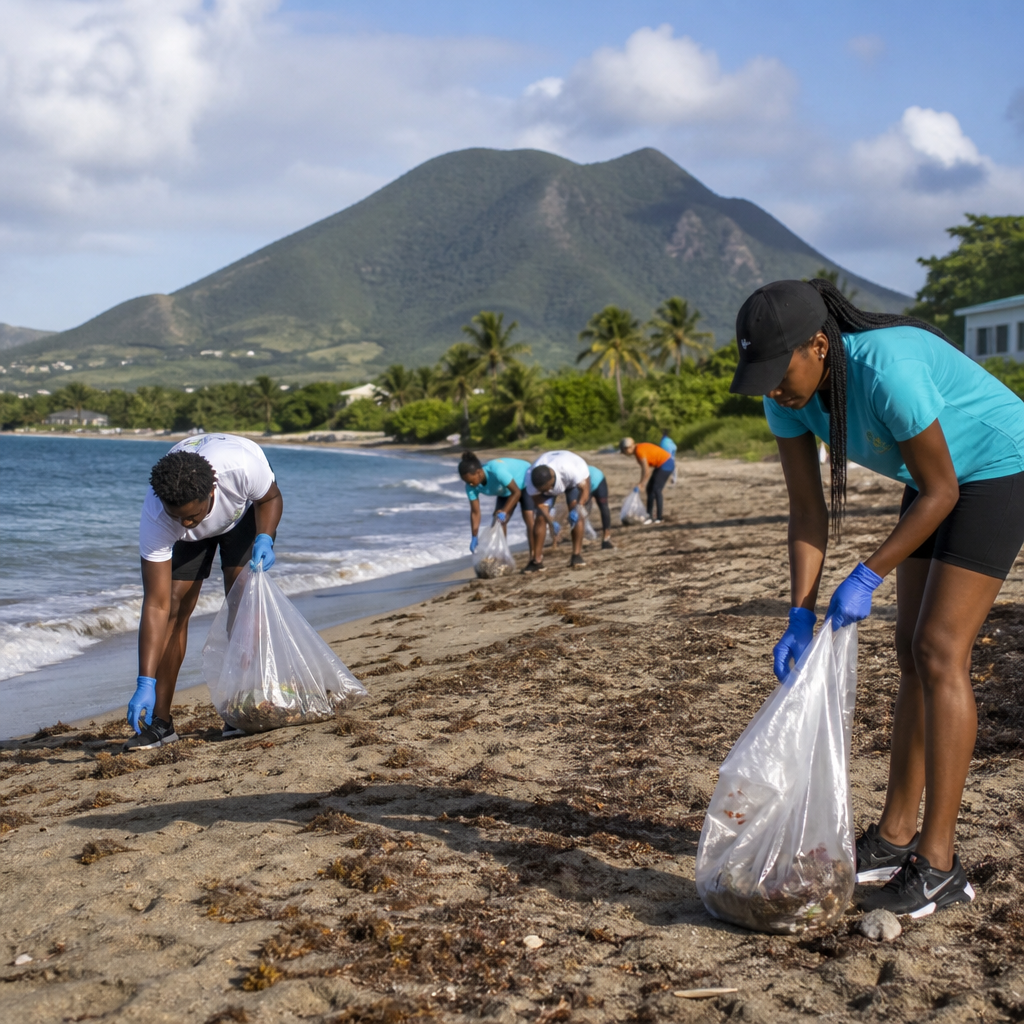
There is also a strong social return. Youth gain performance platforms. Elder residents see traditions publicly honored instead of quietly fading. Families abroad use festival dates to time homecomings, which strengthens remittance networks and social belonging. In my experience, communities with active festival committees are often better at mobilizing volunteers for unrelated needs later in the year, such as school fundraisers or neighborhood improvement projects. The organizational habit built by festival planning spills over into civic capacity, and that is one reason these events remain resilient despite sponsorship pressures.
Tourism benefits too, but the relationship works best when visitors approach as respectful participants rather than consumers expecting a packaged show. Community festivals can diversify the island’s visitor economy beyond cruise calls and beach days. Guests who attend local events are more likely to eat at independent businesses, hire local transport, and ask deeper questions about history and culture. That behavior spreads spending across communities. For destination planners, this matters because broad-based tourism is generally more durable than concentrating revenue in a narrow coastal corridor or a single event season.
What visitors should expect when attending early-year celebrations
If you plan to attend a Saint Kitts community festival, expect flexibility. Programs can shift because of weather, artist travel, power issues, or community realities that take precedence over strict timetables. Start times are often approximate, especially for evening shows. The best approach is to confirm details through official social pages, local radio, accommodation hosts, or residents in the specific area. Wear comfortable clothing, prepare for heat during daytime events, and bring a light layer if you stay late in breezier areas. Closed shoes help on uneven grounds, though many events remain casual.
Cash is useful, mobile data helps, and patience improves the experience. Some venues have limited parking, so arriving early reduces friction. If you are driving, ask about designated lots and whether roads will close for parades or stage setup. Food lines lengthen around headline acts, so eating earlier can be wise. If you want good photographs, request permission when focusing on individuals, especially children or vendors. The island is welcoming, but courtesy matters. Greet people, ask questions respectfully, and avoid treating neighborhood traditions as a backdrop for intrusive content creation.
Safety is mostly about ordinary event sense: stay aware of your surroundings, travel with companions late at night when possible, and arrange transport before the end of major shows. Families should look for daytime segments such as sports, children’s performances, and church-linked activities if they prefer quieter settings. Travelers seeking the liveliest energy should target concert nights or street events anchored by major bands and DJs. Either way, the payoff is authenticity. You will hear Kittitian speech patterns, local humor, and commentary that rarely surface in formal attractions but define the island’s social character.
How to experience festivals respectfully and get more from them
The best way to experience Saint Kitts’ community festivals is to treat them as living community spaces, not entertainment products detached from local meaning. Buy from small vendors before heading to the biggest bar. Stay for the opening segment, not only the headliner. Ask who organized the event and what the proceeds support. If a master of ceremonies references local history, listen closely; those remarks often contain the context that makes the night intelligible. When communities feel that guests are genuinely interested, conversations open quickly and the experience becomes far richer.
It also helps to understand the island’s social scale. Saint Kitts is small enough that performers, organizers, vendors, and public officials often know one another personally. Reputation matters. An event that seems casual on the surface may represent months of negotiation over sponsorship, policing, permits, sound restrictions, and volunteer labor. Respecting staff, following entry rules, and accepting bag checks are simple ways to support that effort. If you publish content afterward, identify locations accurately and avoid exaggerating. Responsible sharing helps small events build audiences without distorting what they actually are.
For deeper immersion, pair festivals with nearby cultural experiences. Visit Basseterre’s historic core, learn the significance of Independence Square, ride the St. Kitts Scenic Railway for plantation context, or explore former sugar landscapes that still shape settlement patterns and memory. These connections matter because community festivals do not emerge in isolation. They sit on top of histories of labor, migration, emancipation, religion, education, and village formation. Understanding those layers turns a fun night out into a serious appreciation of how contemporary Kittitian identity is made, renewed, and shared in public.
Why this miscellaneous festival hub matters within Local Life and Experiences
A miscellaneous hub is useful precisely because Saint Kitts’ community festivals cannot be reduced to one marquee event or one narrow theme. Travelers researching local life often search in fragments: food festival, village celebration, church event, music night, family activity, or cultural show. In practice, these categories overlap. A single festival day may include all of them. Bringing that range together in one guide helps readers navigate the island more intelligently and creates a foundation for exploring related pages on music, food, neighborhoods, and seasonal traditions.
The main takeaway is simple. Saint Kitts starts the year with joy through community festivals that are practical, emotional, and cultural at once. They create income for local people, preserve performance and culinary traditions, reconnect families, and welcome visitors into the everyday heartbeat of the island. If you want to understand Saint Kitts beyond scenic views, follow the festival calendar, show up early, spend locally, and stay curious. Start with one community event, then use this hub to explore the wider world of local life and experiences across the island.
Frequently Asked Questions
What makes Saint Kitts’ community festivals so important at the beginning of the year?
Saint Kitts’ community festivals play a special role because they help open the year with a strong sense of togetherness, continuity, and local pride. Rather than being single-day parties, these festivals are usually organized as a series of activities that bring different parts of the community into one shared experience. In the first weeks of the year, villages and neighborhoods use these celebrations to reconnect after the holiday season, welcome returning nationals, and create a positive, energetic start to the calendar. Music, church services, sporting matches, food fairs, pageants, cultural showcases, and family-oriented gatherings all work together to make the festival feel like a true community season rather than just an event.
They are also important because they reinforce identity at the local level. Each area often has its own traditions, favorite performers, signature foods, and style of celebration, which helps residents feel connected not only to the island as a whole but also to their own village or district. These festivals preserve customs that might otherwise fade over time, especially when younger generations are invited to participate in performances, volunteer roles, and cultural presentations. At the same time, they create immediate economic and social benefits by giving vendors, musicians, decorators, transport providers, and small businesses opportunities to earn income during a festive and highly visible period of the year.
What kinds of events are typically included in a Saint Kitts community festival?
A Saint Kitts community festival usually features a broad mix of activities designed to appeal to all ages and interests, which is one reason these celebrations feel so inclusive and well-loved. Many begin with faith-centered events such as church services, thanksgiving gatherings, or community blessings that reflect the importance of spirituality in local life. From there, the program often expands into live music events, cultural nights, street food fairs, calypso or soca performances, talent showcases, and social gatherings that encourage residents and visitors to mix freely. It is common for local schools, youth groups, and community organizations to be involved, adding dance presentations, poetry, folklore, and other performances that highlight both creativity and heritage.
Sport is another major feature. Football matches, cricket games, road races, and other friendly competitions often bring out strong neighborhood support and create an atmosphere of healthy rivalry. Festivals may also include pageants, parades, family fun days, domino tournaments, community awards, and vendor markets where local entrepreneurs sell traditional dishes, snacks, drinks, crafts, and household items. Because these festivals are deeply rooted in local organizing, the exact combination of events can vary from one community to another, but the overall pattern remains consistent: a festival is built to celebrate culture, strengthen relationships, and ensure there is something meaningful for children, adults, elders, and returning nationals alike.
How do community festivals support local culture and traditions in Saint Kitts?
Community festivals support local culture by giving traditions a living public stage. Instead of keeping customs in private memory, these celebrations place them at the center of community life through music, storytelling, food, dress, worship, and performance. Traditional recipes are cooked and sold by local vendors, familiar songs are performed before enthusiastic crowds, and cultural practices that might otherwise be overlooked are presented with pride. This public sharing helps preserve knowledge across generations, especially when elders, church leaders, teachers, and community organizers actively involve young people in planning and participation.
They also create a space where identity is practiced, not just discussed. A child performing in a dance group, a youth volunteer helping with event setup, or a family preparing a food stall is taking part in the active transmission of heritage. Festivals encourage communities to remember what makes them distinct while still contributing to the broader cultural life of Saint Kitts. In that way, they do more than entertain. They protect collective memory, validate local customs, and make culture visible in everyday life. For a small island nation, that kind of regular public reaffirmation is essential because it keeps traditions relevant, accessible, and tied to real community participation.
What economic and social benefits do these festivals bring to Saint Kitts communities?
The economic value of community festivals is significant, especially for small businesses and independent earners. Early in the year, these festivals create opportunities for food vendors, sound providers, stage crews, decorators, taxi operators, security personnel, artisans, photographers, and entertainers to generate income. Returning nationals and visitors often spend money on meals, transportation, event tickets, refreshments, and locally made products, which helps circulate money directly within the community. Because many festival activities are spread across several days, the benefits can reach a wider network of people than a single large event might. This makes community festivals an important form of grassroots economic activity.
Socially, the benefits are just as important. Festivals help strengthen trust and cooperation by giving churches, schools, businesses, youth groups, and resident committees a common project to work on. Planning and hosting events require communication, volunteerism, and shared responsibility, which can deepen community bonds. These festivals also offer positive spaces for recreation, cultural pride, and intergenerational connection. Elders pass on stories and traditions, adults contribute leadership and organization, and young people gain visibility, purpose, and experience. In many ways, a successful community festival reminds residents that their village or neighborhood can create something meaningful together, and that sense of shared accomplishment has lasting value well beyond the final event.
What should visitors know before attending a community festival in Saint Kitts?
Visitors should understand that a community festival in Saint Kitts is both a celebration and a deeply local expression of identity. Attending with respect, curiosity, and openness will usually lead to the best experience. These festivals are often lively, welcoming, and family-oriented, but they are also rooted in the people and traditions of a specific area. That means visitors should be prepared to engage with local customs, support community vendors, and appreciate that some events may blend entertainment with faith, history, and neighborhood pride. Asking questions, trying traditional foods, listening to local music, and attending a range of activities can provide a fuller understanding of what the festival represents.
It is also wise to check schedules in advance, since community festivals often feature multiple events over several days rather than one fixed program. Comfortable clothing, cash for food and purchases, and a flexible attitude are helpful, especially if events run on island time or evolve according to weather and community participation. Most importantly, visitors should remember that their attendance contributes to the success of the celebration. By supporting small businesses, respecting the atmosphere, and participating thoughtfully, they help sustain the cultural and economic role these festivals play. For anyone hoping to experience Saint Kitts beyond the usual tourist lens, a community festival offers one of the most authentic and rewarding ways to begin the year.