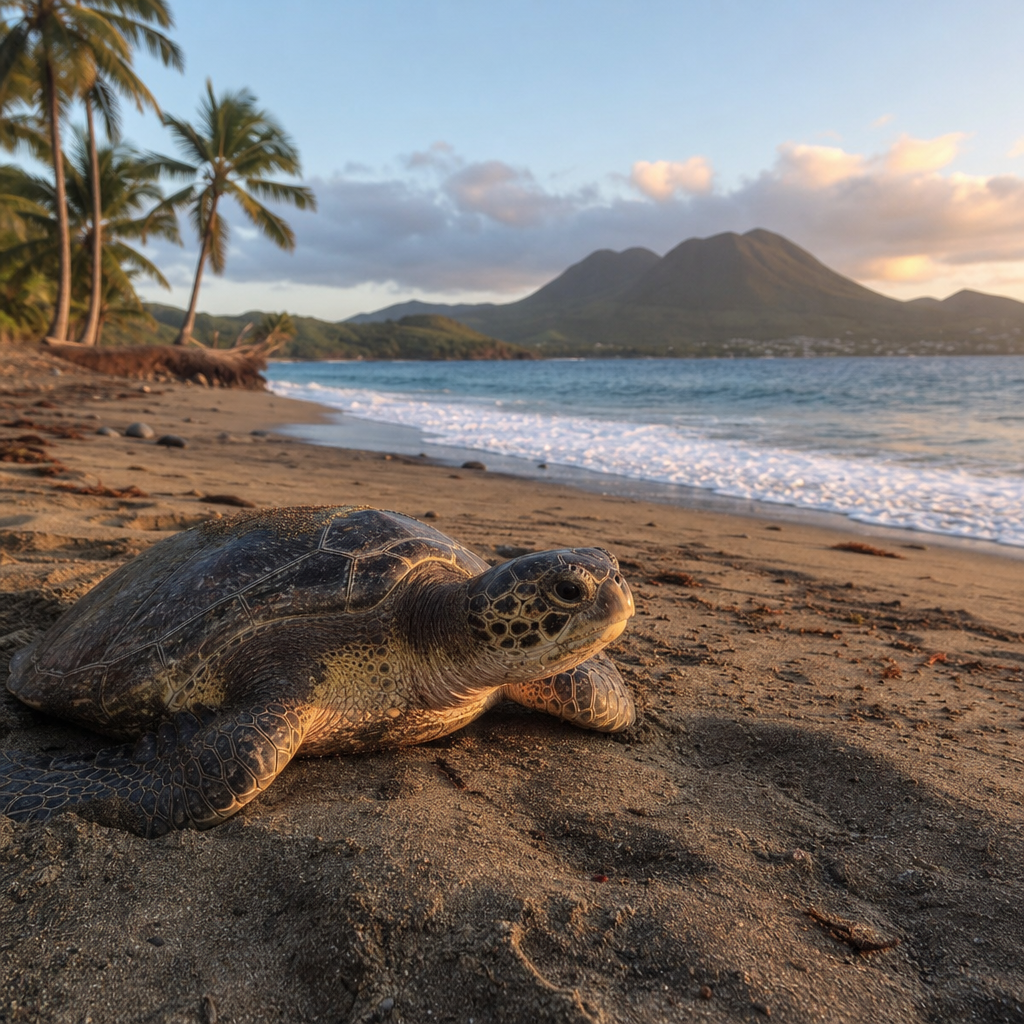
Green hiking practices in Nevis’ national parks help visitors protect fragile trails, coastal forests, cloud-moist slopes, and wildlife habitats while still enjoying one of the Caribbean’s most rewarding outdoor experiences. In practical terms, green hiking means reducing waste, staying on marked routes, respecting water sources, choosing low-impact gear and transport, and supporting local conservation efforts with every decision before, during, and after a hike. That matters in Nevis because the island’s protected landscapes are small, biodiverse, and closely tied to nearby communities, farms, beaches, and reefs. A single shortcut can accelerate erosion on steep volcanic terrain; one discarded bottle can wash from ghauts to the sea; one careless encounter with monkeys or nesting birds can alter animal behavior. I have planned hikes across Caribbean protected areas where a trailhead sits minutes from villages and marine ecosystems, and Nevis stands out for how clearly land stewardship connects to tourism quality. Visitors who hike responsibly preserve scenic access, keep maintenance costs manageable, and strengthen the case for conservation-based tourism. This hub article explains the essential practices, answers common questions, and points readers toward the wider sustainable tourism choices that make hiking in Nevis genuinely low impact.
Understand Nevis’ Protected Landscapes Before You Hike
Nevis is best known for Nevis Peak, a dormant volcanic mountain rising to roughly 3,232 feet, and for an island landscape where steep interior slopes transition quickly to settlements, historic estates, dry forest, ravines, and shoreline ecosystems. When people refer to national parks in Nevis, they often mean the island’s broader protected natural areas, hiking zones, and conservation landscapes rather than a vast continental-style park system. That distinction matters because carrying capacity is limited. Trails can be narrow, drainage can be vulnerable after rain, and management resources are finite. The most sustainable hiker starts by understanding that every path is part of a compact island ecology.
The interior receives frequent moisture, especially at elevation, which supports lush vegetation but also creates slippery roots, muddy sections, and erosion risk. Lower areas may seem tougher, yet dry coastal vegetation can be damaged by trampling and informal path creation. Monkeys, birds, reptiles, pollinators, and countless plant species rely on these connected habitats. Invasive species are an additional concern across Caribbean islands, so mud on boots, seeds caught in socks, and food scraps left at rest stops are not trivial issues. Green hiking begins before the first step: learn the route difficulty, expected weather, local rules, and whether a guide is recommended. On steep summit routes in particular, guides improve both safety and environmental compliance because they keep groups on the proper line and reduce the temptation to widen trails.
Follow Low-Impact Trail Behavior on Nevis Peak and Other Routes
The most important green hiking rule in Nevis is simple: stay on the established trail, even when the path is muddy, steep, or blocked by roots. Cutting around obstacles widens corridors, kills groundcover, and speeds runoff. On volcanic slopes, once vegetation is lost, heavy rain can quickly carve channels that make a trail harder and more dangerous for everyone. If a section is slick, slow down and use deliberate foot placement rather than stepping into surrounding plants. Trekking poles can help, but use rubber tips where possible to reduce scarring on rocks and roots.
Group size also affects impact. Smaller groups move more quietly, create less congestion at tight sections, and are easier for guides to manage. If you are traveling with friends, hike single file and pause only at durable surfaces such as rock, hardened soil, or established rest points. Avoid loud music. In protected areas, natural sound is part of the experience, and noise disturbs wildlife and other hikers. If you need to yield, step carefully to the smallest durable edge rather than into vegetation.
Timing matters. Starting early reduces heat stress, lowers the chance of afternoon storm exposure, and can spread visitor use more evenly. During or just after heavy rain, some trails may be best postponed altogether. I have seen hikers insist on “making it work” in saturated conditions, only to leave deep boot ruts that function like drainage trenches for weeks. If a guide or local authority says conditions are unsuitable, that is not inconvenience; it is conservation in action.
Pack for Reuse, Waste Prevention, and Water Protection
Waste prevention is the easiest sustainability win because it is entirely under the visitor’s control. Bring a refillable water bottle or hydration reservoir, snacks in reusable containers, and a small pack-out bag for every scrap you carry in. That includes fruit peels, tea bags, nut shells, and so-called biodegradable items. Organic litter attracts animals, introduces nonnative plant material, and changes the look and feel of a trail. On humid hikes, tissues and wipes are common problem items; if you bring them, pack them out.
Water management deserves special attention in Nevis. Streams, springs, and runoff channels may feed downstream farms, homes, or coastal ecosystems, so never wash with soap in natural water sources and never dispose of food waste nearby. Even products labeled biodegradable can harm aquatic life when used directly in streams. Carry enough water from the start, estimate generously for steep ascents, and treat any emergency water collection cautiously. Good sustainability is compatible with good preparedness.
| Hiking choice | Lower-impact option | Why it matters in Nevis |
|---|---|---|
| Single-use plastic bottles | Refillable bottle or hydration bladder | Reduces litter risk on trails and waste disposal pressure on a small island |
| Loose packaged snacks | Reusable food containers | Prevents wrappers from blowing into ghauts, forest edges, and beaches |
| Shortcut around mud | Walk through the durable trail center when safe | Limits trail widening and erosion on steep volcanic terrain |
| Large unguided groups | Small guided groups | Improves safety, trail discipline, and local economic benefit |
| Washing in streams | Carry out waste and clean up off-site | Protects freshwater quality and downstream ecosystems |
Respect Wildlife, Plants, and Sensitive Habitat
Many visitors hope to see vervet monkeys, tropical birds, butterflies, and distinctive native and cultivated plants along Nevis hiking routes. Responsible wildlife viewing means observing without feeding, chasing, calling, or trying to stage photos. Feeding monkeys may seem harmless, but it encourages dependence, aggression, and roadside or trailhead scavenging. The same principle applies to birds attracted by crumbs. Wildlife that associates people with food stops behaving naturally and often comes into conflict with residents and land managers.
Plant protection is equally important. Do not pick flowers, collect seeds, remove stones, or carve into trees. On islands, small disturbances can have outsized effects because populations and habitat patches are limited. Seemingly common ferns, orchids, lichens, or seedlings may be part of a slow-regenerating slope community. If you use insect repellent or sunscreen, choose reef-safer and sweat-resistant products when possible, because runoff from land eventually reaches the coast. This is one of the clearest examples of sustainable tourism working as a whole system: what happens on a mountain trail can affect marine water quality below.
Photography should follow the same ethic. Stay back from nests, avoid flash around wildlife at close range, and never trample vegetation for a better angle. If your image requires moving branches or baiting an animal, it is not a responsible shot. The best travel photos from Nevis come from patience, good light, and respect for the setting.
Choose Local Guides, Transport, and Businesses That Support Conservation
One of the strongest green hiking practices in Nevis is spending money in ways that reinforce stewardship. Hiring a knowledgeable local guide does more than improve navigation. It channels tourism revenue toward people with a direct interest in keeping trails safe, clean, and respected. Experienced guides also know weather patterns, land access expectations, cultural history, and the signs of hiker fatigue before a situation becomes an emergency. On demanding routes such as Nevis Peak, that expertise is substantial, not optional in spirit.
Transport choices matter too. If possible, consolidate rides to trailheads instead of sending multiple vehicles. Choose operators who maintain vehicles well and plan efficient pickups. If your itinerary includes hotel transfers, ask whether the company combines guests heading to the same area. These are small operational details, but on islands with limited road space and imported fuel costs, efficiency is a meaningful sustainability measure.
Support businesses that reduce disposables, source food locally, and participate in community or environmental initiatives. A guesthouse that offers water refill stations, a café that uses reusable service ware, or a tour provider that includes trail cleanup in its weekly routine is contributing directly to lower-impact tourism. This hub article connects naturally with related sustainable tourism decisions across Nevis: choosing eco-conscious accommodation, eating seasonally, reducing marine plastic during beach visits, and respecting heritage sites linked to hiking routes. Green hiking is not isolated from the rest of your trip; it works best when the whole itinerary follows the same logic.
Prepare Safely So Conservation Goals Do Not Collapse Under Stress
Many environmental mistakes happen when hikers are tired, lost, dehydrated, or rushing daylight. Preparation is therefore a conservation tool. Wear shoes with reliable traction, carry rain protection, bring more water than you think you need, and pack a basic first-aid kit. Download offline maps if available, but do not rely solely on phone service in mountainous terrain. Let someone know your route and return time. If you are hiking with children or less experienced adults, select a route that fits the slowest member, not the strongest.
Weather in Nevis can change quickly with elevation. A lower trail may feel warm and manageable while upper slopes become misty, windy, and slick. When visibility drops, people tend to bunch up, grab vegetation for support, or step off the trail at turns. A calm, prepared group causes less damage. Likewise, if someone is struggling physically, turning back early is often the greenest option because it prevents rescue scenarios and off-trail movement. There is no sustainability value in pushing beyond reasonable limits.
Emergency planning should include communication with your guide or host about nearest access points and expected duration. If you have dietary needs, medications, or allergies, plan them in advance so you are not tempted to leave waste, food, or packaging behind to lighten your load. Responsible hiking is built on the same principle every seasoned field team uses: prevent avoidable problems before you enter the landscape.
Turn a Hike Into a Broader Sustainable Tourism Practice
The most effective green hiking habits extend beyond the trail itself. Book longer stays instead of rushed day visits where possible, because slower travel usually spreads the environmental cost of flights over more local economic benefit. Pair hikes with low-impact cultural experiences such as visiting heritage sites respectfully, buying locally made goods, and learning about island agriculture and conservation history. Nevis has a strong sense of place shaped by plantation-era history, village life, and coastal resource use; understanding that context makes visitors more careful in natural areas because the land stops being scenery and becomes a lived environment.
After your hike, dispose of waste correctly, clean boots before moving to another trail, and share accurate information with other travelers. Recommend guides who follow best practices. Leave online reviews that mention refill options, safety briefings, trail respect, and conservation standards, not just scenic views. Those details influence future demand and reward responsible operators. If you want to contribute further, ask about local environmental groups, reforestation efforts, or community events where visitor donations are genuinely useful. Effective support is targeted support.
For travelers building a sustainable tourism itinerary in Nevis, this hub serves as the starting point for miscellaneous but essential decisions: what to pack, how to move around the island, how to choose providers, and how to minimize impact across linked ecosystems. Hiking is often the moment visitors feel closest to Nevis’ natural character. Done well, it becomes the practice that shapes every other choice.
Green hiking practices in Nevis’ national parks are not complicated, but they do require intention. Stay on marked trails, avoid shortcuts, pack out everything, protect water sources, respect wildlife, and choose local guides and businesses that actively support stewardship. Prepare thoroughly so fatigue or poor planning does not turn into environmental damage. Remember that Nevis is a compact island system where mountain trails, villages, farms, beaches, and reefs are connected, so each visitor action carries farther than it might in a larger destination. The main benefit of hiking this way is simple: you help preserve the very landscapes you came to experience while improving safety and supporting a stronger local tourism economy. Use this hub as your baseline for every outdoor plan in Nevis, then apply the same low-impact mindset across lodging, dining, transport, and coastal activities. If you are organizing a trip now, start by choosing a responsible guide, packing reusables, and building your itinerary around care rather than convenience.
Frequently Asked Questions
What does green hiking mean in Nevis’ national parks?
Green hiking in Nevis’ national parks means making choices that reduce your impact on the island’s sensitive landscapes while still allowing you to enjoy the trails fully. In practice, that includes staying on marked paths, carrying out everything you bring in, avoiding single-use plastics, keeping noise low, and respecting habitats around coastal forests, steep volcanic slopes, and cloud-moist upland areas. Because Nevis is relatively small and ecologically delicate, even minor visitor impacts can add up quickly. A shortcut across a wet slope can worsen erosion, food scraps can attract animals to human activity, and litter can wash into streams or coastal areas after rainfall.
It also means thinking beyond the trail itself. Green hiking begins before you set out by choosing reusable water bottles, packing low-waste meals, wearing durable gear instead of disposable items, and using transportation options that lower emissions when possible. During the hike, it means following Leave No Trace principles adapted to local conditions: do not pick plants, do not disturb wildlife, and avoid contaminating natural water sources. After the hike, green practices continue by disposing of waste properly, cleaning boots to avoid spreading seeds or soil organisms, and supporting local guides or conservation-focused businesses that help protect Nevis’ natural areas. In short, green hiking is a mindset of stewardship as much as a hiking style.
Why is it so important to stay on marked trails in Nevis?
Staying on marked trails is one of the most important green hiking practices in Nevis because the island’s terrain and ecosystems are especially vulnerable to disturbance. Many routes pass through narrow mountain tracks, fragile forest floors, wet slopes, and areas where vegetation helps hold soil in place. When hikers step off the official path, they can damage plant cover, widen trails unintentionally, and accelerate erosion, especially after rain. On steeper sections, a single bypass around mud or roots can quickly become a new informal route, making the original trail harder to maintain and more vulnerable to runoff damage.
Marked trails also help protect wildlife habitat and improve visitor safety. Wandering into unmarked areas can disturb nesting sites, trample young plants, or place pressure on habitats that are not designed for regular foot traffic. In Nevis, where ecosystems are interconnected from upland forests to lower watersheds and coastal zones, damage in one area can affect others over time. There is also the practical side: marked routes are usually the safest way to navigate changing elevation, slippery ground, and weather shifts. By sticking to established paths, hikers reduce their environmental footprint while helping park managers preserve the routes for future visitors. It is one of the simplest actions an individual can take, but it has one of the biggest long-term conservation benefits.
How can hikers reduce waste and protect water sources while exploring Nevis’ parks?
Reducing waste starts with intentional packing. Bring reusable water bottles or hydration systems, carry snacks in reusable containers, and avoid individually wrapped items whenever possible. If you do generate waste, pack out absolutely everything, including fruit peels, tissues, and biodegradable scraps. Many people assume organic waste is harmless, but on busy trails it can attract animals, alter feeding behavior, and leave visible traces in places that should remain natural. A small trash bag inside your pack makes it much easier to leave no litter behind. It is also wise to pack only what you expect to use so there is less chance of abandoned items or excess packaging ending up in the landscape.
Protecting water sources is equally important in Nevis, where streams, springs, and moisture-rich upland areas are ecologically valuable and easily contaminated. Avoid washing hands, gear, or food containers directly in streams. Do not use soap in natural water, even if it is marketed as biodegradable, because it can still disrupt local ecosystems. Stay on established crossings instead of trampling stream banks, and never leave waste near watercourses. If you need to refill drinking water, do so responsibly and use proper treatment if recommended, rather than assuming every natural source is suitable for direct consumption. Thoughtful waste management and water protection help preserve both the health of the ecosystem and the quality of the visitor experience for everyone who comes after you.
What kind of gear and transportation choices make hiking in Nevis more sustainable?
Sustainable hiking gear is gear that lasts, performs well in local conditions, and does not create unnecessary waste. For Nevis, that often means durable hiking shoes with good grip for wet or uneven trails, a refillable water bottle, lightweight reusable food containers, a pack that can be used for years, and weather-appropriate clothing that does not need to be replaced frequently. Reef-safe sunscreen and insect protection that is suitable for outdoor use are also smart choices, especially if your day includes time near coastal or forest environments. Instead of buying cheap single-use ponchos, plastic cutlery, or disposable cooling products, choose reusable alternatives that can serve on many hikes. High-quality gear generally creates less waste over time and often performs better in tropical hiking conditions.
Transportation matters too, especially on a small island where reducing traffic and fuel use can directly support a lower-impact travel experience. If possible, share rides to trailheads, use a local taxi efficiently by combining stops, or choose accommodations closer to hiking areas to minimize unnecessary driving. Booking local guides can also be a sustainable choice because knowledgeable guides often help hikers stay on proper routes, avoid sensitive areas, and better understand conservation concerns. Supporting businesses that value environmental responsibility reinforces the broader protection of Nevis’ natural spaces. Sustainable hiking is not only about what happens on the trail; it also includes the choices you make getting there and the kind of visitor economy you support along the way.
How can visitors support conservation efforts in Nevis before, during, and after a hike?
Visitors can support conservation in Nevis by approaching hiking as a partnership with the island rather than simply a recreational activity. Before a hike, learn about local park guidelines, weather conditions, and any area-specific restrictions so you can avoid preventable damage. Choose licensed local guides when appropriate, book with businesses that respect environmental standards, and purchase supplies from responsible local vendors. These decisions help direct money into the community and strengthen the people and organizations working to protect trails, forests, and wildlife habitats. If there are official park fees or conservation contributions, paying them willingly is part of responsible travel because those funds often help maintain access and protect natural resources.
During the hike, support conservation by modeling good behavior: stay on the trail, pack out all waste, keep group sizes manageable, avoid disturbing animals, and never remove natural objects such as plants, rocks, or seeds. Keep noise to a minimum so wildlife and other hikers are not disrupted. After the hike, continue the effort by cleaning your boots and gear so you do not spread mud, plant material, or invasive seeds to other locations. You can also leave positive reviews for conservation-minded guides, donate to local environmental initiatives if available, and share accurate, respectful advice with other travelers about low-impact hiking in Nevis. These actions may seem small on their own, but together they help preserve the island’s national parks as healthy, rewarding places to explore for years to come.