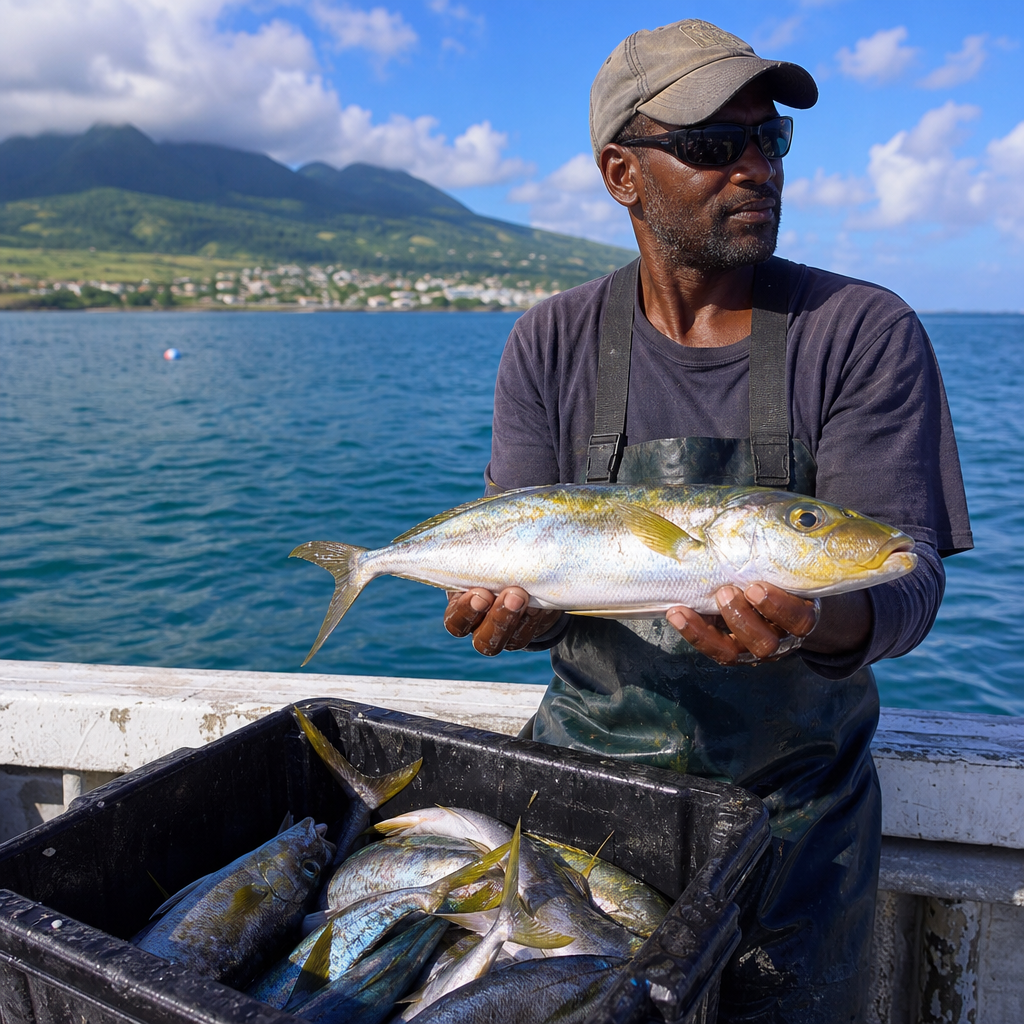
Sustainable fishing in Saint Kitts means enjoying the island’s seafood, coastal culture, and marine excursions in ways that protect fish populations, coral reef ecosystems, and local livelihoods for the long term. For travelers, residents, and tourism businesses, the idea is simple: take only what the ocean can replace, avoid methods that damage habitat, and support the people who fish responsibly. In practice, that includes choosing legal catches, respecting closed seasons, understanding where seafood comes from, and favoring operators who treat the sea as a living resource rather than an unlimited supply. I have seen firsthand that the difference between a healthy nearshore fishery and a declining one often comes down to thousands of everyday decisions made by captains, chefs, market vendors, and visitors.
Saint Kitts has strong reasons to take this seriously. The island’s reefs, seagrass beds, and nearshore waters support reef fish, pelagic species, lobster, and conch while also buffering coastlines, attracting divers, and sustaining communities. Tourism and fishing are deeply connected here: visitors want fresh mahi-mahi, snapper, and lobster, yet the same visitors also come for clear water, marine wildlife, and intact coral landscapes. If fish stocks fall or habitats degrade, both sectors lose. Sustainable fishing therefore sits at the center of sustainable tourism. It protects food security, preserves cultural knowledge, reduces pressure on vulnerable species, and helps ensure that future guests can experience Saint Kitts’ ocean bounty responsibly rather than consume the last of it.
This hub article brings the full picture together. It defines the core principles behind responsible seafood and marine recreation, explains which species and habitats matter most around Saint Kitts, and shows how travelers can make better choices at restaurants, fish markets, and on the water. It also points toward the wider set of topics that belong under this miscellaneous subtopic, from reef-safe boating and lionfish consumption to local regulations, seasonal menus, and community-led conservation. If you want one practical starting point for understanding sustainable fishing in Saint Kitts, this page is it.
What sustainable fishing looks like in Saint Kitts
Sustainable fishing is not one rule; it is a management approach that balances harvest with ecosystem health. Around Saint Kitts, that usually means maintaining breeding populations, preventing juveniles from being harvested before they reproduce, limiting bycatch, and avoiding gear or behavior that harms coral reefs and seagrass. The most responsible fishers pay attention to seasonality, fish size, and location. They know that reef species are not interchangeable with fast-growing pelagic fish, and they adapt effort accordingly. A captain targeting mahi-mahi offshore in season is operating in a very different ecological context from someone spearing herbivorous reef fish near coral structure.
In day-to-day tourism, sustainable fishing also includes traceability and transparency. A restaurant that can tell diners whether a fish was caught locally, whether lobster is in season, and why a species is or is not on the menu is doing more than marketing. It is helping create demand for legal, lower-impact seafood. Likewise, charter operators who explain catch limits, encourage selective harvest, and release unsuitable fish properly are part of the solution. Catch-and-release can reduce mortality for some sport species when handled correctly, but it is not impact-free, which is why technique matters. Barbless hooks, short fight times, wet hands, and quick releases can significantly improve survival.
The broader lesson is that sustainability is situational. A fishing method may be acceptable in one habitat and harmful in another. A species may be a good choice one month and a poor choice the next. Visitors do not need to become fisheries scientists, but they should expect specificity. Ask what species are abundant now, what is being avoided, and why. Vague answers usually signal weak sourcing.
Key species, habitats, and pressure points visitors should understand
Saint Kitts’ marine environment includes coral reefs, rocky bottoms, sandy flats, mangroves in the wider federation context, and open-water zones used by pelagic species. Each habitat supports different life stages. Juvenile fish often depend on sheltered nursery areas before moving to reefs or offshore waters. Damage in one place therefore affects another. Anchoring on coral, trampling seagrass, or polluting bays can reduce fish abundance even if no fish are directly harvested.
For seafood choices, it helps to separate broad categories. Pelagic fish such as mahi-mahi and tuna generally reproduce faster and are often better options than slow-growing reef predators, although stock status and method still matter. Reef fish like snapper and grouper can be excellent table fare, but they are more vulnerable when fishing pressure is high, especially if large breeding adults are removed consistently. Spiny lobster and queen conch require careful management because they are high-value species with clear minimum size and seasonal concerns across the Caribbean. Parrotfish deserve special mention: although eaten in some places, they are ecologically important grazers that help control algae on reefs. Removing too many herbivores can accelerate reef decline.
In my experience working on coastal destination content, the most common misunderstanding among visitors is assuming “local” automatically means sustainable. Local seafood reduces transport distance and supports livelihoods, but it can still come from overfished stocks or from catches taken out of season. The better question is whether the species, size, season, and fishing method make ecological sense. That is the standard responsible buyers should use.
How travelers can choose responsible seafood and excursions
The fastest way to support sustainable fishing in Saint Kitts is to ask better questions before ordering seafood or booking a trip. At a restaurant, ask what was caught locally this week, which species are currently abundant, and whether the menu avoids undersized lobster, egg-bearing females, or closed-season items. Good kitchens usually know their supply chain. Some even shift menus daily based on landings, which is a strong signal of responsible sourcing. If a venue offers every species every day regardless of weather or season, that consistency may come from frozen imports or weak traceability, not from careful fisheries management.
For charters, ask what gear is used, whether reef areas are avoided for anchoring, how unwanted fish are released, and whether the crew follows legal size and bag limits. Responsible operators welcome these questions because they already train around them. They will also explain that not every trip is about maximizing catch. Some days, changing conditions, spawning patterns, or conservation concerns mean moving offshore, changing target species, or ending harvest early. That restraint is a marker of quality, not a shortcoming.
| Traveler decision | Responsible choice | Why it matters |
|---|---|---|
| Ordering reef fish | Ask the species, size, and whether it is in season | Reduces demand for vulnerable or undersized fish |
| Choosing lobster | Confirm it is legally sourced and not carrying eggs | Protects breeding stock and future harvests |
| Booking a fishing charter | Select crews that explain limits and release practices | Supports low-impact recreational fishing |
| Taking a boat tour | Prefer operators that use moorings instead of coral anchoring | Prevents direct reef damage |
| Trying a new species | Consider invasive lionfish when available | Creates demand for targeted removal of a reef threat |
One especially useful choice is being open to lesser-known or seasonal options. Sustainable seafood systems work better when demand is spread across abundant species instead of concentrated on a few prestige items. In the Caribbean, chefs who feature rotating catches, fish sandwiches made from appropriate local species, or lionfish specials can reduce pressure on more sensitive stocks while still giving visitors an excellent meal.
Regulation, enforcement, and the role of local communities
Responsible fishing depends on rules, but rules only matter when people understand and respect them. In Saint Kitts and the wider Caribbean, fisheries governance commonly includes closed seasons, minimum size limits, gear restrictions, and licensing requirements. These tools are designed to protect spawning activity, allow juveniles to mature, and reduce destructive practices. Closed seasons for species such as lobster and conch are particularly important because they align harvest with reproductive cycles. Minimum size rules serve the same purpose by ensuring animals have a chance to reproduce before capture.
Enforcement is always the harder side of fisheries management, especially for small islands balancing limited resources, active tourism, and dispersed coastal access. That is why community support matters so much. Fishers, vendors, dive operators, and hospitality businesses often notice problems before regulators do, whether that means illegal nets, undersized seafood entering the market, or reef areas being damaged by careless boating. The best destinations build informal and formal feedback loops so local knowledge supports compliance rather than being ignored.
I have seen that programs work better when they explain the business case, not just the biology. When fishers understand that protecting nursery habitat today can improve catch stability next year, cooperation rises. When restaurants recognize that transparent sourcing builds guest trust and premium value, they become allies in accountability. Sustainable fishing in Saint Kitts is therefore not only an environmental issue. It is a governance and community issue tied directly to jobs, reputation, and resilience.
Why this hub matters for sustainable tourism planning
As a sub-pillar hub under sustainable tourism, this page covers the miscellaneous topics that connect ocean use, food culture, and visitor behavior. Those topics are often scattered, yet they shape the real experience of coastal travel. A guest may read about marine conservation separately, book a snorkel trip elsewhere, and choose seafood with no guidance at all. Bringing these threads together makes sustainable action easier. It also creates a stronger framework for future articles on seasonal seafood calendars, responsible spearfishing, fish market etiquette, charter standards, marine protected areas, and how chefs can communicate sourcing clearly.
The practical benefit is coherence. Visitors do not think in policy silos. They think in questions: What should I eat? What should I avoid? How do I know if a tour operator is responsible? Can recreational fishing be sustainable? What species help or hurt reefs? A useful hub answers those questions directly and points to deeper resources. For tourism boards, hotels, and travel publishers, that structure also improves content discoverability and helps align sustainability messaging across dining, excursions, and conservation storytelling.
Saint Kitts is well positioned to lead with this approach because its appeal depends on the quality of both hospitality and habitat. Travelers increasingly reward destinations that make responsible choices legible. They do not need perfection, but they do expect honesty, local knowledge, and visible standards. That expectation is an opportunity.
Building a better visitor experience through informed ocean choices
The strongest sustainable fishing experiences in Saint Kitts do not feel restrictive. They feel richer because they connect people to seasonality, place, and local expertise. A chef explaining why today’s catch is mahi-mahi instead of reef grouper teaches guests something real about the sea. A captain choosing a mooring rather than dropping anchor on coral shows that stewardship is part of professionalism. A market vendor refusing to sell an undersized lobster demonstrates that long-term value matters more than a quick sale. These moments shape how visitors remember the island.
The key takeaway is straightforward: enjoying Saint Kitts’ ocean bounty responsibly means linking appetite with awareness. Choose seafood that is legal, seasonal, and sensibly sourced. Support operators who protect reefs, respect limits, and communicate clearly. Stay curious about species, methods, and habitats instead of assuming every local catch is automatically a good choice. When enough travelers do that, the market shifts toward better practices.
Use this hub as your starting point for exploring sustainable tourism through the lens of fishing, dining, and marine recreation. Then take one simple next step: on your next meal or excursion in Saint Kitts, ask where the catch came from and how it was harvested. That single question encourages the kind of transparency that keeps the island’s waters productive, beautiful, and worth experiencing for years to come.
Frequently Asked Questions
What does sustainable fishing mean in Saint Kitts, and why does it matter?
Sustainable fishing in Saint Kitts means harvesting seafood and enjoying marine activities in ways that allow fish populations, reef habitats, and coastal communities to remain healthy over time. In simple terms, it is about taking only what the ocean can naturally replace, avoiding practices that harm coral reefs or juvenile fish, and making choices that support responsible local fishers. This matters because Saint Kitts depends on the sea for food, jobs, culture, recreation, and tourism. When fishing pressure becomes too high or destructive methods are used, the effects can spread quickly through the marine ecosystem, reducing fish stocks, damaging breeding grounds, and weakening the reef systems that help protect the shoreline and support biodiversity.
For travelers and residents alike, sustainable fishing is not just an environmental idea; it is also an economic and cultural one. Healthy fisheries help preserve traditional livelihoods, maintain access to fresh local seafood, and keep marine excursions attractive for future visitors. Responsible fishing and seafood choices can also reduce demand for species that are overharvested or caught illegally. In Saint Kitts, where reef and coastal ecosystems are closely tied to everyday life, sustainability helps ensure that the island’s ocean bounty remains available for future generations rather than being depleted for short-term gain.
How can travelers enjoy seafood in Saint Kitts without contributing to overfishing?
Travelers can make a meaningful difference by asking a few smart questions before ordering seafood or booking ocean-based experiences. A good starting point is to ask restaurants, beach bars, and seafood vendors what species are being served, whether the catch is local and in season, and how it was caught. Choosing legal, abundant, and locally sourced seafood generally supports both freshness and lower environmental impact. It is also wise to avoid ordering species if staff cannot clearly identify them or explain their source, since transparency is often a sign of responsible sourcing.
Another practical step is to respect seasonal availability. Certain fish and shellfish need protected periods to spawn and replenish their populations, and closed seasons exist for that reason. If a species is out of season, the responsible choice is to choose something else. Travelers should also be cautious about seafood promoted as rare, unusually small, or harvested in ways that suggest reef damage or wasteful practices. Supporting restaurants and tour operators that emphasize sustainability, local partnerships, and compliance with regulations helps reward businesses that are doing things properly. In the long run, informed seafood choices help protect Saint Kitts’ marine life while still allowing visitors to enjoy the island’s rich culinary traditions.
What should I know about fishing charters, catch-and-keep trips, and marine excursions in Saint Kitts?
Before joining a fishing charter or any marine excursion in Saint Kitts, it is important to understand how the operator approaches conservation, legal compliance, and local marine conditions. Responsible charter operators should be able to explain which species may be targeted, what the size and catch limits are, whether any seasonal restrictions apply, and what happens to fish that are undersized or out of season. They should also show a clear commitment to avoiding damage to reefs, seagrass beds, and nursery habitats. If an operator seems unconcerned about regulations or encourages taking as many fish as possible regardless of size or species, that is a clear warning sign.
Many travelers also benefit from asking whether a trip includes catch-and-release practices, selective fishing methods, or education about local marine ecosystems. Sustainable operators often emphasize quality over volume and understand that a good day on the water can include wildlife viewing, learning about traditional fishing culture, and harvesting only what can be used responsibly. It is also worth confirming that the operator has the proper licenses and follows guidance from local authorities. Choosing a well-managed excursion helps protect Saint Kitts’ ocean resources while giving visitors a more authentic and respectful experience of the island’s coastal environment.
Why are coral reefs and marine habitats so important to sustainable fishing in Saint Kitts?
Coral reefs, seagrass beds, mangroves, and other coastal habitats form the ecological foundation of sustainable fishing in Saint Kitts. These areas provide shelter, feeding grounds, breeding sites, and nursery habitat for many marine species at different stages of their life cycles. When reefs are healthy, they support a wide range of fish and invertebrates, which helps maintain biodiversity and keeps the food web functioning properly. Many of the species people enjoy catching or eating depend directly or indirectly on these habitats for survival.
Damage to these ecosystems can have long-lasting consequences. Harmful fishing techniques, careless anchoring, pollution, and physical disturbance can reduce habitat quality and make it harder for fish populations to recover. Even if fishing pressure seems modest, degraded reefs and coastal habitats can limit reproduction and juvenile survival, weakening the entire fishery over time. Protecting marine habitats is therefore inseparable from responsible seafood consumption and sustainable fishing practices. Visitors can help by choosing reef-safe operators, avoiding tours that interfere with sensitive habitat, not touching or standing on coral, and supporting businesses that recognize the connection between conservation and long-term ocean productivity.
How does supporting responsible local fishers benefit Saint Kitts’ communities and environment?
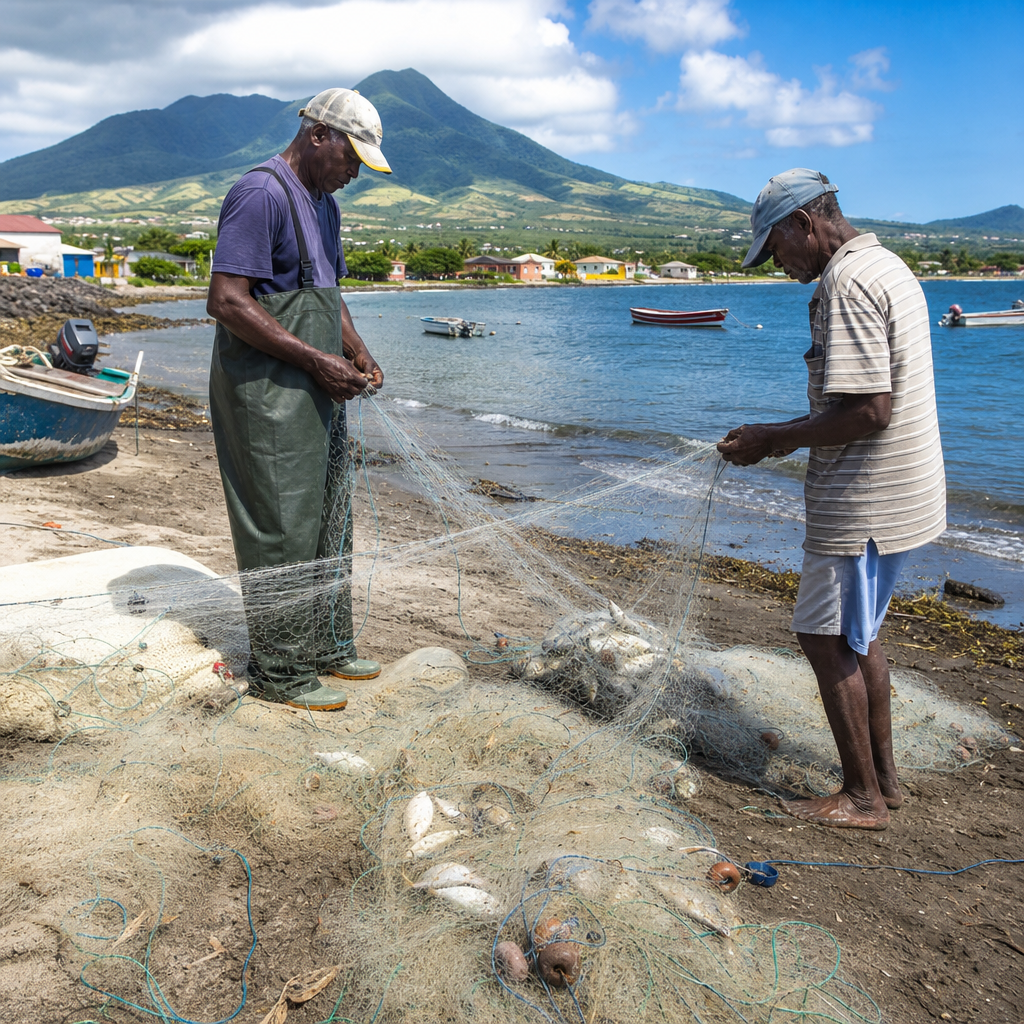
Supporting responsible local fishers helps strengthen the link between environmental stewardship and economic resilience in Saint Kitts. Fishers who follow regulations, respect closed seasons, use less damaging methods, and avoid undersized or protected species are investing in the long-term health of the fishery. When residents, restaurants, hotels, and visitors choose to buy from these fishers, they create market demand for ethical practices rather than rewarding short-term overharvesting. That kind of support can help keep traditional fishing knowledge alive while encouraging better standards across the local seafood economy.
There is also a broader community benefit. Sustainable local fishing can keep more tourism spending within the island, support family livelihoods, and reduce dependence on imported seafood. It can encourage transparency in supply chains and strengthen trust between fishers, chefs, tour operators, and consumers. Over time, these choices help build a coastal economy that values stewardship as much as profit. For anyone visiting or living in Saint Kitts, supporting responsible fishers is one of the clearest ways to enjoy the island’s seafood and maritime heritage while helping protect the ecosystems and communities that make that experience possible.