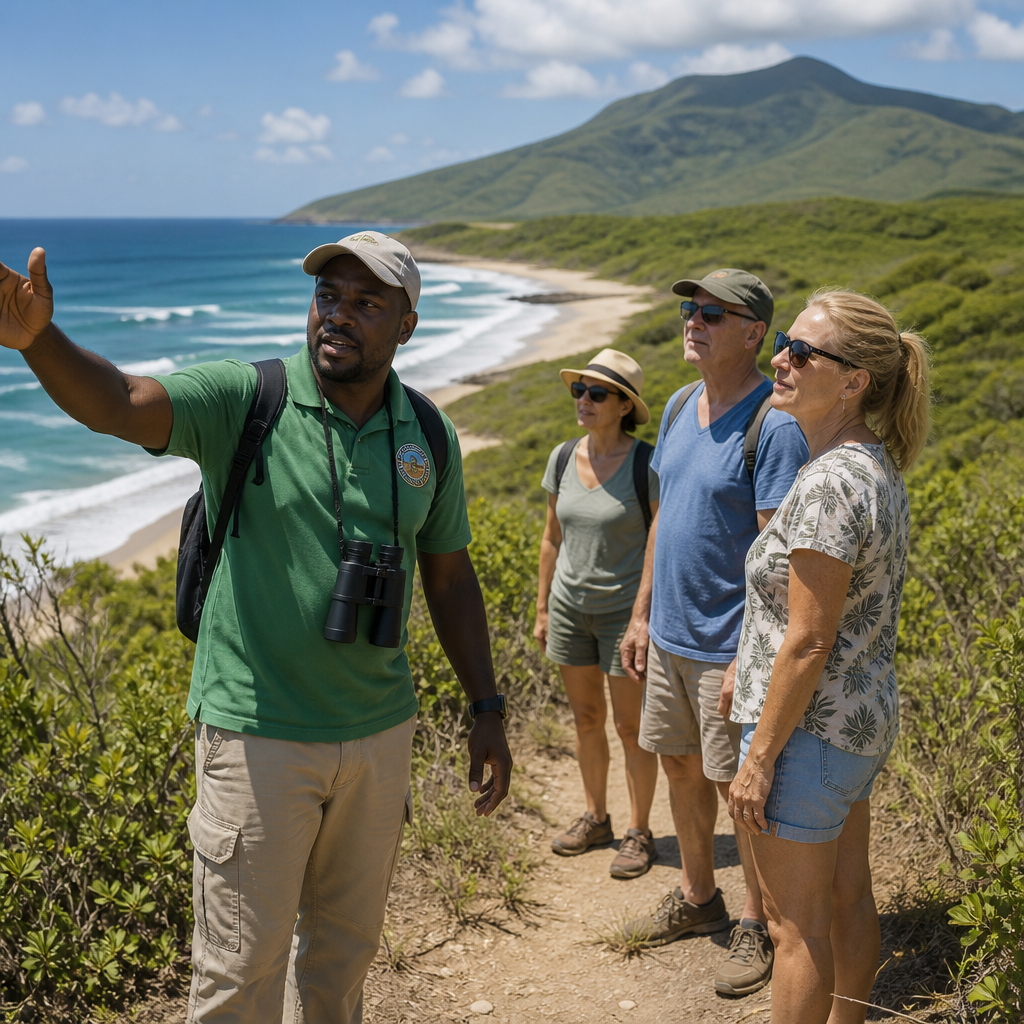
Eco-volunteer opportunities for tourists in Saint Kitts combine meaningful conservation work with a deeper, more informed travel experience. For visitors who want more than beaches, cruise excursions, or resort amenities, eco-volunteering offers a practical way to support the island’s environment, heritage, and communities while learning how sustainability works on the ground. In Saint Kitts, that can mean helping on a sea turtle patrol, joining a coastal cleanup, assisting with reforestation in former sugar lands, contributing to community gardens, or supporting education programs that connect residents and visitors to local ecosystems.
Saint Kitts, officially part of the Federation of Saint Christopher and Nevis, is a small Eastern Caribbean island with ecosystems that are both rich and vulnerable. Its tourism economy depends heavily on healthy beaches, coral reefs, forests, and scenic landscapes. At the same time, it faces the same pressures seen across many island destinations: coastal erosion, marine debris, invasive species, habitat fragmentation, water stress, and climate-related risks such as stronger storms and coral bleaching. Because the island is compact, environmental change is visible quickly. That makes even short-term volunteer participation valuable when it is well organized and tied to local priorities.
When I evaluate eco-volunteer programs in Caribbean destinations, I look for three things first: whether the host organization has a clear conservation objective, whether volunteer tasks are genuinely useful rather than symbolic, and whether visitors are prepared to work in a way that respects local leadership. Saint Kitts has opportunities that meet those standards, especially when travelers approach volunteering as service, not entertainment. The best programs give tourists a defined role, basic training, safety guidance, and context about why the work matters. They also fit into a broader sustainable tourism model in which visitor spending, education, and labor support long-term environmental outcomes.
For travelers planning a responsible trip, this page serves as a hub to the miscellaneous side of sustainable tourism in Saint Kitts: the hands-on activities, seasonal projects, small organizations, and hybrid experiences that do not always fit neatly into conventional travel categories. It also answers common questions directly: what types of eco-volunteer opportunities exist, who can participate, how much time is required, what skills help, and how to choose a credible program. Understanding those basics helps tourists contribute effectively and avoid the common mistake of signing up for a feel-good activity that has little measurable benefit.
What Eco-Volunteer Opportunities Look Like in Saint Kitts
Eco-volunteer opportunities for tourists in Saint Kitts usually fall into five practical categories: marine conservation, coastal and community cleanups, habitat restoration, sustainable agriculture, and environmental education support. Some are one-day activities suitable for cruise passengers or short-stay visitors. Others are better for travelers spending a week or more, especially if the work involves training, repeated monitoring, or collaboration with local schools, nonprofits, or site managers. The common thread is direct participation in environmental stewardship tied to an identified need.
Marine conservation is often the most visible option because Saint Kitts’ coastline is central to both biodiversity and tourism. Visitors may find opportunities with sea turtle monitoring during nesting season, beach patrol support, data collection on hatchling activity, and shoreline observation that helps local conservation groups track nesting success. In some cases, tourists can also join reef-safe educational dives or snorkel-based citizen science programs that document coral condition, fish abundance, or marine debris. These activities work best when supervised by trained staff who use standardized protocols rather than casual observation.
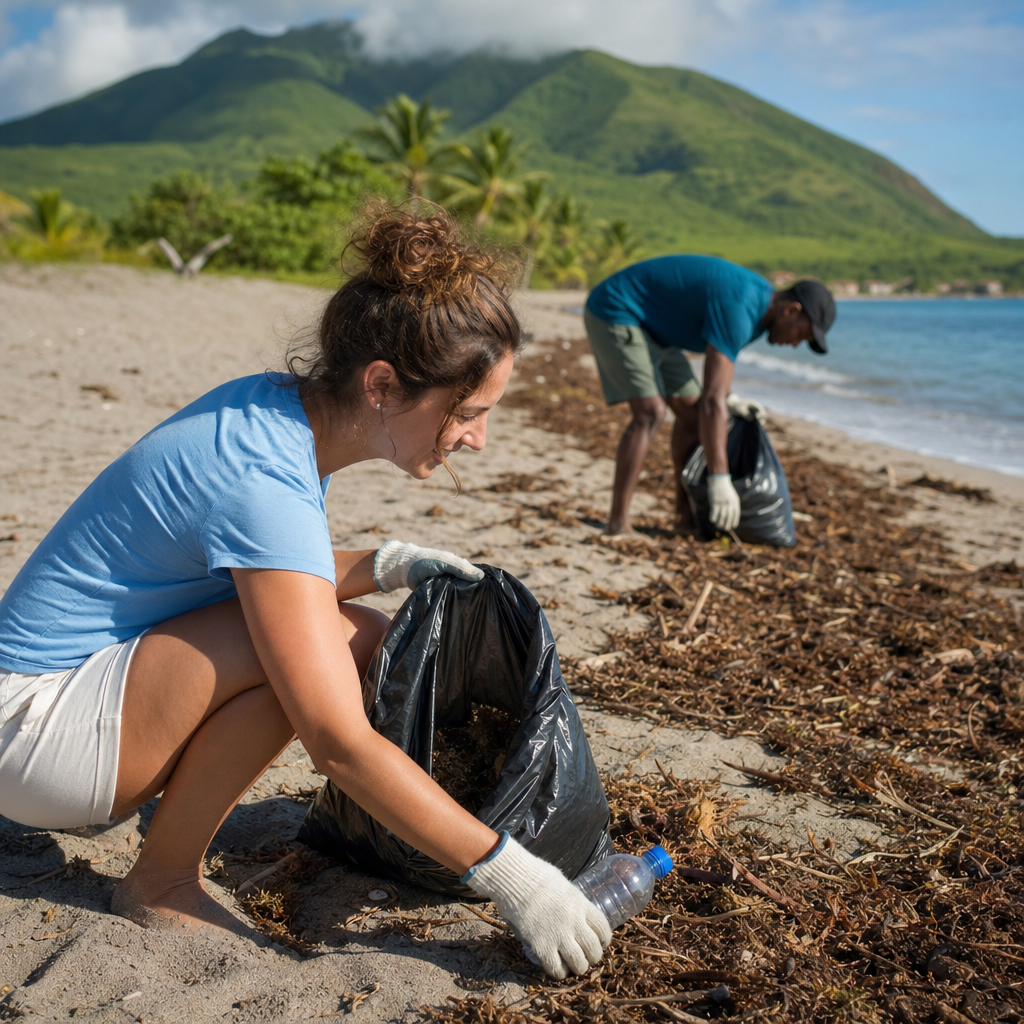
Coastal cleanup projects are common because marine litter reaches the island from local sources, fishing activity, and wider Caribbean currents. A cleanup may seem simple, but well-run efforts do more than collect trash. They sort waste categories, log debris types, identify hotspots, and share findings with local authorities or partner organizations. That turns a cleanup into usable environmental data. I have seen the difference this makes in island destinations where repeated counts of plastic bottles, foam fragments, fishing line, and single-use packaging helped justify better bins, signage, and business practices near beaches.
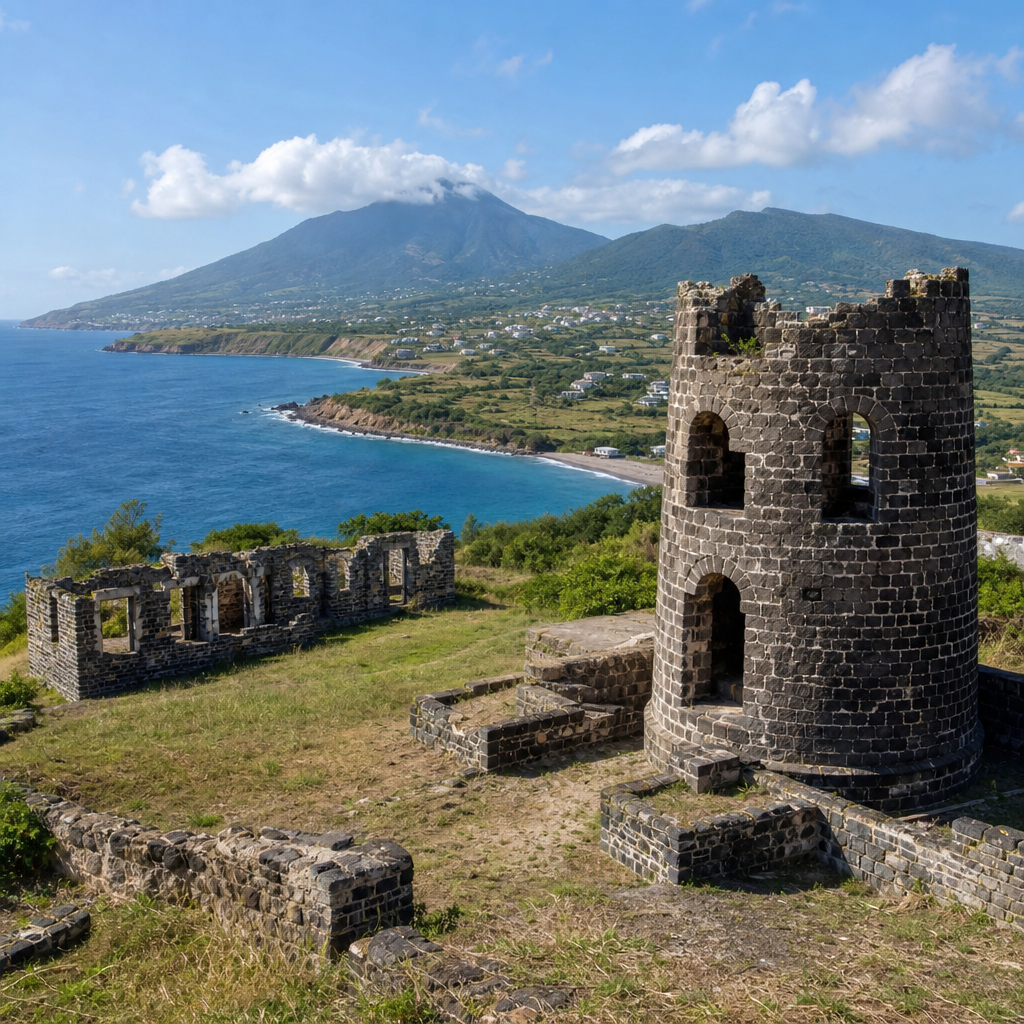
Habitat restoration on Saint Kitts can include tree planting, trail maintenance, erosion control, and invasive plant removal in sensitive areas. The island’s history as a sugar producer left a patchwork landscape where some former agricultural lands are now being restored for biodiversity, watershed protection, or community use. Reforestation work matters because upland vegetation supports soil stability, water retention, and habitat connectivity. Tourists are often surprised to learn that planting the right native or climate-appropriate trees inland can contribute indirectly to healthier coastal waters by reducing sediment runoff after rain.
Sustainable agriculture and garden-based volunteering form another useful category, especially for travelers interested in food systems. Community gardens, school gardens, and small farms may welcome help with composting, bed preparation, mulching, seedling care, or harvest support. These projects are important in island economies where food import dependence is high and resilient local agriculture has environmental as well as economic value. A volunteer session on a farm can also teach visitors how drought, soil management, and hurricane preparedness shape what sustainable farming looks like in the Caribbean.
Environmental education support is less glamorous but often highly effective. Visitors with teaching, design, biology, or communications experience may be able to help with outreach materials, interpretive signage, youth workshops, or event support for conservation days. This type of work must be invitation-led, not imposed, but it can extend the capacity of small organizations that have strong mission clarity and limited staff. For tourists with professional skills, it is sometimes the highest-impact contribution available.
Best Fits for Short-Stay and Longer-Stay Visitors
Not every eco-volunteer experience in Saint Kitts requires a major time commitment. Tourists visiting for a day or two can still contribute through structured beach cleanups, mangrove-edge litter collection, community garden workdays, or hotel-partnered conservation mornings run with local groups. These activities are accessible because they need minimal training, can be completed safely within a few hours, and produce immediate results. For cruise passengers, the best option is usually a pre-arranged program with transportation, gloves, water, and a clear waste disposal plan already in place.
Travelers staying four to seven days can look for programs with light training components, such as sea turtle patrol orientation, biodiversity walks that feed into species logging, or repeat visits to the same restoration site. The advantage of a week-long stay is continuity. Staff can show volunteers how a baseline is established, how observations are recorded, and how one work session connects to the next. Even simple repetition improves data reliability and helps visitors understand that conservation is process-driven, not a one-off event.
Longer-stay visitors, including digital nomads, students, retirees, and working travelers, are often the best match for projects that require consistency. Examples include weekly nursery care for reforestation seedlings, support for school environmental clubs, database entry for monitoring programs, and scheduled agricultural work tied to planting cycles. Organizations invest more in orienting these volunteers because the return is higher. In practice, that means longer-stay participants may receive deeper site briefings, stronger supervision, and more meaningful responsibilities than day volunteers.
Families can participate too, but they should choose carefully. A beach cleanup or garden morning is usually appropriate for children, while wildlife handling, late-night patrols, and steep terrain restoration may not be. Responsible operators state age minimums, physical requirements, and weather limits upfront. If those details are vague, treat that as a warning sign. Good eco-volunteer programming is specific about who should join and why.
How to Evaluate a Credible Program Before You Book
The fastest way to identify worthwhile eco-volunteer opportunities for tourists in Saint Kitts is to ask structured questions. Who leads the project locally? What specific conservation or community outcome is the activity designed to support? How are volunteers trained and supervised? Where does any participation fee go? What happens to collected data, planted trees, or removed waste after the event? If an organizer cannot answer those points clearly, the program may be more about optics than impact.
Look for alignment with recognized good practice. Marine and coastal activities should emphasize reef-safe behavior, no-touch wildlife protocols, and proper waste handling. Habitat restoration should mention native species selection, site suitability, and maintenance plans. Agriculture projects should explain whether they use composting, water-conserving irrigation, or soil-building methods. Education programs should be coordinated with local teachers, community leaders, or nonprofit staff rather than built around outsider assumptions.
| Program type | Typical tasks | Best for | What to verify |
|---|---|---|---|
| Sea turtle conservation | Night patrols, nest observation, data logging | Week-long visitors, wildlife-focused travelers | Permits, trained supervisors, wildlife handling rules |
| Beach and coastal cleanup | Litter collection, sorting, debris counts | Short stays, families, groups | Data use, disposal plan, gloves and safety briefing |
| Reforestation and trail work | Planting, mulching, invasive removal, erosion control | Active travelers, longer stays | Species selection, follow-up maintenance, terrain safety |
| Community garden or farm support | Composting, weeding, seedling care, harvesting | Food-systems travelers, families, students | Local leadership, water practices, practical task list |
| Education and outreach assistance | Workshop support, signage, materials, event help | Professionals, retirees, longer stays | Defined scope, local review, realistic deliverables |
Transparency matters. Reputable organizations explain limits as well as benefits. They will tell you if weather may cancel a patrol, if sightings are never guaranteed, if planting success depends on rainfall, or if your task is one small part of a larger multi-year project. That honesty is a positive sign. I trust programs more when they explain constraints, because conservation work always has them.
Practical Preparation: Skills, Gear, Etiquette, and Safety
Most tourists do not need specialist expertise to join eco-volunteer projects in Saint Kitts, but preparation improves both safety and usefulness. For fieldwork, bring closed-toe shoes, sun protection, a refillable water bottle, light long sleeves, insect repellent, and work clothes that can get muddy or salty. For marine activities, ask whether reef-safe sunscreen is required and whether rash guards are preferable to heavy sunscreen use. On islands with fragile reefs and intense heat, those details are not minor.
Physical readiness matters more than people expect. A beach cleanup in tropical humidity can be strenuous. A turtle patrol may involve late hours, uneven sand, and long quiet stretches before any observation occurs. Tree planting can mean bending, lifting, and hiking tools uphill. Honest self-assessment helps match you to the right task. Good coordinators would rather place a volunteer appropriately than manage preventable fatigue or injury in the field.
Etiquette is as important as effort. Arrive on time, listen before acting, and avoid treating local staff as tour guides if they are running a work program. Ask before taking close photos of wildlife, schools, or community members. Do not bring snacks in disposable packaging to a cleanup and leave with more waste than you found. If the project collects data, record it carefully. In every destination where I have worked around visitor volunteering, precision and respect have mattered more than enthusiasm alone.
Tourists with useful professional skills should mention them in advance. Biology students may help with species identification. Teachers may support youth activities. Designers can improve signage. Gardeners can assist with propagation systems. Data-savvy volunteers can help clean spreadsheets or map litter hotspots. The key is to offer skills without assuming they are needed. The host organization decides what is useful.
Finally, consider the wider footprint of your trip. Eco-volunteering has more credibility when the rest of your travel choices support the same values. Stay at properties with visible waste-reduction practices, conserve water, choose local guides, eat more locally grown food, and avoid wildlife interactions that are entertainment-driven. Volunteer for three hours, but travel responsibly for the entire stay.
Where Eco-Volunteering Fits Within Sustainable Tourism in Saint Kitts
Eco-volunteer opportunities for tourists in Saint Kitts are most effective when they complement, rather than replace, responsible tourism spending and policy support. Volunteer labor alone will not solve marine pollution, reef degradation, or land-use pressure. What it can do is strengthen community-led efforts, generate useful data, direct visitor attention toward real environmental priorities, and create travelers who make better decisions during and after their trip. That is why eco-volunteering belongs inside a broader sustainable tourism approach, not at its edges.
As a sub-pillar hub for miscellaneous sustainable tourism topics, this page connects the practical pieces travelers often overlook: seasonal conservation events, small nonprofit initiatives, low-profile community projects, educational collaborations, and hybrid experiences offered by hotels, guides, farms, or civic groups. These are not always marketed aggressively, yet they often deliver the most grounded understanding of the island. A morning spent sorting beach debris or mulching food crops can teach more about Saint Kitts’ environmental realities than an hour of passive sightseeing.
The main benefit is simple: tourists leave with a stronger connection to place and the island gains support that is tangible when programs are well run. If you are planning a trip, shortlist organizations early, ask direct questions, choose one activity that matches your time and ability, and participate with humility. Sustainable tourism in Saint Kitts becomes more credible when visitors do exactly that.
Frequently Asked Questions
What kinds of eco-volunteer opportunities are available for tourists in Saint Kitts?
Tourists in Saint Kitts can often take part in a wide range of eco-volunteer activities that support conservation, community well-being, and environmental education. Depending on the season, local nonprofit schedules, and partnership programs, opportunities may include sea turtle monitoring and nest protection, beach and coastal cleanups, trail maintenance, native tree planting, watershed and hillside reforestation, habitat restoration, marine debris removal, and educational outreach connected to sustainability. Some programs are highly structured and arranged in advance through conservation groups or eco-lodges, while others are shorter community events that visitors can join during their stay.
What makes these experiences especially valuable is that they go beyond sightseeing. Instead of simply visiting a beautiful beach or scenic forest, travelers gain insight into how local ecosystems function and what pressures they face, from erosion and plastic waste to habitat loss and tourism-related strain. In a place like Saint Kitts, eco-volunteering can help visitors understand the direct relationship between healthy reefs, clean coastlines, biodiversity, and the long-term resilience of local communities. For many travelers, that combination of hands-on service and environmental learning becomes one of the most meaningful parts of the trip.
Do I need any special training or experience to join an eco-volunteer program in Saint Kitts?
In most cases, no specialized background is required for entry-level eco-volunteer opportunities in Saint Kitts. Many activities are designed so that travelers of different ages, fitness levels, and experience can contribute safely and effectively. Coastal cleanups, community tree planting, invasive litter removal, and basic habitat restoration projects typically begin with an on-site orientation led by local organizers. Volunteers are usually given clear instructions about safety, environmental best practices, and the specific goals of the activity before any work begins.
That said, some projects do have extra requirements. Sea turtle patrols may involve late-night or early-morning shifts, quiet observation, and strict rules about lighting, handling, and distance. Reforestation or trail work can involve hiking on uneven terrain in tropical heat, which means moderate physical stamina may be helpful. Marine-related projects may require confidence around the water, though not always formal dive certification. The best approach is to contact the host organization in advance, ask what gear and preparation are needed, and be honest about your abilities. Responsible programs will match volunteers to tasks that are appropriate and useful rather than placing people into roles they are not ready for.
How can tourists find legitimate and responsible eco-volunteer programs in Saint Kitts?
The best way to find a legitimate eco-volunteer opportunity in Saint Kitts is to look for programs connected to established local conservation groups, community organizations, heritage initiatives, or accommodations with a credible sustainability focus. A responsible program should be transparent about its mission, explain exactly how volunteer time supports local goals, and show evidence of collaboration with residents, educators, scientists, or environmental leaders on the island. If a program is vague about where the work takes place, who benefits, or how conservation outcomes are measured, that is a sign to ask more questions.
Travelers should look for practical indicators of quality: a clear schedule, safety guidance, realistic expectations, knowledgeable coordinators, and an emphasis on supporting local expertise rather than replacing it. Strong programs usually explain seasonal conditions, volunteer limits, ethical wildlife interaction rules, and the difference between helpful participation and performative tourism. Reviews can be useful, but direct communication matters more. Ask whether fees support local conservation, what training is provided, whether transportation or equipment is included, and how the work fits into broader environmental efforts in Saint Kitts. Programs that answer clearly and respectfully are often the ones taking both conservation and visitor participation seriously.
What should I bring and how should I prepare for eco-volunteering in Saint Kitts?
Preparation depends on the type of project, but a few essentials apply to almost every eco-volunteer activity in Saint Kitts. Lightweight clothing suitable for heat and humidity, closed-toe shoes or sturdy sandals, sun protection, insect repellent, and a reusable water bottle are usually important. If you are joining a beach cleanup or coastal restoration event, gloves may be provided, but it is still wise to ask in advance. For reforestation or trail-based work, long sleeves, light trousers, and footwear with grip can make a big difference in comfort and safety. If you are participating in sea turtle monitoring, organizers may have strict rules about flashlights, phone use, and clothing colors to reduce disturbance to wildlife.
Good preparation also includes mindset. Eco-volunteering is most rewarding when travelers arrive ready to listen, follow local guidance, and adapt to real field conditions. Conservation work is not always glamorous; it may involve mud, heat, early start times, slow observation, repetitive cleanup tasks, or weather-related changes. It helps to read a little about Saint Kitts’ ecosystems, current environmental challenges, and community priorities before you go. That background makes the experience more meaningful and helps you understand why certain rules exist. Being prepared physically and mentally allows you to contribute more effectively while showing respect for the island, its people, and its natural resources.
Why is eco-volunteering a meaningful way to experience Saint Kitts compared with standard tourism activities?
Eco-volunteering gives travelers a more grounded and informed connection to Saint Kitts than a typical itinerary built only around beaches, excursions, and resort time. Standard tourism can showcase the island’s beauty, but volunteering reveals the systems that protect that beauty and the people working to sustain it. When visitors help remove marine litter, support turtle conservation, or assist with restoring native vegetation, they begin to see how environmental stewardship, community resilience, and tourism are linked. That perspective often changes the trip from passive enjoyment to active participation.
It is also meaningful because it encourages more responsible travel behavior long after the volunteer day ends. Visitors who spend time with local conservation leaders often leave with a better understanding of coastal erosion, waste management, biodiversity protection, and the importance of respecting habitats. They are more likely to make thoughtful choices about water use, plastic consumption, wildlife interactions, and where they spend their money on the island. In that way, eco-volunteer opportunities in Saint Kitts do more than fill a day with good intentions. They create a deeper appreciation of place, strengthen the visitor’s relationship to the destination, and support a form of tourism that contributes rather than only consumes.