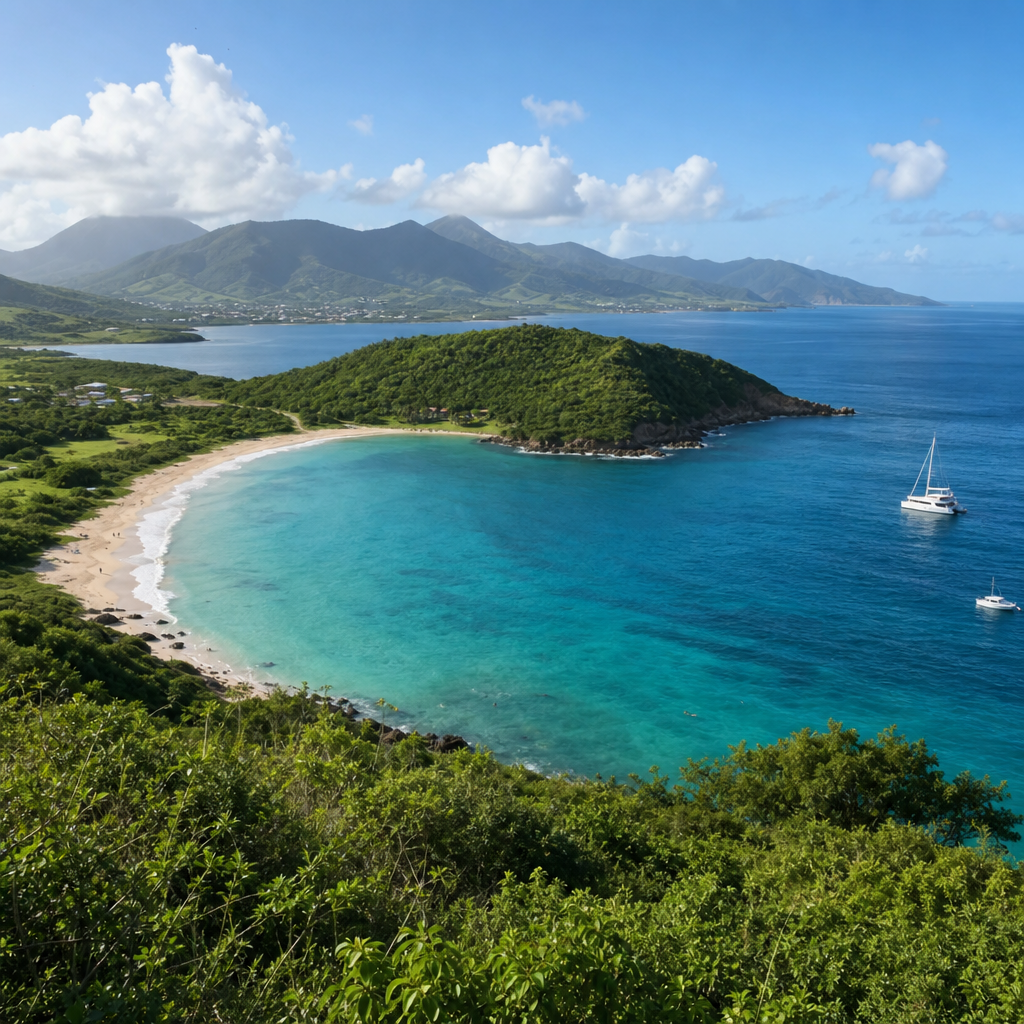
Saint Kitts’ green policies shape how the island protects beaches, reefs, forests, freshwater, and community life while welcoming visitors year round. For travelers researching sustainable tourism in the Caribbean, this matters because tourism is one of Saint Kitts’ core economic engines, and every guest influences energy use, waste volumes, transport emissions, and local conservation funding. Green policies, in this context, are the laws, standards, public programs, and business practices designed to reduce environmental damage and spread tourism benefits more fairly across the island. They include plastic reduction efforts, marine protection, cleaner transport planning, water conservation, solid waste management, and support for heritage landscapes and local agriculture. I have worked with destination content and sustainability audits for island markets, and Saint Kitts stands out because practical visitor choices can reinforce public policy quickly. A reusable bottle, a certified tour operator, or a low impact beach day may seem minor, yet multiplied across cruise arrivals and stayover guests, those decisions affect infrastructure strain and ecosystem health. This hub article explains the broader landscape so readers can understand the island’s priorities, make better booking decisions, and use their spending to support the most responsible parts of the visitor economy.
Why Saint Kitts puts sustainability at the center of tourism
Saint Kitts is a small island state with limited land, finite freshwater resources, delicate coastal ecosystems, and a strong dependence on imported fuel and goods. Those facts make sustainability less of a branding exercise and more of a planning necessity. A single busy tourism corridor can place pressure on roads, beaches, sewage systems, and electricity demand in ways that larger countries can absorb more easily. The island’s volcanic topography, rainforest interior, coral habitats, and agricultural lands also create a tourism product that depends on environmental quality. If reef health declines, sediment runoff increases, or litter becomes visible on public beaches, the visitor experience suffers alongside local livelihoods.
Government policy and destination management therefore tend to focus on resilience as much as conservation. In practical terms, that means reducing waste that is expensive to process on an island, protecting shorelines that buffer storms, encouraging water efficiency during dry periods, and preserving scenic and cultural assets that differentiate Saint Kitts from interchangeable cruise stops. Tourists often ask what difference one traveler can make. On islands, the answer is straightforward: per visitor impacts are concentrated. A guest who chooses a refillable water bottle, reef safe sunscreen, and a locally owned operator immediately reduces disposable waste, chemical exposure, and economic leakage. Sustainable tourism on Saint Kitts works best when visitor behavior aligns with public priorities rather than treating conservation as the government’s job alone.
Waste reduction, plastics, and what visitors should do daily
Waste management is one of the clearest areas where tourists can help Saint Kitts’ green policies succeed. Islands face high handling costs, limited landfill space, and dependence on imports that arrive wrapped in packaging. That makes single use plastic reduction especially important. Visitors can support this policy direction by bringing a reusable water bottle, shopping bag, utensils for day trips, and a durable coffee cup. Those small habits lower the stream of bottles, takeaway containers, and bags that accommodation providers and municipalities must collect and process.
In hotels and villas, the practical rule is simple: refuse what you do not need before it becomes waste. Decline daily linen changes when staying multiple nights, use bulk bathroom amenities where provided, and avoid individually packaged snacks when local fresh fruit is available. On beach days and excursions, carry out every item you bring in, including cigarette butts, bottle caps, and food wrappers. Litter on coastlines does not remain local for long; wind and runoff move it into drains, mangroves, and nearshore waters where it can entangle wildlife or fragment into microplastics.
Travelers should also ask businesses direct questions. Does the property provide filtered water refill stations? Does the tour boat separate recyclables? Are takeaway meals served in compostable or reusable containers? Businesses respond when guests show that sustainability affects purchasing decisions. I have seen hotels add refill points and remove miniature toiletries after noticing repeated guest requests. In a destination like Saint Kitts, where tourism purchasing patterns are visible at manageable scale, visitor demand can accelerate operational changes faster than many people expect.
Protecting beaches, reefs, and marine life through better tourist choices
Saint Kitts’ beaches and marine environments are central to its appeal, but they are also vulnerable to cumulative damage from anchoring, trampling, sunscreen runoff, wildlife disturbance, and careless recreation. Coral reefs in the wider Caribbean have faced long term stress from warming seas, disease, pollution, and overuse. Tourists cannot control ocean temperatures, but they can avoid adding local pressure. The most important practice is maintaining physical distance from reefs and seagrass beds. Do not stand on coral, collect shells that may still be occupied, or let fins strike shallow formations during snorkeling.
Choose operators who use mooring buoys instead of dropping anchors on sensitive seabeds. Ask whether guides provide a briefing on marine etiquette before the trip begins. Good operators do. They explain flotation use for inexperienced swimmers, fish feeding restrictions, and the importance of not chasing turtles or touching starfish for photographs. That guidance protects wildlife and often improves the guest experience because calm, observant groups see more natural behavior.
Sunscreen deserves special attention. Some chemical UV filters have been scrutinized for potential harm in marine environments, and while regulation varies by destination, the safer traveler approach is to prioritize mineral based products and sun protective clothing. A rash guard, hat, and shade plan reduce the amount of lotion entering the water. Beach use matters too. Stay on marked access paths where possible to limit dune and vegetation damage, and support businesses that organize cleanups or fund coastal restoration. Healthy shorelines are not only scenic; they reduce erosion, support fisheries, and strengthen storm resilience for the whole island.
Water and energy conservation at hotels, villas, and cruise stops
Freshwater and electricity are high priority issues for Caribbean islands because supply systems are costly, weather sensitive, and often linked to imported fuel. Tourists can help simply by treating utilities on Saint Kitts as finite resources rather than invisible hotel amenities. Long showers, daily towel replacement, and aggressive air conditioning use increase both water demand and energy load. In practical terms, set air conditioning to a moderate temperature, close balcony doors when cooling a room, switch off lights and electronics when leaving, and report leaks immediately. A running toilet can waste significant volumes quickly, and on an island that matters.
Accommodation choice is another lever. Properties that publish sustainability measures usually mention efficient fixtures, linen reuse programs, solar water heating, smart thermostats, or on site water treatment. None of these features guarantee perfect performance, but they are useful indicators that management is tracking resource use. Cruise passengers should think about impact differently. A short port call can still generate substantial transport activity, disposable food packaging, and concentrated beach use. Booking a small group excursion, carrying refillables, and spending money with businesses that operate year round in local communities are better choices than high waste, high volume stopover habits.
| Tourist decision | Lower impact option | Why it supports Saint Kitts |
|---|---|---|
| Buying drinking water | Use refill stations and a reusable bottle | Reduces plastic waste and import packaging |
| Getting around the island | Share transfers or join small group tours | Lowers per person fuel use and traffic pressure |
| Choosing a beach activity | Book operators with reef briefings and mooring buoys | Protects coral, seagrass, and marine wildlife |
| Staying in accommodation | Support properties with water and energy saving systems | Encourages efficient infrastructure investment |
| Buying souvenirs | Purchase locally made goods and local food products | Keeps tourism income in the island economy |
Transport, excursions, and supporting lower impact local business
Transport is often the least visible part of a tourist footprint after the flight itself. On Saint Kitts, taxis, rental cars, tour buses, ferries, and excursion boats all contribute to fuel use and localized emissions. Visitors can reduce this impact without sacrificing convenience. Share airport or port transfers when possible, combine sightseeing stops into one itinerary rather than multiple separate drives, and favor walking in compact heritage areas such as Basseterre when conditions allow. If renting a vehicle, drive efficiently and avoid unnecessary idling at scenic stops.
Excursion choice affects both emissions and economic outcomes. A small locally owned guide service often keeps more revenue on island than a generic booking channel selling high volume packages. Ask who owns the business, where food is sourced, and whether staff are local year round employees. This is not just an ethical preference. Higher local retention means more tourism income circulates through farms, craft producers, drivers, maintenance workers, and community events, which in turn makes conservation policies politically easier to sustain.
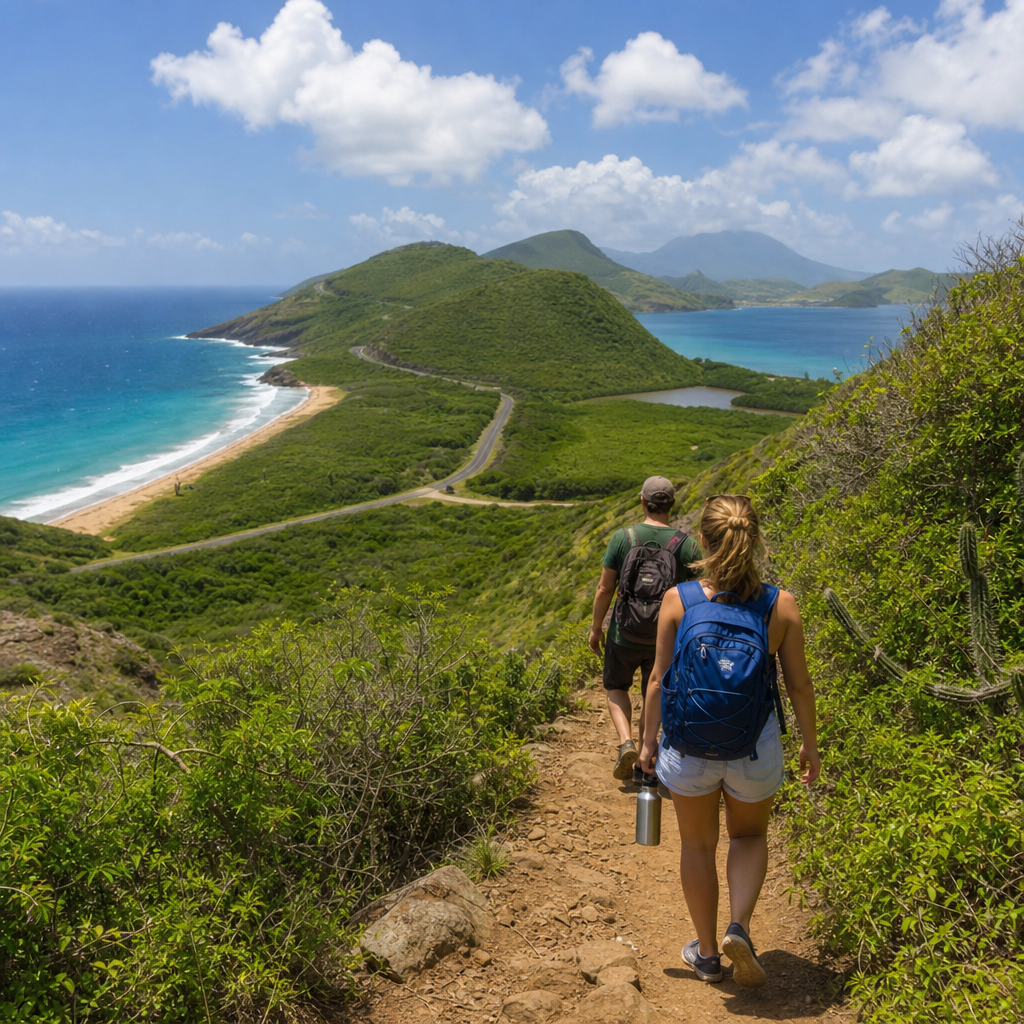
Rail, hiking, farm visits, historical tours, and snorkeling trips can all be sustainable options when run responsibly. The key is management quality. Good operators keep group sizes realistic, avoid wildlife harassment, brief guests clearly, and maintain equipment well to prevent leaks or safety incidents. They also know that culture is part of environmental stewardship. A guide who explains how former sugar estates shaped today’s landscapes or how seasonal weather affects farming gives visitors context, not just scenery. That context encourages more respectful behavior throughout the trip.
Food, culture, and community spending that strengthens sustainability
One of the strongest ways tourists can support Saint Kitts’ green direction is through everyday spending. Sustainable tourism is not only about reducing harm; it is also about directing benefits to people and places that maintain the island’s identity. Eating locally sourced food supports farmers, fishers, cooks, and markets while reducing dependence on imported products packed and shipped over long distances. Travelers should seek seasonal fruit, local seafood from reputable vendors, regional dishes, and restaurants that mention island ingredients instead of defaulting to imported chain style menus.
Souvenir buying follows the same logic. Locally made crafts, art, preserves, spices, and personal care products usually create more value inside Saint Kitts than mass produced imports labeled as island goods. Ask sellers where items are made. Genuine producers are generally happy to explain materials, methods, and origins. Cultural sustainability matters as well. Heritage sites, music events, and community led experiences help preserve living traditions that can otherwise be flattened into generic entertainment for visitors.
Respectful behavior is part of this equation. Dress appropriately when moving away from resort settings, ask permission before photographing people, and learn a little about local history before visiting landmarks. These are simple actions, but they reduce friction between residents and tourists. In destinations with heavy visitor traffic, social license is critical. Communities support conservation and tourism when they see tangible benefits and feel respected by guests. Spending with care is therefore not separate from green policy; it is one of the mechanisms that makes policy durable.
How to plan a truly responsible trip to Saint Kitts
A responsible trip begins before arrival. Research accommodation policies, compare tour operators, and build a short checklist: reusable bottle, reef conscious sun protection, lightweight tote bag, and a willingness to follow local guidance. During booking, look for evidence rather than vague claims. Specifics matter: refill stations, energy efficient systems, beach cleanup partnerships, local hiring, and transparent sourcing are stronger signs than generic eco language. When you arrive, keep daily choices consistent. Conserve water and power, dispose of waste correctly, respect marine habitats, and spend with businesses rooted in the island economy.
The broader lesson is that Saint Kitts’ green policies work best when tourists act as participants, not spectators. Public policy can set standards, invest in infrastructure, and protect sensitive areas, but visitor conduct determines whether those efforts hold under real tourism pressure. If enough travelers choose lower waste routines, responsible excursions, and local community spending, the island gains cleaner coastlines, stronger conservation outcomes, and a more resilient tourism model. That is the practical benefit for everyone: a better holiday experience today and a healthier Saint Kitts tomorrow. Before you book, review your itinerary through a sustainability lens and choose the options that leave the lightest footprint while delivering the richest connection to the island.
Frequently Asked Questions
1. What are Saint Kitts’ green policies, and why should tourists care about them?
Saint Kitts’ green policies are the island’s combined environmental rules, sustainability standards, public initiatives, and tourism practices designed to protect natural resources while supporting the local economy. In practical terms, these policies influence how beaches are maintained, how reefs and marine habitats are protected, how forests and freshwater systems are managed, and how tourism businesses handle waste, energy, and water use. They also extend to community well-being by encouraging responsible development, supporting local livelihoods, and helping preserve the island’s cultural and ecological character.
Tourists should care because visitor activity has a direct effect on the island’s environmental health. Every hotel stay, taxi ride, excursion, meal, and beach day contributes in some way to energy demand, water consumption, waste generation, and transportation emissions. On a small island, those impacts are more visible and more immediate than they may seem in larger destinations. Sustainable tourism policies are intended to keep Saint Kitts beautiful and resilient, but they work best when visitors actively participate rather than simply observe.
For travelers, this means that responsible choices matter. Choosing accommodations with clear environmental practices, supporting operators that follow conservation rules, respecting protected areas, and reducing single-use plastics all reinforce the island’s sustainability goals. In other words, Saint Kitts’ green policies are not just government measures in the background; they are part of the visitor experience, and tourists play an important role in helping those policies succeed.
2. How can travelers reduce their environmental impact while visiting Saint Kitts?
Travelers can make a meaningful difference in Saint Kitts by focusing on a few high-impact habits throughout their trip. One of the most effective steps is conserving water and electricity. Islands often face tighter resource constraints than mainland destinations, so simple actions such as taking shorter showers, reusing towels, turning off air conditioning when leaving the room, and switching off lights and electronics can significantly reduce pressure on local systems.
Waste reduction is another major area where tourists can help. Bringing a reusable water bottle, shopping bag, food container, and travel utensils can cut down on the use of disposable plastics that may otherwise end up in landfills or coastal environments. Visitors should also dispose of waste properly, recycle where facilities are available, and avoid leaving trash on beaches, in towns, or at natural attractions. Even small items like bottle caps, cigarette butts, and snack wrappers can harm wildlife and spoil fragile habitats.
Transportation choices matter as well. Walking, biking where practical, sharing rides, or choosing organized tours that operate efficiently can help reduce fuel use and emissions. Visitors can also support eco-conscious businesses that invest in renewable energy, efficient appliances, low-impact landscaping, and responsible sourcing. Finally, travelers should be mindful during water-based and nature-based activities: do not touch coral, do not feed marine life, stay on marked paths, and follow local guidance in protected areas. These habits are easy to adopt and directly support the environmental goals Saint Kitts is working to achieve.
3. What should tourists know about protecting Saint Kitts’ beaches, reefs, and marine life?
Saint Kitts’ beaches and coastal waters are central to both its tourism appeal and its ecological health, which is why marine protection is such an important part of the island’s sustainability approach. Coral reefs, seagrass beds, and coastal ecosystems help support biodiversity, fisheries, shoreline stability, and water quality. They are also highly sensitive to pollution, physical damage, and careless visitor behavior. Tourists can help protect these environments by treating them as living ecosystems rather than simply recreation spaces.
When swimming, snorkeling, or diving, visitors should avoid touching coral, standing on reef structures, or collecting shells, coral fragments, or marine creatures. Coral is fragile and can be permanently damaged by even brief contact. Using reef-safer sunscreen, especially formulas that avoid harmful chemicals known to affect coral systems, is another practical step. Boaters and tour operators should follow anchoring rules carefully, and guests can favor companies that use established moorings rather than dropping anchors in sensitive marine areas.
On beaches, responsible behavior includes taking all litter away, avoiding disturbance of nesting or feeding wildlife, and respecting any posted rules related to protected zones. If sea turtles or other coastal species are present, tourists should keep a respectful distance and avoid flash photography or interference. It is also wise to choose excursions led by guides who emphasize conservation and education. By participating in marine activities responsibly, visitors help preserve the natural assets that make Saint Kitts special for residents and future travelers alike.
4. How can tourists support local communities while still traveling sustainably in Saint Kitts?
Sustainable tourism in Saint Kitts is not limited to nature protection; it also includes strengthening local communities and ensuring that tourism benefits residents in fair and lasting ways. One of the best ways tourists can help is by spending money with locally owned businesses. Choosing neighborhood restaurants, independent guesthouses, local guides, farmers’ markets, craft vendors, and community-based experiences keeps more tourism revenue circulating within the island’s economy and helps support jobs, entrepreneurship, and cultural continuity.
Travelers can also make more informed purchasing decisions by looking for businesses that demonstrate responsible practices. This may include sourcing local food, minimizing plastic use, conserving water, hiring and training local staff, or supporting environmental and educational initiatives. Asking respectful questions about how a tour company or hotel approaches sustainability can encourage stronger standards while also helping visitors identify genuinely responsible operators.
Equally important is cultural respect. Sustainable travel means engaging with the island in a way that values local traditions, public spaces, and everyday community life. Visitors should follow local customs, be courteous in residential areas, and avoid treating communities as backdrops for tourism. Participating in heritage tours, attending cultural events responsibly, and learning about the island’s history can deepen the travel experience while reinforcing the connection between environmental stewardship and social well-being. When tourists support both people and place, they contribute to a more balanced and resilient tourism model for Saint Kitts.
5. What are the best questions to ask hotels, tour operators, and attractions about sustainability in Saint Kitts?
Asking thoughtful questions is one of the most effective ways travelers can support Saint Kitts’ green goals because it rewards businesses that take sustainability seriously and encourages others to improve. A good place to start is with resource management: ask hotels how they reduce water and energy use, whether they have linen and towel reuse programs, whether they use renewable energy or efficient cooling systems, and how they manage wastewater. For island destinations, these issues are especially important because infrastructure and natural resources can be under significant seasonal pressure.
Visitors should also ask about waste practices. Useful questions include whether the business reduces single-use plastics, offers refill stations, separates recyclables, composts organic waste, or works with local waste-reduction programs. For restaurants and food-focused businesses, it helps to ask whether ingredients are sourced locally or seasonally, since this can lower transport-related impacts and support farmers and fishers on the island.
For tour operators and attractions, travelers should ask how wildlife interactions are managed, whether guides are trained in environmental best practices, how marine areas and trails are protected, and whether visitor group sizes are limited to reduce pressure on sensitive sites. It is also worth asking whether the business contributes to local conservation projects, educational efforts, or community partnerships. These questions do more than provide information; they send a clear signal that travelers value responsible tourism. In Saint Kitts, that kind of demand can help strengthen the long-term success of both green policies and the visitor economy.