Water conservation in Nevis matters to every visitor because the island’s beauty, tourism economy, and daily life all depend on a limited freshwater supply that must be protected carefully. Nevis is a small volcanic island in the Federation of Saint Kitts and Nevis, and like many Caribbean destinations, it faces a practical challenge: demand for water rises when hotels are full, cruise traffic increases, and dry spells reduce natural recharge. For tourists, that means responsible travel is not an abstract environmental gesture. It directly supports local resilience, protects ecosystems, and helps maintain reliable service for residents and businesses alike.
When people hear water conservation, they often think only of taking shorter showers. In practice, water conservation in Nevis includes a wider set of efforts: watershed protection, leak detection, efficient plumbing, rainwater harvesting, smart landscaping, linen reuse programs, and public education. It also connects to broader sustainable tourism goals such as reducing strain on infrastructure, limiting pollution, and preserving the island experience that travelers come to enjoy. I have worked with tourism content and sustainability planning across island destinations, and the pattern is consistent: visitors respond well when they understand how local water systems actually work and how small choices add up during peak travel periods.
Nevis deserves that deeper understanding because its tourism brand is tied to lush scenery, heritage estates, boutique hotels, beach time, and a slower pace than many mass-market islands. Yet freshwater is finite. Hotels, villas, restaurants, golf facilities, taxis, laundries, and excursion operators all rely on the same basic resource base as homes, schools, and clinics. Climate variability can intensify the pressure. A single traveler may not feel that impact while turning on a tap, but at island scale the cumulative effect is significant. This guide explains the main water conservation efforts in Nevis and shows tourists how to participate in them without sacrificing comfort.
Why Water Conservation Is a Priority in Nevis
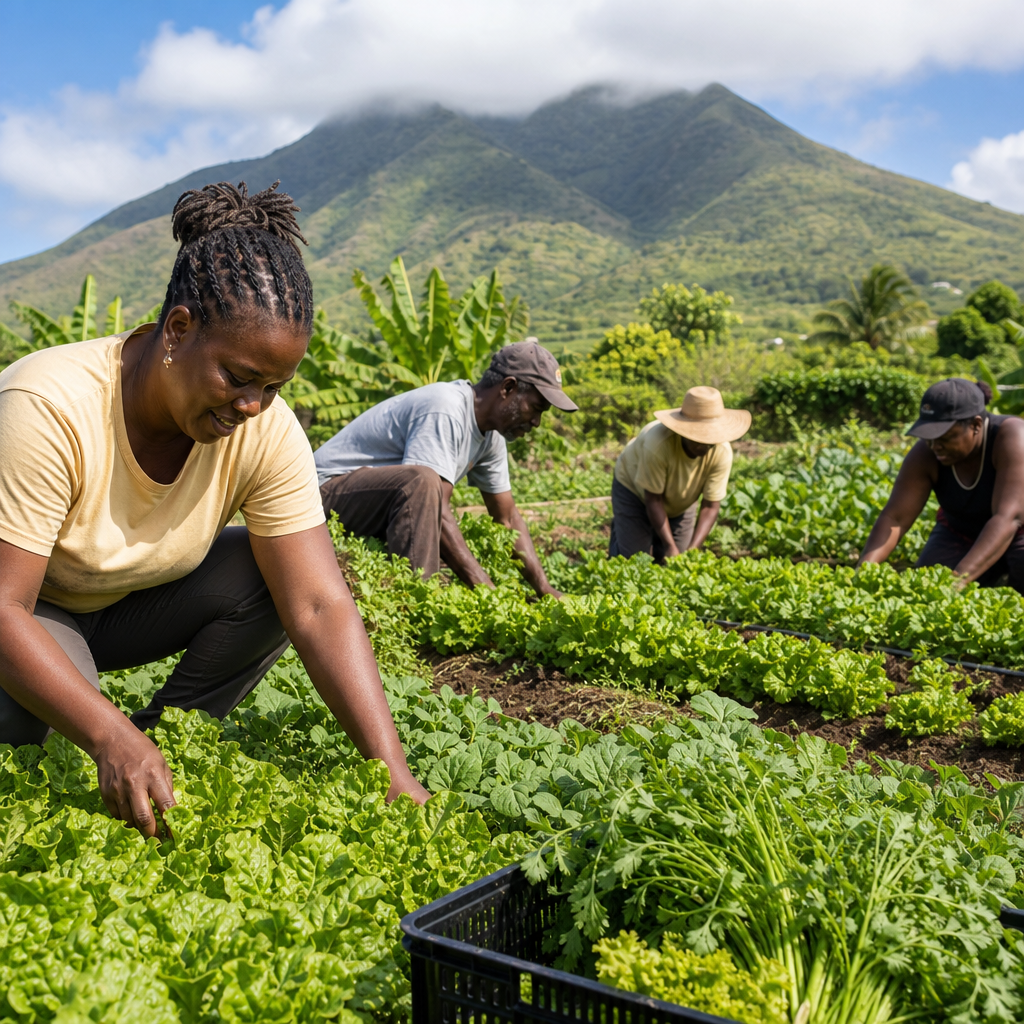
Nevis receives rainfall, but rainfall alone does not guarantee water security. Island water systems are vulnerable because storage capacity, treatment infrastructure, and distribution networks are limited compared with large mainland regions. Dry seasons can reduce recharge, while sudden heavy rain can run off quickly rather than replenish usable supplies. In tourism destinations, demand is also uneven. Occupancy spikes around holidays, festivals, and winter travel months, creating short periods when the system works hardest. That is why water conservation in Nevis is not a seasonal marketing campaign. It is an operating necessity.
Freshwater on Nevis supports households, hospitality, agriculture, and public services. If leakage, overuse, or contamination increases, the entire island feels the effect. Conservation therefore starts long before water reaches a hotel room. It includes protecting upland areas that help collect and filter water naturally, maintaining pipes and pumps, and encouraging efficient fixtures in guest accommodations. The most successful destinations treat conservation as shared infrastructure stewardship. Tourists are part of that equation because visitor nights translate directly into higher water use through showers, laundry, pools, kitchens, and landscape irrigation.
There is also a strong economic argument. Water inefficiency raises operating costs for hotels and restaurants through higher utility bills, more maintenance, and greater dependence on backup systems. Those costs eventually affect room rates and service pricing. Properties that install low-flow showerheads, dual-flush toilets, pressure regulators, and linen reuse systems typically reduce both consumption and costs without lowering guest satisfaction. On islands, efficiency is one of the fastest practical sustainability wins because every gallon not wasted eases stress across the network.
How Hotels and Villas in Nevis Reduce Water Use
The hospitality sector is central to water conservation efforts in Nevis because accommodation properties control a large share of tourist water demand. Many hotels and villas reduce use through simple engineering choices that guests barely notice. Aerated faucets mix air into the water stream so hands can be washed effectively with less flow. Low-flow showerheads maintain pressure while limiting volume. High-efficiency toilets use significantly less water per flush than older models. Commercial laundries can also cut consumption through load optimization, ozone systems, and staff training that avoids unnecessary rewashes.
Housekeeping programs are especially effective. When a property invites guests to reuse towels and linens, it is not merely shifting labor. It is reducing the water and energy needed for washing, drying, and ironing. In boutique island hotels, I have seen this measure deliver immediate savings because many travelers are willing to participate when the sign explains local water realities clearly. The key is transparency. A message that says the island has limited freshwater and asks guests to help is far more persuasive than a generic environmental card.
Outdoor operations matter too. Gardens are a signature part of the Nevis visitor experience, but tropical landscaping can become water intensive if it relies on midday irrigation or species poorly matched to local conditions. Well-managed properties use drip irrigation, water early in the morning, mulch planting beds, and favor drought-tolerant ornamental plants where possible. Some also capture rainwater for nonpotable uses such as grounds maintenance. These measures keep estates attractive while reducing pressure on treated freshwater supplies.
What Tourists Can Do During Their Stay
Tourists can support water conservation in Nevis through a handful of practical habits that do not diminish the trip. The first is timing and duration. A shower shortened by just two or three minutes saves more water than many travelers realize, especially across a weeklong stay. Turning off the tap while brushing teeth or shaving is another easy gain. Guests should also report leaks immediately. A dripping faucet, running toilet, or outdoor hose left on can waste substantial amounts over the course of a day, and hotel staff can usually fix the issue quickly if they know about it.
Laundry decisions are another major factor. Reusing towels for an extra day and declining daily linen changes can materially cut water use. In vacation rentals and villas, running dishwashers and washing machines only with full loads is similarly effective. If the property provides guidance on cistern use, backup water delivery, or low-pressure periods, follow it closely. On islands, those instructions are often based on real operational limits rather than unnecessary restrictions. Respecting them supports both your host and the wider community.
Visitors should also think beyond the room. Choosing restaurants and tour operators that publish or explain sustainability practices sends a market signal. Asking simple questions works: Do you use refill stations instead of excessive bottled water? How do you irrigate the grounds? Do you have towel or linen reuse programs? Properties that invest in conservation usually appreciate informed guests, and those conversations help normalize resource awareness as part of the travel experience rather than a niche concern.
| Tourist action | How it helps | Easy example in Nevis |
|---|---|---|
| Take shorter showers | Reduces daily room water demand immediately | Limit resort showers after beach visits to five minutes |
| Reuse towels and linens | Cuts laundry water and energy use | Keep the same towels for two or three days |
| Report leaks fast | Prevents avoidable loss from plumbing faults | Notify the front desk about a running toilet |
| Run full laundry loads | Improves efficiency per wash cycle | Wait until the villa washer is full |
| Support responsible operators | Rewards businesses investing in conservation | Book eco-focused stays and low-impact tours |
Rainwater Harvesting, Landscaping, and Local Infrastructure
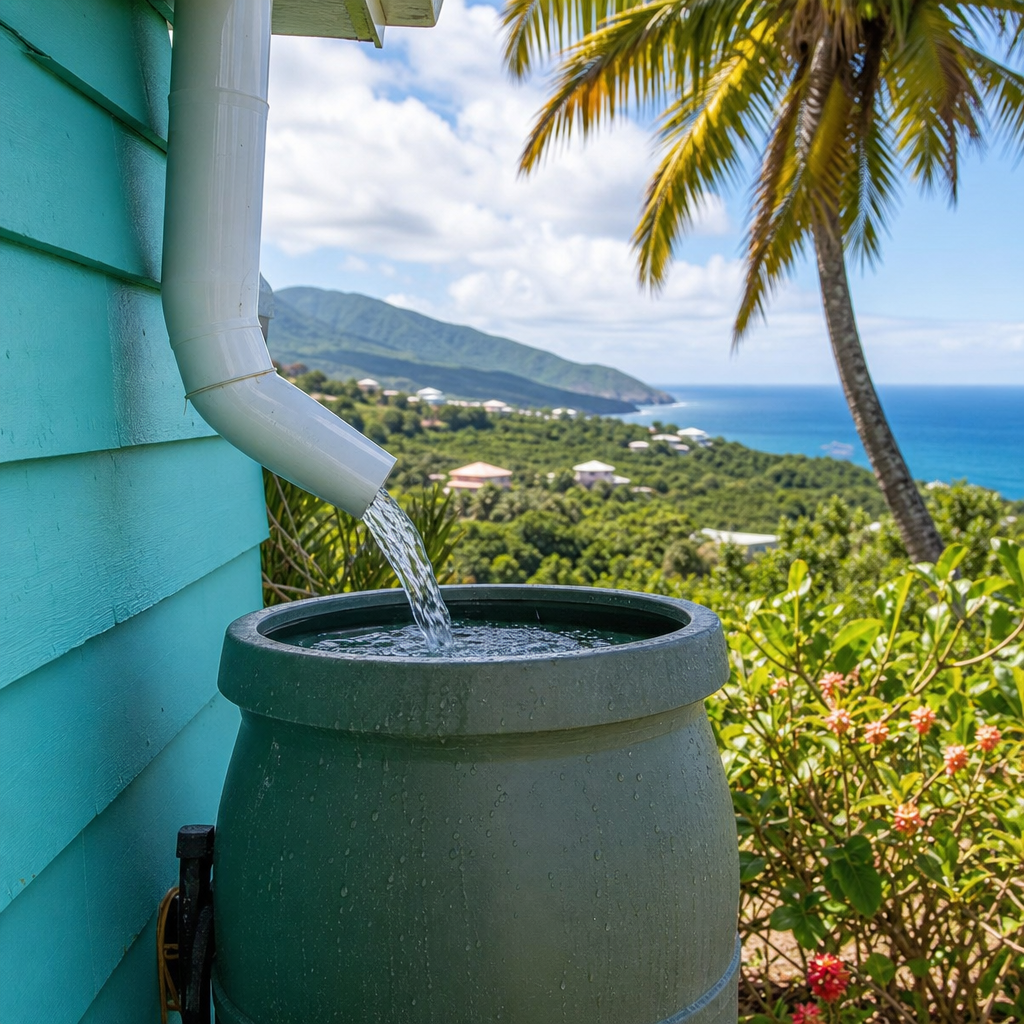
One of the most practical water conservation strategies on islands is rainwater harvesting. In Nevis, villas, guesthouses, and some service buildings may collect rain from roofs and store it in tanks or cisterns for suitable uses. This does not eliminate the need for treated potable water, but it can reduce dependence on the main supply for landscaping, cleaning, and other nonpotable tasks when systems are designed properly. For visitors staying in private rentals, understanding whether the property uses cistern storage can help explain why hosts ask guests to avoid waste.
Landscaping choices are equally important. Traditional lush grounds appeal to travelers, yet they must be managed intelligently. The best properties group plants by water needs, use shade strategically to reduce evaporation, and install drip lines instead of broadcast sprinklers. Mulch slows moisture loss and improves soil health. On steep or exposed sites, these methods also reduce runoff and erosion. In practical terms, that means gardens stay healthier with less water, less labor, and fewer emergency irrigation cycles during dry periods.
Infrastructure often gets less attention from tourists, but it shapes the whole picture. Leak detection in distribution systems, meter monitoring, pressure management, and planned maintenance are foundational conservation tools. Even modest losses from aging pipes can represent thousands of gallons over time. Public utilities and private properties that track usage data can identify anomalies early, such as unexplained overnight consumption or irrigation spikes. This is why conservation is not only about personal restraint. It also depends on competent asset management behind the scenes.
Protecting Watersheds and Coastal Ecosystems
Water conservation in Nevis is closely linked to land and ecosystem management. Healthy watersheds help capture rainfall, moderate runoff, and support water quality. When upland vegetation is degraded or soils are disturbed, sediment can move more easily into waterways and coastal areas. That has implications not only for freshwater systems but also for beaches, reefs, and nearshore habitats that underpin tourism. Visitors may not see that connection immediately, yet it is central to sustainable island planning: protecting nature inland helps protect the marine environment offshore.
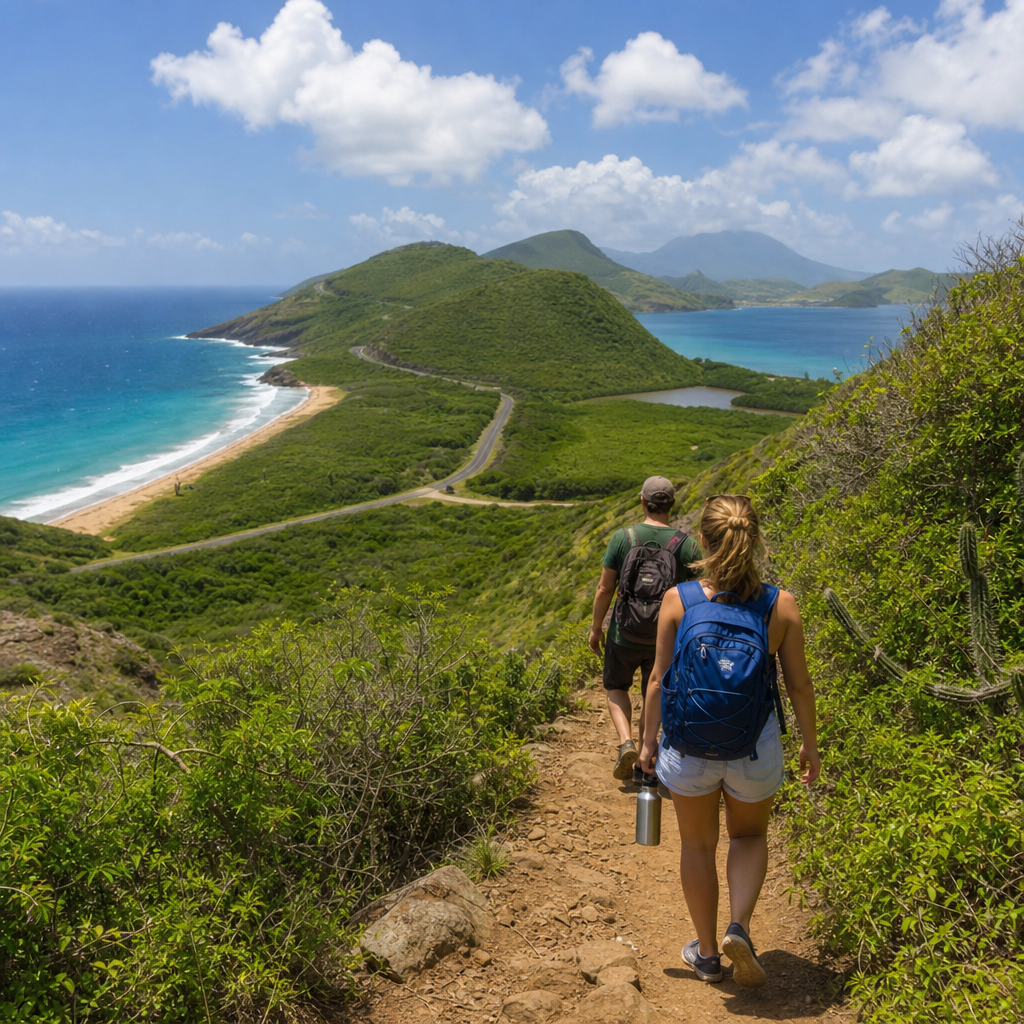
Tourists can contribute by staying on marked trails, avoiding litter, and selecting tour operators that follow environmental standards. Sunscreen choices and boating behavior matter too, even though they are not usually framed as water conservation. Pollution control is part of water stewardship because cleaner water bodies are easier and cheaper to manage over time. Restaurants and accommodations also play a role through grease management, wastewater handling, and reduced chemical use in cleaning and grounds care. Good conservation is always broader than one fixture or one utility bill.
In destination management, this integrated approach works best when it is visible and consistent. If a hotel asks guests to save water but over-irrigates lawns at noon, the message loses credibility. By contrast, when visitors see refill stations, efficient landscaping, clear guest communications, and staff who understand the reasons behind these measures, participation rises. That alignment builds trust and turns sustainability into part of the brand experience rather than a back-office policy.
How to Choose Water-Responsible Experiences in Nevis
Tourists who want to travel more responsibly in Nevis should evaluate experiences with water use in mind. Start with accommodation. Look for mention of refillable water programs, efficient fixtures, rainwater capture, linen reuse, native or drought-tolerant landscaping, and visible maintenance standards. A well-run property usually communicates these details on its website or in guest materials. If the information is absent, ask directly before booking. Clear answers are often a good sign that sustainability is operational, not decorative.
For dining and activities, favor businesses that minimize unnecessary washing, single-use plastics, and wasteful outdoor cooling or irrigation. On sailing trips, island tours, and beach excursions, responsible operators brief guests clearly, manage waste well, and avoid practices that damage reefs or shorelines. Even transport decisions matter indirectly. Staying longer in one place and choosing nearby activities can reduce the cumulative resource footprint of frequent transfers and short high-consumption stays. Sustainable tourism is often about smarter trip design, not just individual sacrifices.
As this miscellaneous hub for sustainable tourism in Nevis, the main lesson is simple: water conservation touches nearly every travel choice, from where you sleep to how you shower, dine, explore, and evaluate service quality. The island’s freshwater limits are real, but so are the solutions. Hotels can install efficient fixtures and improve irrigation. Utilities can manage leaks and data better. Travelers can reuse linens, report problems, and support operators that take resource stewardship seriously. If you are planning a trip to Nevis, make water-aware decisions part of your itinerary and help protect the island experience that makes the destination special.
Frequently Asked Questions
Why is water conservation so important for tourists visiting Nevis?
Water conservation matters in Nevis because the island has a limited freshwater supply that supports residents, businesses, agriculture, and the tourism sector all at the same time. As a small volcanic island, Nevis does not have endless reserves, and periods of lower rainfall can reduce how quickly water sources naturally recharge. At the same time, visitor demand can rise sharply during busy travel seasons when hotels are fully booked, restaurants are serving more guests, and island services are operating at a higher level. That combination makes water management an everyday priority rather than a distant environmental issue.
For travelers, this means that simple habits have a real impact. Long showers, daily towel changes, unnecessary laundry requests, and careless faucet use may seem minor in isolation, but across hundreds or thousands of guests, they can place added pressure on the island’s supply. Conserving water helps protect the natural environment, supports local communities, and contributes to a more resilient tourism economy. In practical terms, being mindful with water is one of the easiest ways a visitor can travel responsibly in Nevis while helping preserve the island’s beauty and resources for the future.
How can tourists reduce their water use without affecting the quality of their trip?
Visitors can save a meaningful amount of water in Nevis without making their stay uncomfortable. The most effective step is to be conscious of routine use in hotels, villas, and guesthouses. Shorter showers, turning off the tap while brushing teeth or shaving, and reporting leaks promptly can reduce unnecessary waste immediately. Reusing towels and bed linens for more than one day is another important measure, since frequent laundering uses substantial amounts of both water and energy. If your accommodation offers an option to decline daily linen service, choosing that option is a simple and helpful decision.
It also helps to think about water use beyond the bathroom. Order only what you are likely to consume at meals, since food production and kitchen cleanup also involve water. Run dishwashers or washing machines only when full if you are staying in a rental property with self-catering facilities. If you return from the beach, rinse off quickly rather than taking an extended shower. Travelers can also support businesses that openly practice sustainability, such as hotels with low-flow fixtures, rainwater collection systems, or visible conservation policies. These small choices do not reduce the quality of a vacation; in many cases, they deepen the travel experience by aligning comfort with respect for the island’s resources.
Do hotels and tourism businesses in Nevis take water conservation seriously?
Many tourism businesses in Nevis understand that water conservation is essential to the island’s long-term health and to the continued success of tourism. Because water supply can be strained during periods of high occupancy or dry weather, hotels, resorts, restaurants, and villas often have strong reasons to monitor and manage consumption carefully. Conservation may include installing low-flow showerheads and toilets, maintaining plumbing systems to prevent leaks, limiting unnecessary linen washing, and educating guests about practical ways to reduce use during their stay.
Some properties may also invest in broader sustainability measures such as rainwater harvesting, drought-tolerant landscaping, efficient irrigation systems, and staff training focused on resource management. Even when these efforts are not always visible to guests, they can make a significant difference behind the scenes. Travelers can support these businesses by paying attention to environmental policies when booking and by cooperating with in-room notices about towel reuse or mindful water use. Far from being an inconvenience, these efforts usually reflect responsible hospitality and a commitment to protecting Nevis for residents and visitors alike.
What are the best water-saving habits to follow during day trips, beach visits, and excursions in Nevis?
While most travelers think about water use only in their room, day-to-day activities around the island also matter. During beach outings or sightseeing trips, carry a reusable water bottle so you can stay hydrated without relying on excessive single-use purchases and unnecessary service demand. If shower facilities are available at a beach or excursion site, use them briefly and only as needed. A quick rinse to remove sand is very different from treating a public shower as a full bathing space. The same principle applies after hiking or taking part in water-based activities: use only what you need.
On tours and excursions, follow guidance from local operators, especially if they work in ecologically sensitive areas. Responsible tour providers often understand how water availability affects both local communities and natural systems. Avoid wasting water at rest stops, marinas, and public facilities, and be mindful when using restrooms in smaller establishments where infrastructure may be more limited than in a large resort. If you are renting a villa or spending long days exploring the island by car, plan ahead so you are not returning repeatedly for unnecessary cleanups, towel changes, or extra laundry. Smart planning and modest daily habits can significantly reduce your water footprint while still allowing you to enjoy everything Nevis has to offer.
How does conserving water in Nevis help the island beyond just saving resources?
Conserving water in Nevis delivers benefits that extend well beyond the immediate goal of lowering consumption. Water is closely tied to public well-being, business continuity, environmental protection, and the visitor experience. When tourists use water responsibly, they help reduce pressure on the systems that serve homes, schools, healthcare facilities, farms, and tourism businesses. That helps support a more balanced relationship between visitors and the local community, especially during peak travel periods when demand naturally increases.
There are also environmental and economic advantages. Careful water use can reduce strain on local infrastructure, lower the energy required for pumping and treatment, and support broader sustainability efforts across the island. Protecting limited freshwater resources also helps preserve the conditions that make Nevis attractive in the first place: healthy landscapes, well-functioning hospitality services, and a destination identity built around natural beauty and responsible stewardship. For travelers, this means that water conservation is not just a symbolic gesture. It is a practical way to contribute positively to the island’s resilience, support local quality of life, and help ensure that Nevis remains welcoming and vibrant for future generations.