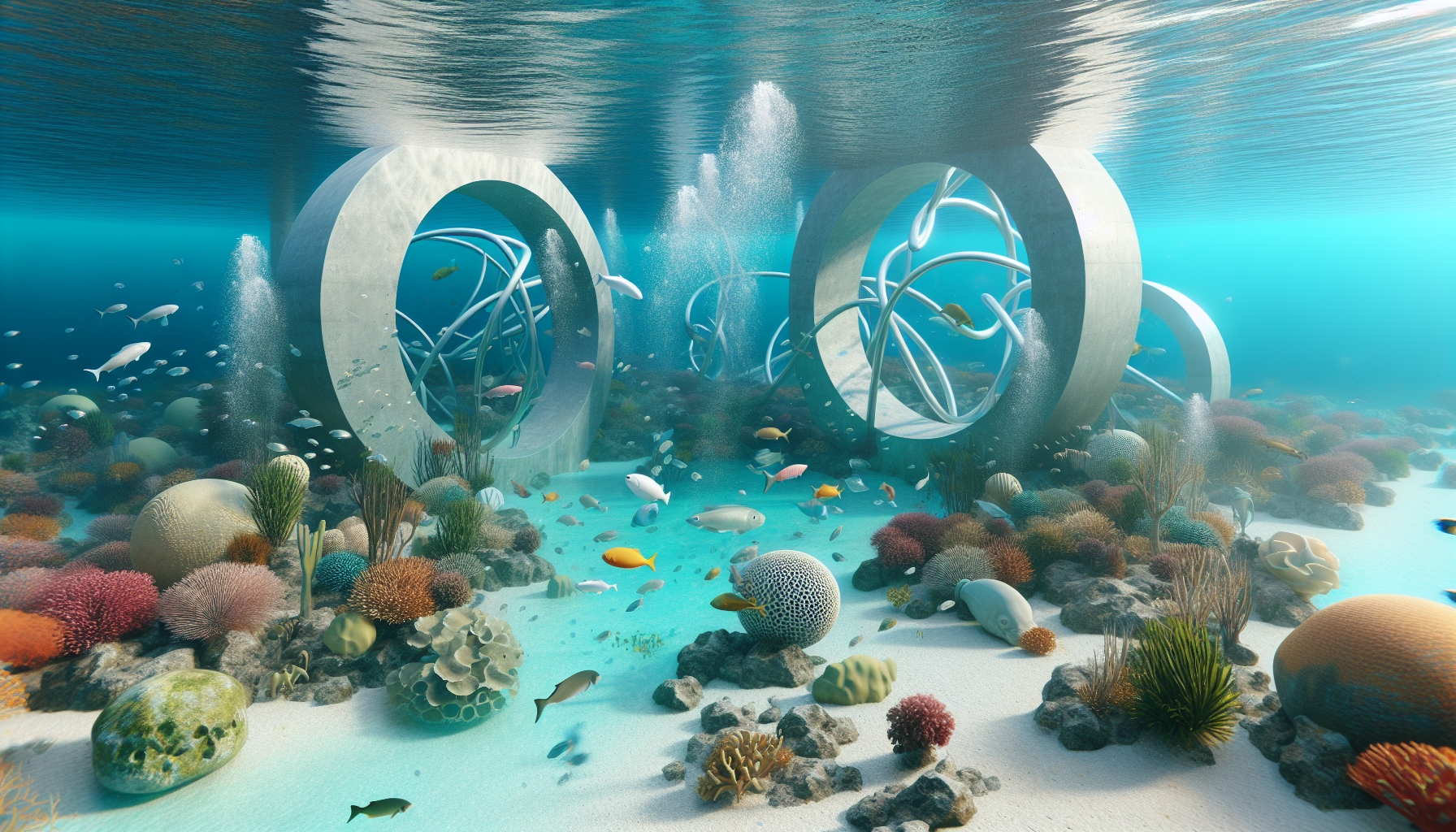
Nevis’ Underwater Sculpture Park turns a standard Caribbean dive into a layered experience of marine ecology, public art, and island storytelling. Located off the west coast of Nevis in calm, clear water, the park is a curated collection of submerged sculptures designed to attract marine life while giving snorkelers and divers a site unlike a reef wall or wreck. For travelers researching Adventure and Activities on Nevis, this Miscellaneous hub matters because it connects several interests at once: diving, snorkeling, conservation, photography, family-friendly excursions, and cultural interpretation. An underwater sculpture park is exactly what it sounds like—a set of intentionally placed artworks beneath the sea—but the best parks do more than decorate the seabed. They create habitat, distribute visitor pressure away from fragile natural reefs, and give beginners a compelling reason to enter the water. I have found that travelers often ask the same practical questions before booking: Is it suitable for new divers, how deep is it, what marine life can you see, and is it worth choosing over a reef dive? The short answer is yes, especially for visitors who want an accessible first immersion into Nevis’ coastal environment. The site combines manageable conditions with clear visual points of interest, making orientation easier than on many open reef dives. It also anchors a wider set of island activities, from boat trips and beach days to nature excursions and heritage visits, which is why this article serves as the central guide for the Miscellaneous branch of Nevis adventures.
What makes Nevis’ Underwater Sculpture Park different
Most dive sites are valued for natural formations, fish density, coral cover, or historical wreckage. Nevis’ Underwater Sculpture Park stands apart because its main attraction is intentional design. The sculptures are placed to be explored slowly, often in a loop or sequence, letting visitors read the seascape almost like an outdoor gallery. That structure changes the experience underwater. New divers are less likely to feel disoriented because there is an obvious focal point ahead, while experienced underwater photographers can work compositionally with recognizable shapes, perspective lines, and changing fish behavior around the artwork. In practice, this means the site succeeds even on days when visibility is moderate rather than exceptional, because the subject matter remains strong.
The park also broadens the definition of an island adventure. On many Caribbean itineraries, diving is treated as a specialist pursuit that competes with hiking, sailing, or cultural tours. Here, the sculpture park bridges those categories. A non-diving partner can snorkel above parts of the installation, a family can treat the excursion as a glassy-water boat outing, and an art-minded traveler can appreciate the symbolism without needing advanced certification. This crossover appeal is important for a hub page covering Miscellaneous activities, because it shows how a single site can support varied trip styles rather than fitting into one narrow niche.
Another practical difference is environmental intent. Artificial reef design has long been used in coastal management and marine tourism, but poor execution can create little more than underwater clutter. Well-conceived sculpture parks use pH-neutral marine-grade materials, secure anchoring methods, and placement plans that consider currents, sediment movement, and depth. The goal is not to replace a living reef but to provide stable hard substrate for colonization while reducing concentrated pressure on natural coral areas. That distinction matters when evaluating whether the site is a novelty or a serious eco-tourism asset. In Nevis, the appeal lies precisely in that blend.
How the site works for divers, snorkelers, and families
One reason the sculpture park earns a place in many Nevis itineraries is accessibility. Calm leeward-coast conditions often make west-side marine excursions more comfortable than exposed Atlantic sites. For beginner divers, that usually means easier entries, gentler surge, and a dive profile that allows longer bottom time without complex gas planning. Discover Scuba participants and recently certified Open Water divers typically prefer sites where they can descend gradually, stay close to a guide, and maintain visual reference. Sculptures provide exactly that. Instead of hovering over a featureless sandy patch between reef heads, divers can approach distinct forms and regroup naturally around them.
Snorkelers benefit for similar reasons. In clear weather, large underwater forms remain visible from the surface, especially when sunlight is high and chop is limited. That gives snorkelers a sense of inclusion rather than the usual feeling of waiting above while divers disappear below. Parents also tend to value sites with layered participation. One family member might dive, another snorkel, and someone less confident in the water can still enjoy the boat ride and coastal scenery. On an island where vacation days are limited, that flexibility is useful.
For travelers comparing activity options, the park sits in a helpful middle ground. It is easier to commit to than a full two-tank offshore dive day, more distinctive than a generic beach snorkel, and less weather-dependent than some watersports. Operators usually pair it with nearby reefs or a second shallow stop, creating a half-day format that leaves time for other plans. In itinerary design, I often recommend this type of excursion early in a trip. It introduces visitors to sea conditions, helps nervous participants gauge comfort levels, and can inform whether they later book deeper reef dives, boat charters, or additional snorkeling tours.
Marine life, habitat value, and conservation tradeoffs
The most common misconception about underwater sculpture parks is that they are primarily art installations with little ecological value. In reality, their marine benefit depends on material, siting, and time. Freshly installed sculptures look stark. Over months and years, biofilm develops, followed by algae, sponges, tunicates, and encrusting organisms. Small fish arrive first because structure creates shelter and feeding edges; larger species follow where prey accumulates. Around the Caribbean, artificial structures commonly attract sergeant majors, wrasses, grunts, juvenile reef fish, and occasional predators cruising the perimeter. The exact species mix shifts seasonally and with local reef health, but habitat complexity consistently matters.
That said, no responsible guide should claim that a sculpture park is automatically equivalent to a mature coral reef. Natural reefs deliver immense biological complexity that art installations cannot instantly reproduce. Corals may settle on suitable surfaces, but growth is slow, and outcomes depend on water quality, temperature stress, storm damage, and management. The real conservation value is twofold: adding supplementary habitat and diverting recreational pressure. If dozens of novice divers practice buoyancy over sculptures instead of fragile coral heads, the management benefit is tangible. Good operators reinforce this by controlling group size, maintaining moorings so boats do not anchor on reefs, and briefing guests on finning, spacing, and touch-free behavior.
Visitors can help or harm that outcome. The best practice is simple: maintain neutral buoyancy, avoid kneeling on the seabed, secure gauges and camera accessories, and never grab a sculpture for balance. Sunscreen choice also matters for snorkelers spending extended time at the surface. While evidence on reef-safe labeling is uneven, non-aerosol mineral formulations generally reduce the release of some ingredients associated with marine concern. Small choices add up, especially on frequently visited sites.
| Visitor question | Practical answer | Why it matters |
|---|---|---|
| Is it good for beginners? | Yes, especially in calm conditions and with a guided operator. | Recognizable sculptures improve orientation and confidence. |
| Can snorkelers enjoy it? | Often yes, depending on visibility, depth, and sea state. | Mixed groups can share one excursion. |
| Will I see lots of fish? | Usually some reef species gather around the structures, but density varies. | Sets realistic expectations versus a thriving natural reef. |
| Is it eco-friendly? | It can be, when built with marine-safe materials and managed responsibly. | Environmental value depends on design and visitor behavior. |
| How long should I plan? | Most visitors book a half-day trip, sometimes paired with another stop. | Fits easily with beach time or inland activities. |
Photography, conditions, and planning the best visit
From a photography standpoint, sculpture parks are unusually forgiving. Reef scenes often require strong fish action, excellent visibility, or dramatic coral topography to feel dynamic in photos. Sculptures add a human-made focal point, which helps composition even for casual shooters using action cameras. Wide-angle setups work best because they let you include both the artwork and its marine context, while maintaining close subject distance to preserve color and sharpness. For snorkelers, midday sun is usually ideal because light penetrates more directly and reduces surface shadowing. Divers with strobes can extend shooting windows, but shallow ambient-light sessions are often enough.
Conditions still matter. The best visits typically align with lighter wind, lower swell, and good sun angle. West-coast Caribbean sites are often calmer in the morning, which is why many operators schedule departures early. Visibility can vary with recent rain, sediment disturbance, and plankton. If your priority is photography, ask the operator how the site has been looking over the last several days rather than relying on a generic seasonal promise. Local captains and dive leaders usually provide the most accurate read because they have seen the actual water color, current, and surge pattern firsthand.
Equipment planning should stay simple. Divers need normal warm-water exposure protection, a well-fitted mask, and streamlined accessories. Gloves are generally unnecessary and may encourage contact. Snorkelers should consider a rash guard for sun protection and a low-volume mask that seals comfortably for extended surface time. Motion-prone travelers often do best with a light breakfast, hydration, and whatever seasickness remedy they know works for them, tested before vacation rather than onboard. These details sound minor, but they shape whether the outing feels effortless or stressful.
Booking strategy also matters. Reserve with operators who emphasize marine etiquette, provide clear experience-level guidance, and maintain quality rental gear. Ask whether the trip includes the sculpture park only or combines it with reef snorkeling, whether transportation is included, and how many guests are typically on the boat. Smaller groups often mean better briefings and more personal attention in the water. If cruise timing or inter-island travel compresses your schedule, choose a departure with buffer time rather than placing a dive at the very end of the day.
How this hub connects the wider Miscellaneous adventure category
As a sub-pillar hub under Adventure and Activities, Nevis’ Underwater Sculpture Park is best understood as the starting point for a broader Miscellaneous cluster rather than an isolated listing. Travelers who research this page are usually not looking only for one dive. They are looking for memorable, non-routine activities that round out an island stay. The sculpture park naturally links to related topics: beginner snorkeling guides, family-friendly water excursions, marine conservation experiences, underwater photography tips, boat charter planning, and rainy-day or mixed-interest alternatives for groups. In content planning terms, this page should direct readers toward those supporting articles because the same audience often needs them next.
That hub role reflects real traveler behavior. Someone intrigued by an underwater sculpture park is often the same person who asks about beach access, wildlife sightings, scenic coastal viewpoints, and whether Nevis offers enough variety for a four- or five-day trip. The answer is yes when activities are grouped intelligently. A morning at the sculpture park can pair well with Pinney’s Beach, a heritage stop in Charlestown, or an afternoon nature outing inland. Couples can combine it with a relaxed lunch and sunset plans; families can use it as the headline excursion in a balanced day that avoids overcommitting children to long transfers or technical activities.
For destination marketers and travel editors, this matters because hub pages should solve planning friction. They should not simply praise an attraction; they should clarify who it suits, how long it takes, what to combine it with, and when to choose something else. Nevis’ Underwater Sculpture Park deserves attention precisely because it does that work well. It is distinctive enough to motivate interest, flexible enough to fit different traveler profiles, and grounded enough in marine experience to feel meaningful rather than gimmicky. That combination makes it one of the most useful Miscellaneous adventure anchors on the island.
Nevis’ Underwater Sculpture Park is unique because it delivers more than a dive. It combines approachable underwater exploration, visual storytelling, marine habitat value, and practical flexibility for mixed-skill groups. For beginners, it offers structure and confidence. For snorkelers, it provides visible points of interest close to the surface. For photographers, it creates stronger compositions than many standard shallow sites. For environmentally minded travelers, it represents a more thoughtful model of tourism when materials, moorings, guiding standards, and visitor behavior are handled well. The key is to approach it with accurate expectations: it is not a substitute for a mature natural reef, but it is absolutely a worthwhile marine experience in its own right.
As the Miscellaneous hub within Nevis’ Adventure and Activities content, this page should help you decide not just whether to go, but how to fit the park into a smarter island itinerary. If you want one excursion that can satisfy curiosity, deliver memorable photos, and introduce Nevis’ coastal environment without demanding advanced dive skills, this is a strong choice. Book with a reputable local operator, ask about current conditions, and build the trip around the morning water window. Then use this hub to explore the related guides that match your travel style, from family outings to snorkeling advice and broader island activity planning. Start there, and the sculpture park becomes more than a stop on a map; it becomes the gateway to experiencing Nevis actively and well.
Frequently Asked Questions
What makes Nevis’ Underwater Sculpture Park different from a typical Caribbean dive or snorkel site?
Nevis’ Underwater Sculpture Park stands out because it combines three experiences in one: artificial reef creation, public art, and local storytelling. Instead of exploring only a natural reef, a dramatic wall, or a historic wreck, visitors move through a curated underwater gallery where sculptures are intentionally placed in calm, clear water off Nevis’ west coast. That setting makes the site visually accessible and enjoyable for a wide range of visitors, including certified divers, beginner divers, and in many conditions, snorkelers.
The sculptures are more than decorative installations. They are designed to encourage marine growth and provide habitat for fish and other sea life, so the park evolves over time. On a first visit, you may notice the shapes, themes, and artistic composition. On a later visit, you are just as likely to focus on the coral colonization, the schooling fish around the structures, and the way the site has become integrated into the marine environment. That layered experience is what makes the park so distinctive. It offers a sense of discovery that feels different from a conventional reef dive while still delivering the natural beauty travelers expect in the Caribbean.
It also gives the dive a cultural dimension. The site is not only about what is underwater physically, but also about what the sculptures represent in relation to Nevis itself. For travelers who want more than a scenic swim, the park adds context and meaning, connecting art, ecology, and island identity in a way that is memorable and highly specific to place.
Is the Underwater Sculpture Park suitable for beginners, non-divers, or families?
In many cases, yes. One of the biggest advantages of Nevis’ Underwater Sculpture Park is its approachable setting. Because it is located in relatively calm and clear water on the island’s west coast, it can be a practical option for people who are new to marine activities and want something more structured and visually engaging than an open-water swim. Depending on sea conditions, visibility, and the exact access method used by local operators, the park may be enjoyed by snorkelers as well as divers, which broadens its appeal considerably.
For beginners, this kind of site can be less intimidating than a deep reef, drift dive, or wreck penetration environment. The experience is often more about slow observation than technical challenge. New divers can focus on buoyancy, breathing, and situational awareness while still having plenty to look at. Families with older children or teens who are comfortable in the water may also find it especially appealing, since the sculptures create recognizable visual reference points that keep the outing engaging from start to finish.
That said, suitability always depends on the individual traveler and the day’s conditions. Families with young children, weak swimmers, or first-time snorkelers should book with a reputable local operator and ask specific questions about depth, current, visibility, flotation support, and supervision. If someone in your group is not ready for a full dive, a guided snorkel or a glass-bottom-style coastal excursion may be a better fit. The best approach is to match the experience level of your group to the guidance of local professionals, who can recommend whether the sculpture park is appropriate and how to enjoy it safely.
How do the sculptures support marine ecology instead of harming the underwater environment?
The concept behind an underwater sculpture park is not simply to place art in the sea for visual effect. When properly planned and installed, the sculptures can function as artificial reef structures, creating surfaces where marine organisms can settle and grow. Over time, algae, sponges, corals, and other encrusting life forms may attach to the sculptures, and that in turn can attract fish, invertebrates, and other species looking for shelter, feeding opportunities, or territorial space. In this way, the site becomes dynamic rather than static.
The ecological value depends heavily on material choice, placement, and management. Responsible underwater sculpture installations are typically made from marine-safe, pH-neutral materials and positioned where they will not damage existing sensitive reef systems. That is an important distinction. A well-designed sculpture park is intended to complement the marine setting, not replace or disturb healthy natural habitat. By drawing interest to a managed site, it can also help distribute visitor pressure and potentially reduce concentrated impact on more fragile reef areas nearby.
There is also an educational benefit. Travelers who may not initially seek out a marine conservation experience often become more aware of reef ecology when they see sea life using the sculptures directly. The park turns abstract environmental ideas into something visible and immediate. Visitors can observe how art becomes habitat, which makes conversations about reef protection, ocean stewardship, and sustainable tourism easier to understand. While no artificial installation is a substitute for preserving natural reefs, a thoughtfully developed sculpture park can play a positive role in awareness, habitat creation, and lower-impact visitor engagement.
What should visitors expect during a trip to Nevis’ Underwater Sculpture Park?
Most visitors should expect a guided marine excursion rather than a standalone attraction that they access independently. In practice, the experience usually begins with booking through a local dive shop, watersports provider, or tour operator that knows the site conditions and can advise whether the park is best enjoyed by snorkeling or diving on that particular day. After a safety briefing, guests typically travel by boat to the site, where the calm west coast waters often provide good visibility and a relatively relaxed entry compared with more exposed areas.
Once in the water, the pace is usually exploratory rather than adrenaline-driven. Visitors move through the sculpture area looking at the installations from different angles, watching how sunlight, depth, and marine growth change their appearance. Divers often have more time and flexibility to circle individual pieces and appreciate details, while snorkelers may enjoy a broader top-down perspective of the layout. The overall feel is often described as peaceful, unusual, and highly photogenic, especially for travelers who enjoy combining outdoor adventure with visual culture.
Practical preparation matters. Bring reef-safe sun protection if you will be on a boat or snorkeling, wear appropriate swimwear, and use properly fitted gear if it is not provided by your operator. An underwater camera can be worthwhile, but it should never distract from safe movement and respectful behavior around the sculptures and marine life. It is also smart to confirm what is included in your booking, such as equipment, guide services, transportation, certification requirements for divers, and whether weather or sea conditions can affect departure. Going in with realistic expectations helps visitors enjoy the park for what it is: a calm, distinctive, story-rich marine experience rather than a high-intensity dive challenge.
Why is the Underwater Sculpture Park worth including in a broader Nevis itinerary?
The park is worth including because it connects multiple sides of Nevis in a single outing. Travelers often arrive on the island with varied interests: some want snorkeling or diving, some are drawn to art and photography, and others want experiences that feel rooted in local character rather than interchangeable with anywhere else in the Caribbean. The Underwater Sculpture Park brings those interests together. It is adventurous without being extreme, cultural without requiring a museum setting, and ecological without feeling overly technical or academic.
It also fits well into the rhythm of a Nevis stay. Because the site is in accessible coastal water and can often be visited as part of a half-day excursion, it leaves time for beaches, historic sightseeing, dining, or exploring other parts of the island. That makes it a strong choice for couples, families, cruise-day visitors, and independent travelers who want one memorable activity that feels both active and meaningful. For many people, it becomes a highlight precisely because it is not the expected “standard dive.” It adds narrative and originality to the trip.
From a travel-planning perspective, the sculpture park also represents the kind of experience that helps define Nevis as more than just a beach destination. It shows how the island can offer low-key but distinctive adventures tied to landscape, creativity, and conservation. If you are building an itinerary around adventure and activities on Nevis, this is the sort of stop that broadens the trip and creates a stronger sense of place. It is not only something to do; it is a way to understand the island through the water that surrounds it.