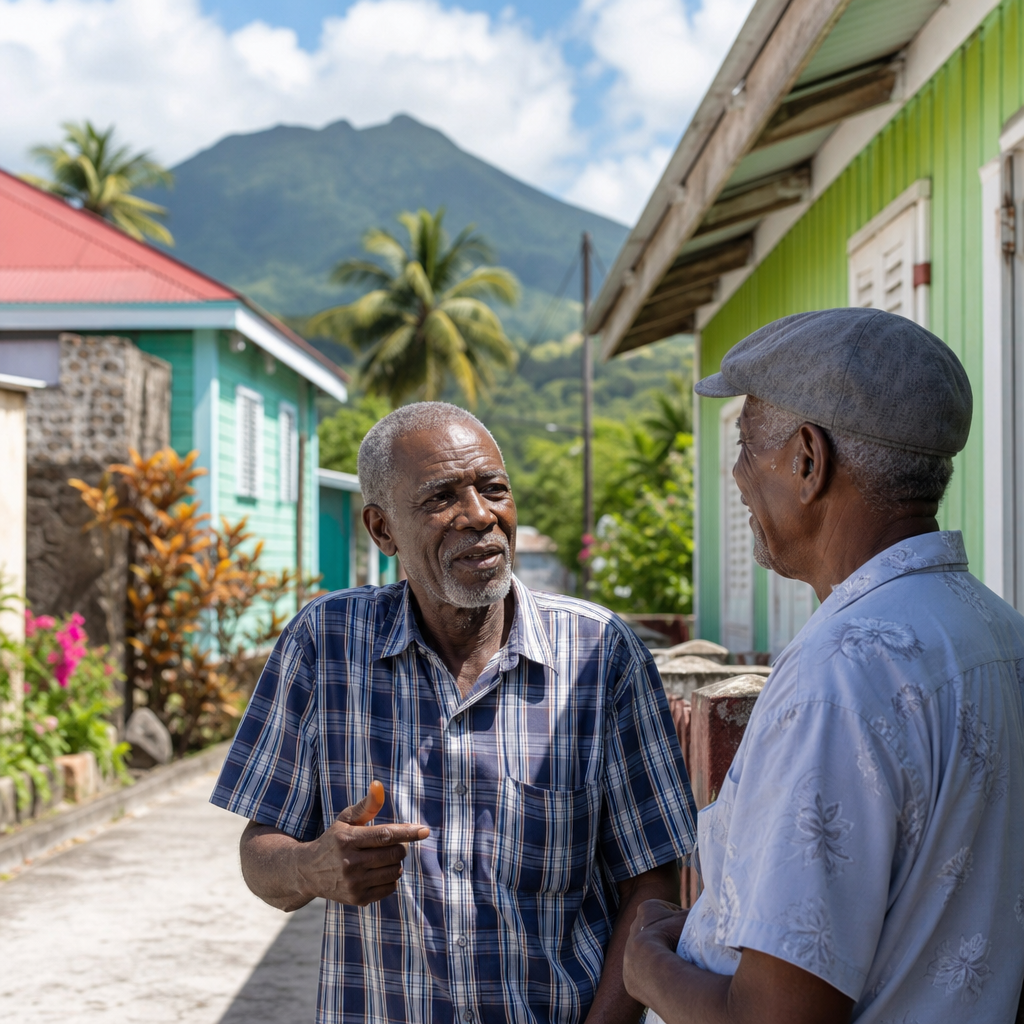
Birdwatching in Nevis is one of the clearest examples of how sustainable tourism can protect nature, support local communities, and give travelers a richer experience than extractive sightseeing ever could. On a small Caribbean island where rainforest slopes, dry coastal scrub, wetlands, gardens, and offshore waters meet within a short driving distance, birdlife becomes both an attraction and a practical lens for understanding conservation. Birdwatching, or birding, means observing birds in their natural habitats, usually with binoculars, field guides, and patience rather than intrusive equipment or motorized access. Sustainable activity, in this context, means tourism that minimizes environmental damage, respects wildlife behavior, values local knowledge, and keeps more economic benefit on the island. Nevis matters because it offers an unusually accessible concentration of habitats around Nevis Peak, the island’s central volcanic mountain, while still retaining the scale that makes low-impact exploration possible. I have planned and evaluated nature itineraries in islands with similar ecological pressures, and Nevis stands out because a visitor can move from coastal ponds to montane forest in a single day without turning the experience into a high-carbon chase. That compactness reduces transport demand, encourages guided walking, and makes conservation outcomes visible. For travelers interested in meaningful outdoor activities, birdwatching in Nevis connects leisure with habitat protection, environmental education, and responsible spending.
Unlike high-consumption excursions that rely on heavy infrastructure, birding depends on intact ecosystems, quiet observation, and repeat visitation. That changes incentives. When hotels, guides, drivers, landowners, and community groups see birds as living assets rather than background scenery, wetlands are less likely to be filled, trails are more likely to be maintained, and native vegetation gains value. The island’s appeal is not built around a single flagship species alone, although Caribbean specialties and migratory birds certainly draw interest. Instead, the strength of Nevis birdwatching is diversity across microhabitats: seabirds along the coast, herons and shorebirds in ponds and mangroves, hummingbirds and passerines in gardens, and forest species higher on the mountain. This article serves as a hub for the miscellaneous side of sustainable tourism by showing how birdwatching links conservation policy, visitor behavior, local enterprise, education, and trip planning. It also answers the practical questions most travelers ask: what birds can be seen, where to go, when to visit, what gear to bring, how to bird ethically, and how this activity benefits Nevis beyond recreation. Seen properly, birdwatching is not a niche pastime. It is a scalable, low-impact model for travel that leaves habitats standing and communities more invested in their stewardship.
Why Birdwatching Fits Sustainable Tourism in Nevis
Birdwatching is sustainable when it creates economic value without requiring habitat destruction, excessive fuel use, wildlife disturbance, or major construction. Nevis is well suited to that model because many productive birding areas are accessible by existing roads, village lanes, estate paths, beaches, and foot trails. A guided morning walk through gardens and forest edge may generate income for a local naturalist, breakfast business, taxi operator, and small accommodation provider while producing almost no physical footprint beyond normal trail wear. In destinations where overtourism is a concern, birders also tend to travel in smaller groups, spread across shoulder seasons, and spend longer periods in the field rather than concentrating pressure in one attraction. Those patterns matter on islands, where waste management, freshwater supply, and habitat fragmentation all have real limits.
From a conservation standpoint, birdwatching works because birds are indicators of ecological health. When wetlands support egrets, herons, ducks, and migratory sandpipers, water levels, vegetation structure, and food webs are usually functioning well enough to sustain broader biodiversity. When forest birds decline, the causes often point to invasive species, storm damage, pesticide pressure, or land-use change. Travelers may come for the birds, but the resulting attention often helps protect entire habitats. On Nevis, that means birding can reinforce the case for watershed protection on the slopes of Nevis Peak, careful management of coastal ponds, and the retention of native or bird-friendly plantings around homes, inns, and former plantation estates. In practice, I have seen destinations improve trail signage and habitat restoration more quickly when birdwatching is framed not as a hobby for experts, but as a core sustainable tourism product with measurable local value.
Bird Habitats and Species Visitors Commonly Encounter
Nevis offers a compact but varied set of birding habitats. Coastal zones attract terns, pelicans, frigatebirds, and gulls, especially where currents and fishing activity concentrate food. Salt ponds, seasonal wetlands, and muddy edges can hold stilts, plovers, sandpipers, and egrets, with species changing through migration periods. Inland, village gardens and hotel grounds often produce some of the most satisfying birding because flowering shrubs attract hummingbirds, fruiting trees bring in doves and thrashers, and open lawns allow easy viewing of common land birds. Farther upslope, moist forest and ghut systems near Nevis Peak support a different soundscape and a cooler, more shaded birding style. Even if visibility is reduced by vegetation, these higher elevations contribute to the island’s ecological range and can reward patient observation.
Travelers should not expect the species totals of a continental hotspot, but that is not the point of Caribbean island birding. The strength lies in learning a smaller set of birds well and understanding how they use habitat. In and around Nevis, birders often look for Brown Pelican, Magnificent Frigatebird, Green-throated Carib, Bananaquit, Caribbean Elaenia, Zenaida Dove, Lesser Antillean Bullfinch, and various herons and shorebirds depending on season and water conditions. Migrants from North America can add excitement in the boreal winter, when warblers and sandpipers appear in places that seem quiet during other months. Serious birders also pay attention to taxonomy and range because Lesser Antillean island systems have distinct assemblages shaped by isolation, weather, and habitat history. For casual visitors, the takeaway is simpler: even short excursions can reveal remarkable variety if the route crosses multiple habitats and the pace remains slow enough for detection by sight and sound.
Where to Bird in Nevis and What Each Area Offers
The best birdwatching locations in Nevis combine habitat diversity, manageable access, and minimal disturbance. Pinney’s Beach and other coastal stretches are useful for scanning seabirds early or late in the day, especially when light is favorable and nearshore activity draws feeding birds. Wetland edges and ponds, where accessible without trespass or habitat damage, are often the most productive places for mixed species lists because resident birds and migrants overlap there. Hotel gardens and estate grounds can be surprisingly strong sites; mature trees, ornamental nectar plants, and low traffic create conditions that concentrate visible birds. Upland roads, footpaths, and forest margins on the slopes toward Nevis Peak are better for those willing to trade easier views for a more immersive ecological experience.
A practical way to think about locations is by what question each habitat answers. Coastal birding answers, “What is moving offshore or feeding in open marine space?” Wetlands answer, “What is using shallow water, mud, reeds, or seasonal edges today?” Gardens answer, “What species thrive alongside people when landscaping is bird friendly?” Forest edges answer, “How does birdlife change with elevation, shade, and native cover?” For a sustainable itinerary, that structure matters more than chasing rumored sightings. It reduces unnecessary driving and keeps expectations realistic. On a small island, the best day is usually not the one with the longest species list, but the one with the smartest route, the lowest disturbance, and enough time in each habitat to notice behavior rather than just identification marks.
| Area Type | Typical Birds | Best Time | Sustainability Advantage |
|---|---|---|---|
| Coast and beaches | Pelicans, terns, frigatebirds, gulls | Early morning, late afternoon | Uses existing public access with little infrastructure |
| Ponds and wetlands | Egrets, herons, plovers, sandpipers | Morning, migration periods | Creates direct value for wetland protection |
| Gardens and estates | Hummingbirds, doves, bullfinches, Bananaquits | Morning | Rewards bird-friendly landscaping and native planting |
| Forest edge and uplands | Elaenias, warblers, resident land birds | Cool mornings | Supports watershed and trail conservation |
Seasonality, Weather, and Planning a Responsible Birding Trip
The best time for birdwatching in Nevis depends on goals. For resident species and general habitat appreciation, birding is possible year-round, especially in the early morning when bird activity peaks and tropical heat is still manageable. For migratory diversity, many travelers prefer the period from roughly late autumn through spring, when North American migrants are present and wetland edges may hold a changing cast of shorebirds and passerines. Rainfall, storm patterns, and drought influence what can be seen, particularly around temporary water bodies. A pond that was productive last month may be quiet after a prolonged dry spell, while recent rain can improve feeding conditions and increase activity in forested areas.
Responsible planning starts with accepting that nature is variable. Build itineraries around habitats, not guarantees. Use eBird to review recent sightings and seasonality trends, but treat checklists as guidance rather than promises. Binoculars in the 8×42 range are ideal for most visitors because they balance brightness, field of view, and comfort in humid conditions. Lightweight neutral clothing, sun protection, insect repellent, and refillable water bottles are basic essentials. Footwear should match terrain; a hotel garden walk does not require the same support as a muddy upland trail. If photography is part of the trip, long lenses are preferable to close approaches. Playback of bird calls should be avoided unless used sparingly by an experienced guide for a legitimate educational reason, because repeated sound disturbance can alter behavior, especially during breeding periods. Good birding in Nevis is based on timing, patience, and restraint, not pressure.
How Birdwatching Supports Local Communities and Conservation
Birdwatching becomes economically meaningful when visitor spending is intentionally routed through local services. On Nevis, that can include hiring a local guide familiar with bird vocalizations and access conditions, booking locally owned accommodations, eating at independent restaurants after morning outings, and purchasing field snacks, crafts, or transport from island businesses. Unlike all-inclusive patterns that isolate visitor spending, birding works best when it is integrated into the everyday landscape. A guide who knows which pond still holds water after a dry week or which estate garden has flowering trees in bloom adds practical value that no generic map can replace. That knowledge is part of the destination’s natural capital.
The conservation benefit is equally concrete. Revenue linked to birdwatching can justify habitat maintenance, invasive plant control, trail clearing, and environmental education programs. Schools and community groups can use birds as accessible entry points for teaching ecology because birds are visible, familiar, and responsive to habitat change. On islands vulnerable to hurricanes and climate shifts, public support for resilient landscapes matters. Wetlands buffer water movement, tree cover stabilizes slopes, and diverse plantings support pollinators as well as birds. When tourism messaging highlights these functions, visitors understand that a bird list is not separate from land stewardship. The strongest sustainable tourism destinations make that connection explicit: the experience is better because the ecosystem is healthier, and the ecosystem is healthier because the experience creates reasons to protect it.
Birding Ethics: Best Practices for Low-Impact Wildlife Observation
Ethical birdwatching in Nevis follows simple principles with significant consequences. Keep a respectful distance, especially from nests, roosts, and birds showing stress signals such as alarm calling, crouching, wing flicking, or repeated flushing. Stay on established paths where possible to avoid trampling vegetation or disturbing hidden wildlife. Do not bait birds with food, and do not leave scraps behind. Keep group voices low; sound travels easily in quiet habitats, and the cumulative effect of multiple groups can be substantial. If using a vehicle between sites, avoid blocking narrow roads or pulling onto sensitive shoulders near wetlands.
Photography deserves particular discipline. The desire for a frame-filling image leads many travelers too close, too fast. In most cases, better results come from waiting for natural behavior, using cover, and accepting environmental context in the composition. Guides should model restraint rather than perform sightings for social media. Ethical conduct also includes cultural respect: ask permission before entering private land, honor local advice about access, and understand that working landscapes are not open sets. Birdwatching only remains sustainable when the birds are not harassed, the habitat is not degraded, and residents see visitors as considerate partners rather than entitled users. Those standards are not optional extras. They are the operating rules that make the activity defensible as sustainable tourism.
Using This Hub to Explore Sustainable Tourism in Nevis
As a hub within the broader sustainable tourism topic, birdwatching in Nevis helps organize several related themes that travelers often research separately. One branch is low-impact outdoor recreation, including hiking, walking tours, snorkeling in suitable managed areas, and cultural landscape visits that do not depend on heavy construction. Another is conservation-led travel, where protected areas, habitat restoration, local agriculture, and heritage estates are interpreted as living systems rather than isolated attractions. A third is practical responsibility: choosing local guides, reducing single-use plastics, limiting unnecessary vehicle trips, and understanding seasonal conditions before visiting. Birdwatching touches all three because it rewards slower travel and careful observation.
For readers building a wider Nevis itinerary, the most useful next step is to connect birding with nearby experiences instead of treating it as a standalone checkbox. A dawn wetland session can lead into a locally sourced breakfast, a garden walk can be paired with discussions about native planting, and an upland excursion can deepen understanding of watershed conservation and climate resilience. That integration is what makes miscellaneous sustainable tourism topics valuable rather than scattered. Birdwatching is memorable on its own, but its bigger benefit is that it teaches visitors how to look at the island differently. Plan a trip that leaves time for guides, habitats, and quiet observation, and Nevis will reward you with a more sustainable way to travel.
Frequently Asked Questions
Why is birdwatching in Nevis considered a sustainable tourism activity?
Birdwatching in Nevis is considered sustainable because it depends on keeping natural habitats healthy rather than consuming or degrading them. Unlike high-impact tourism activities that can strain coastlines, generate excessive noise, or place pressure on sensitive ecosystems, birding encourages visitors to slow down, observe, and value the island’s biodiversity as it exists. On Nevis, that matters because the island’s appeal is closely tied to the variety of habitats packed into a small area, including rainforest slopes, coastal scrub, wetlands, gardens, and offshore environments. When travelers choose birdwatching, they are engaging with nature in a way that rewards conservation instead of extraction.
This also creates practical benefits for local communities. Birdwatchers often hire local guides, visit small businesses, stay longer to explore multiple habitats, and travel with a stronger interest in learning about ecology, land stewardship, and local culture. That means tourism spending can be distributed more widely and in ways that support knowledge-based, place-specific work. In addition, birdwatching helps people understand why habitat protection matters. A wetland is no longer just a scenic area; it becomes a home for herons, shorebirds, and migratory species. A forest trail becomes important not only for hiking, but for preserving nesting and feeding grounds. In that sense, birdwatching in Nevis is sustainable because it turns conservation into something visible, valuable, and economically relevant for both residents and visitors.
What kinds of birds and habitats can visitors expect to experience while birdwatching in Nevis?
One of the strongest reasons birdwatching is so rewarding in Nevis is the island’s remarkable habitat diversity within a short distance. Visitors can move from higher, greener mountain slopes to drier lowland areas, coastal zones, ponds, gardens, and nearshore waters without extensive travel. Each setting attracts different species and behaviors, giving birders a fuller picture of how birdlife is connected to the island’s ecology. Forested and upland areas may offer chances to observe species that prefer denser vegetation and cooler elevations, while open coastal and wetland areas are more likely to reveal waders, waterbirds, and migratory visitors.
Birdwatchers in Nevis may encounter a mix of resident Caribbean birds and seasonal migrants, which makes timing and location especially interesting. Gardens and lightly developed areas can also be surprisingly productive, with flowering plants, fruiting trees, and quiet edges attracting birds that adapt well to human presence. Offshore waters and coastal lookouts may provide opportunities to spot seabirds as well. What makes the experience especially rich is not simply the number of birds, but the way the island’s compact geography allows visitors to understand habitat relationships quickly. In a single day, a traveler can see how rainfall, elevation, vegetation, and coastline all shape bird distribution. That makes birdwatching in Nevis educational as well as enjoyable, especially for visitors who want more than a checklist and are interested in the broader conservation story behind what they are seeing.
How does birdwatching help support conservation and local communities in Nevis?
Birdwatching supports conservation in Nevis by giving natural areas a clear and ongoing value that does not depend on intensive development. When birds become a reason to protect wetlands, maintain trails, preserve tree cover, or limit disturbance in sensitive zones, conservation goals become easier to justify and sustain. Birdlife is often a strong indicator of ecosystem health, so interest in birds can also lead to wider awareness about water quality, invasive species, land use change, and habitat fragmentation. In other words, birdwatching does not only celebrate birds themselves; it helps draw attention to the ecological systems that keep the island resilient.
For local communities, the benefits can be both direct and indirect. Directly, birdwatching creates opportunities for local guides, nature-focused tour operators, transportation providers, small guesthouses, and food businesses. Visitors who come for birding are often looking for authentic, low-impact experiences and are more likely to appreciate locally grounded knowledge. Indirectly, a strong birdwatching culture can encourage community pride in native landscapes and reinforce the importance of environmental education. It can also help diversify the tourism economy by attracting travelers whose interests extend beyond beaches and resort amenities. That diversification matters because it can reduce dependence on more intensive forms of tourism and create a stronger case for protecting landscapes that might otherwise be undervalued. In this way, birdwatching helps align environmental protection with economic opportunity, which is a central principle of sustainable tourism in Nevis.
What are the best practices for birdwatching responsibly in Nevis?
Responsible birdwatching in Nevis starts with minimizing disturbance. Visitors should stay on established paths where possible, avoid trampling vegetation, keep noise low, and observe birds from a respectful distance rather than trying to approach too closely for a photograph. Nesting areas, wetland edges, and feeding sites are especially sensitive, and repeated disturbance can cause birds to abandon important behaviors. Using binoculars instead of moving closer is one of the simplest and most effective ways to birdwatch ethically. If visitors use bird calls or playback recordings, they should do so sparingly, if at all, since excessive playback can stress birds and interfere with territorial or breeding behavior.
It is also important to respect the wider environment. That means carrying out all litter, avoiding single-use waste when possible, not removing natural materials, and following guidance from local conservation groups or experienced guides. Choosing local guides can improve the experience significantly because they understand seasonal patterns, habitat sensitivity, and culturally appropriate access routes. Timing matters too: early morning birding often provides excellent sightings while avoiding the heat of the day and reducing pressure on wildlife. Visitors should also remain aware that sustainability includes social respect as well as ecological care. Asking permission before entering private land, supporting local businesses, and showing interest in community knowledge are all part of being a responsible birder. In Nevis, the best birdwatching experiences come from patience, attentiveness, and a willingness to let the island set the pace.
Is birdwatching in Nevis suitable for beginners, or is it mainly for experienced birders?
Birdwatching in Nevis is very well suited to beginners, and that is one of its major strengths as a sustainable activity. Because the island is relatively compact and offers a variety of accessible habitats, newcomers can experience meaningful birdwatching without needing advanced field skills or long, difficult expeditions. Even casual observers can begin noticing differences in bird size, shape, color, behavior, and habitat use within a short period of time. Gardens, quiet roadsides, coastal viewpoints, and easy walking areas can all provide rewarding sightings. For first-time birders, Nevis offers the rare advantage of being both manageable and ecologically diverse, which makes learning more intuitive.
At the same time, experienced birders can still find plenty to appreciate. The mix of resident and migratory birds, combined with habitat transitions across the island, creates opportunities for deeper observation and repeat visits. Beginners often benefit greatly from joining a guided outing, where local expertise can turn simple sightings into a broader understanding of ecology, seasonality, and conservation. A guide can explain why certain birds appear in specific habitats, how weather influences movement, and what to listen for as well as what to look for. That educational aspect is part of what makes birdwatching in Nevis richer than passive sightseeing. It invites travelers at every level to participate actively, build awareness, and connect with the island through attention rather than consumption. Whether someone is carrying a field notebook and binoculars for the first time or arrives with years of experience, Nevis offers a birdwatching experience that is accessible, meaningful, and strongly aligned with sustainable travel values.