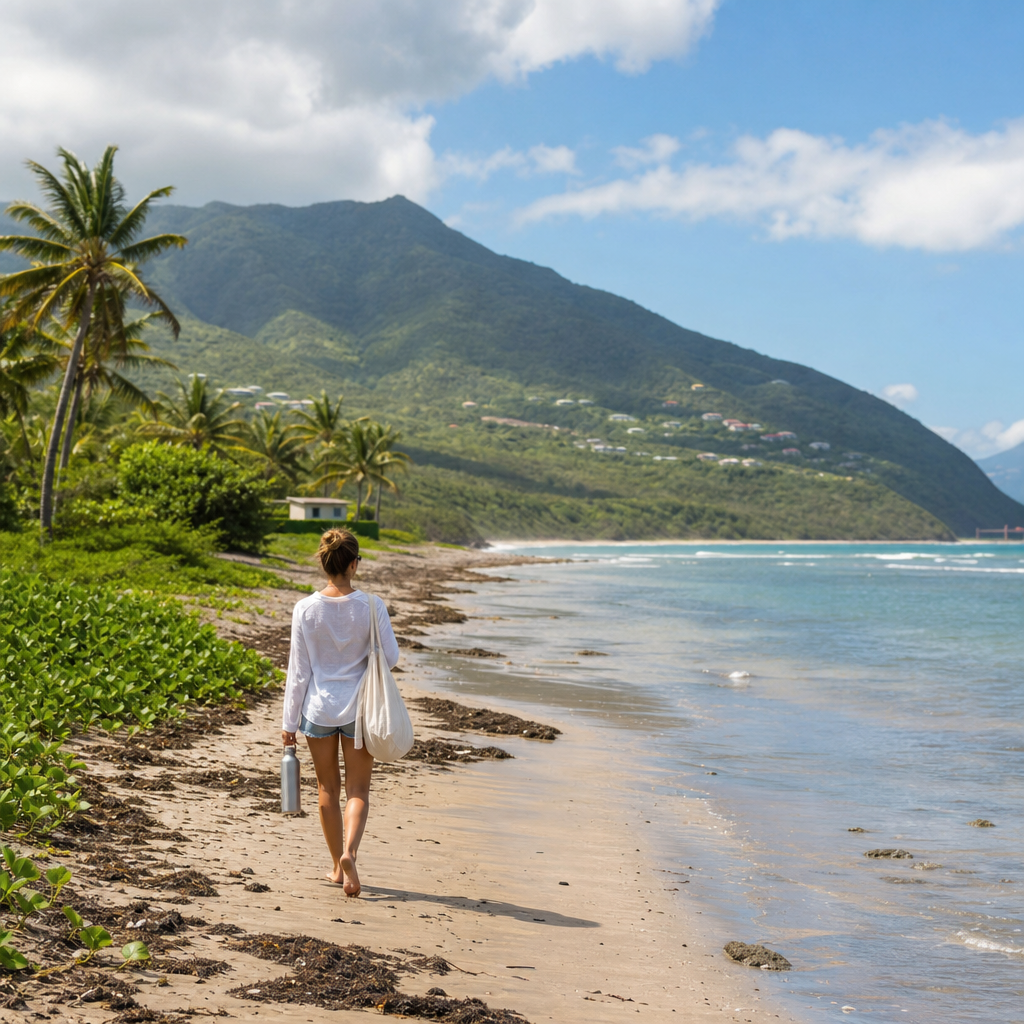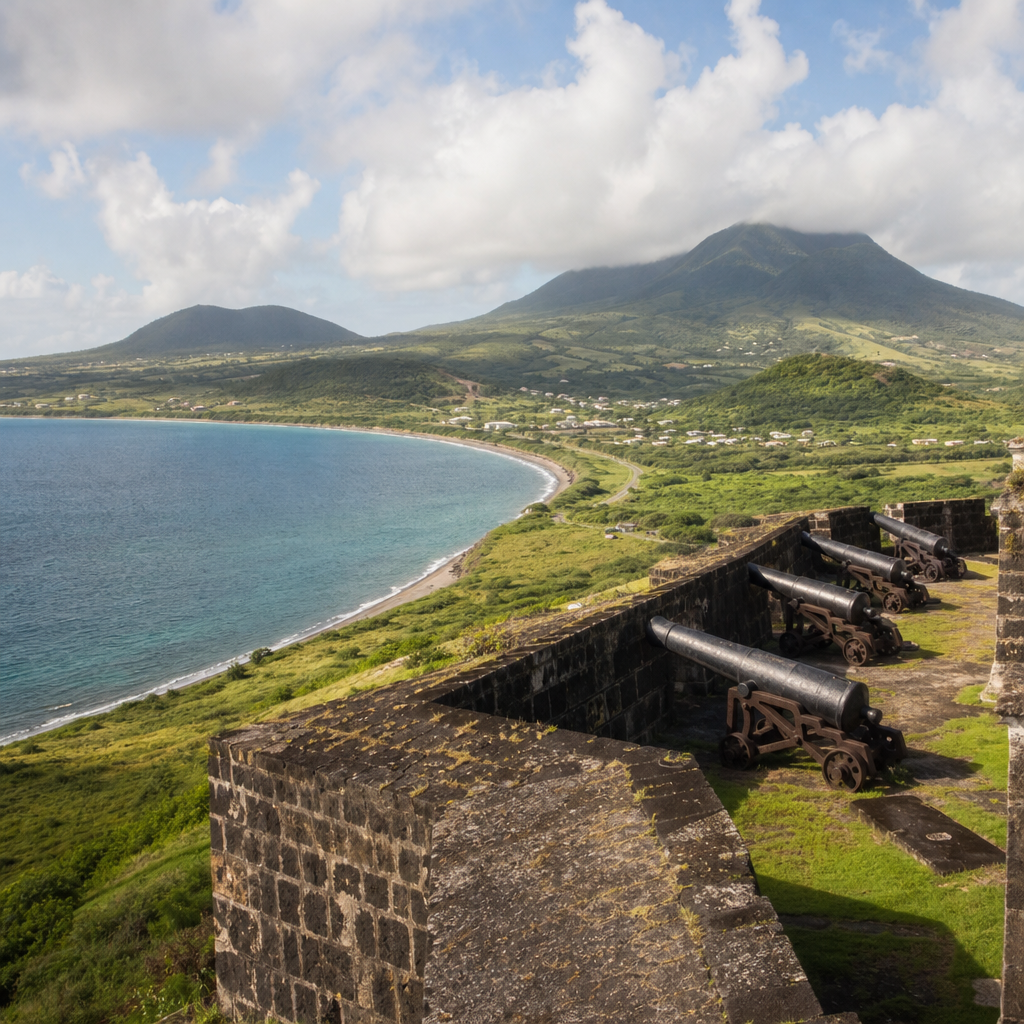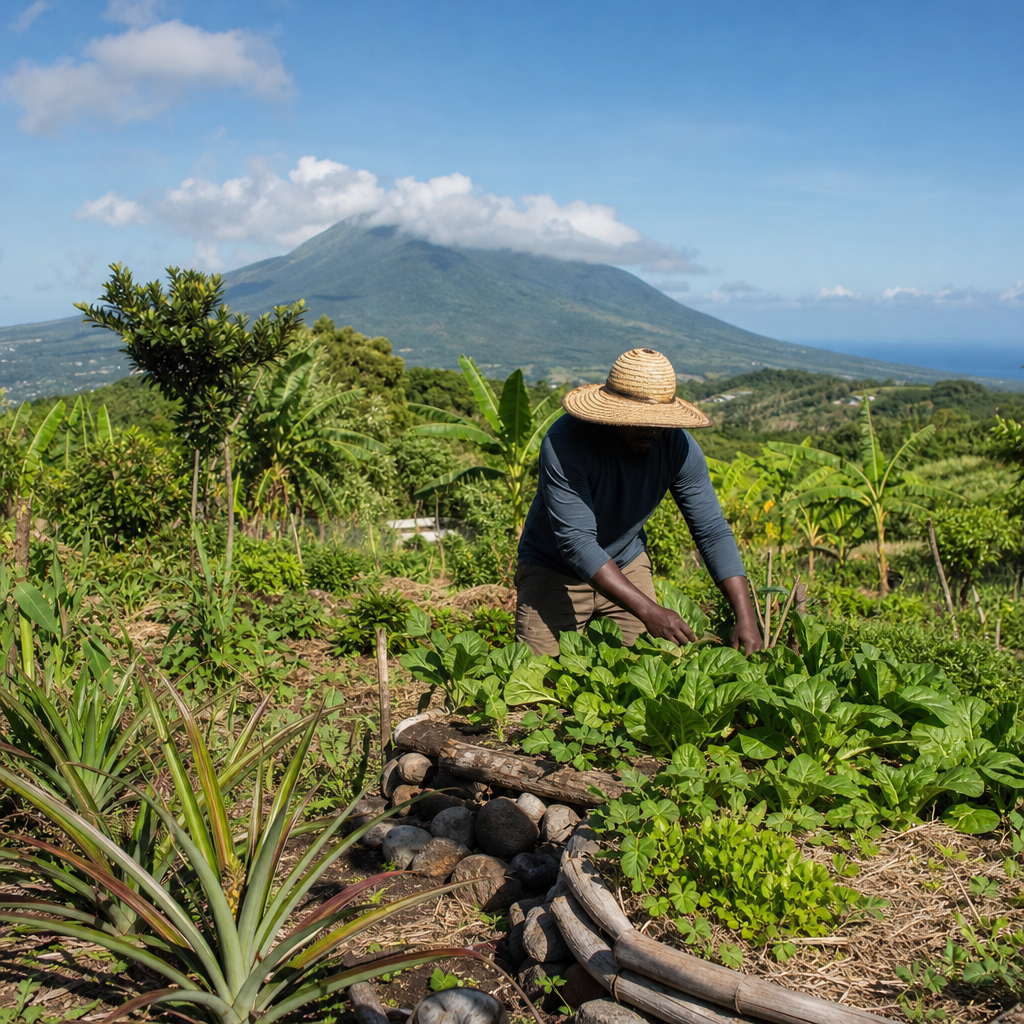
Nevis’ permaculture initiatives are reshaping how a small Caribbean island thinks about food, land stewardship, and the future of sustainable tourism. Permaculture is a design approach that builds productive landscapes by working with natural systems rather than against them. In practice, that means farms that recycle nutrients, conserve water, protect soil, integrate trees and crops, and reduce dependence on imported inputs. On Nevis, these ideas matter because the island faces a familiar set of constraints: limited arable land, high food import bills, periodic drought, stronger storms, and a tourism economy that depends on healthy landscapes as much as healthy balance sheets.
When I assess sustainable farming projects in island destinations, I look for more than organic labels or attractive marketing. The important questions are practical. Does the farm improve soil structure? Does it capture rainwater? Can it produce through dry periods? Does it create local jobs and keep spending on the island? Nevis offers useful answers because its farms, kitchen gardens, school programs, and hospitality partnerships increasingly treat agriculture as part of a wider resilience strategy. Sustainable farming here is not an abstract environmental ideal. It is a response to import dependence, climate pressure, and visitor demand for authentic local experiences.
As a sub-pillar hub under sustainable tourism, this article covers the miscellaneous but essential dimensions that connect Nevis’ permaculture initiatives to daily life: climate-smart growing methods, heritage crops, training, hotel supply chains, community education, and the challenges that still slow wider adoption. The goal is to explain how sustainable farming works on Nevis in plain terms and why it matters to residents, policymakers, chefs, travelers, and investors. If you want to understand how an island can turn regenerative agriculture into an economic and environmental asset, Nevis is a compelling case study.
Why Permaculture Fits Nevis
Nevis has the ecological conditions that make permaculture especially relevant. The island’s volcanic soils can be productive, but they still require careful management to avoid erosion, nutrient depletion, and compaction. Rainfall patterns are uneven, and dry spells can stress shallow-rooted crops. Tropical storms can also damage exposed fields quickly. A conventional model based on monocropping, frequent tillage, synthetic fertilizers, and imported feed leaves farmers financially exposed and landscapes ecologically fragile. A permaculture model reduces that vulnerability by stacking functions: trees provide shade and mulch, groundcovers suppress weeds, compost feeds soil biology, and mixed plantings spread risk across seasons and markets.
On the ground, this usually looks less tidy than industrial agriculture but performs better over time. A farm on Nevis might combine breadfruit, mango, banana, pigeon peas, cassava, herbs, and small livestock in one coordinated system. The diversity is deliberate. Deep-rooted perennials stabilize slopes and access moisture below the surface. Nitrogen-fixing species support nearby crops. Fallen leaves become mulch instead of waste. Chickens can help manage pests and convert scraps into manure. In tourism terms, these landscapes also create a stronger sense of place than imported ornamental grounds or generic produce shipments ever could.
Core Practices Used in Sustainable Farming on Nevis
The most effective sustainable farming projects on Nevis share a handful of methods. First is soil-first management. Healthy soil is not just dirt; it is a living matrix of minerals, organic matter, fungi, bacteria, insects, water, and air. Farmers improve it through compost, mulching, reduced tillage, and cover cropping. Mulch is particularly valuable on small islands because it lowers evaporation, moderates soil temperature, and reduces runoff during heavy rain. Second is water harvesting. Roof catchment, storage tanks, swales, and drip irrigation can make the difference between crop failure and steady production in a dry month.
Third is polyculture, the practice of growing complementary species together. Mixed plantings confuse pests, extend harvest periods, and use light and root space more efficiently than single-crop fields. Fourth is agroforestry, where trees and shrubs form part of the productive system. On Nevis, fruit trees are especially useful because they provide marketable food, long-term canopy, wildlife habitat, and protection from wind. Fifth is nutrient cycling. Instead of relying heavily on imported fertilizer, farms use composted plant residues, animal manure, and bio-inputs to keep fertility moving through the system. These are not trendy add-ons. They are the operational backbone of climate-smart agriculture in island settings.
| Practice | How It Works | Benefit for Nevis |
|---|---|---|
| Mulching | Covers soil with leaves, grass, or chipped biomass | Reduces evaporation and erosion during heat and heavy rain |
| Rainwater harvesting | Collects runoff from roofs into tanks | Improves water security during dry periods |
| Polyculture | Grows multiple crops in one planned area | Lowers pest pressure and diversifies income |
| Agroforestry | Integrates trees with annual crops or livestock | Creates shade, food, habitat, and wind protection |
| Composting | Turns organic waste into stable soil amendment | Cuts fertilizer costs and builds soil organic matter |
Local Crops, Heritage Varieties, and Food Culture
Permaculture on Nevis is strongest when it builds from crops already suited to the island. Breadfruit, sweet potato, yam, cassava, coconut, plantain, papaya, soursop, and pigeon peas are not novelty ingredients; they are practical staples with cultural and agronomic value. Many tolerate heat better than imported temperate vegetables, and several store or process well, which matters when supply chains are disrupted. Breadfruit, for example, is increasingly recognized across the Caribbean as a high-yield tree crop that can support food security while also anchoring agroforestry systems. Cassava is resilient, versatile, and useful for flour and value-added products.
Herbs and medicinal plants also fit naturally into diversified farms and gardens. Lemongrass, basil, thyme, aloe, and moringa can serve household use, restaurant demand, and wellness tourism. This overlap between agriculture and hospitality is important. Visitors increasingly want local flavors, farm tours, cooking classes, and products with a clear island story. A mixed farm growing heritage varieties can supply produce while also functioning as an educational destination. That creates multiple revenue streams from the same land base, which is exactly the kind of efficiency small islands need.
Links Between Farms and the Tourism Economy
Sustainable tourism on Nevis depends partly on whether the visitor economy supports local production or drains value away from it. When hotels and villas import most of their food, economic leakage rises and local farmers struggle to scale. When hospitality businesses buy from Nevis growers, they shorten supply chains, improve freshness, and keep more revenue circulating on the island. In my experience, the strongest farm-to-table programs succeed when chefs plan menus around seasonal availability instead of demanding identical produce every week of the year. That requires communication, crop planning, and realistic expectations on both sides.
Permaculture farms are well placed to serve this market because they usually produce a broader range of ingredients than conventional farms. A single supplier may offer salad greens, edible flowers, herbs, tropical fruits, eggs, and specialty roots. Boutique hotels can turn that diversity into signature dining. Farm visits also strengthen the guest experience. Travelers who see composting systems, rainwater catchment, and mixed orchards understand sustainability more concretely than they do from a plaque in a lobby. For Nevis, that educational value is part of the product. The island is not just selling rooms; it is selling a credible relationship between landscape, cuisine, and community.
Education, Community Projects, and Skills Transfer
No permaculture movement grows without training. On Nevis, knowledge transfer matters as much as land access because sustainable farming requires observation, timing, and design literacy. Farmers need to understand contour, microclimates, compost ratios, pruning, seed saving, nursery management, and integrated pest management. Community gardens and school plots are often the best starting points because they let people test methods at manageable scale. A rain barrel, a worm compost unit, and a shaded herb bed can teach principles that later apply to larger acreage.
Skills transfer also supports social resilience. Older growers often carry practical knowledge about seasonal patterns, local varieties, and traditional food uses that younger residents have not inherited consistently. At the same time, younger farmers may bring digital tools, market awareness, and interest in branding or agritourism. The most effective initiatives bring those strengths together. Workshops led through extension services, nonprofit groups, hospitality partnerships, or regional agricultural networks can help standardize best practices and reduce avoidable mistakes. This is especially important on islands, where failed experiments can discourage adoption quickly because land, labor, and capital are all limited.
Environmental Benefits Beyond Food Production
Permaculture initiatives on Nevis deliver benefits that reach beyond harvest volumes. Biodiversity is one. Mixed systems create habitat for pollinators, birds, beneficial insects, and soil organisms, all of which support ecological stability. Soil carbon is another. Adding organic matter through mulch, compost, and root biomass improves water-holding capacity and helps buffer drought. Reduced runoff protects downstream coastal ecosystems from sediment and nutrient pulses. That matters for tourism because beaches, reefs, and nearshore waters are economic assets as well as natural ones.
Tree-rich systems also moderate heat and wind exposure. In exposed Caribbean landscapes, strategic windbreaks can reduce crop damage substantially, while shaded understories make certain crops possible during hotter months. Waste reduction is another overlooked advantage. Kitchen scraps, prunings, and market waste can become compost rather than landfill. Even small improvements in local nutrient cycling matter on an island where disposal capacity is finite and imported inputs are expensive. These are measurable operational gains, not just environmental talking points.
Constraints, Tradeoffs, and What Still Needs Work
Nevis’ permaculture initiatives are promising, but there are real constraints. Water infrastructure remains a persistent challenge, especially for growers without large storage capacity. Labor is another issue. Diverse farming systems can be knowledge-intensive and, at times, more hands-on than mechanized monocultures. Access to capital for fencing, irrigation, nursery materials, wash stations, and post-harvest handling can slow progress. Land tenure uncertainty can also discourage long-term investments like tree crops, hedgerows, and soil-building systems that may take years to reach full return.
There are tradeoffs too. A highly diversified farm can be resilient, but it may struggle to provide the consistency that some buyers want. Organic or low-input production can reduce certain costs, yet pest pressure in humid tropical conditions is real and requires disciplined monitoring. Certification is not always the best first step for small island producers; direct trust-based relationships with hotels, markets, and households may provide more practical value initially. Policy support therefore matters. Clear procurement pathways, technical assistance, water planning, and small-grant programs can help convert isolated projects into a stronger island-wide food system.
Where the Opportunity Goes Next
The biggest opportunity for Nevis is to treat sustainable farming as infrastructure for tourism, public health, and climate adaptation at the same time. That means expanding demonstration sites, improving farmer-chef coordination, supporting nurseries for resilient planting stock, and building demand for local staples in restaurants and homes. It also means developing more value-added products such as dried herbs, pepper sauces, cassava flour, fruit preserves, and breadfruit-based foods that extend shelf life and capture more revenue locally. These products are well suited to gift shops, hotel retail, and export niches if quality control is strong.
Digital mapping, simple production forecasting, and coordinated purchasing can make local sourcing easier for hospitality buyers. So can practical standards for washing, packing, and delivery. None of this requires turning Nevis into a mass agriculture producer. The island’s advantage is quality, story, and resilience. A smaller but well-organized network of permaculture-oriented farms can supply premium ingredients, educational experiences, and visible environmental benefits that strengthen the wider tourism brand. For island economies, that alignment is powerful because it links land stewardship directly to visitor satisfaction and local livelihoods.
Nevis’ permaculture initiatives show that sustainable farming is not a side project to tourism; it is part of the foundation for a healthier island economy. By building soil, harvesting water, diversifying crops, and reconnecting farms with hotels, schools, and households, Nevis can reduce import dependence while protecting the landscapes that make the island attractive in the first place. The practical lesson is clear: resilience grows from systems that cycle resources locally, respect ecological limits, and create multiple forms of value from the same acre.
For readers exploring the miscellaneous side of sustainable tourism, this hub topic matters because it connects many smaller themes into one strategy. Food culture, biodiversity, waste reduction, education, guest experience, and climate adaptation all meet in the field. Nevis does not need to copy large-country agricultural models to succeed. It needs approaches calibrated to island realities, and permaculture offers exactly that framework when backed by training, market access, and long-term commitment.
If you are planning policy, investing in hospitality, or simply choosing where to travel, pay attention to how Nevis grows its food. Support businesses that source locally, visit farms that teach sustainable methods, and follow the wider network of island initiatives linked to regenerative land use. The future of sustainable tourism on Nevis will be shaped as much by what happens in its gardens and orchards as by what happens on its beaches.
Frequently Asked Questions
What are Nevis’ permaculture initiatives, and why are they important for the island?
Nevis’ permaculture initiatives refer to a growing set of farming, land management, and community-based projects that use ecological design principles to create productive, resilient landscapes. Instead of relying heavily on imported fertilizers, excessive irrigation, or single-crop production, permaculture systems are designed to mimic natural ecosystems. On Nevis, that often means combining fruit trees, vegetables, herbs, ground covers, compost systems, rainwater harvesting, and soil-building practices into one integrated approach. The goal is not only to grow food, but also to restore soil health, improve water retention, reduce waste, and strengthen local self-reliance.
These initiatives matter because Nevis, like many small islands, faces a unique combination of pressures. Arable land is limited, weather patterns can be unpredictable, and dependence on imported food and agricultural inputs can make the local food system vulnerable to supply chain disruptions and rising costs. Permaculture offers a practical response by helping farmers produce more sustainably with fewer external inputs. It also supports broader island priorities, including environmental protection, climate resilience, and a tourism economy that increasingly values authentic, locally rooted experiences. In that sense, permaculture on Nevis is not just about farming differently; it is about rethinking how land, community, and economy can work together more sustainably.
How does permaculture help Nevis address challenges like soil health, water conservation, and climate resilience?
Permaculture is especially valuable on Nevis because it addresses several interconnected challenges at the same time. Healthy soil is a foundational concern, and permaculture systems focus heavily on building it through composting, mulching, cover crops, reduced tillage, and the careful cycling of organic matter back into the land. These practices increase soil fertility naturally while also improving soil structure. Better-structured soil can hold more moisture, support more microbial life, and resist erosion more effectively, which is important on an island where heavy rains and dry spells can both create problems for farmers.
Water conservation is another major advantage. Permaculture designs often include features such as swales, contour planting, mulched beds, shade-producing trees, and rainwater capture systems that slow runoff and help water soak into the ground instead of being lost. In a Caribbean setting, where rainfall may come in bursts and dry periods can stress crops, that kind of water management is critical. By retaining moisture in the landscape and reducing evaporation, farmers can lower irrigation demands and maintain healthier crops over time.
Climate resilience is where these benefits come together. A diverse farm with mixed crops, trees, windbreaks, and layered plantings is generally more resilient than a conventional monocrop system. If one crop fails because of pests, heat, or storms, others may still thrive. Trees can reduce wind damage, perennial plants can stabilize the landscape, and biodiversity can help keep pest populations in balance. For Nevis, this means permaculture is not simply an environmentally friendly option; it is a strategic way to make local agriculture more durable in the face of changing weather patterns and long-term climate uncertainty.
What kinds of farming practices are typically used in permaculture projects on Nevis?
Permaculture projects on Nevis typically rely on a combination of practical, low-waste, regenerative methods that suit the island’s climate and landscape. One common practice is agroforestry, where trees are integrated with crops rather than being cleared away. Fruit trees, coconut palms, nitrogen-fixing species, and shade trees can all play a role in creating a more stable and productive system. These trees help improve microclimates, reduce evaporation, anchor soil, and provide multiple yields, from fruit and timber to mulch and habitat for beneficial insects.
Another hallmark practice is composting and nutrient recycling. Instead of seeing organic matter as waste, permaculture treats it as a resource. Kitchen scraps, plant trimmings, animal manure, and crop residues can be returned to the soil through compost, mulch, or compost teas. This reduces dependence on imported fertilizers while improving soil fertility in a way that is more sustainable over the long term. Many systems also use polycultures, meaning different crops are grown together to maximize space, reduce pest pressure, and create mutually supportive plant communities.
Water-sensitive design is also central. Farmers may use mulched pathways, raised or contoured beds, rain barrels, ponds, or gravity-fed irrigation systems to conserve water and direct it efficiently. In addition, many permaculture farms on islands like Nevis incorporate natural pest management, seed saving, small livestock integration, herbal borders, and seasonal crop planning. The result is a farming system that is not only productive, but also adaptive, resource-efficient, and better aligned with local ecological conditions than high-input conventional agriculture.
How do Nevis’ permaculture initiatives support local communities and sustainable tourism?
Nevis’ permaculture initiatives can have a meaningful community impact because they strengthen local food security and create opportunities for education, entrepreneurship, and skill-sharing. When more food is grown locally using regenerative methods, communities become less dependent on imported produce that may be expensive, inconsistent in quality, or vulnerable to shipping disruptions. Local farmers, gardeners, schools, and residents can all benefit from a stronger culture of food production that values practical knowledge, nutrition, and environmental stewardship. In some cases, permaculture spaces also become community learning sites where people can see composting, tree-crop integration, and water conservation techniques in action.
There is also an important economic dimension. Permaculture can help farmers diversify what they grow and sell, which may improve income stability. Instead of relying on one crop, they may produce fruits, vegetables, herbs, seedlings, value-added goods, or even host workshops and farm visits. That diversification can be especially useful on a small island economy where flexibility matters. It also creates stronger connections between agriculture and hospitality, particularly as restaurants, guesthouses, and hotels increasingly seek fresh, local, sustainably grown ingredients.
From a tourism perspective, permaculture aligns well with the growing demand for eco-conscious travel. Visitors are often interested in authentic experiences that reflect the identity of a place, and farms designed around ecological principles can offer exactly that. Farm-to-table dining, educational tours, volunteer experiences, and landscape-based wellness activities all fit naturally within a sustainable tourism model. For Nevis, this means permaculture can enhance the visitor experience while reinforcing the island’s environmental values and supporting a more locally rooted tourism economy.
What is the long-term potential of permaculture for the future of farming on Nevis?
The long-term potential of permaculture on Nevis is considerable because it offers a framework for building a more resilient, productive, and self-sustaining agricultural future. Over time, well-managed permaculture systems tend to improve rather than degrade the land. Soil becomes richer, water is used more efficiently, biodiversity increases, and farms become less reliant on expensive external inputs. For a small island, that kind of gradual ecological strengthening is especially valuable. It means agriculture can contribute not just to food production, but also to watershed protection, landscape restoration, and overall environmental health.
Permaculture also opens the door to a broader cultural shift in how farming is understood. Rather than seeing agriculture as something separate from conservation, tourism, or community development, it encourages a more integrated model. Schools can use permaculture gardens for education, local businesses can source from regenerative farms, and policymakers can support land use practices that reward long-term stewardship. If these efforts continue to expand, Nevis could position itself as a regional example of how island agriculture can adapt to modern challenges without abandoning ecological balance.
That said, long-term success depends on continued investment in training, access to land, community participation, and supportive local markets. Permaculture is not an overnight solution, and it works best when people understand that it is a design system as much as a set of techniques. But with patience and commitment, it has the potential to help Nevis create a food system that is more local, more sustainable, and better prepared for the environmental and economic realities of the future.