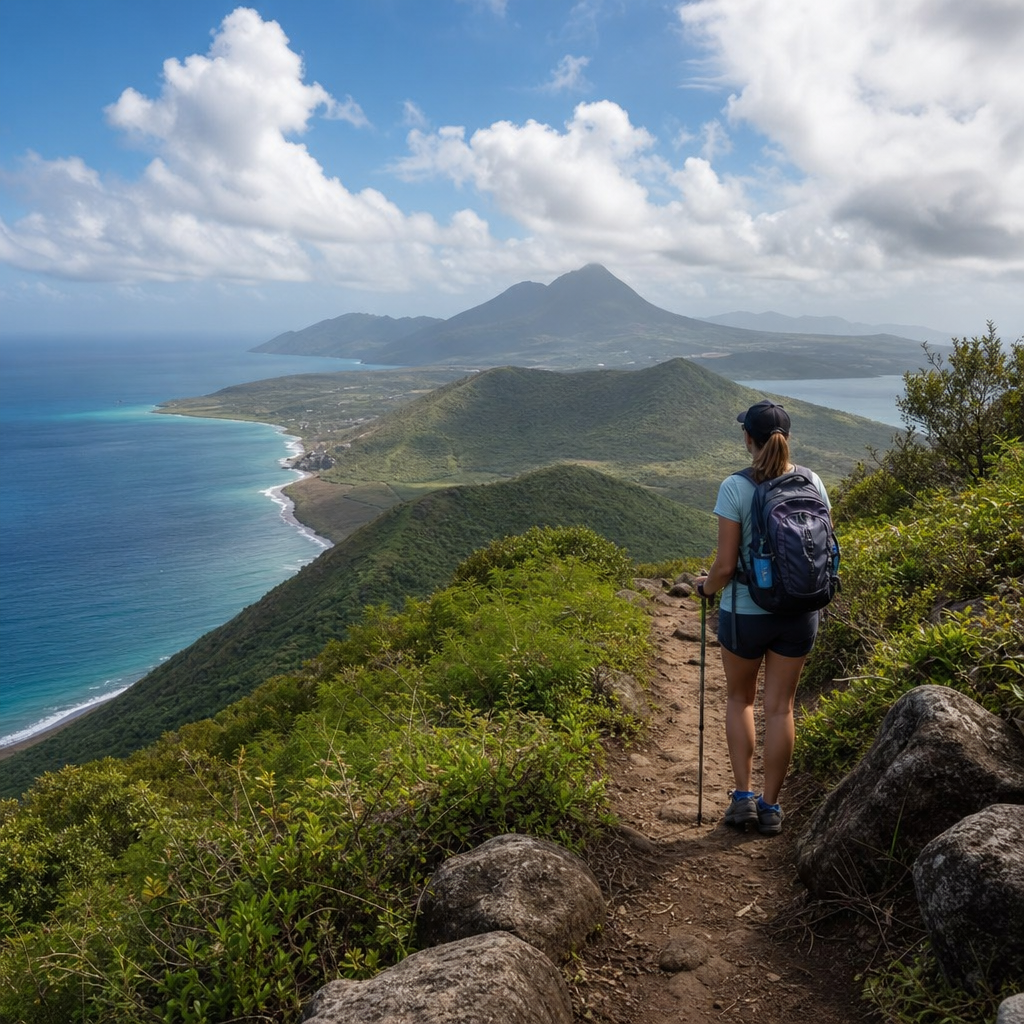
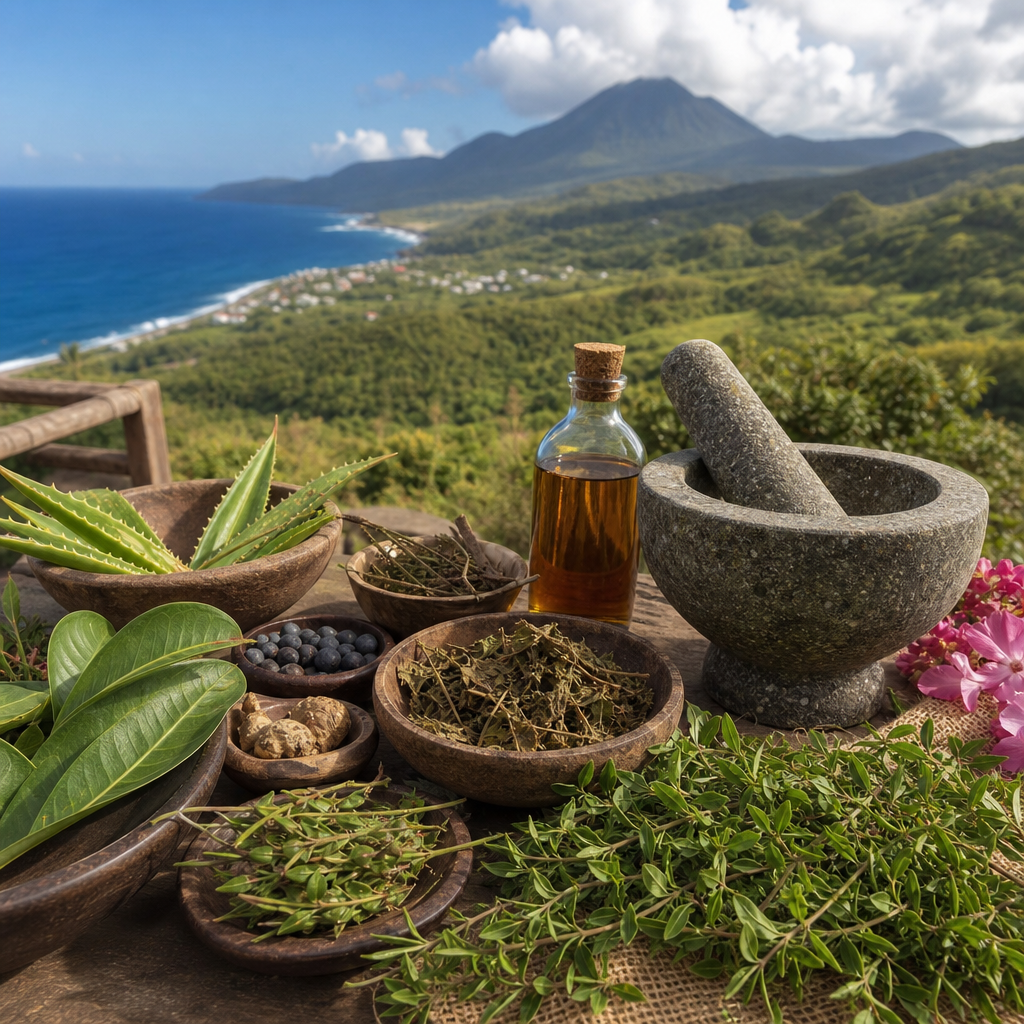
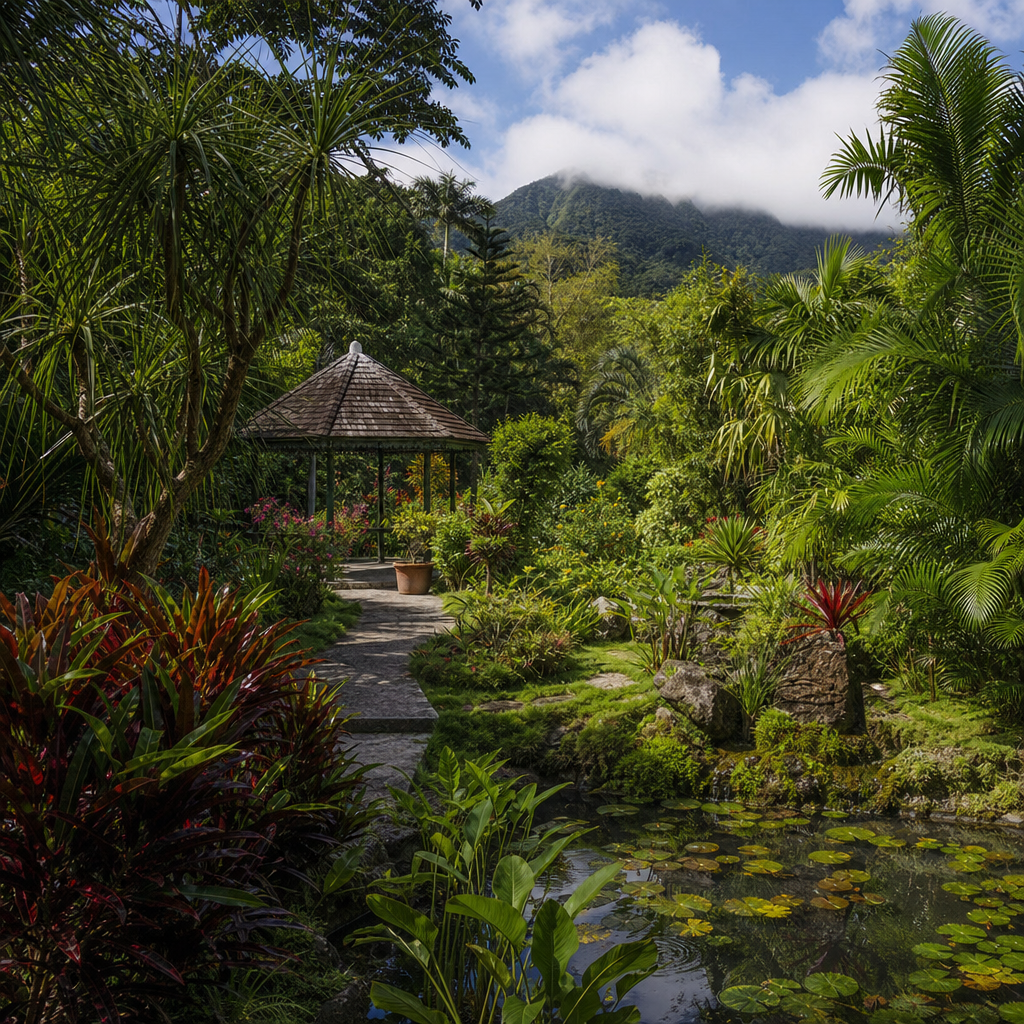
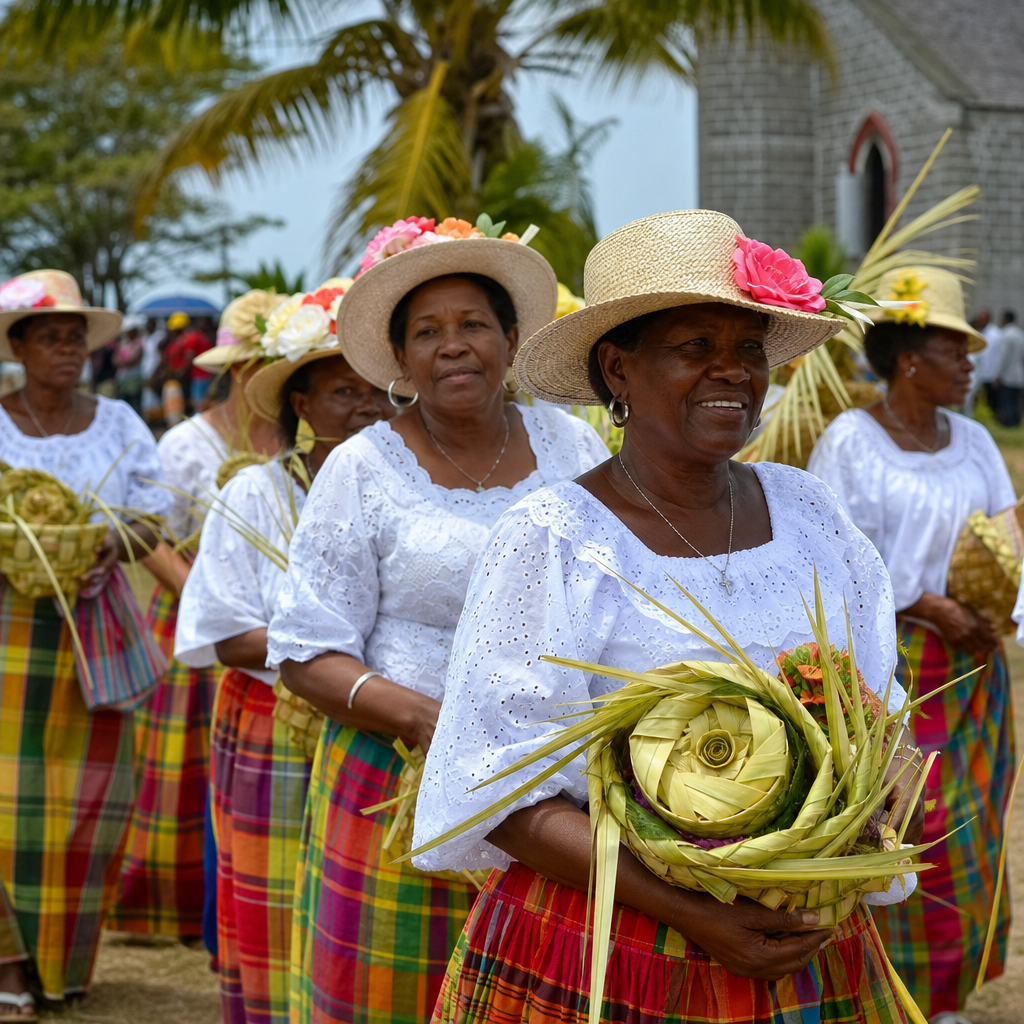
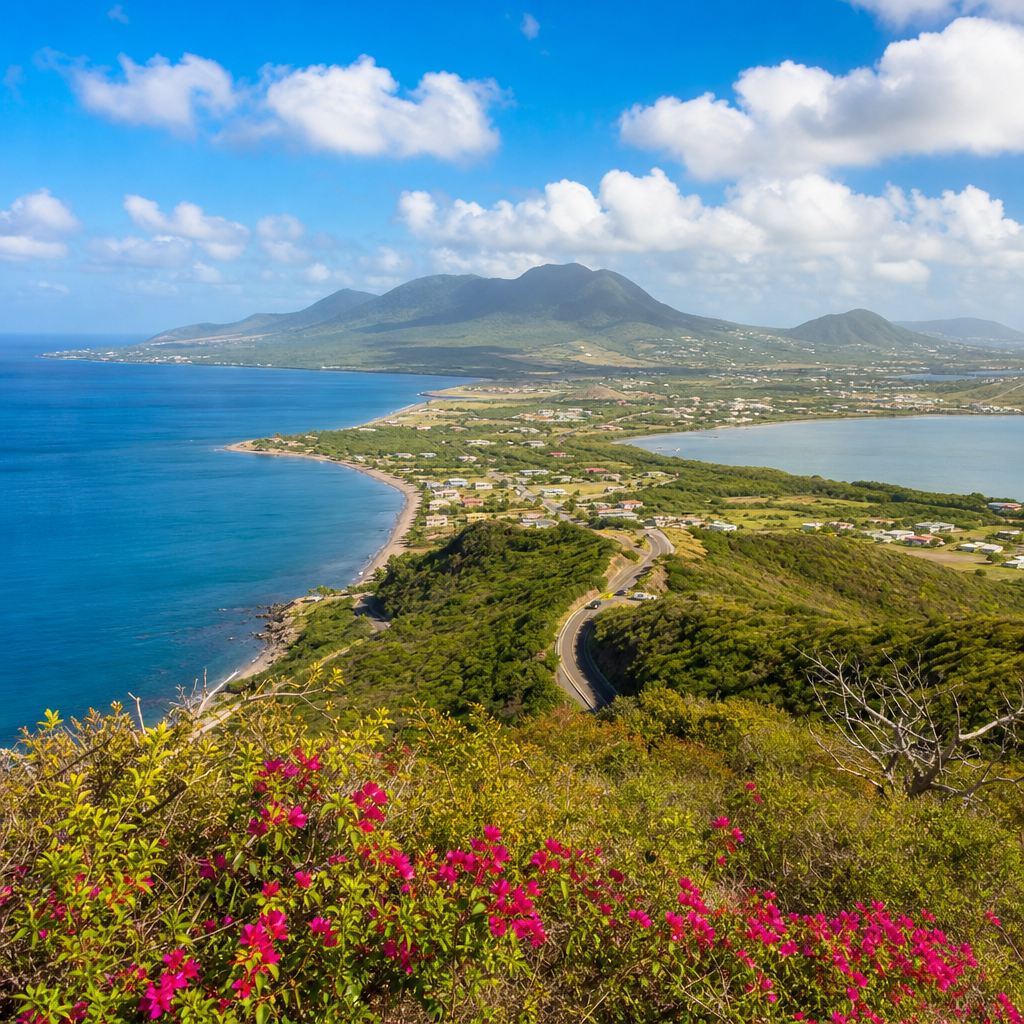
Local environmental efforts in Nevis shape daily life as much as its beaches, village roads, fishing grounds, and hillsides. On a small Caribbean island, conservation is not an abstract policy issue; it is a practical question of water security, storm resilience, public health, food supply, and the long-term appeal of the island to residents and visitors. In Nevis, environmental work includes protecting coastal ecosystems, improving waste management, safeguarding freshwater resources, restoring native landscapes, strengthening climate preparedness, and supporting community habits that reduce damage to land and sea. These efforts matter because small islands face concentrated risks: limited landfill space, fragile reefs, imported fuel dependence, intense rainfall events, drought periods, and the direct economic impact of environmental decline on tourism and agriculture.
When people ask what local environmental efforts in Nevis actually look like, the answer is straightforward. They include beach cleanups organized by schools and community groups, turtle monitoring and seasonal awareness campaigns, drainage clearing before the wet season, conservation education through local institutions, better handling of solid waste, and the gradual spread of sustainable farming and water-wise landscaping. They also include government planning, utility management, and the quieter daily decisions made by households and businesses, such as reducing single-use plastics, composting green waste, and preventing litter from entering ghauts and coastal waters. I have seen firsthand that on Nevis, small operational improvements often matter more than grand announcements because limited scale allows local actions to produce visible results quickly.
As a hub article within Local Life and Experiences, this page brings together the broad environmental picture rather than focusing on one project alone. It explains the main areas of work, why each one matters on Nevis specifically, and how they connect to community life. A healthy island environment supports cleaner bathing water, better fishing habitat, safer roads during heavy rain, more dependable agriculture, and a stronger sense of place. That is why local environmental efforts in Nevis deserve close attention: they are essential to quality of life, not separate from it.
Coastal and Marine Protection in Everyday Practice
Nevis depends heavily on the health of its coastline. Beaches protect inland areas from wave energy, seagrass beds stabilize sediment, mangroves help buffer flooding, and coral reefs support fisheries while reducing coastal erosion. Local environmental efforts in Nevis therefore often start at the shoreline. Community cleanups remove plastic bottles, fishing line, cans, and foam containers before they break into smaller fragments or wash offshore. Schools and volunteer groups play an important role here because repeated cleanups are not only about appearance; they reduce hazards to turtles, seabirds, and marine life and also create visible public accountability.
Marine protection also relies on awareness during turtle nesting periods. Sea turtles need dark, quiet beaches, and unmanaged nighttime lighting can disorient both nesting females and hatchlings. Practical guidance on Nevis typically focuses on reducing beachfront light spill, avoiding disturbance around marked nests, and keeping beaches free of obstacles. These are simple measures, but on a small island they can make a measurable difference. Fishermen, hospitality operators, and residents all influence outcomes. In my experience, the most effective messaging ties wildlife protection to island identity and future tourism value rather than presenting it as an outside demand.
Runoff control is another key marine issue. After intense rain, litter, sediment, oils, and other pollutants can move through roadsides, ghauts, and drains into coastal waters. That weakens water quality and can smother nearshore habitats. Local environmental efforts in Nevis therefore overlap with road maintenance, drainage clearing, and better construction practices. Silt fences, sensible grading, and keeping building debris out of watercourses are not glamorous topics, but they protect reefs more effectively than one-off awareness campaigns. The best coastal conservation on Nevis is usually upstream.
Waste Management and the Pressure of Limited Island Space
Waste management is one of the clearest environmental challenges on Nevis because land is limited and disposal options are constrained. Every small island must manage the basic math of consumption: imported goods arrive packaged, businesses generate refuse daily, and landfill space does not expand easily. Local environmental efforts in Nevis often concentrate on reducing litter, improving collection reliability, encouraging separation of waste where possible, and promoting reuse before disposal becomes necessary. This work matters because poor waste handling affects scenery, public health, drainage performance, and marine pollution all at once.
Tourism and retail activity can increase visible waste streams, especially single-use beverage containers, takeaway packaging, and event-related refuse. In practice, the most useful local responses combine infrastructure with behavior change. Public bins help only if they are placed sensibly and emptied consistently. Anti-litter campaigns work better when paired with school education, enforcement, and community pride. Businesses that switch to refill systems, durable service ware, or bulk purchasing reduce pressure immediately. Hotels and villas can also influence supply chains by favoring less packaged goods and better back-of-house sorting.
The table below shows how common waste issues on Nevis connect to practical local responses.
| Environmental issue | Why it matters on Nevis | Practical local response |
|---|---|---|
| Plastic litter on roads and beaches | Enters drains and coastal waters, harms wildlife, damages island image | Regular cleanups, bin placement, school campaigns, reduced single-use items |
| Green waste from yards and farms | Can clog drains or be openly burned, affecting air quality | Composting, chipping, scheduled collection, use as mulch |
| Bulky waste and scrap materials | Creates illegal dumping sites and mosquito habitat | Designated collection days, contractor compliance, reuse and salvage |
| Household hazardous waste | Improper disposal can contaminate soil and water | Targeted public guidance and controlled handling procedures |
No island solves waste problems with cleanup alone. Long-term progress depends on procurement choices, public services, and realistic policy. Nevis benefits when institutions and households treat waste reduction as part of normal island management rather than a special campaign.
Water Security, Drainage, and Watershed Care
Fresh water is a strategic resource on Nevis. Even where an island has relatively good natural water assets compared with some neighbors, supply is never guaranteed. Dry spells, population demand, visitor demand, leaks, and storm damage can all strain systems. Local environmental efforts in Nevis therefore include watershed protection, efficient water use, drainage maintenance, and public attention to how land management affects springs, wells, and runoff quality. These issues are interconnected. A neglected hillside can contribute to erosion, and eroded soil can end up in drains, roads, and nearshore waters.
One of the most practical environmental habits on Nevis is keeping ghauts and drains clear. During heavy rainfall, blocked channels increase flood risk and can damage homes, roads, and businesses. Community members often notice this problem before official crews do, which is why local reporting and neighborhood action matter. Clearing drains is not merely municipal housekeeping; it is climate adaptation in a very direct form. Every removed pile of cut vegetation, dumped appliance, or plastic bag lowers the chance that runoff will back up where people live.
Water conservation also deserves more attention in households and hospitality properties. Low-flow fixtures, leak detection, rainwater capture for gardens, drought-tolerant landscaping, and irrigation timing all make a difference. I have found that many people think environmental action must be expensive, but some of the best results come from maintenance discipline. Fixing a persistent leak, mulching soil to reduce evaporation, and planting species suited to local conditions save water immediately without changing comfort standards.
Agriculture, Land Stewardship, and Food Resilience
Environmental work in Nevis is closely tied to agriculture because the way land is farmed affects soil health, water retention, biodiversity, and food security. Small-island agriculture faces multiple pressures: imported competition, labor constraints, weather volatility, and shifting development patterns. Still, local environmental efforts in Nevis increasingly recognize that productive land should also be resilient land. Farmers who use contour planting, mulching, compost, shade management, and careful grazing practices are not only improving yields; they are reducing erosion and preserving the land base.
Sustainable farming on Nevis does not require every grower to become fully organic, and that is an important point. The strongest local results usually come from integrated practices that are practical under real operating conditions. Composting green waste improves soil structure. Drip irrigation cuts water use. Windbreaks help reduce crop stress. Rotational grazing prevents overuse of pasture. Mixed planting can lower pest pressure and spread risk. These methods are valuable because they fit the island’s need for efficiency and resilience. They also make local food production less vulnerable to import disruptions and extreme weather.
Home gardens contribute as well. Across Nevis, kitchen gardens and fruit trees support household food access and keep useful plants embedded in community life. Breadfruit, mango, coconut, herbs, and ground provisions are part of the lived landscape, not just agricultural output. When residents maintain gardens with compost, collected rainwater, and reduced chemical inputs, they are participating in environmental stewardship at a household scale. That matters because island sustainability is cumulative. Many small plots managed well can protect soil and reduce runoff over a wide area.
Community Education, Schools, and Public Participation
The most durable environmental progress in Nevis comes from people understanding why a practice matters, not just being told to comply. Schools, youth groups, churches, local businesses, and civic organizations all help translate environmental goals into daily behavior. Educational efforts are especially effective when they are place-based. A lesson about marine litter has more impact when students can identify the exact beach where debris washes ashore. A discussion about drainage works better when families have seen roads flood after heavy rain. In Nevis, local relevance is the difference between passive awareness and useful action.
Public participation also improves environmental decision-making. Residents often know where illegal dumping occurs, which gullies overflow first, where beach erosion has worsened, or which community spaces need tree cover. That local knowledge should inform planning. I have repeatedly seen that the best island projects combine technical guidance with community memory. Engineers, environmental officers, teachers, fishers, farmers, and hospitality operators each see a different part of the system. Bringing those perspectives together leads to more practical solutions than isolated top-down planning.
Environmental events can strengthen this culture when they are tied to follow-through. Tree planting is helpful only if species selection, watering, site conditions, and maintenance are handled properly. Beach cleanups matter most when organizers also record what types of litter are found and use that information to target upstream sources. Public meetings are useful when they produce assigned actions, timelines, and visible updates. Nevis does not need symbolic environmentalism. It benefits from repeatable local routines backed by clear responsibility.
Climate Resilience, Energy Choices, and the Road Ahead
Climate resilience is now central to local environmental efforts in Nevis because the island faces stronger heat stress, more intense rainfall events, coastal pressure, and the broader economic risk that comes with global climate change. For Nevis, resilience means protecting infrastructure, improving emergency readiness, preserving natural buffers, and reducing vulnerability where possible. It also means making sensible energy choices. Island energy systems that rely heavily on imported fuel are exposed to price volatility and supply shocks, so efficiency and renewable energy are environmental and economic priorities at the same time.
On the ground, resilience starts with practical planning. Buildings need good drainage design. Roads need culverts that are maintained, not just installed. Coastal development should account for erosion and storm surge instead of assuming yesterday’s shoreline will remain fixed. Tree cover in settled areas can reduce heat and improve comfort. Backup water and power planning matter for clinics, hotels, and essential services. These are environmental efforts because they reduce damage, lower recovery costs, and make communities safer under stress.
Energy efficiency is often the fastest gain available. Efficient air-conditioning systems, LED lighting, insulation improvements, solar water heating, and better building management cut fuel use without lowering service quality. On an island, every avoided kilowatt-hour has amplified value because generation and import costs are high. Renewable energy development can further strengthen Nevis if projects are matched carefully to grid needs, land constraints, and long-term maintenance capacity. The lesson is simple: climate action on Nevis works best when it is grounded in infrastructure, operations, and local realities rather than slogans.
Local environmental efforts in Nevis succeed when they are practical, visible, and shared across the whole community. Coastal protection, waste reduction, water security, sustainable farming, education, and climate resilience are not separate agendas; they form one system that supports public health, livelihoods, and the island’s character. The strongest examples are usually straightforward: clearing drains before storms, reducing beach lighting during turtle season, composting green waste, conserving water, and designing buildings and landscapes to work with local conditions instead of against them.
This hub article also points to the wider value of environmental stewardship within Local Life and Experiences. A cleaner beach improves recreation and tourism, but it also protects wildlife. Better watershed care reduces flooding, but it also improves coastal water quality. Smarter waste handling keeps neighborhoods attractive, but it also protects marine habitats and public health. That interconnectedness is the main lesson. On Nevis, environmental progress is most effective when residents, businesses, schools, farmers, and public agencies all treat it as part of ordinary island management.
If you want to understand Nevis beyond its scenery, follow its environmental work. Look at how communities protect shorelines, manage limited resources, and adapt to changing conditions. Support local cleanups, choose businesses with responsible practices, conserve water and energy where you stay, and pay attention to how everyday island systems function. Those actions help sustain the Nevis that people value today and want future generations to inherit.
Frequently Asked Questions
Why are local environmental efforts so important in Nevis?
Environmental efforts matter in Nevis because the island’s natural systems directly support everyday life. On a small island, there is little distance between where people live, where food is grown, where rainwater is collected, where waste is handled, and where tourism takes place. That means environmental damage is rarely isolated. If coastal areas are degraded, fishing communities can feel the impact quickly. If drainage systems are blocked or hillsides are poorly managed, heavy rains can increase flooding, erosion, and damage to roads and homes. If freshwater resources are stressed, households, farms, and businesses all face consequences.
Local environmental work also helps strengthen resilience. Nevis is exposed to hurricanes, drought periods, coastal erosion, and the long-term effects of climate change, including stronger storms and shifting rainfall patterns. Protecting wetlands, maintaining healthy vegetation, managing development carefully, and improving waste systems are not just conservation goals; they are practical investments in public safety, public health, and economic stability. In a place where tourism and natural beauty are closely connected, environmental protection also supports jobs and the island’s long-term attractiveness to visitors. In short, local environmental efforts in Nevis are important because they protect both the landscape and the social and economic systems that depend on it.
What kinds of environmental projects are typically underway in Nevis?
Environmental work in Nevis usually spans several connected areas rather than focusing on a single issue. Coastal protection is often a major priority, including efforts to preserve beaches, mangroves, reefs, and nearshore habitats that help reduce erosion, support fish populations, and buffer storm impacts. These ecosystems are valuable not only for biodiversity but also for livelihoods, recreation, and tourism. When local groups and public agencies work to protect coastal zones, they are often also protecting infrastructure, homes, and community access to the sea.
Waste management is another important area. On a small island, improper disposal of solid waste can quickly affect land quality, drainage, air quality, and marine environments. Local initiatives may include cleanup campaigns, better public awareness around littering, improved collection and disposal practices, and greater interest in reduction, reuse, and recycling where feasible. Freshwater protection is also central. Because island water supplies can be limited and vulnerable to drought, contamination, or overuse, environmental efforts often include watershed protection, better land management, and public education about conservation.
Other common projects include tree planting, hillside restoration, community beautification, environmental education in schools, and support for more sustainable agriculture and fishing practices. These efforts may seem separate at first, but they are often deeply linked. Replanting vegetation can reduce runoff, help protect water sources, and improve soil stability. Better farming practices can support food security while lowering pressure on fragile land. Public education can reinforce all of these goals by helping residents understand how daily choices connect to the island’s environmental future.
How do environmental efforts in Nevis affect residents and local communities on a daily basis?
For residents, environmental efforts in Nevis often show up in very practical ways. Cleaner public spaces, better drainage, reduced litter, healthier coastlines, and more reliable water resources all affect quality of life. Environmental protection is not something separate from community well-being; it influences health, mobility, safety, and even household expenses. For example, when waste is handled more effectively, communities can face fewer pest problems, cleaner roadsides, and less pollution entering gullies and coastal waters. When vegetation is protected or restored, the island may be better able to absorb heavy rainfall, which can help reduce erosion and localized flooding.
These efforts also affect food systems and livelihoods. Fishers depend on healthy marine habitats, farmers depend on soil and water stability, and many small businesses benefit from an island environment that remains attractive and functional. Residents may also experience environmental efforts through school programs, volunteer cleanups, neighborhood campaigns, or public messaging around conservation and preparedness. Over time, these activities can build a stronger culture of stewardship, where communities see environmental care not as an outside agenda but as part of protecting family life, local identity, and economic opportunity.
There is also a long-term community benefit in resilience. Environmental planning helps communities prepare for storms, heat, water shortages, and changing climate conditions. In that sense, local environmental work supports not just present-day comfort but the island’s future capacity to adapt. For Nevis, where community ties are strong and space is limited, even small improvements in environmental management can have visible and meaningful results in daily life.
What are the biggest environmental challenges facing Nevis today?
Nevis faces several environmental challenges that are common to small island communities but especially significant because of limited land area and close connections between people, infrastructure, and ecosystems. One major challenge is climate vulnerability. Stronger storms, coastal erosion, changing rainfall patterns, and hotter conditions can all place pressure on homes, roads, agriculture, freshwater supplies, and natural habitats. Even gradual environmental changes can become serious over time when an island depends heavily on stable coastal zones and predictable water availability.
Waste management remains another important challenge. On islands, disposal options are more limited, and mismanaged waste can quickly affect both terrestrial and marine environments. Plastics, illegal dumping, and inadequate separation of materials can add to the strain. Freshwater security is also a persistent concern. Water resources can be threatened by drought, contamination, and unsustainable land use, making protection of watersheds and careful resource planning essential.
Additional challenges may include habitat loss, pressure from development, invasive species, and the need to balance economic growth with conservation. Tourism, while valuable, can also create environmental strain if growth is not carefully managed. At the same time, limited financial and technical resources can make it harder to implement large-scale solutions quickly. That is why local environmental action in Nevis often depends on partnerships among government agencies, community groups, schools, businesses, and residents. The most effective responses tend to be practical, locally grounded, and designed for the island’s specific environmental realities rather than copied from larger countries with very different conditions.
How can residents and visitors support environmental efforts in Nevis?
Residents and visitors can support environmental efforts in Nevis by treating environmental care as a daily responsibility rather than an occasional gesture. Simple actions matter on a small island. Proper waste disposal, reducing single-use plastics, conserving water, and respecting public spaces all help lower pressure on local systems. Visitors can make a meaningful difference by choosing accommodations and activities that show clear respect for the island’s environment, avoiding litter, limiting unnecessary consumption, and following guidance around beaches, marine areas, and protected spaces.
Residents can go further by participating in community cleanups, supporting local conservation groups, encouraging environmental education, and backing policies that promote responsible development and resource management. Households and businesses can also contribute by improving water efficiency, reducing waste, and being more mindful about what enters drains, gullies, and coastal areas. Farmers, fishers, schools, and tourism operators each have a role to play in protecting the ecosystems that support the island.
Perhaps most importantly, both residents and visitors can support a culture of stewardship. That means recognizing that the beauty of Nevis is not guaranteed and that maintaining it requires consistent, collective effort. Respect for beaches, reefs, freshwater sources, hillsides, and village spaces is part of respecting the community itself. When people understand that local environmental efforts protect health, livelihoods, safety, and the future of the island, support becomes more informed, more practical, and more effective.